The Ummayyad caliphate was greatly destabilized by their unwillingness to treat non-arab converts like arabs, as their empire was reliant on the Jizya tax (which converts had to keep paying) 
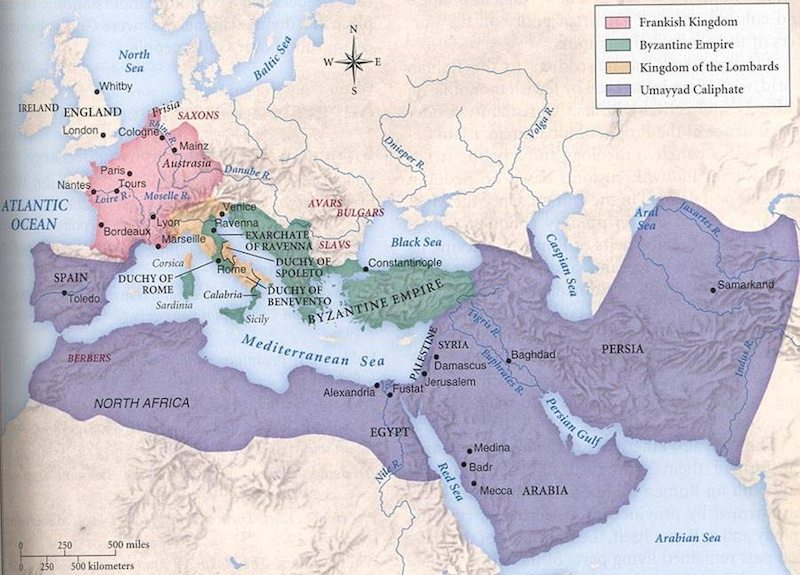
Converts were not allowed to enter government, dress arabic or marray arabic women, the arabic language was however encouraged/enforced in some regions especially Iran.
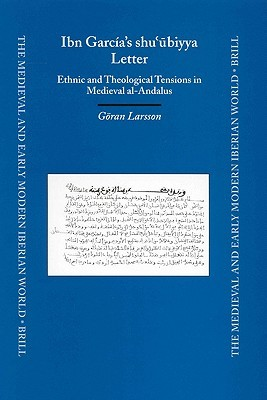
The sentiment is exemplified by basque poet Ibn Garsiya, who praised the convert-peoples mastery of natural philosophy, logic, astronomy, music, arithmetic, and geometry, while he ridicules Arabs as "experts in the description of towering camels"
Similarily, iranian converts looked back on their conquest with sorrow, they thanked the arabs for Islam, but nothing more.
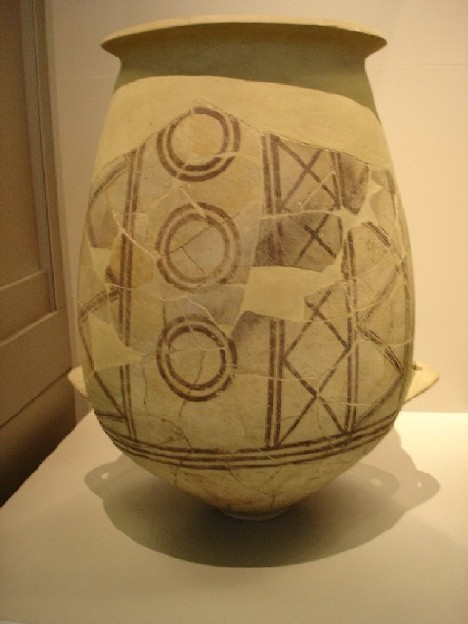
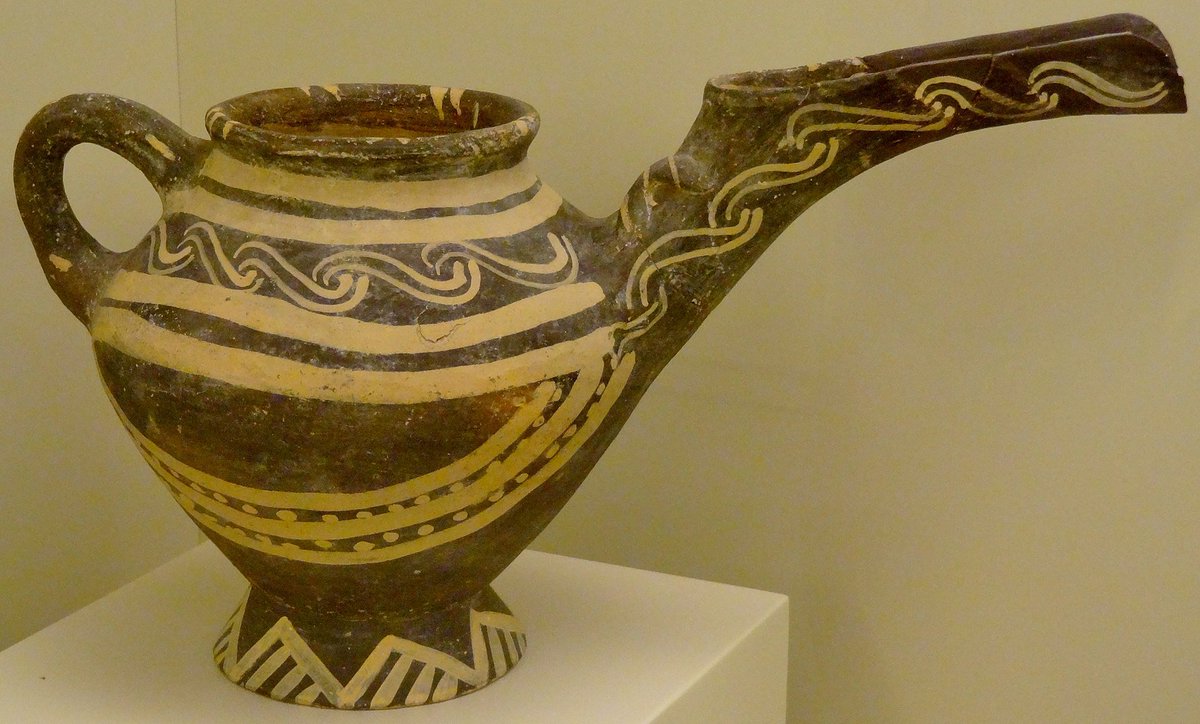
One poet complaiend how the arabic style is drab and depressing, in contrast to colourful iranian fashion and architecture.
One poet complaiend how the arabic style is drab and depressing, in contrast to colourful iranian fashion and architecture.
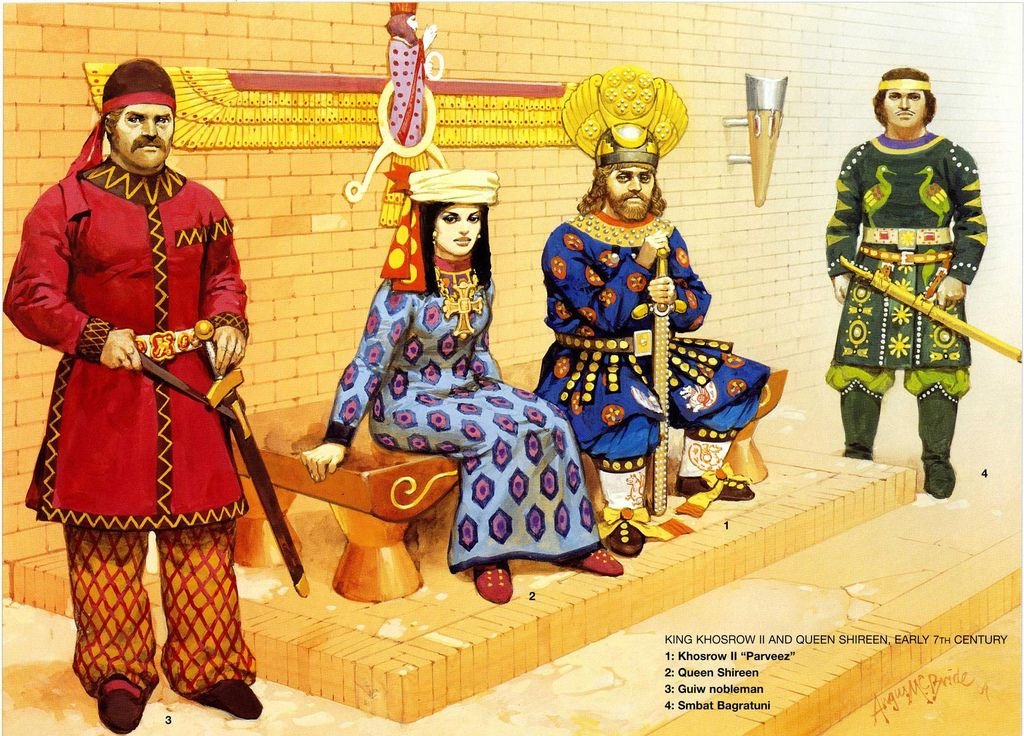
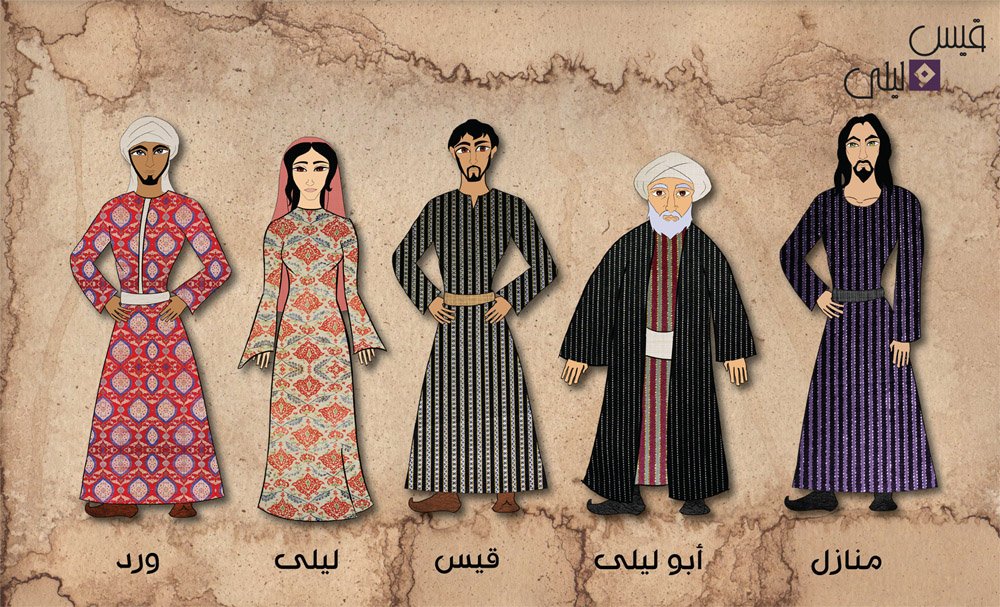
These poets did not explicitly reject arabic culture and religion, frequently writing in perfect court-arabic, but they demanded an equal treatment.
10% of the Umayyad caliphates population was Muslim at the end, not much but enough to outnumber the arabs.
10% of the Umayyad caliphates population was Muslim at the end, not much but enough to outnumber the arabs.
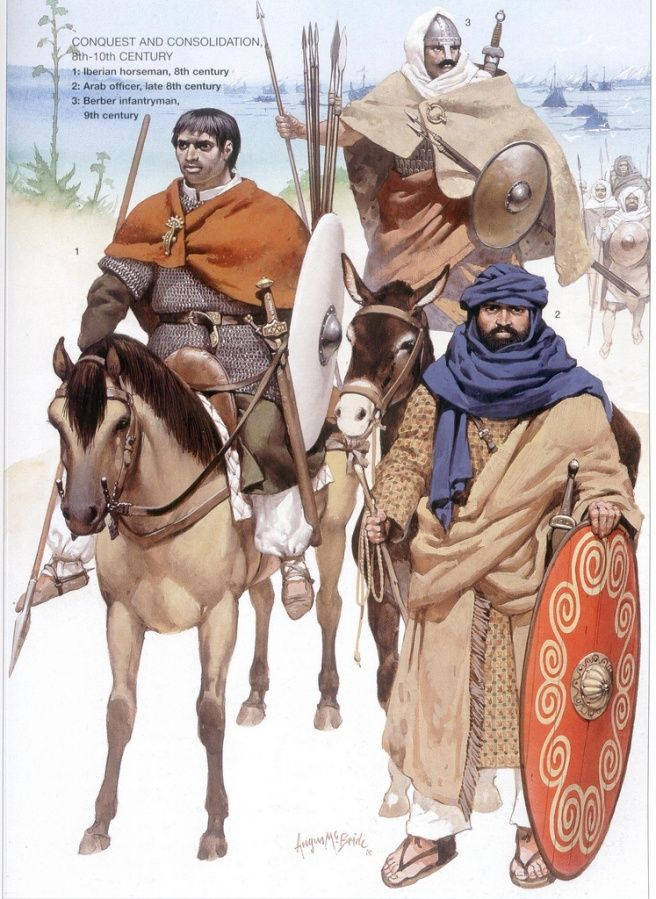
The abbasid family made use of these tensions and many iranians (non-converts too) supported them in a bid to receive equal treatment.
After a stealthy propaganda/infiltration campaign followed by an organized uprising, they quickly toppled the ailing Umayyad state.
After a stealthy propaganda/infiltration campaign followed by an organized uprising, they quickly toppled the ailing Umayyad state.
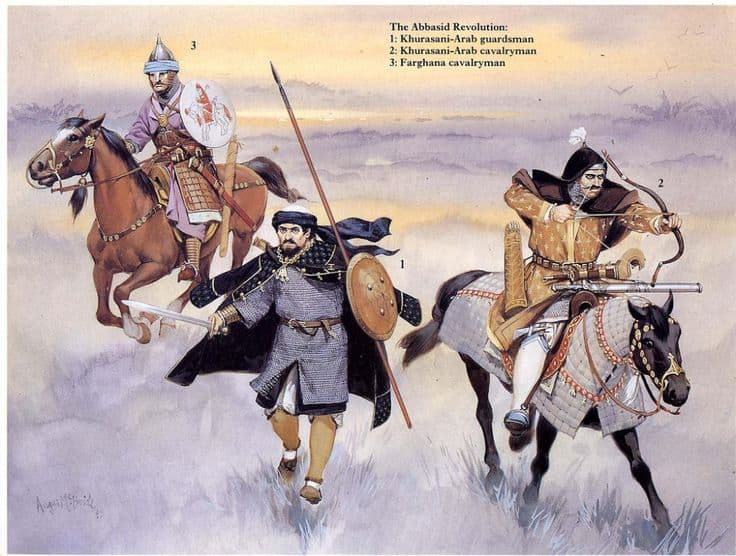
While the Abbasids, once in power, were less eager to actually follow through on that promise, treatment of converts nevertheless improved.
Previously, islam was regarded as an exclusively arabic religion, to be practiced only be these conquerors, who lived seperately too.
Previously, islam was regarded as an exclusively arabic religion, to be practiced only be these conquerors, who lived seperately too.
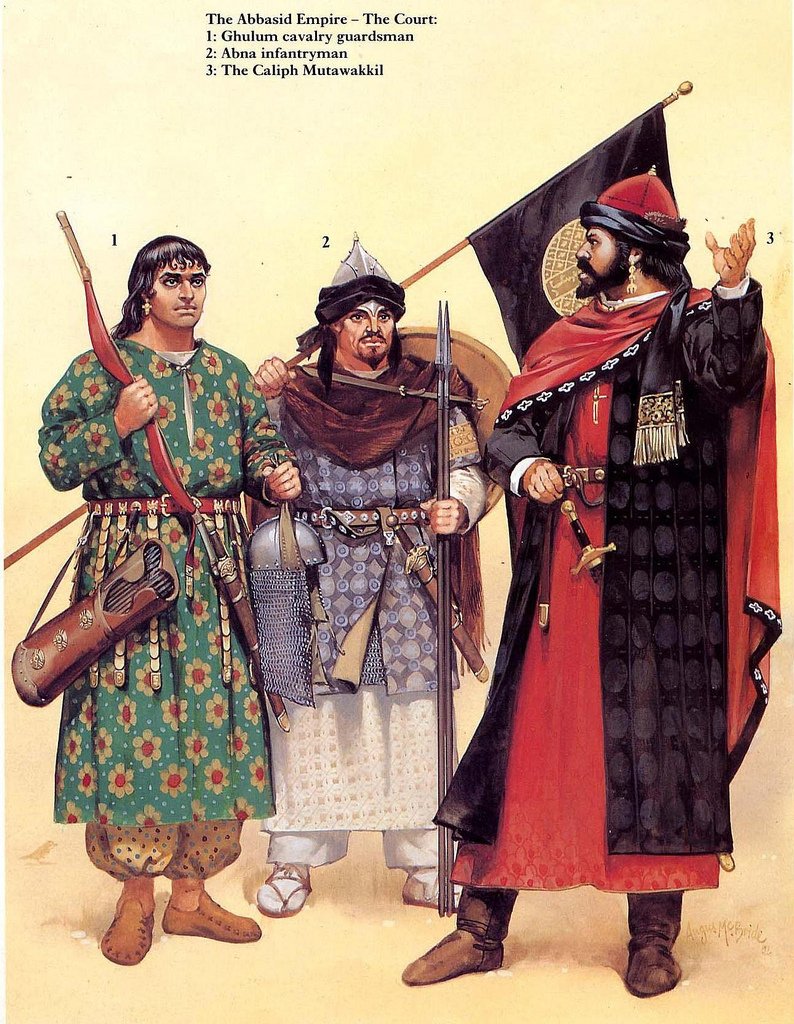
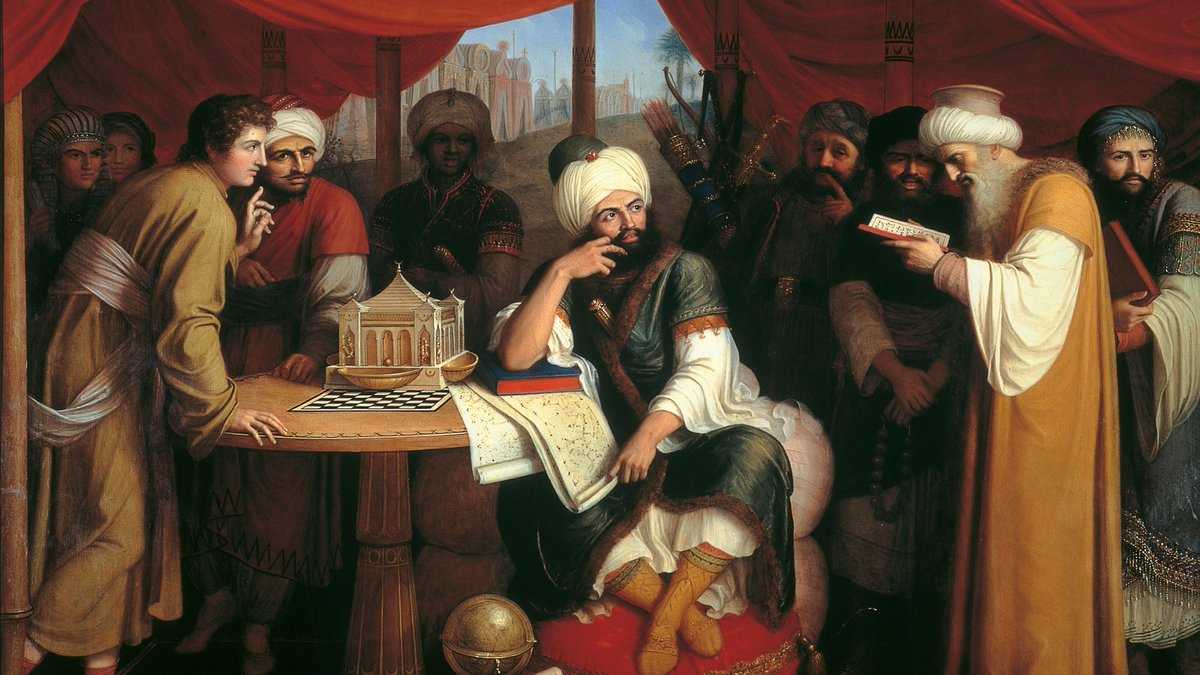
It was this time period where the state changed from an arabic empire to more of a true Islamic Caliphate.
(An escaped Umayyad prince overthrew the Andalusian government and continued the umayyad policy for a longer time there)
(An escaped Umayyad prince overthrew the Andalusian government and continued the umayyad policy for a longer time there)
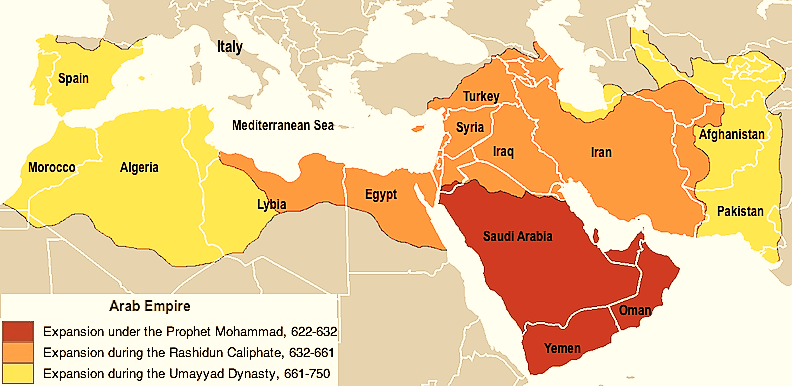
The conflict between Arabs and converts continues to flare up from time to time. While much of the Mesopotamian and North african population has been assimilated over time, Iran has not.
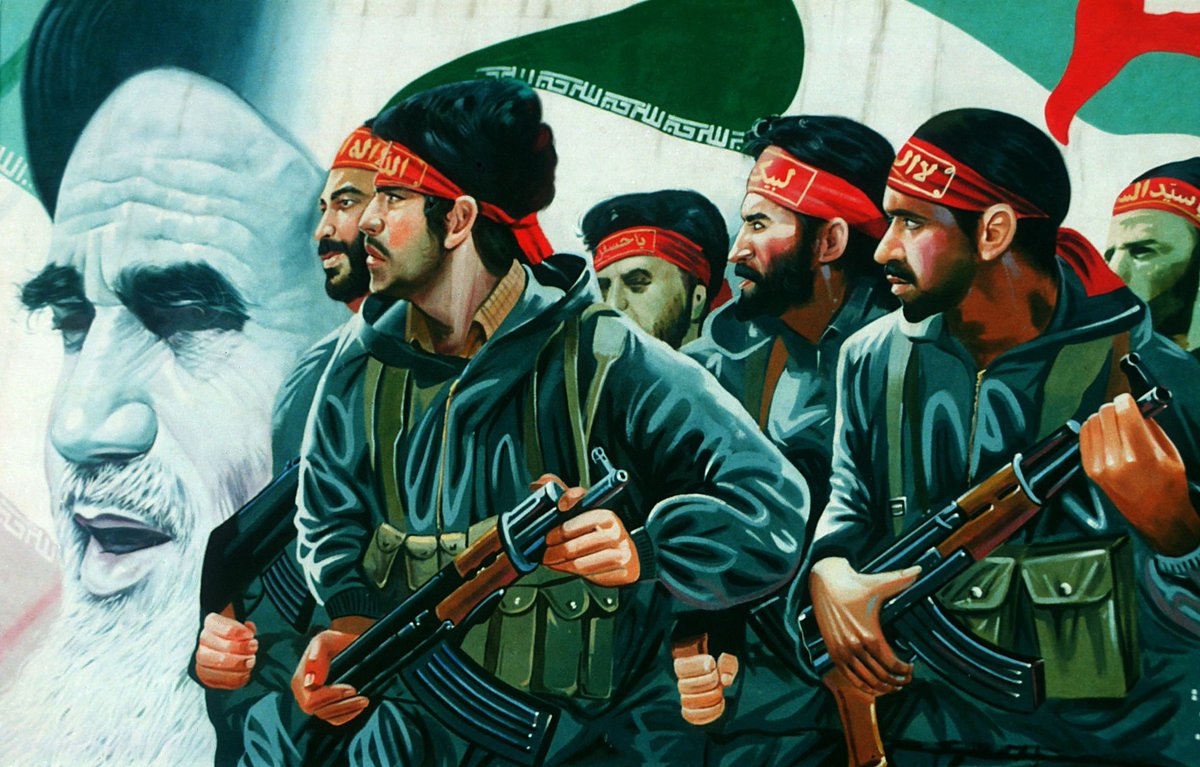
Even in the 1980s Iraq-Iran war, Saddam Hussein rejected the "Iranian Religion" and called them shu‘ubiya—a term originally applied to converts who resisted Arab claims of islamic primacy.

• • •
Missing some Tweet in this thread? You can try to
force a refresh