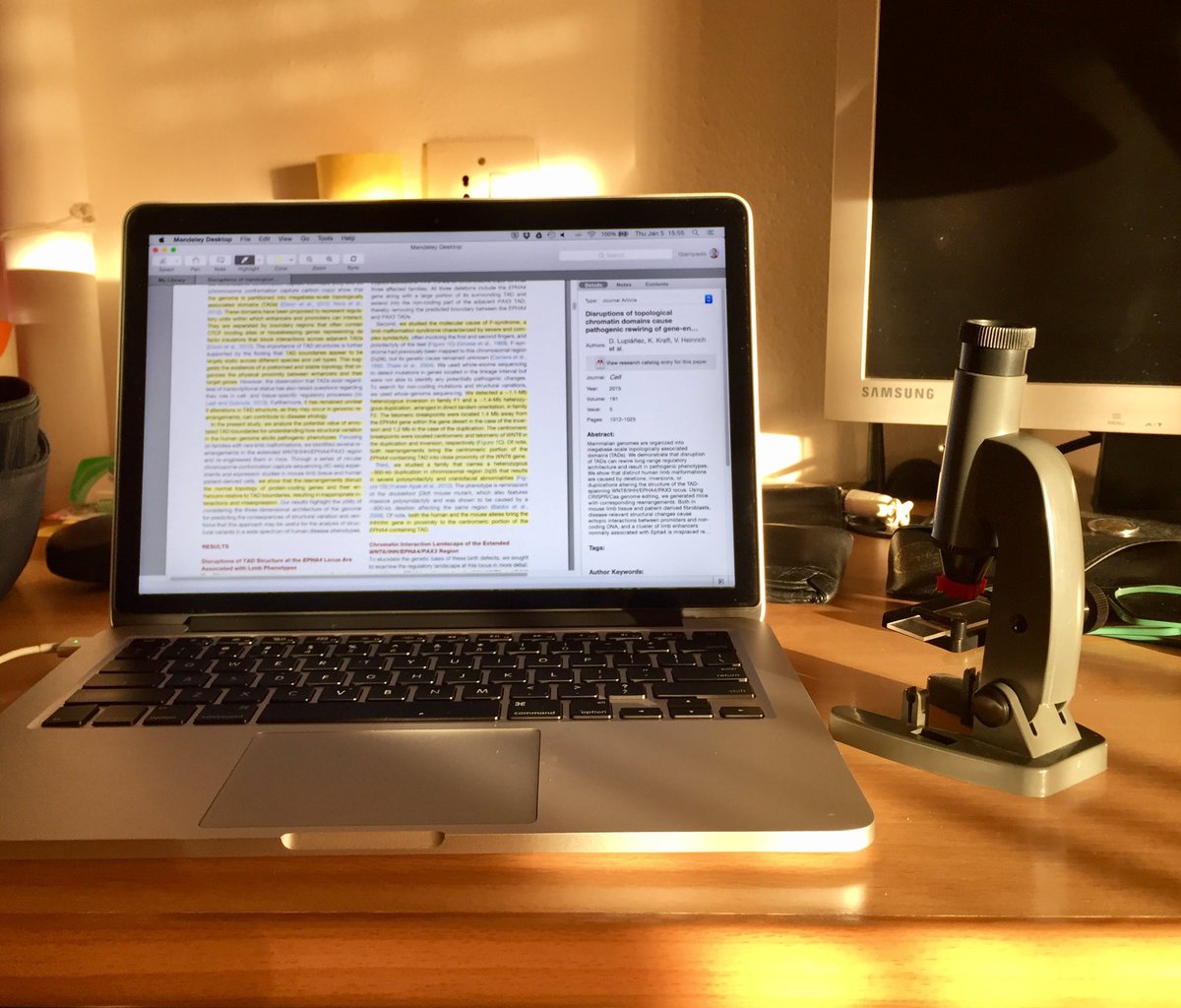
After constructive reviews and the addition of RNAseq data that nicely complemented our genome topology findings, we finally had an accepted paper!
It took 5 years, but it was well worth the wait! (21/25)
It took 5 years, but it was well worth the wait! (21/25)
Together with the original description of X-LAG published in @NEJM back in late 2014, I have to say this is my proudest scientific accomplishment so far! (22/25)
But without the involvement and commitment of all the people that contributed to this piece of work, this would have not been possible. Therefore, a HUGE THANKS goes to all my local and international collaborators and friends. (23/25)
A special mention to my mentor @ConstantineStr7, to @HomeofFIPA, which, again, have been crucial partners in this discovery, and to @mamartl, without whom I won’t be here to write about this study 🙏 (24/25)
Next steps?
1. the identification of new candidate pituitary enhancers and further in vitro and in vivo validation experiments
2. screening for new TADopathies causing neuroendocrine diseases (25/25)
1. the identification of new candidate pituitary enhancers and further in vitro and in vivo validation experiments
2. screening for new TADopathies causing neuroendocrine diseases (25/25)
• • •
Missing some Tweet in this thread? You can try to
force a refresh