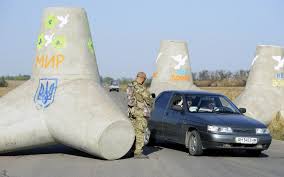
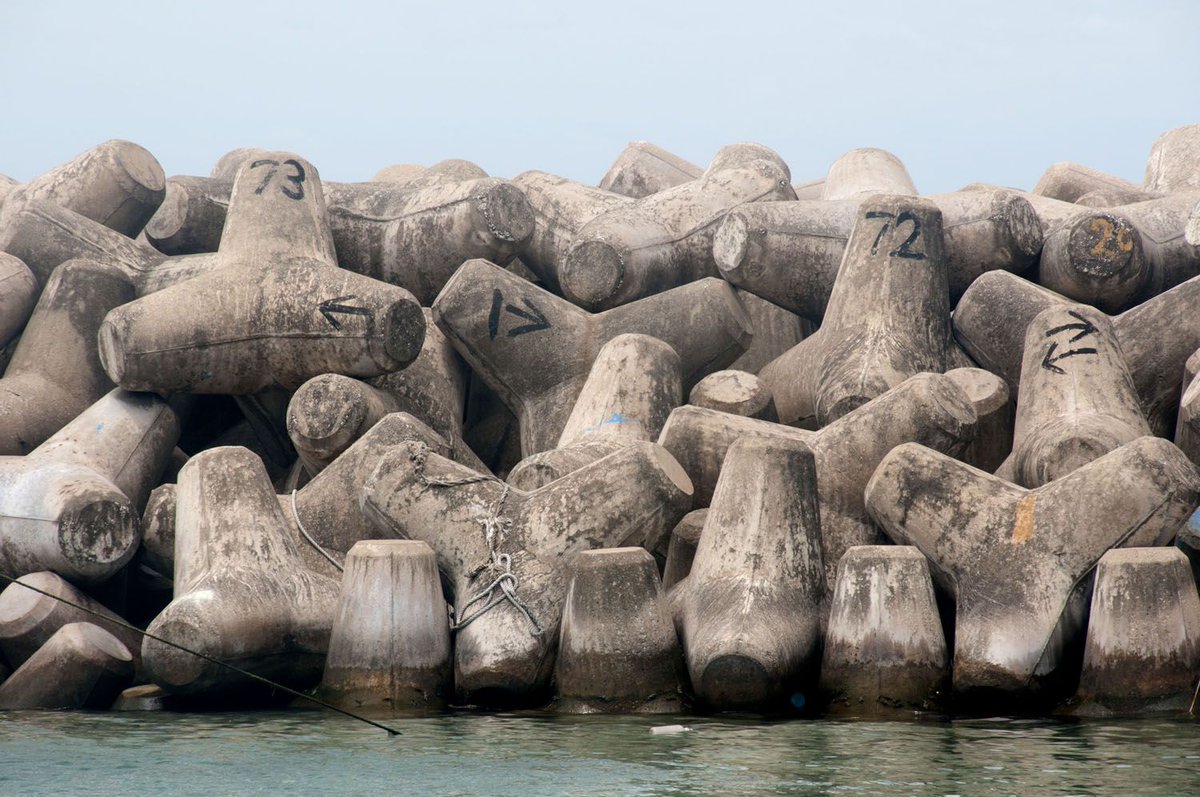
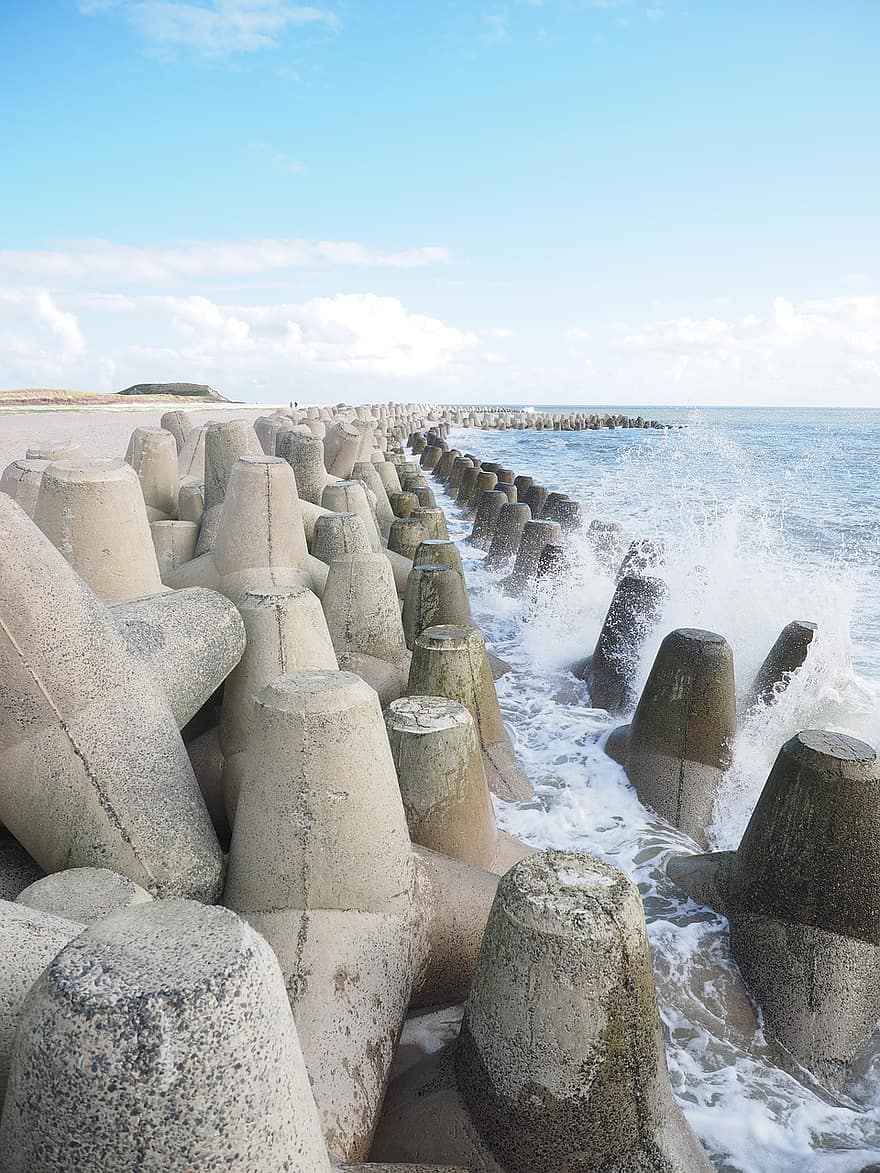
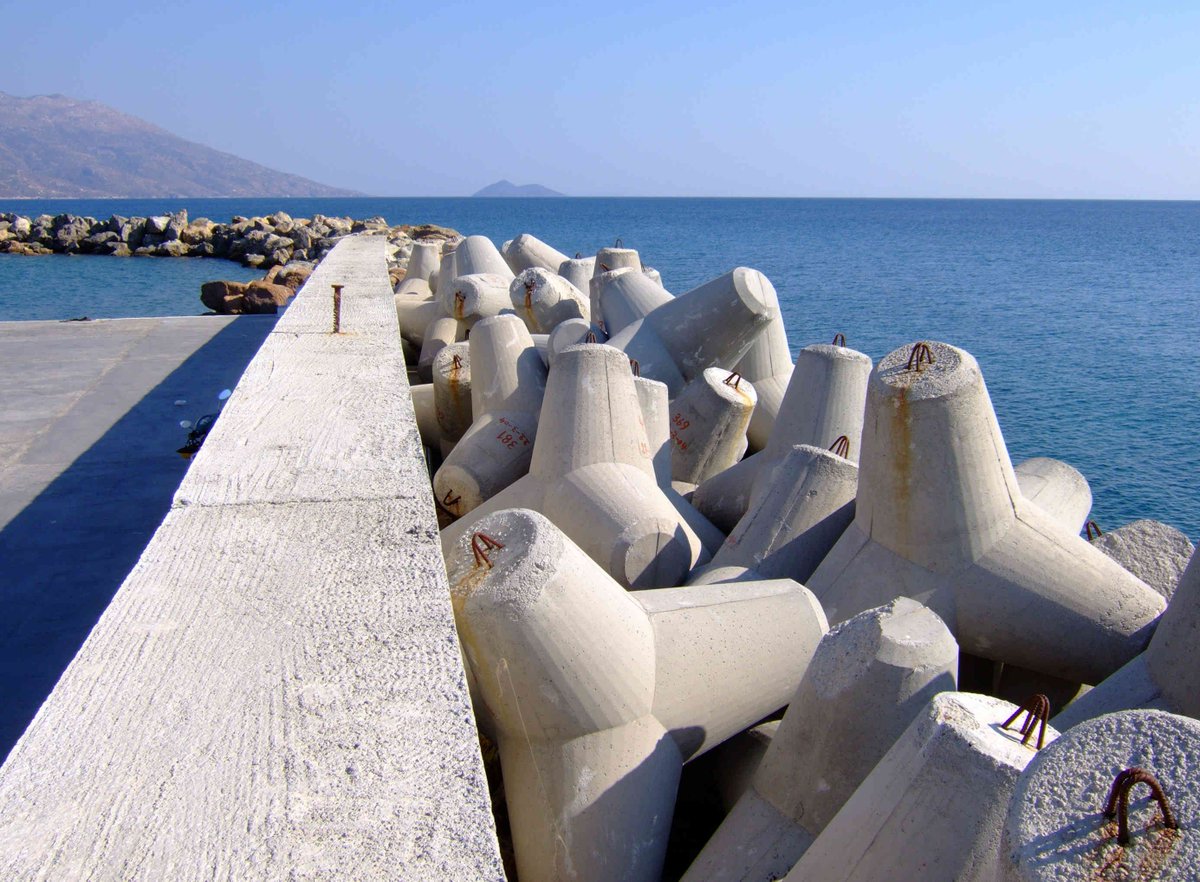
These are called concrete tetrapods. They are generally used for coastal erosion and wave protection, breakwaters and other coastal infrastructure, when placed on shorelines they interlock, forming a very durable and porous barrier that break up waves
Also hand (if you have the means) of creating temporary barriers on roads and tracks
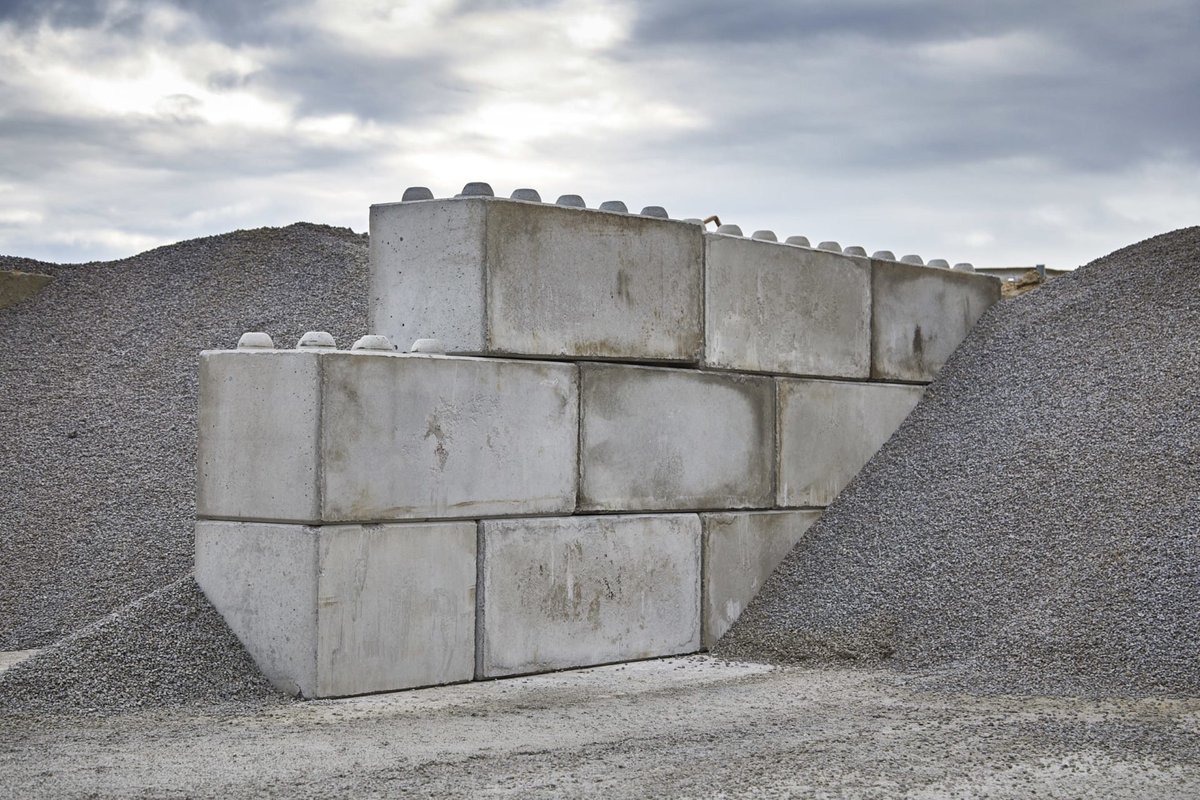
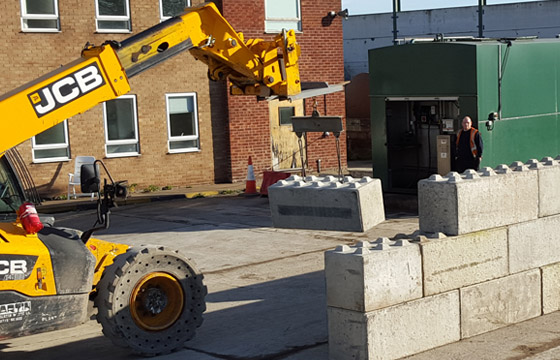
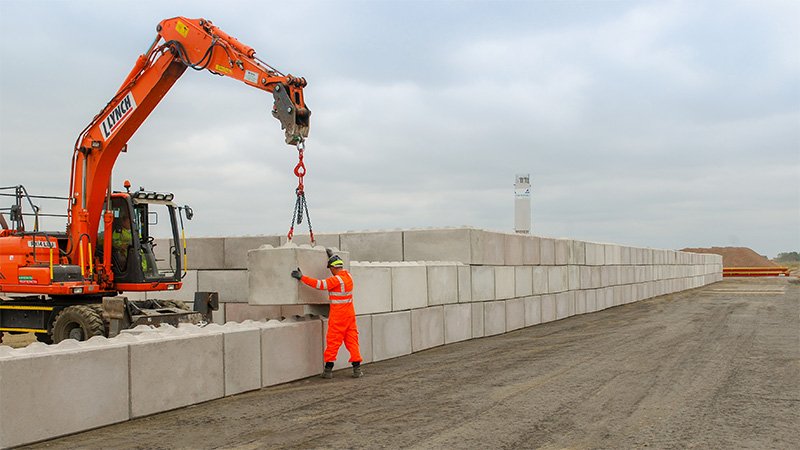
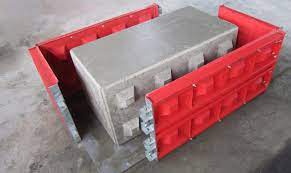
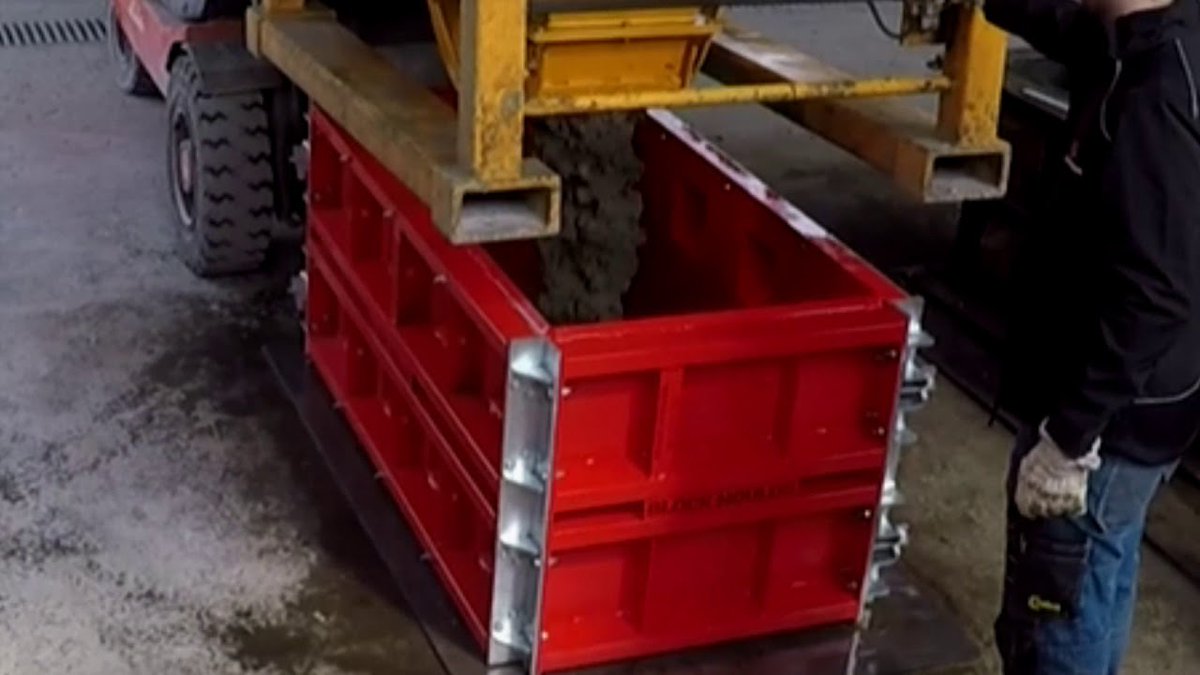
Interlocking concrete 'lego' blocks are also readily available and easier to make and handle than the big tetrapods. Every village in Eastern Europe and the Baltics should have a stock of these. Instant road barriers to slow and channel enemy vehicles. Not perfect, but quick
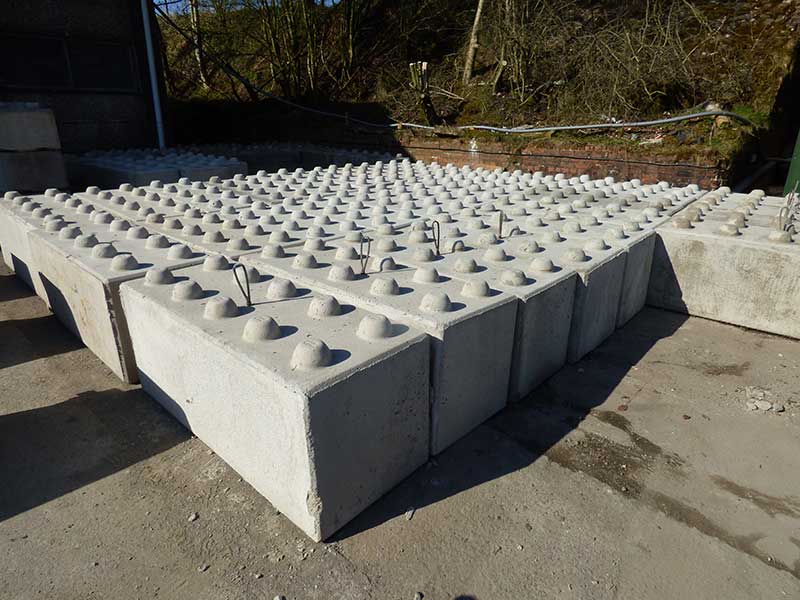
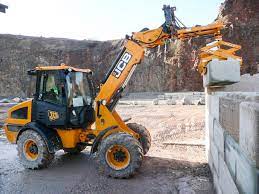
The benefit of these over the really big concrete blocks is they can be lifted by much more common agricultural and construction plant.
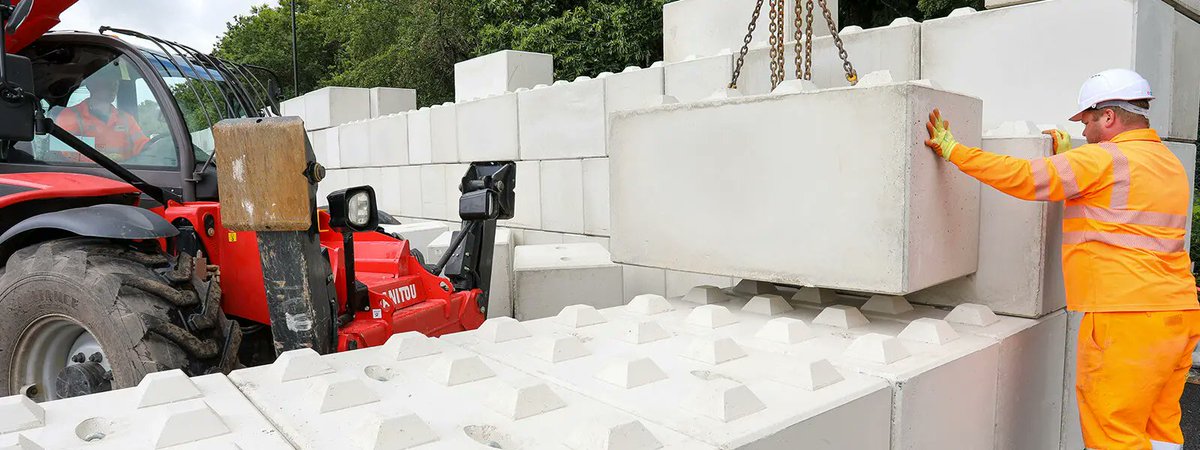
Now are they perfect, of course not? But their aim is not to stop, it is to impede, make vehicle crews second guess or expend munitions to clear, or deploy scarce combat engineering units and equipment. They can also be quickly made with simple moulds
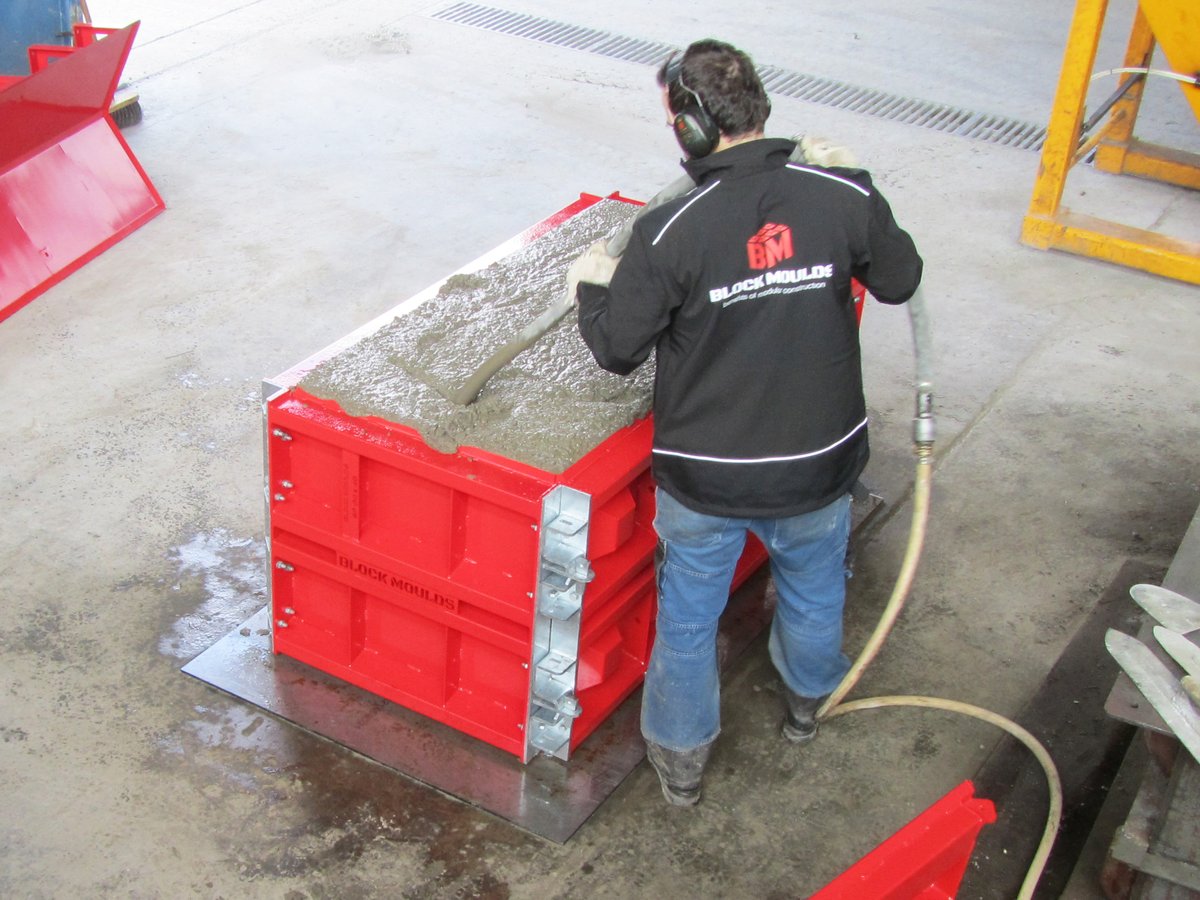
Are things like this free, no, they need resources and attention. Similar effects might be achieved by just digging up a road to create a big enough gap. But they do benefit from not requiring much maintenance and upkeep costs once in place.
Something to consider
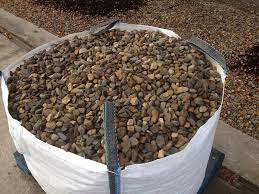
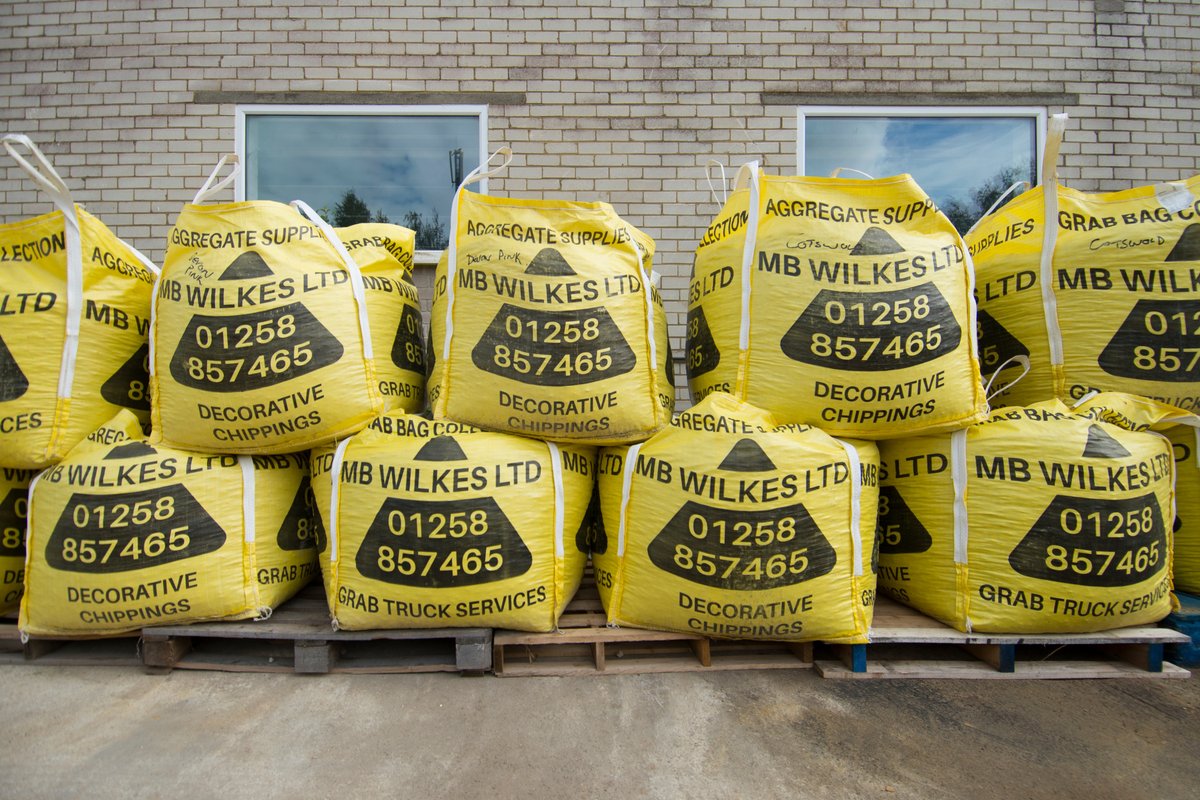
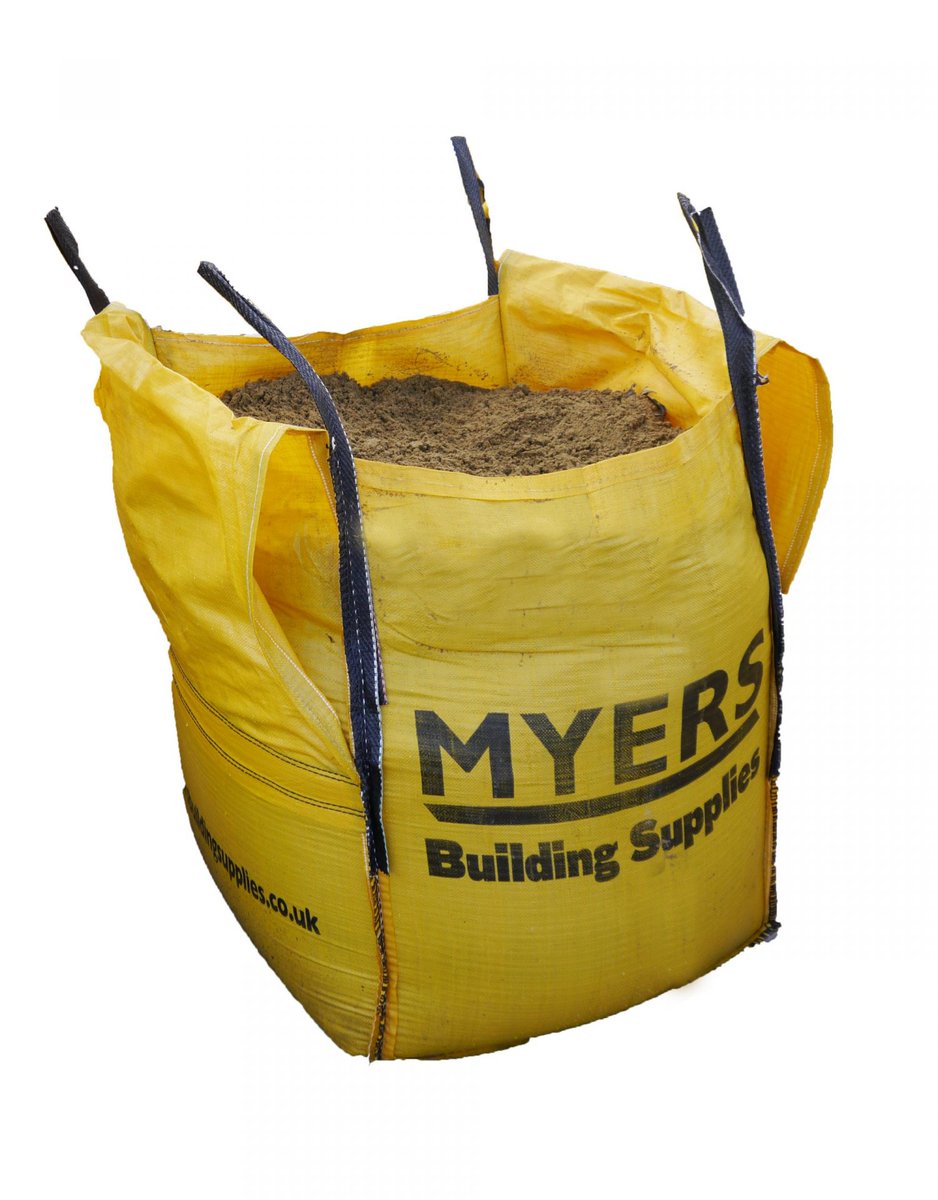
As would IBC bulk bags filled with building materials, aggregates, stones and sand etc. Again, these are not perfect, far from it. But if they are prepositioned, not stolen in the meantime, they do provide a tick in the 'something is better than nothing' box
As I keep saying in this thread, things like this are a not a panacea, they are not free and very far from perfect. but numbers matter. Cratering charges are great, much more effective at blocking roads by making big holes in them. But they obviously require more specialists
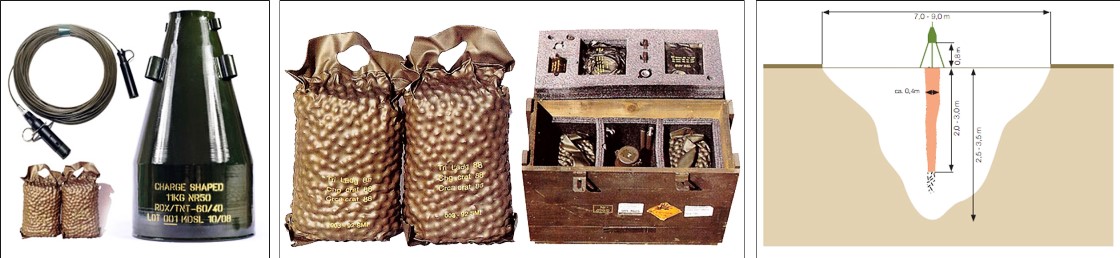
And are you really going to proliferate these, probably not.
Hopefully, you see the point of this thread, perfect is fine, but quick, cheap and better than nothing is, well, better than nothing.
Preparedness is not just about people in green
/END
PS
Can I just make one more point, this isn't about what Ukraine should have done, it is what NATO should do. This, with much else besides
• • •
Missing some Tweet in this thread? You can try to
force a refresh

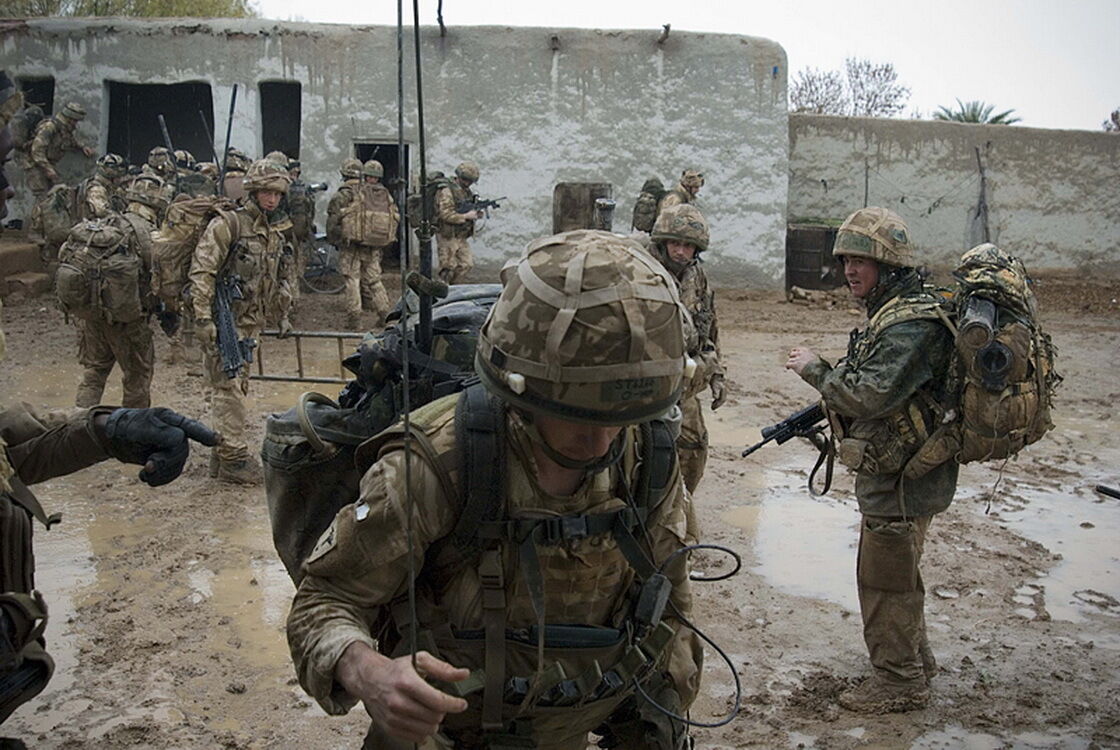
The overburdened infantry is discussed with clockwork like regularity. Excessive weight carried by infantry soldiers severely impacts their physical and mental agility, whilst dramatically increasing injury rates.
THREAD
"The fighting value of a soldier is in inverse proportion to the load he carries."
Army Hygiene Advisory Committee Report No. 3 — On the Maximum Load to be Carried by a Soldier
1923
The upward trend of carried weight over decades saw its zenith during operations in Afghanistan, and this led to a realisation that it was both unsustainable and undesirable. Much work has been done since, but have we resolved it?
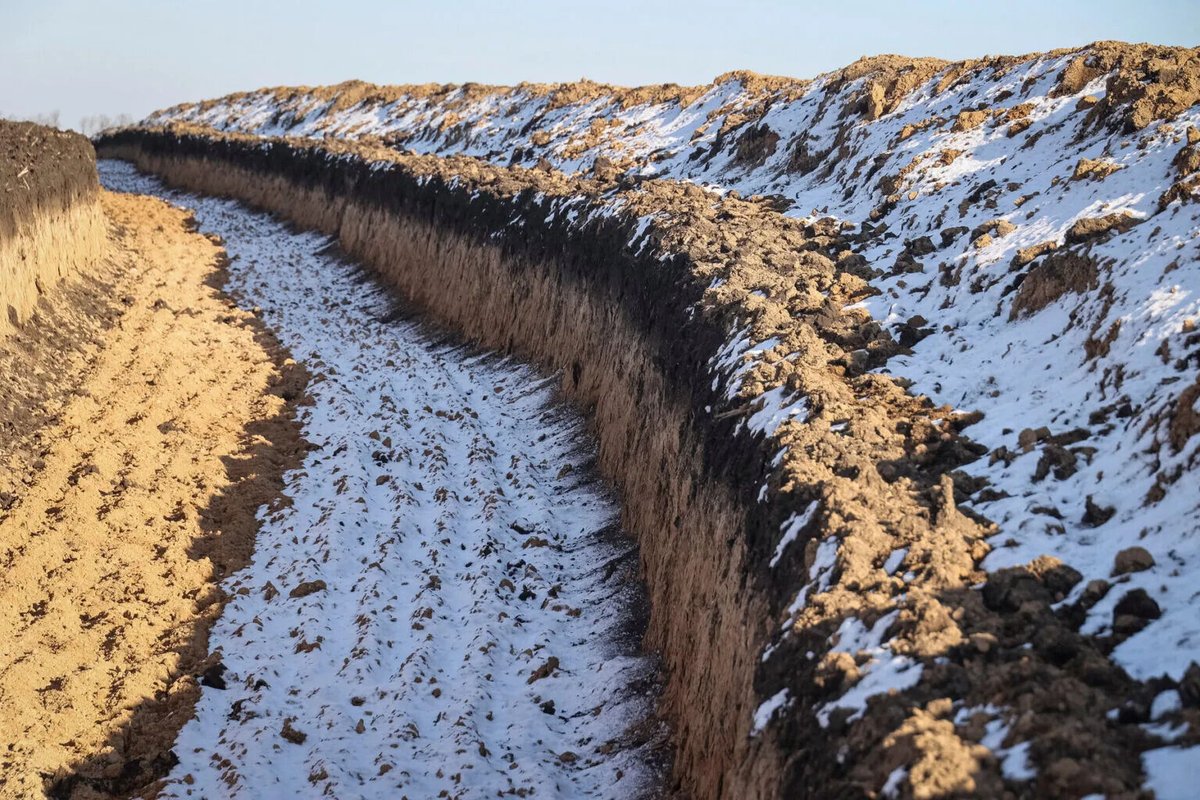
Anti Tank Ditches are no different to any other obstacle. The reason they exist is to delay, frustrate, divert, shape, influence, canalise, and, absorb enemy resources. To be effective, they must be under observation, and covered by fire.
Properly constructed obstacles oblige enemy forces to use armoured combat engineering equipment, always in short supply. In exposing this equipment to fire, they will naturally be reduced in number.
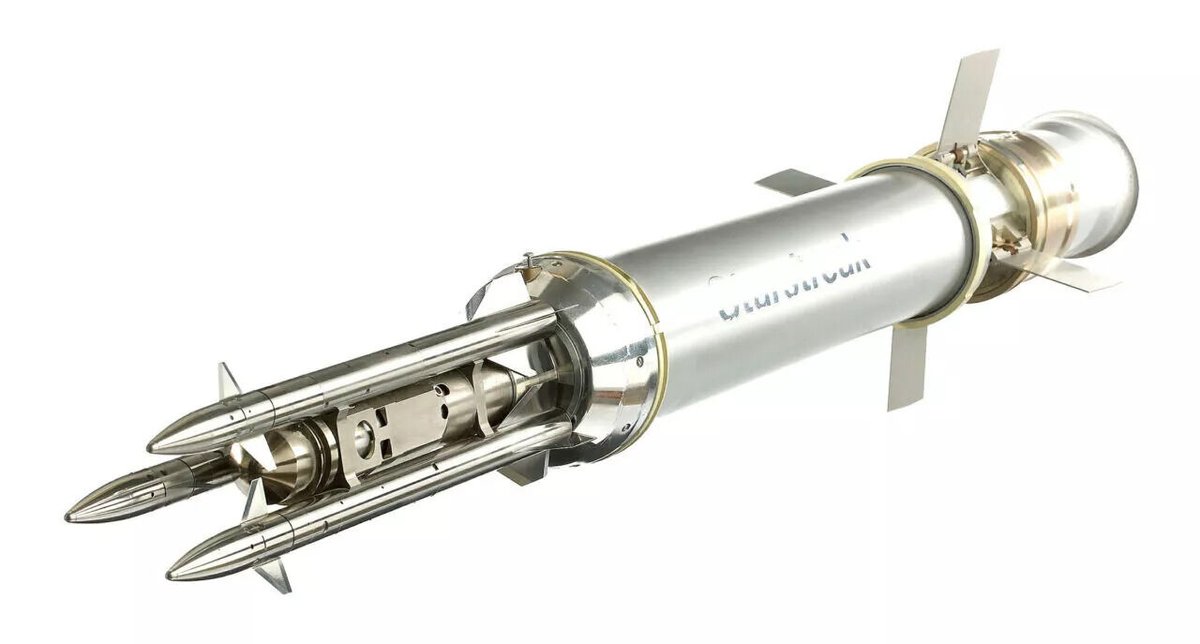
A back-story, of the most badass missile on the planet
Starstreak High-Velocity Missile was designed to provide close air defence against conventional air threats such as fixed-wing fighters and late unmasking helicopter targets. The British Army describes the Starstreak High-Velocity Missile (HVM) as;
Despite the Javelin AA missile coming into service in the mid-eighties, the MoD established a requirement for a system that would complement Rapier for manoeuvre forces in Germany.
The SS Empire Traveller, fuel, and Cherbourg in WWII
a back-story
June 6, 1944, D-Day, marked the Allied invasion of Normandy, but the real challenge was sustaining the advance. Fuel was critical—tanks, trucks, and planes guzzled it. Without steady supply, the liberation of Europe would stall.
After the beaches were secured, logistics was the next obvious challenge. Allied forces consumed over 800,000 gallons of fuel daily by late June. Initial supplies came via Mulberry harbours and beach offloading, but storms wrecked one Mulberry, exacerbating shortages.
The wheel is one of man’s oldest inventions, with wheelbarrows and handcarts almost as old. Simply put, they enable a soldier to transport loads over a greater distance, and with less energy expenditure than without.
There are various designs, including one-person, two-person, front wheel, central wheel, push, pull, and single or double wheel options.
If the RAF ever moved Australia to get CVA01 cancelled?
𝗧𝗛𝗥𝗘𝗔𝗗
This is one of those recurring themes that people love to discuss, whether they think it is a yes or a no, and they remain convinced that there are either mountains of evidence, or none. People also assume that no one has ever actually looked
The truth is boring, ambiguous, and had precisely zero impact on the cancellation of the aircraft carrier in question. Various sources are attributed to the accusation, Admiral Raymond Lygo and Sir Michael Quinlan being often described as the source of the Nile!