SEED BOMBING THREAD-
You, at home, can wage a fight against urbanization and vacant land with some simple materials and the right know how. I will discuss how to make a seed bomb, seeds to use, where to target, etc.
Disclaimer - this thread is for educational purposes only
Seed bombing originates in the western conscious likely from the Japanese permaculture manifesto “one straw revolution” that brings up the ancient tradition of encasing seeds in clay balls for moisture. It aims to repopulate barren or urban areas with plants. “Guerilla gardening”
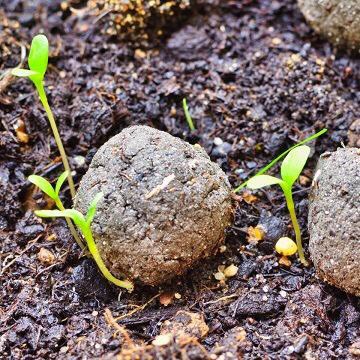
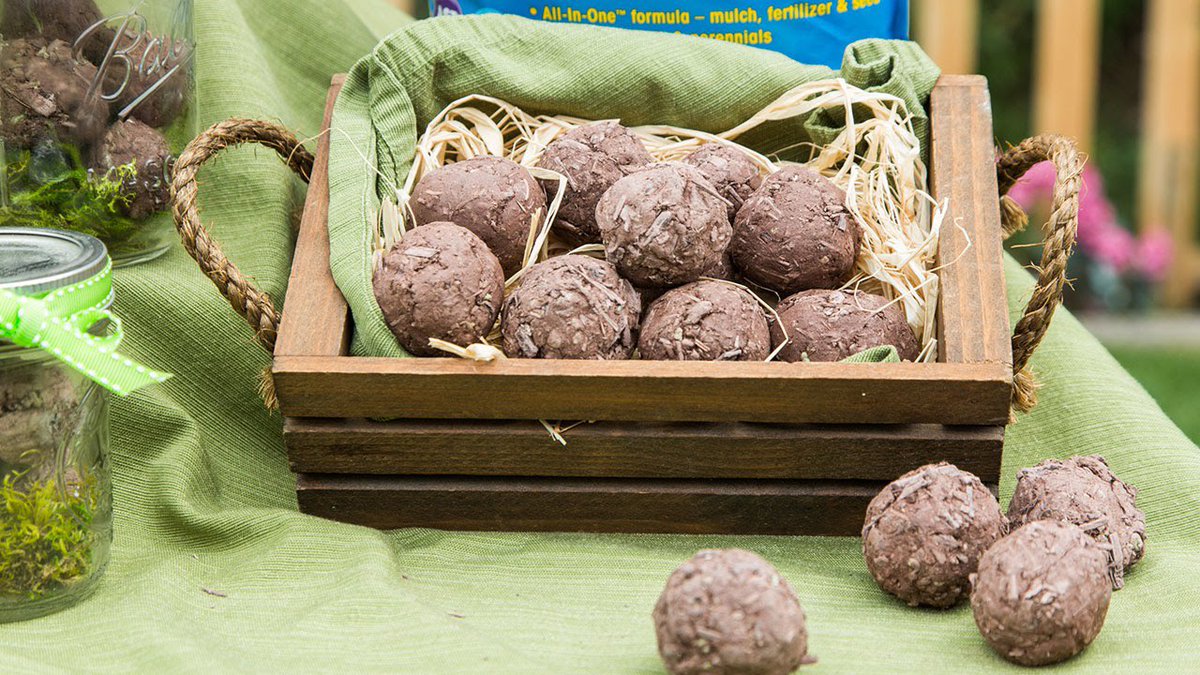
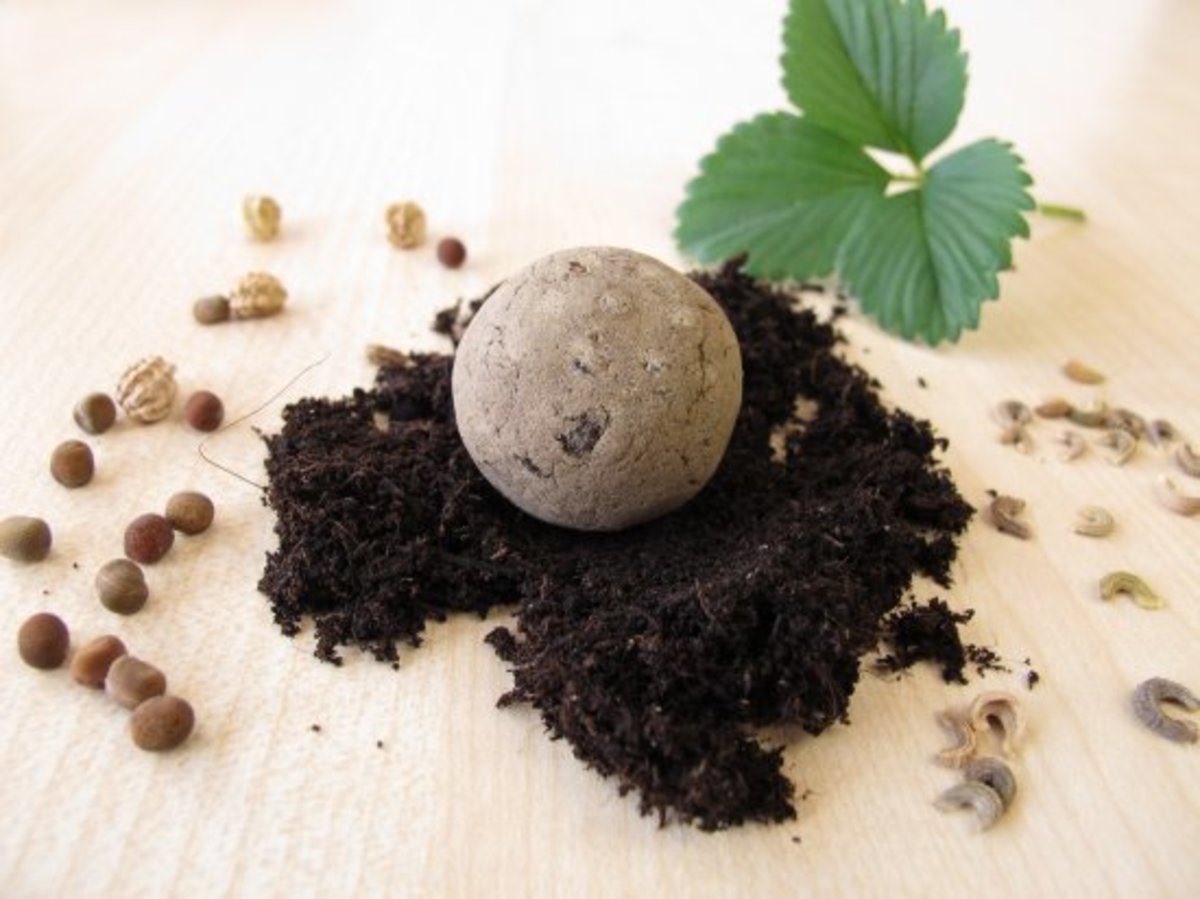
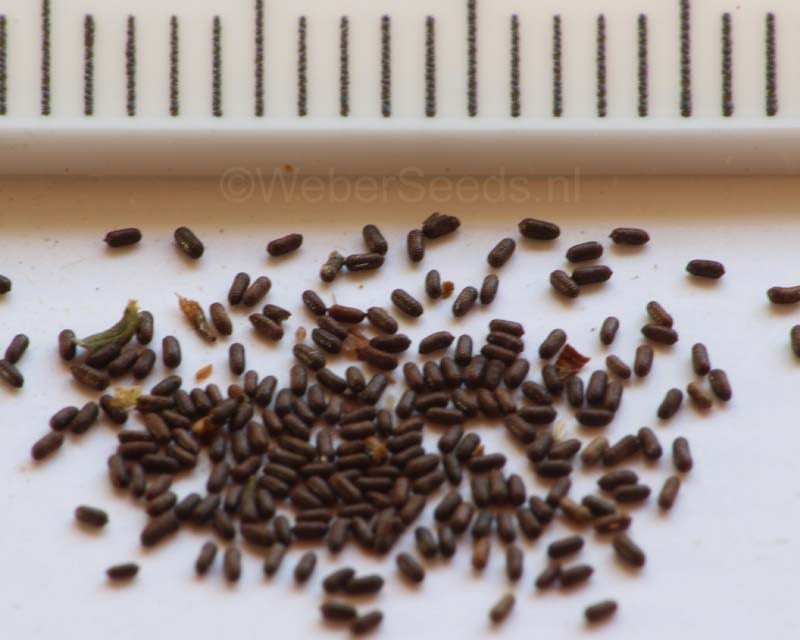
Making seed bombs is easy. A mix of 1 part seeds to 5 parts clay powder to 3 parts compost tends to be the standard. Encase your seeds in the wet mixture and mold into balls, allowing to air dry until solid.
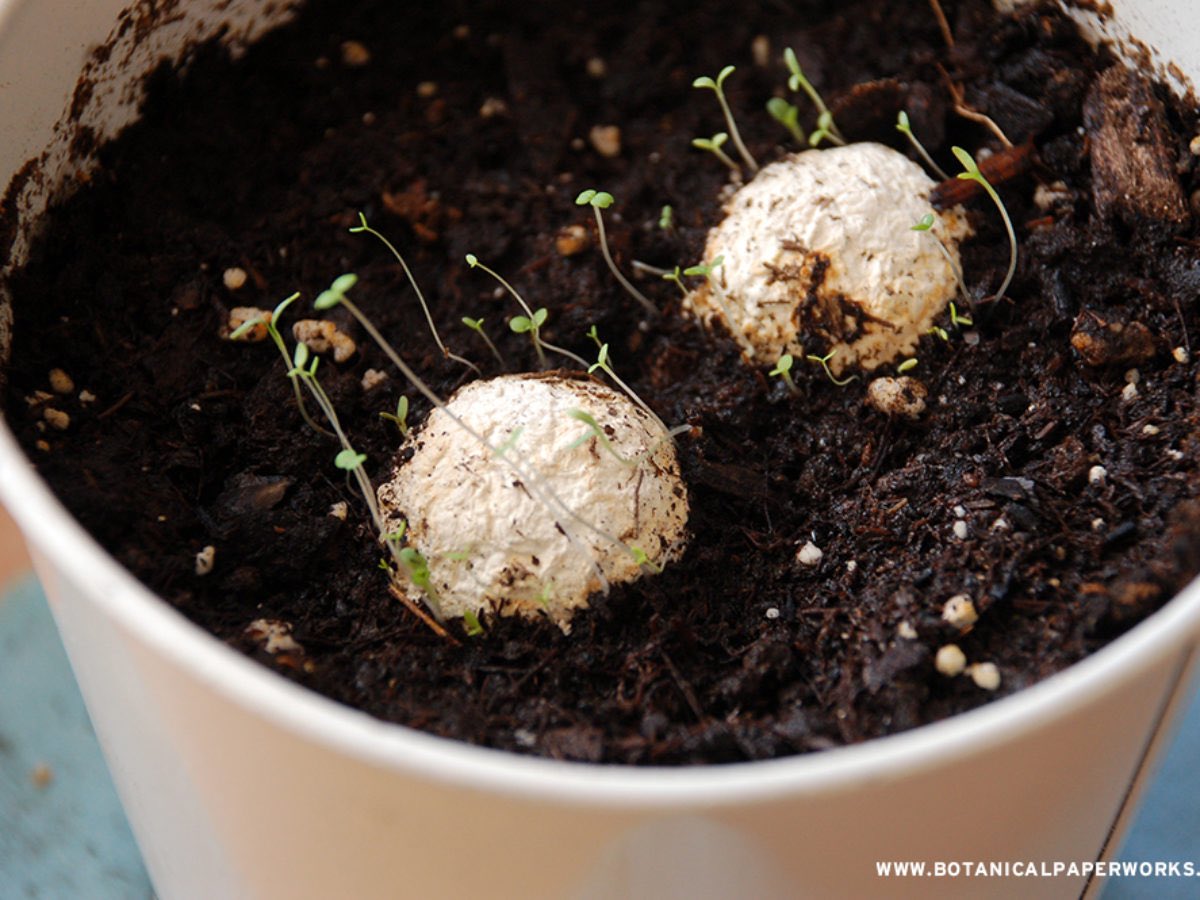
There is a big issue. Most seed bombs don’t work. Between resistant land, urban impenetrable substrate, drying out and overpacking seeds, success lies in location and plant choice more than most know. Corporate gardens of manicured plants and flower pots are good targets.
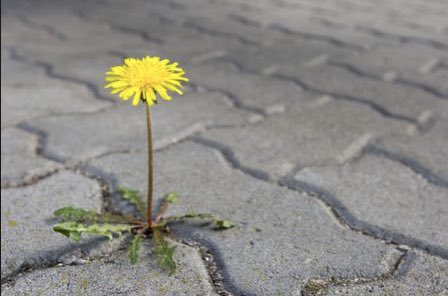
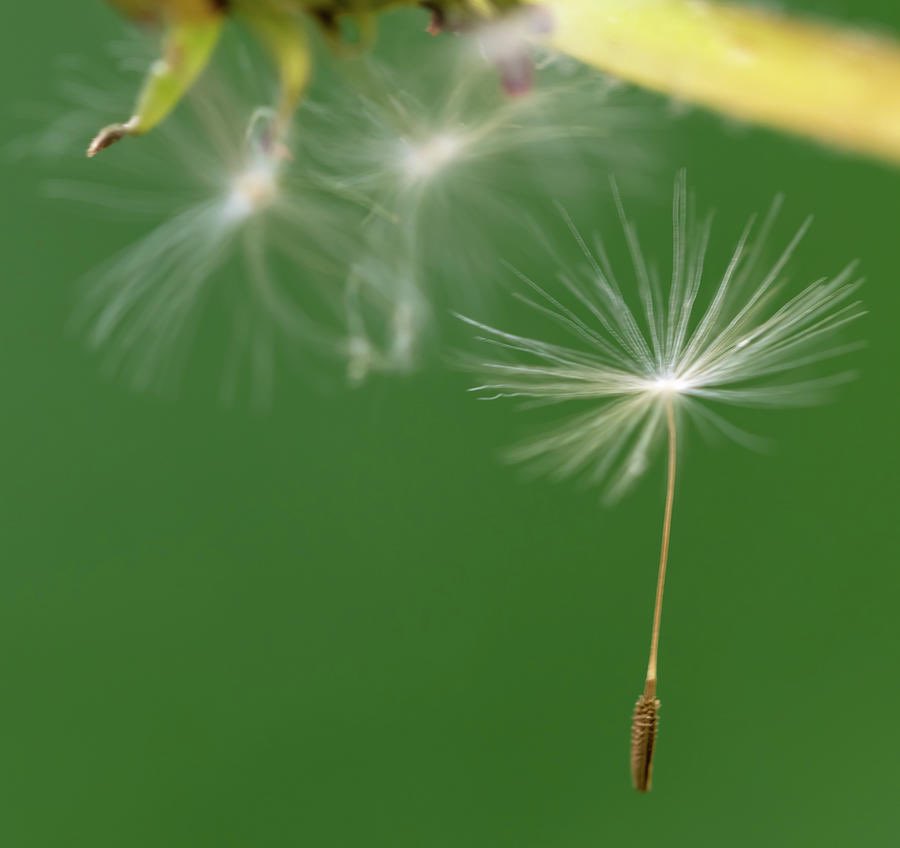
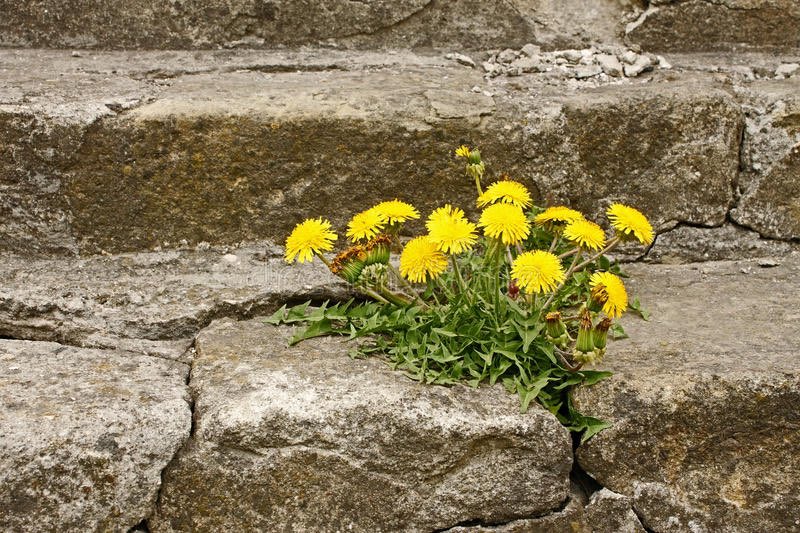
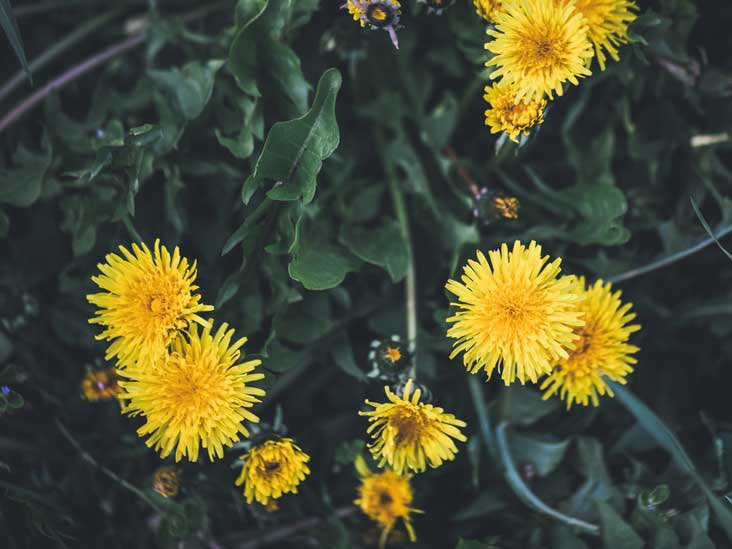
If you want to expand your horizons, you’ll need to choose specific plants, which I will outline. The first is dandelion, a medicinal weed that is edible, native and important to the ecosystem but will grow in even the roughest terrain. This hits all the boxes.
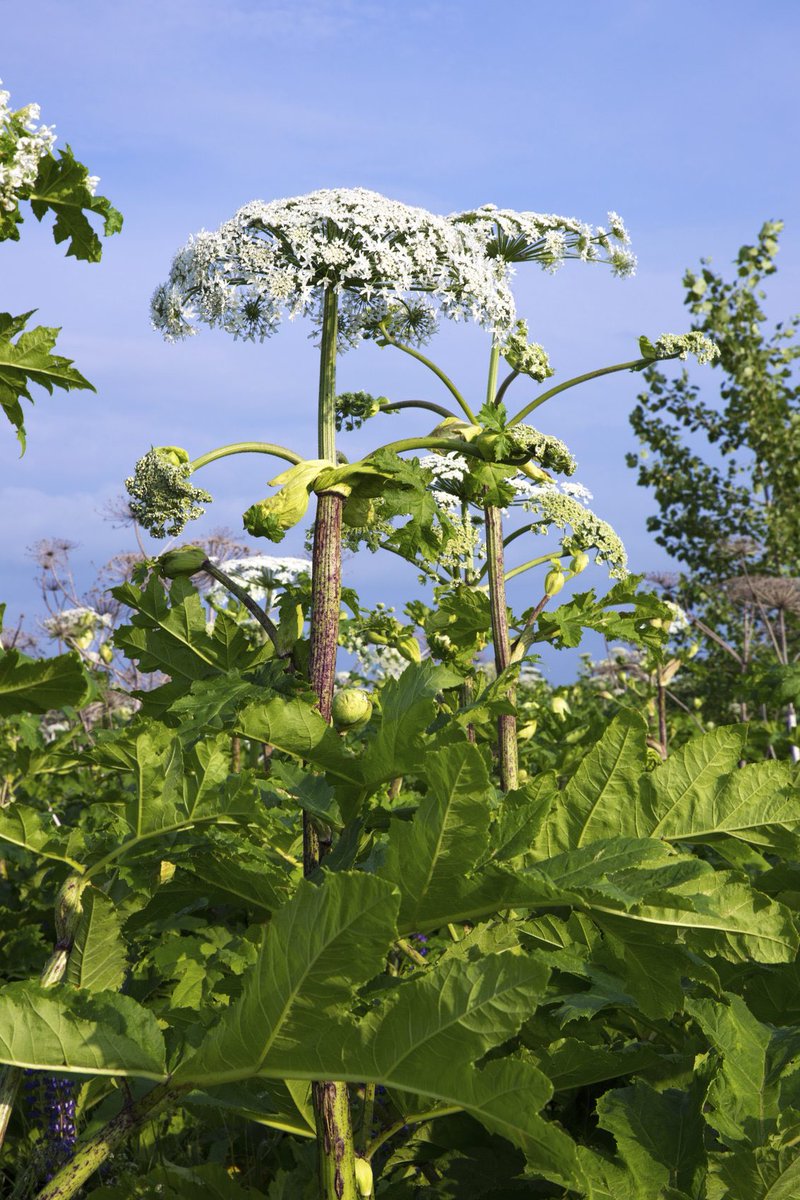
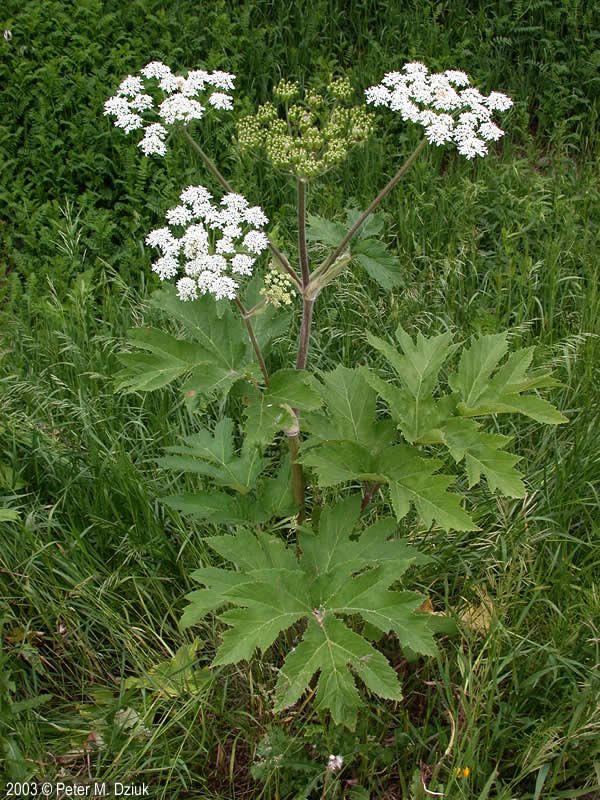
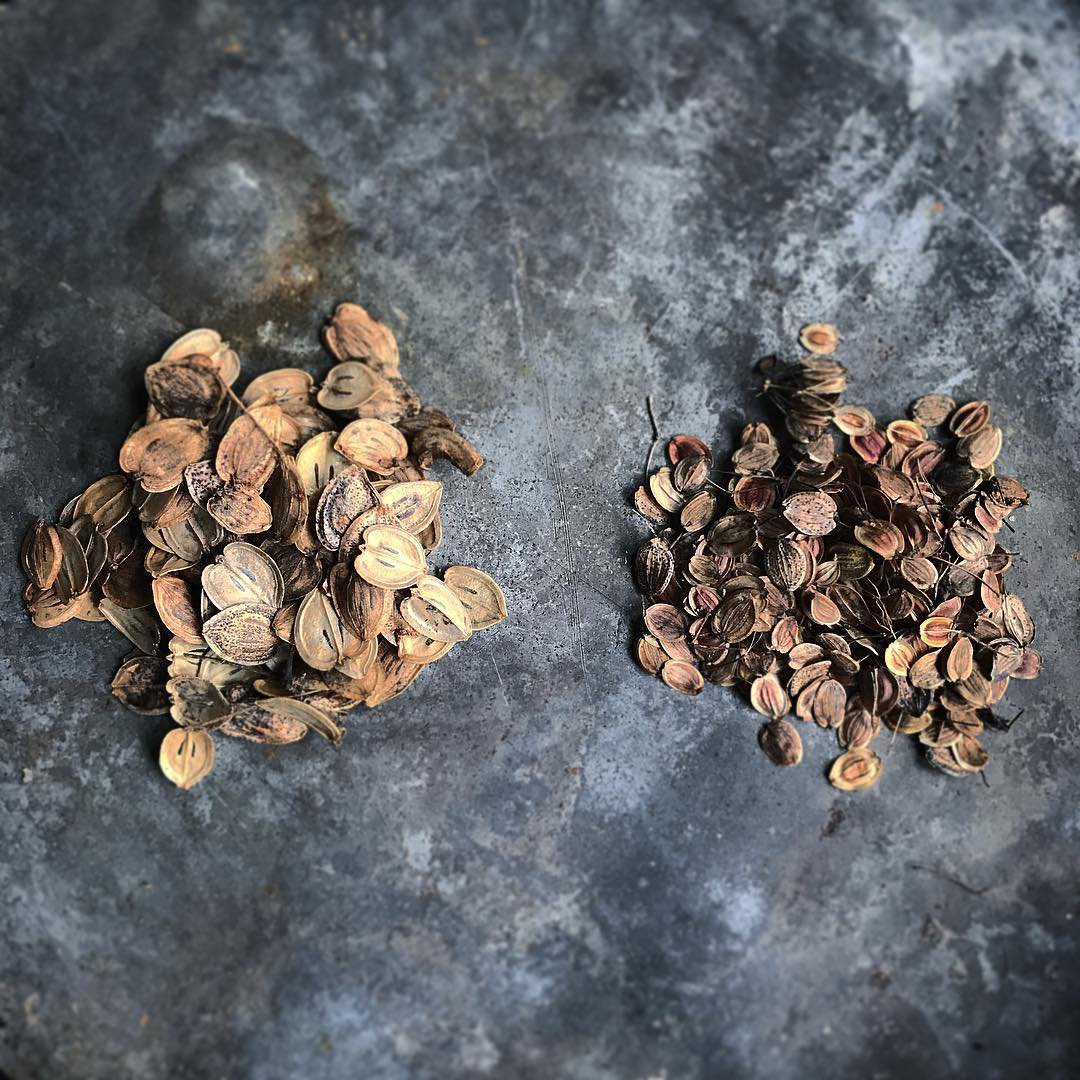
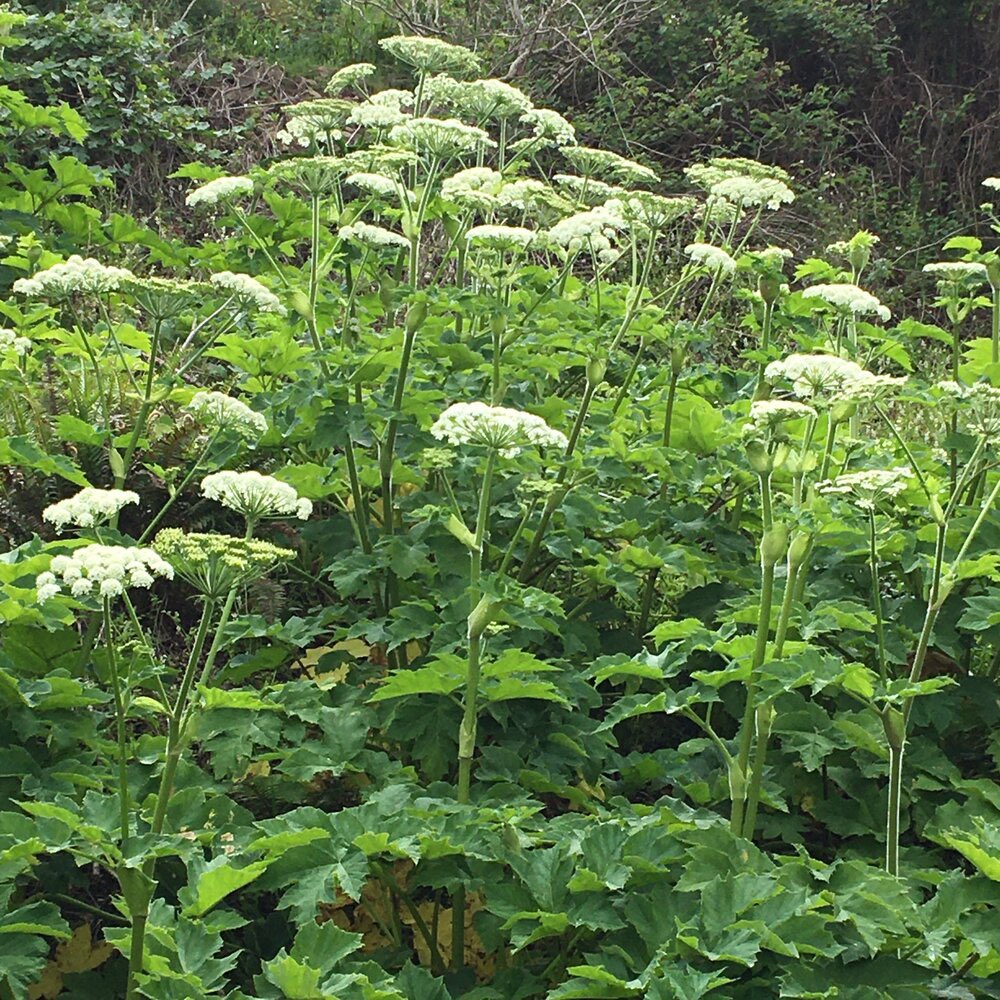
Another is cow parsnip, a hardy and native plant detested by cattle farmers. The latex in the stem can be irritating, and it is difficult to remove. A great choice for horticultural mayhem while maintaining the use of native species
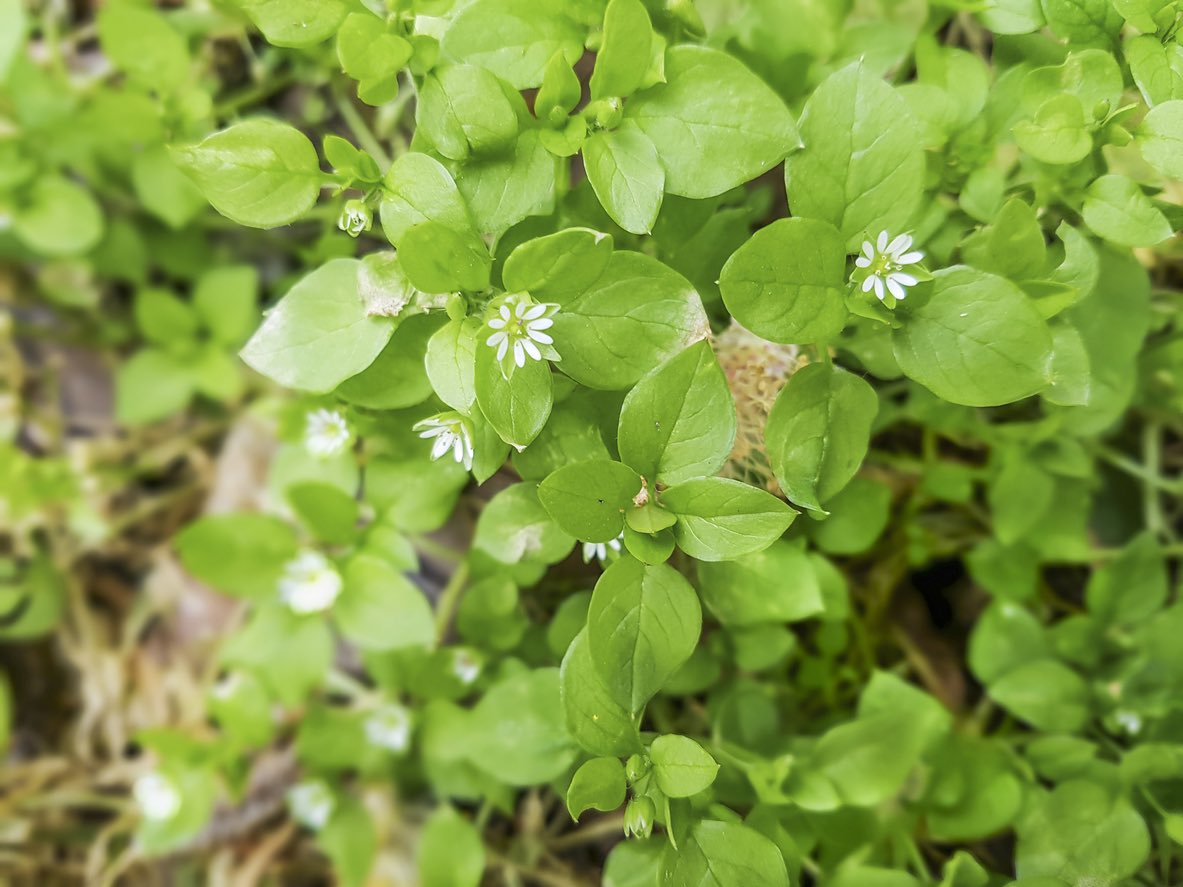
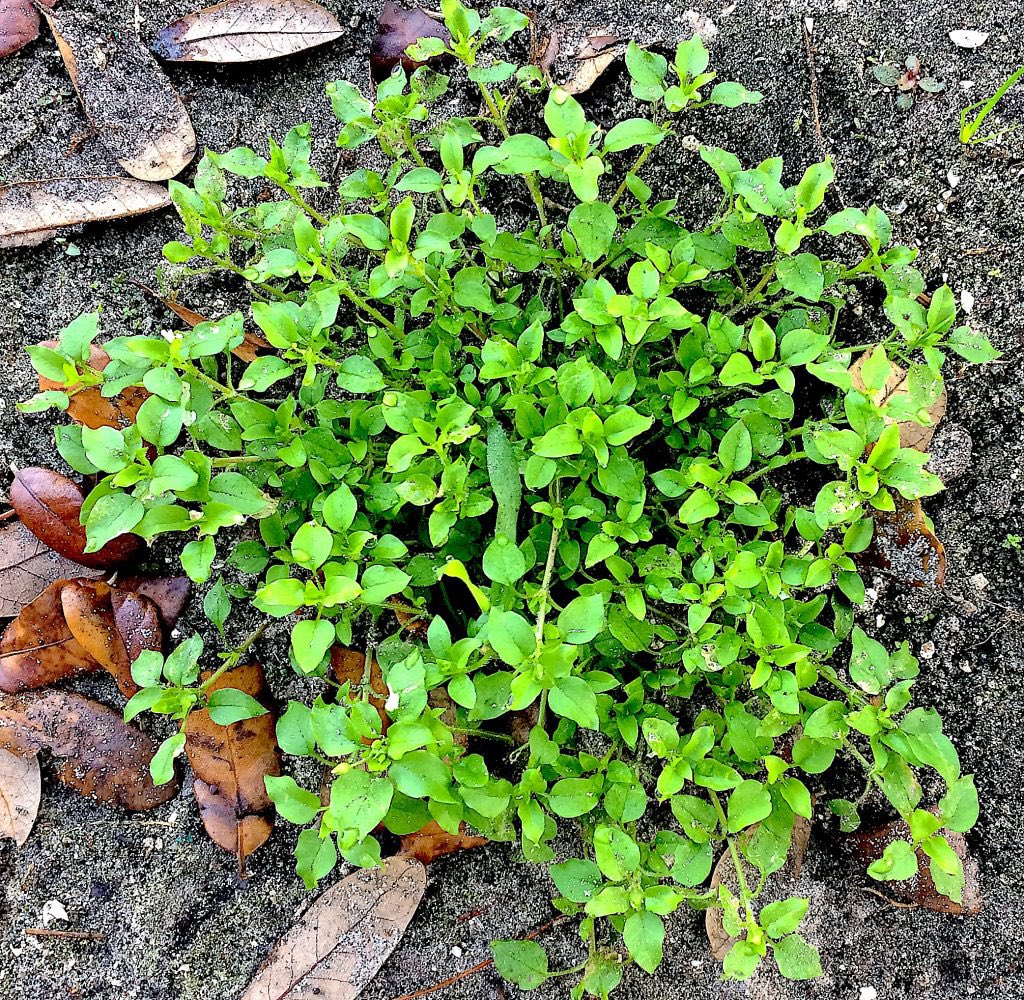
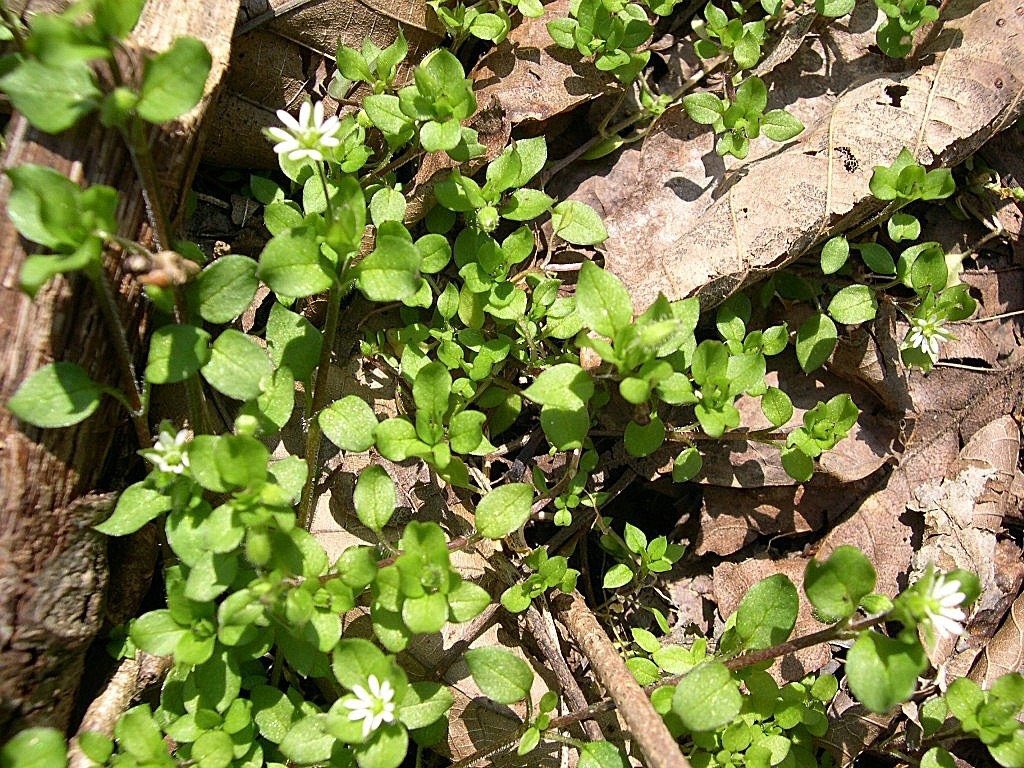
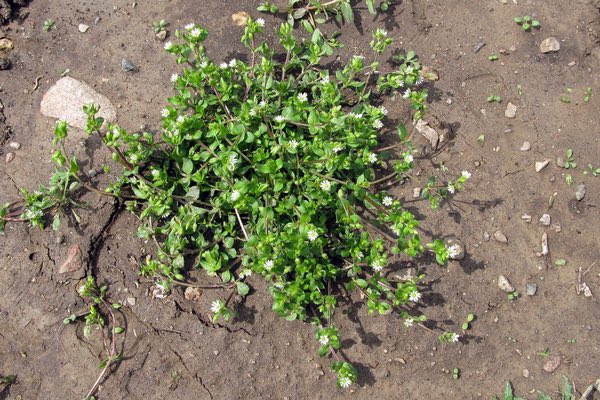
Chickweed is a western native that grows incredibly quickly but is also supreme forage for livestock and wild animals, as well as edible to humans. This choice would improve the ecosystem while having a fighting shot at successful germination
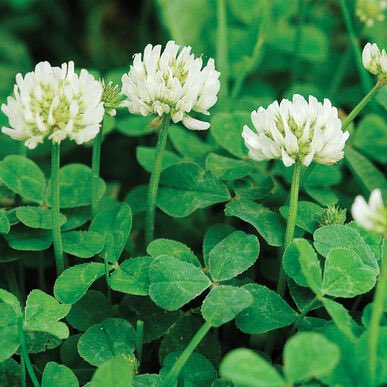
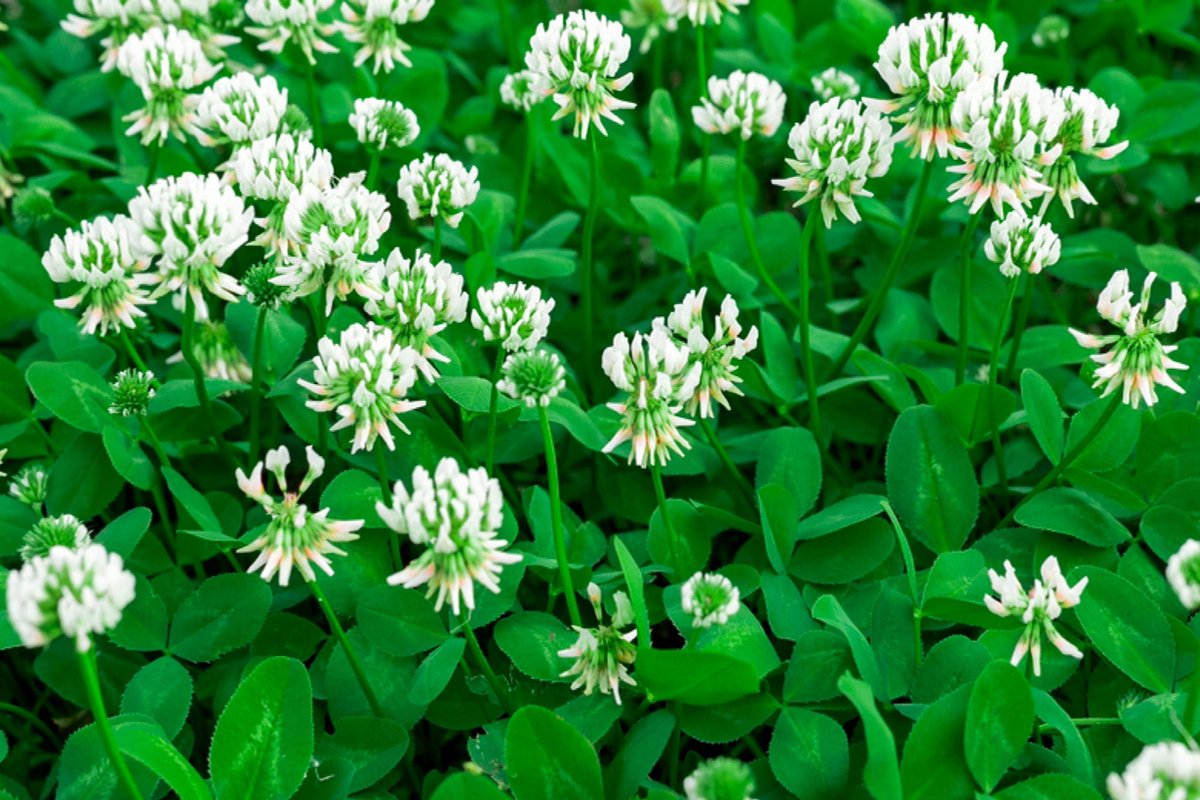
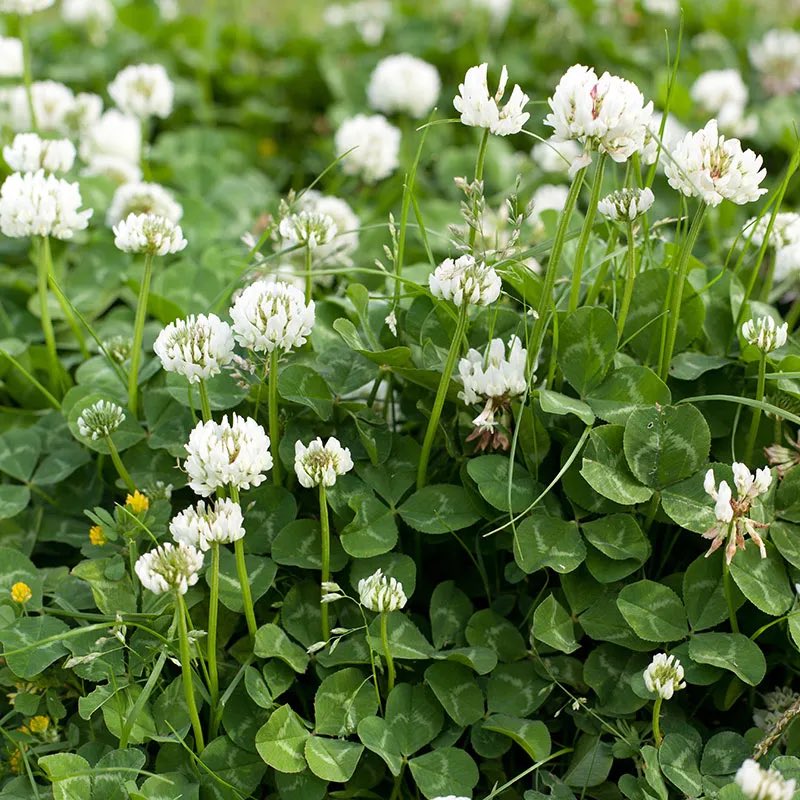
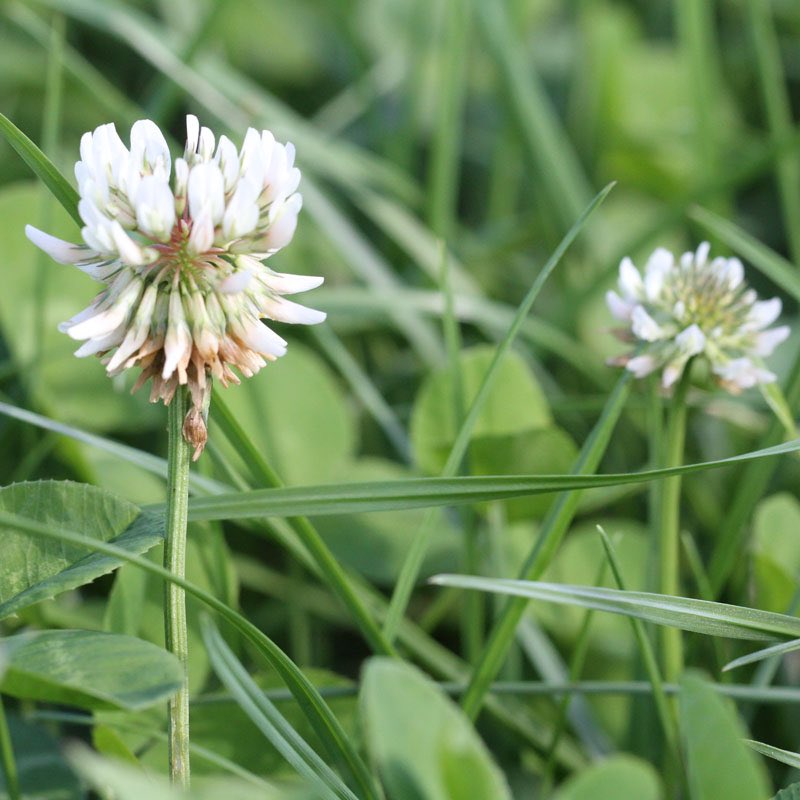
White clover is a “weed” which is tolerant of a wide range of conditions for germination but is an important source of nectar for honeybees as well as edible and medicinal.
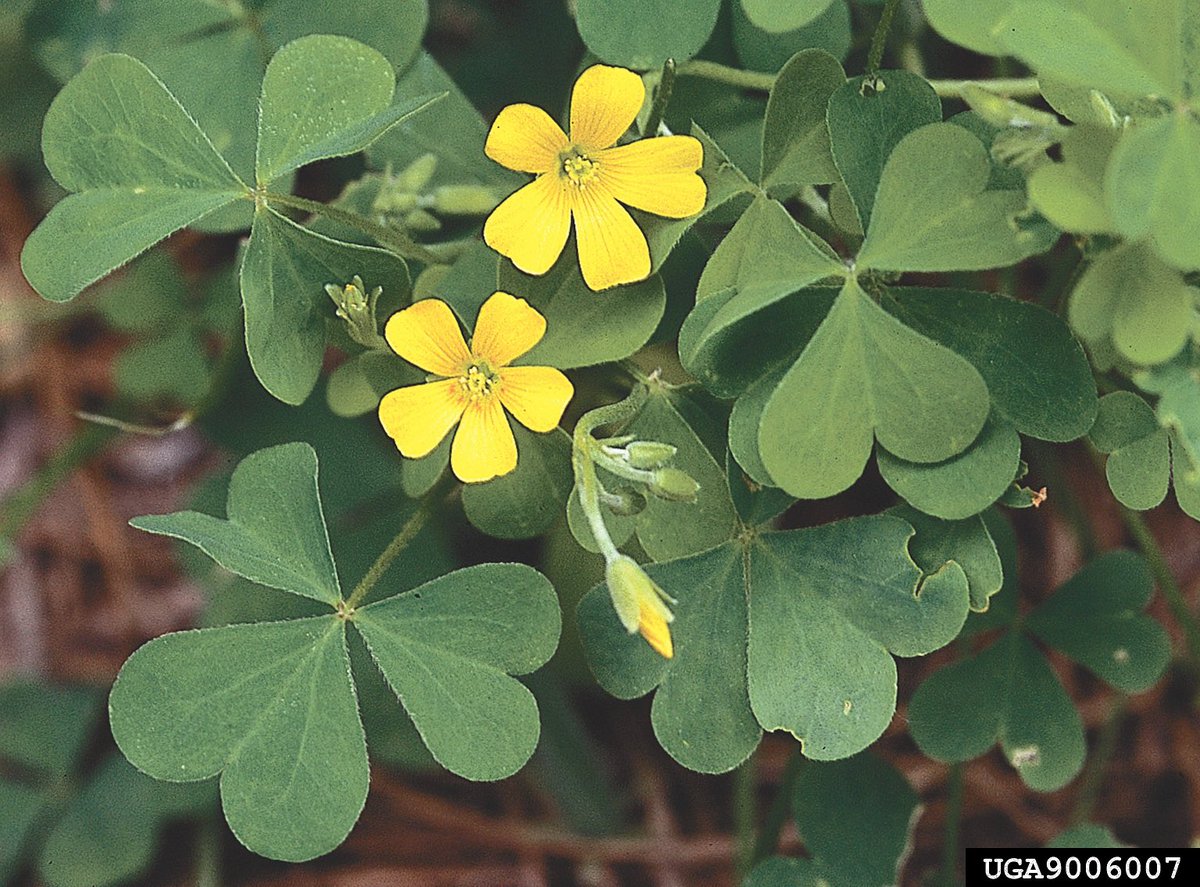
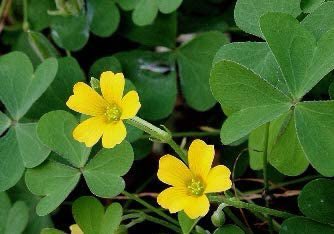
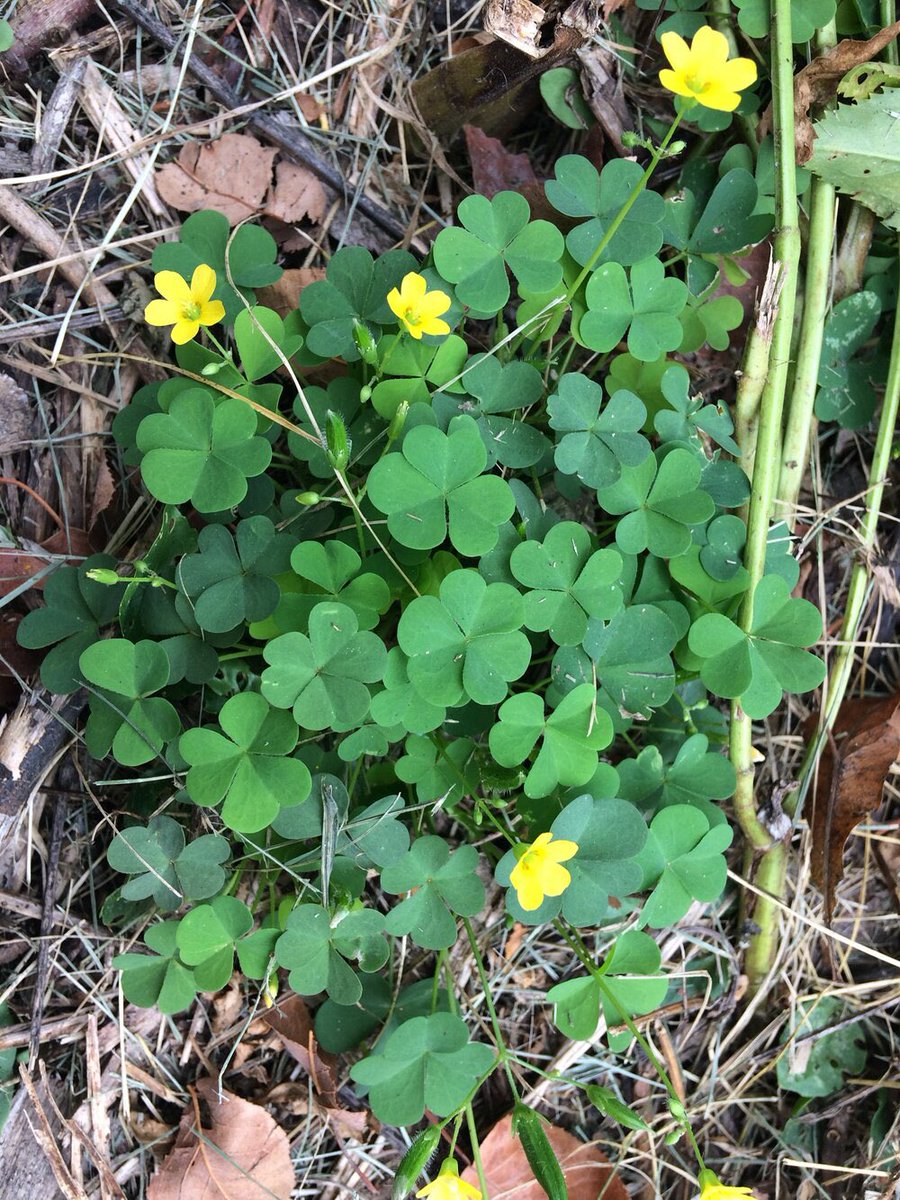
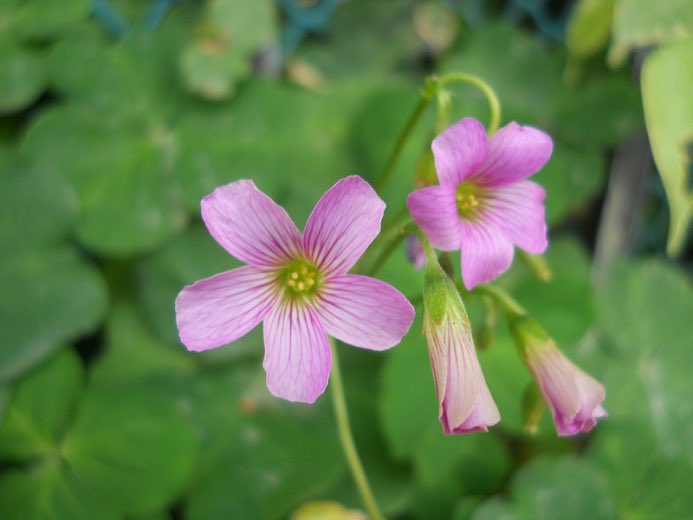
Wood sorrel is a rhizomatous native plant that spreads quickly and is enjoyed even from fissures in pavement by children who refer to it as sour grass.
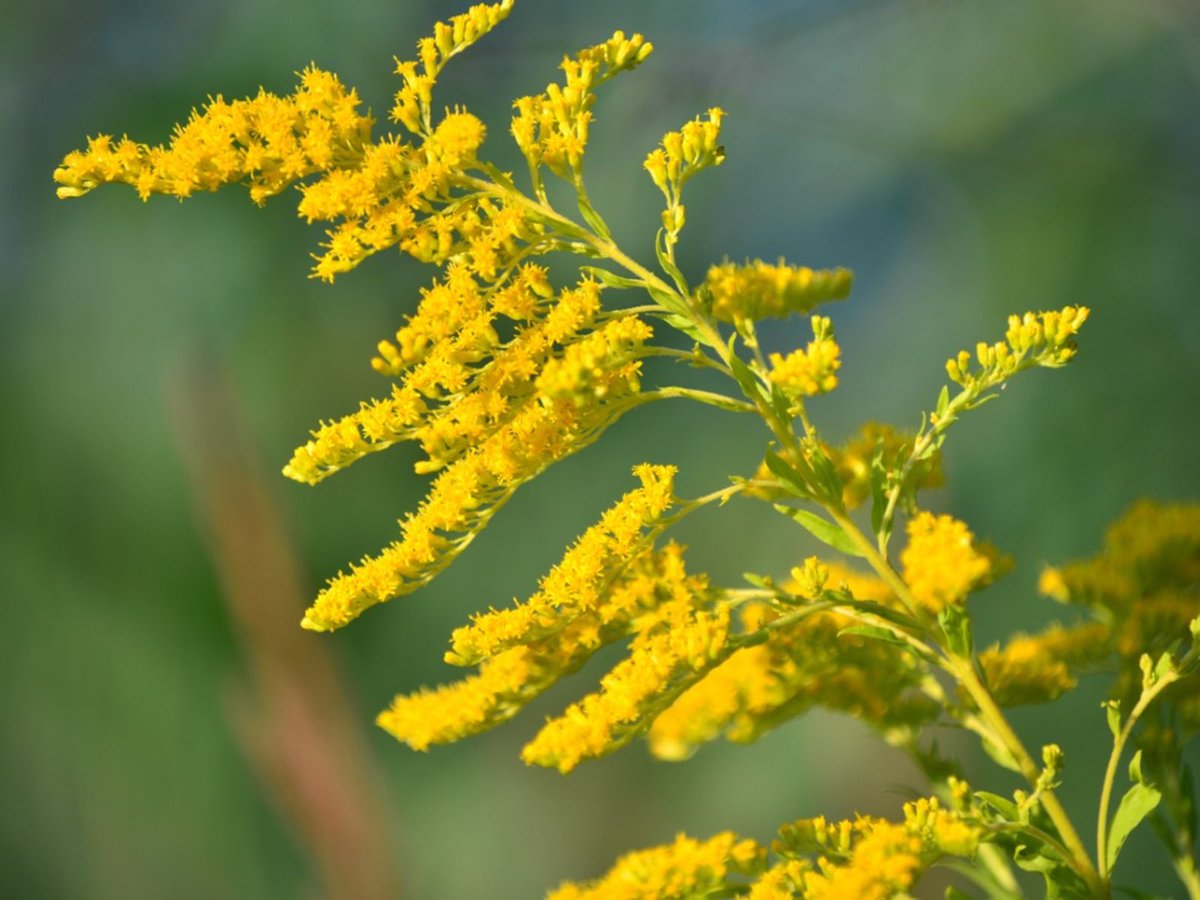
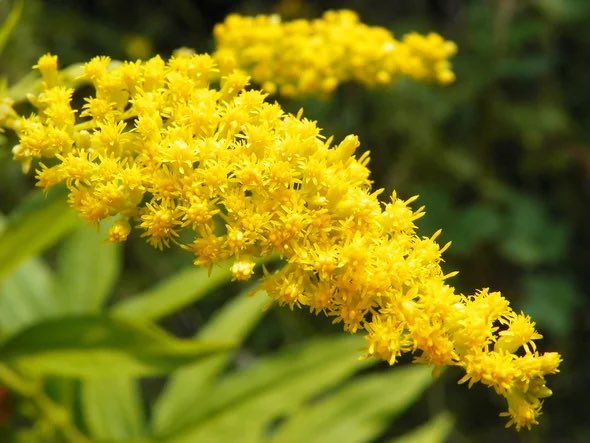
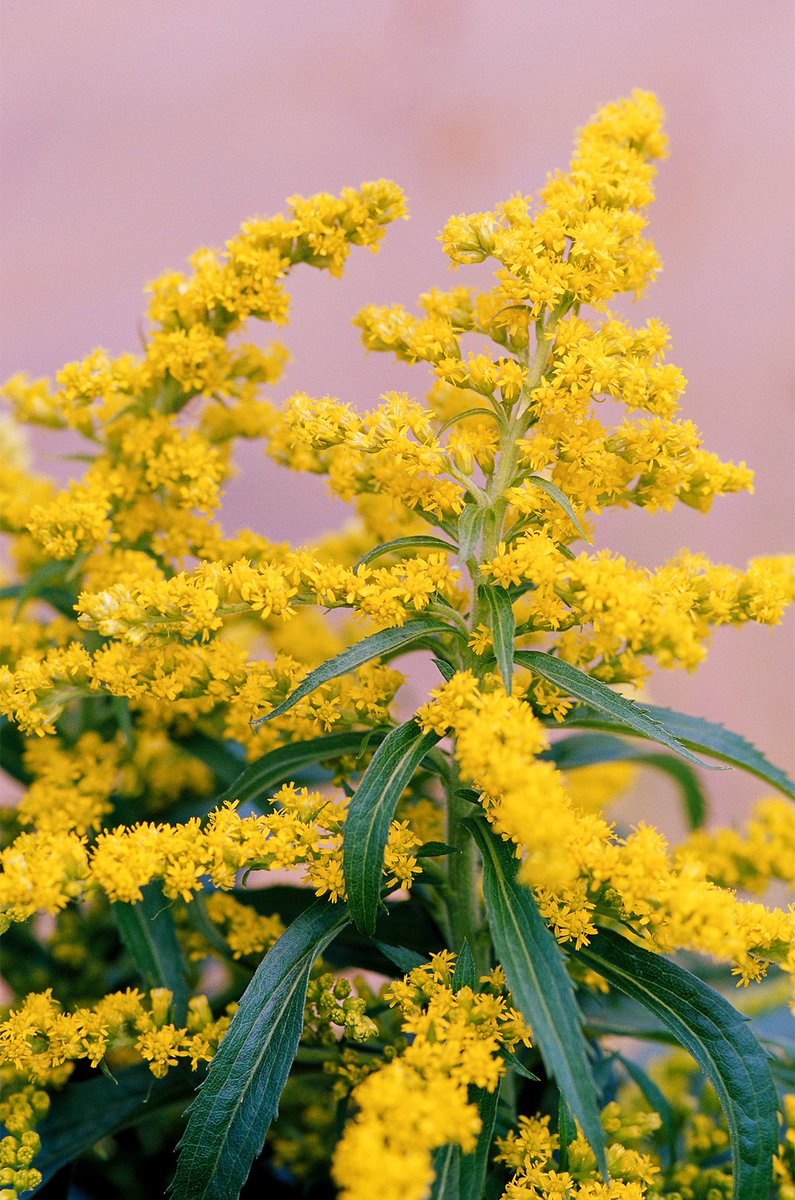
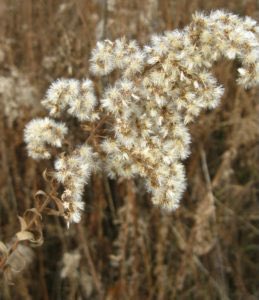
Goldenrod is another native medicinal plant regarded as a weed due to its persistence. The seeds scatter by wind and germinate easily. I personally use it to treat insect bites and minor cuts.
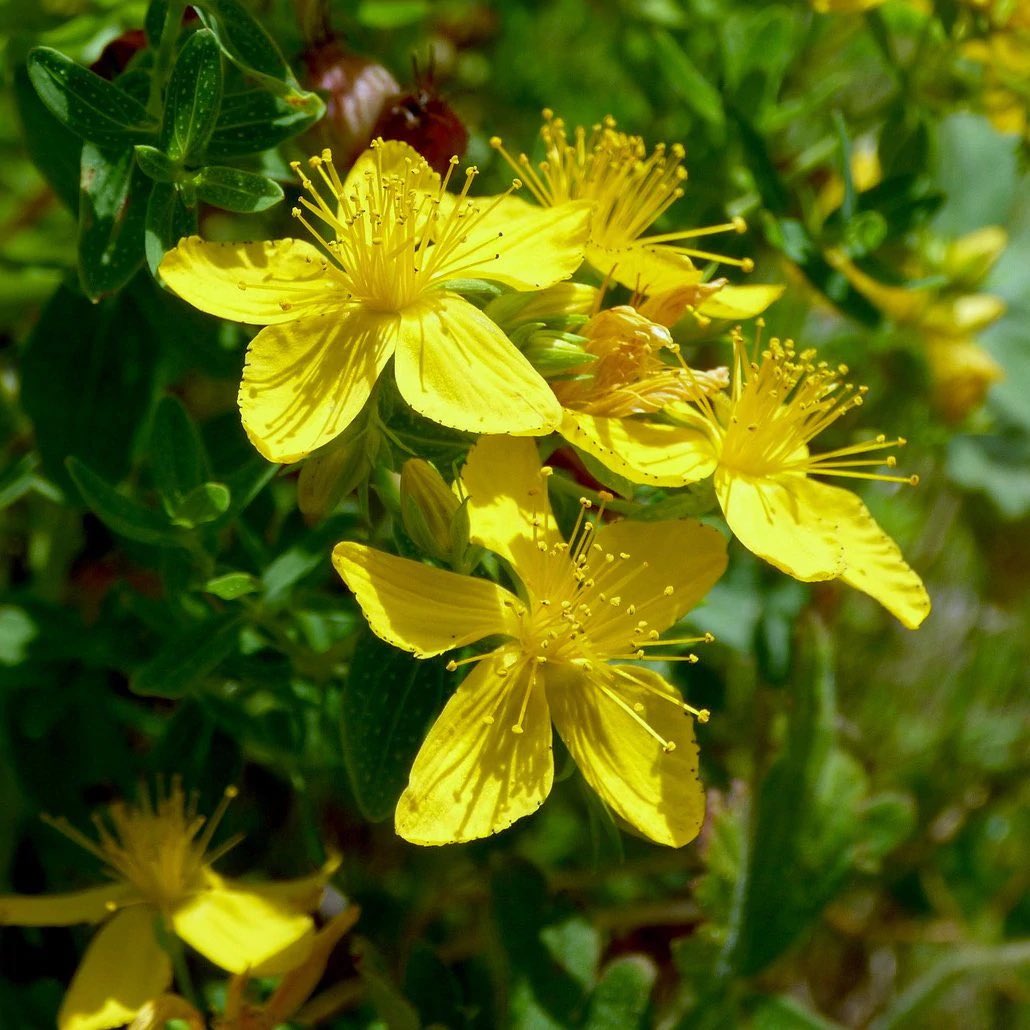
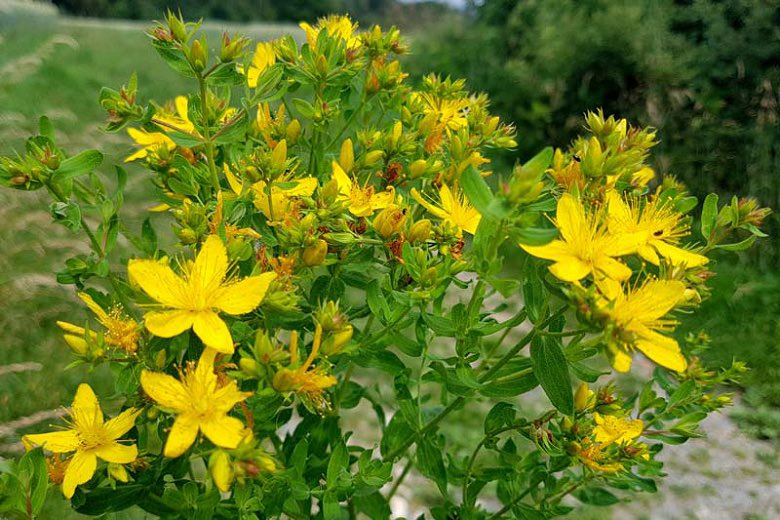
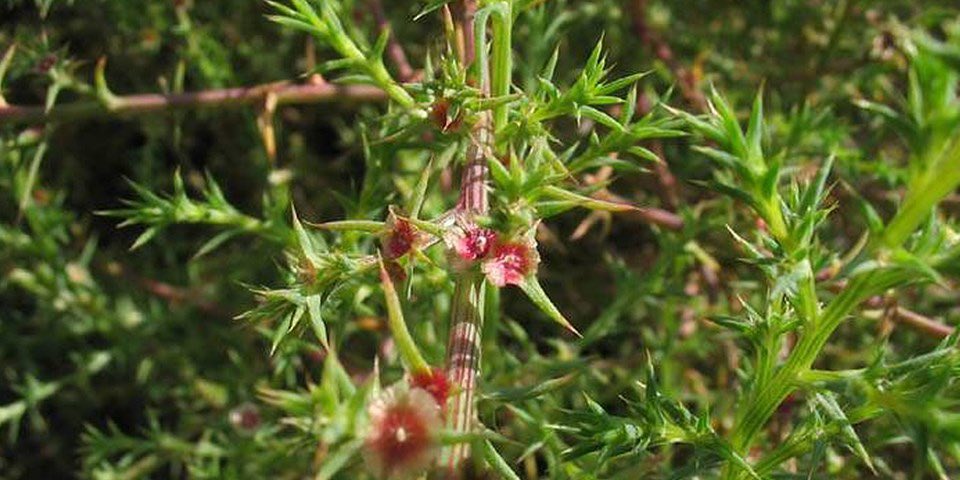
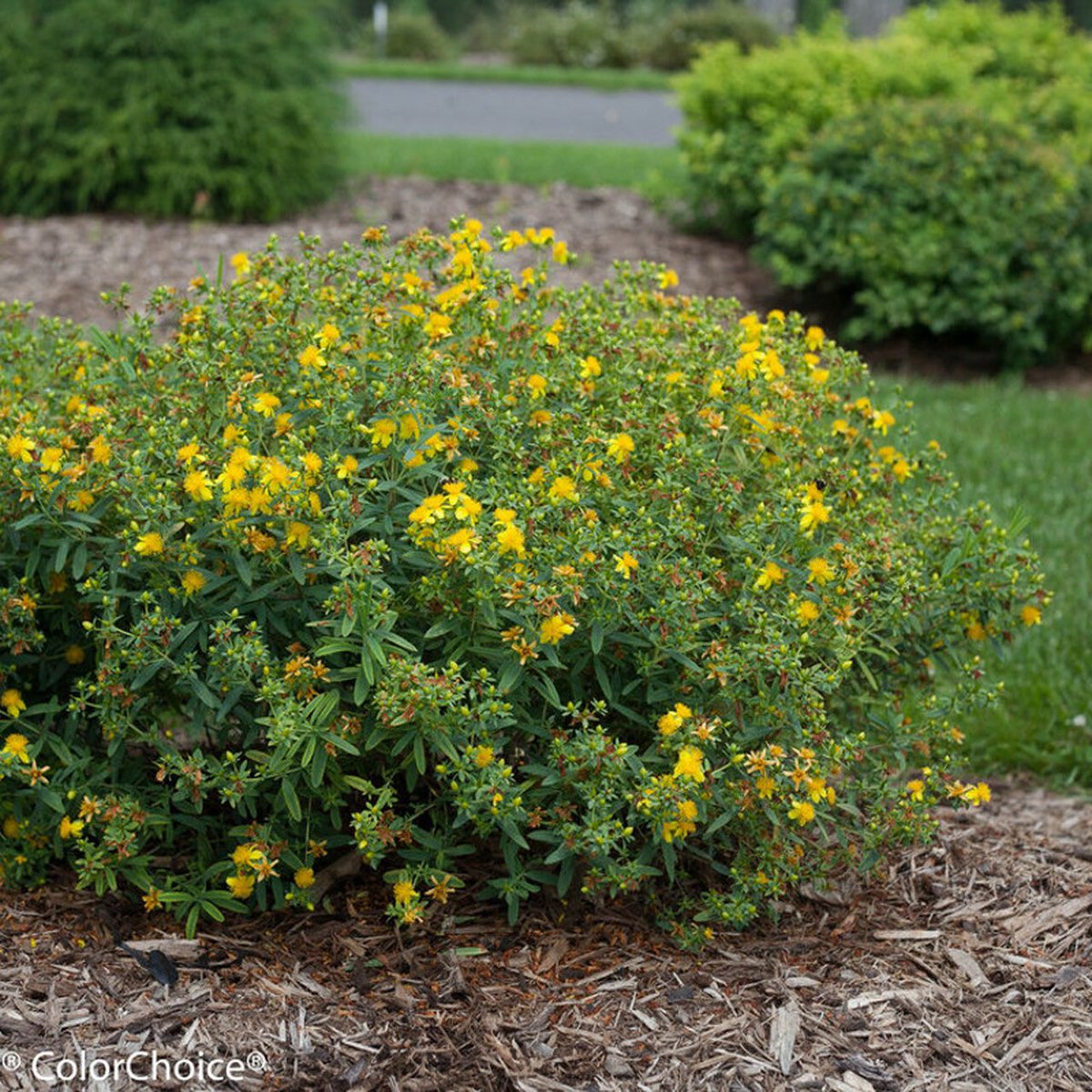
Beyond this point I must exercise caution. I will be highlighting invasive species potentially disastrous in natural areas. These should be reserved for urban concrete jungles where there is little plant life to disturb. One of these is St. John’s wart, a medicinal invasive.
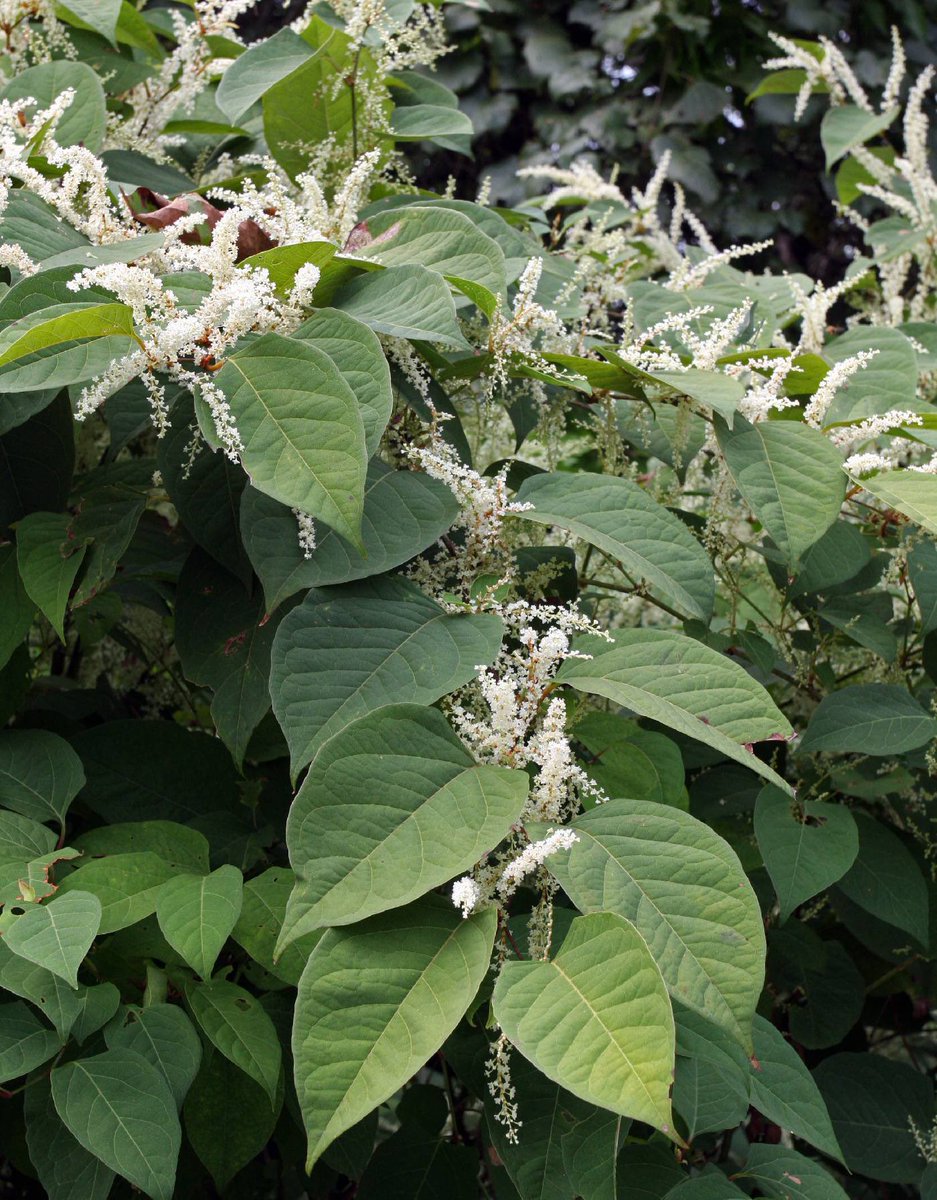
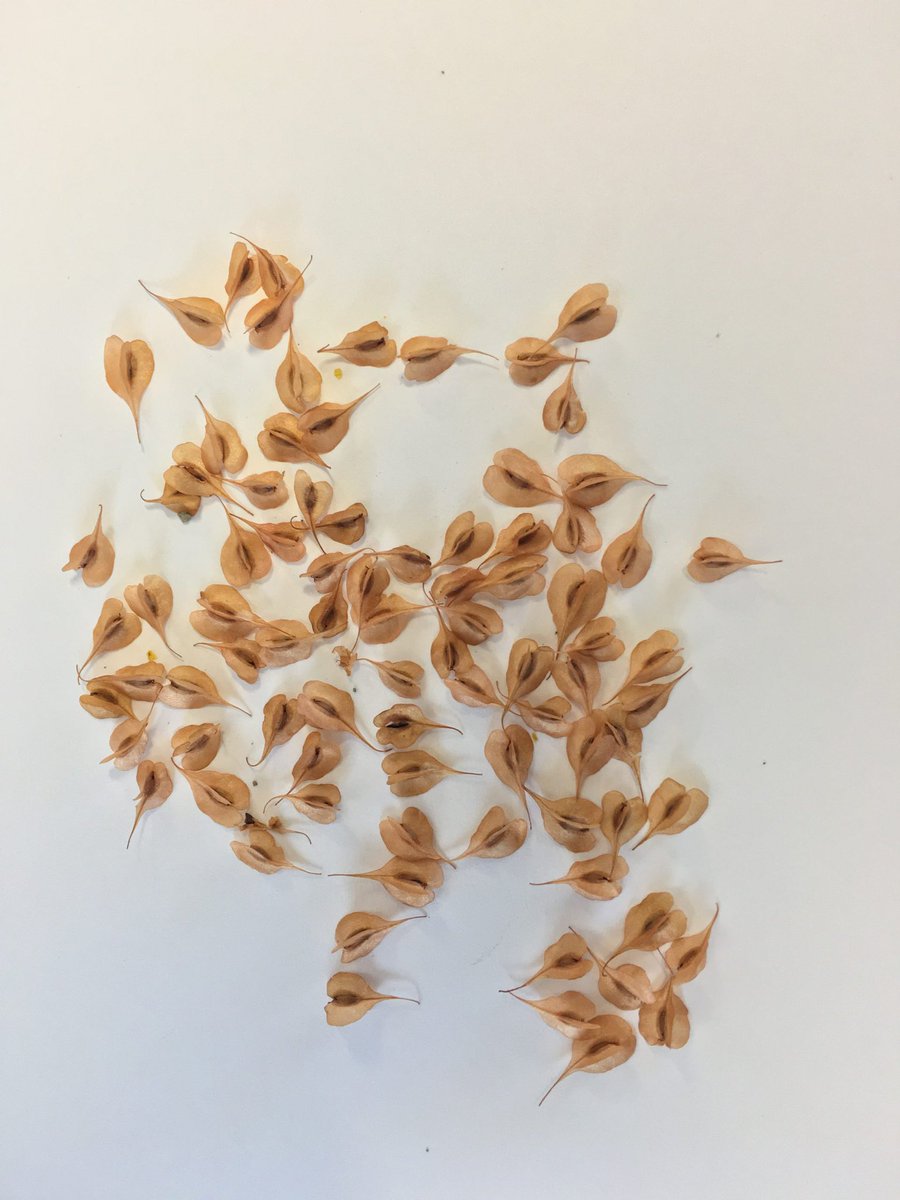
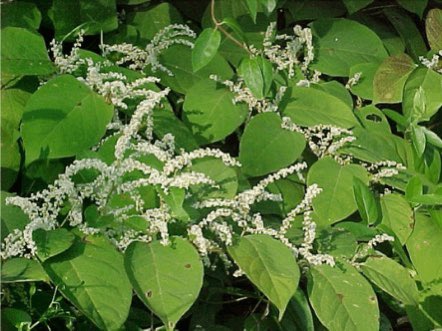
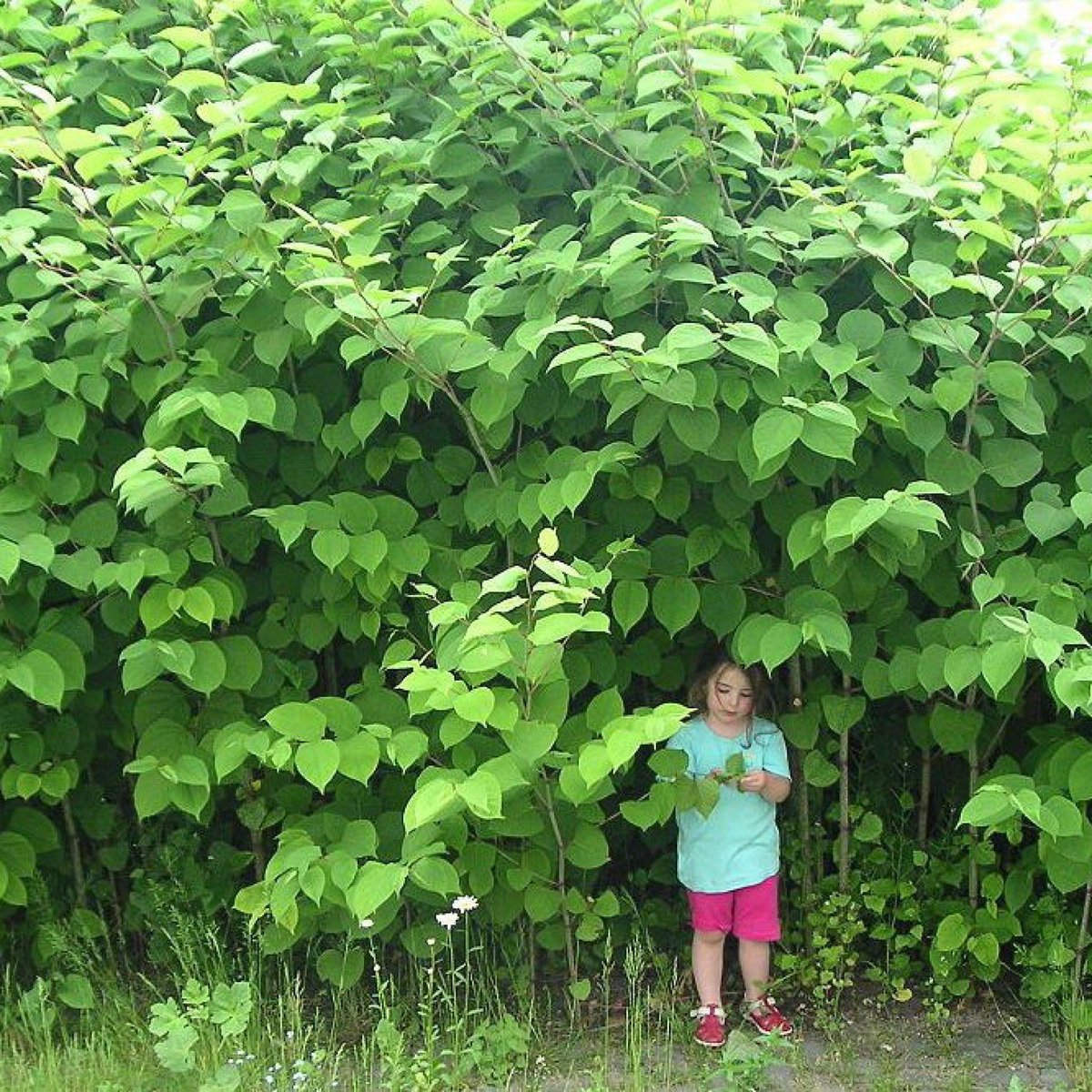
Another pernicious invasive is Japanese knotweed, an edible plant that ravages ecosystems. The same adaptations that make it a nightmare for ecosystem ecologists like myself make it a perfect choice for those hard to penetrate city blocks of asphalt.
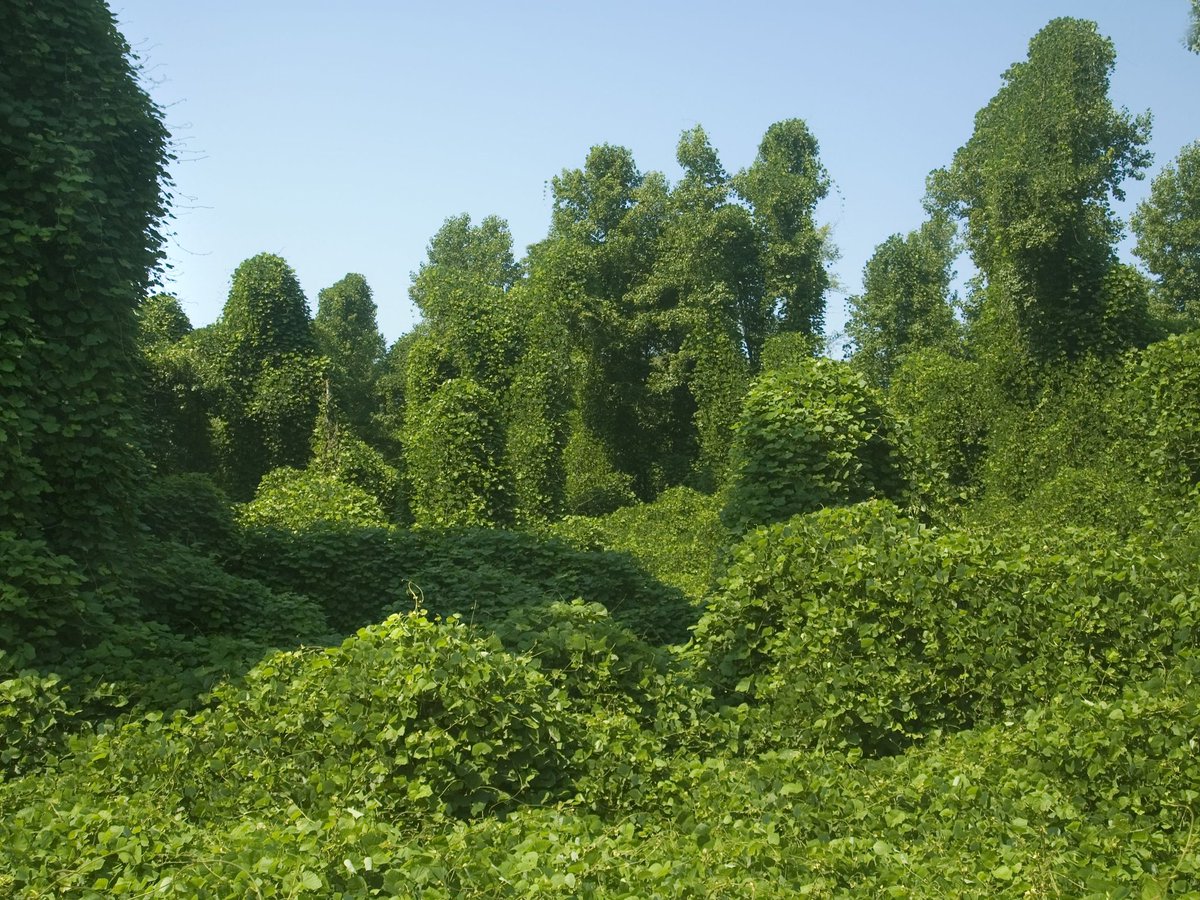
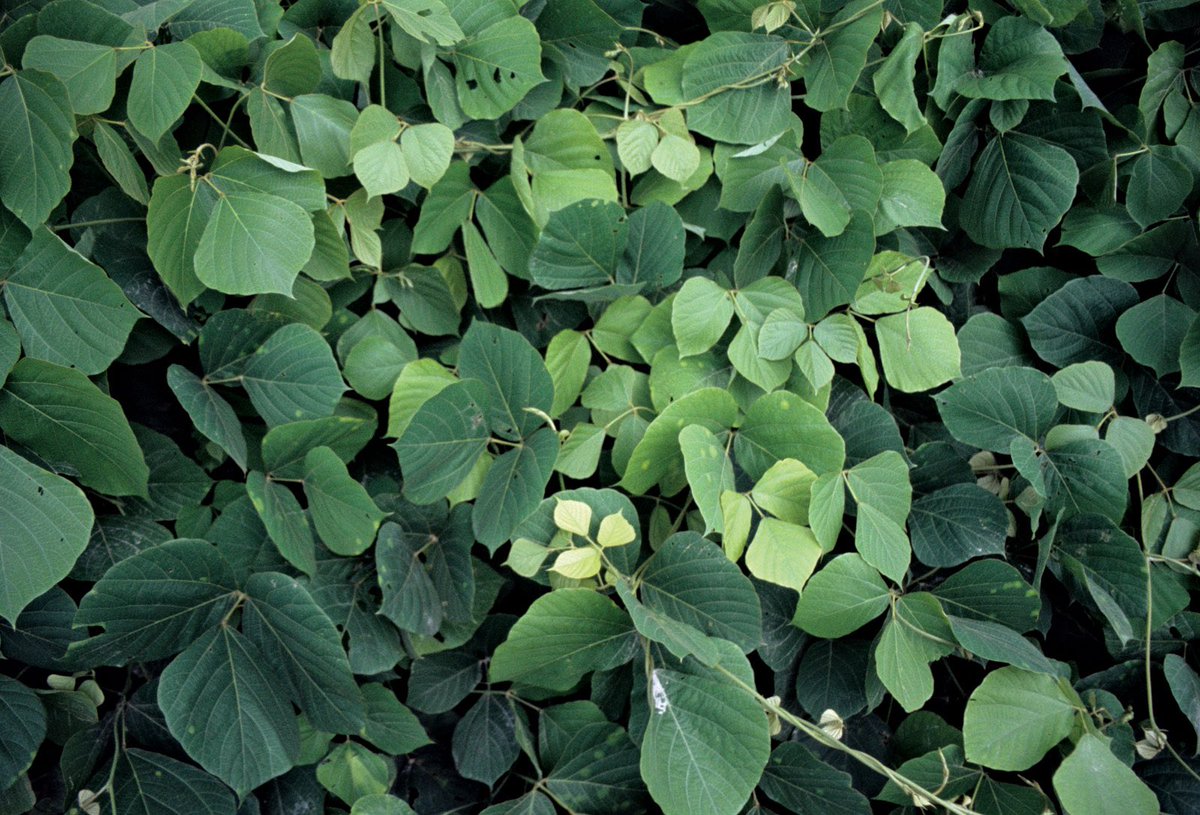
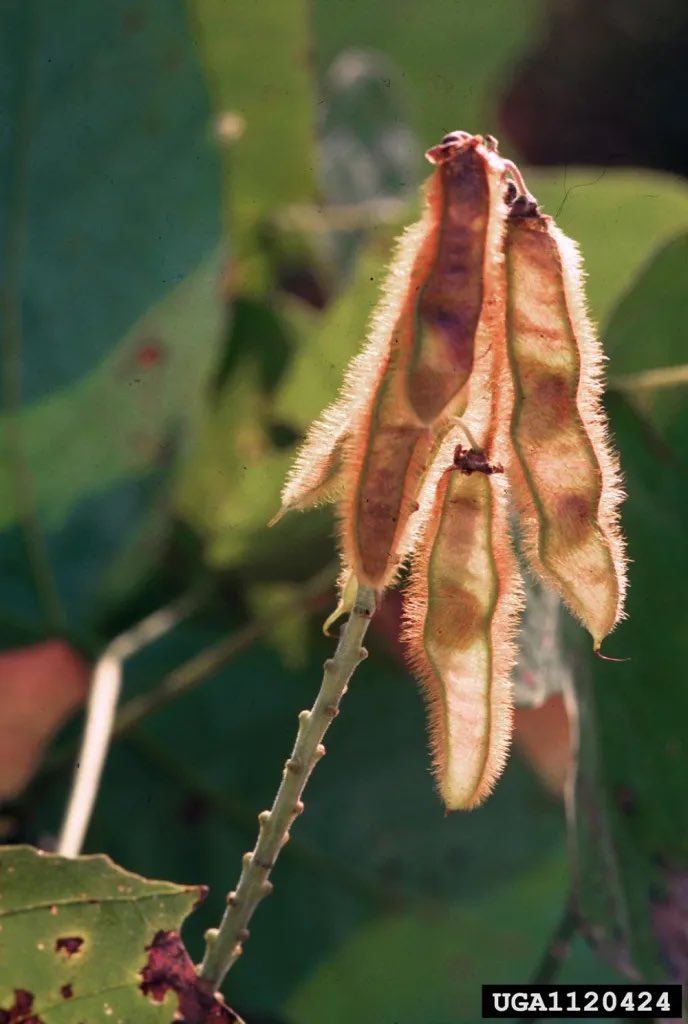
Kudzu is a known menace of the American east, and while more difficult to germinate, an established plant can quite literally reclaim buildings. Again, this should be exclusively reserved for use in large cities.

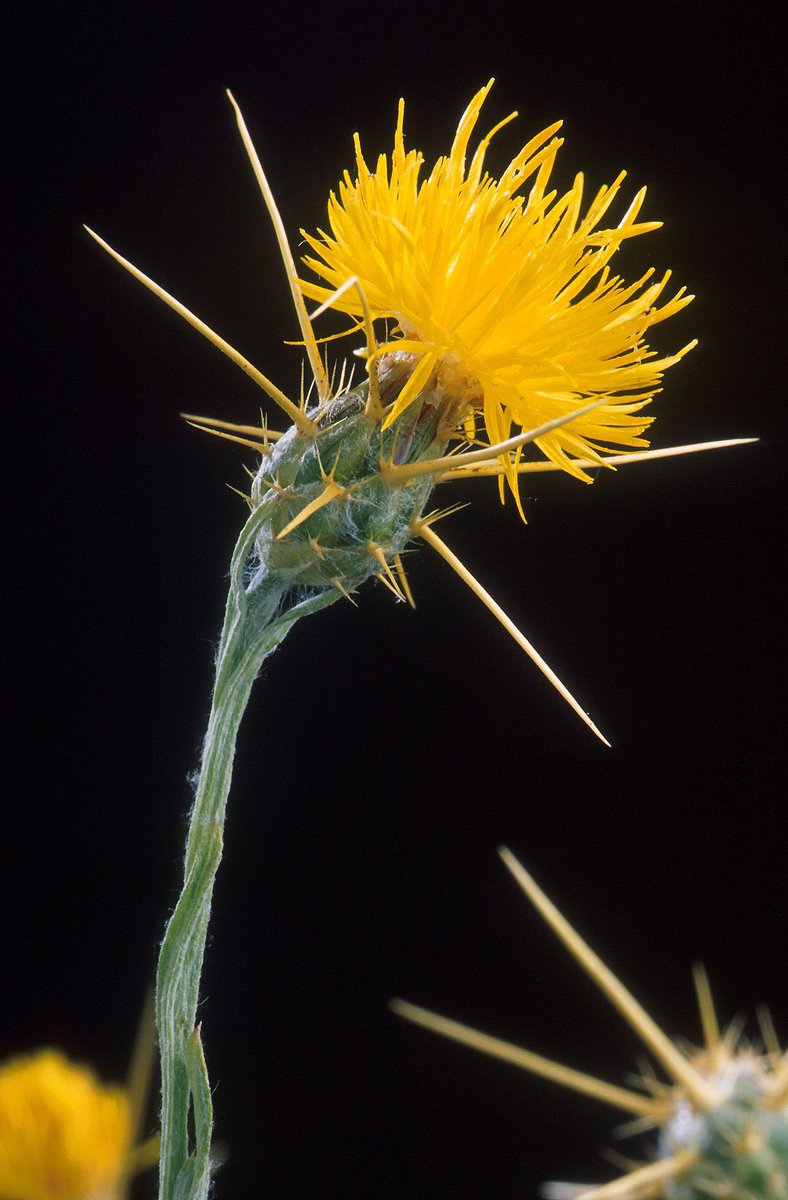
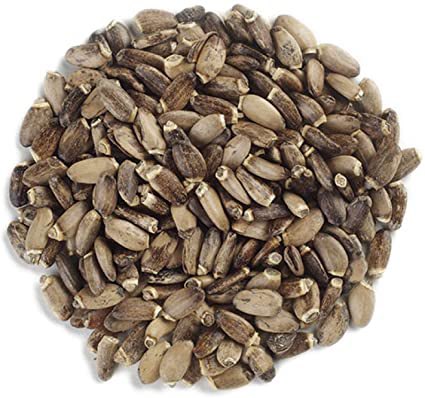
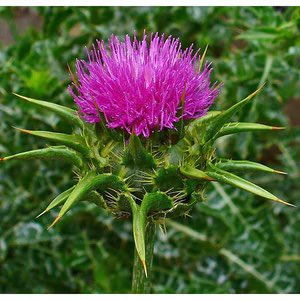
Thistles largely hail from Europe and are a bane of any farmer, including myself. They are, however, great candidates for seed bombs and despite their invasive nature, provide host plants for butterflies as well as nectar and medicine.
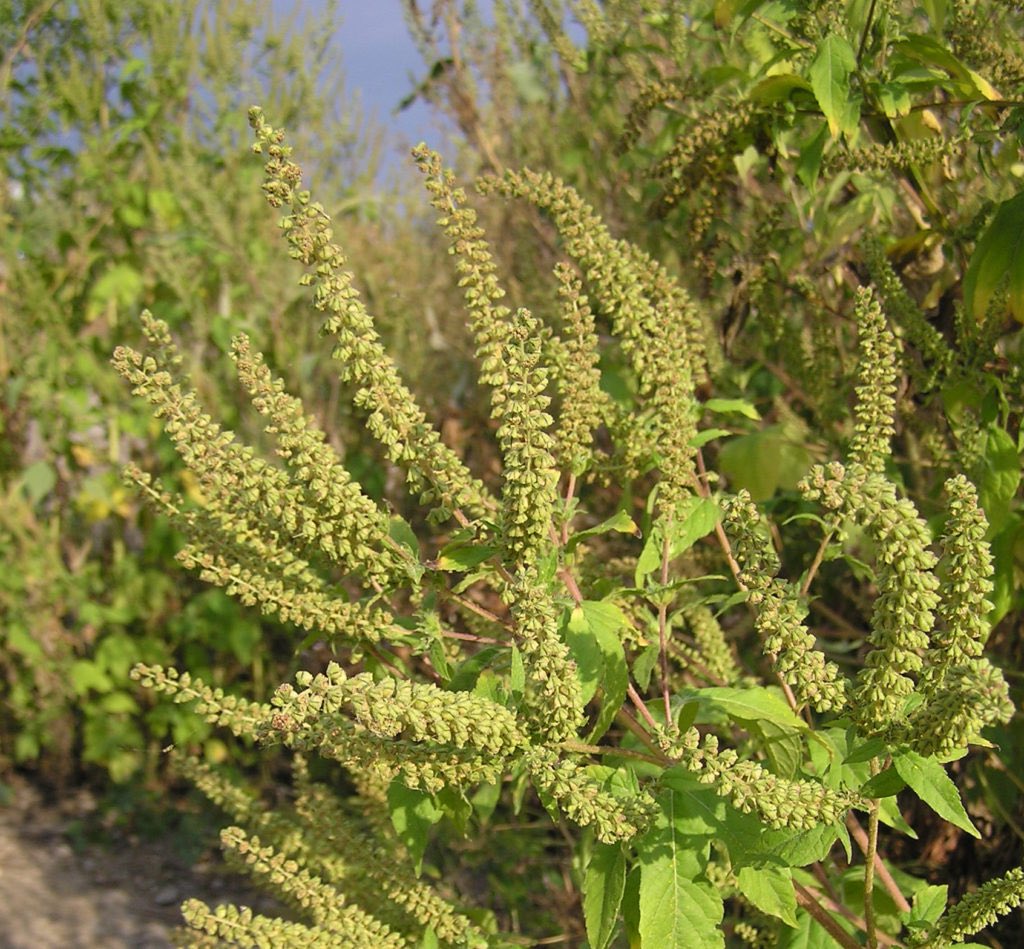
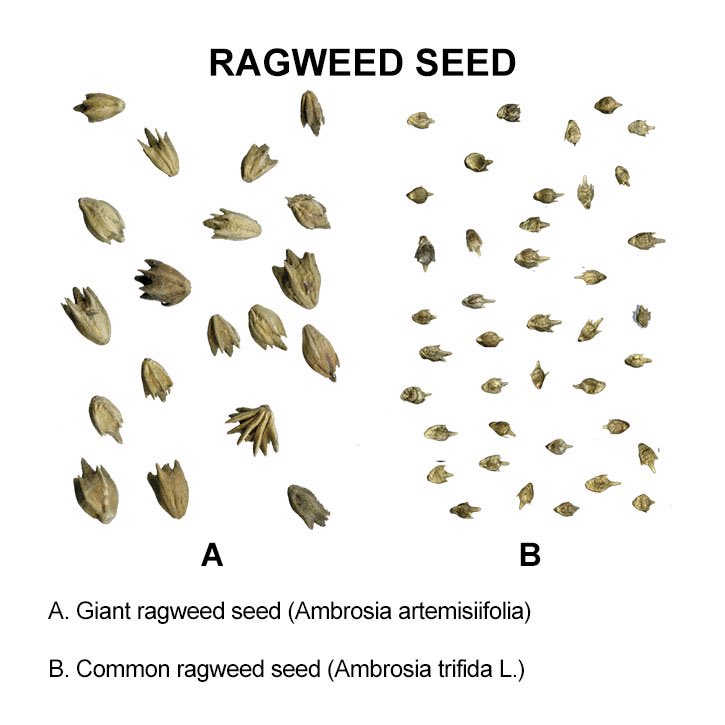
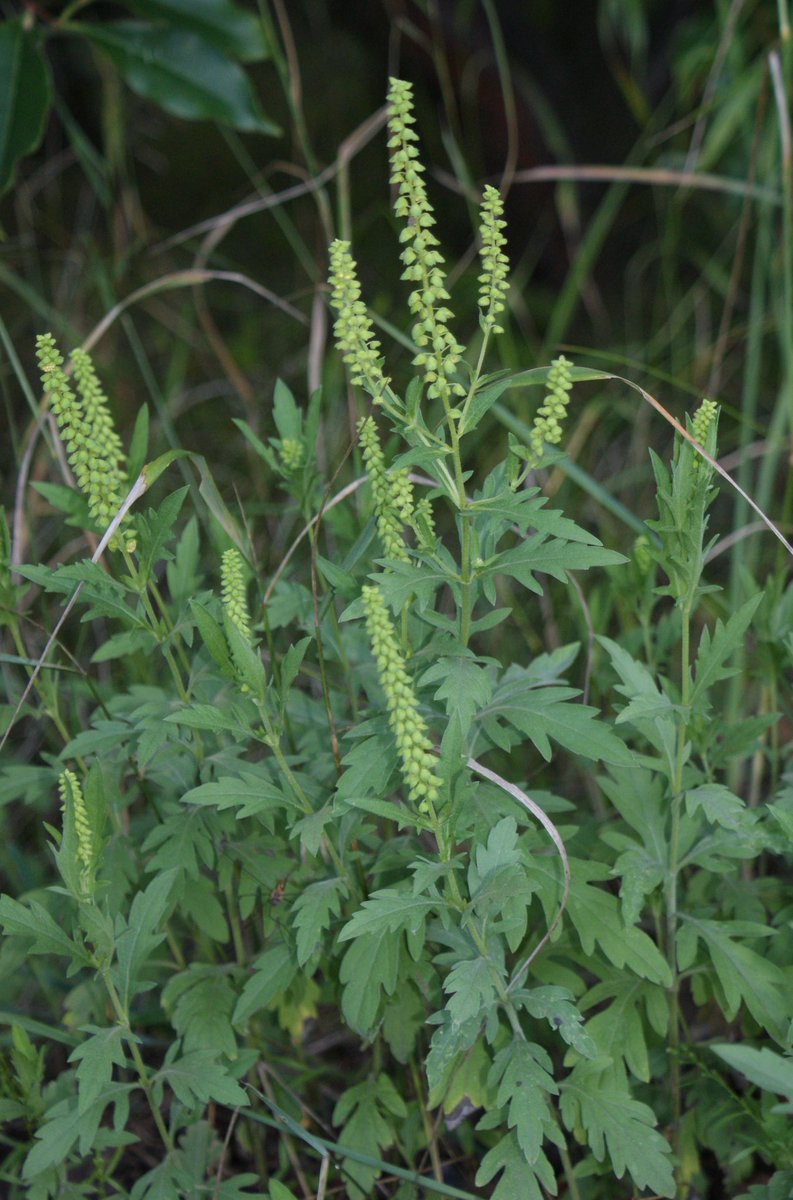
Ragweed is a detested invasive plant begetting of environmental allergies. It makes me sneeze myself. However, it’s fast growing and difficult to get rid of, and another candidate for inhospitable urban substrates.
This largely sums it up for now, but there are many options I did not cover. Take care to disguise yourself when engaging in guerilla gardening and make efforts not to do more damage with invasive species than help. I am not legally responsible for your actions.
• • •
Missing some Tweet in this thread? You can try to
force a refresh

What is the Ripley scroll? Shrouded in esoterica and hermetic symbolism, the nature of what is actually a set of multiple similar scrolls by the alchemist Sir George Ripley is lost on many. Shall we unveil this time of transmutation? (Thread)
The first panel depicts none other than the legendary Hermes Trismegistus, the luminary of the hermetic world, the eight spheres representing stages of the alchemical process resulting in a “white stone.” Hermes himself is said to have revealed this knowledge.
Another panel shows the creation of the “white stone” in a chemical bath. The serpent of knowledge, a luminary itself in hermeticism, slithers upon a tree while Adam (sulphur) and Eve (mercury) stand beneath the sun (citrinitas) and moon (albedo).
🎃31 HORROR STORIES FOR 31 DAYS OF OCTOBER🎃
Happy Halloween! I’ve selected 31 horror stories by 31 different authors to give you a fright on this day of ghosts and monsters. I’ll be providing a pdf source for each of them :)
1. The fall of the house of usher by Edgar Allan Poe
For me, Poe is synonymous with the holiday, and this uncanny tale bends the lines between delusions and the supernatural. Perhaps a tale of premature burial, perhaps something much stranger. poestories.com/read/houseofus…
2. Young Goodman brown by Nathaniel Hawthorne
Nothing says Halloween like the dark brooding forests of New England combined with a supernatural, puritanical fear. A true classic of the genre, steeped in American history. columbia.edu/itc/english/f1…
[thread of my 15 favorite books in no particular order] 1. Pale Fire by Nabokov. Arguably my favorite novel of all time, absolutely perfect cohesion between a touching poem about love and loss and the deranged ramblings of its delusional commentator
2. Maldoror by Comte de Lautréamont
Perhaps a prose poem, perhaps a novel. An insane surreal exploration of the incarnation of evil through unrelated vignettes, in one of which a giant glow worm commands a man to murder the human incarnation of prostitution with a rock
3. The other side by Alfred Kubin
A strange novel by the artist in which a man moves into hypnagogic “dreamlands” until increasingly peculiar bureaucratic horror ensues. Kafka before kafka.
The Dogon tribe are among the most fascinating of the African ethnic groups, with a unique language group, religion, culture and mythos sure to enamor any cultural anthropologist. Here, we will discuss the many facets of the Dogon people.
The Dogon can be found primarily in Mali, as well as nearby areas, and constitute a single ethnic group. Their prehistory is unknown, as they are largely considered a truly ancient ethnicity, though some stories tell of their coming from Mande, a settlement in southwestern Mali.
The Dogon language contains at least 5 branches, and is unique from its neighbors, almost wholly unrelated. Some dialects are used in ritual settings, a secret language reserved for the mask society. Their noun class system is unique, with human nouns being considered plural.
Making my comprehensive mask thread, I realized the wealth of masquerade traditions in Iberia alone. Wanting to highlight the culture of my homeland, steeped in paganism entwined with Christianity, I decided to make a thread of solely Iberian mask traditions. Here you are:
Beginning in Portugal, we must split up the Careto tradition. In Lazarim, masked figures are hidden by mischievous and fearsome wooden masks depicting animals and devils, running through the streets causing mischief, frightening both locals and evil spirits with their antics.
In Lagoa, we can admire the unique carnival custom of the Careto de Lagoa. These Caretos wear a towering wooden mask often accented with paper streamers and fearsome horns. Viking influence is possible, though like other Caretos their purpose is merriment and faceless fun.
The role of the mask spans geography. An ancient, primordial representation of transformation, I shall unveil the many forms of this ritual I have become familiar with in my studies. Without further adieu, the mask thread.
Starting with travel to Europe, we start with Careto in Portugal, a Pagan remnant where young men don masks and wreak comedic havoc, scaring away evil spirits while stealing liquor in the town square. From wooden masks to national colors, extravagant costumes reign supreme.
In the neighboring Spain we shall first visit Vijanera, a ritualistic nature festival which takes place in Cantabria. Mascaras representing plants, animals and other elements of the natural world are worn to chase evil spirits from the town’s edge. This welcomes the new year.