SEED BOMBING THREAD-
You, at home, can wage a fight against urbanization and vacant land with some simple materials and the right know how. I will discuss how to make a seed bomb, seeds to use, where to target, etc.
Disclaimer - this thread is for educational purposes only
You, at home, can wage a fight against urbanization and vacant land with some simple materials and the right know how. I will discuss how to make a seed bomb, seeds to use, where to target, etc.
Disclaimer - this thread is for educational purposes only


Seed bombing originates in the western conscious likely from the Japanese permaculture manifesto “one straw revolution” that brings up the ancient tradition of encasing seeds in clay balls for moisture. It aims to repopulate barren or urban areas with plants. “Guerilla gardening”
Making seed bombs is easy. A mix of 1 part seeds to 5 parts clay powder to 3 parts compost tends to be the standard. Encase your seeds in the wet mixture and mold into balls, allowing to air dry until solid.
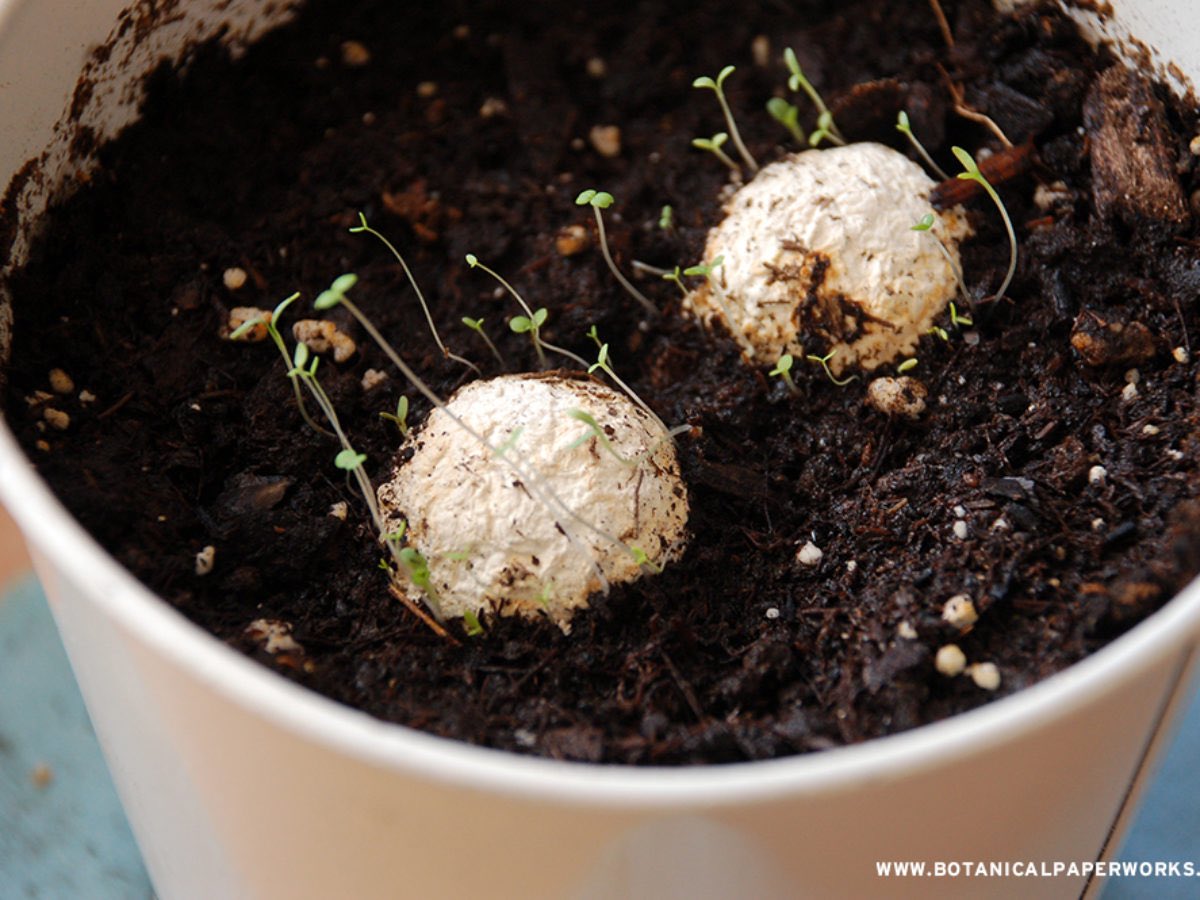
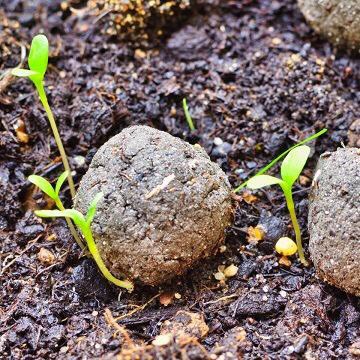
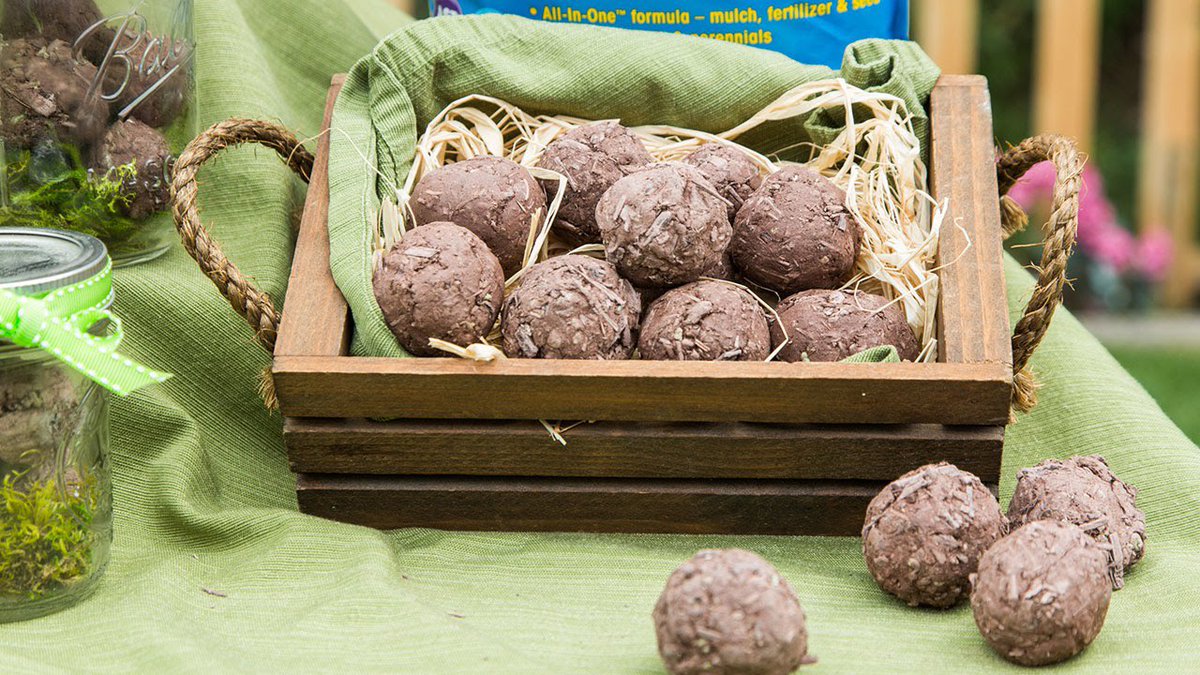
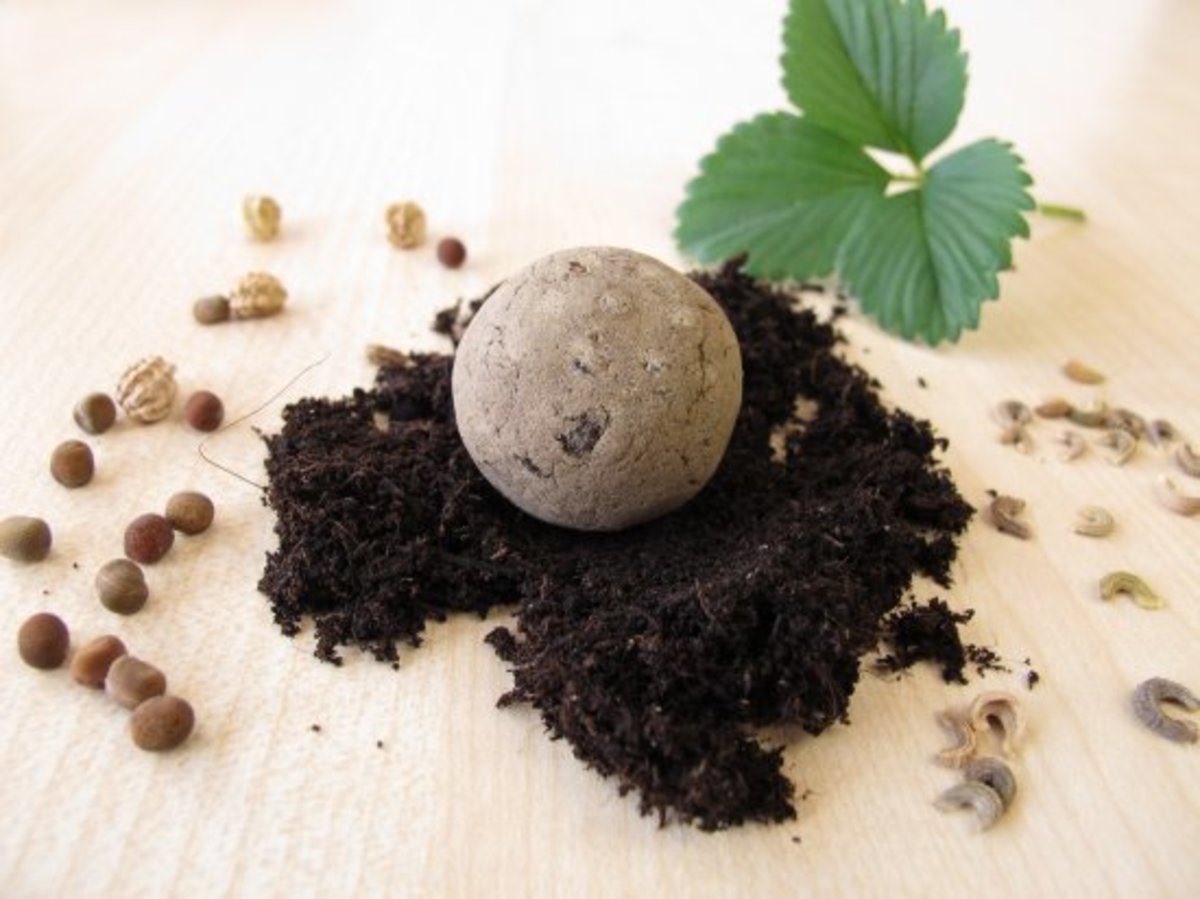
There is a big issue. Most seed bombs don’t work. Between resistant land, urban impenetrable substrate, drying out and overpacking seeds, success lies in location and plant choice more than most know. Corporate gardens of manicured plants and flower pots are good targets.
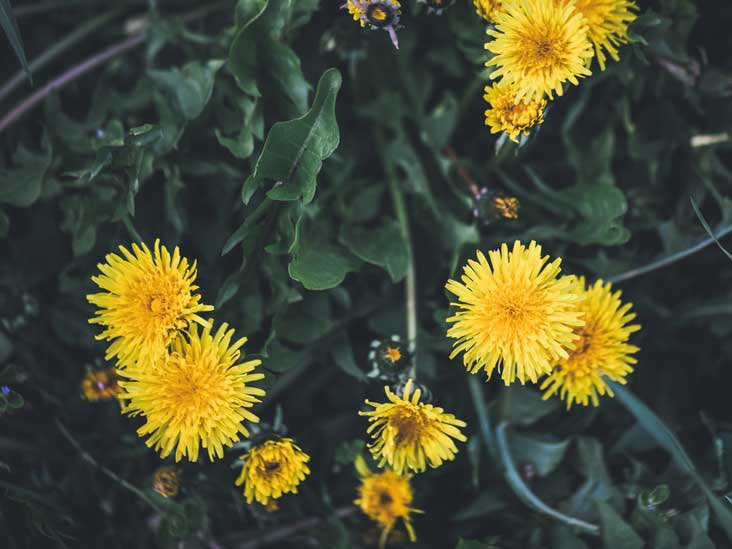
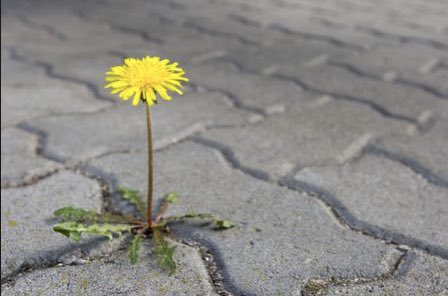
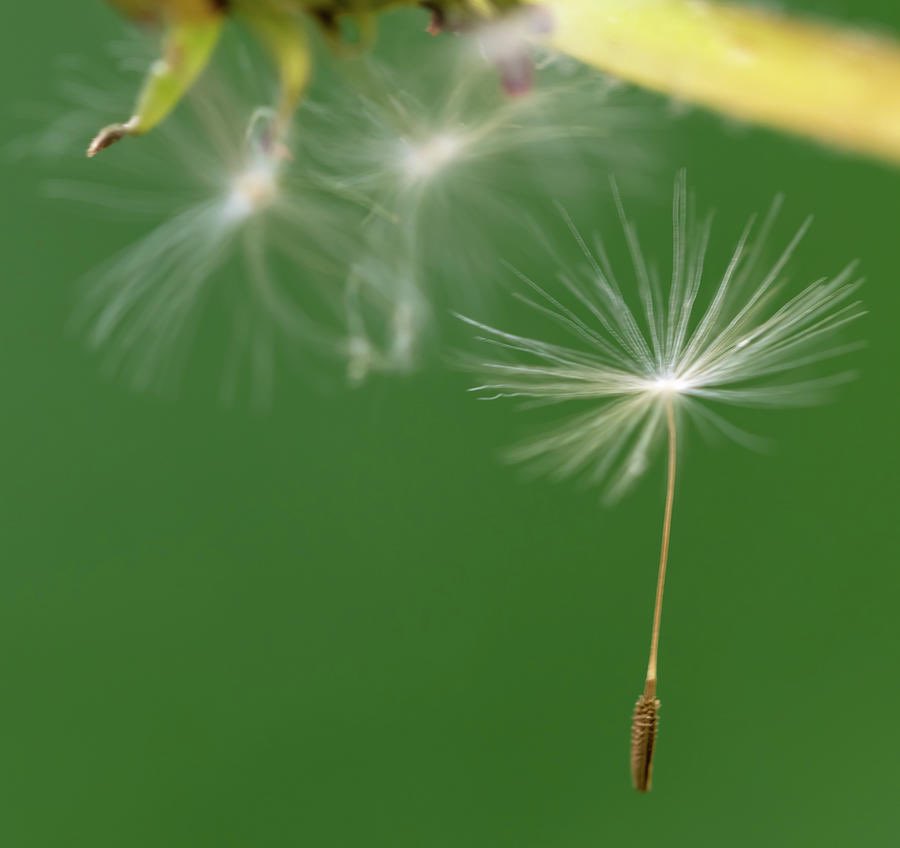
If you want to expand your horizons, you’ll need to choose specific plants, which I will outline. The first is dandelion, a medicinal weed that is edible, native and important to the ecosystem but will grow in even the roughest terrain. This hits all the boxes.

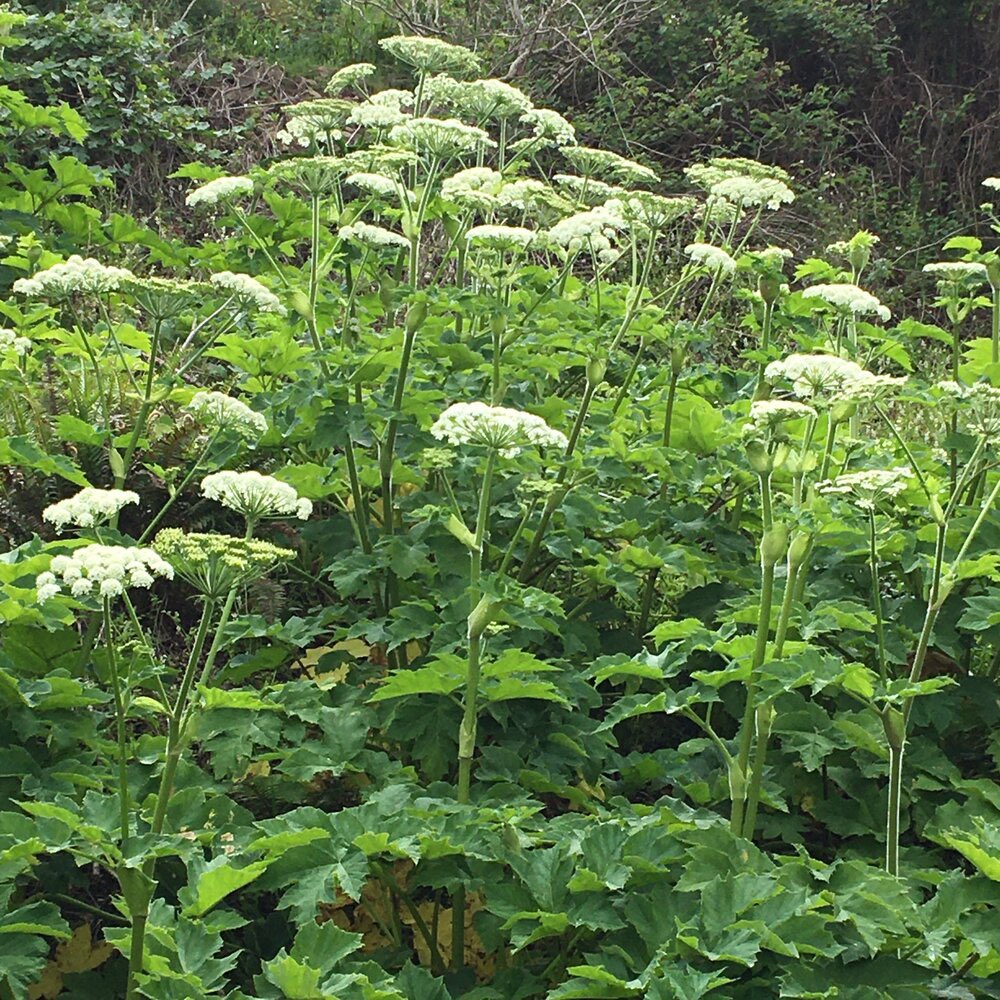
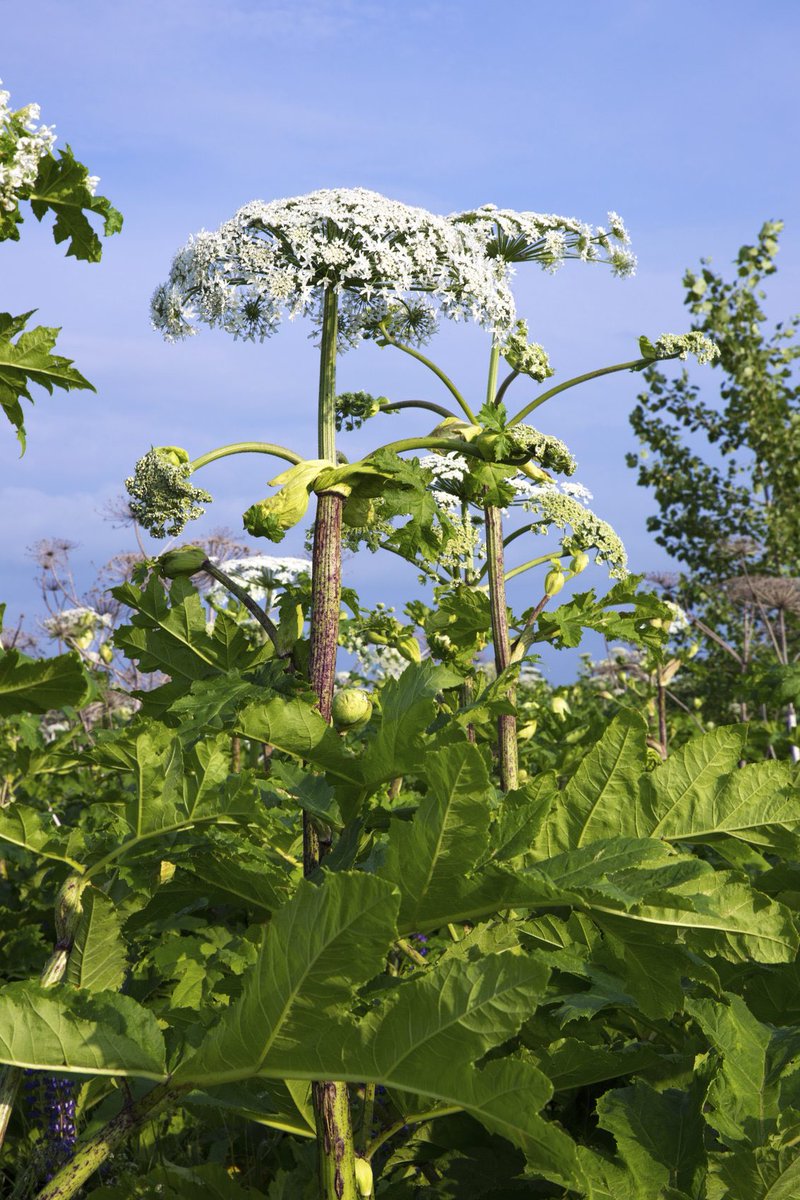
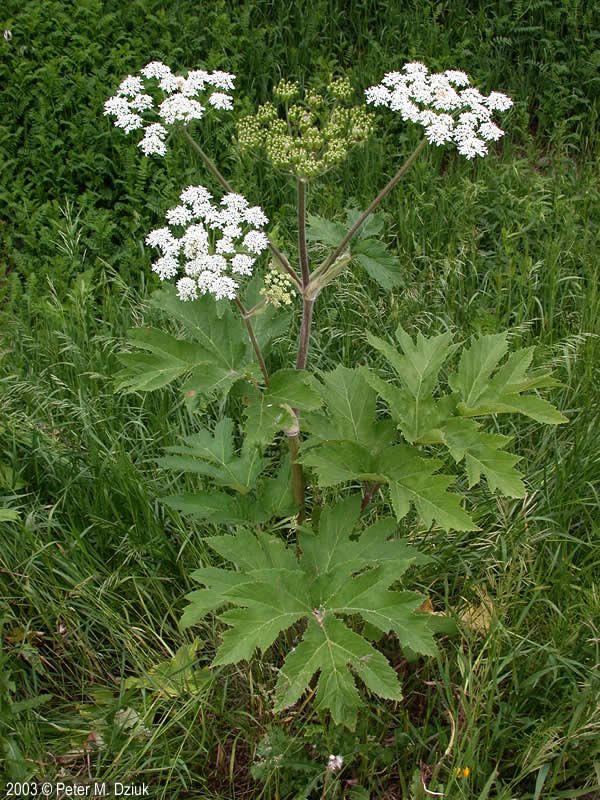
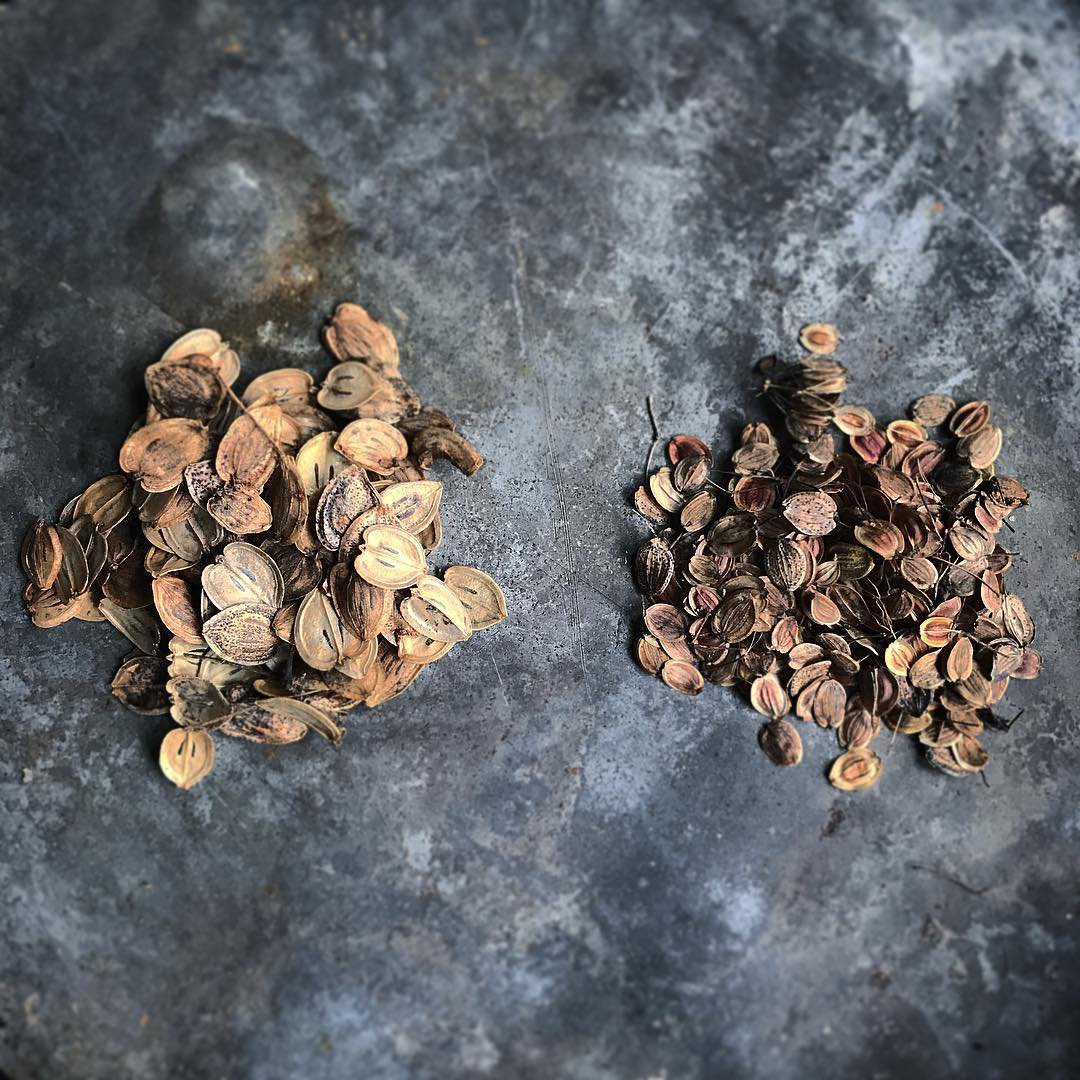
Another is cow parsnip, a hardy and native plant detested by cattle farmers. The latex in the stem can be irritating, and it is difficult to remove. A great choice for horticultural mayhem while maintaining the use of native species
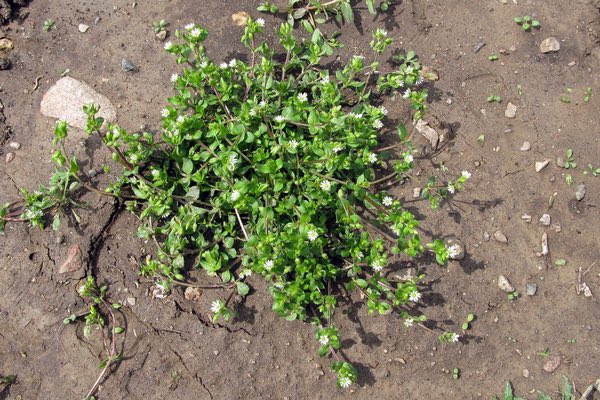
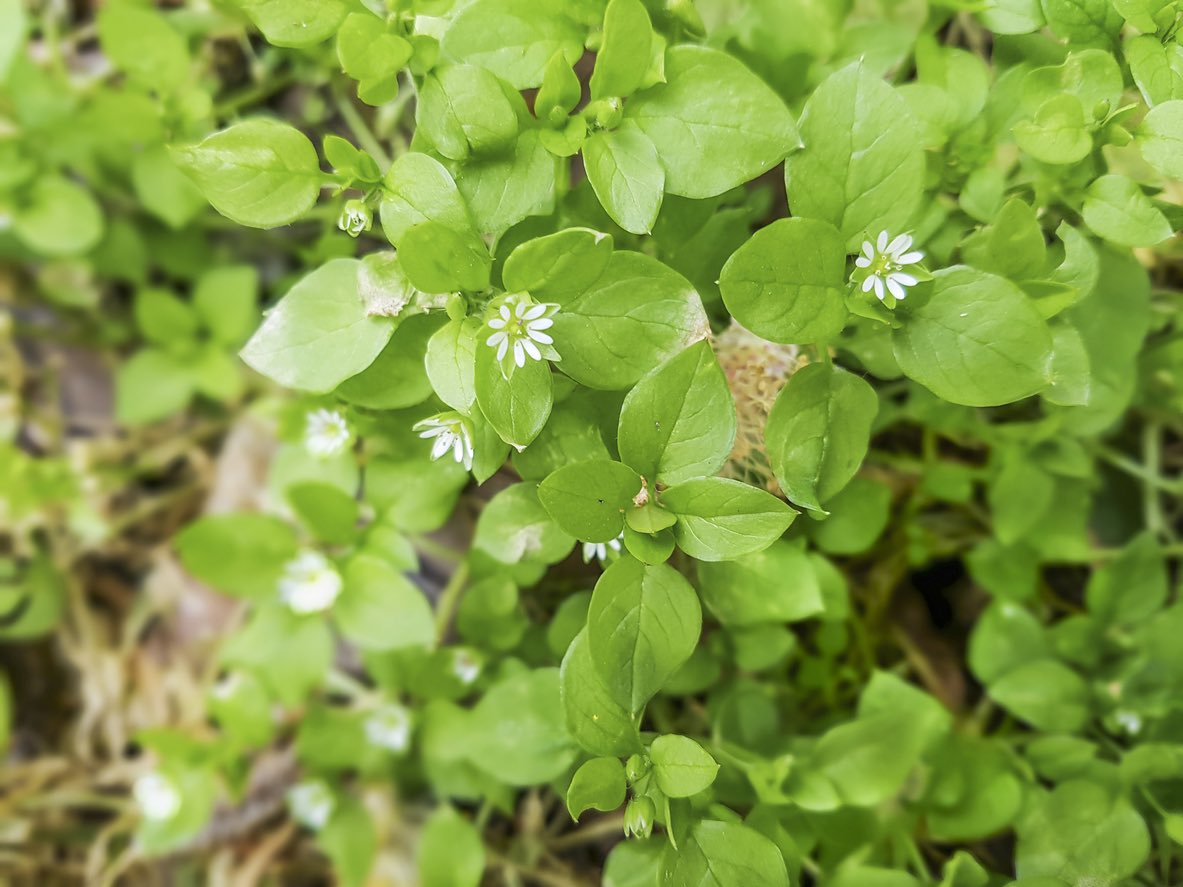
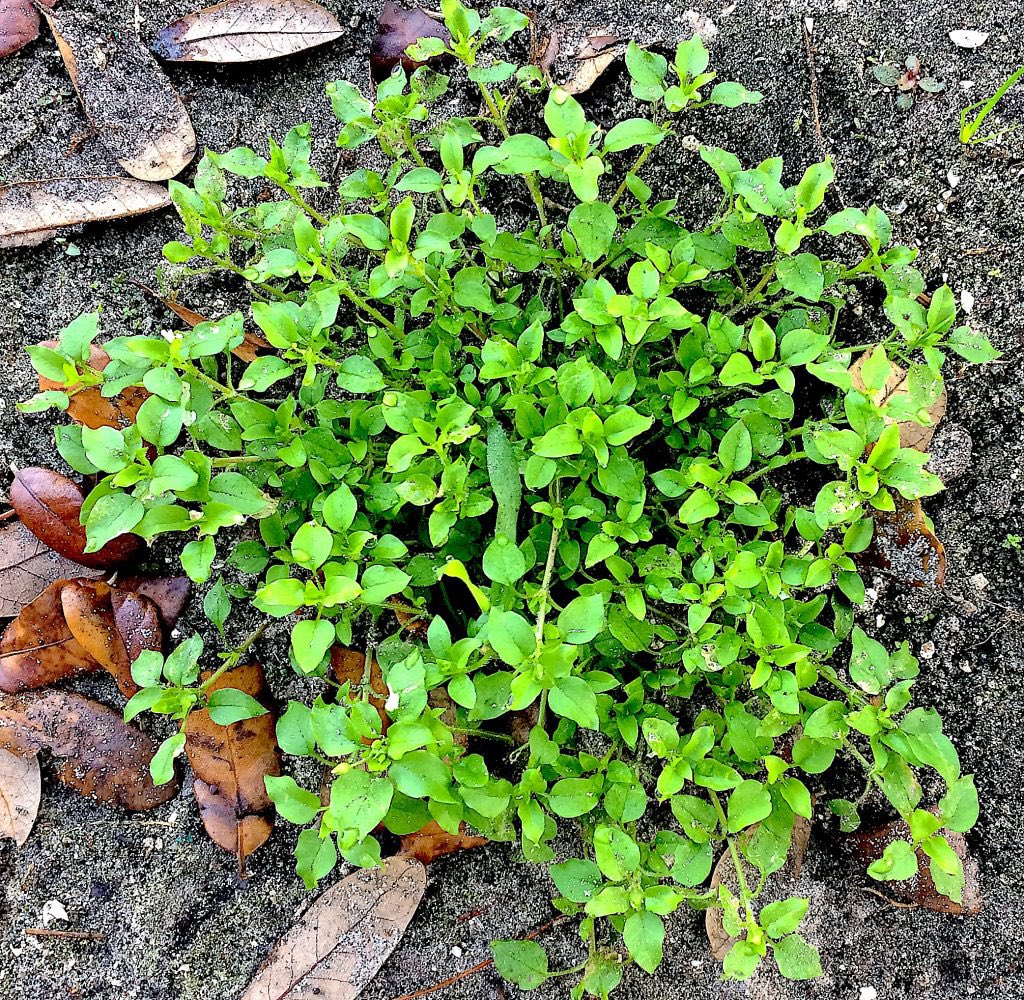
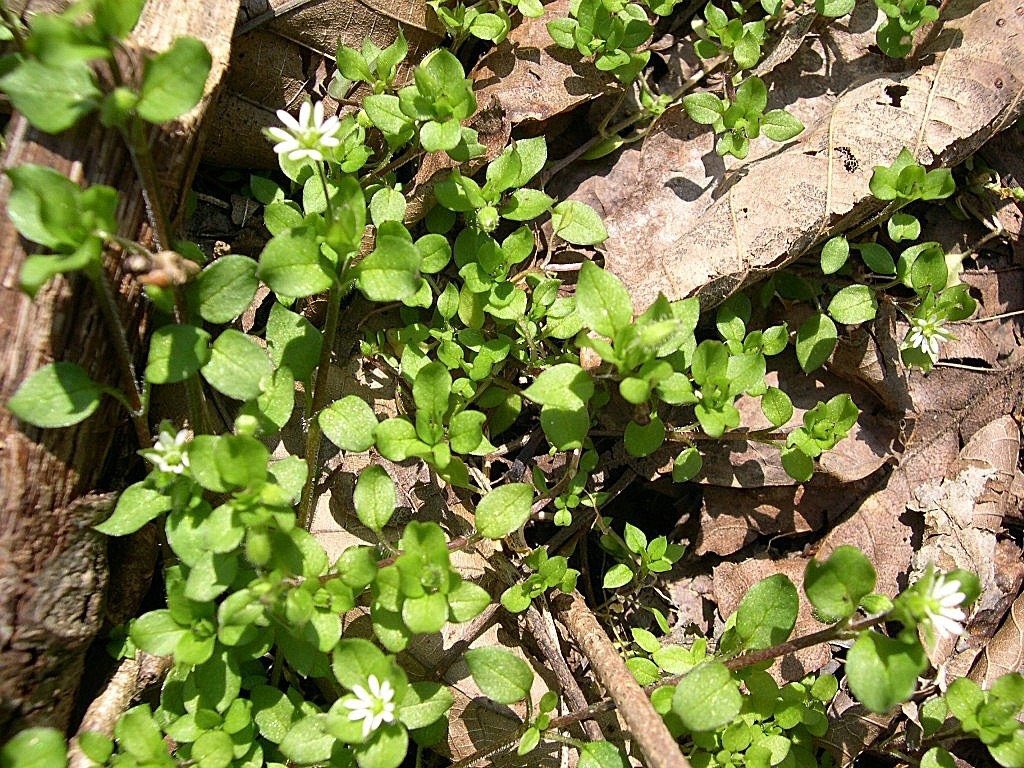
Chickweed is a western native that grows incredibly quickly but is also supreme forage for livestock and wild animals, as well as edible to humans. This choice would improve the ecosystem while having a fighting shot at successful germination
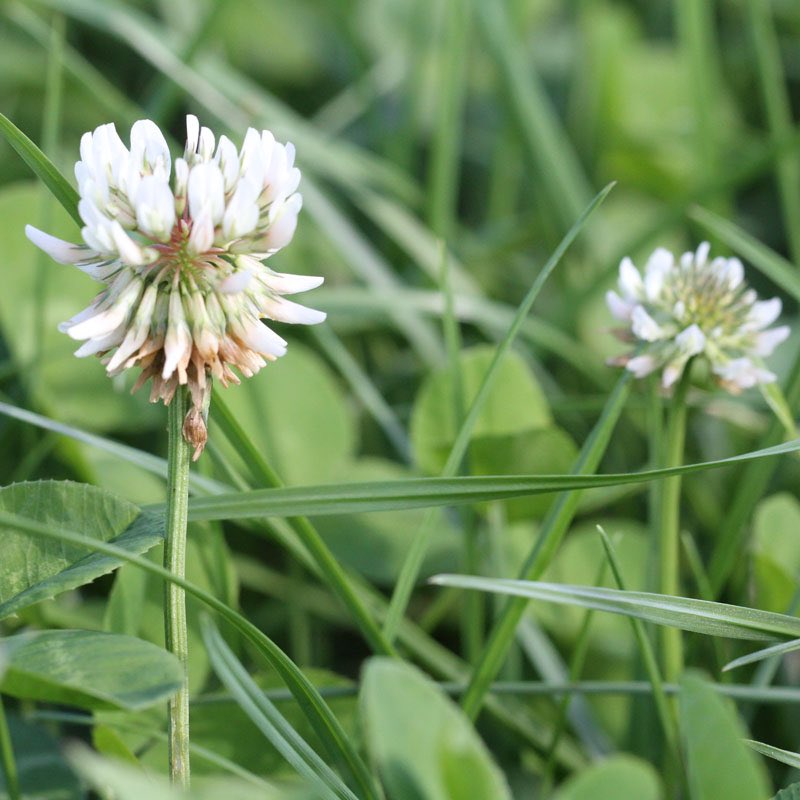
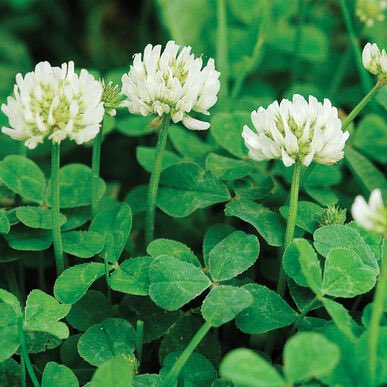
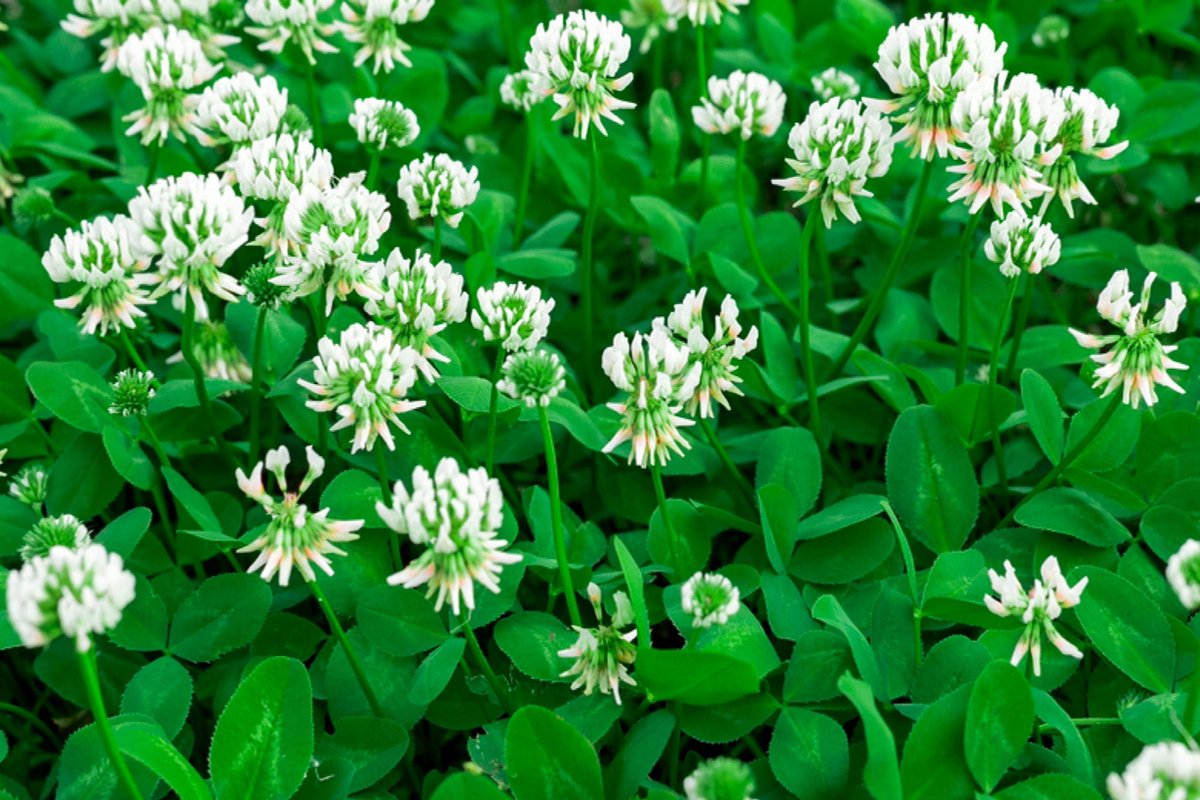
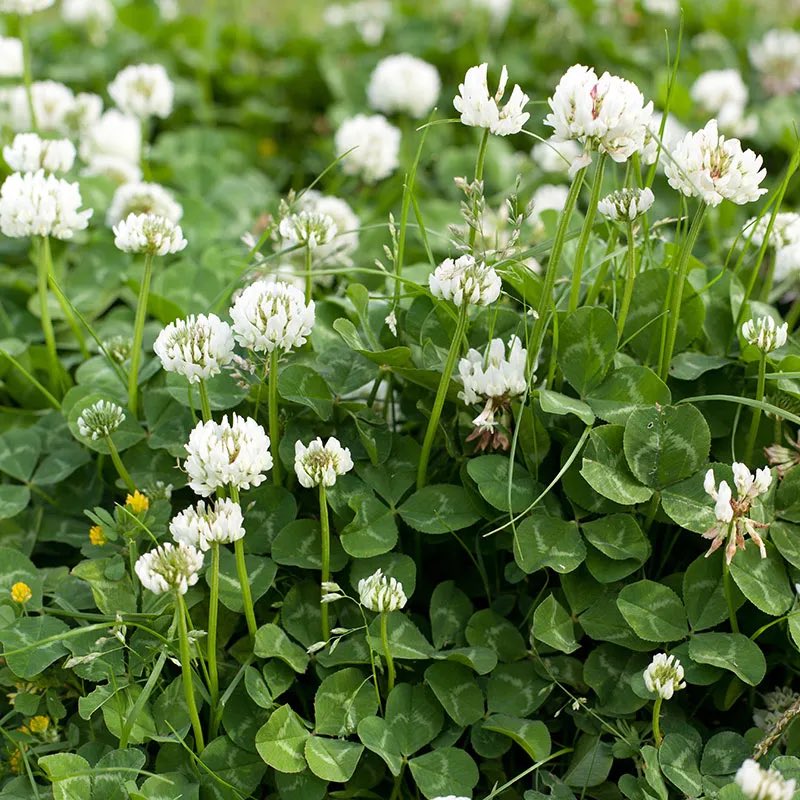
White clover is a “weed” which is tolerant of a wide range of conditions for germination but is an important source of nectar for honeybees as well as edible and medicinal.
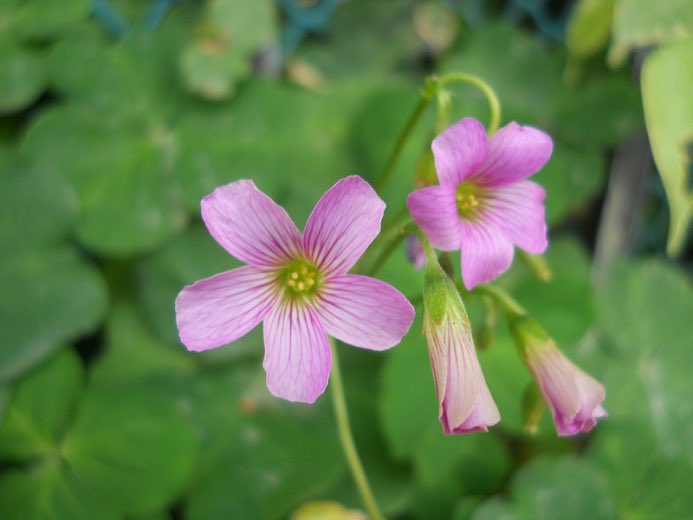
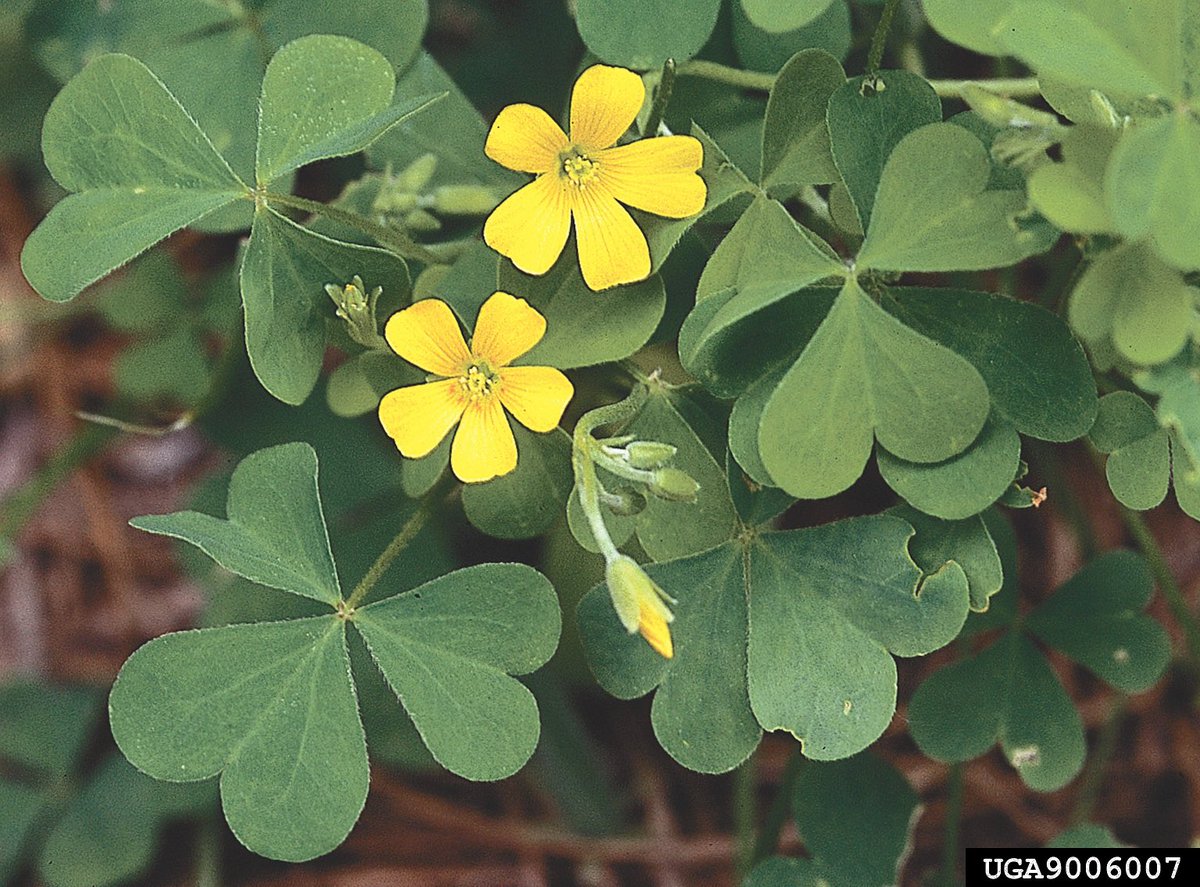
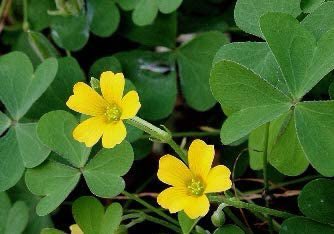
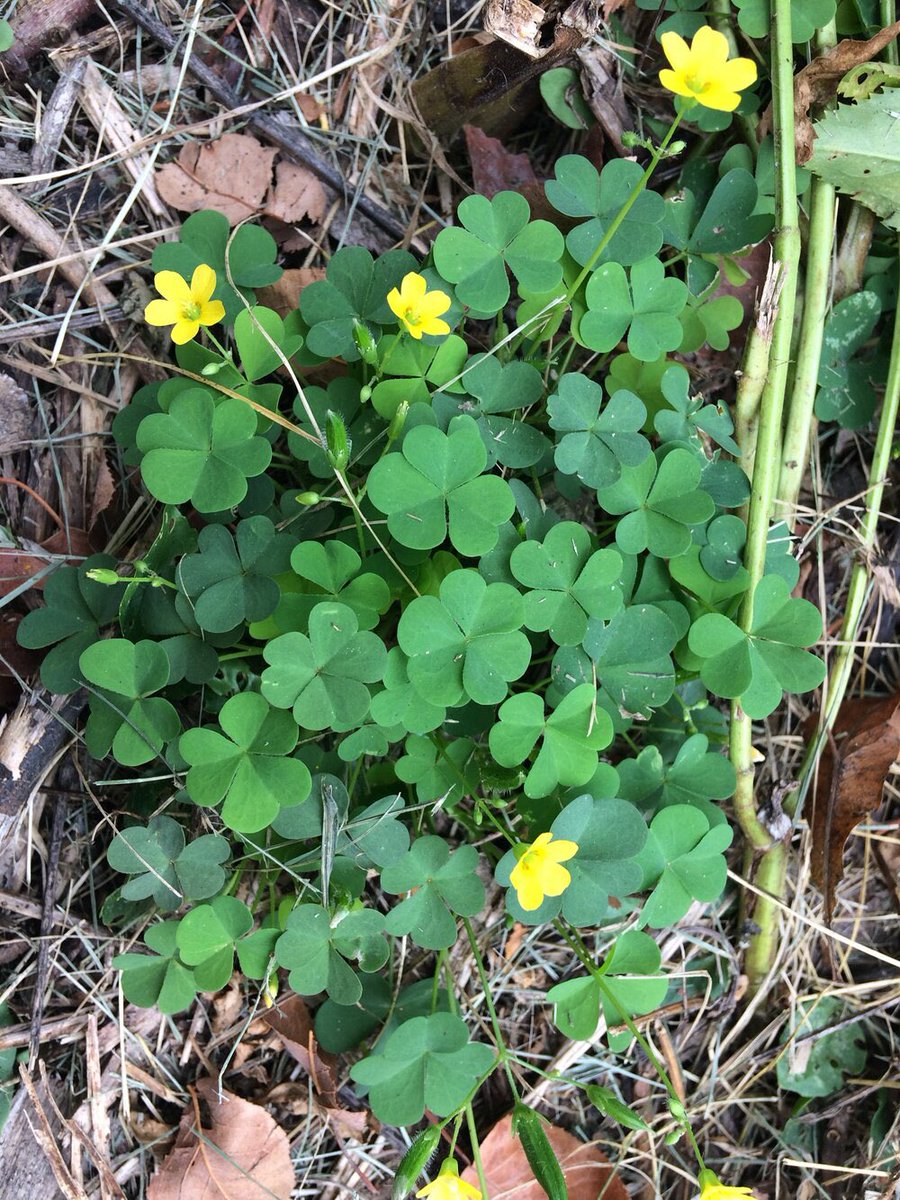
Wood sorrel is a rhizomatous native plant that spreads quickly and is enjoyed even from fissures in pavement by children who refer to it as sour grass.
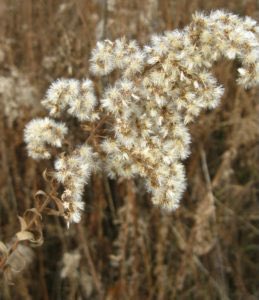
Goldenrod is another native medicinal plant regarded as a weed due to its persistence. The seeds scatter by wind and germinate easily. I personally use it to treat insect bites and minor cuts.
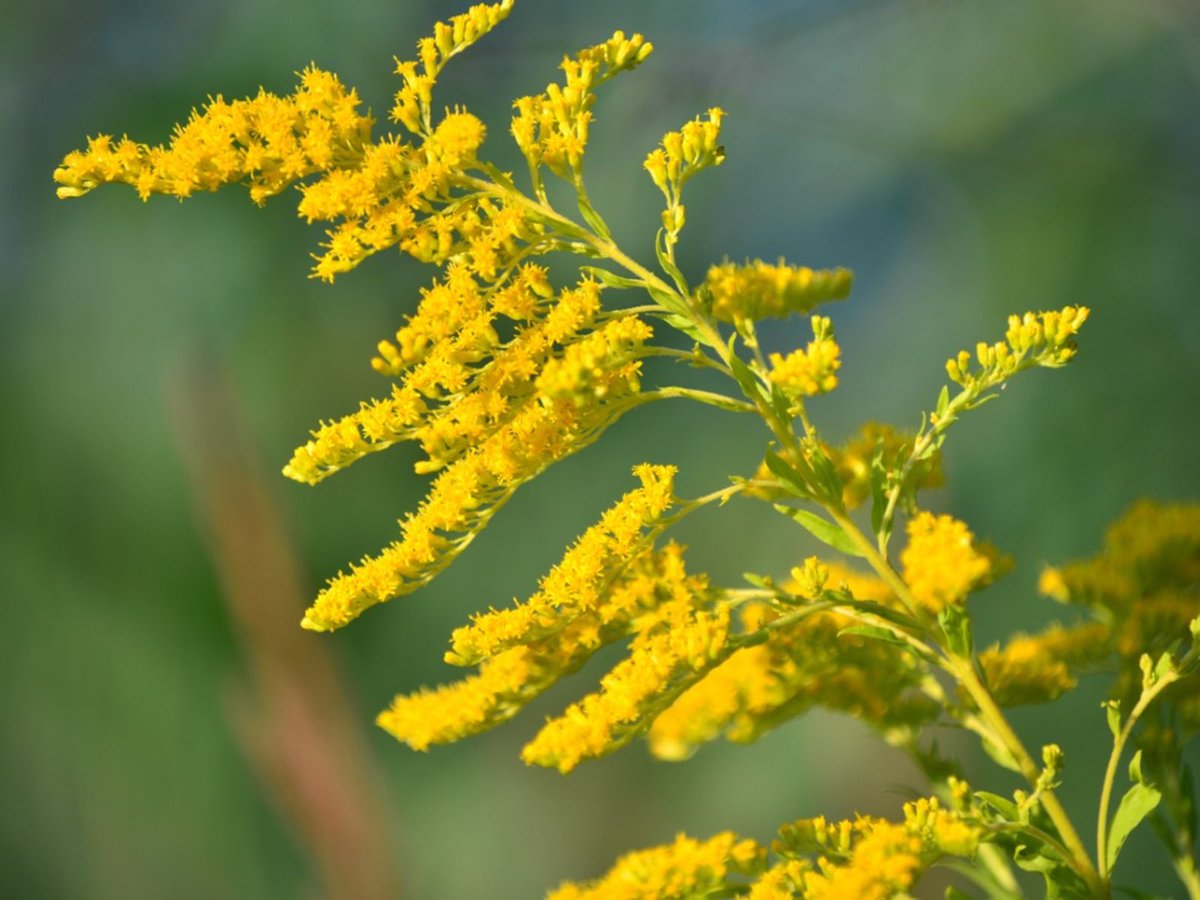
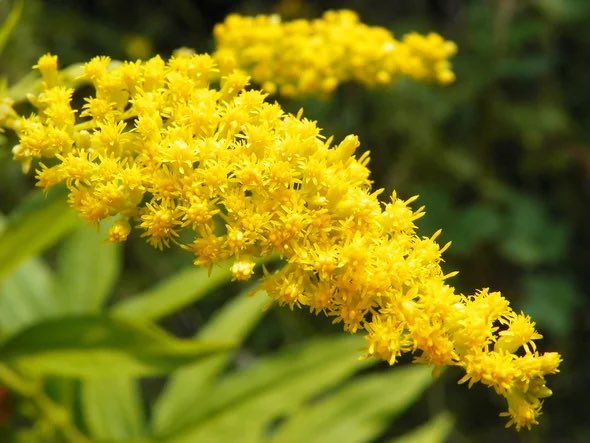
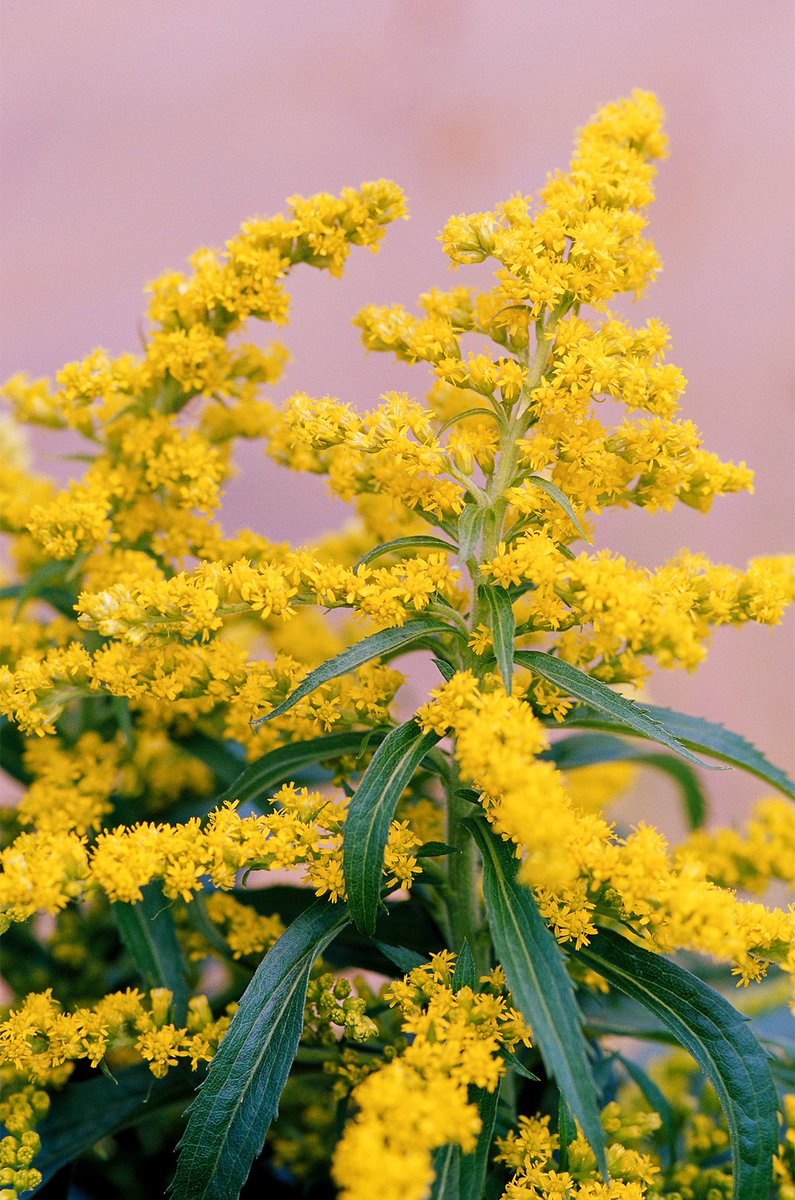
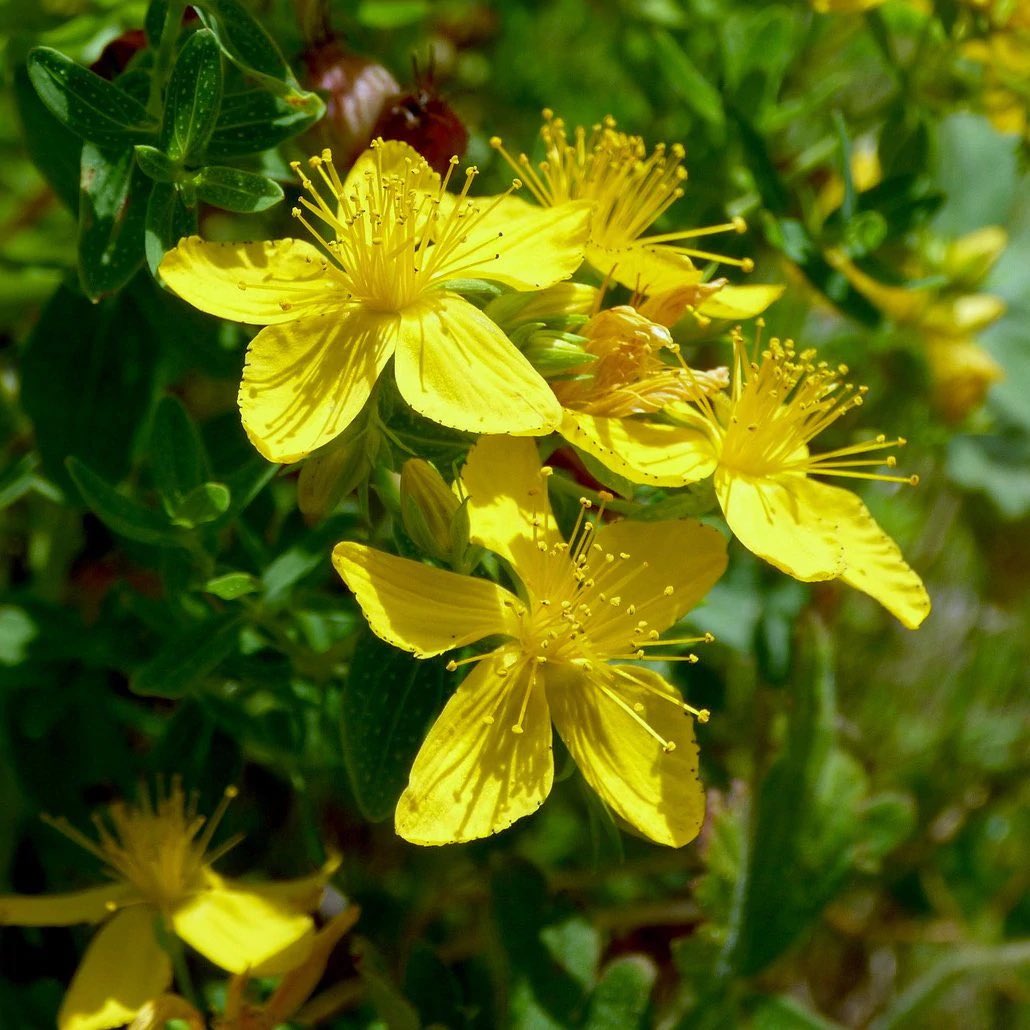
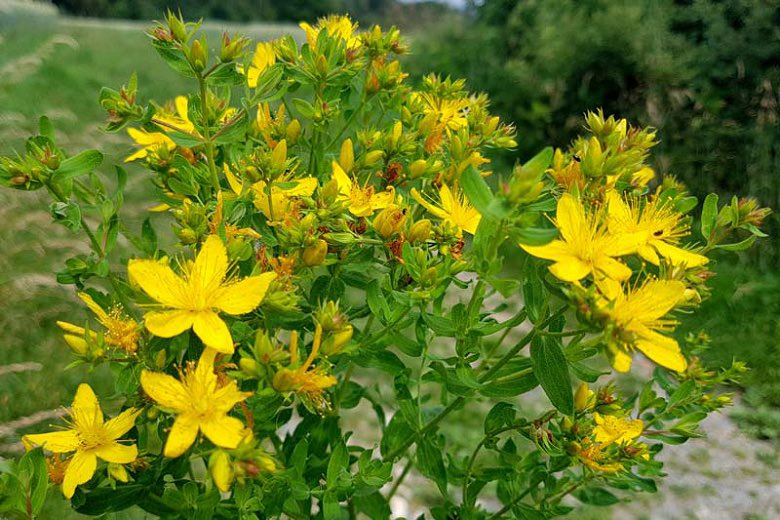
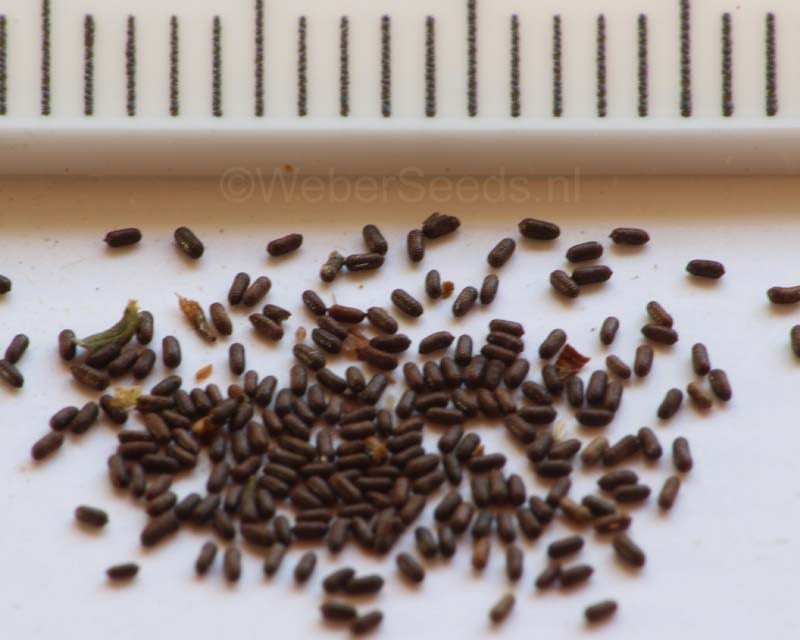
Beyond this point I must exercise caution. I will be highlighting invasive species potentially disastrous in natural areas. These should be reserved for urban concrete jungles where there is little plant life to disturb. One of these is St. John’s wart, a medicinal invasive.
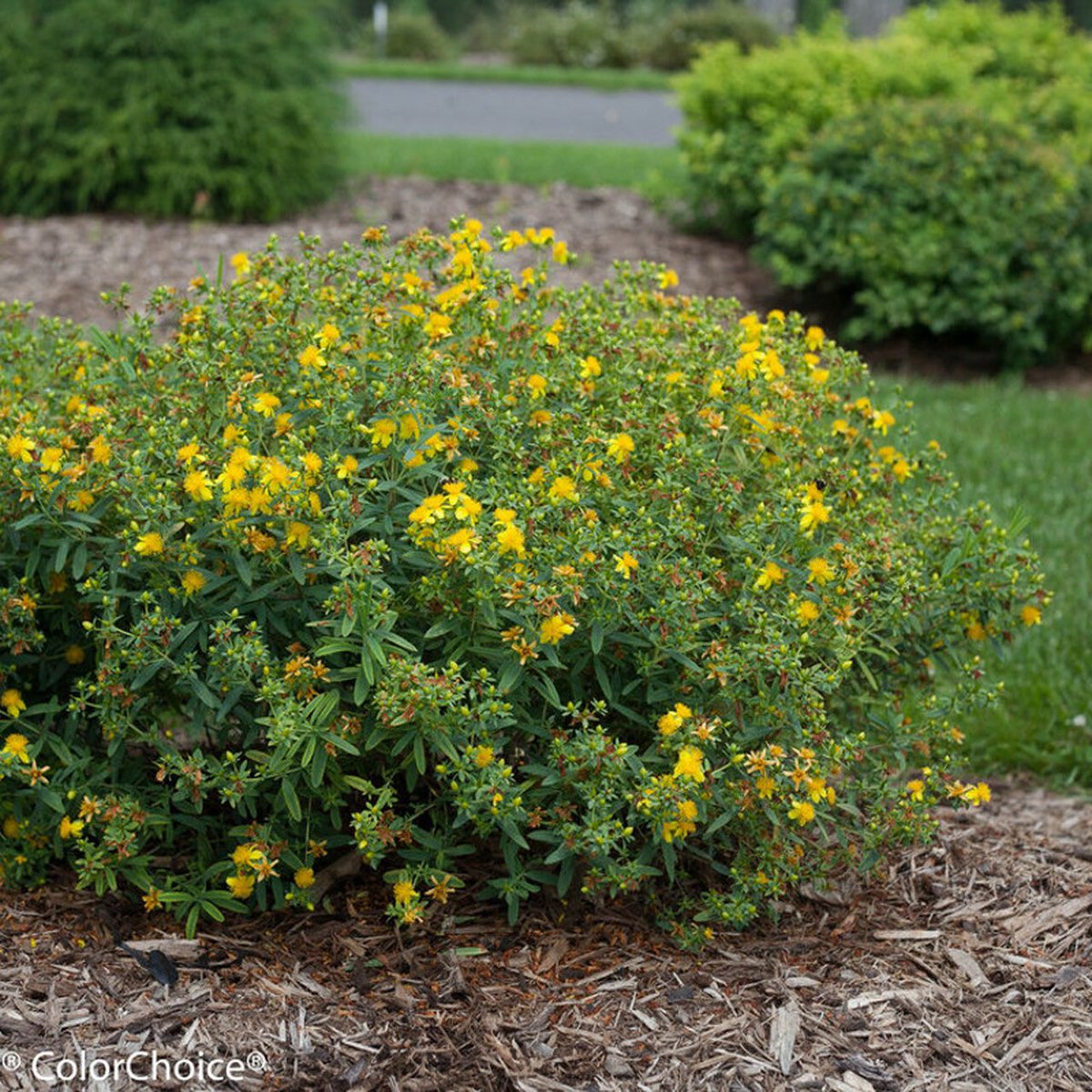
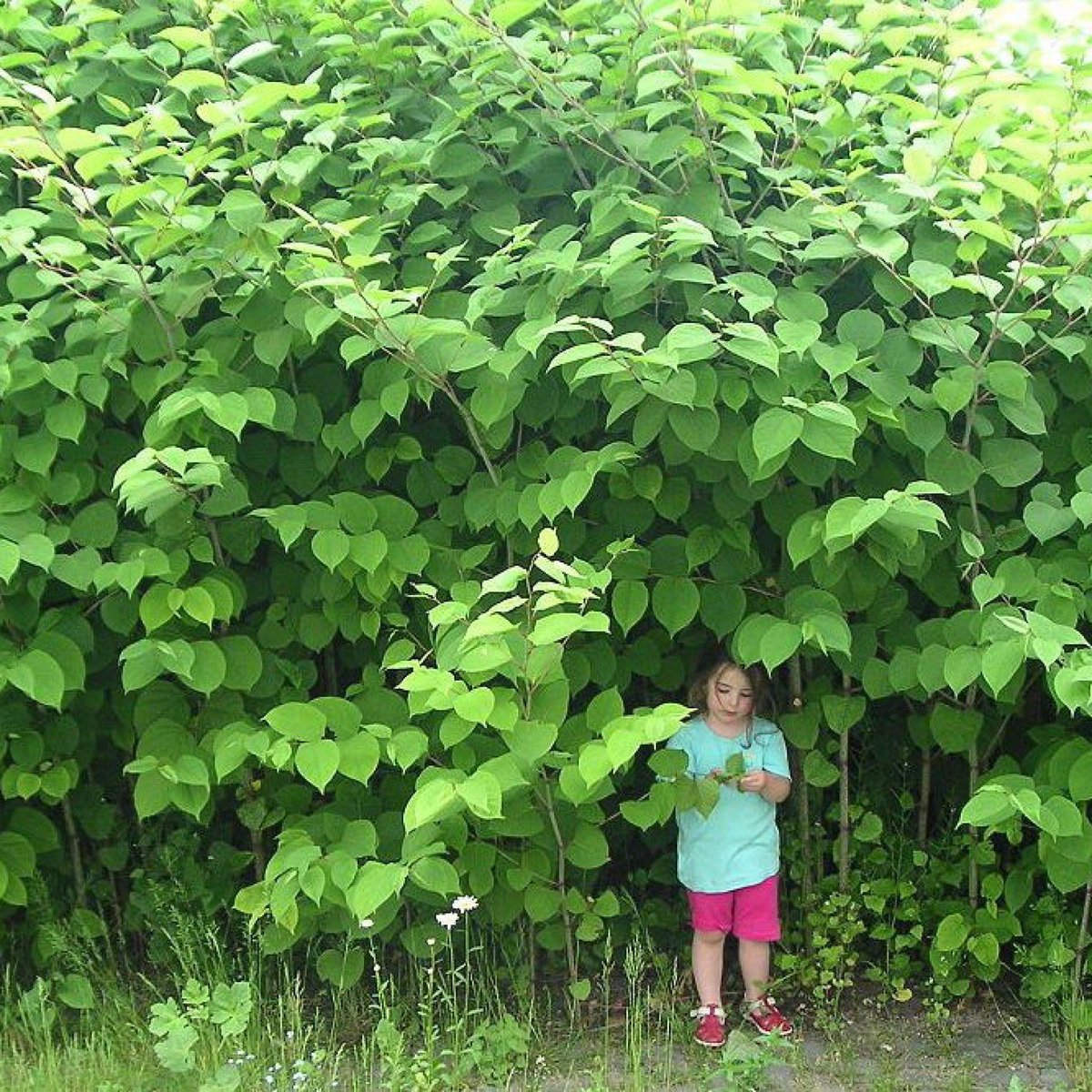
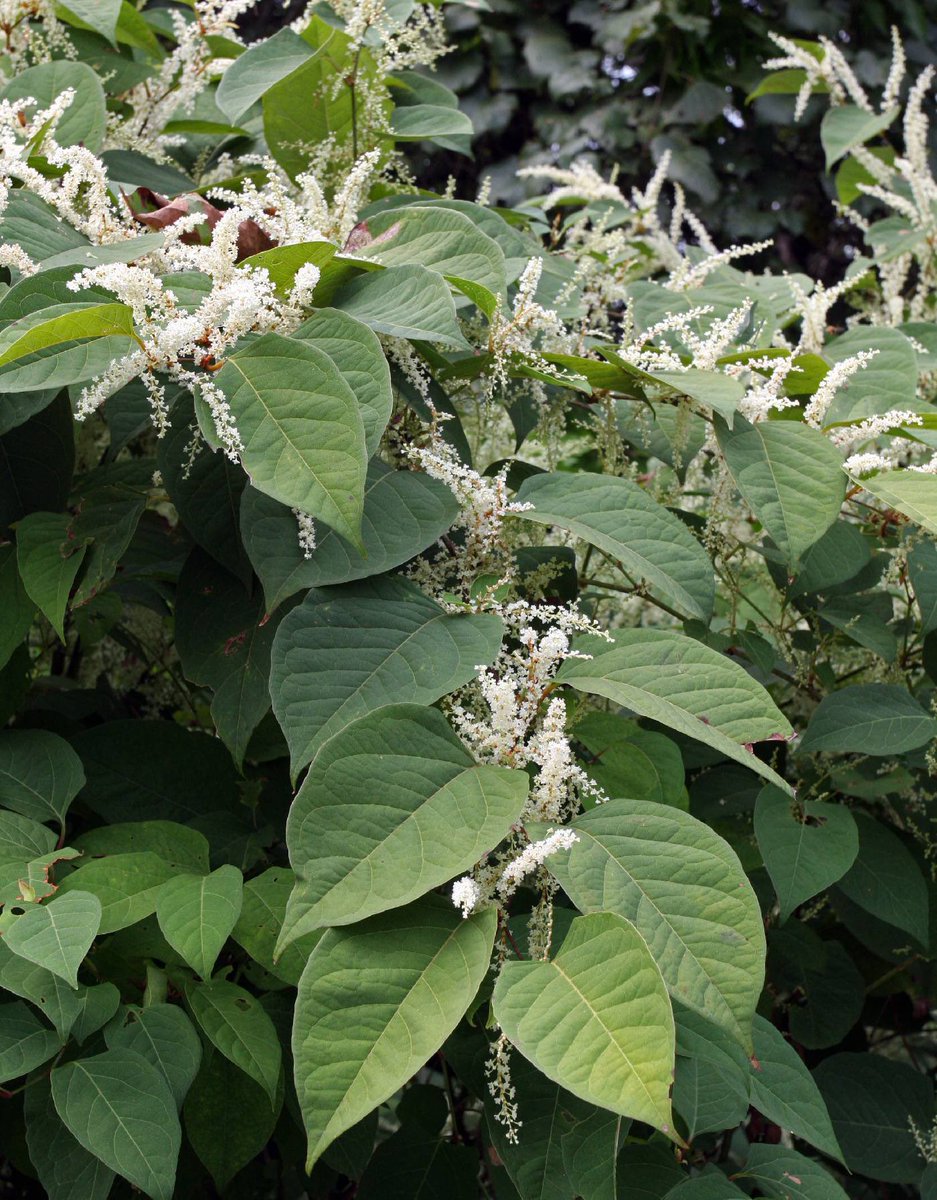
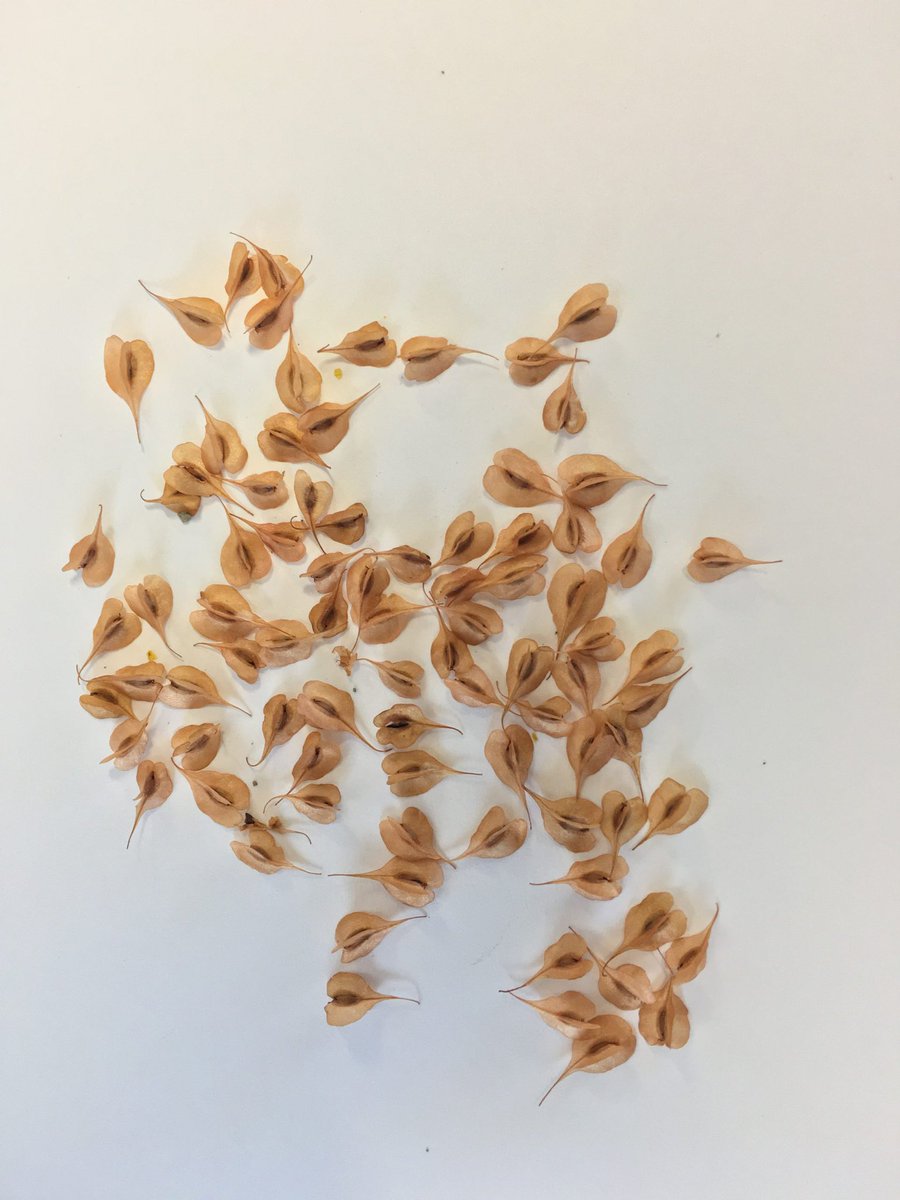
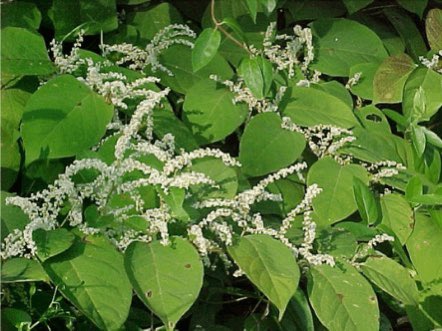
Another pernicious invasive is Japanese knotweed, an edible plant that ravages ecosystems. The same adaptations that make it a nightmare for ecosystem ecologists like myself make it a perfect choice for those hard to penetrate city blocks of asphalt.
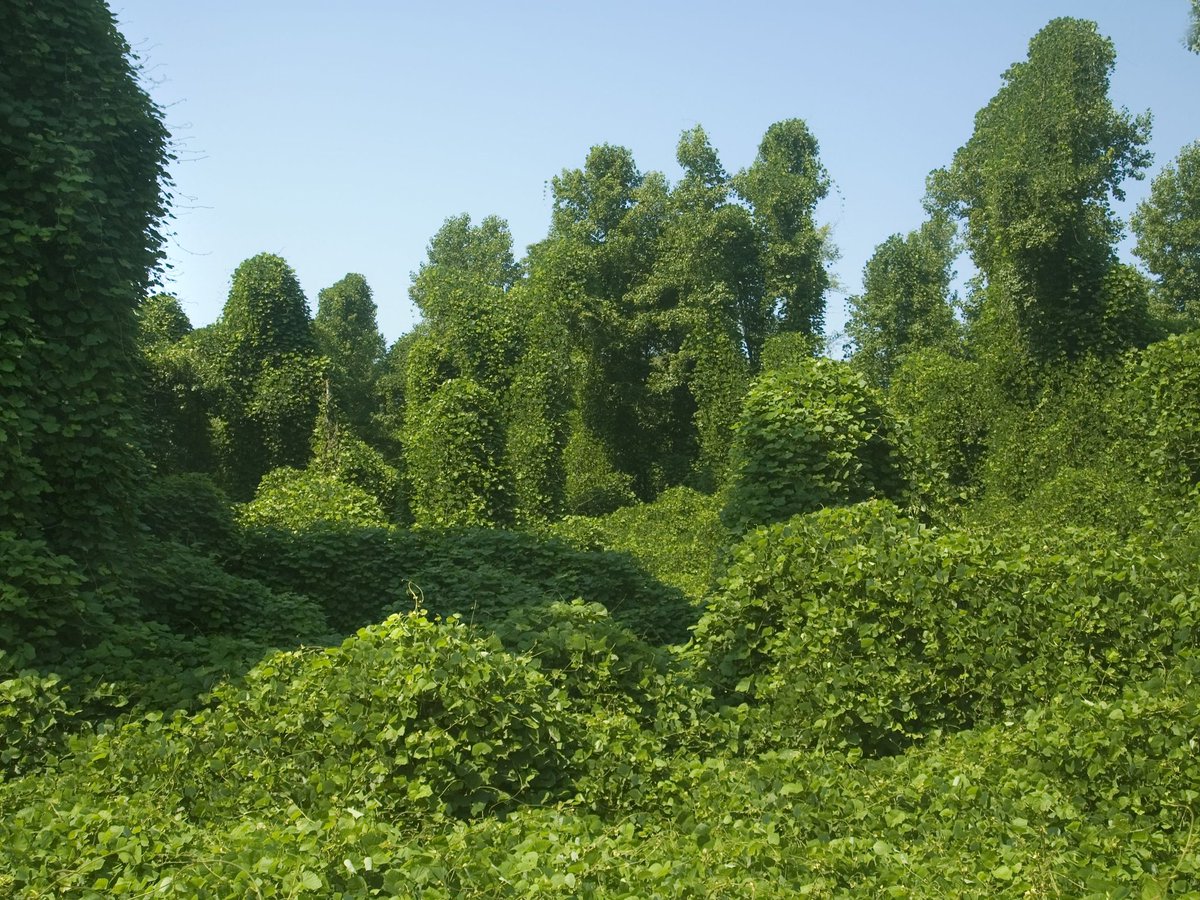
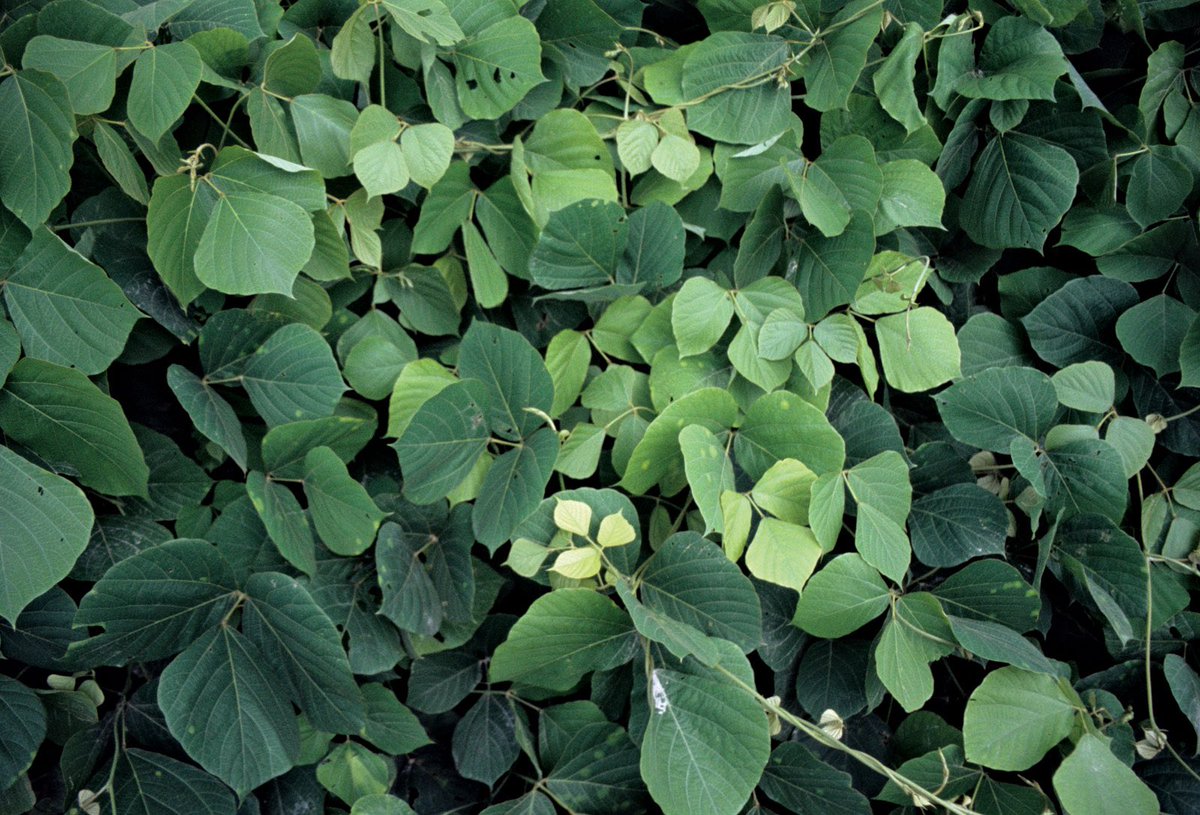
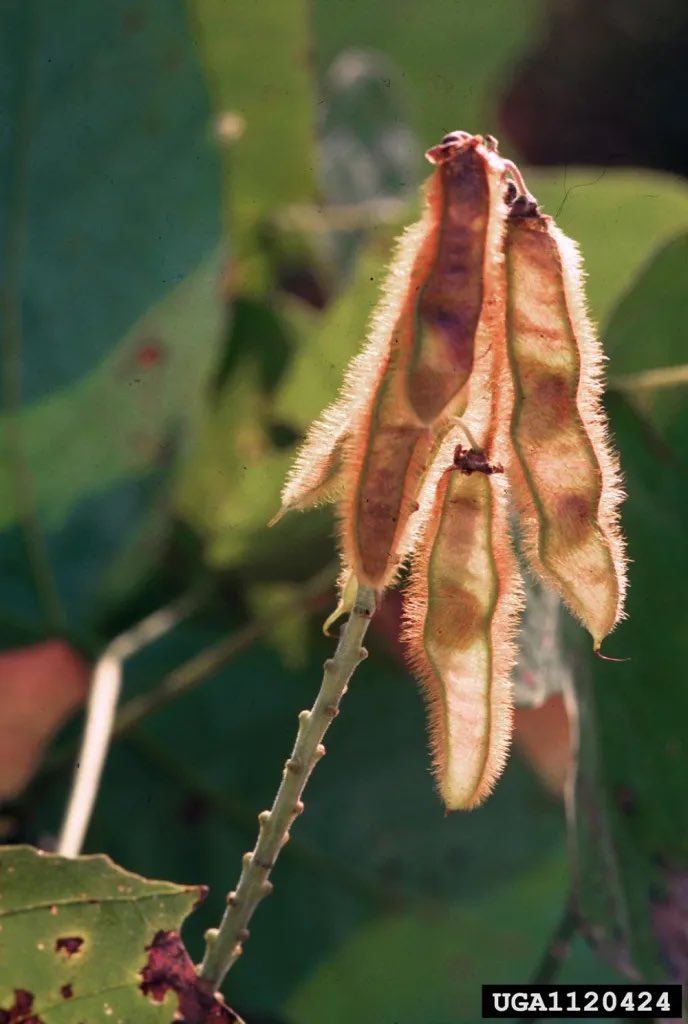
Kudzu is a known menace of the American east, and while more difficult to germinate, an established plant can quite literally reclaim buildings. Again, this should be exclusively reserved for use in large cities.

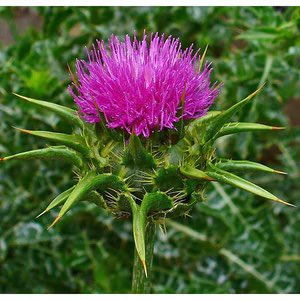
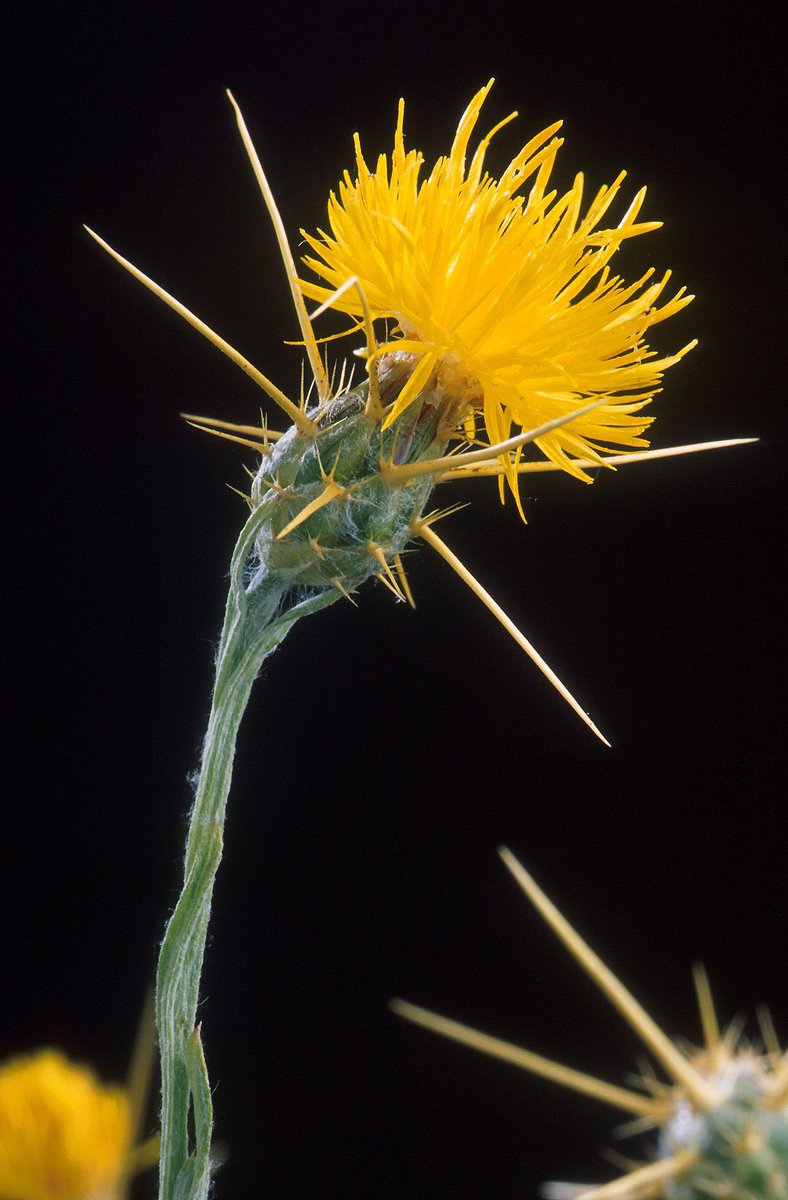
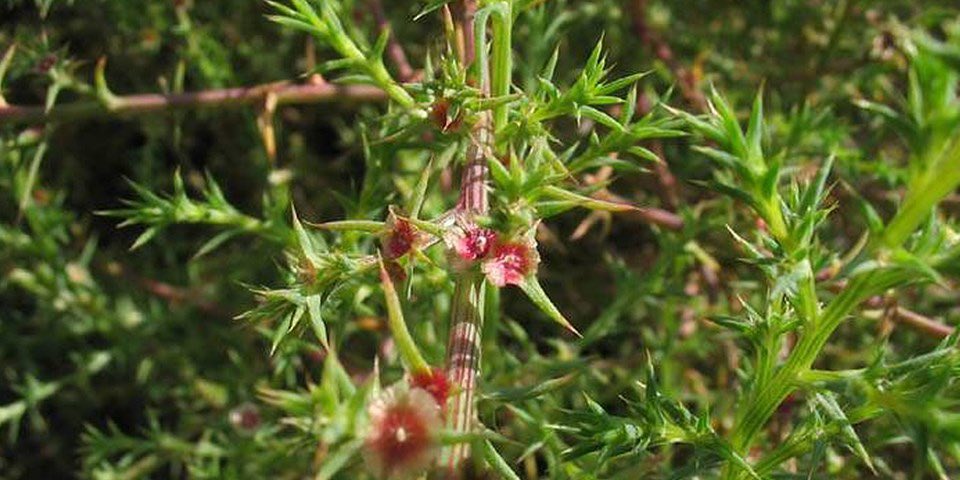
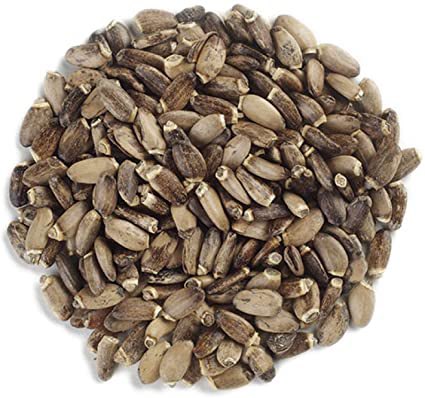
Thistles largely hail from Europe and are a bane of any farmer, including myself. They are, however, great candidates for seed bombs and despite their invasive nature, provide host plants for butterflies as well as nectar and medicine.
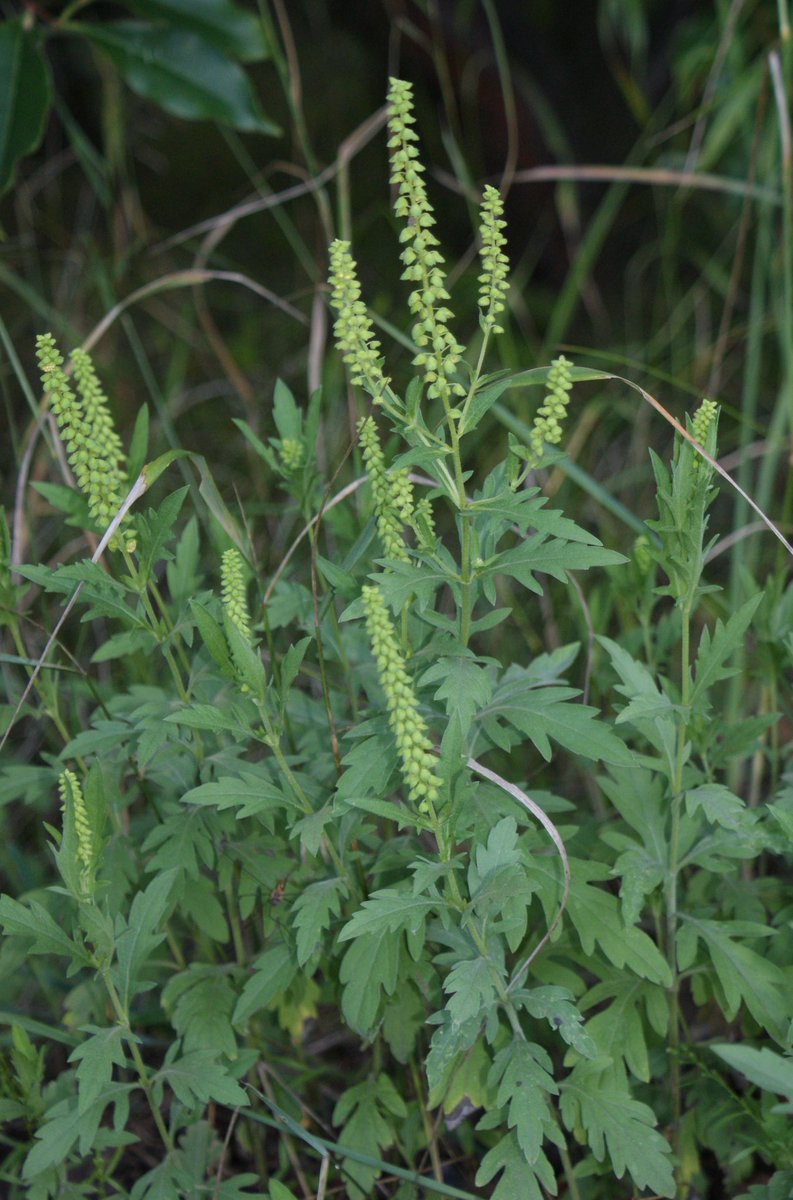
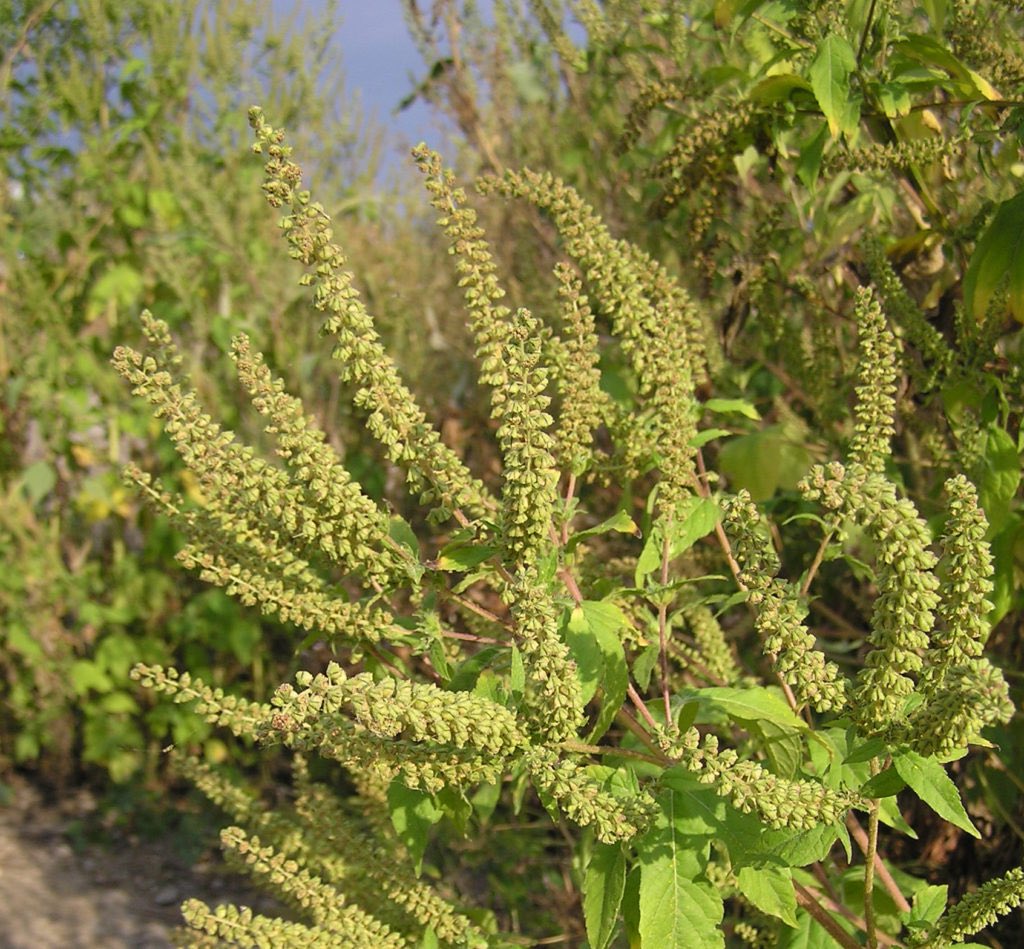
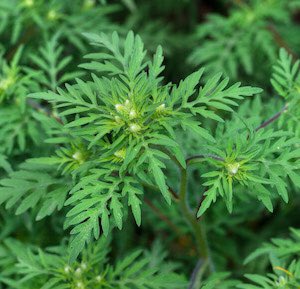
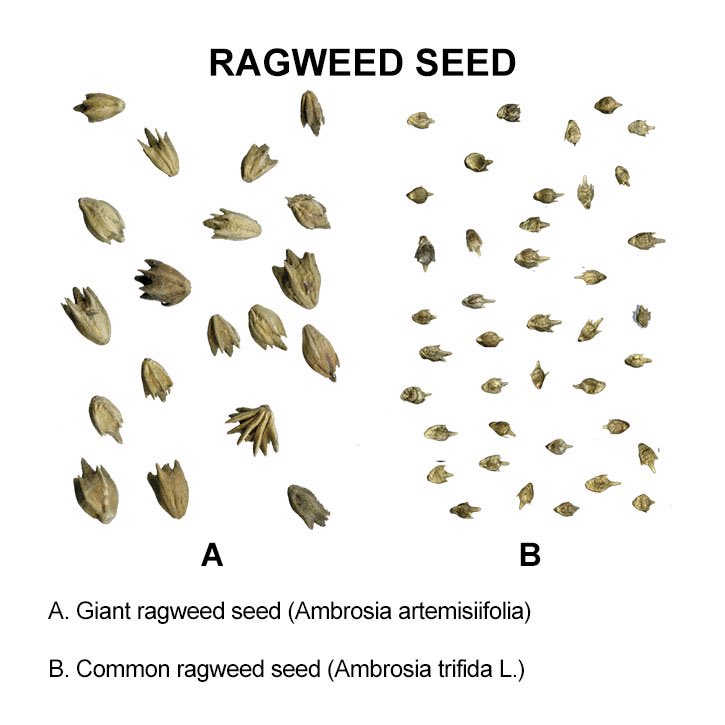
Ragweed is a detested invasive plant begetting of environmental allergies. It makes me sneeze myself. However, it’s fast growing and difficult to get rid of, and another candidate for inhospitable urban substrates.
This largely sums it up for now, but there are many options I did not cover. Take care to disguise yourself when engaging in guerilla gardening and make efforts not to do more damage with invasive species than help. I am not legally responsible for your actions.
• • •
Missing some Tweet in this thread? You can try to
force a refresh