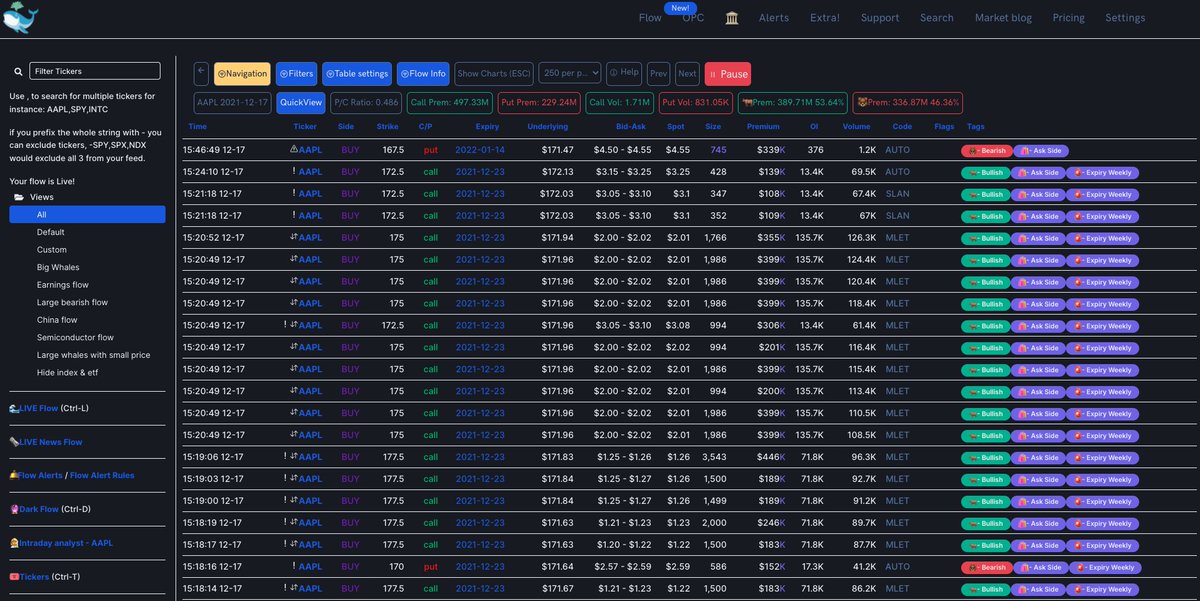
🔫🚨Lotto + 0DTE Thread🚨🔫
(1/11) A lotto is a higher risk trade that has the potential to yield a higher return.
(2/11) A typical lotto trade is smaller sized because they carry additional risk. Personally, I size my lotto trades approximately 20% of my normal trade size.
(3/11) There can be all kinds of convictions behind a lotto trade. Typical examples are Earnings, News, Squeezes etc.
(4/11) Lotto trades can also be similar to normal trades but just missing a key indicator or signal that adds overall risk to the trade.
(5/11) For instance, a stock can project consistent volume but if the trend isn’t aligned, I would consider it a lotto trade because it is missing an indication.
(6/11) 0DTE Is an acronym for “Zero Days Until Expiration”. This is typically every Friday with an exception to futures. Futures typically have 3 expirations Monday, Wednesday and Friday.
(7/11) Just like lotto trades, 0DTE trades come with added risk + reward. At expiration, the contracts will lose all of their premium. This means the value decreases as expiration nears.
(8/11) As the contract moves closer to expiration, it will lose theta value. (Theta Represents Time) This decay is priced in because there is less time for the asset to move to or past the strike price.
(9/11) At expiration, all contacts OTM (Out of the money) will be worthless. This means if I had the NVDA 225C and NVDA closed anything below $225, the contract would be worthless.
(10/11) Breakeven can be calculated by adding the premium paid plus the strike price. This means if I bought NVDA 225C for 1.00, my breakeven at expiration will be 226.00.
(11/11) Thank you for taking the time to read this. Feel free to share! Be sure to like, retweet, and follow for more threads! LET’S CRUSH THIS UPCOMING 0DTE!!🚀🔥
• • •
Missing some Tweet in this thread? You can try to
force a refresh