In 2018, Natasha Hodgkin drove off the lot of a used-car dealership in Southwestern Ontario with a 2017 Kia Optima valued at less than $16,000 – and an auto-loan balance of nearly $29,000. tgam.ca/3Jp1e1r
Hodgkin's car payment amounted to more than $450 a month. Over the life of the loan, which had a term of seven years and an interest rate of nine per cent, she stood to pay more than $38,000. About a year and a half later, she filed for bankruptcy. tgam.ca/3Jp1e1r
While she had accumulated other high-interest debt as she struggled to pay her family’s bills as a single mom, the auto loan was by far the largest one she discharged in the filing. tgam.ca/3Jp1e1r
The story of how Hodgkin ended up with an auto loan far greater than the value of her car is a common one in Canada.
Consumer advocates say it highlights how lax regulation led to an auto-finance boom that’s driving scores of car buyers deep into debt. tgam.ca/3Jp1e1r
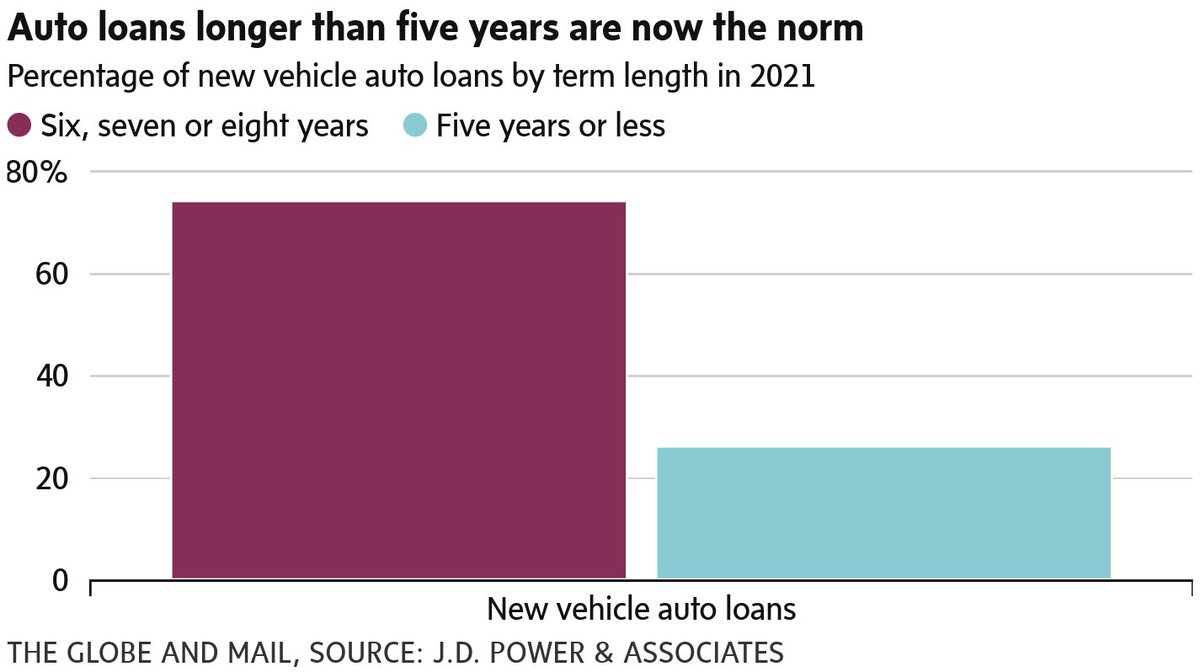
At the root of the problem are longer car loans – with terms of six, seven or eight years – and the practice of folding the unpaid balance on an older vehicle into the loan contract to finance a new one. tgam.ca/3Jp1e1r
Longer loans are appealing. For a set car price and interest rate, a longer repayment period allows buyers to make smaller installments. Similarly, for a set car payment, longer terms may tempt budget-conscious buyers to upgrade to a pricier vehicle. tgam.ca/3Jp1e1r
But longer terms also mean owners pay significantly more interest over the life of the loan. And extended-term loans have higher risks tied to negative equity, which occurs when the resale value of a borrower’s current vehicle is less than the outstanding balance on the loan.
Why aren't Canadians getting their COVID-19 boosters?
Vaccines remain an important tool for preventing serious illness and hospitalization, but fewer than half of Canadians eligible for a third shot have gotten one. bit.ly/3rkORgN
🎙️ On today's episode of The Decibel, health reporter @carlyweeks explains why a lack of clear messaging has impacted booster uptake and why more Canadians should consider getting their third (or even fourth) dose. bit.ly/3rkORgN
🎙️ As @carlyweeks explains, one reason for low booster uptake is because public faith in the vaccines has diminished. But the research shows that boosters still protect against severe illness. bit.ly/3rkORgN
The bank raised its policy interest rate to 0.5 per cent from 0.25 per cent in early March – the first hike since 2018 and the start of what is expected to be a succession of increases in 2022.
Two Toronto-based programmers for GlobeNewswire, one of the largest wire services in the world, are currently under investigation as part of an insider-trading probe launched by the Ontario Securities Commission.
The regulator alleges that two employees regularly texted each other about information contained in corporate press releases before they were made public, and executed stock market trades based on that information. tgam.ca/3E3JBmU
Court records show the probe dates back to late 2020, when the OSC received information that a GlobeNewswire employee sold stock in a way that appeared to be linked to 10 U.S. companies releasing news about their operations. tgam.ca/3E3JBmU
Thousands of Etsy sellers are closing their online shops this week in protest of increased fees implemented by the company. tgam.ca/3juDE8V
The strike, which involves about 17,000 sellers, is in response to Etsy’s move to increase the processing fee it charges sellers from 5 per cent to 6.5 per cent, effective today. tgam.ca/3juDE8V
Protesters are also calling for a comprehensive plan to crack down on people who resell factory-made goods on the platform, as well as improvements to Etsy’s slow support system for sellers. tgam.ca/3juDE8V
Officials at the Bank of Canada appear ready to push Canadian interest rates up aggressively as inflationary pressures broaden and Russia’s invasion of Ukraine sends energy and food prices soaring.
Canadians should expect harsher and more widespread allergy seasons this spring and in the coming years, as climate change drives temperatures up and induces pollen-generating plants to overproduce. tgam.ca/3jp64RR
In the Northern Hemisphere, experts say the combination of higher temperatures allowing plants to bloom earlier and later, and higher CO2 levels that cause more pollen production, is the driving force behind why allergy seasons are getting worse. tgam.ca/3jp64RR
In Canada, as higher temperatures creep farther north and the tree line follows suit, pollen is introduced to new areas. This is especially true in Ontario and Quebec, where the tree line is populated by trees that produce high levels of pollen. tgam.ca/3jp64RR