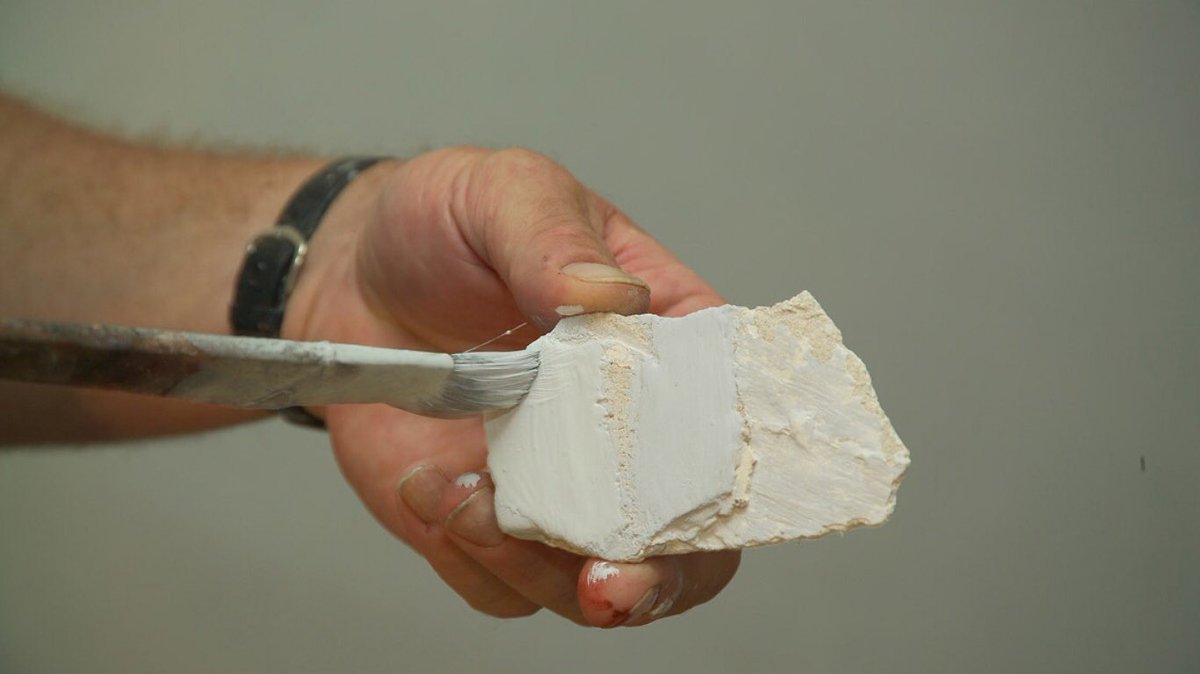
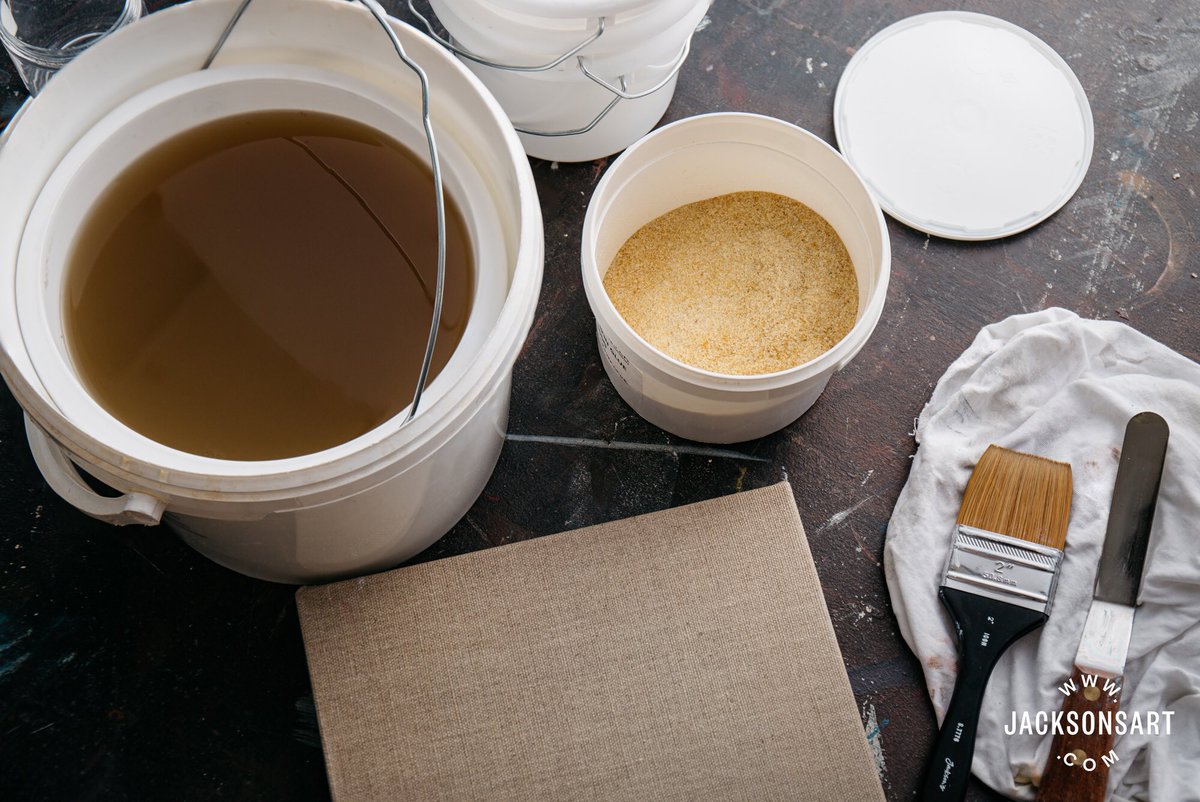
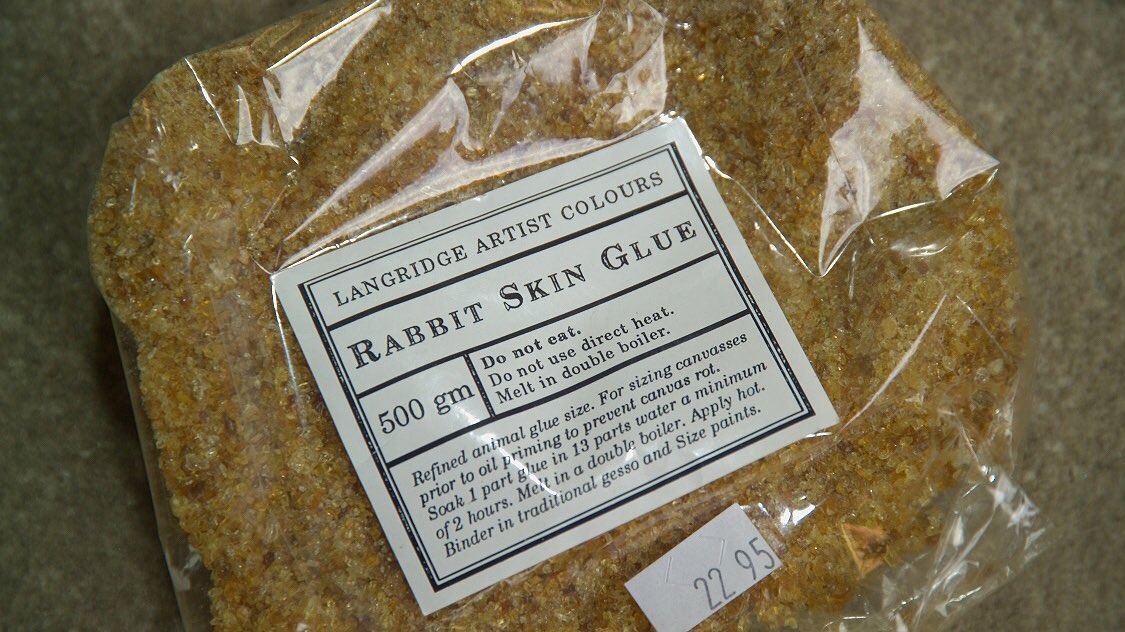
When it comes to interior decoration you can't get more trad and timeless than distemper. Possibly the oldest paint in existence, it consists of hide glue (made from boiling animal hides: same as gelatin, edible), chalks, possibly pigments of some kind. Water soluble, non-toxic.
On hard surfaces, Neanderthals used a variant of distemper (but with a tar based binder rather than hide glue) for their cave paintings. Ancient Egyptians used it in their tombs (this one ca. 1,500 B.C.) and the Ancient Romans for wall paintings in Pompeii (early 1st c. A.D.).

On softer surfaces it was used by Egypto-Romans for funeral surfaces on wrappings or wooden boards, often as a base layer to stiffen the surface material before using other organic paints such as tempera. Both these probably ca. 160-180 A.D.

It was used on cloth in Tibet (here ca. 1200-1250 A.D.) and on linen canvas in Europe (here The Annunciation by Dieric Bouts, Louvain, Belgium, ca. 1450-1455).

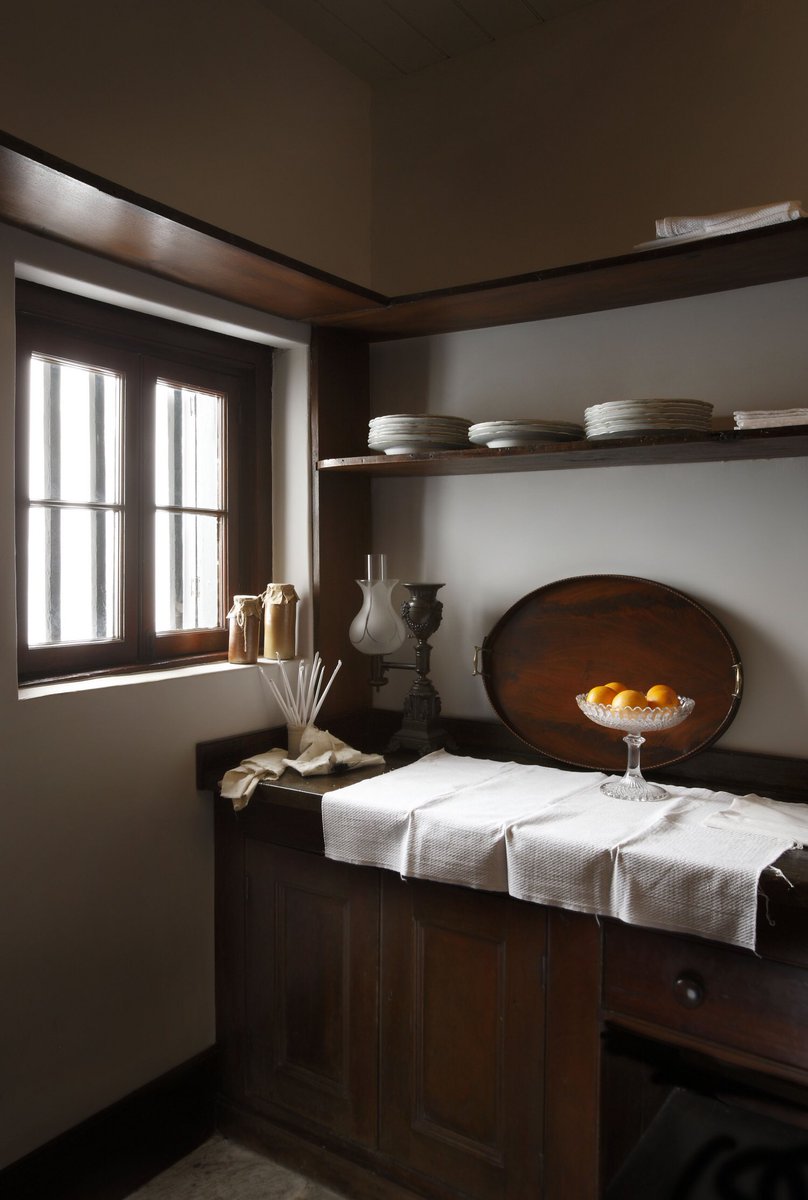
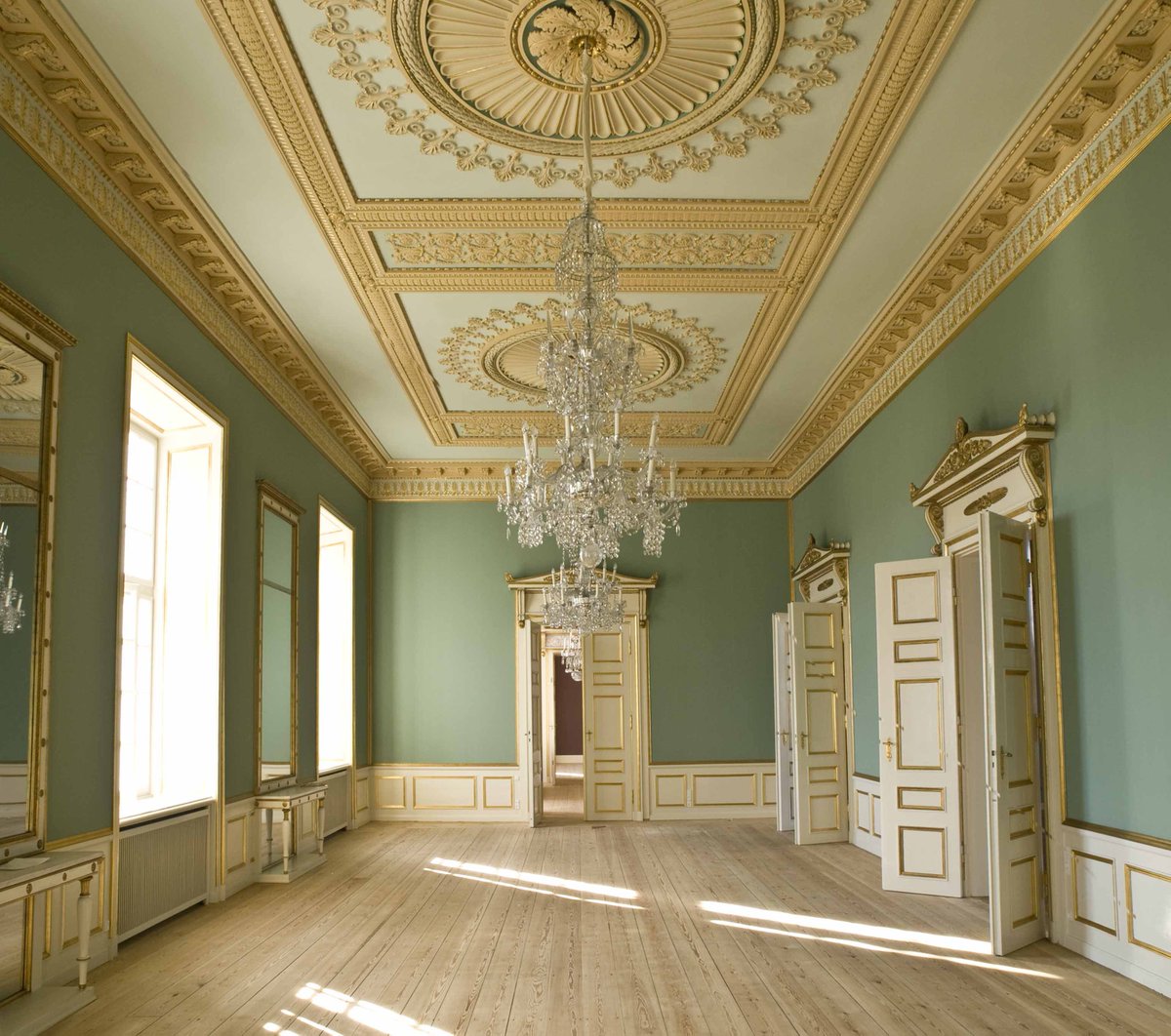
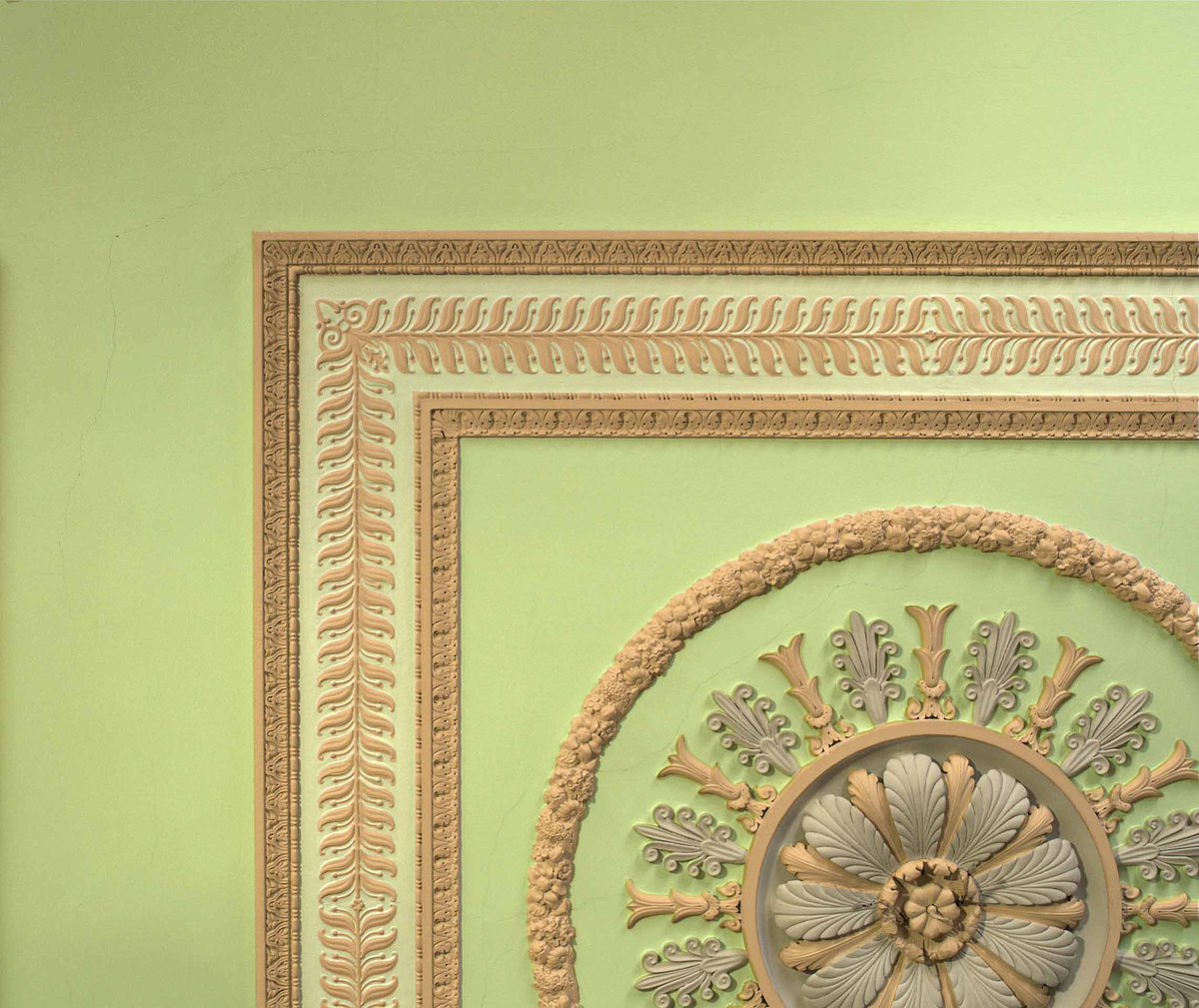
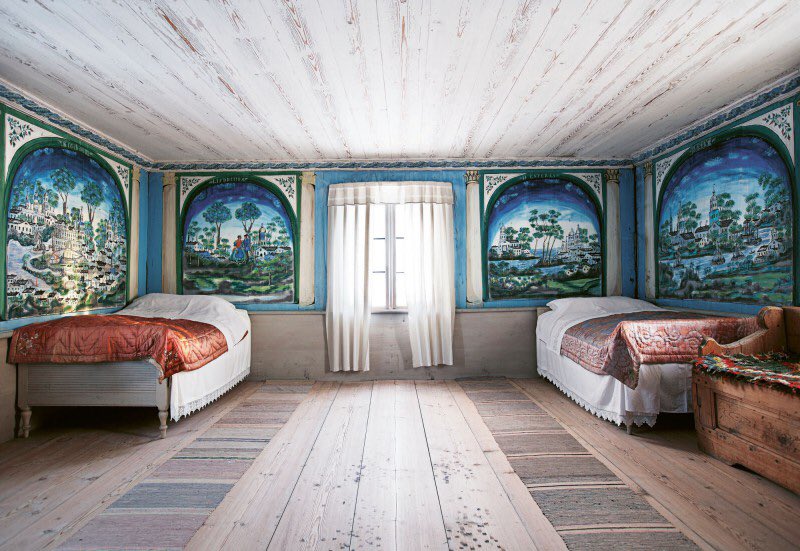
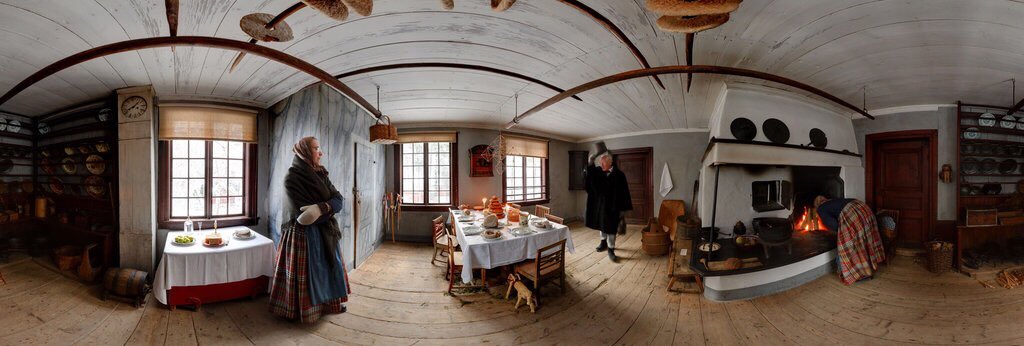
In Europe and its colonies it was the most common interior paint until the late 19th c., but used extensively especially for ceilings until 1950. Here Sweden, ca. 1853, an Australian restored room ca. 1910, a very recent Danish palace restoration.
Distemper is thick, cheap, safe, breathes perfectly (no mold) and washes off cleanly and easily with water: applied last week or 6,000 B.C. The dried un-prepared animal hide glue lasts indefinitely. In Egypt pots of it has been found in 4,000 year old workshops: ready to boil up.
If you want a clean safe interior paint that will never look out of place or out of fashion, please read up on distemper. Especially if you have children. It isn't a tough paint but if something goes wrong just make up a new batch. From dust to dust...
• • •
Missing some Tweet in this thread? You can try to
force a refresh

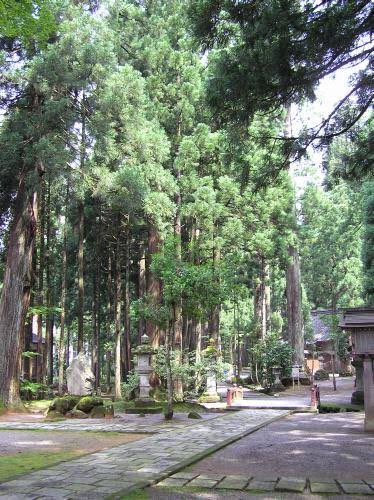
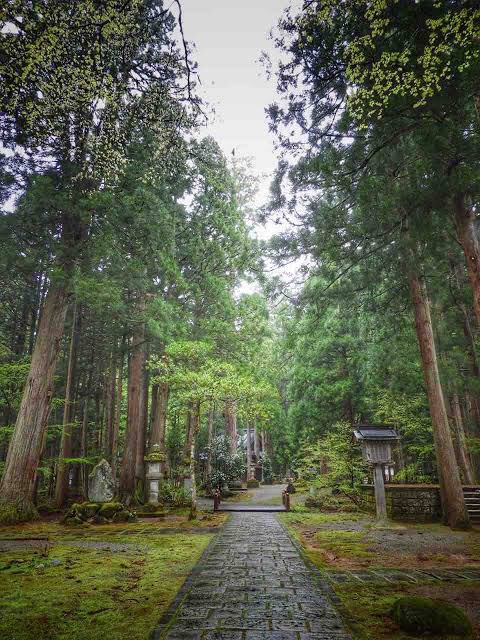
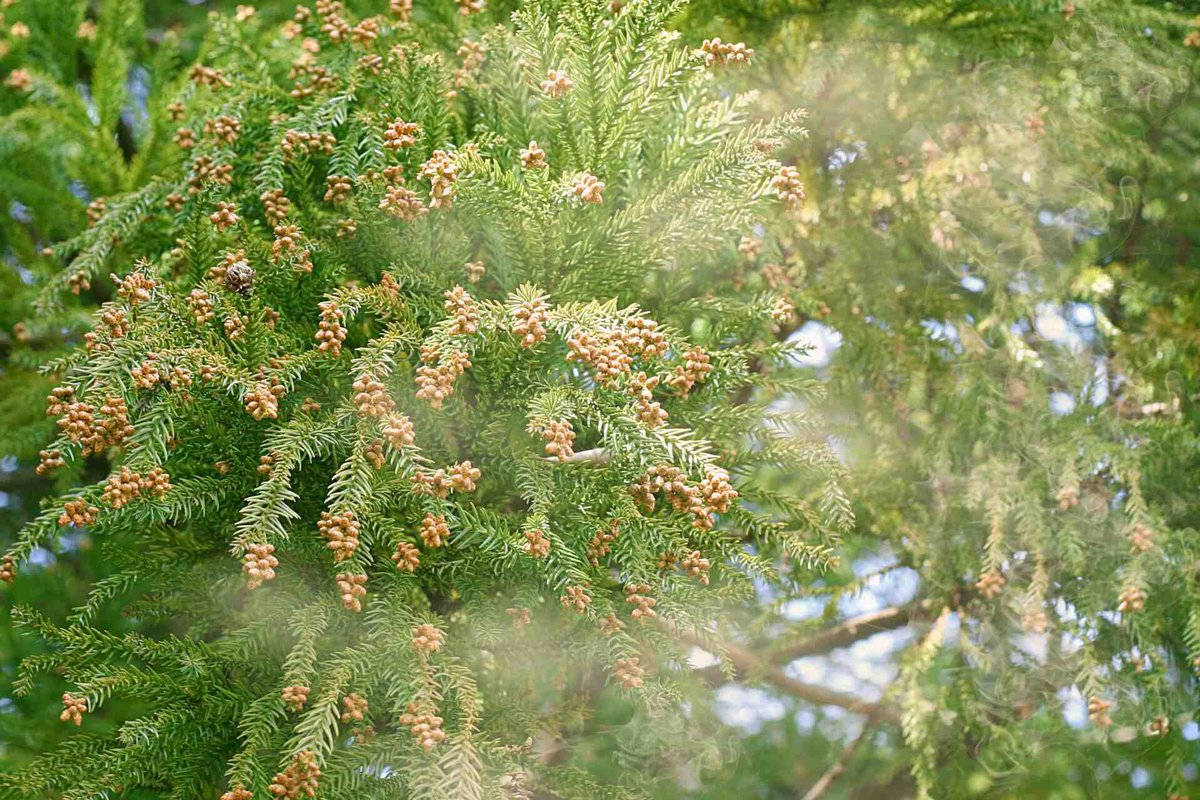
In 1992 a forestry researcher in Toyama City visited a Shinto shrine and noticed that one of the Japanese Cedar growing on its grounds didn't produce any pollen. The first such mutant cedar ever found in Japan. Tests were run, & finally in 2007 the first seedlings came to market.
A commercially viable pollen-free Cedar is a huge thing in Japan where 30% of the population suffer from so severe pollen allergy they require medical treatment. It all started in the 1940s when fast growing American Cedars were introduced but that also produced far more pollen.
Even if given top priority it will take over a century to replace the four billion forestry plantation cedars with the new variety but by prioritizing the worst Cedars (near cities and growing under 300m elevation) we should start seeing real reductions in pollen around 2050.
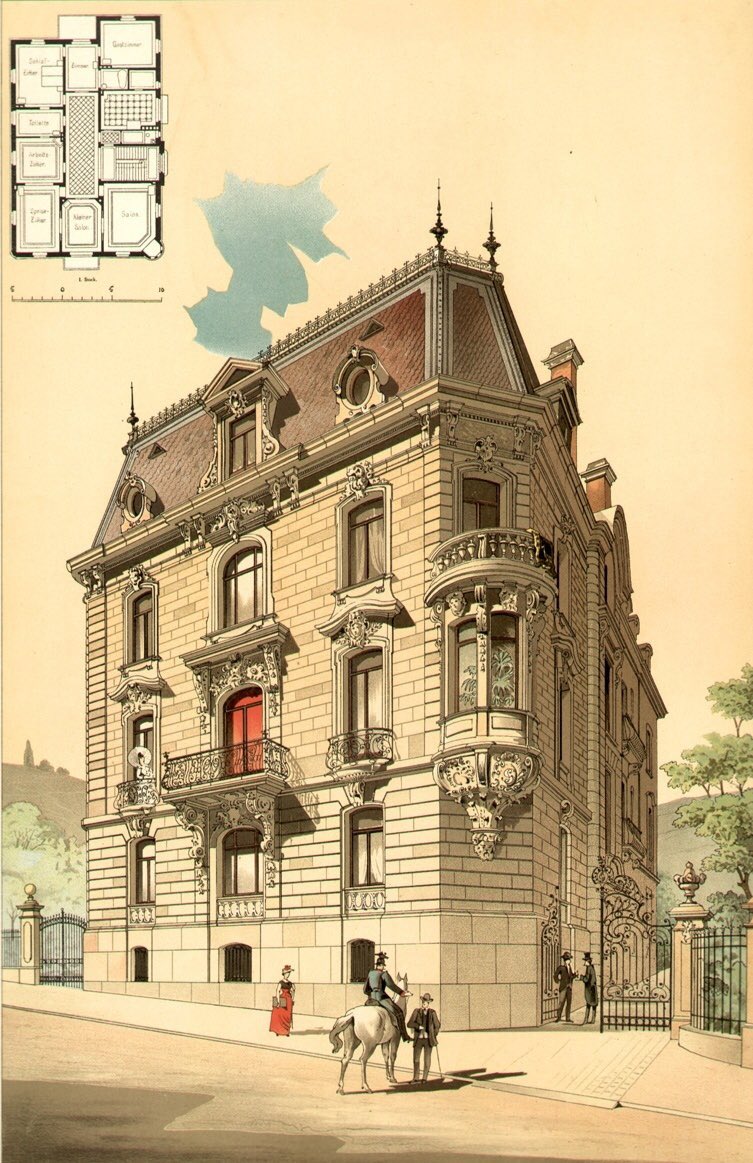
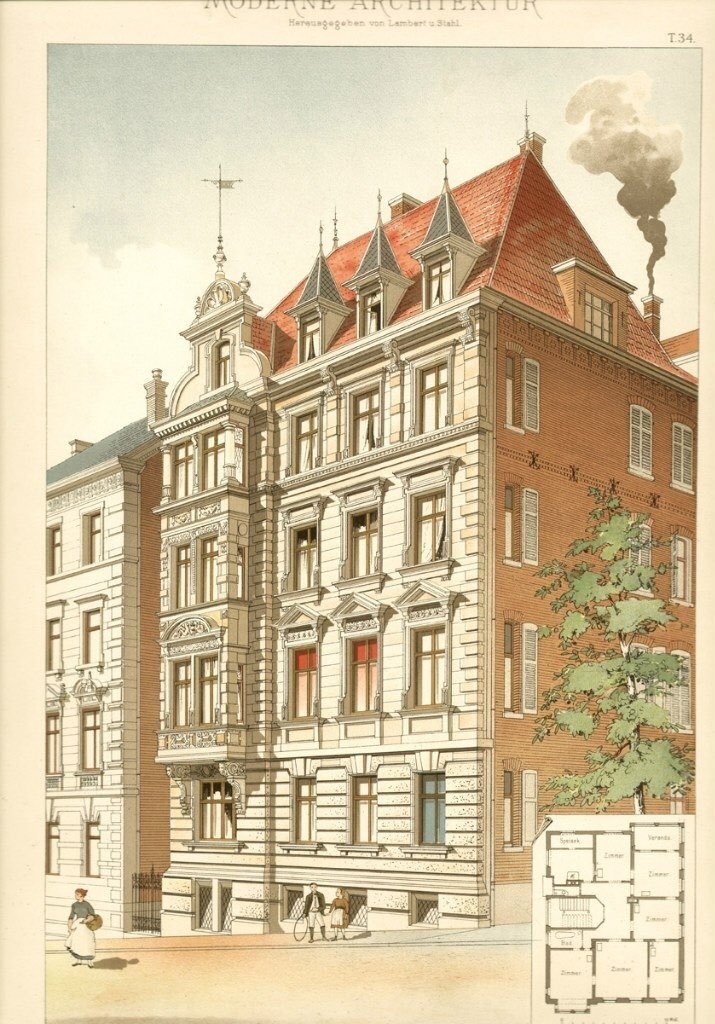
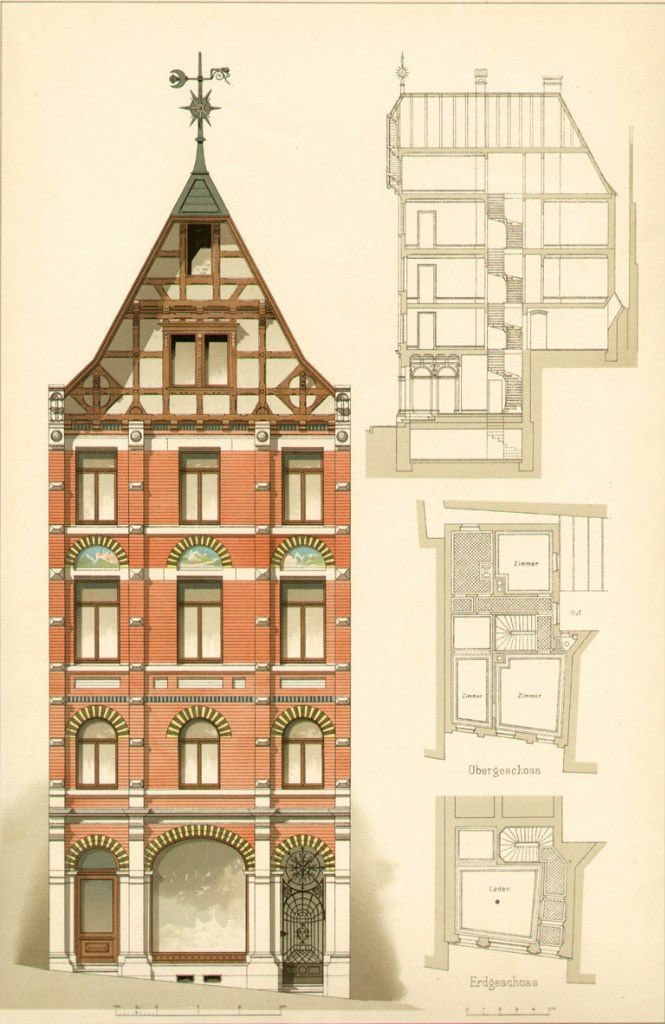
There are about 19,500 cities, towns and villages in the U.S. It would be interesting if at least one of them, as an experiment in urban revival, built a neighborhood with town houses like this. Just one, see how it works out. Or somewhere in Europe?
I am thinking a dead mall: it has power and water already. Get a bunch of these images, ask a dozen builders to make up a street pattern, indicate what they'd build where. Waive all permit fees etc. and taxes for the first three years. Leave some open spaces for public bldgs.
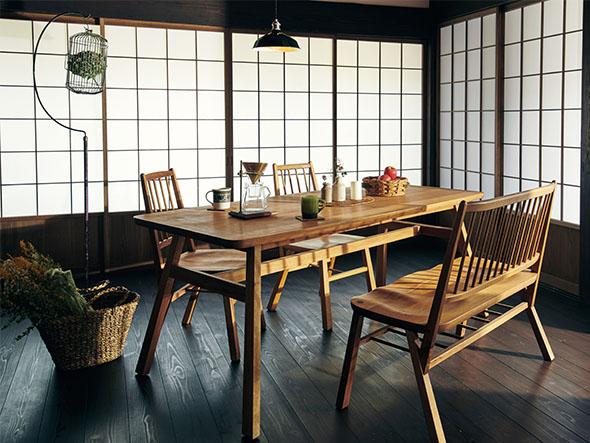
Having wood interiors has many benefits, it helps you concentrate and relaxes you, reduces stress, it regulates humidity etc. Some wood natural wood stains also increase its antiseptic properties while absorbing and neutralizing toxic off-gassing (formaldehyde), like "kakishibu".
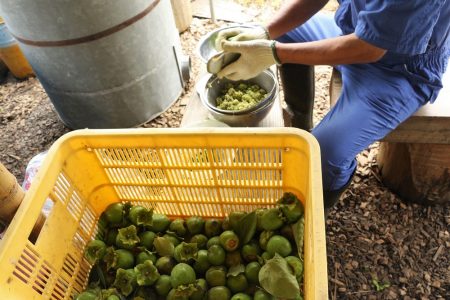
Kakishibu is made by crushing, fermenting and aging unripe astringent persimmon. It is 100% natural and completely harmless to humans and helps preserve wood each time it is applied. Used both for interiors and exteriors. It is easily made at home.
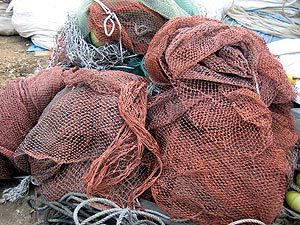
Traditionally it was also used to waterproof and stiffen paper and clothing, for umbrellas and food wrapping. It is still used for fishermen to protect and strengthen nets. The astringency coats the net making it water repellent and this also means it sinks better: easier to use.
In Japan there is now a minor boom in falconry: crows are attacking solar power plants with stones, and the only effective way to keep crows away is to deploy falcons. One trained falcon making 60 attack sorties a day can protect 100,000 solar panels from vengeful crows.
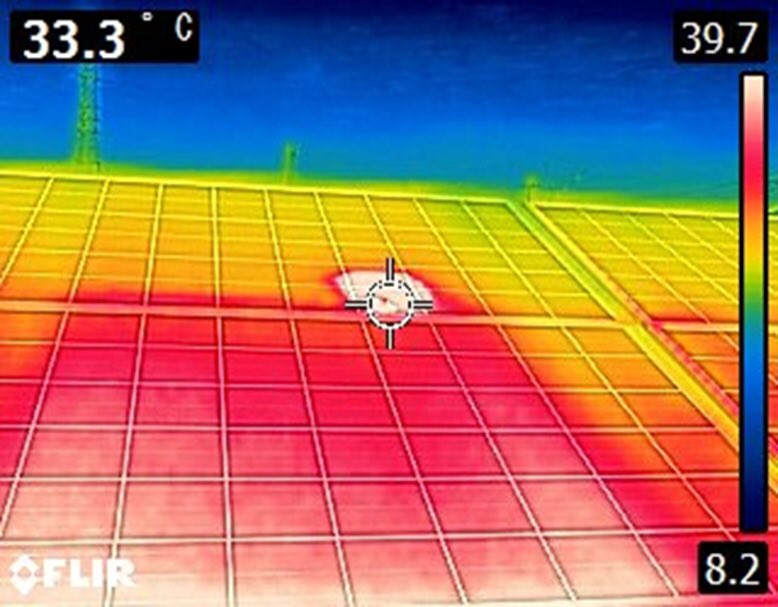
It is unknown why crows bombard solar panels, possibly it is a game. The stones seldom directly crack panels, but the crows are experts at placing stones or other garbage just so that they stay on top of the panel, soon causing overheating and destruction or permanent damage.
The "falcons" don't actually hurt any crows because the crows are way too nimble to get caught but they do establish a territory letting the crows know who's the new boss. Falcons wouldn't stand much of a chance if a few crows actually wanted a fight and stood their ground.
“Nothing is more detrimental to a sound general order appropriate to human nature than two things: mass and concentration...People need to be taken out of the mass and given roots again.”
— A Human Economy, The Social Framework of the Free Market, Wilhelm Röpke, 1960
“When the consulting rooms of psychiatrists, neurologists, and heart specialists fill up with the wreckage of our civilization, no paeans extolling motorcars and concrete will help.” — A Human Economy, The Social Framework of the Free Market, Wilhelm Röpke, 1960
“When people today react to their environment by feeling vaguely dis-contented or even unhappy, the explanation is sometimes sought in fear and anxiety...Fear and anxiety can destroy man only when the meaning and purpose of his life have become blurred or escape him.” — W. Röpke
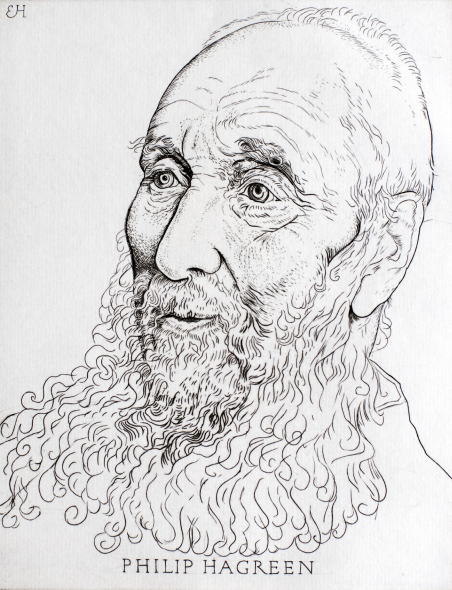
In 1980, the wood engraver Philip Hagreen (1890-1988) offering us some anecdotes about life in 1921, on manners, Dorset, cheese, and on Noblesse oblige.
Philip Hagreen on growing up in Suffolk, Edwardian England, the fishermen of Southwold Beach, and the local culinary arts. Probably around 1898.
Philip Hagreen on poor Old Todd, teased by the girls as he waited to row his ferry over to Walberswick. Who rows the ferry to-day?