@andkiessling
das ist banality of evil
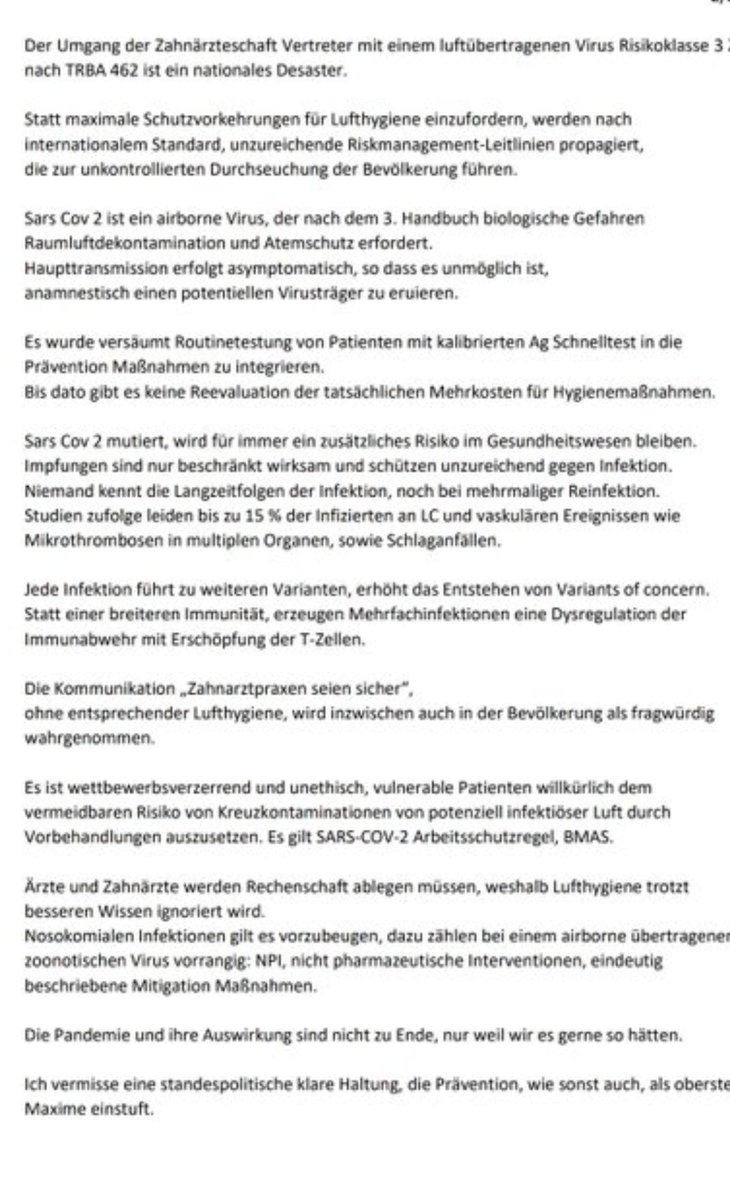
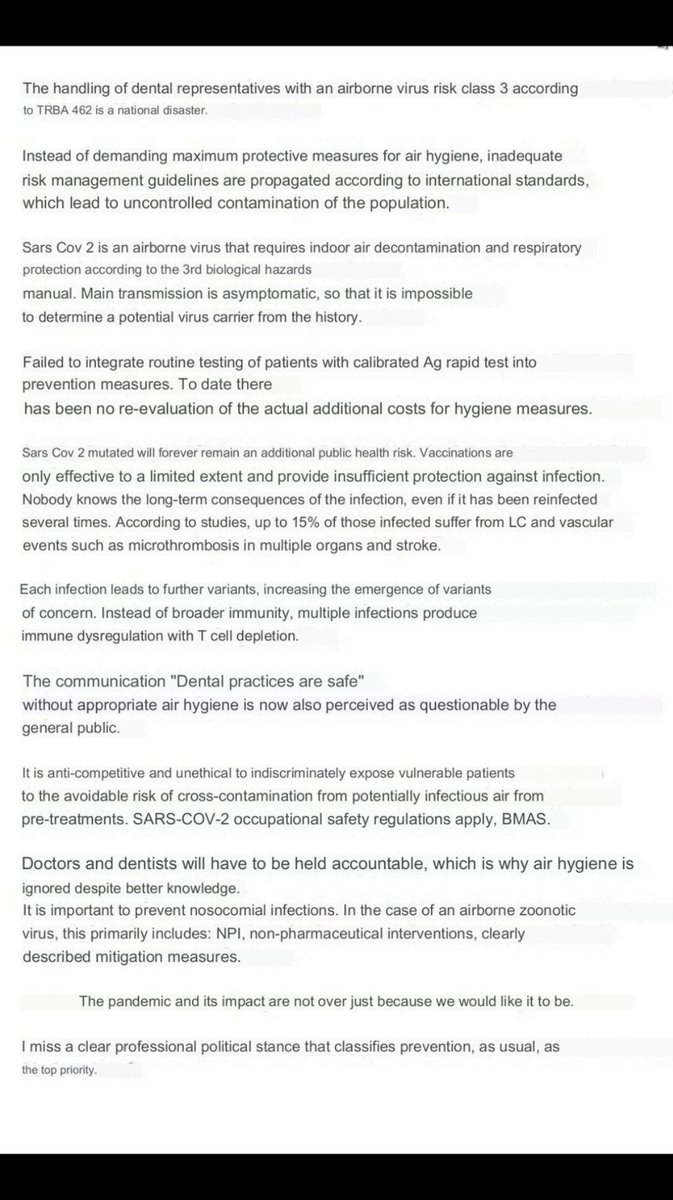
das war vorraus zu sehen,daher das paper
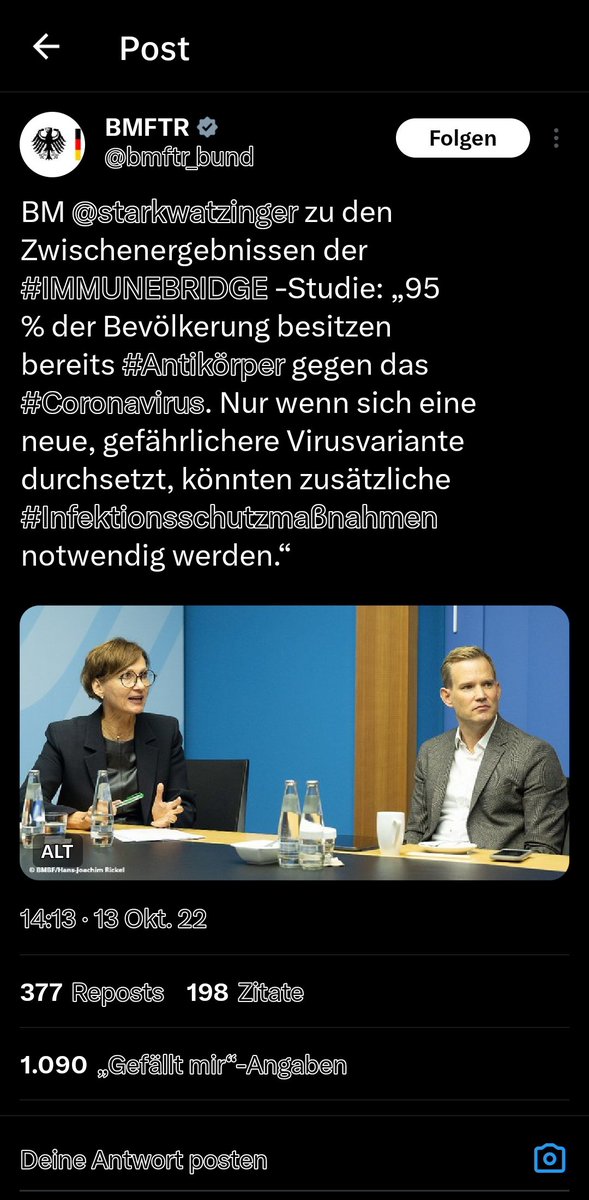
das ist Bundessache,
die schieben es auf die Länder
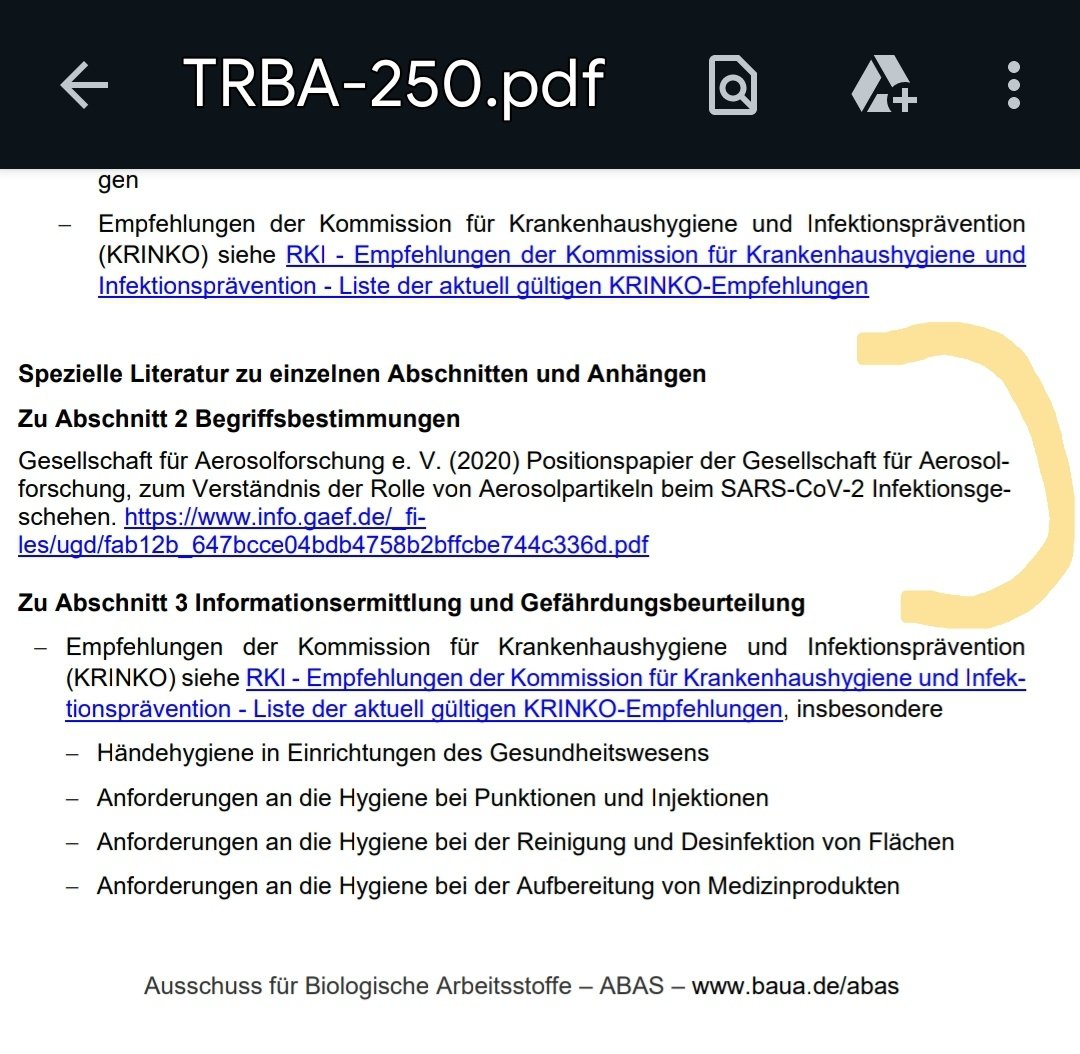
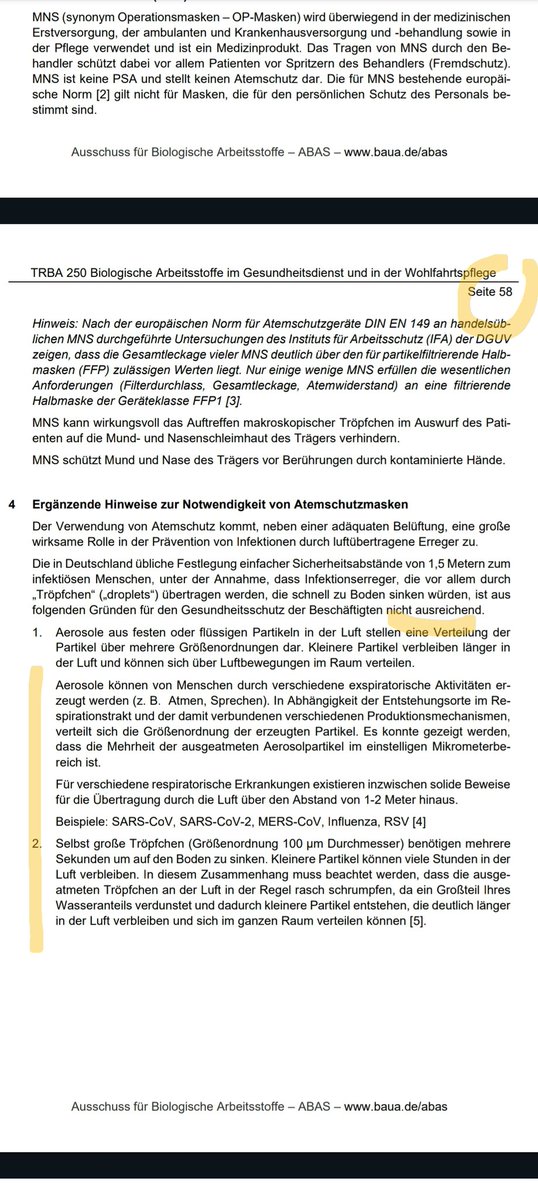
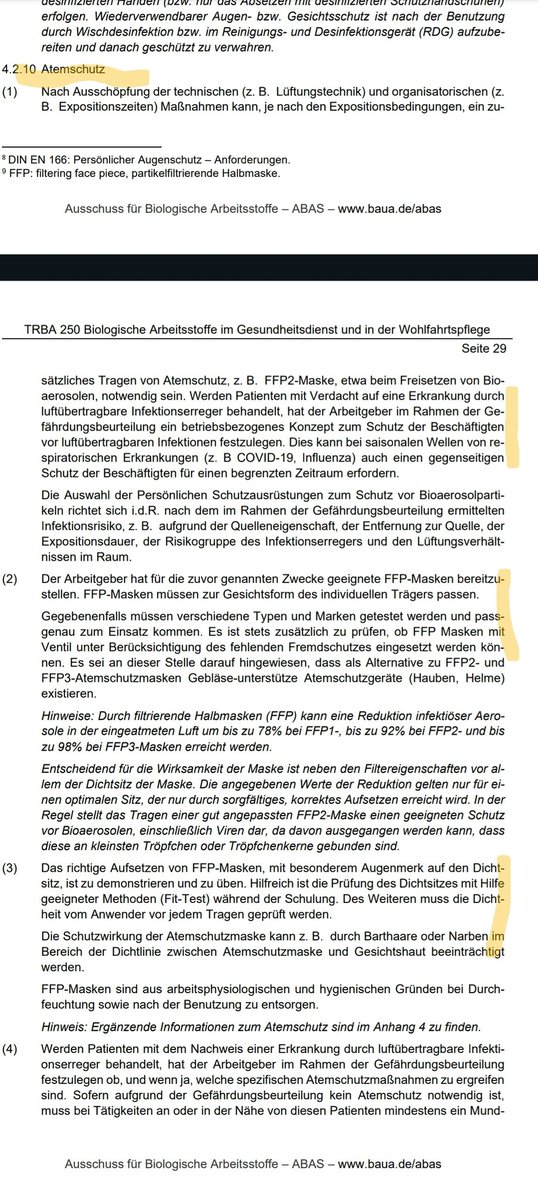
früher oder später werden alle davon betroffen sein, dass man als Patient ohne Maske dasitzt in einem Raum des Gesundheitswesens ohne Lufthygiene!

das ist banality of evil
das war vorraus zu sehen,daher das paper
das ist Bundessache,
die schieben es auf die Länder
früher oder später werden alle davon betroffen sein, dass man als Patient ohne Maske dasitzt in einem Raum des Gesundheitswesens ohne Lufthygiene!
https://twitter.com/ArtWatcher0711/status/1518993444299055104
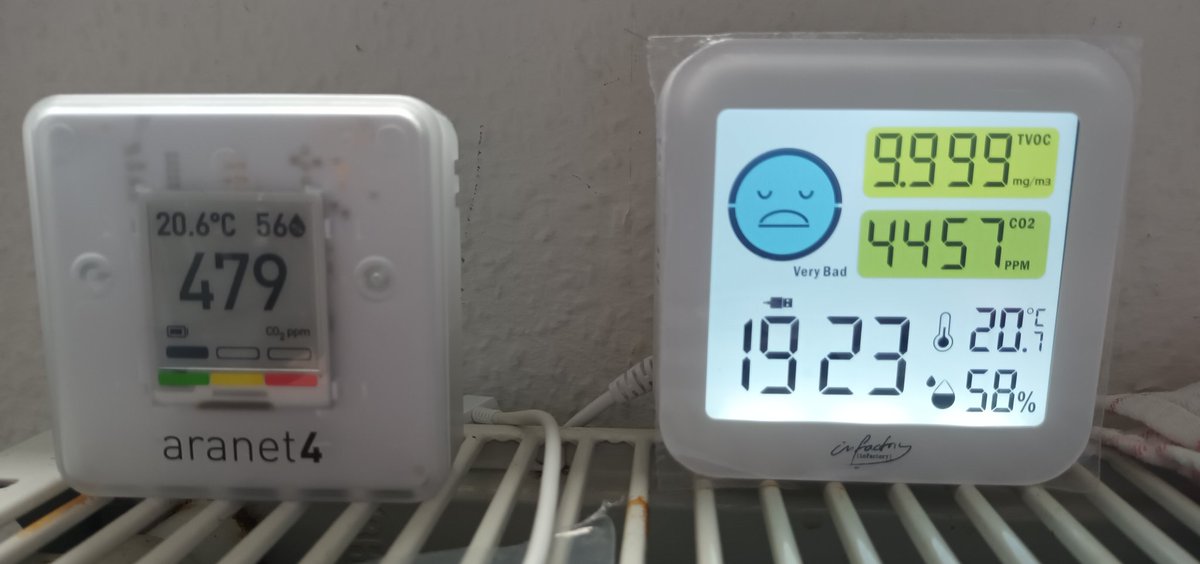
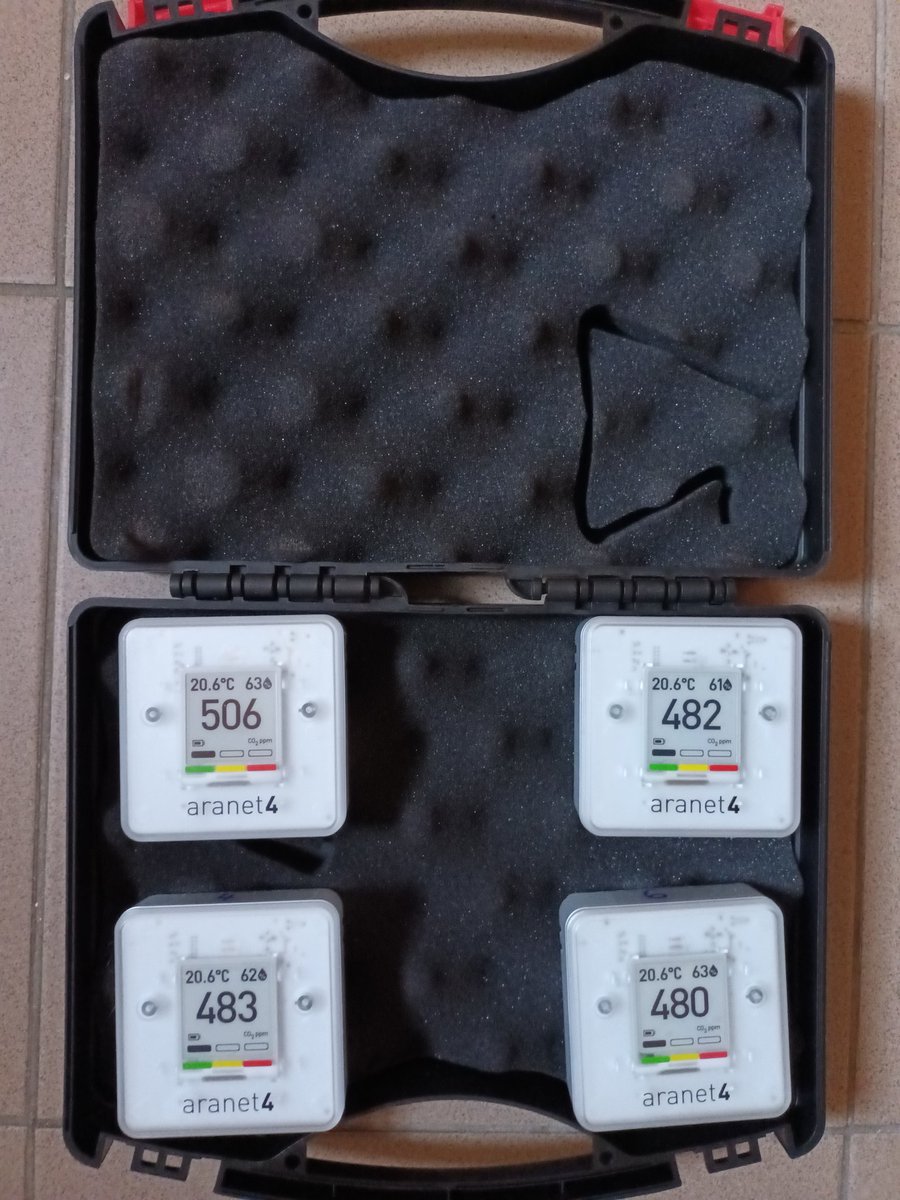
I was grateful to get this precious high functional tool of airquality monitoring early
in combi with cheaper non-NDIRs [ ethanol sensitive ]
I can literally watch in real time after room disinfection & crossventilation
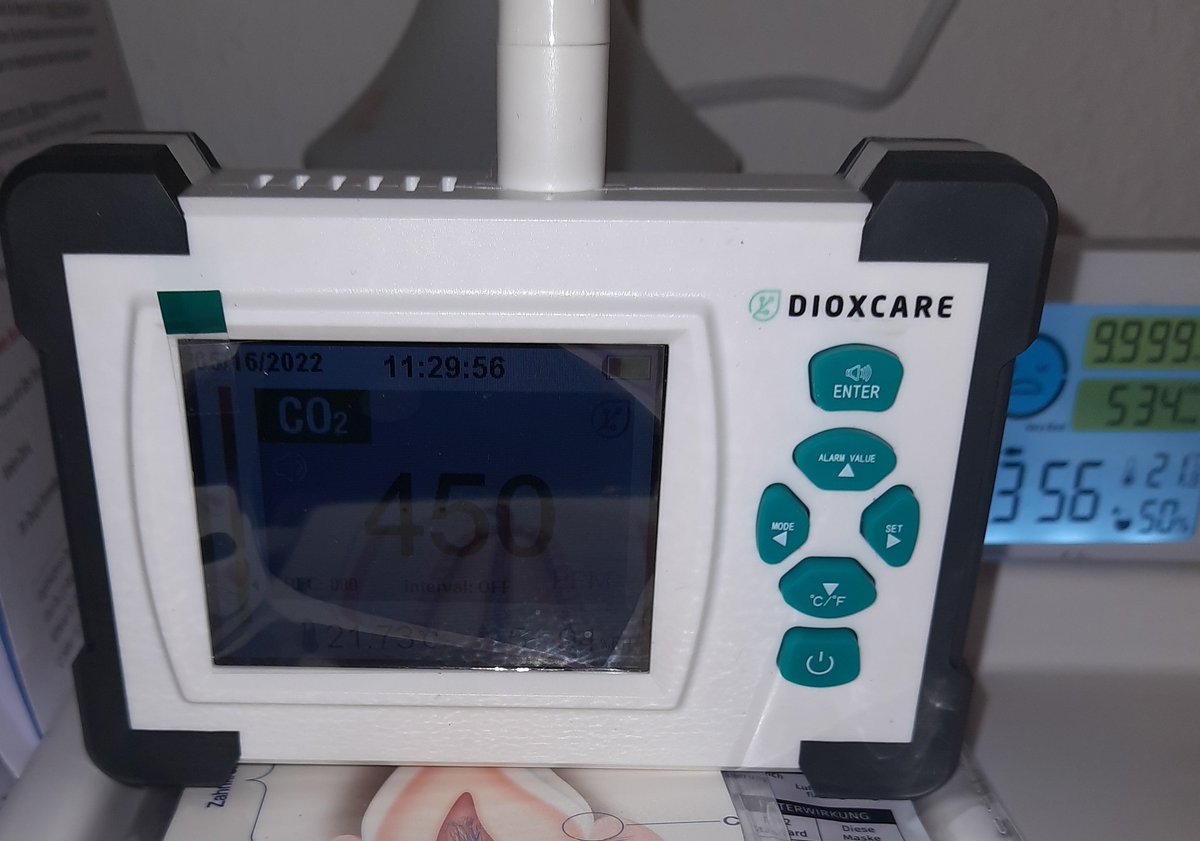
both meter at baseline 450 ppm CO2
aranet.com/products/arane…
in combi with cheaper non-NDIRs [ ethanol sensitive ]
I can literally watch in real time after room disinfection & crossventilation
both meter at baseline 450 ppm CO2
aranet.com/products/arane…
NDIRs arent sensitive to ethanol so aranet4 & Dioxcare DX700 CO2
stay at their normal meter during disinfection procedure
stay at their normal meter during disinfection procedure
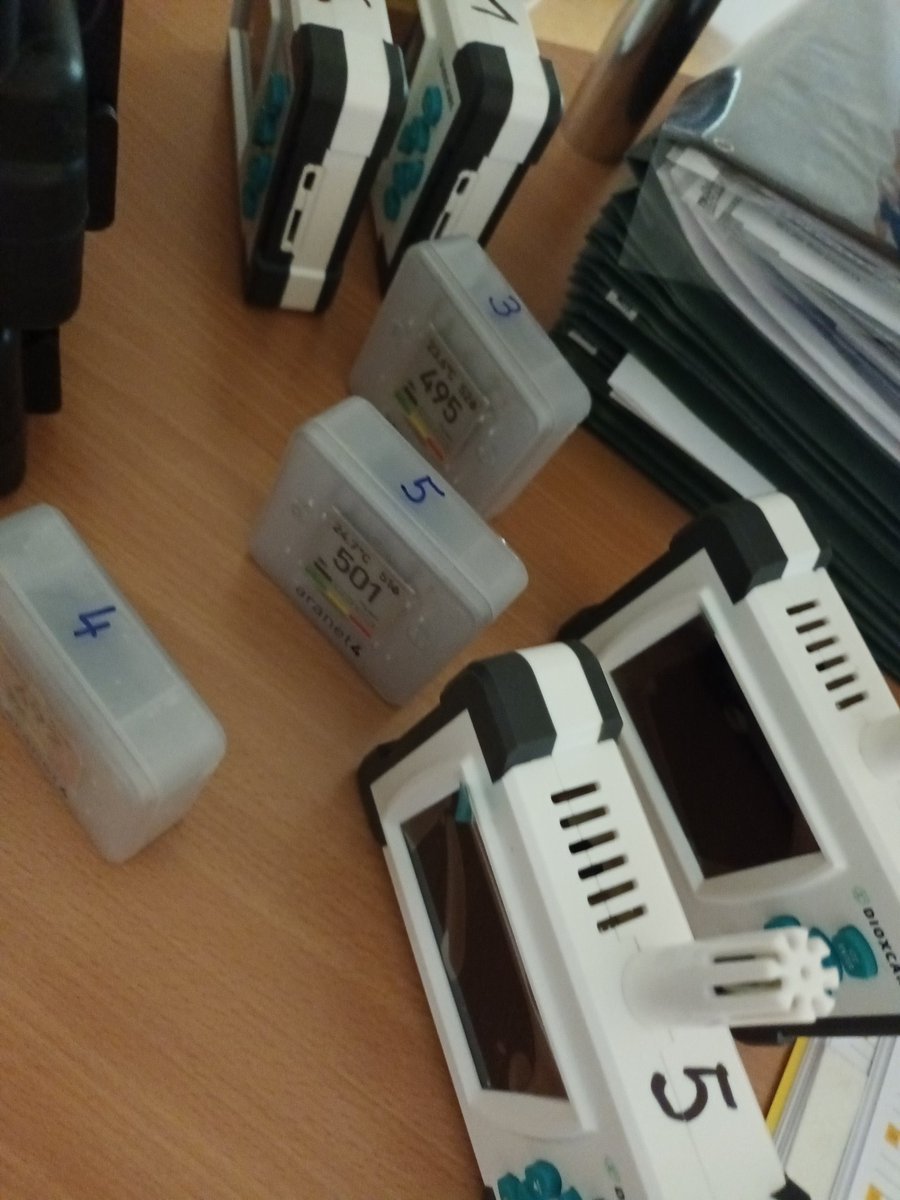
I used these before I got the aranet4 & I still use them
so patients can watch the big monitor easily
at the entrance & corridor
Dioxcare DX700 PDF CO2 Meter High Precision NDIR Sensor with PDF Data Transfer to Computer CO2 Temperature Humidity Detector amzn.eu/d/2T0T3ZB
so patients can watch the big monitor easily
at the entrance & corridor
Dioxcare DX700 PDF CO2 Meter High Precision NDIR Sensor with PDF Data Transfer to Computer CO2 Temperature Humidity Detector amzn.eu/d/2T0T3ZB
the only disadvantage
of dioxcare 700 is a big screen needs energy
So you have to charge the battery daily
aranet4 batteries are AA & really energy efficient
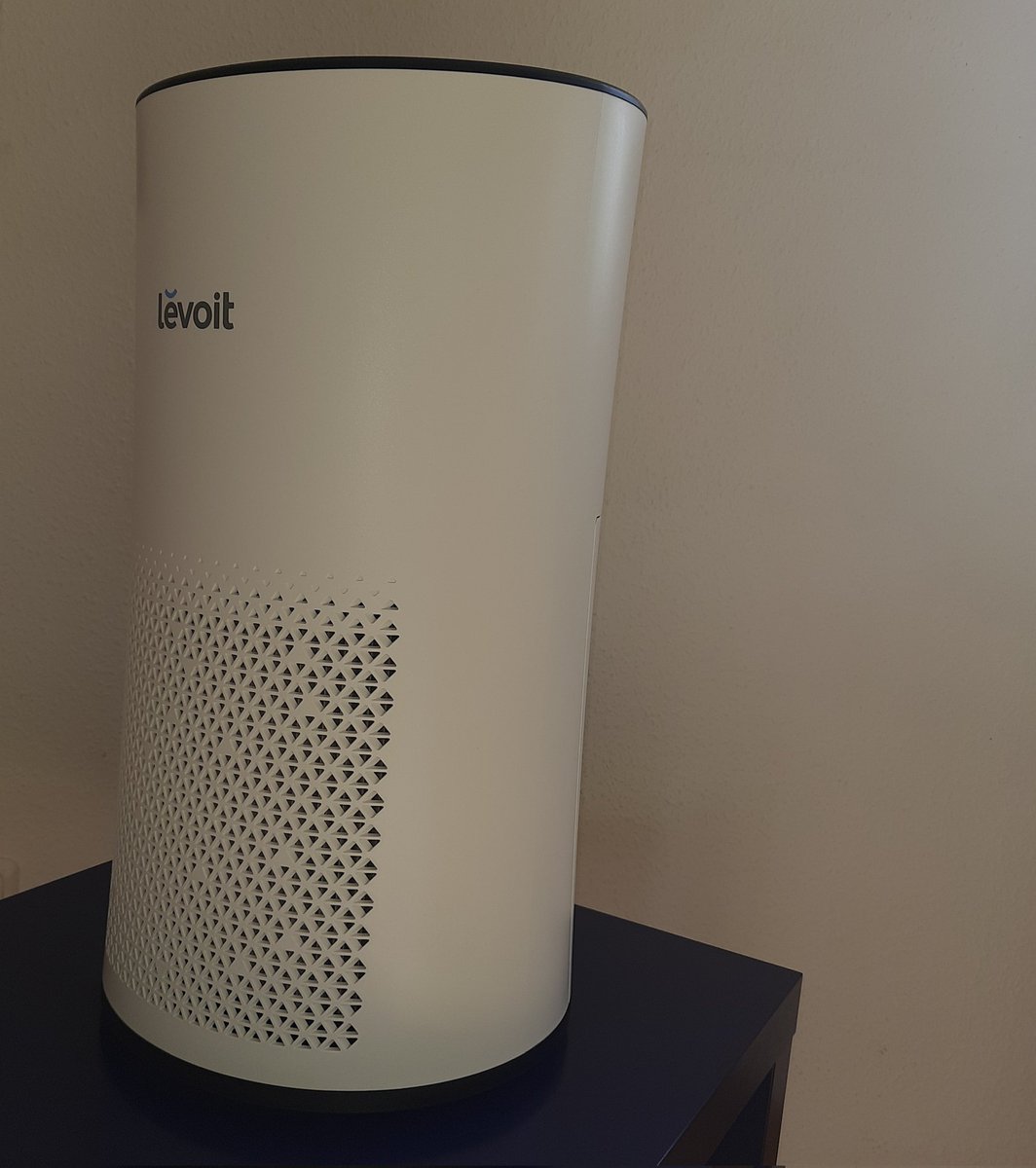
levoit Serie give a lot of choice to find adequate size for the diffent rooms
of dioxcare 700 is a big screen needs energy
So you have to charge the battery daily
aranet4 batteries are AA & really energy efficient
levoit Serie give a lot of choice to find adequate size for the diffent rooms
#PublicHealth #MedizinBrennt
👀
👀
https://twitter.com/SourceControl21/status/1684879230612766720?t=z92pMTiwijPzaq3NJ7OFqQ&s=19
Wenn das jede medizinische Einrichtung verstehen würde und das Personal FPP3 trägt & jeder Patient point of care getestet wird mit hochwertigen sensitive & hoch spezifischen Ag oder Lamp Tests, dann kann man für Patienten & Behandler safe arbeiten
⤵️
⤵️
https://twitter.com/SourceControl21/status/1509891460543713280?t=kFLokdCi7RRQ-E1_FgSQZA&s=19
@threadreaderapp unroll
• • •
Missing some Tweet in this thread? You can try to
force a refresh