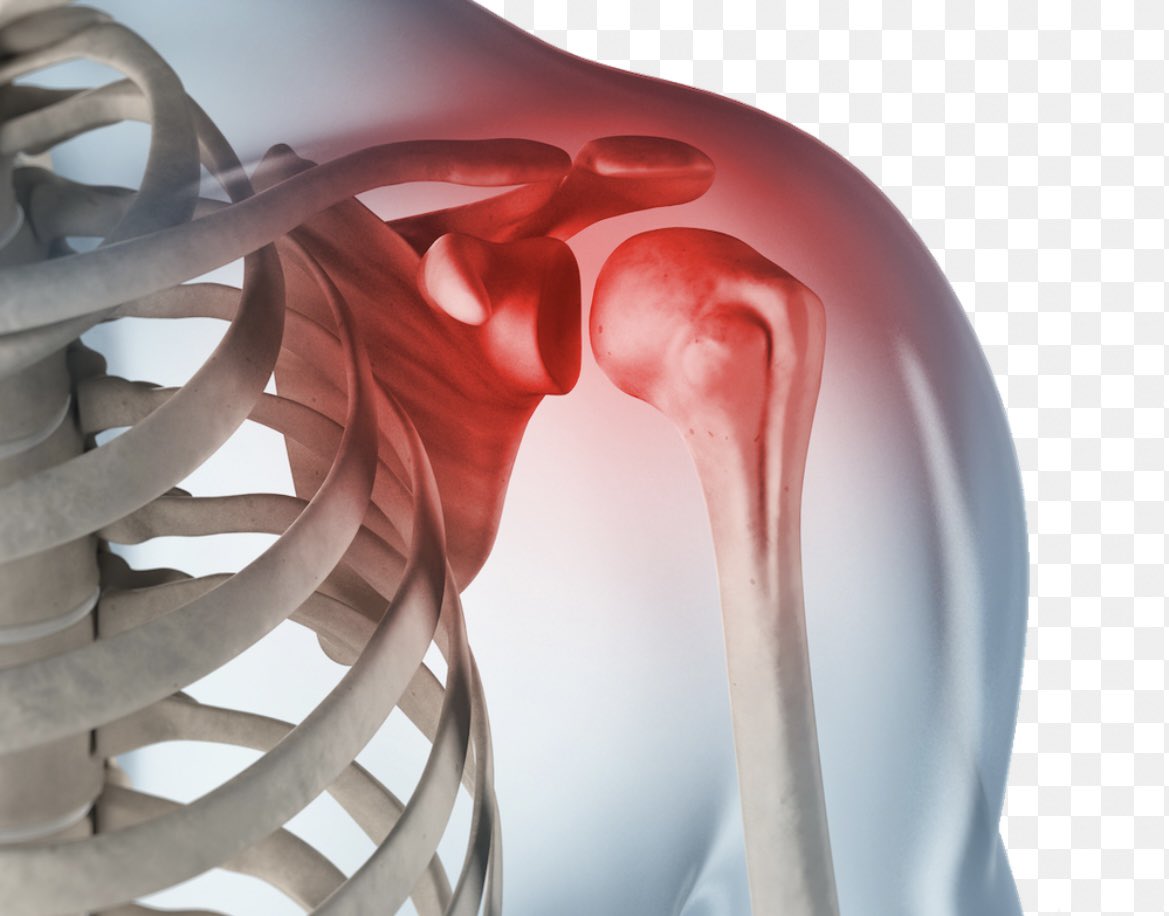
1) A 🧵 providing a whistle stop tour of Frozen Shoulder (FS)
2) FS is associated with stiffness of the capsule which restricts GHJ A/PROM within a capsular pattern coupled with a normal XR finding (Zuckerman 2011). Previously thought to be self-limiting, now ++ evidence highlighting the significance it has on pain, disability and function
3) Epidemiology: Thought to affect 2-5% of the gen pop between the age of 40-70yrs. Women are more susceptible & it is thought that 6-17% of patients are unfortunate enough to develop it in the contralateral arm within the first 5yrs (Dyer et al., 2021).
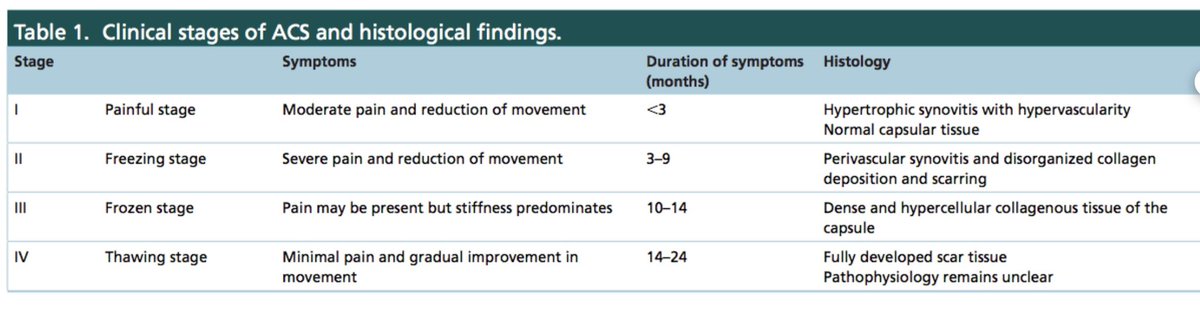
4) Exact pathophysiology is not fully understood, yet histological findings highlight a thickened & tight capsule w chronic inflammatory cells & fibroblasts found in the joint capsule which suggest an autoimmune component (Date & Rahman 2020). This table shows the 4 stages;
5) It is split into two types, a) primary - idiopathic onset of Sx & b) secondary - ? associated with metabolic syndrome as a large % are obese, there is a x5 more chance of FS if diabetic. Thyroid problems, previous surgery, dupuytrens etc are also related (Date + Rahman 2020).
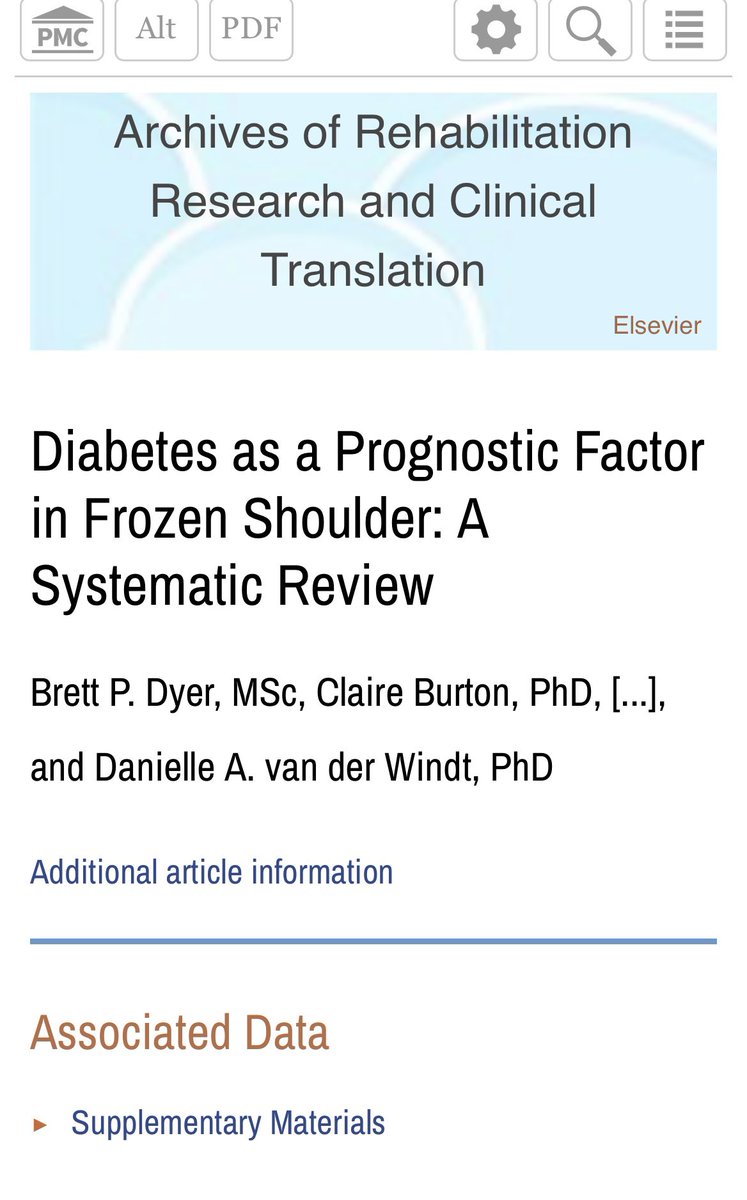
6) Diabetes & FS; T1DM = causal risk factor for developing FS (Green et al., 2021). 13.4% prevalence of FS in diabetics & 30% of FS population are diabetic (Dyer et al., 2021). ? glycemic changes influence capsular stiffness through collagen & release proinflammatory cytokines
7) Features; Pain is often severe, disabling and impedes sleep during the initial stage. Locality can vary, described as deep & may refer to the bicep/elbow. As the capsule stiffens, ROM is affected & this causes significant functional limitations. This paper summarises it nicely
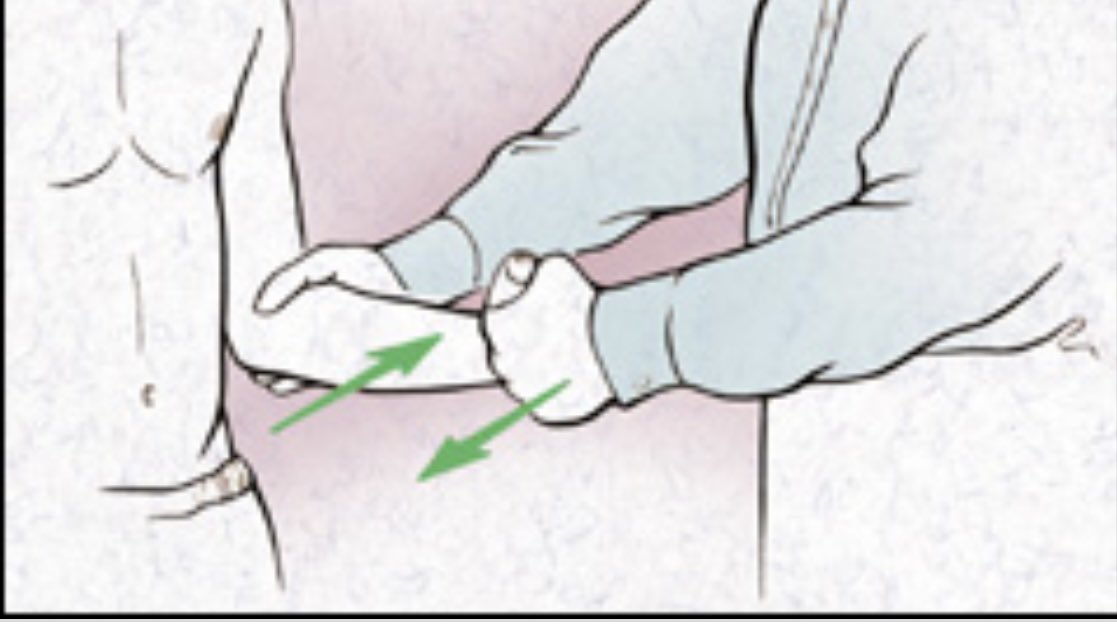
8) Dx; ‘Shoulder pain for 1/12, unable to lie on affected side with restricted A/PROM, with a minimum of 50% reduction in passive external rotation vs contralateral side (Kelley et al., 2013). *Often assessing in supine, w a towel under the elbow helps prevent any compensation*
9) Imaging: Often not needed for a Dx. XR is recommended to rule out OA, # / dislocation or more sinister pathology. US may detect thickening of the rotator interval / surrounding soft tissue or teno/synovitis.
10) Prognosis; Will vary from pt-pt. Previous thoughts were that it has a favourable natural Hx. Yet Schaffer et al (1992) found 50% had Sx still at 7yrs. Whereas Wong et al (2017) showed ER remained limited by approx 50% at 1yr f/u if left untreated.
11) Treatment; UK Frost Trial. They concluded injection & PT worked well in unison and this had similar favourable outcomes at 1yr f/u compared to MUA & capsular release. Surgery had the best outcome @ 12/12 but not clinically superior & is associated with risks.
1) A 🧵 looking at Quadrilateral Space Syndrome (QSS). A rarer cause of shoulder pain
2) QSS is a rare condition which causes vague Sx around the shoulder (often posteriorly) that occurs secondary to compression of the axillary nerve (AN) +\- posterior humeral circumflex artery (PHCA) as they travel through this region.
3) The space is an opening in the posterior wall of the axilla. It is bordered by the teres minor (superior), teres major (inferior) the humeral shaft (lateral) & long head triceps (medial). Albeit rare, should be a differential in younger, overhead athletes
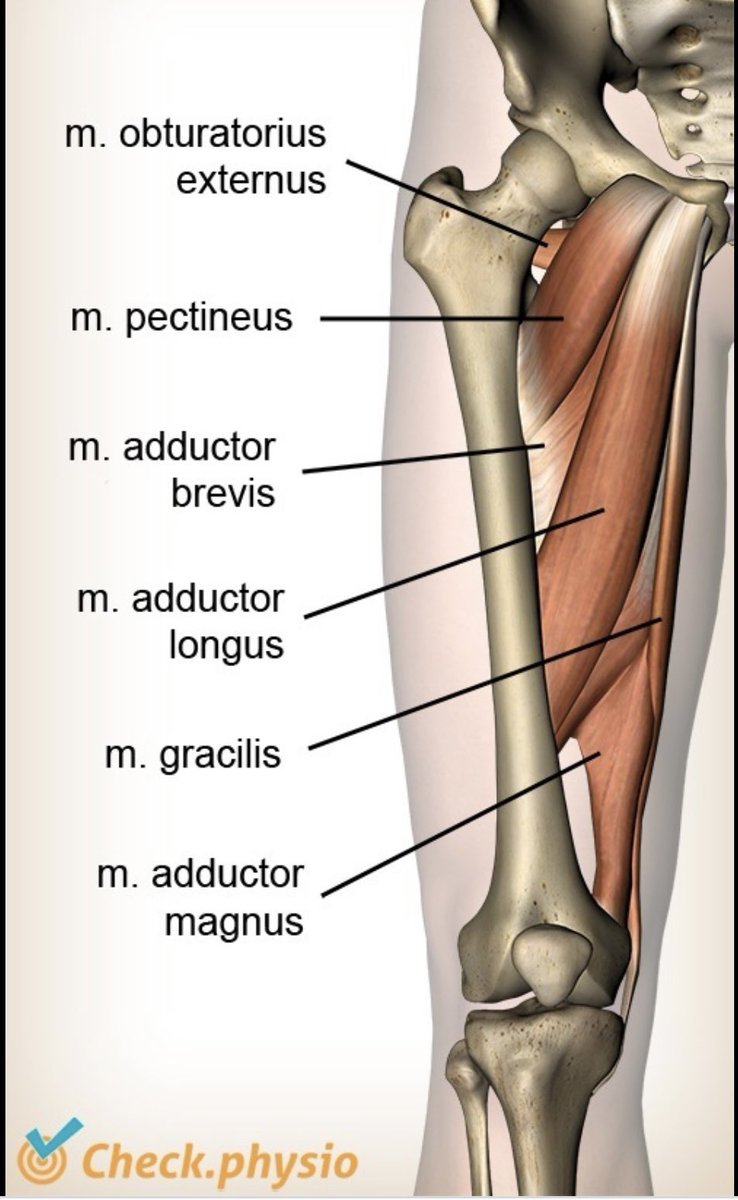
1) A thread looking at Adductor Related Groin Pain (ARGP)
2) ARGP is the most common culprit for groin pain in athletes & can be the result of an acute strain of the myotendinous junction. Or, more persistent & associated with adductor tenderness around the insertion of the pubic bone (Holmich, 1997).
3) ARGP accounts for 5-18% of all sports injuries (Serner et al., 2015). It is common in kicking & multidirectional sports & accounts for 16-18% of football injuries w approx 1-1.1 per 1000hrs & a higher prevalence in men vs women (Bisciotti et al 2021; Weir et al., 2015).
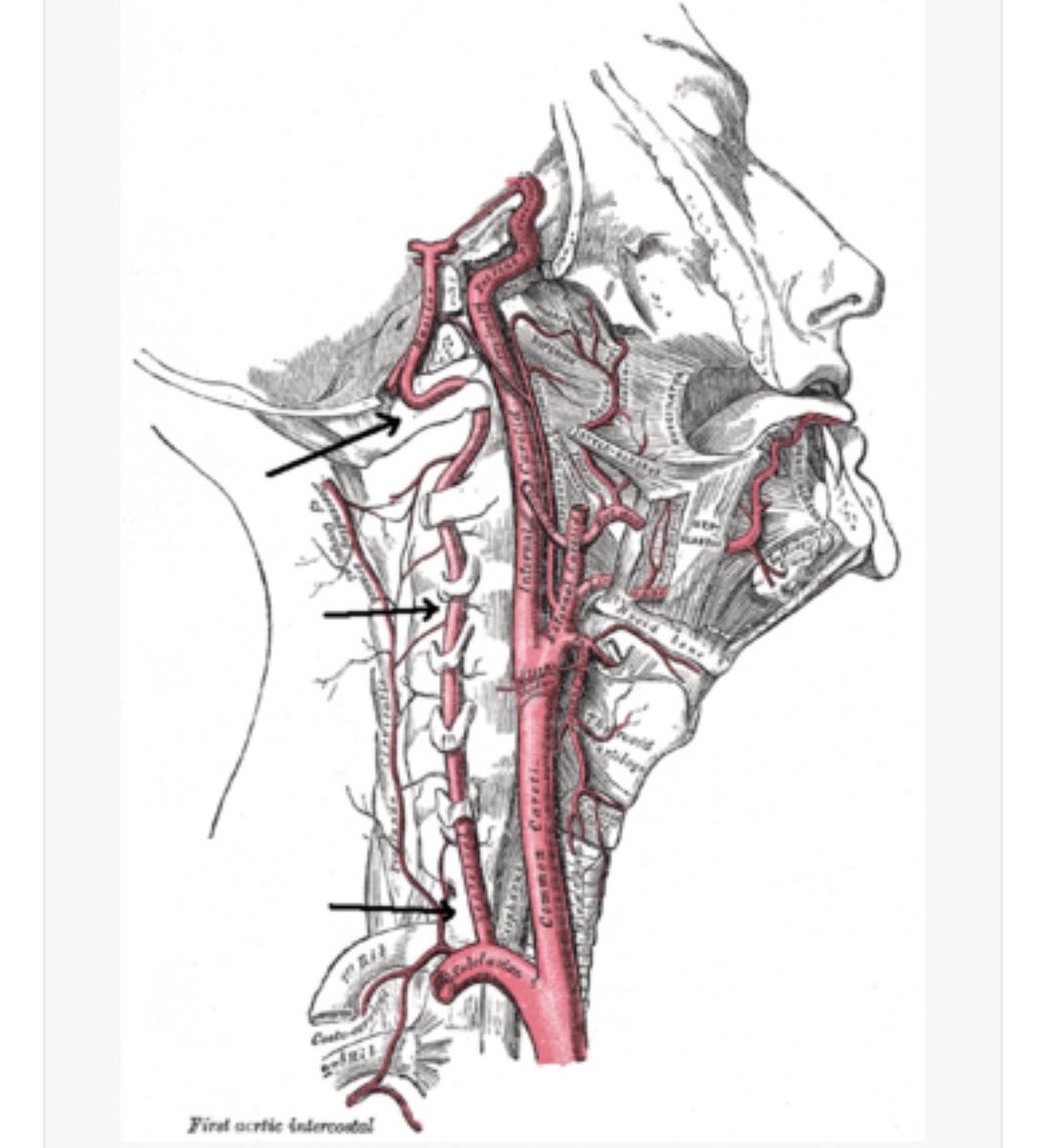
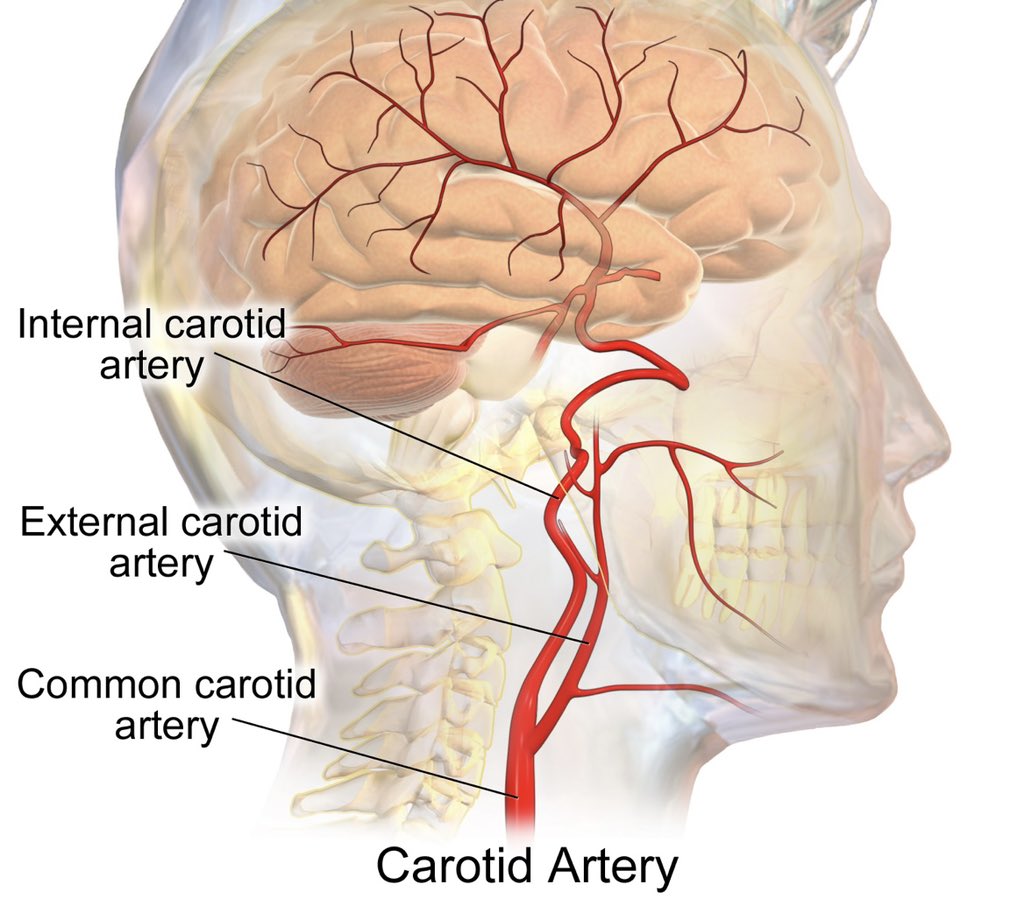
1) A 🧵 looking at Cervical Artery Dissection (CAD). A vascular pathology which is a differential for cervical pain that requires urgent consideration
2) A dissection of either the carotid/vertebral arteries. The carotid arteries are positioned around the front of the neck whilst the vertebral are posterior. Their incidence is low (2.6 per 100k) but it is the most common cause of ischaemic stroke in <50’s (Debette & Leys 2009).
3) A haematoma forms within the arterial wall (most common internal carotid), this can expand towards the intima & cause luminal narrowing/stenosis, endothelial injury & thrombus formation. Whereas bleeding which spreads towards the adventitia may weaken the artery = aneurysm.
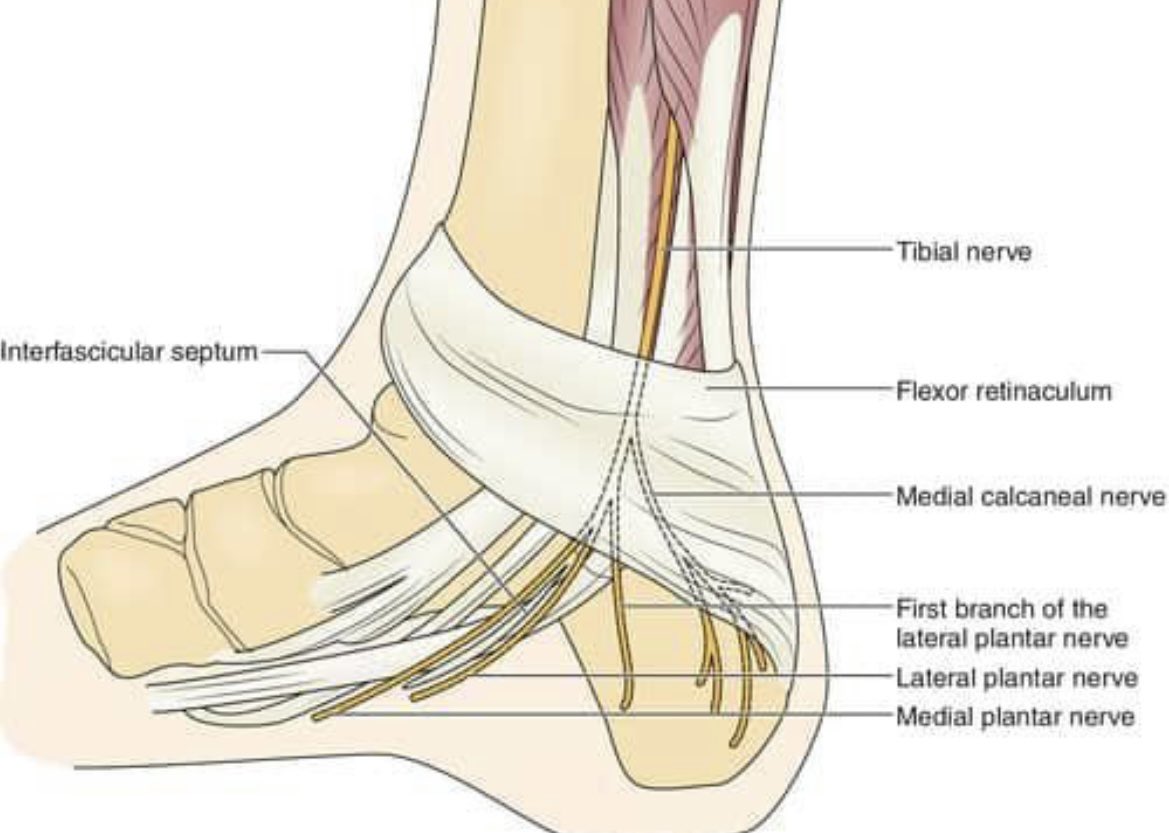
2) TTS is an Entrapment neuropathy of the tibial nerve & it’s branches as it passes within the tunnel, posterior & inferior to the flexor retinaculum. It’s a rare condition & doesn’t appear to be any epidemiological studies looking at its prevalence (Antoniadis & Scheglmann 2008)
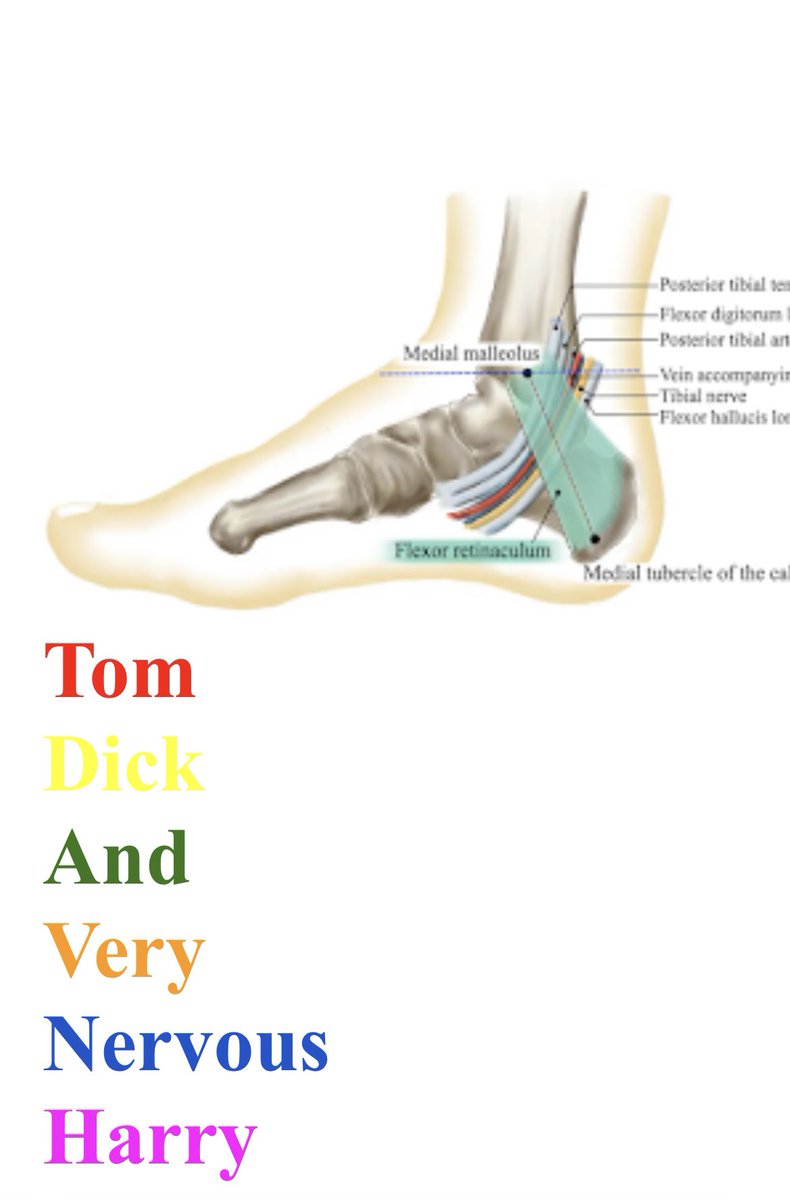
3) Structures that sit within the TT are; tibialis posterior, FDL, posterior tibial artery & vein, tibial nerve and the FHL. A useful pneumonic for this is - ‘Tom, Dick And Very Nervous Harry’.
1) A 🧵 overviewing Femoroacetabular Impingement of the Hip
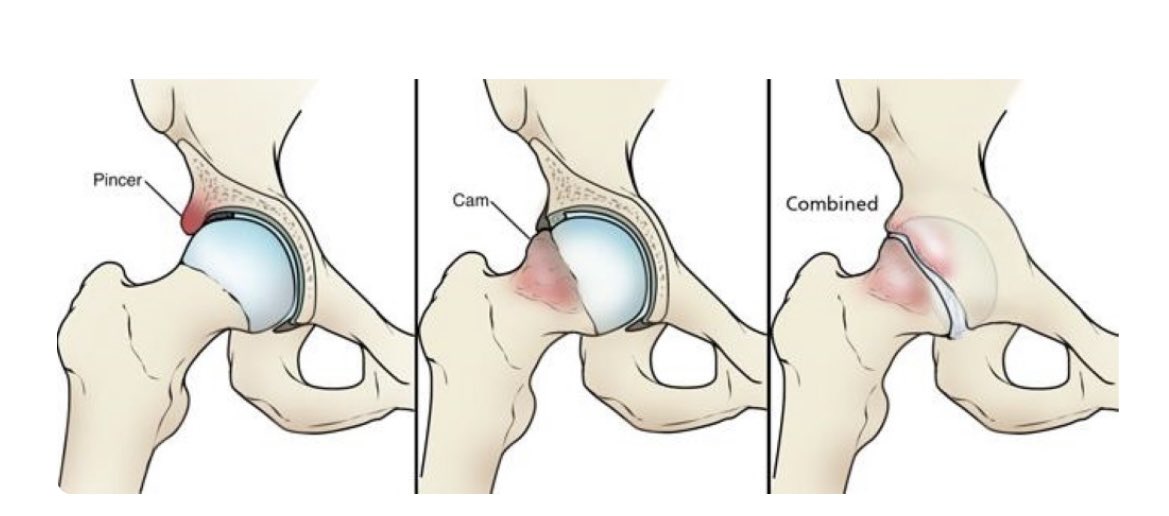
2) FAI is a movement related disorder involving symptomatic contact between the femoral head & acetabulum (Griffin et al 2016). It occurs due to changes in the morphology of the hip. *Note - v common (15-25%) in asymptomatic pt’s (Dijkstra et al 21).
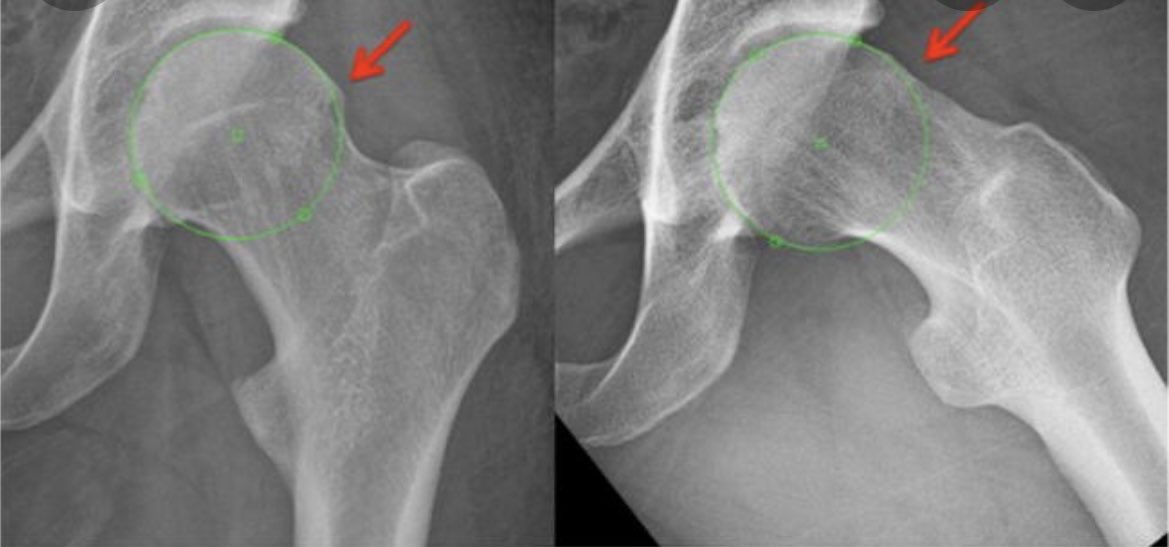
3) CAM Morphology - 3:1 prevalence in males (Kuhn et al 2015). Osteophytosis of the femoral head/neck due. These can occur primary (physiological response to loading) OR secondary (pre-existing hip pathology). XR for A-angle, >50-55 is considered CAM.
1) A 🧵 looking at Pudendal Neuralgia / nerve entrapment
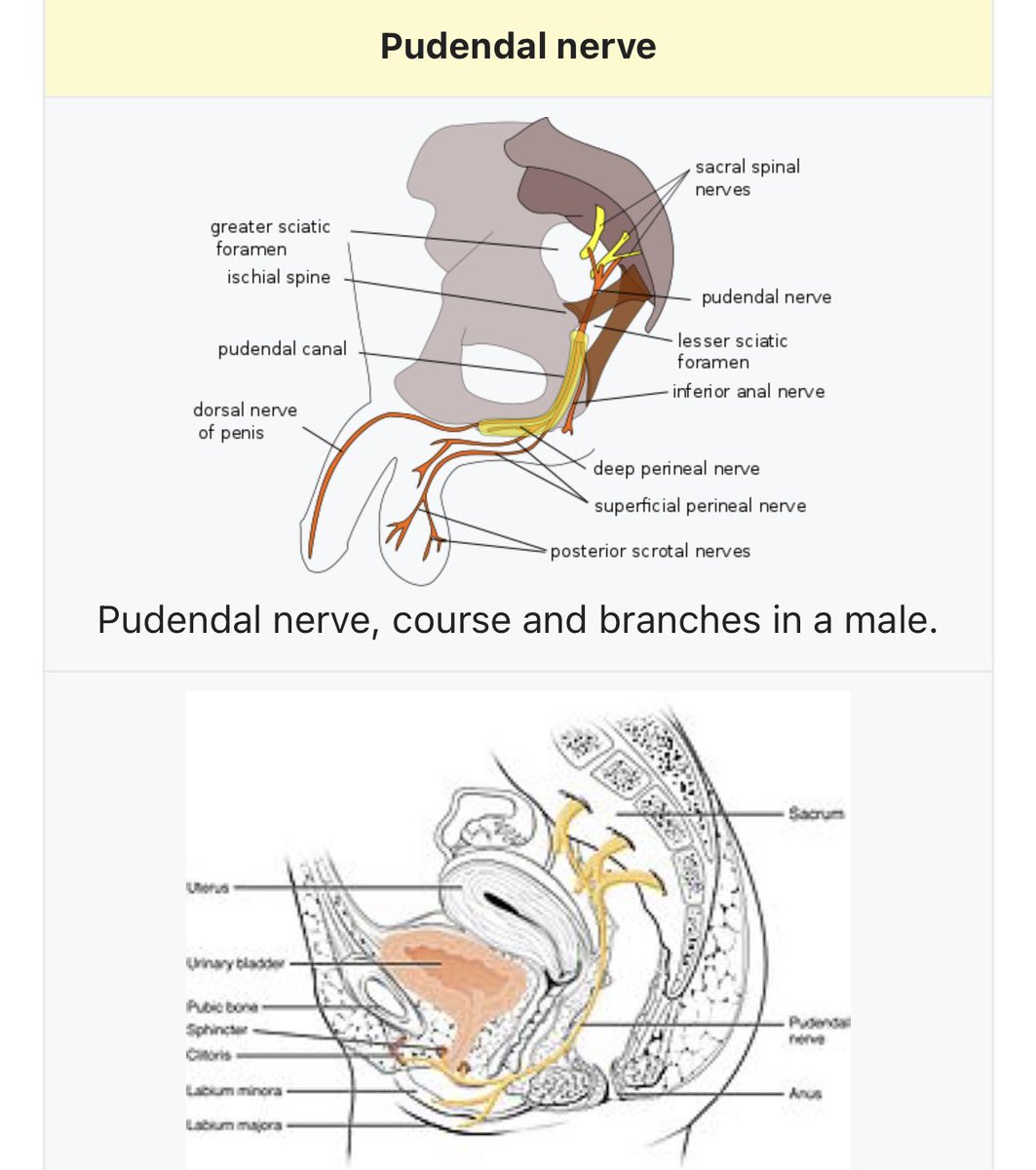
2) Pudendal neuralgia is a rare neuropathic condition which causes discomfort around the genital & anal-rectal regions. The nerve has sensory, motor & autonomic features & arises from S2-4, injury often affects sensory distribution (Kaur & Singh 2021).
3) There are 3 branches; i) inferior rectal, ii) perineal & iii) dorsal sensory nerve of penis/clitoris. It can become injured through mechanical causes (compression or traction) or non-mechanical causes (herpes / diabetes). Egs - childbirth, surgery or micro trauma from cycling.