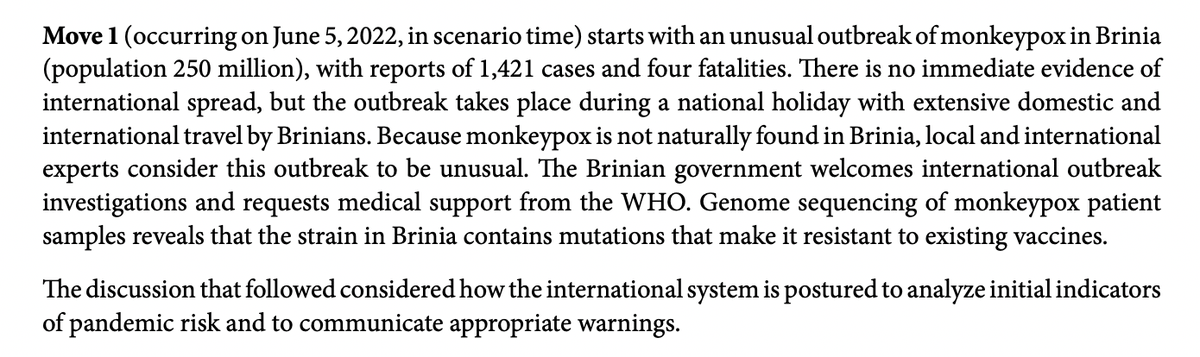
Just a coincidence, obviously, but in 2021 the WHO wargamed a scenario with a MONKEYPOX outbreak occurring in June 2022.
Let's see what were the learnings and red flags (thread)
Let's see what were the learnings and red flags (thread)
One learning was that the current IHR 2005 regulations are getting in the way of pandemic preparedness.
A point I've been stressing since April 2020
pandemic.substack.com/p/the-2005-dec…
A point I've been stressing since April 2020
pandemic.substack.com/p/the-2005-dec…

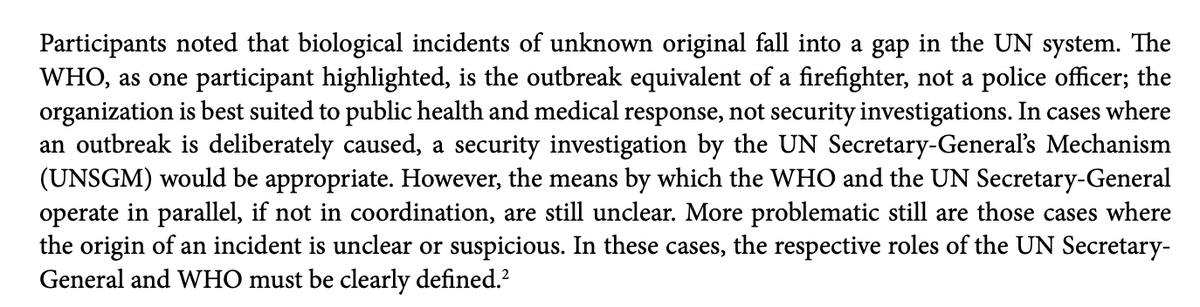
Another learning was that the WHO is not suited for origin investigation.
As we should have learned when they sent the largest-conflict-of-interest man in the world (Daszak) to investigate the Wuhan outbreak.
As we should have learned when they sent the largest-conflict-of-interest man in the world (Daszak) to investigate the Wuhan outbreak.
They stressed the importance of early action (duh) without waiting for casualties to take action.
Let's see if our countries will listen.
Let's see if our countries will listen.
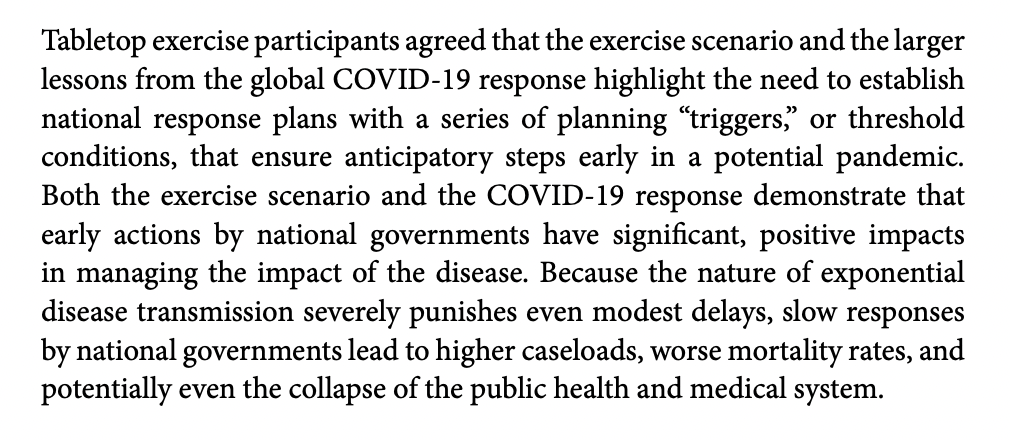
They suggested that governments use a trigger-based system.
I recommended such a thing under the name of "circuit breakers" back in February 2020: Luca-dellanna.com/circuit-breake…
I recommended such a thing under the name of "circuit breakers" back in February 2020: Luca-dellanna.com/circuit-breake…

You can read the full report here nti.org/wp-content/upl… nti.org/wp-content/upl…
They also suggested that universities and labs use stronger safety measures.
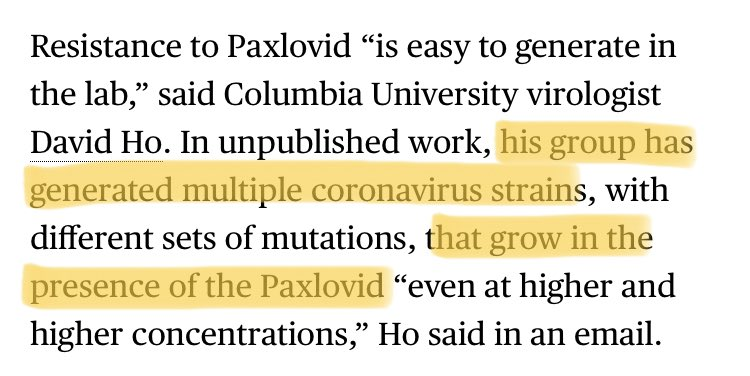
Important, as today I learned that Columbia university has no BSL-4 lab (i.e., high safety) and yet its researchers produced antiviral-resistant COVID strains, something that could put us in danger
Important, as today I learned that Columbia university has no BSL-4 lab (i.e., high safety) and yet its researchers produced antiviral-resistant COVID strains, something that could put us in danger
A big red flag: a scenario in which a single country has 1421 monkeypox cases and no cases at all in the rest of the world (see first screenshot in the thread). That’s a serious underestimation of today’s hyperconnectivity.
Lot of people are reading this and think it’s evidence that monkeypox was planned by institutions. Not at all, let’s not embark in absurd conspiracy theories.
But: if the exercise was on a monkeypox epidemic, it’s because it was considered risky.
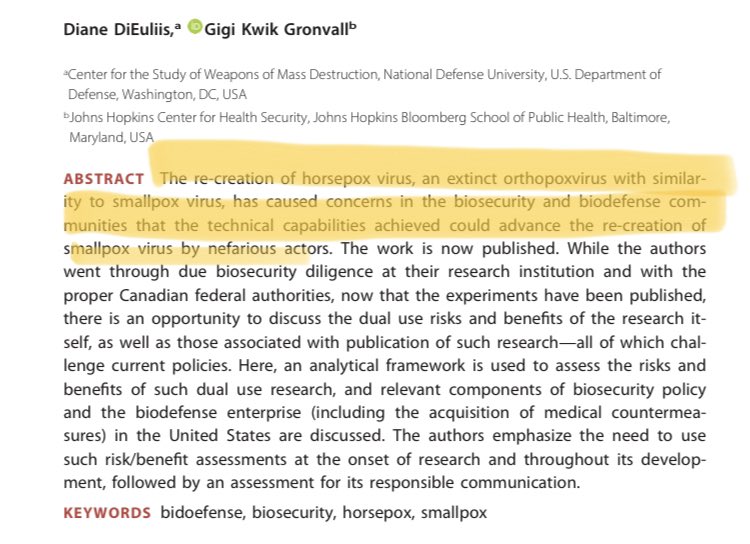
Also, this risk (2017 paper)👇
But: if the exercise was on a monkeypox epidemic, it’s because it was considered risky.
Also, this risk (2017 paper)👇
• • •
Missing some Tweet in this thread? You can try to
force a refresh