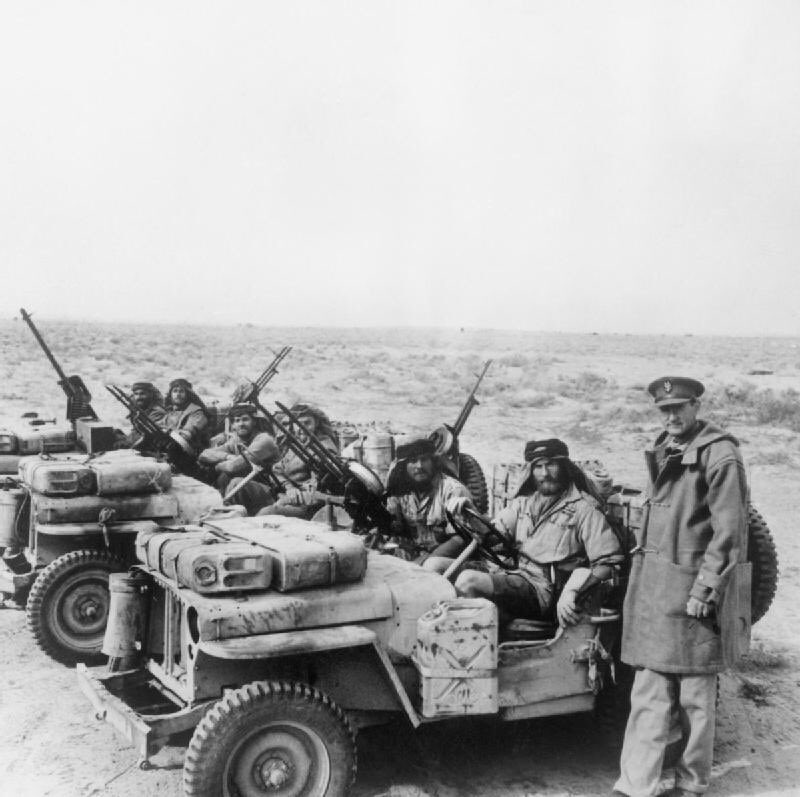
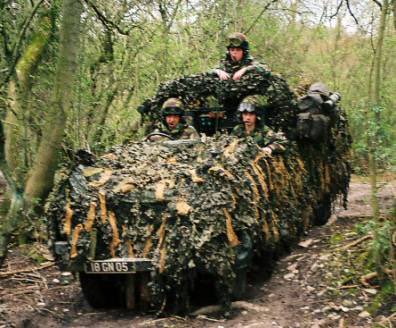
‘Coffins on Wheels’
The British Army took a lot of criticism from the press, public opinion, and - eventually - Chilcott over its continued use of Snatch Land Rover, and late development of Protected Patrol Vehicles.
Was it justified?
🧵 1/13
The British Army took a lot of criticism from the press, public opinion, and - eventually - Chilcott over its continued use of Snatch Land Rover, and late development of Protected Patrol Vehicles.
Was it justified?
🧵 1/13
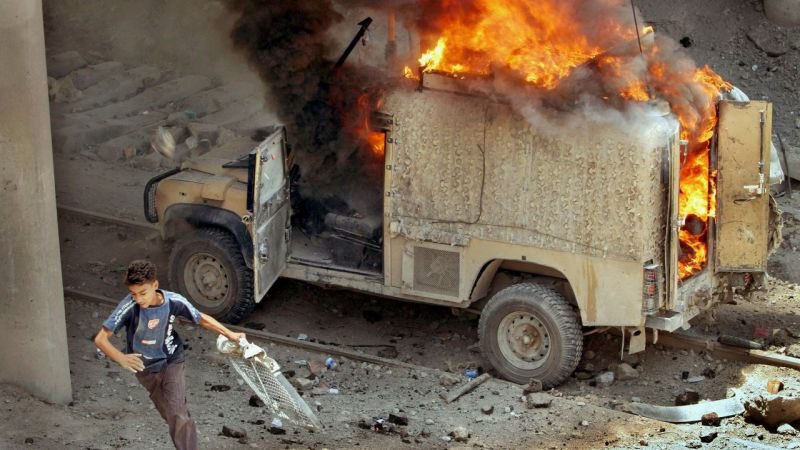
During summer ‘04, the threat in SE Iraq really began to ramp up beyond the usual SA/RPG/Molotov attacks - mostly driven by imported EFP IEDs.
2/13
2/13
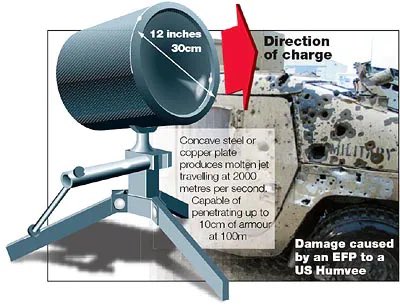
These were ‘high end’ threats - way beyond usual daisy-chained shells. Capable of penetrating between 0.5-1CDs at long stand-off.
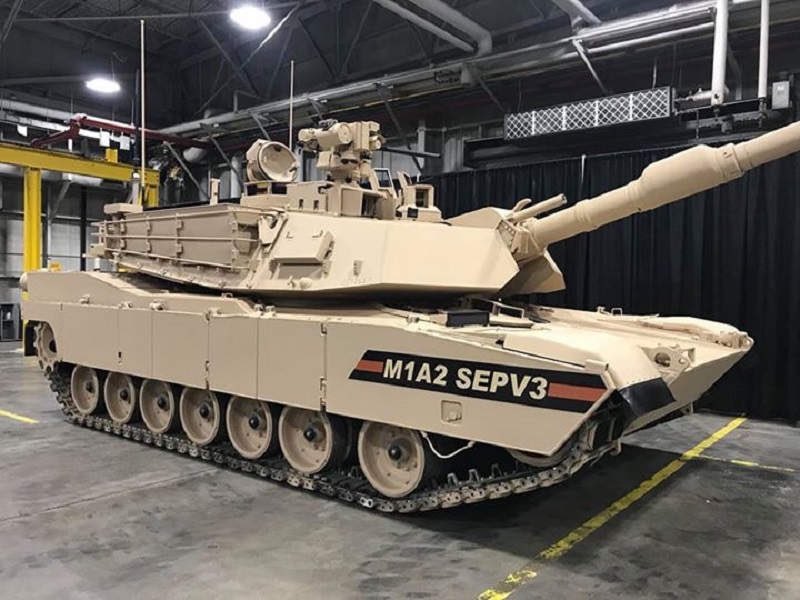
Shortly after they were discovered, Warrior was upgraded with Additional Protection (WRAP) - invisible to the observer behind bar armour. 3/13
Shortly after they were discovered, Warrior was upgraded with Additional Protection (WRAP) - invisible to the observer behind bar armour. 3/13

that WRAP has to be fitted to a vehicle as well protected as WR in the first place, indicates just how severe the threat was - and how little could be done at lighter weights.
4/13
4/13
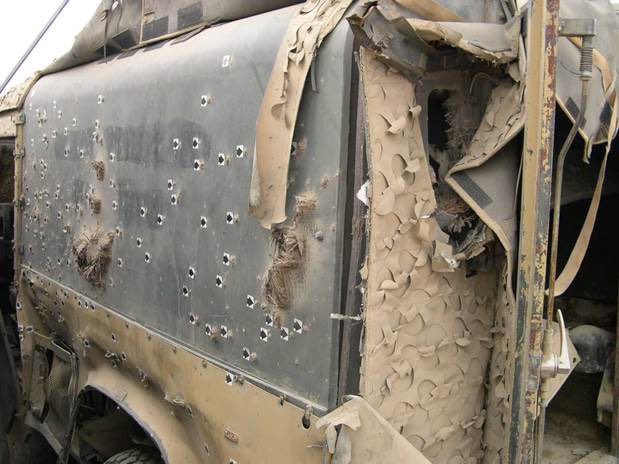
US Humvees were uparmoured several times against IEDs, but in many cases the extra steel was just grist to the behind armour debris mill - so where EFPs were the driving threat, the situation wasn’t necessarily improved…
5/13
5/13
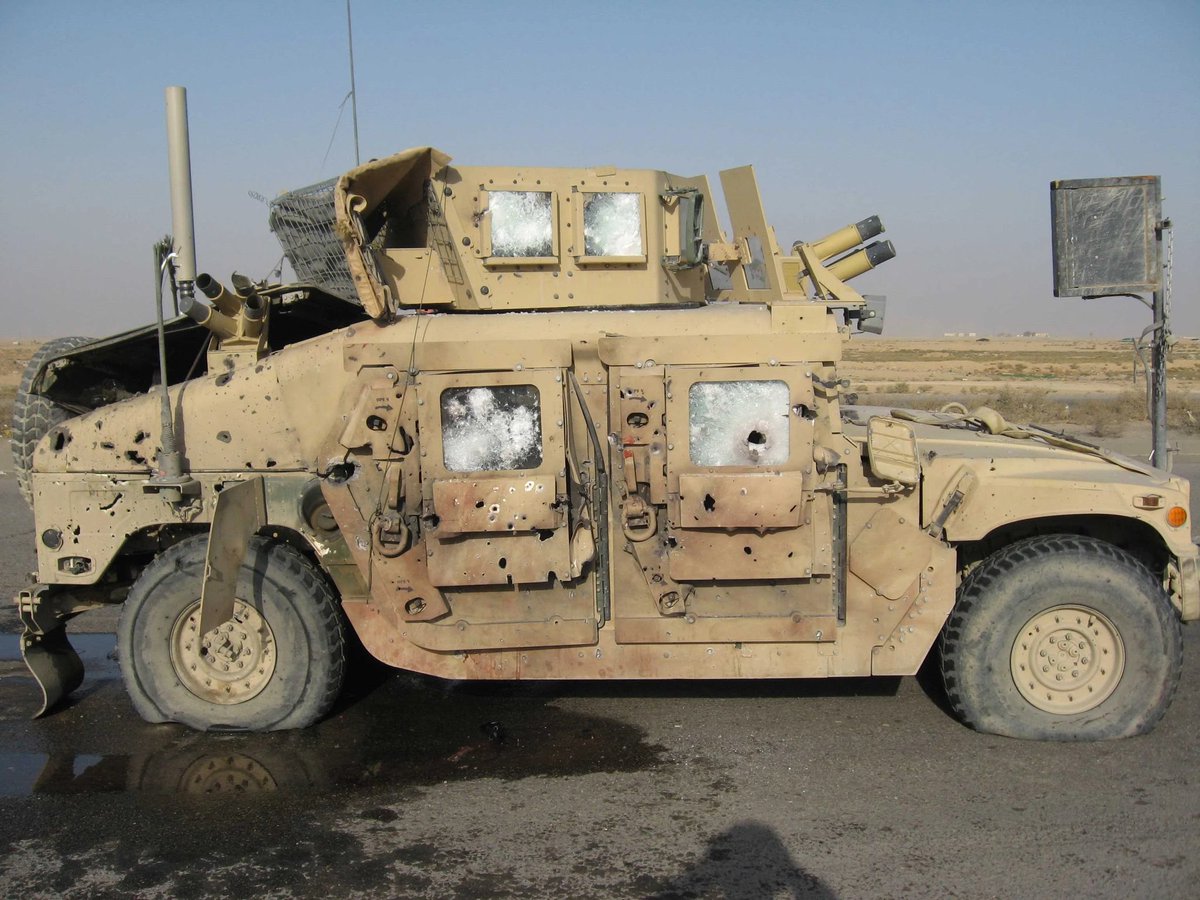
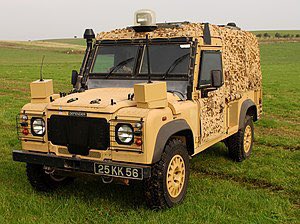
By contrast, the composite armour of Snatch was only proof against low-end ballistic threats - but when overmatched by an EFP, it would tend to allow a ‘through and through’ penetration. Clearly bad news for anyone on the shot line, but also a good chance of a miss.
6/13
6/13
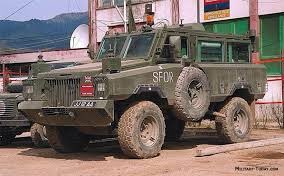
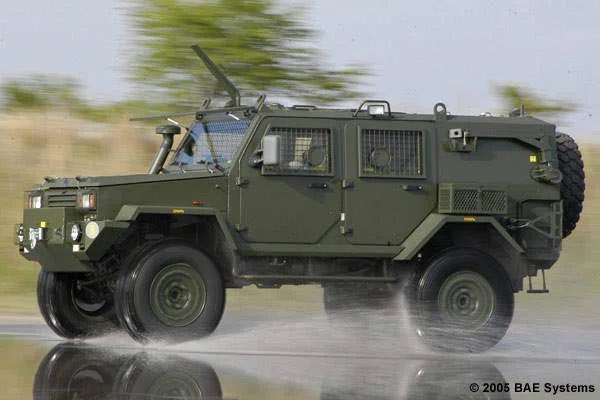
There were many calls for the Army to bring back it’s Mamba mine protected vehicles - or buy COTS RG-31/32 - but these would have made no difference against an EFP, and models available at the time could not support extra GVW needed for suitable appliqué armour.
7/13
7/13
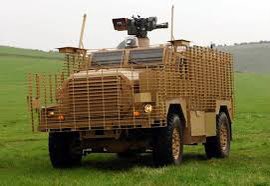
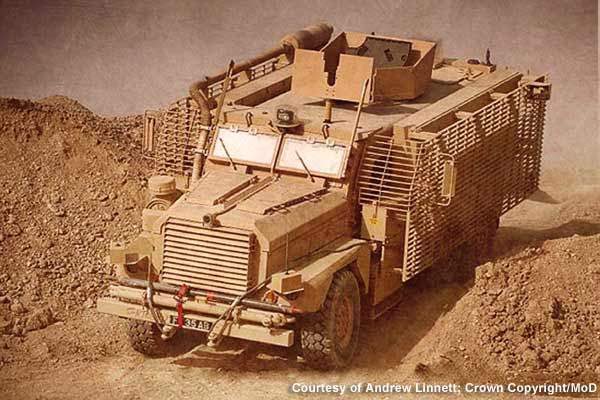
When Mastiff hit the streets in 06/07,it was a massive step up for wheeled PPVs -contrary to popular opinion, the US had only been using them for EOD teams - not general protected mobility.
But it was a big beast, and it still couldn’t replace Snatch in all environments.
8/13
But it was a big beast, and it still couldn’t replace Snatch in all environments.
8/13
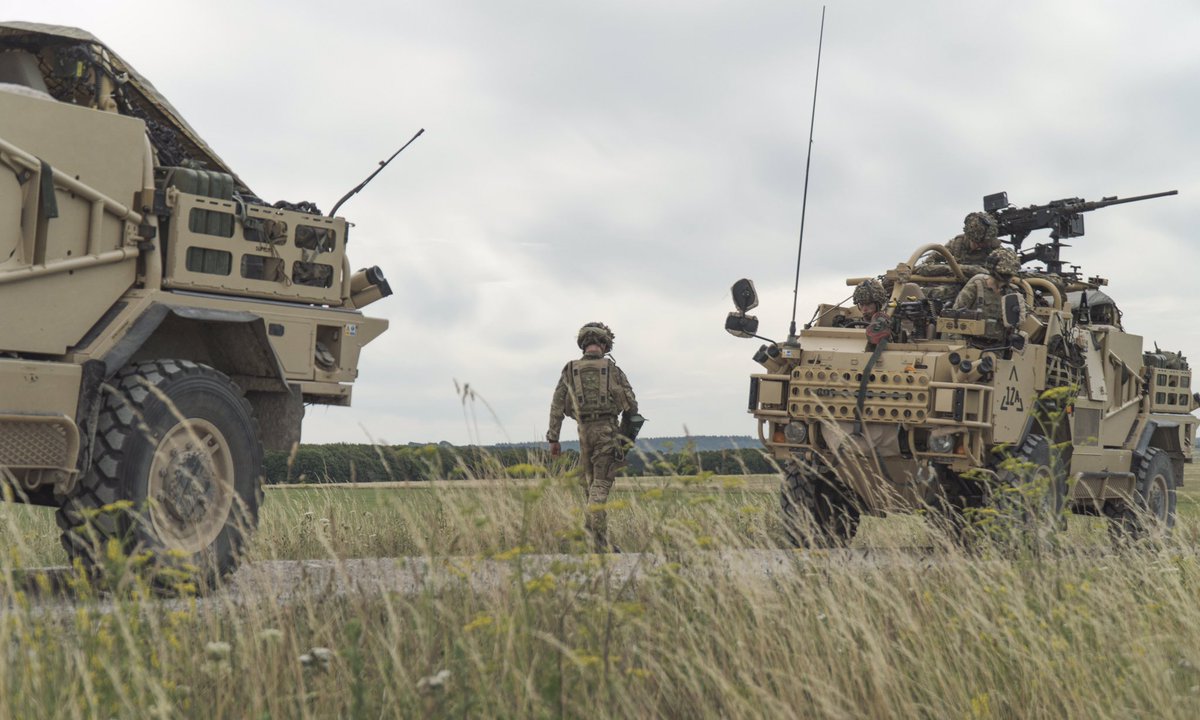
Foxhound was developed specifically for Afghanistan - where threat was mainly buried blast - and was a different beast entirely.
Designed to achieve high levels of underbody protection whilst achieving Snatch-like manoeuvrability in the urban, it did exactly what was…
9/13
Designed to achieve high levels of underbody protection whilst achieving Snatch-like manoeuvrability in the urban, it did exactly what was…
9/13

…needed in Afghanistan, but probably a few years too late. As a result, I think people died unnecessarily from *this type* of threat in a hodge-potch of barely (underbody) protected vehicles.
10/13
10/13
In summary:
The BA reacted fairly quickly in Iraq, but the threat was such that the answer was always going to be big wheeled or tracked vehicles - which couldn’t replace light PPVs. In the latter case, best defence was ECM and tactics.
11/13
The BA reacted fairly quickly in Iraq, but the threat was such that the answer was always going to be big wheeled or tracked vehicles - which couldn’t replace light PPVs. In the latter case, best defence was ECM and tactics.
11/13
In Afghanistan, the Army failed to predict a different sort of threat early enough - and the race to develop LPPV began too late.
When the answer came, we were almost done with the campaign- and the product was excellent but niche/expensive in the utility market.
12/13
When the answer came, we were almost done with the campaign- and the product was excellent but niche/expensive in the utility market.
12/13
All in all - a mixed bag - criticism is warranted in places, but (IMHO) often misplaced when the devil is in the detail…
13/13
13/13
• • •
Missing some Tweet in this thread? You can try to
force a refresh