Thread: 1/10
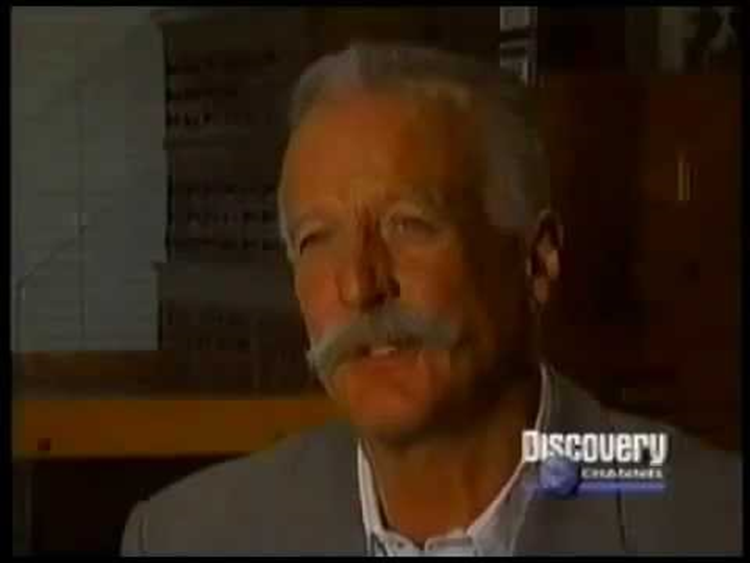
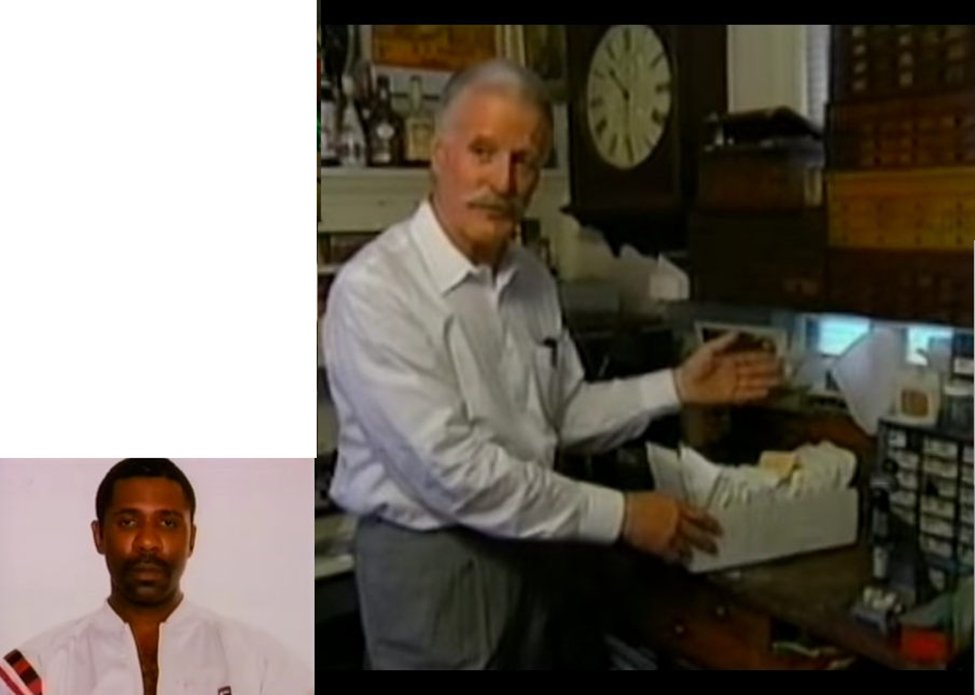
Allow me to introduce you to Lance Thomas, a watchmaker and repairer who owned a high-end store in Los Angeles.
From '89-92, he was in four shootouts with armed robbers, in which he killed a total of five and wounded one, while also being shot a total of five times.
Allow me to introduce you to Lance Thomas, a watchmaker and repairer who owned a high-end store in Los Angeles.
From '89-92, he was in four shootouts with armed robbers, in which he killed a total of five and wounded one, while also being shot a total of five times.
2/10
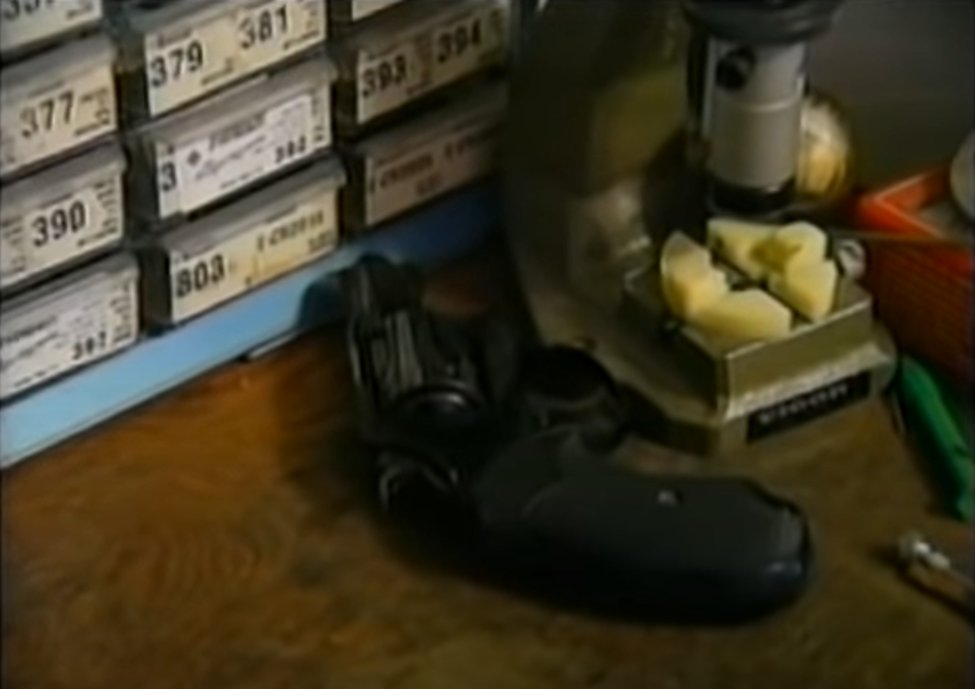
Back in the late 1980s, there was a violent crime wave in LA, in which businesses like his were robbed at gunpoint. Lance bought a small revolver, which he kept on his watchmaker’s bench.
Back in the late 1980s, there was a violent crime wave in LA, in which businesses like his were robbed at gunpoint. Lance bought a small revolver, which he kept on his watchmaker’s bench.
3/10
Gunfight 1: A few weeks later, two robbers entered Lance’s store and one pointed a gun at him. Lance had this revolver on the counter next to him and shot the robber in the face. That robber survived, and was sentenced to 5 years in prison.
Gunfight 1: A few weeks later, two robbers entered Lance’s store and one pointed a gun at him. Lance had this revolver on the counter next to him and shot the robber in the face. That robber survived, and was sentenced to 5 years in prison.

4/10
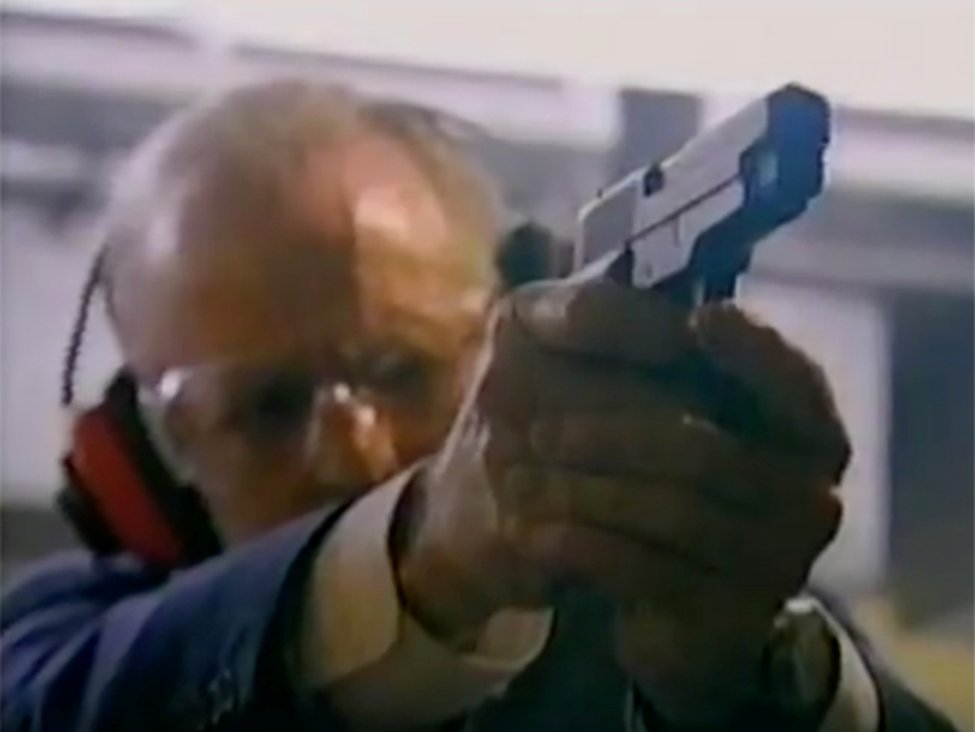
After that encounter, Lance decided that he needed to train. He joined a gym and worked out, and became a regular at the shooting range. He also bought more guns and placed them strategically around his shop.
After that encounter, Lance decided that he needed to train. He joined a gym and worked out, and became a regular at the shooting range. He also bought more guns and placed them strategically around his shop.
5/10
Gunfight 2: three months later, two more men entered the store and tried to rob him. Lance grabbed one of his guns and killed both robbers, but not before receiving near-fatal wounds in the neck and shoulder. He also managed to call LAPD during the gunfight.
Gunfight 2: three months later, two more men entered the store and tried to rob him. Lance grabbed one of his guns and killed both robbers, but not before receiving near-fatal wounds in the neck and shoulder. He also managed to call LAPD during the gunfight.
6/10
Gunfight 3: Two years later, a lone robber entered Lance’s store and tried to rob him at gunpoint. Lance shot and killed him, but was shot in the neck. Luckily the bullet his nothing vital, and Lance was back to work the following day.
Gunfight 3: Two years later, a lone robber entered Lance’s store and tried to rob him at gunpoint. Lance shot and killed him, but was shot in the neck. Luckily the bullet his nothing vital, and Lance was back to work the following day.
7/10
Gunfight 4: two robbers, both alleged gang members, were in Lance’s store, pretending to leave. At the exit, they turned around, told him, “You’re dead,” and started firing at Lance. Lance returned fire and killed both of them. He was untouched.
Gunfight 4: two robbers, both alleged gang members, were in Lance’s store, pretending to leave. At the exit, they turned around, told him, “You’re dead,” and started firing at Lance. Lance returned fire and killed both of them. He was untouched.

8/10
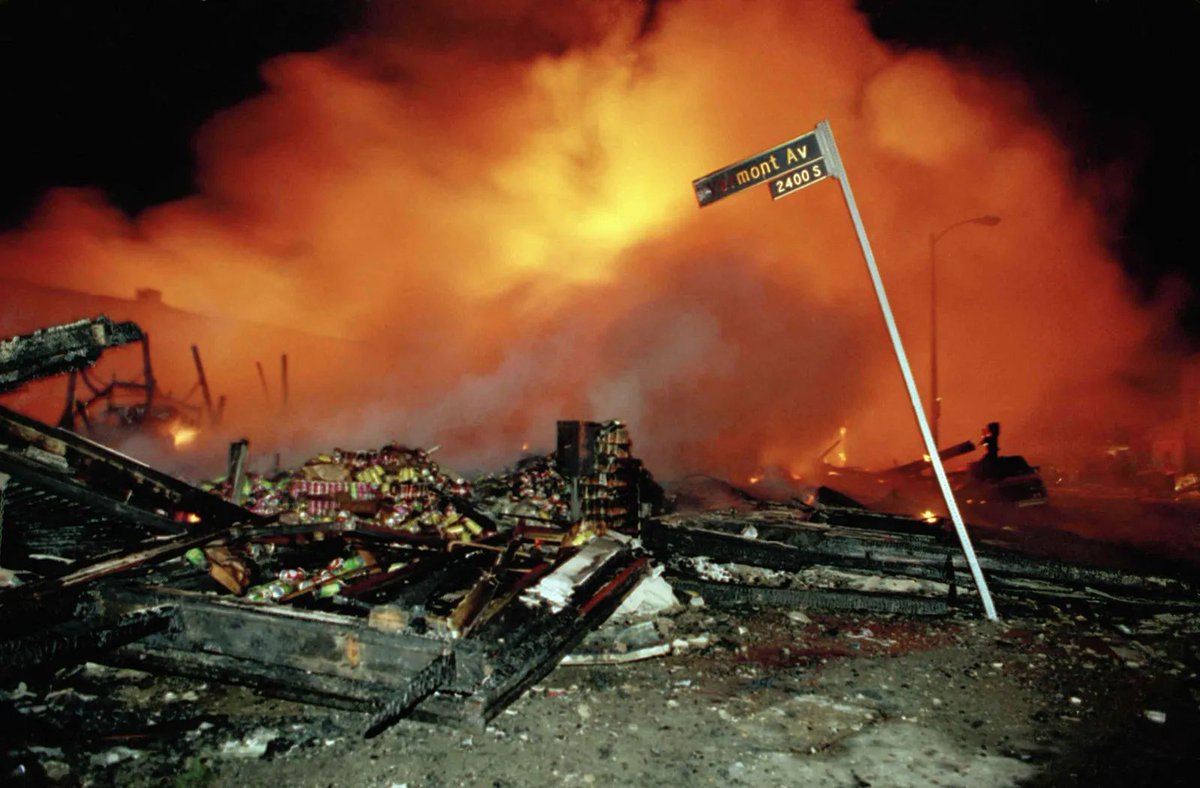
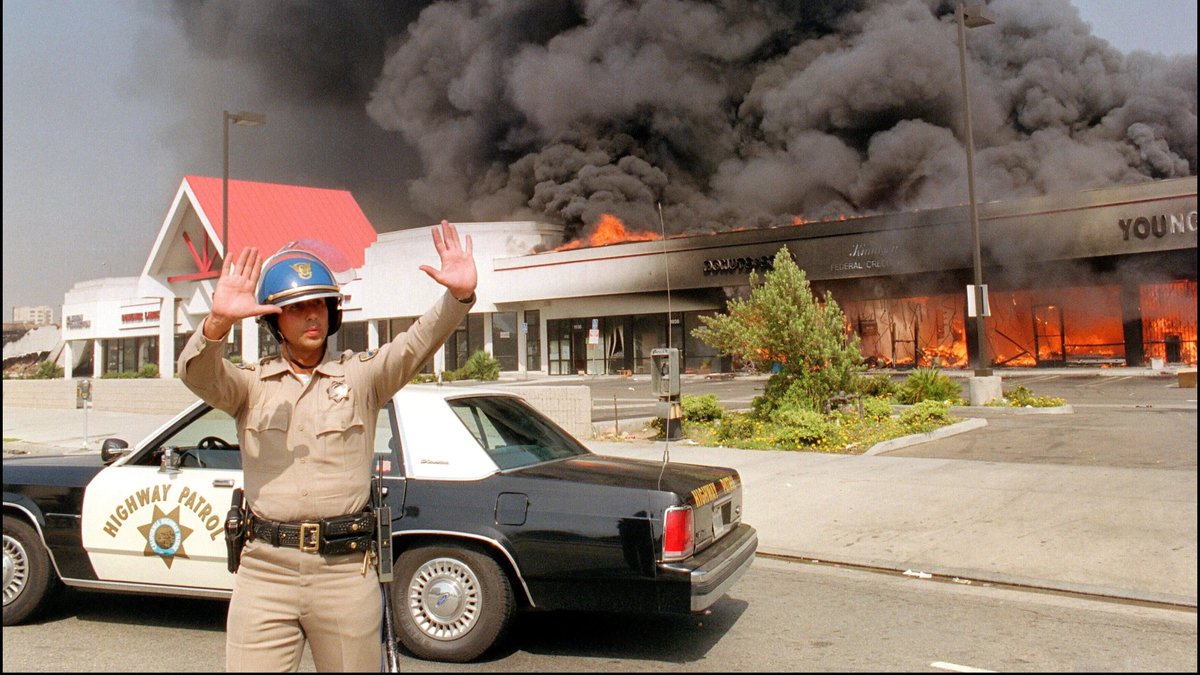
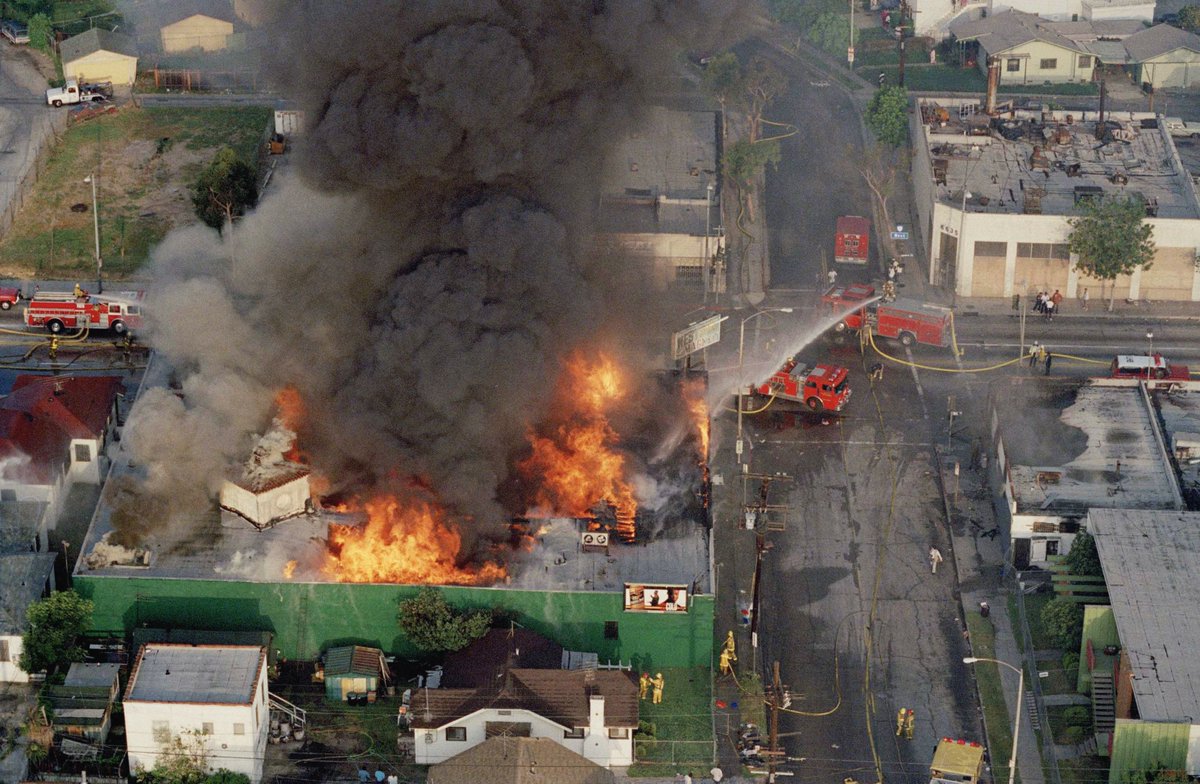
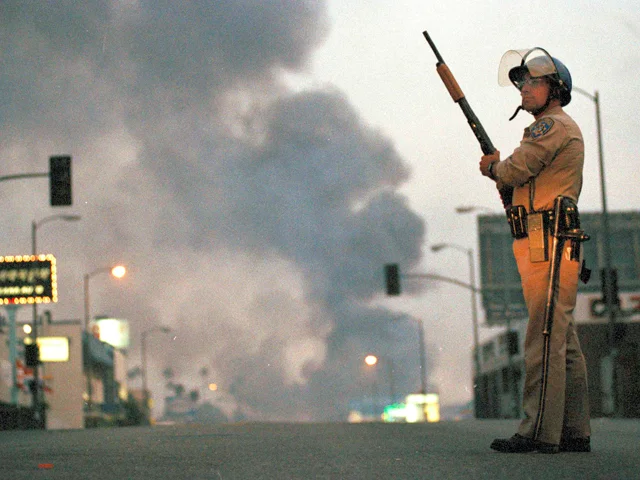
By then, there were rumors of bounties on Lance’s head from local gangs. Lance switched to doing business by appointment and closed his shop on April 27, 1992. Just two days later, the LA riots happened.
en.wikipedia.org/wiki/1992_Los_…
By then, there were rumors of bounties on Lance’s head from local gangs. Lance switched to doing business by appointment and closed his shop on April 27, 1992. Just two days later, the LA riots happened.
en.wikipedia.org/wiki/1992_Los_…
9/10
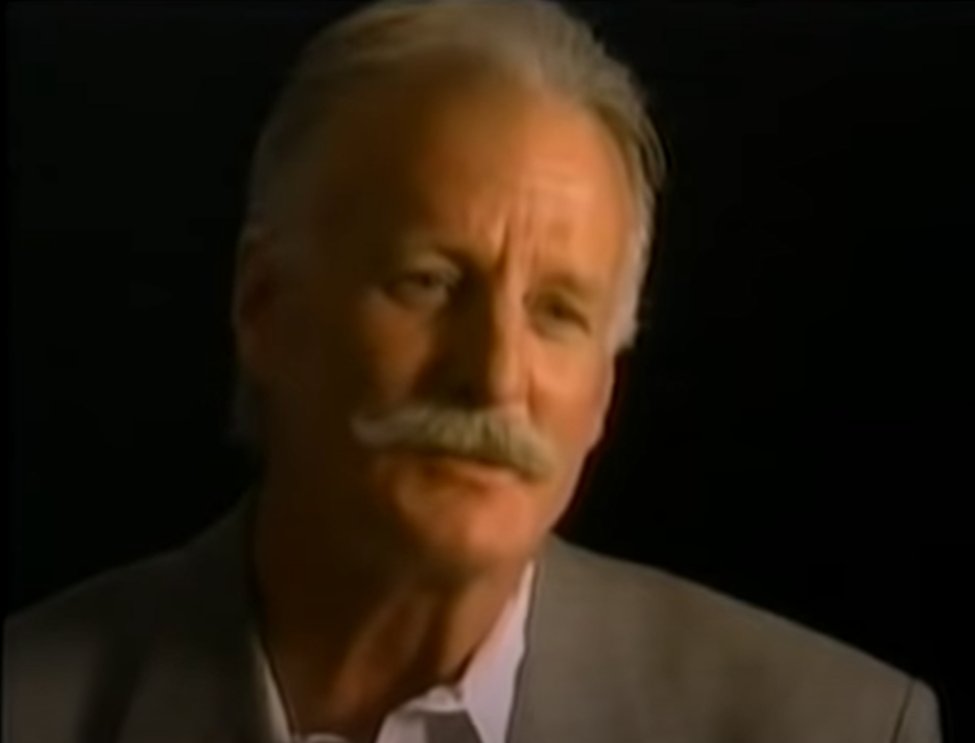
“The Justice Files” did a story on Lance. The 10 minutes they devoted to his story was both riveting and insightful.
“The Justice Files” did a story on Lance. The 10 minutes they devoted to his story was both riveting and insightful.
10/10
“I’m faced with an armed intruder. I have to make a mental decision to be a victim of his mercy, or exercise the right of self-defense and fight back. And in fighting back, part of that is a willingness to die and to kill. Hard choice.”
“I’m faced with an armed intruder. I have to make a mental decision to be a victim of his mercy, or exercise the right of self-defense and fight back. And in fighting back, part of that is a willingness to die and to kill. Hard choice.”
• • •
Missing some Tweet in this thread? You can try to
force a refresh