Freeport, one of the largest US plants exporting liquefied natural gas, exploded on Wednesday.
Freeport represents a critical piece of infrastructure in Europe's divestment from Russian oil. Yet this story is almost no where in the mainsteam news, so let's dig in.

Freeport is represents over 20% of US natural gas exports. A ten billion plus+ capex project, the plant processes two billion cubic feet a day of pipeline-quality natural gas.
the plant spits off $7.4b in revenue yearly. 80% of its shipments are direct to Europe.
As Europe attempts to divest from Russian oil, it becomes increasingly reliant on the constant stream of cargo ships from ports like Freeport.
LNG is the key to energy independence for western europe, and is crippled if we continue to lose infrastructure like freeport.
So what exactly happened at Freeport?
We still do not know. The explosion occurred at 11:40 a.m. CT at on Quintana Island, 65 miles south of Houston. The explosion caused a fire that sent black smoke billowing into the air and could be felt from dozens of miles away.

While no one was injured, the response included 26 fire departments from across the state, and reports of half a dozen federal agencies.
Freeport's Explosion, even if by natural causes, represents a massive win for Russian interests.
Analysts believe that the outage will take 12+ cargoes off the market this summer, amounting to nearly one million tons of LNG that will not be available to Europe before winter.
Natural gas spot prices in the UK have jumped more than 30 percent percent on news.
As we find out exactly what caused Freeport, it's a shocking reminder of the fragility of our core energy infrastructure. A constant reminder that we are only a few bad actors away from total collapse.
basically everyone underestimates how big of a role office selection plays in the outcomes of companies and their cultures.
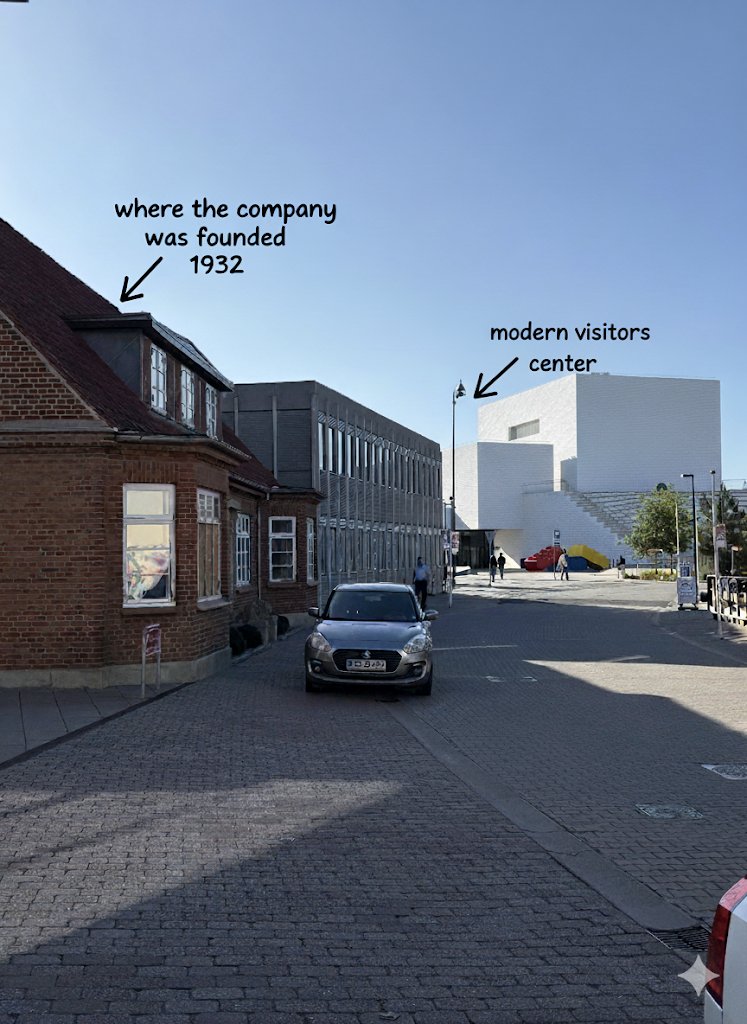
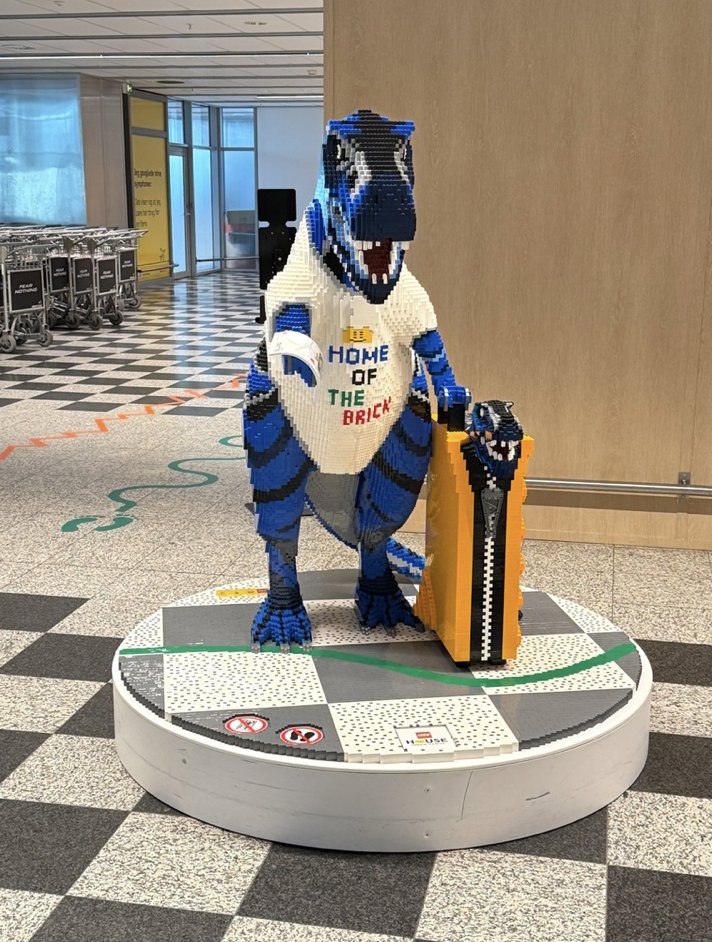
i recently had the chance to spend 24 hours at LEGO headquarters. it is a great example of how company culture is directly downstream of physical space
LEGO is a relatively strange company for the toy industry. even at ~$10b in annualized revenue, the company has never taken a dollar of equity financing, and is still family owned and controlled since 1932
the company is based in billund denmark, a farm town of just 7000.
the company and the kristiansen family through their holding company (KIRKBI) functionally own the town of Billund from the airport (majority control), to a large majority of real estate, and hotel/tourist infrastructure.
this allows them to make remarkably long term decisions
regardless of where the ai cycle ends, it is inevitable that the number of investable assets pre-ipo is going to go from 1000s to dozens pretty quickly
most of the market has intuited this, but very few are taking it deadly seriously.
my view of what’s going on here;
I’ve written about the causes of this shift elsewhere, but the story is very simple,
even if all model progress plateaus tmrw (or already has months prior) we already have a world where the marginal cost of the inputs that make up a company are orders of magnitude cheaper
this means, counterintuitively, the cost of building anything consequential is much more expensive
things that used to be cheap as a result of good software— distribution, attention, install base— are now order of magnitude more expensive and the returns they drive much greater
if you talk to every investor up >80% this year at institutional scale they all have kind of the same view in private
ai will not lead to super intelligent utopia, it’ll plateau far before then, but it will allow everyone to wirehead themselves on fake companionship, labor, etc
the question for the entire street is how do you invest in a “global opt out” in a way where the Qataris can still run billions with you.
the answer seems to be to continuously talk about super intelligence and buy the precursors instead of the sin stocks directly
you’ve seen this kind of “motte and bailey” trade before when crypto was going to rewire the entire US financial system, and wasn’t actually just a way to loot retail for exit liquidity at scale
that isn’t to say these models don’t have huge effects on cost structure
its hard to pinpoint exactly when it happened, but sometime in the last five years our world shifted from most people being resonable, high social trust actors
to grifting, scamming, and violence being the norm and i don't think we're going back to high trust society.
whatever the cause, i'm very unsympathetic to the easy explanations like "m2 supply" "trump" "plandemic" etc. there's something different going on here that started before 2016.
i am even less sympathetic to the idea that the solution is "monasteries" or some kind of "exit"
my rough view is that we've been living in an island of false stability since that started some time during the post-war-reconstruction period (maybe 46-47?) that lead to a tremendous amount of technological/cultural progress
the cultures of tech and washington are fundamentally incompatible.
in tech the foundation of a good career are reckless sharing of favors, expecting nothing in return, endorsing young ideas and people, and public networks of influence
in washington, any of these will end you
in the fullness of time tech will end up having dramatically less influence on american politics than finance or any other industry that was once a similar size.
we are used to infinite, positive sum games. tech came in like a conquering army, and will be run out by midterms
it'll be a record year for lobbying firm profits, certainly a record year for _state house_ lobbyists as tech learns their ABCs of government, and you should expect a lot of consolidation and retirements in this space.
but the # of bills will be all time low, this too will fade
the reason you feel exhausted is because you've convinced yourself being always online is the requirement for great work. great work isnt driven by 24/7 slack messages, isn't driven by coding at the party. great work is driven by intense periods of focus, followed by leisure
this is ultimately one of the weird side effects of 1) internet companies spitting off so much cash and 2) that cash being so unattributable from the individual labor/work units of a single individual.
when the faangs professionalized, they brought in professional management
general management, the product 90s MBA programs,-- is so deeply weighted in factory floor mgmt/effficiency movement/taylorism.
this means professional management obsesses with the legible inputs (meetings, messages, responsiveness) and is allergic to the magic of technology