Many of us know Ulysses S. Grant as former President of the United States.
And as the face of the $50 bill.
But what many of us don’t know about Grant is THIS rollercoaster-of a-story…
One that involves Mark Twain, a Ponzi Scheme, and a man's dire race against his own death:
And as the face of the $50 bill.
But what many of us don’t know about Grant is THIS rollercoaster-of a-story…
One that involves Mark Twain, a Ponzi Scheme, and a man's dire race against his own death:

We start in 1877.
Grant has just finished the second of two consecutive terms as US President, and - like most ex-presidents - revels in the stardom.
He parades around town, takes on speaking engagements, and of course , like any rockstar would do…
Goes on world tour.
Grant has just finished the second of two consecutive terms as US President, and - like most ex-presidents - revels in the stardom.
He parades around town, takes on speaking engagements, and of course , like any rockstar would do…
Goes on world tour.

Grant sails from port to port and city to city on a tour that lasts…get this:
2.5 years!
He visits more than 25 countries, from England to Egypt to India to China, only to return to the US in 1879…
Stressed about his finances.
2.5 years!
He visits more than 25 countries, from England to Egypt to India to China, only to return to the US in 1879…
Stressed about his finances.

"What?!" you ask.
A former US President…stressed about his finances?!
Mmhmm!
You see, back then, US Presidents didn’t have the same six-figure annual pension they have now.
And worse – that world tour Grant put himself on?
Well, it cost him quite a fortune.
A former US President…stressed about his finances?!
Mmhmm!
You see, back then, US Presidents didn’t have the same six-figure annual pension they have now.
And worse – that world tour Grant put himself on?
Well, it cost him quite a fortune.
So here we are in New York City, where Grant retires.
It’s 1879, he’s 55 years old, and he’s got little to nothing saved.
Fortunately, his friends buy he and his wife a brownstone apartment in New York, but still, the question remains:
Will the Grants end up dying…penniless?
It’s 1879, he’s 55 years old, and he’s got little to nothing saved.
Fortunately, his friends buy he and his wife a brownstone apartment in New York, but still, the question remains:
Will the Grants end up dying…penniless?

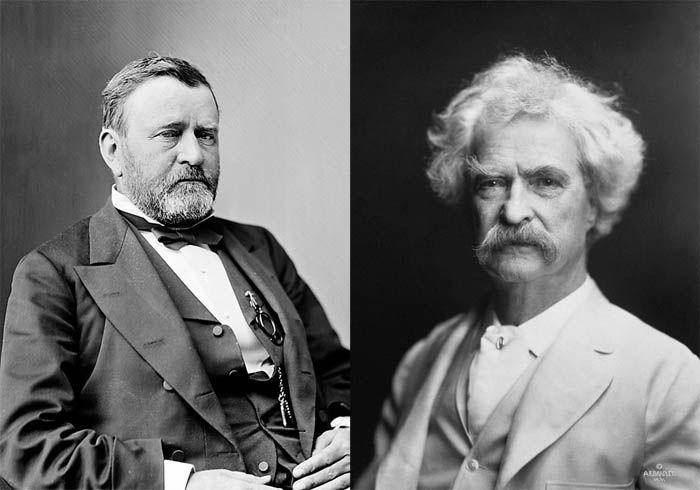
"Write a book!" a guy by the name of Mark Twain encourages Grant.
I mean, think about it:
A memoir by a decorated-Civil-War-hero-turned-US-President would make an absolute killing, right?!
But alas…
A despondent Grant refuses.
"I have no talent for writing," he says.
I mean, think about it:
A memoir by a decorated-Civil-War-hero-turned-US-President would make an absolute killing, right?!
But alas…
A despondent Grant refuses.
"I have no talent for writing," he says.
Disheartened and discouraged, Grant spends scorching New York summer afternoons and frigid New York winter nights without work…
Without income…
And without hope.
Until, of course, he meets Mr. Ferdinand Ward…
Without income…
And without hope.
Until, of course, he meets Mr. Ferdinand Ward…

Oh…Ferdinand Ward.
Where the hell do you begin when you’re talking about a dude who goes by the name of, I shit you not:
"The Young Napoleon of Finance"
A young Napoleon or not, Ward is sharp.
And well-dressed.
And - as the saying goes - he can sell ice to an eskimo.
Where the hell do you begin when you’re talking about a dude who goes by the name of, I shit you not:
"The Young Napoleon of Finance"
A young Napoleon or not, Ward is sharp.
And well-dressed.
And - as the saying goes - he can sell ice to an eskimo.

Ward gets in touch with Grant and invites him to be an investor - and NAME PARTNER - in his new Wall St. brokerage firm venture.
For Grant it's a no brainer:
All he has to do is invest $100k and in return, he can sit back, relax, and let the dough roll in?
What a deal!
For Grant it's a no brainer:
All he has to do is invest $100k and in return, he can sit back, relax, and let the dough roll in?
What a deal!
So with that, "Grant & Ward" is born…and it quickly becomes the talk of the town.
Everybody and their mother is throwing money at "Grant & Ward"...and soon enough, Grant’s $100k investment is worth a whopping $2.6 million.
That’s over $74 million today!
Everybody and their mother is throwing money at "Grant & Ward"...and soon enough, Grant’s $100k investment is worth a whopping $2.6 million.
That’s over $74 million today!

For Grant, life is good.
Real good.
He puts his feet up, sucks down cigar after cigar, eats to his heart’s content, and blushes at compliment after compliment about the sexiest new firm on "The Street" that bears his name.
Soon enough, it’ll be pay day.
Or so he thinks.
Real good.
He puts his feet up, sucks down cigar after cigar, eats to his heart’s content, and blushes at compliment after compliment about the sexiest new firm on "The Street" that bears his name.
Soon enough, it’ll be pay day.
Or so he thinks.

One day, Ward requests from his partner an emergency $150k.
There’s been a temporary cash shortfall.
Grant, who doesn’t have the money, uses his rolodex to borrow the sum and throw his firm a lifeline.
He calls William Vanderbilt: the son of the famous Cornelius Vanderbilt.
There’s been a temporary cash shortfall.
Grant, who doesn’t have the money, uses his rolodex to borrow the sum and throw his firm a lifeline.
He calls William Vanderbilt: the son of the famous Cornelius Vanderbilt.

"I care very little about Grant & Ward," Vanderbilt says.
"But to accommodate you personally, I will draw my check for the amount you ask."
A gracious Grant hands over a check to Ward, who then immediately deposits the funds…
Into his personal account.
"But to accommodate you personally, I will draw my check for the amount you ask."
A gracious Grant hands over a check to Ward, who then immediately deposits the funds…
Into his personal account.
Something’s fishy.
A day or two later, Grant heads to the Grant & Ward office at 2 Wall St…and there’s a mob.
No, it’s not a fun flash mob for YouTube.
It’s an angry mob.
And people are f-cking furious.
A day or two later, Grant heads to the Grant & Ward office at 2 Wall St…and there’s a mob.
No, it’s not a fun flash mob for YouTube.
It’s an angry mob.
And people are f-cking furious.
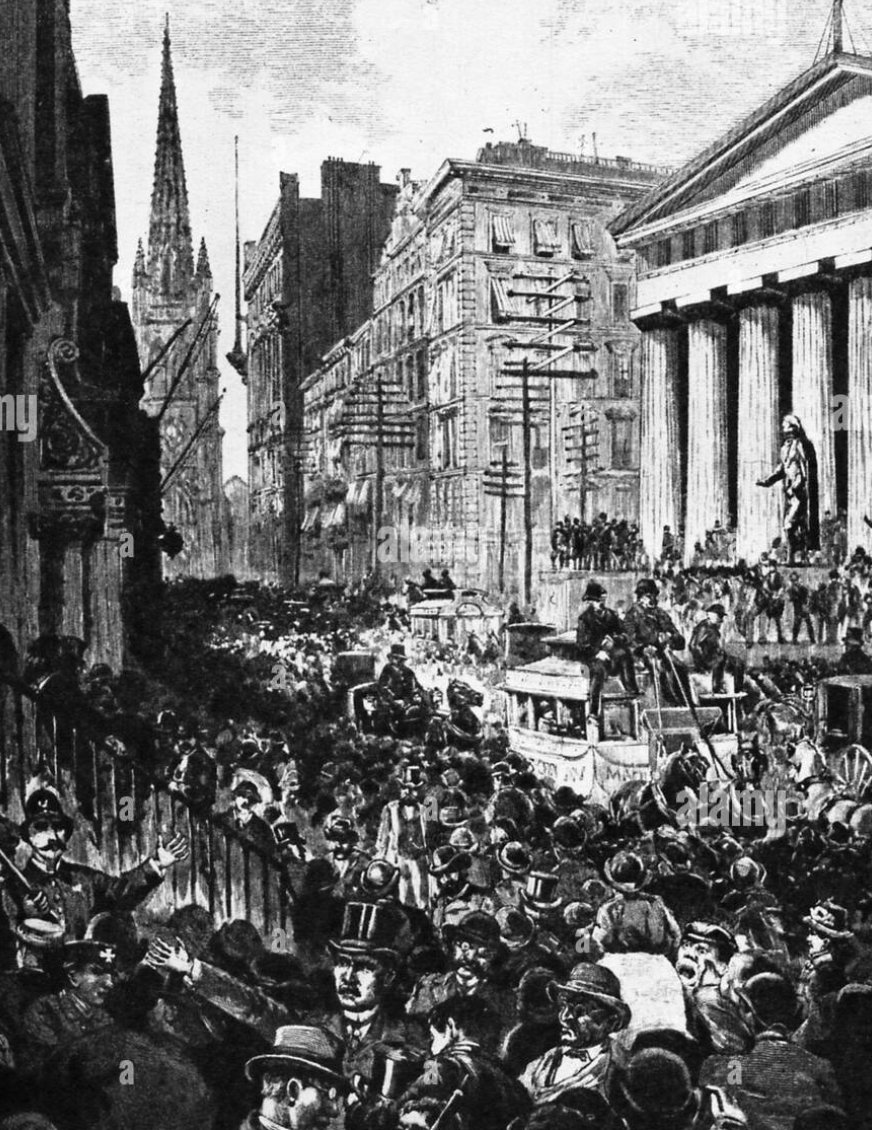
Turns out, Grant & Ward was not a brokerage firm at all, but rather a front for a devious scheme that we know today as a Ponzi Scheme.
Ward - unbeknownst to his partner - sucked countless folks dry of their life savings…
Ulysses S. Grant included.
Ward - unbeknownst to his partner - sucked countless folks dry of their life savings…
Ulysses S. Grant included.
Grant goes home with his head down and breaks the news to his wife, Julia.
They empty their pockets to see what’s left of the Grant family’s net worth.
It’s $231.
So just like that, at the blink of an eye, the ex President of the United States is dead-broke.
They empty their pockets to see what’s left of the Grant family’s net worth.
It’s $231.
So just like that, at the blink of an eye, the ex President of the United States is dead-broke.

Worse yet?
Grant had borrowed $150k from one of the most powerful business magnates on the planet: Vanderbilt.
Naturally, Grant is unable to pay him back.
As compensation for the loan, Grant offers to SIGN HIS HOUSE over to Vanderbilt…but Vanderbilt wants something different.
Grant had borrowed $150k from one of the most powerful business magnates on the planet: Vanderbilt.
Naturally, Grant is unable to pay him back.
As compensation for the loan, Grant offers to SIGN HIS HOUSE over to Vanderbilt…but Vanderbilt wants something different.

In a shocking turn of events, Vanderbilt asks Grant to forfeit his Civil War medals to the Smithsonian Institution.
So now, not only is the ex President of the United States penniless, but he’s also without his most prized memento.
Grant is devastated…ashamed…
And desperate.
So now, not only is the ex President of the United States penniless, but he’s also without his most prized memento.
Grant is devastated…ashamed…
And desperate.
With zero dollars to his name and a family for whom he wants to leave something - ANYTHING, really - behind, Grant swallows his pride and reconsiders his friend Mark Twain’s advice:
Grant is going to put paper to pen…
And start writing.
Grant is going to put paper to pen…
And start writing.

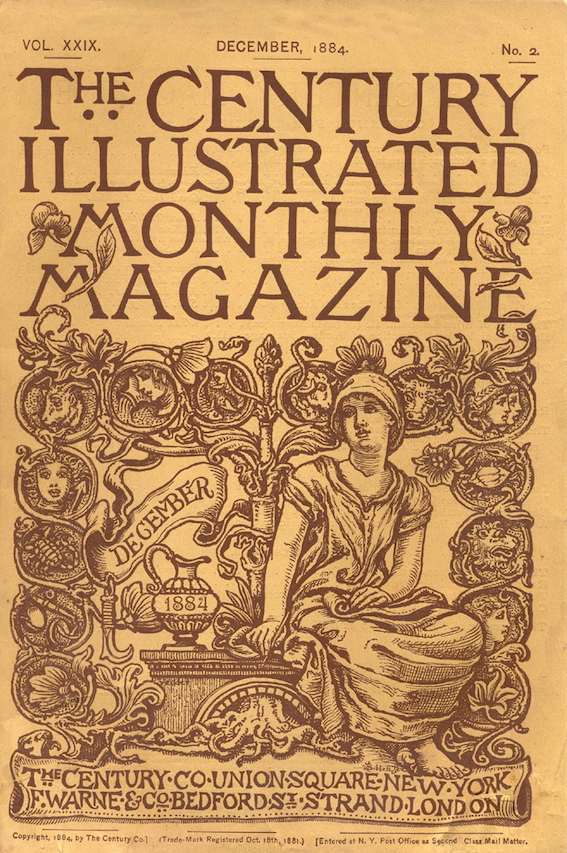
Grant approaches Century Magazine and offers to write articles about his Civil War experience at $500 per pop.
Century agrees…and then decides to turn the articles into a BOOK, with Grant agreeing to a 10% royalty.
Century agrees…and then decides to turn the articles into a BOOK, with Grant agreeing to a 10% royalty.
Grant is ecstatic.
He figures if the book can be a financial success, he’ll make up for his losses AND be able to leave a nest egg behind for his family.
His friend Mark Twain - who has all sorts of experience with book publishing - thinks differently.
He figures if the book can be a financial success, he’ll make up for his losses AND be able to leave a nest egg behind for his family.
His friend Mark Twain - who has all sorts of experience with book publishing - thinks differently.
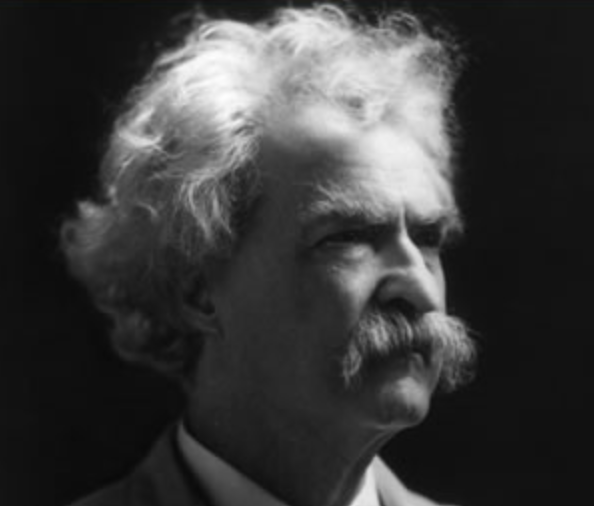
He tells Grant a 10% royalty is INSANE.
10% is what "they would have offered to any unknown Comanche Indian."
And unknown Grant was not.
Twain makes Grant a staggering 70%-of-proceeds-offer (!!!) with his publishing company, and naturally, Grant euphorically agrees.
10% is what "they would have offered to any unknown Comanche Indian."
And unknown Grant was not.
Twain makes Grant a staggering 70%-of-proceeds-offer (!!!) with his publishing company, and naturally, Grant euphorically agrees.
Grant starts writing.
He’s pumping out word after word after word until one day, his throat begins to bother him.
And it’s not just a tickle-in-your-throat type of nuisance.
It’s a deep and harrowing pain - one that makes it feel like you’ve got a golf ball in your throat.
He’s pumping out word after word after word until one day, his throat begins to bother him.
And it’s not just a tickle-in-your-throat type of nuisance.
It’s a deep and harrowing pain - one that makes it feel like you’ve got a golf ball in your throat.
Grant visits a specialist…and the diagnosis is exactly what you think it is:
Throat cancer.
Grant becomes weaker by the day.
He and everyone else around him know:
He doesn’t have much longer to live.
Throat cancer.
Grant becomes weaker by the day.
He and everyone else around him know:
He doesn’t have much longer to live.
With whatever semblance of strength Grant has remaining, he puts it solely into writing.
He knows the only option he has to leave something behind for his family…is to finish that damn book…
Before, of course, his imminent and impending death.
He knows the only option he has to leave something behind for his family…is to finish that damn book…
Before, of course, his imminent and impending death.
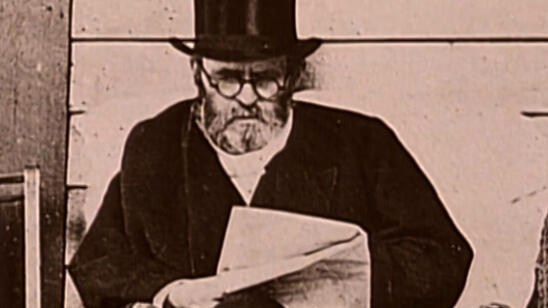
Grant wakes up at the crack of dawn everyday and laboriously spends 4 hours each morning writing.
Then, in the afternoon, one of his children reads his work back to him to ensure he’s getting it all right.
For Grant, getting the book done is important, but so too is accuracy.
Then, in the afternoon, one of his children reads his work back to him to ensure he’s getting it all right.
For Grant, getting the book done is important, but so too is accuracy.
Twain checks in on Grant every now and again, and he’s shocked –
Not just with how fast Grant can write…but with how damn beautifully he can write, too.
Twain comments that Grant’s writing has an unparalleled "clarity of statement, directness, [and] simplicity…"
Not just with how fast Grant can write…but with how damn beautifully he can write, too.
Twain comments that Grant’s writing has an unparalleled "clarity of statement, directness, [and] simplicity…"
Soon enough, it gets to the point where Grant’s cancer is spreading faster than he can write.
When the pain keeps him up at night, a doctor applies a muriate of cocaine to his throat.
He weighs a measly 130lbs.
He can't stand on his own two feet.
But Grant keeps writing.
When the pain keeps him up at night, a doctor applies a muriate of cocaine to his throat.
He weighs a measly 130lbs.
He can't stand on his own two feet.
But Grant keeps writing.

Towards the end - with his own death knowingly upon him - Grant becomes too weak to write on his own and instead, onerously whispers his words to a friend that writes on his behalf.
"His hand grew more and more trembling as he neared his death," the friend says.
"His hand grew more and more trembling as he neared his death," the friend says.
By June of 1885, Grant has written 275,000 words across two volumes…
In less than a year.
For perspective, an author typically puts together 100,000 or so words across the span of SEVERAL years.
No talent for writing, Mr. Grant?
I beg to differ.
In less than a year.
For perspective, an author typically puts together 100,000 or so words across the span of SEVERAL years.
No talent for writing, Mr. Grant?
I beg to differ.
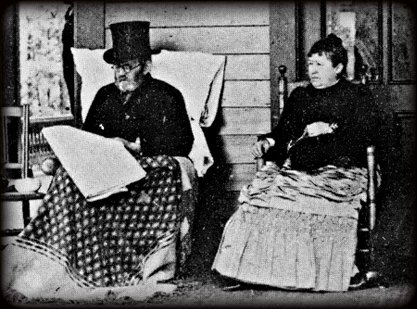
By July, Grant’s works are finished.
His children read him the first volume on his deathbed, before he succumbs to his cancer on July 23, 1885.
Grant dies without ever hearing his second volume…or without knowing if his work would be enough to support his family.
His children read him the first volume on his deathbed, before he succumbs to his cancer on July 23, 1885.
Grant dies without ever hearing his second volume…or without knowing if his work would be enough to support his family.
But just several months later, we'd find out.
"Personal Memoirs of Ulysses S. Grant" is published.
And the grieving public - who admired Grant, despite a less-than-stellar Presidency - buys it in droves.
"Personal Memoirs of Ulysses S. Grant" is published.
And the grieving public - who admired Grant, despite a less-than-stellar Presidency - buys it in droves.

Soon after, Twain presents Julia with a $200,000 check ($5.7m today).
Back then, it's the largest royalty payment EVER made.
In Julia’s lifetime, she’ll receive a grand total of $450,000 ($13m today) for Grant's work…
Work that was done predominately from his deathbed.
Back then, it's the largest royalty payment EVER made.
In Julia’s lifetime, she’ll receive a grand total of $450,000 ($13m today) for Grant's work…
Work that was done predominately from his deathbed.
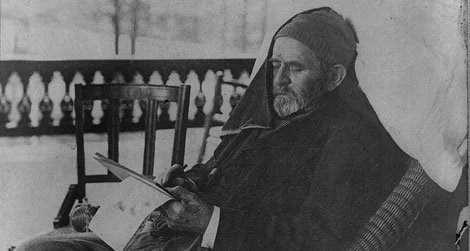
137 years later, this specific Grant story is so rarely told.
But Grant’s memoir - the one he fought so hard to craft in a race against his own death?
Well, it’s still being told.
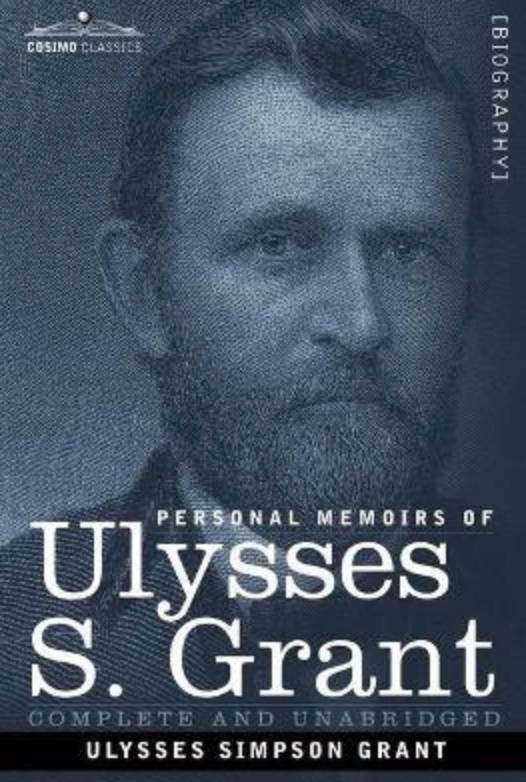
"The Personal Memoirs of Ulysses S. Grant" remains in print to this very day.
But Grant’s memoir - the one he fought so hard to craft in a race against his own death?
Well, it’s still being told.
"The Personal Memoirs of Ulysses S. Grant" remains in print to this very day.
Like this story? Learn something new today?
Follow me @DavidZabinsky.
I tell the types of stories you didn't learn in school (or hear in the news).
Follow me @DavidZabinsky.
I tell the types of stories you didn't learn in school (or hear in the news).
I learned this story from the one and only @DamnInteresting (which has recently become my favorite blog in the world).
The piece below was written brilliantly by @michaelpdurbin:
damninteresting.com/the-reconstruc…
The piece below was written brilliantly by @michaelpdurbin:
damninteresting.com/the-reconstruc…
• • •
Missing some Tweet in this thread? You can try to
force a refresh