

Japan's stake in a Russian energy project is in limbo after Putin signed a decree to transfer it to a new entity
But it isn't just any old asset. Japan spent a century and a fortune developing the oil & gas plant in the name of energy security
Now that's unravelling. Thread 🧵
But it isn't just any old asset. Japan spent a century and a fortune developing the oil & gas plant in the name of energy security
Now that's unravelling. Thread 🧵

Quick overview:
Putin signed an order this week to transfer the rights to the Sakhalin-2 LNG export project to a new Russian company, which could force foreign owners to abandon their investment
Japanese trading houses have a 22.5% stake in Sakhalin 🇯🇵
bloomberg.com/news/articles/…
Putin signed an order this week to transfer the rights to the Sakhalin-2 LNG export project to a new Russian company, which could force foreign owners to abandon their investment
Japanese trading houses have a 22.5% stake in Sakhalin 🇯🇵
bloomberg.com/news/articles/…

Sakhalin is strategically important for Japan because it is the closest LNG project (you can basically see it from Hokkaido)
It takes just 2 days for an LNG shipment from Sakhalin to reach Japan. It takes a month from the US
Sakhalin supplies nearly 10% of Japan's LNG 🚢
It takes just 2 days for an LNG shipment from Sakhalin to reach Japan. It takes a month from the US
Sakhalin supplies nearly 10% of Japan's LNG 🚢

Now the history lesson:
The first oil drilling rig was built in Sakhalin, an island to Russia's far east, in 1889. Oil was discovered in the 1890s, and the resources were developed over the next several decades
The Japanese quickly took interest 👀
The first oil drilling rig was built in Sakhalin, an island to Russia's far east, in 1889. Oil was discovered in the 1890s, and the resources were developed over the next several decades
The Japanese quickly took interest 👀
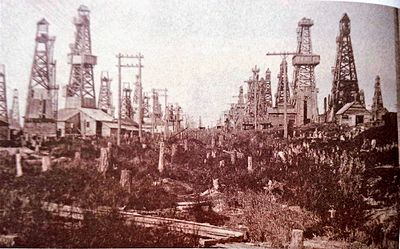
In 1919, the government in Siberia granted rights to develop the north Sakhalin oil fields to a Japanese government-backed commercial consortium called the Hokushinkai, which was led by the Mitsubishi zaibatsu
Thie was convenient, since domestic Japanese production was declining
Thie was convenient, since domestic Japanese production was declining

A peace treaty with Soviet Russia in 1925 formalized Japan's stake in Sakhalin energy
Under the agreement, Japanese forces pulled back to Karafuto, but a new company (known as North Sakhalin Oil Company) retained rights to half of the north Sakhalin oil fields
Under the agreement, Japanese forces pulled back to Karafuto, but a new company (known as North Sakhalin Oil Company) retained rights to half of the north Sakhalin oil fields
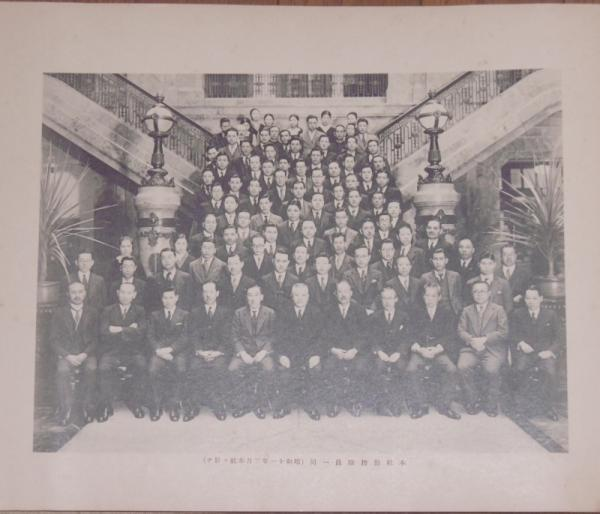
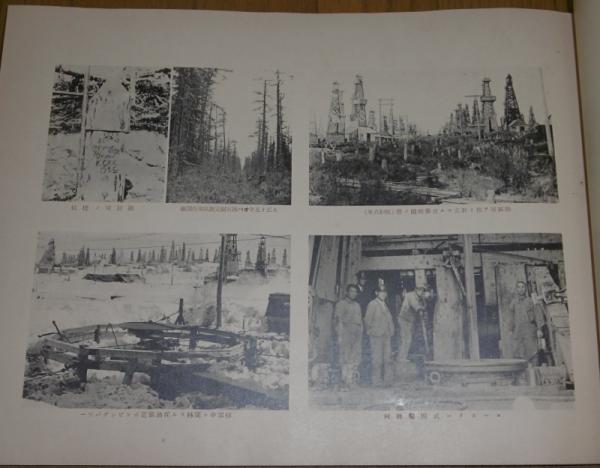
Between 1926 and 1944, over a million tons of oil was exported from Sakhalin to Japan
That all fell apart at the end of World War II
That all fell apart at the end of World War II
Decades later, Japan didn't forget about the energy sources essentially in its backyard
At the first Japan-USSR Economic Joint Conference in 1966, the two nations discussed developing oil and gas in Sakhalin. This time Marubeni (another Japanese trading house) was interested
At the first Japan-USSR Economic Joint Conference in 1966, the two nations discussed developing oil and gas in Sakhalin. This time Marubeni (another Japanese trading house) was interested

Japan and the Soviet Union signed a preliminary deal to explore Sakhalin in 1972
But things accelerated after the oil shock of 1973 pushed Japan to search for nearby energy assets. In 1975, the two nations agreed for Japan to participate in oil and gas exploration in Sakhalin
But things accelerated after the oil shock of 1973 pushed Japan to search for nearby energy assets. In 1975, the two nations agreed for Japan to participate in oil and gas exploration in Sakhalin

Seventeen Japanese companies created Sodeco (Sakhalin Oil Dvelopment Co-Operation Co.), which partnered with the USSR to jointly look for oil and gas
Sodeco was 44% owned by the Japanese government
Efforts soon paid off. Several large oil fields were found in the late 1970s
Sodeco was 44% owned by the Japanese government
Efforts soon paid off. Several large oil fields were found in the late 1970s

But then the US imposed economic sanctions against the USSR. And all that progress grinded to a halt
In 1982 export restrictions were extended to the Sakhalin project, which didn't make anything any easier for the Japanese government
In 1982 export restrictions were extended to the Sakhalin project, which didn't make anything any easier for the Japanese government

Despite all of this, the Sakhalin-2 project was essentially born in 1984 with some test wells, spearheaded by Mitsui (another Japanese trading house)
In the next decade, Mitsui brought onboard Marathon Oil, Mitsubishi, Shell
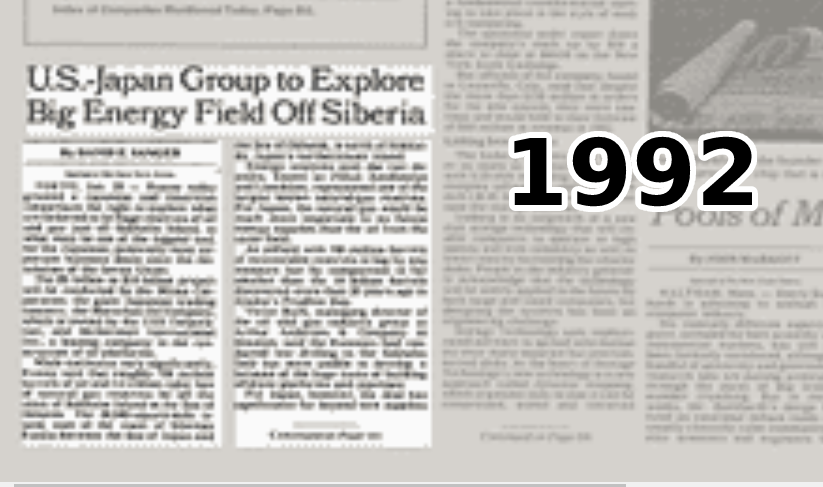
The group got rights to develop the gas field in 1992
In the next decade, Mitsui brought onboard Marathon Oil, Mitsubishi, Shell
The group got rights to develop the gas field in 1992
Mitsui and partners formed Sakhalin Energy Investment Co. in 1994 to own and operate the Sakhalin-2 project
(Remember: Putin just signed a decree to transfer Sakhalin-2 from Sakhalin Energy Investment to a new Russian company)
(Remember: Putin just signed a decree to transfer Sakhalin-2 from Sakhalin Energy Investment to a new Russian company)
From here, things went pretty smoothly
In 1999, first oil was produced at the Piltun-Astokhskoye field 🚢
But Mitsui really wanted to develop a natural gas field, liquefy that gas, then ship it abroad
Japan's government wanted that gas, and the partners wanted the money 💰
In 1999, first oil was produced at the Piltun-Astokhskoye field 🚢
But Mitsui really wanted to develop a natural gas field, liquefy that gas, then ship it abroad
Japan's government wanted that gas, and the partners wanted the money 💰
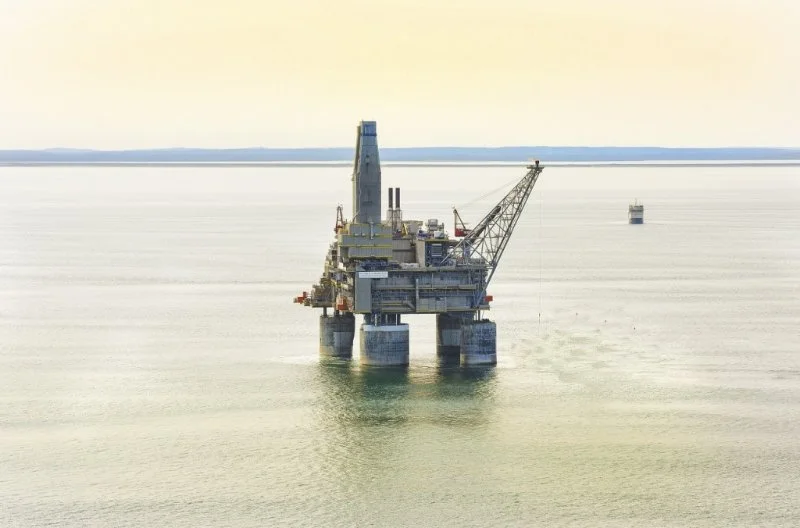
In 2003, the Sakhalin partners formally agreed to launch phase two of the project: a massive liquefied natural gas export facility
They soon started construction of two LNG export trains, and were racking up contracts with Japanese importers
bloomberg.com/press-releases…
They soon started construction of two LNG export trains, and were racking up contracts with Japanese importers
bloomberg.com/press-releases…
(The Sakhalin II LNG project represented the largest single foreign direct investment project in Russia, requiring tens of billions of dollars)
Then something funny happened. Russia also wanted a stake in the Sakhalin-2 LNG export plant, which was poised to be a cash cow
In 2006, Vladimir Putin withdrew the permit to develop the Sakhalin-2 project due to environmental concerns
(Sound familiar?)
theguardian.com/business/2006/…
In 2006, Vladimir Putin withdrew the permit to develop the Sakhalin-2 project due to environmental concerns
(Sound familiar?)
theguardian.com/business/2006/…
But all of those environmental concerns quickly disappeared when Gazprom was allowed to take a 50% (plus one share) stake in Sakhalin Energy Investment for $7.45 billion, which was seen as cheap at the time
Gazprom purchased the stake from Shell, Mitsui and Mitsubishi
Gazprom purchased the stake from Shell, Mitsui and Mitsubishi

After Gazprom gained majority ownership of Sakhalin, Putin returned the permit and development of the LNG facility continued relatively smoothly
LNG exports began in 2009 (a small delay from the 2007 target, but who is counting?)
theguardian.com/business/2006/…
LNG exports began in 2009 (a small delay from the 2007 target, but who is counting?)
theguardian.com/business/2006/…
For the last 13 years, Sakhalin-2 has been a reliable source of LNG for Japan

Even after Russia invaded Ukraine, Japan Prime Minister Kishida has called it “an extremely important project for energy security,” and said the government has no plans to leave the project
reuters.com/world/asia-pac…
reuters.com/world/asia-pac…
So now we are back to where the thread began 🧵
Putin this week issued a decree that threatens Japan’s ownership of the Sakhalin LNG plant
Japan’s government and businesses spent decades developing it
Will they be able to easily abandon it? Or will they negotiate to stay?
Putin this week issued a decree that threatens Japan’s ownership of the Sakhalin LNG plant
Japan’s government and businesses spent decades developing it
Will they be able to easily abandon it? Or will they negotiate to stay?

Japan’s government hasn’t said whether they will try to join the new Russian company that will hold Sakhalin
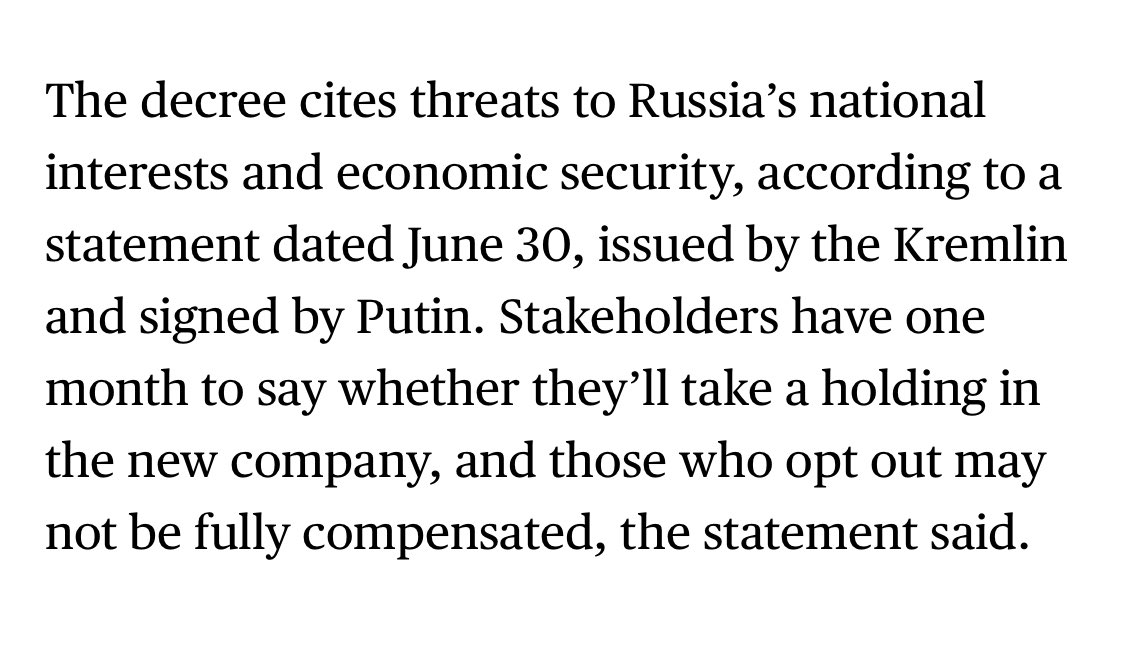
Putin’s decree gives them a month to decide and apply. But it’s also ultimately Russia’s call whether to let them in
Putin’s decree gives them a month to decide and apply. But it’s also ultimately Russia’s call whether to let them in
Japan’s trade minister said yesterday they will try to diversify supply away from Russia 🇯🇵 👀
Even if Japan ultimately leaves Sakhalin, history has shown that the government will never stop thinking about how to tap the resources just a hair north of Hokkaido
Even if Japan ultimately leaves Sakhalin, history has shown that the government will never stop thinking about how to tap the resources just a hair north of Hokkaido


• • •
Missing some Tweet in this thread? You can try to
force a refresh



