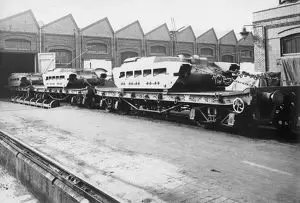
1/The railway loading guage thread 🧵
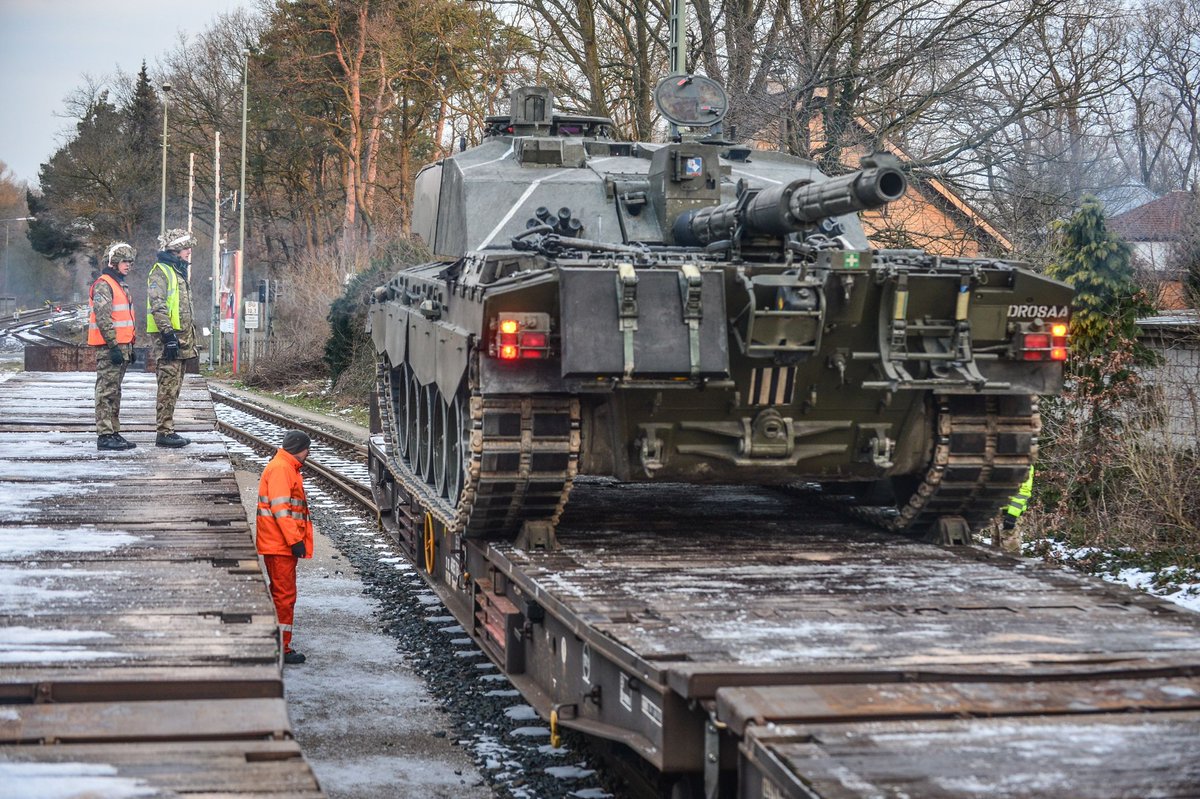
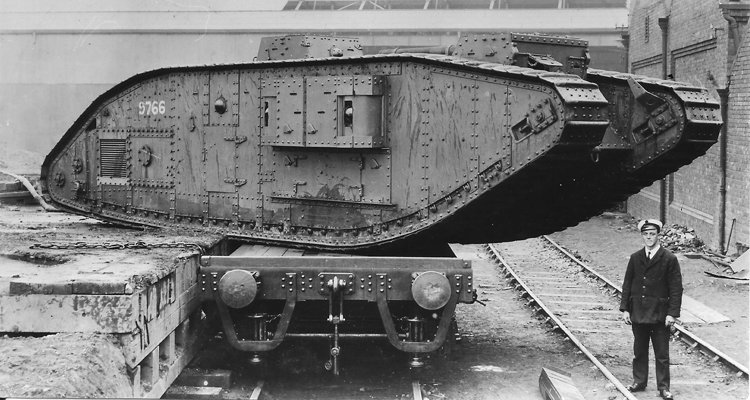
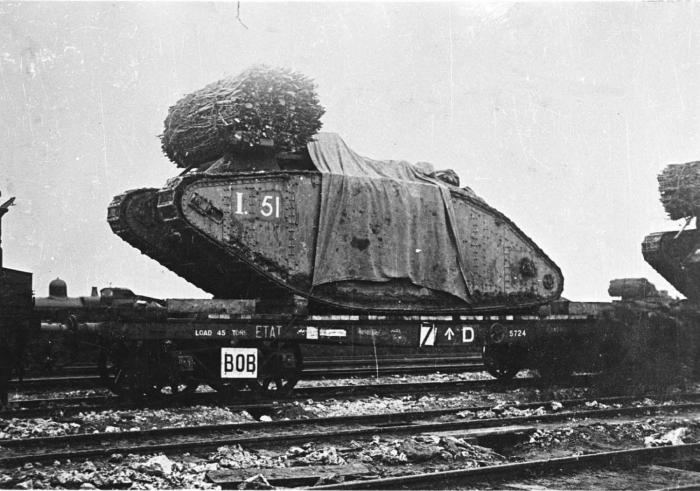
With a potential for increase in the use of rail under Op Mobilise deployments, it is important to understand the importance of loading gauge on the rail network.
With a potential for increase in the use of rail under Op Mobilise deployments, it is important to understand the importance of loading gauge on the rail network.

2/ Infra Constraints. Loading gauge is the physical constraint on the size of rolling stock and loads imposed by physical infrastructure. This includes station platforms & canopies, retaining walls, bridges and tunnels. This is all proportional to the placement of the track.


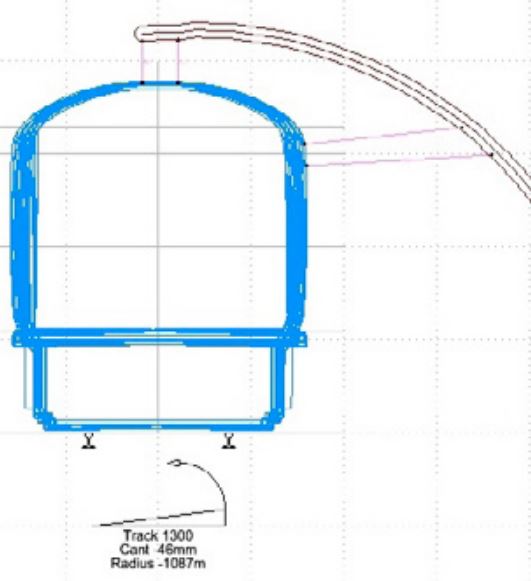
3/Rolling Stock Dynamics. Position of track and configuration affects the loading gauge. Super elevation and cant, places the upper edge of the load further out the gauge envelope. Long wagons are also subject to centre and end throw when moving over curves widening the gauge.
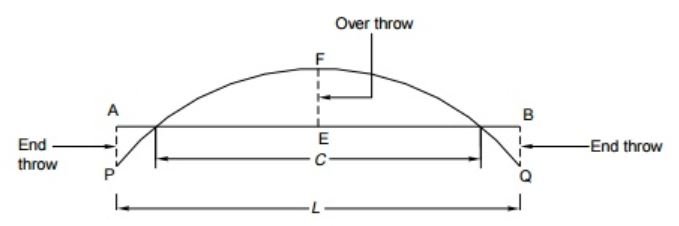
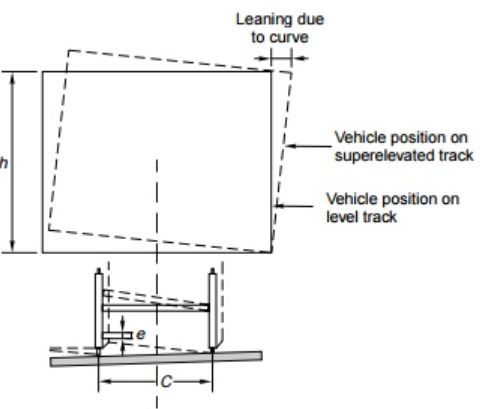
4/Gauge Envelopes. The infra and rolling stock dynamic constraints create a gauge envelope. The UK had a smaller range due to older infra whilst the continent has more accomodating envelopes. Envelopes exist for carriages, shipping containers,and electrification ect.
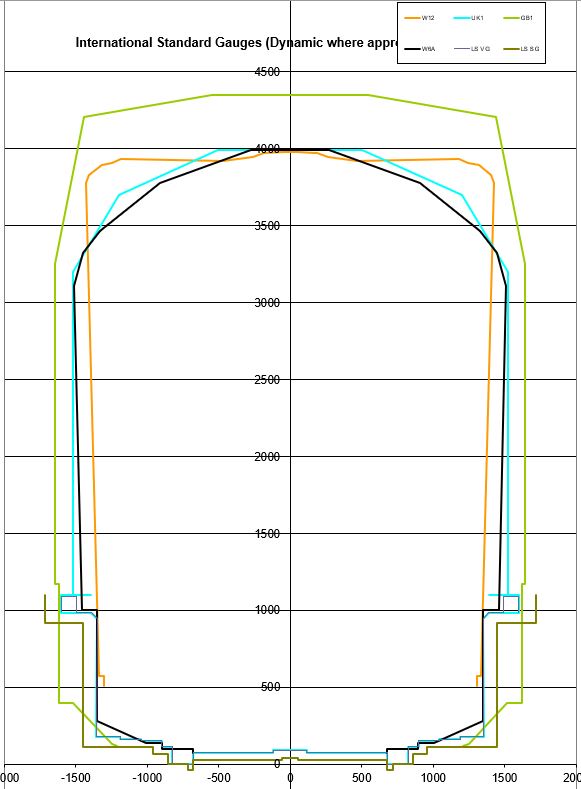
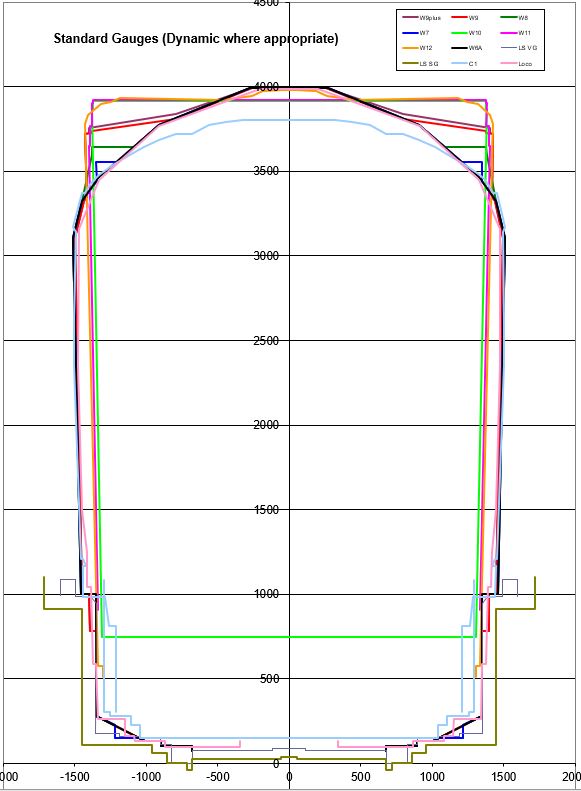
5/National Variation. All nations have varied gauge specifications so all loads need clearance on each network. Previously a NATO standard 'M Gauge' existed to govern military loads. This is no longer extant.

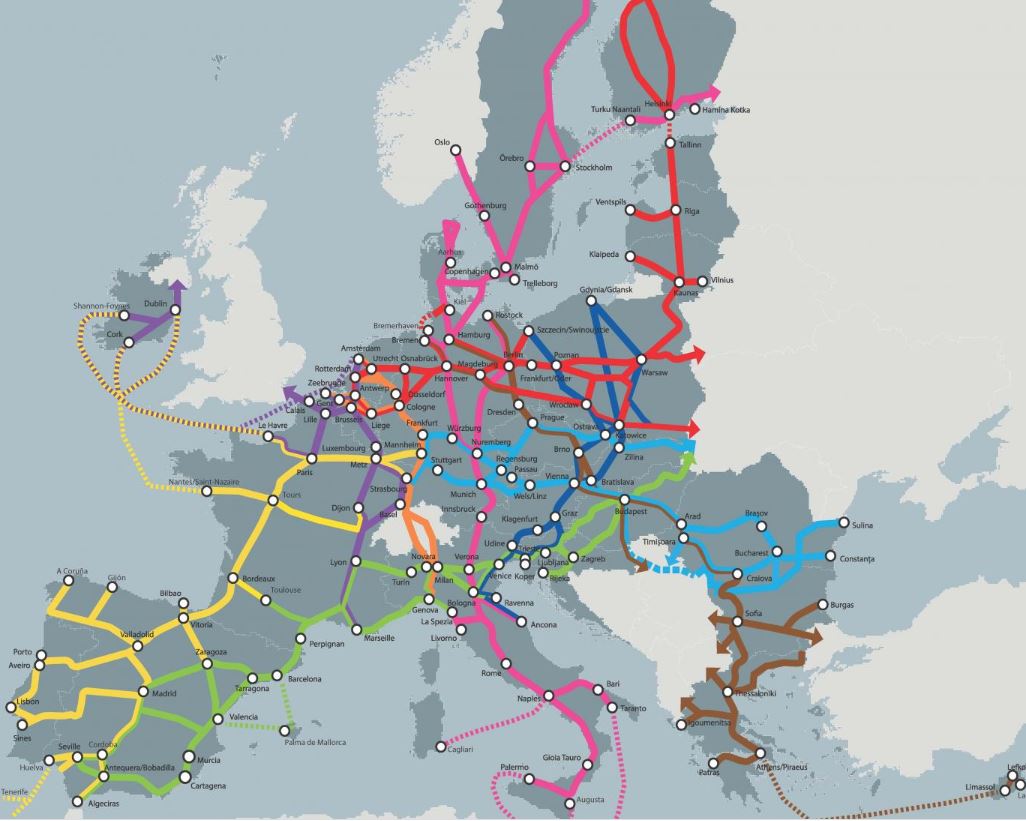
6/TEN-T. The Trans European Transport Network (TEN-T) provides some interoprability for load gauges although it does again vary from network to network.
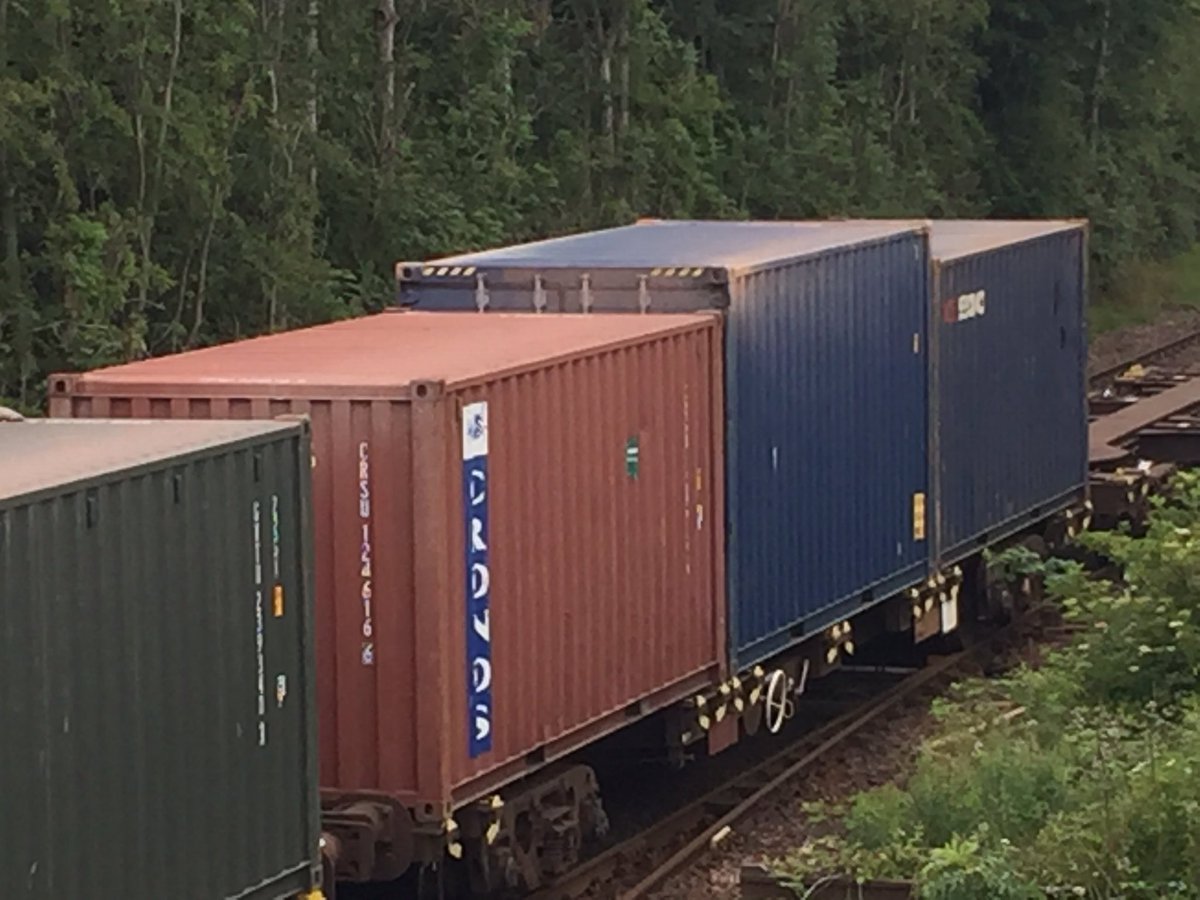
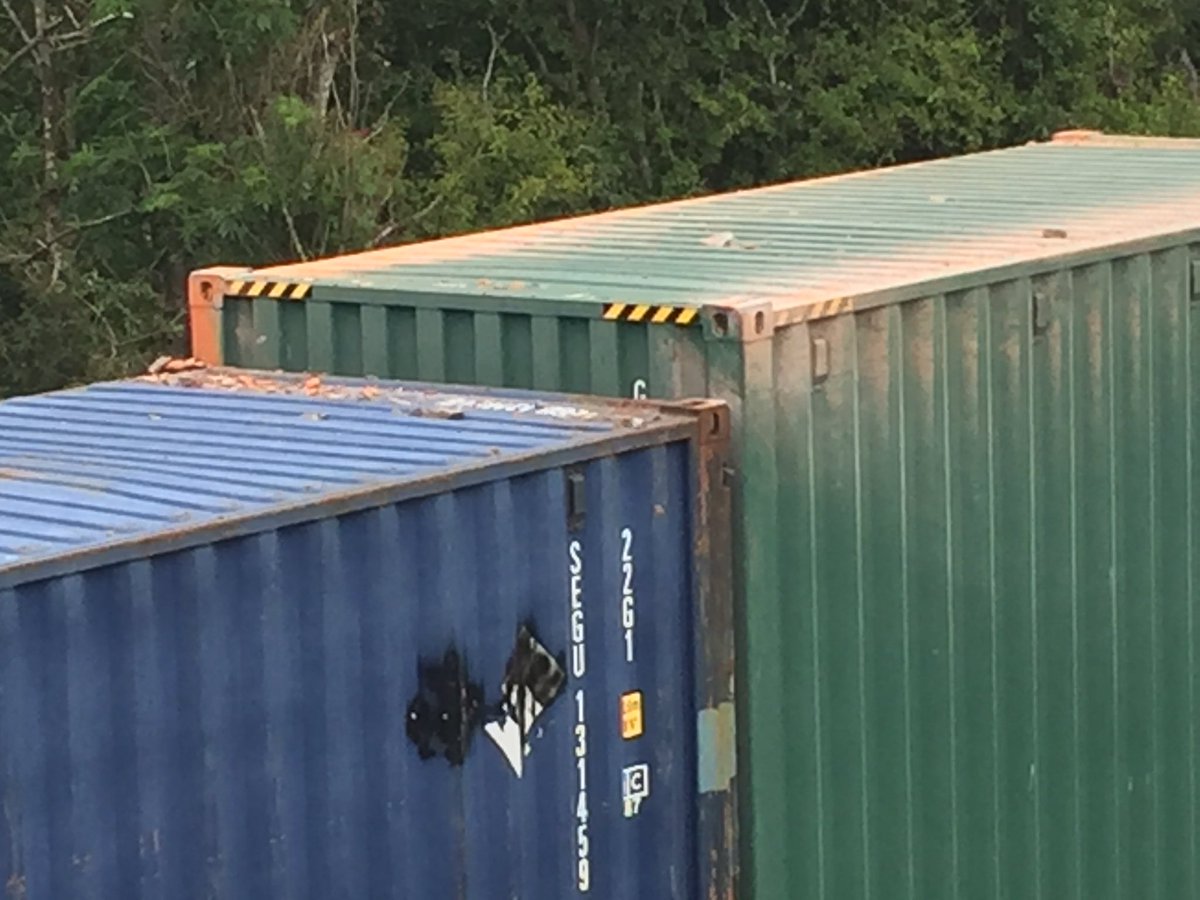
7/Incidents. Gauging need only be out by several inches to cause damage on the network. Here is a recent incident where an outsized container was loaded onto an incorrect wagon resulting in several bridges being gouged out.
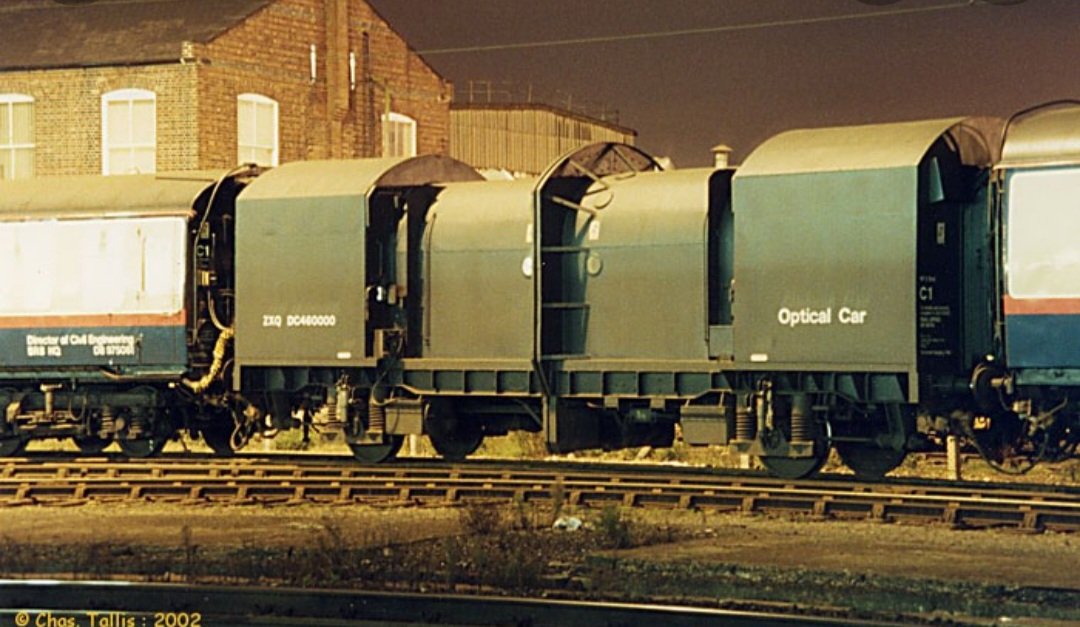
8/Gauge Clearing. The UK network uses the structures gauging train to measure the infrastructure in order to capture the gauge envelope and identify obstructions. The output is the clear route profile envelopes.
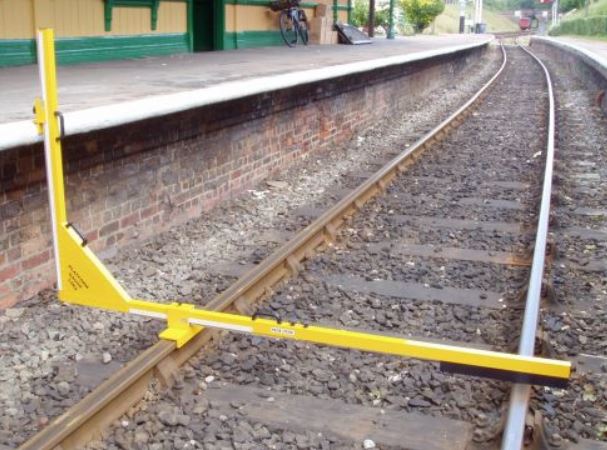
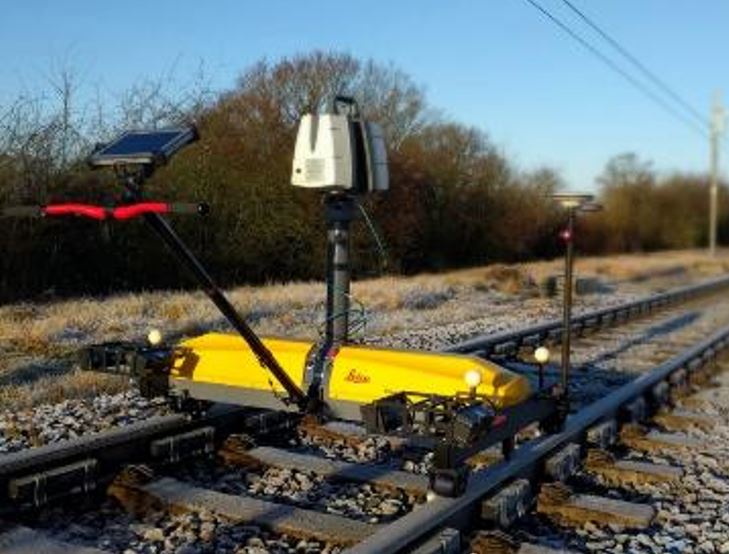
9/Platforms can be manually gauged from the track. Laser sweep devices such as this Leica model speed up the process and improve the accuray and data. This can capture all civils infra. MilEng rail engineers can carry this task out.
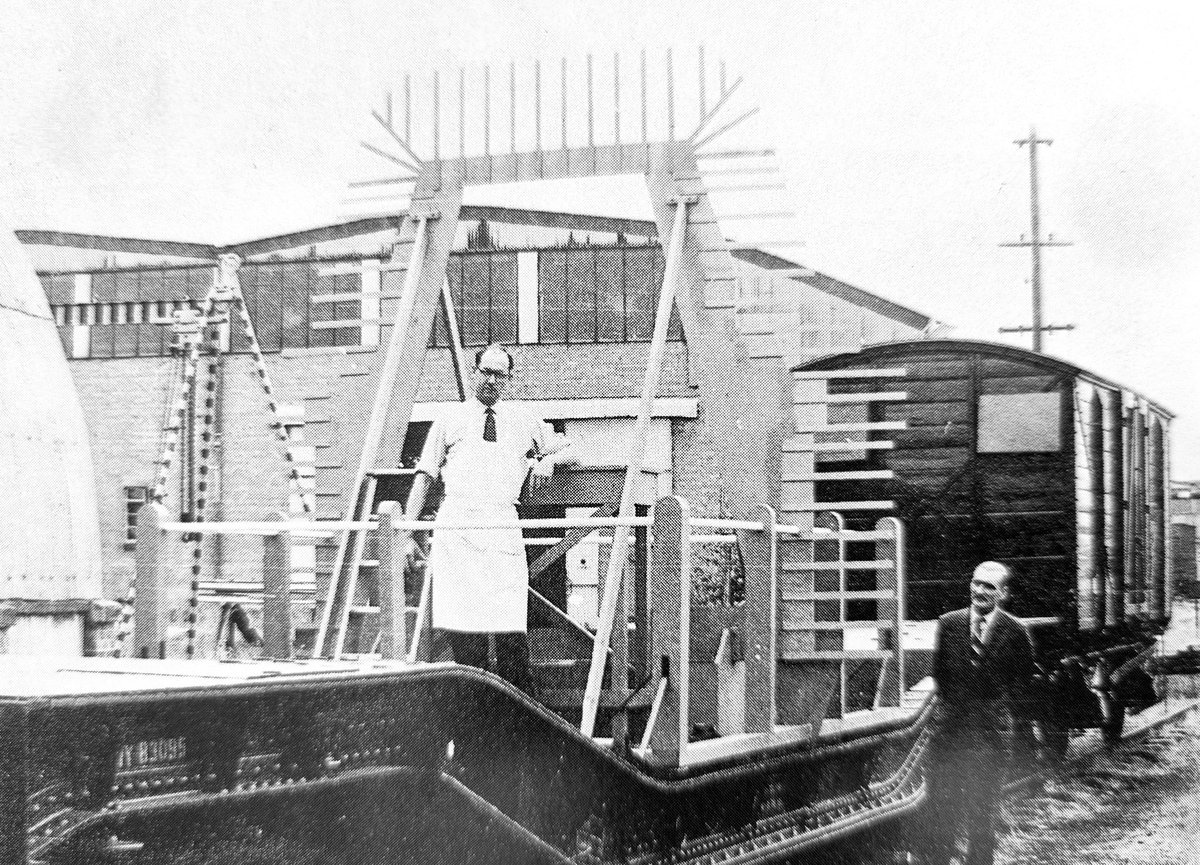
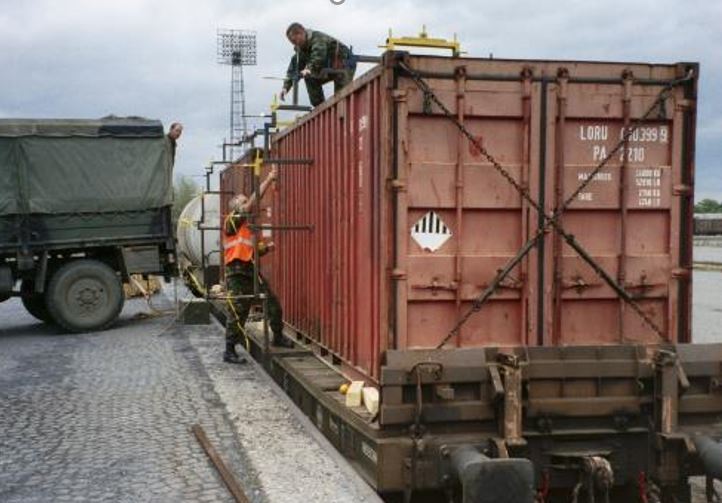
10/ Military Gauging. When operating on other networks we may have to gauge prove the line using templates with witness sticks. The BW photo is Cheiftain gauging in the 60s whilst the container gauging was from Kosovo. MilEng rail engineers can deliver this proving service.

11/Railhead Ops. A good vehicle railhead should have a structure gauge template to check compliance to loading standards
otherwise its down to railway officials using folding rulers to check correct widths, heights and placement of the load on the wagon.
otherwise its down to railway officials using folding rulers to check correct widths, heights and placement of the load on the wagon.
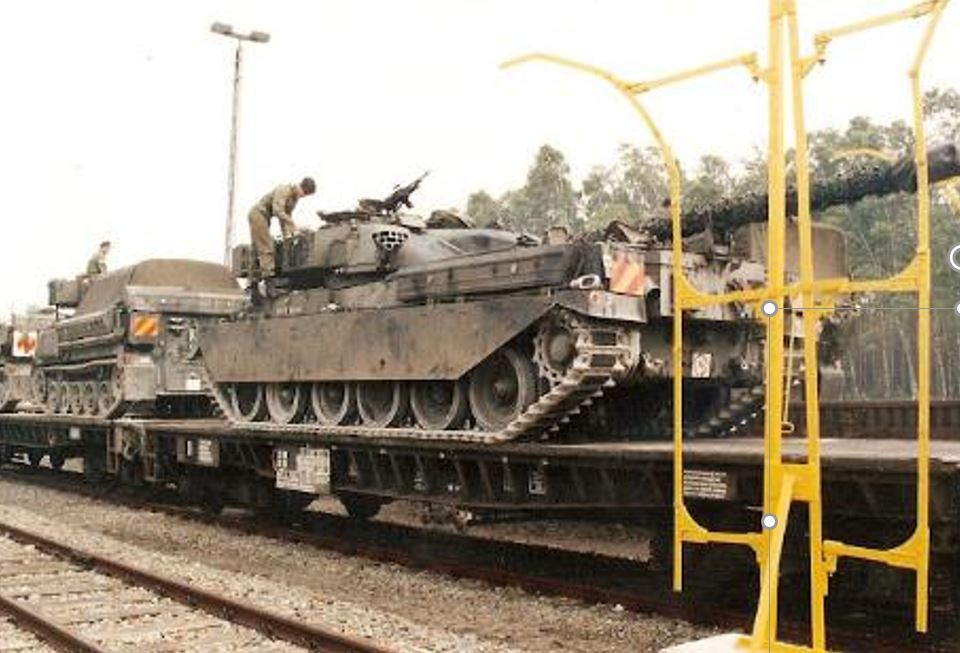

12/Vehicle bolt ons. With technological development comes retrofitting of armour, ECM, stowage and antennas. Some of this may need removal prior to loading at the railhead. Working under high voltage overhead line comes with its own constraints!
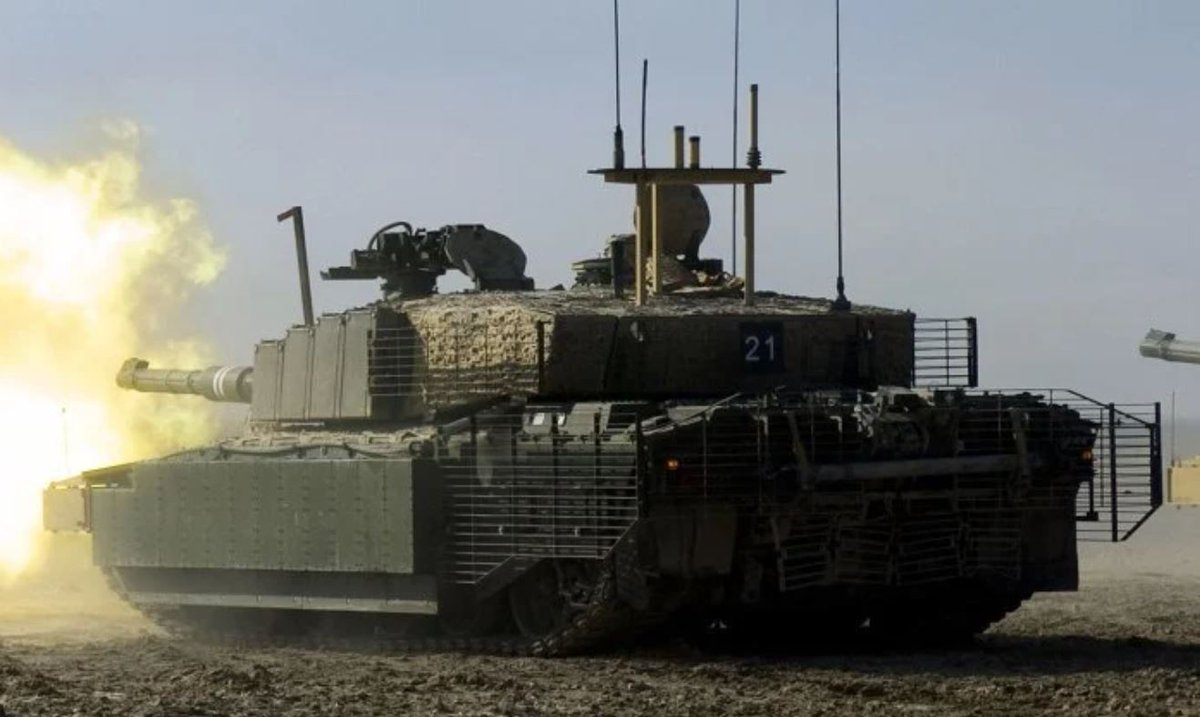
13/Out Of Gauge (OOG) permissions. In some unique circumstances the host railway may grant OOG permissions on a route, providing clearences are checked, speed reduced to mitigate dynamic effects and the movement observed.


14/Conclusion. To use rail effectively, planners must be aware of gauge constraints. Embarking units must be efficient in loading drills and carry out the right prep. Military railway engineers can assist in gauge clearing routes and rectify obstructions.
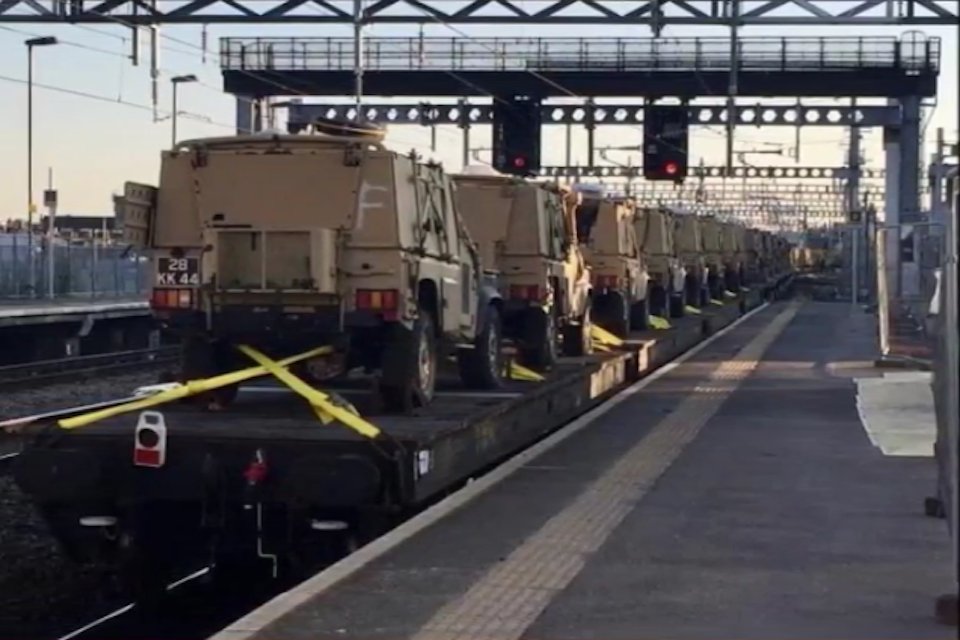
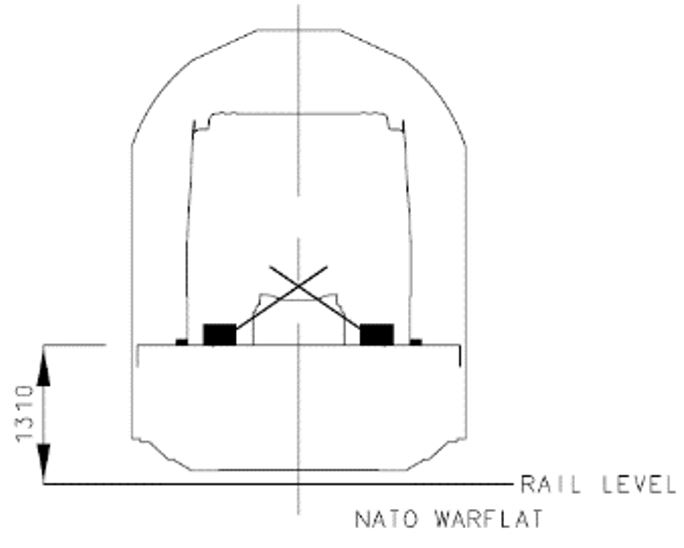
15/Loading and tie down scheme diagrams. All MOD kit transiting via rail must have an approved loading and tie down scheme diagram. These prove the clearance in the gauge envelope on the correct rolling stock.
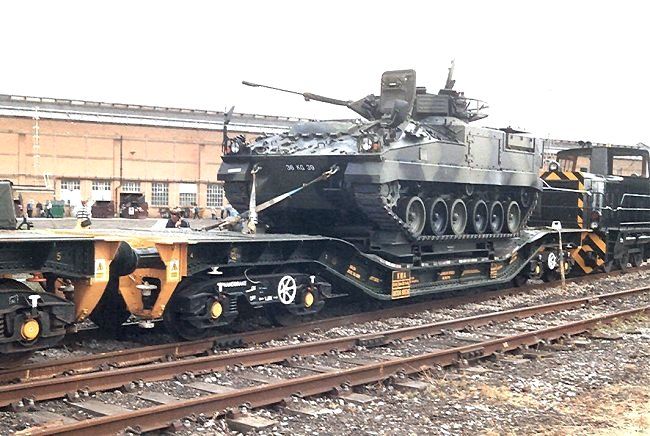
16/Rolling stock mods. Some rolling stock can be enhanced to improve gauge compliance. An example is the fitting of infill cradles to Warwells to get Warrior APCs wider tracks lifted over platform gauge so it doesnt rip coping stones off or infringe on lower struvture gauge.
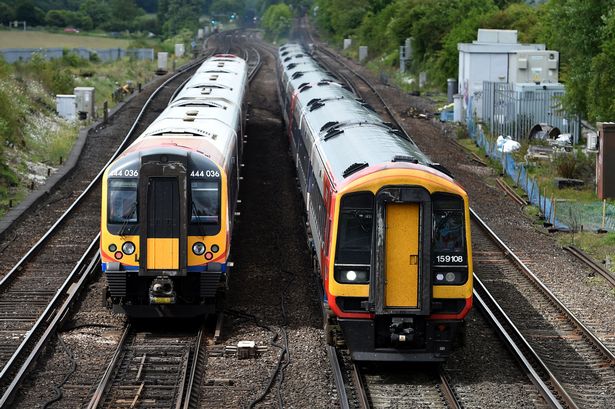
Passing clearances can also be used for OOG loads by turning trains off on the adjacent roads.
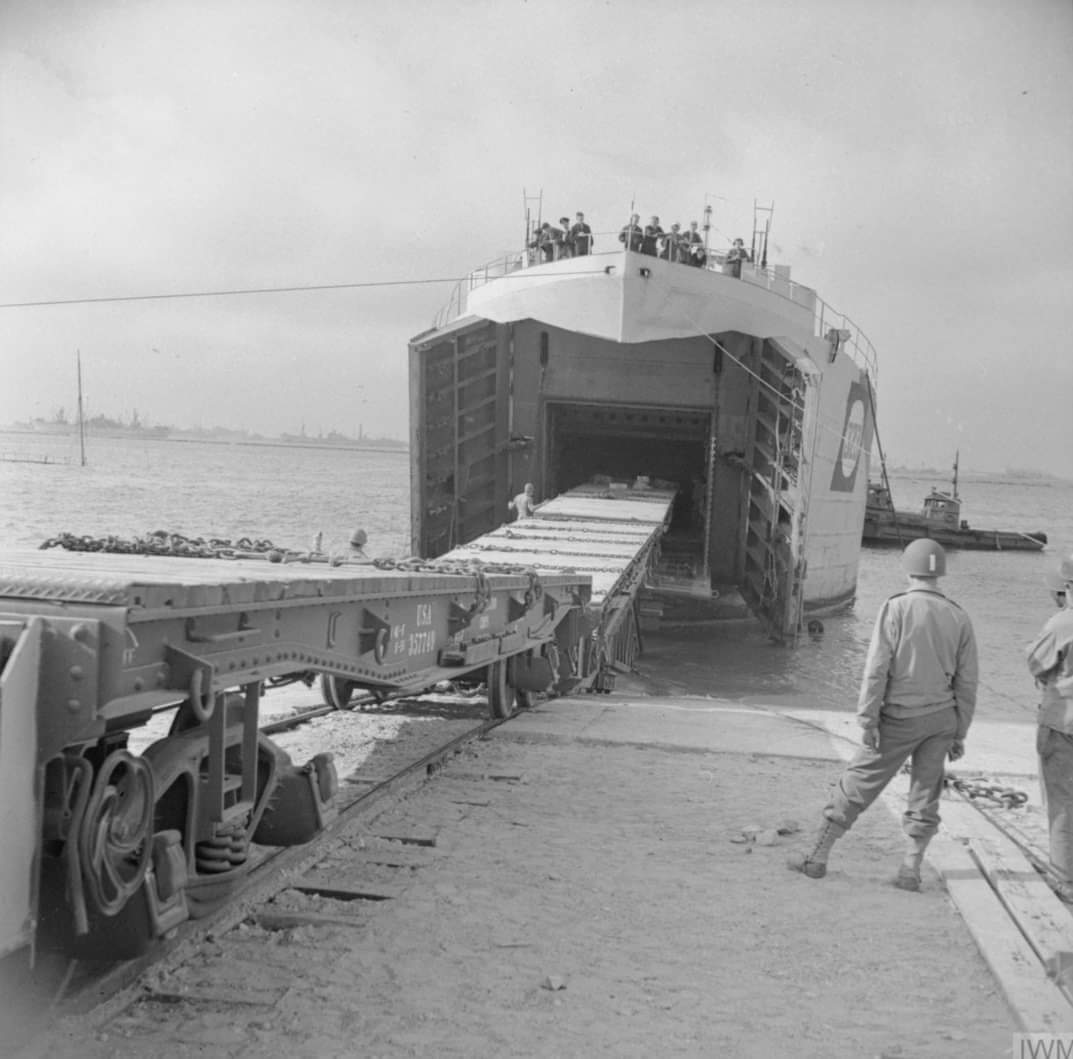
Loading of RTCH 240 on USA Army railroad flats at For Eustis. A very large Out Of Gauge load.
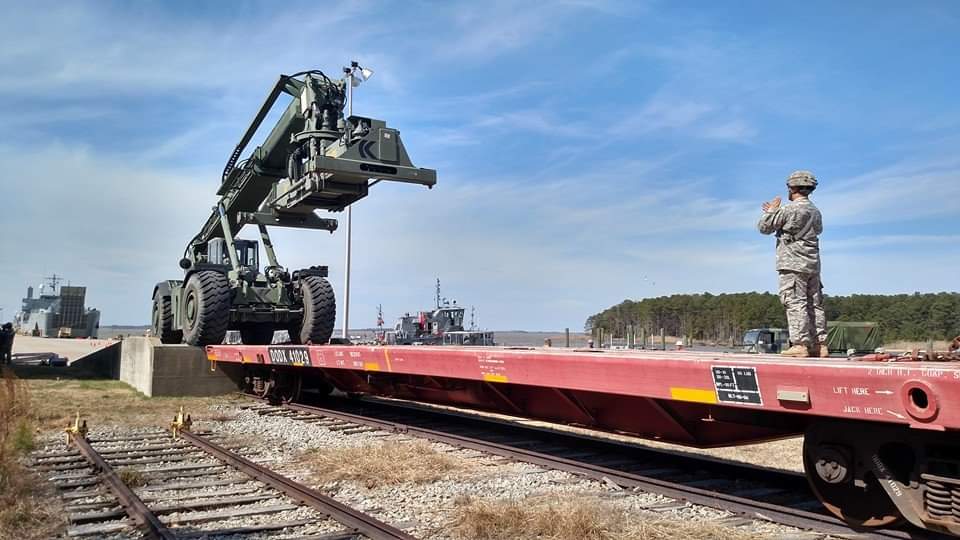
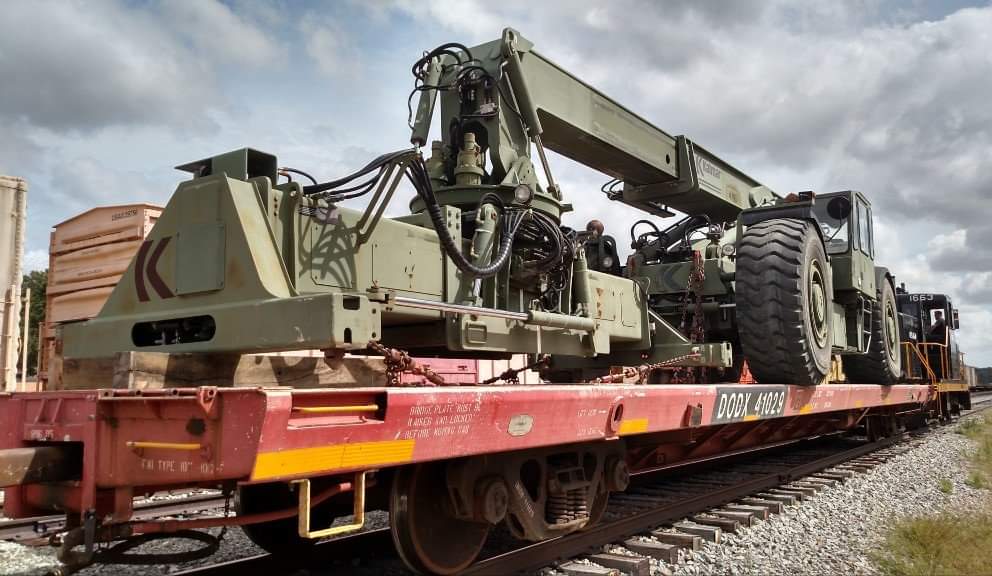
Photos from Fort Eustis FB page.
A good article by @thinkdefence on factors transportation of loads.
thinkdefence.co.uk/vehicle-transp…
thinkdefence.co.uk/vehicle-transp…
Gauging exercise to test SALMMs wagons with Challenger 2 MBT on HS1 and Channel Tunnel.
railexpress.co.uk/649/channel-tu…
railexpress.co.uk/649/channel-tu…
When gauging goes wrong at platform/lower structure gauge kinematic envelope. Platform coping stones struck. Still being investigated.
https://twitter.com/TLRailUK/status/1591033392870531073?t=axgl1GusJpQOXmbz-gxebQ&s=19
The Channel Tunnel trial in 2017.
https://twitter.com/DefenceHQ/status/821503591534002176?t=OpfGt_6h1dBwM8AF9u7HNQ&s=19
Gauge clearing to avoid dynamic envelope and structure gauge involve some simple fixes such as strapping up MBT skirts.
https://twitter.com/TotherChris/status/1594994349128957952?t=9il1wrukBZ5UM2w9wLpBpw&s=19
• • •
Missing some Tweet in this thread? You can try to
force a refresh