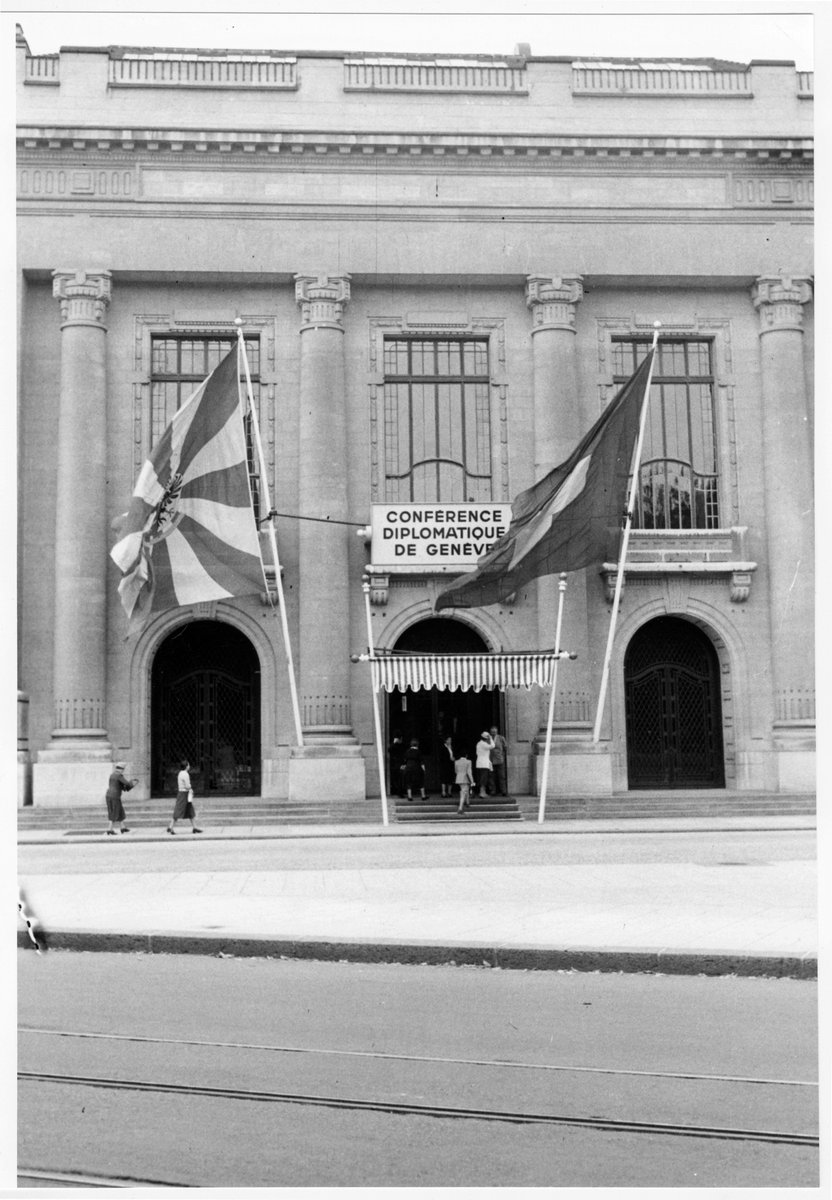
A short 🧵 on the Amnesty report claiming Ukrainian violations of IHL.
https://twitter.com/amnesty/status/1555102962623594496
The @amnesty report notes that Ukrainian forces are putting civilians in harm's way by operating in populated residential areas, including hospitals. But it is getting, understandably a lot of flag and pushback from critics - and even from mainstream IHL lawyers.
Critics are rightly wondering why Amnesty hasn't provided satellite imagery or other concrete evidence supporting its (thin) claims.
The Ukrainians are fighting an asymmetrical war against Russian aggression and acts of genocide, so it should not be surprising that their forces are operating in cities where they can fight the invader - like so many other victims of aggression/genocide have done before.
But the most important critique thrown at @amnesty is that the Ukrainians are fighting a just war against illegal aggression and alien occupation, and that it would be unfair to call out their relatively marginal IHL violations compared to grave breaches by Russian aggressor.
This point seems crucial, and it connects with a much longer and broader debate within IHL - and (revisionist) just war theory - about the distinction between jus ad bellum (the rules for going to war) and jus in bello (rules governing warfare).
The question whether victims of aggression and/or genocide (often fighting an asymmetrical war) should have to follow strictly IHL is a contested one, also during the making of the 1949 Geneva Conventions, the most important rules for warfare ever formulated.
In the late 1940s, especially Jewish survivors and socialist drafters of the GCs fought against belligerent equality, the idea that IHL applies to all parties equally even if they're fighting against aggression/genocide (the same principle that dictates @amnesty thinking).
Breaching this principle would allow civilians/soldiers acting against aggression and/or genocide to lawfully take up arms in occupied territory, and to violate IHL if necessary to defend their right to life - see the Ukrainians today.
This is what the Israeli delegation said during the negotiations in Geneva in the summer of 1949. 

Most interestingly, the proposal was supported by the Soviet Union as well as a French-Jewish drafter, even though France was simultaneously fighting against Ho Chi Minh's guerrillas in Southeast Asia.
Indeed, the Soviet Union (i.e. the Rus Fed's predecessor) remained an active proponent of the idea of giving more extensive protections to irregulars who were fighting for a so-called 'just cause' - both in the late 1940s and in the 1970s, when the Conventions were last updated.
As Jessica Whyte has shown previously, the Soviets used the language of self-determination and anti-fascism to extend privileged belligerent status to those struggling against alien occupation and racist rule. muse.jhu.edu/article/714131…
The Soviets worked actively together with Third World delegations using the language of just war to elevate the status of national liberation movements and denounce wars of imperialist aggression - whether being in Southern Africa, Vietnam, or Ukraine today.
But, as I'm researching in my new project, those same proposals created sign debates within socialist states and national liberation movements about the ethics of guerrilla warfare, just as Ukrainians are discussing the ethics of using heavy artillery in their own neighborhoods.
The ANC in S-Africa demanded privileged belligerent status, but it also had extensive internal debates on the ethics of violence, in the 1960s and after 1976, when it opted for more indiscriminate violence while adhering to IHL atst (see Tambo in Geneva).
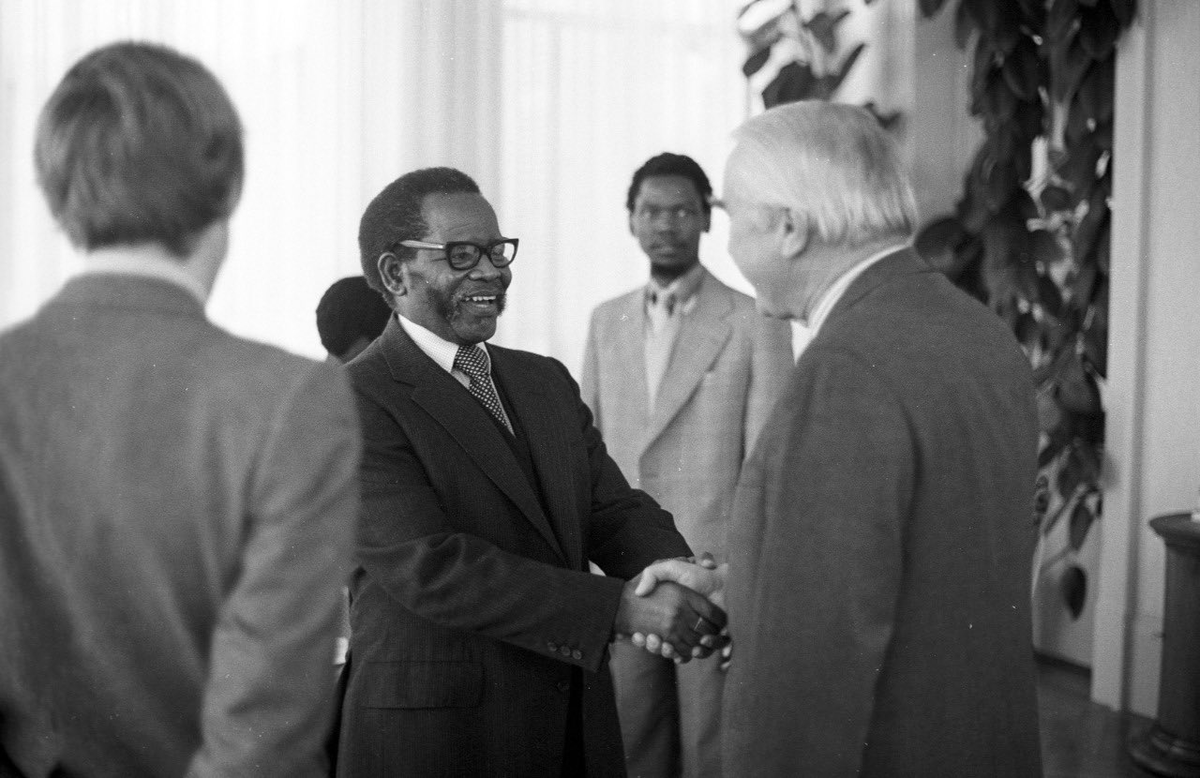
The point being here is that it would be better both analytically as well as normatively to embrace the richness of IHL history, rather than framing it as a strict codebook with severe limitations for those fighting against aggression and/or genocide, as the @amnesty report does.
We should never forget the eth implications of warfare for civilians, but that equally applies to the lesson that IHL was originally designed to empower states - and esp Great Powers, not to amplify the position of those fighting against injustice. academic.oup.com/ejil/article-a…
for more info on the making of the 1949 Geneva Conventions, see my latest book global.oup.com/academic/produ…
*the invader most effectively
• • •
Missing some Tweet in this thread? You can try to
force a refresh