At first glance, a Chinese instruction manual of some kind.
But look again more closely: everything here - every single word - is in ENGLISH.
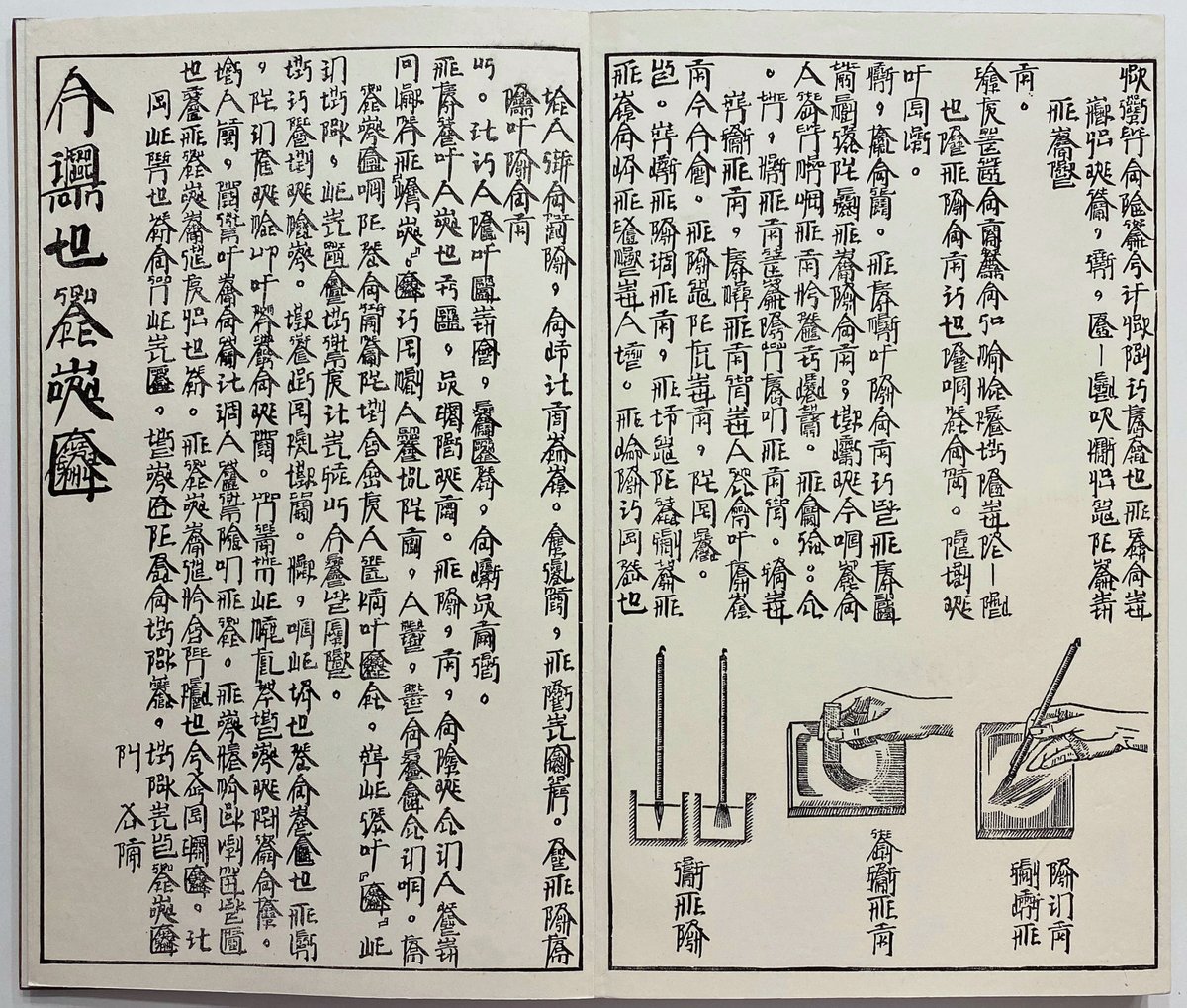
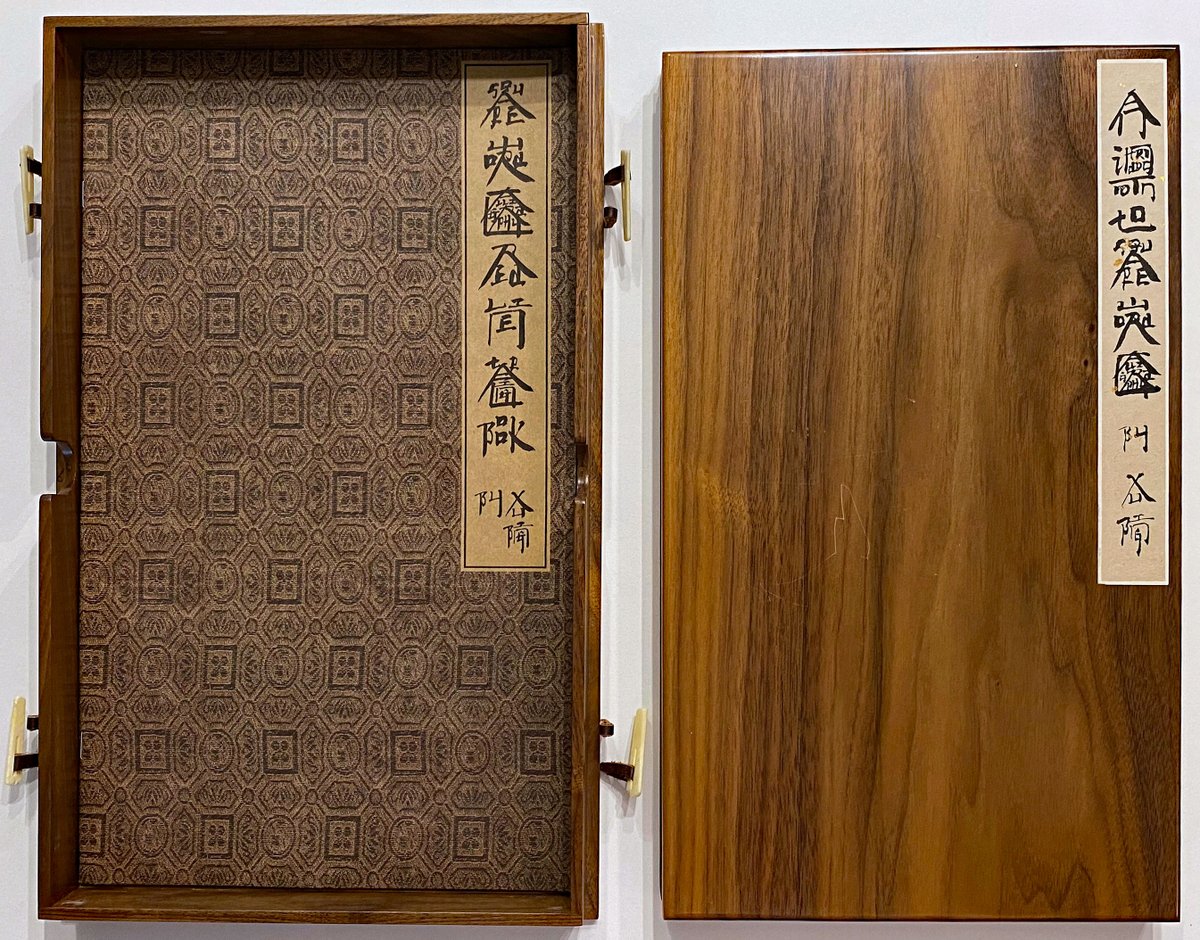
This is "An Introduction to Square Word Calligraphy", a livre d'artiste by the acclaimed Chinese contemporary artist Xu Bing. 1/
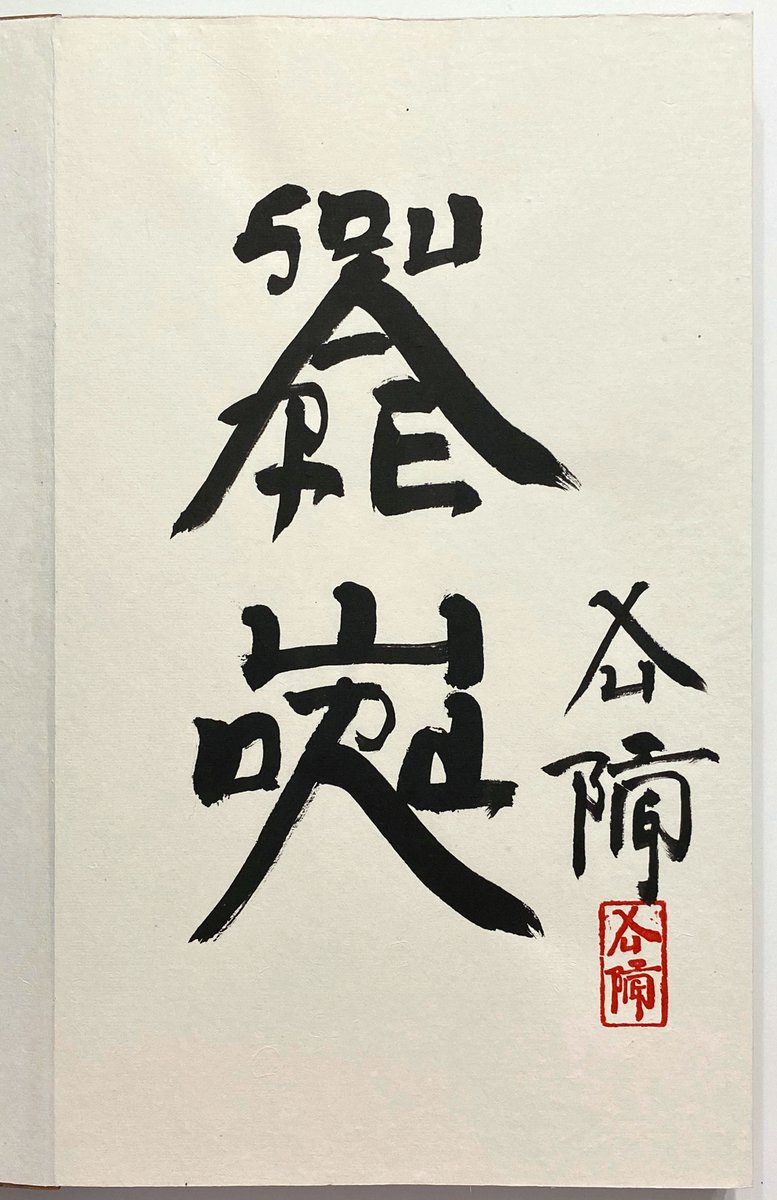
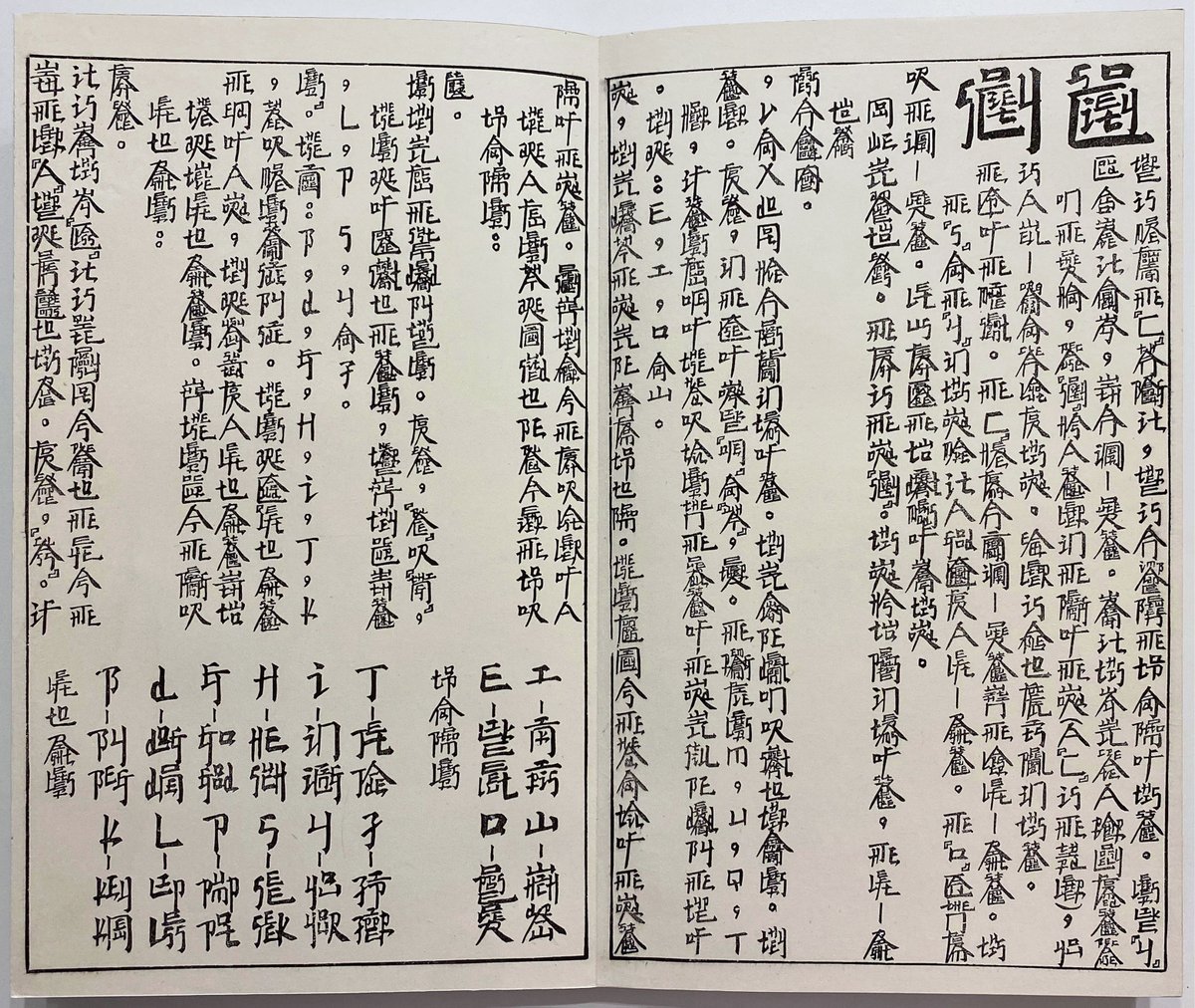
The two large characters on the left side of the title page say "Square Word" and the two smaller characters on the right say "Xu Bing". The six characters in the column at far left of the first text page say "An Introduction To Square Word Calligraphy". 2/
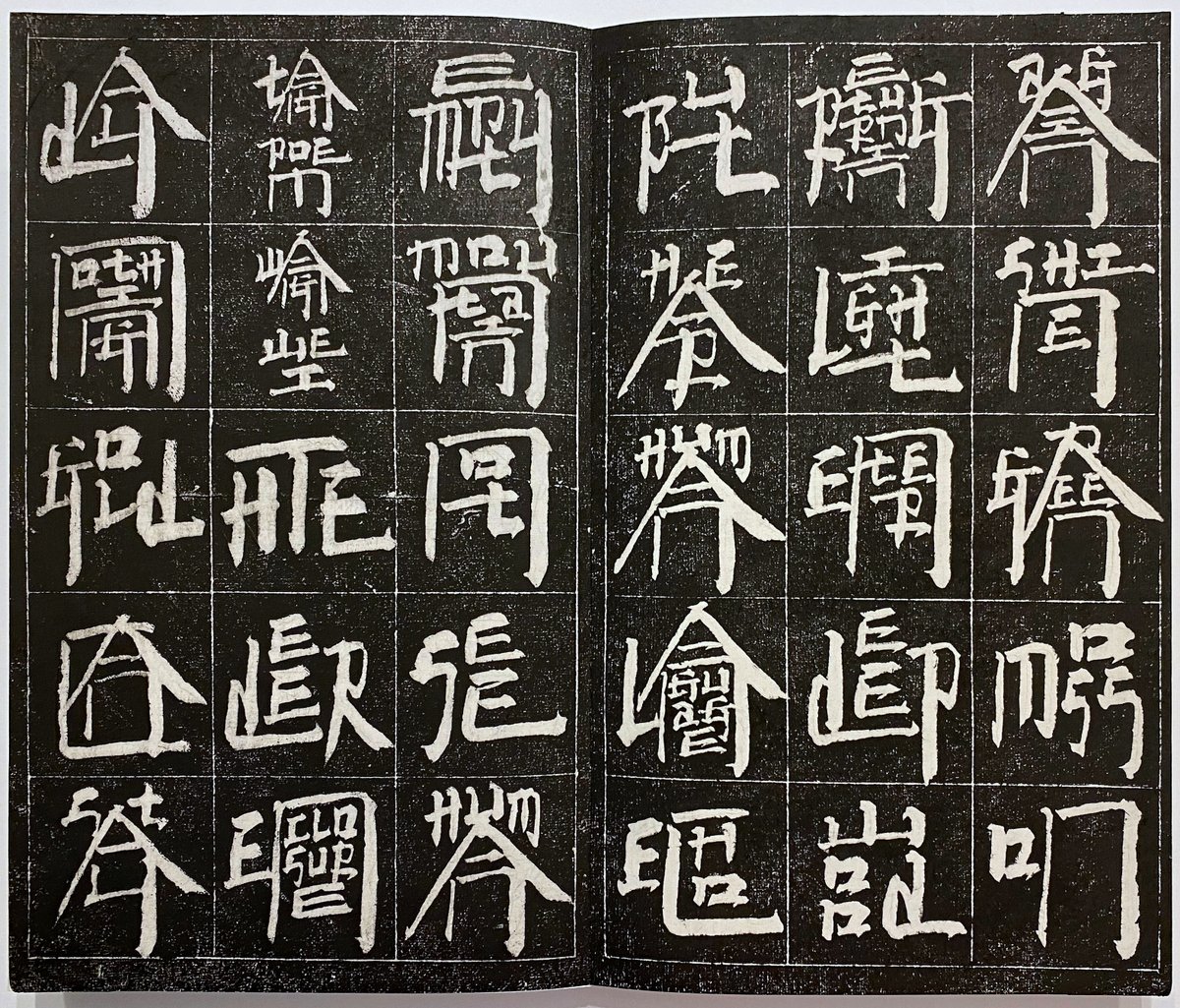
With his 'Square Word Calligraphy', Xu Bing devised a method of writing English words in rectangular arrangements which resemble Chinese characters. There is a code of calligraphic script elements which map to the 26 Roman letters. 3/
Relatively simple rules for the composition of the square words allow you to write English using Chinese calligraphic principles. 4/
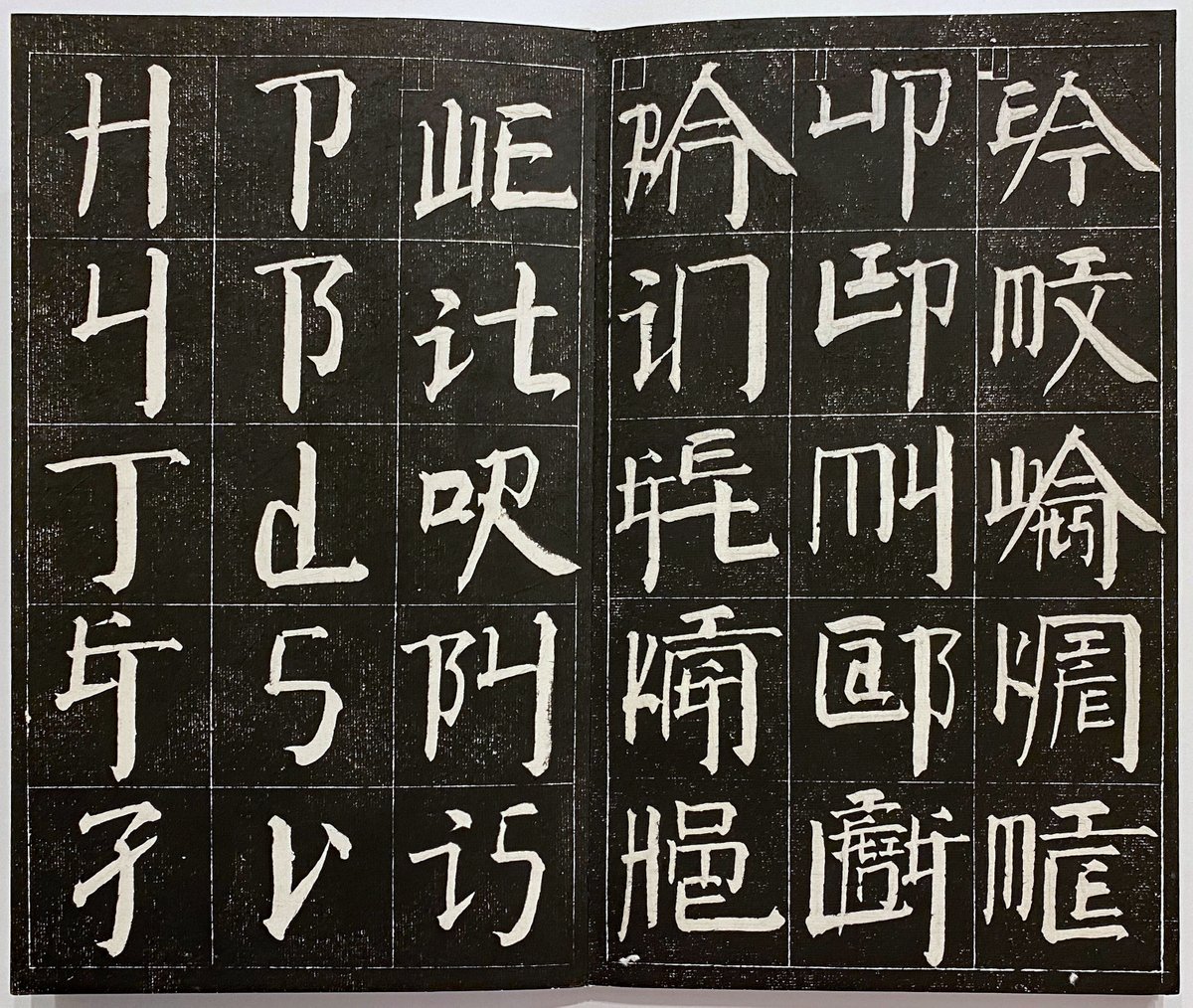
As a piece of conceptual (or grammatological) art, Xu Bing composed and has published his manual of 'Chinese-style calligraphy' written entirely in these English 'square words' themselves. 5/
The manual looks as if it might be written in Chinese script, but once the code is learned it is perfectly legible as English. 6/
This is a 2000 revised edition of Xu Bing's 'Introduction', first issued in 1996. In this edition, the chief examples are produced as original rubbings. Xu Bing has had the Square Word models in the second part of the accordion-bound manual carved on stone.... 7/
..... and then, in the traditional manner, rubbings were made from the stones. These were then cut into sheets, lined and pasted onto the openings of the accordion-bound volume. 8/
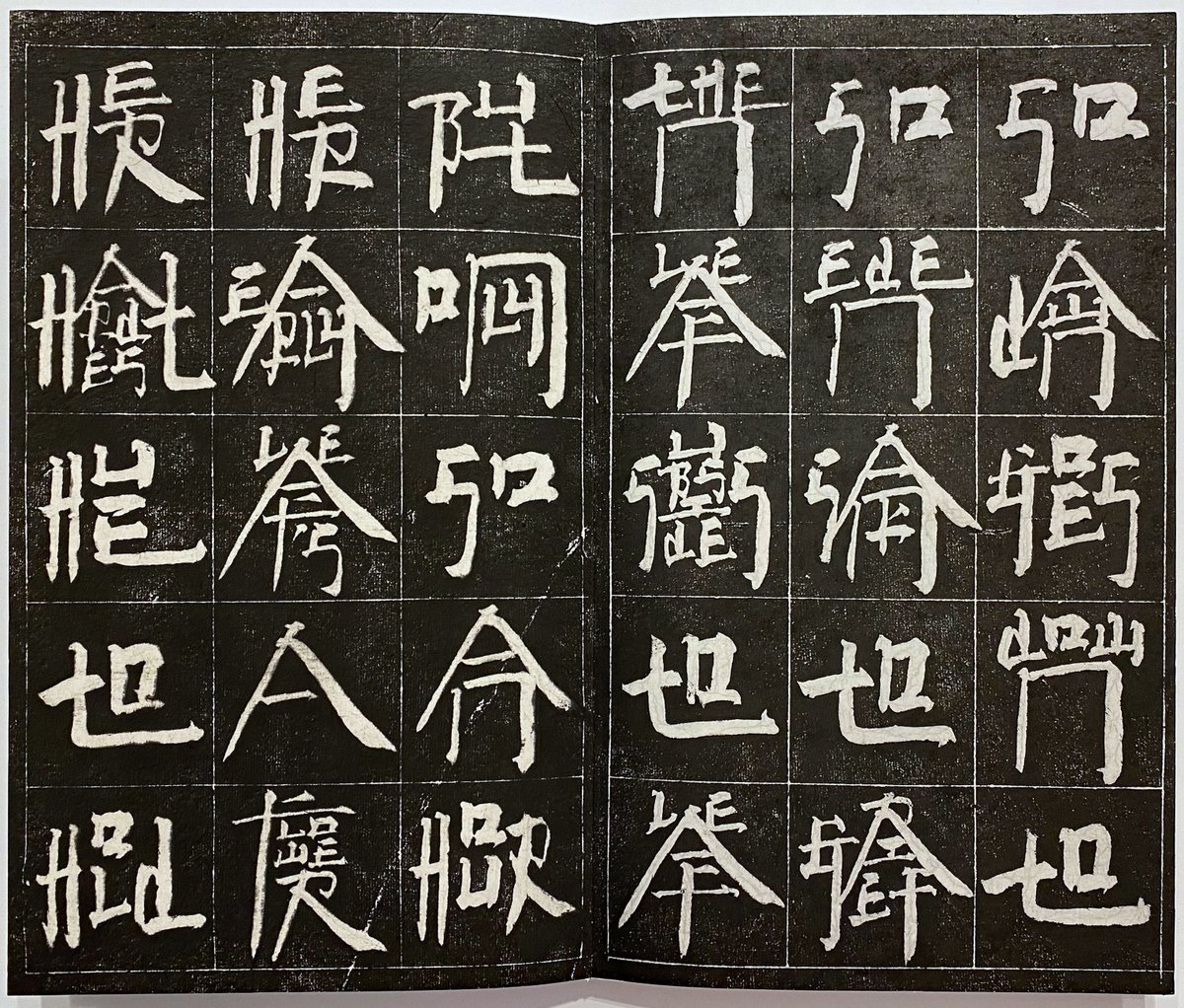
In doing so Xu Bing looks both forwards and backwards : the copying of stone-rubbings from famous carvings or steles is the traditional method by which calligraphy is taught in China. To this day, it's facsimilies of such rubbings that are used to teach the art of calligraphy. 9/
• • •
Missing some Tweet in this thread? You can try to
force a refresh

THE AFRICAN BOOK
Africa has the oldest and most diverse book culture of any continent. Here, in a dozen tweets, is why.
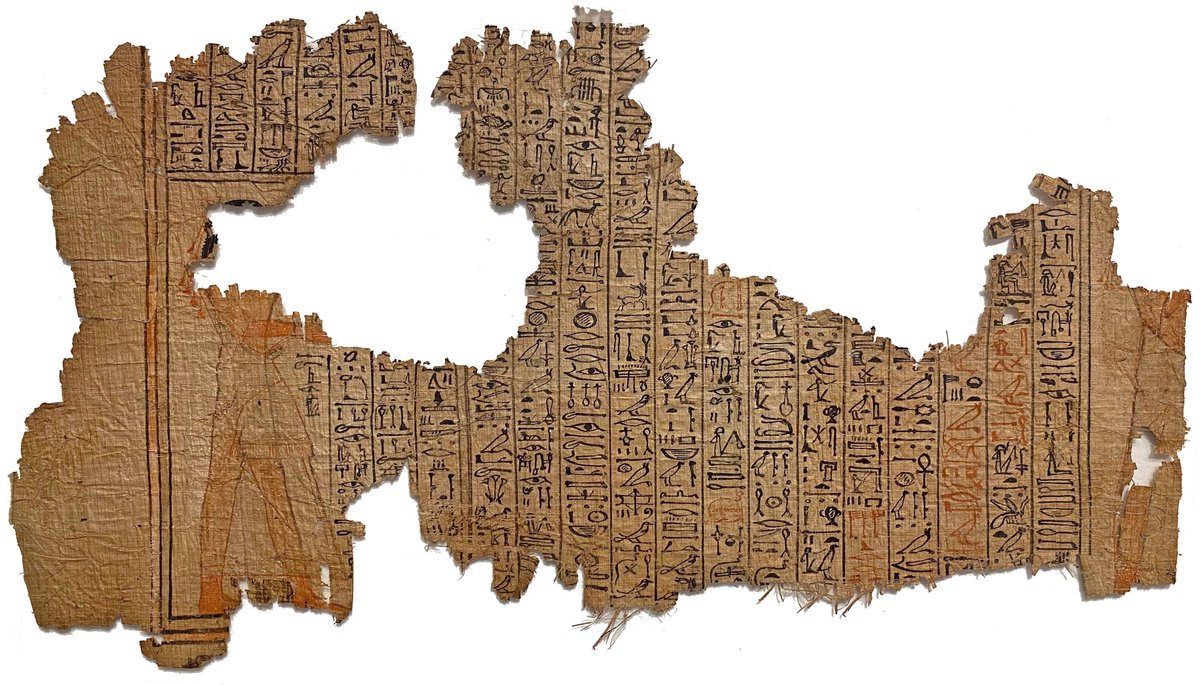
One of only four independent inventions of writing on earth - hieroglyphics - is African, as is the first surviving 'book': the Egyptian Book of the Dead. 1/
The best preserved Roman writing tablets - by far - are all from Africa, as are ALL the earliest New Testament manuscripts on papyrus, and ALL the earliest surviving apocryphal Gospels. The New Testament is an African text. 2/
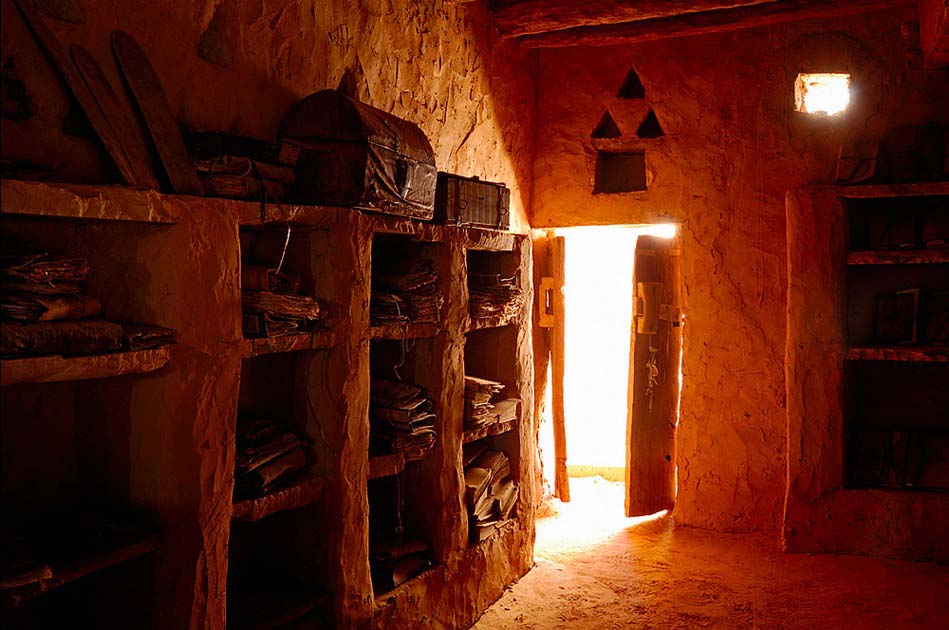
The Arabic script was read and written by far more people in Africa than it ever was in the Middle East, and the great libraries at Timbuktu, Chinguetti, Ouadane and other Saharan oases are amongst the most important early manuscript repositories on earth. 3/
Old Tjikko is a 9,550 year-old Norway spruce, located on the Fulufjället Mountain of Dalarna province in Sweden. Old Tjikko is a clonal tree that has regenerated new trunks, branches and roots over millennia. It's the oldest living Norway spruce. 1/
The age of the tree was determined by carbon dating of genetically matched plant material collected from under the tree, as dendrochronology does not work for clonal trees. 2/
The trunk itself is estimated to be only a few hundred years old, but the plant has survived for much longer due to a process known as layering (when a branch comes in contact with the ground, it sprouts a new root).... 3/
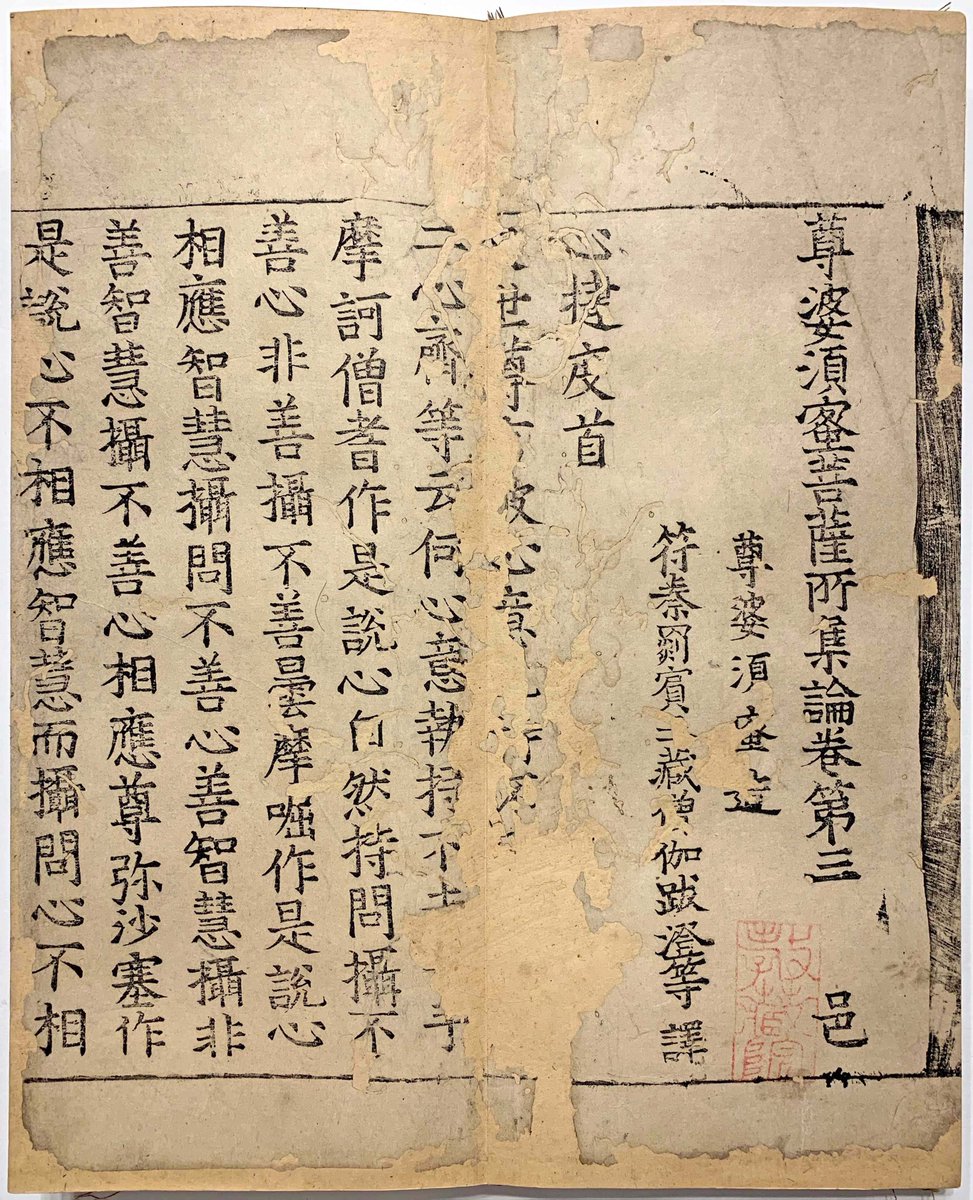
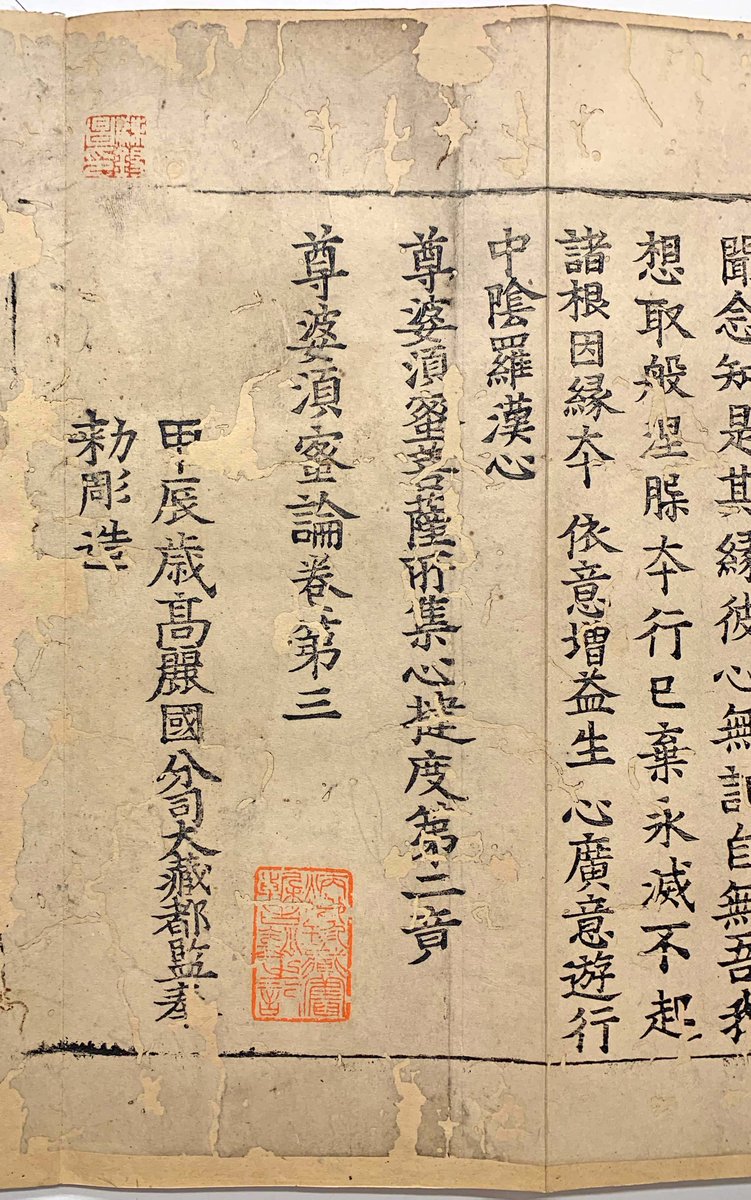
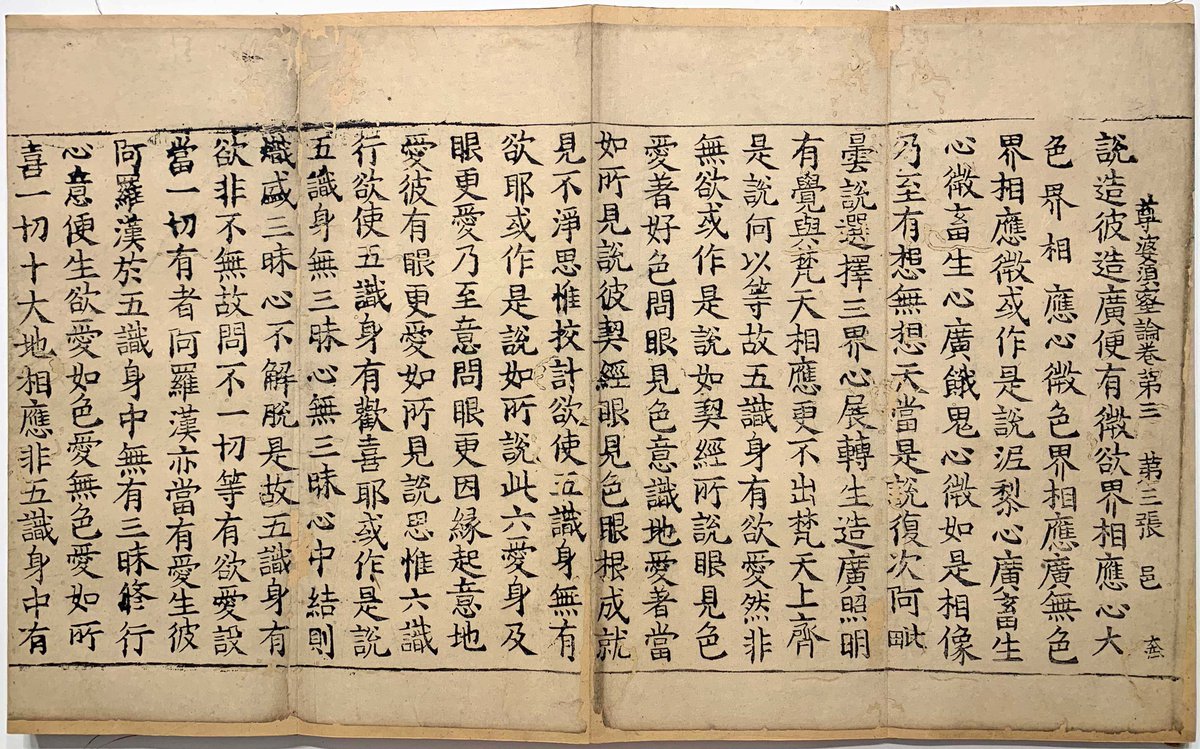
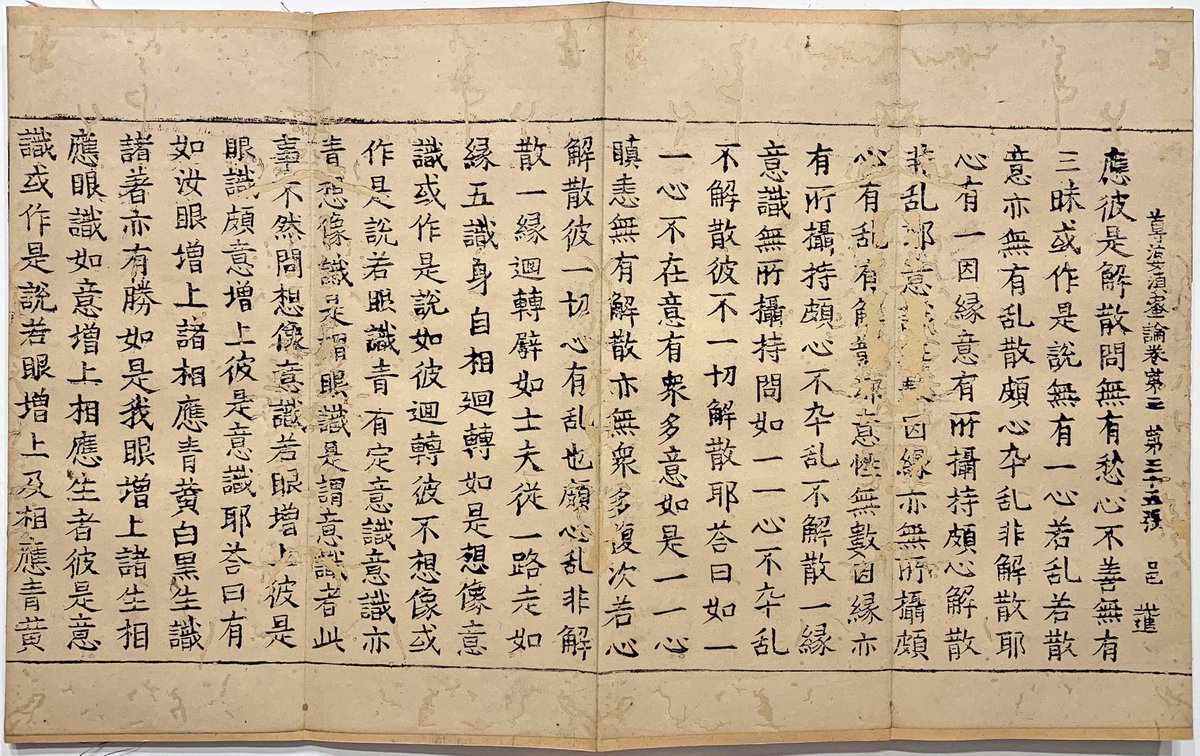
Chojo Daejanggyeong [Chojo Tripitaka]
尊婆須蜜菩薩所集論
Printed in Korea between 1011-1082 AD.
This sutra is from the Chojo [Chudiao] first edition Tripitaka collection of Korea, and was a direct copy of the Kaibao Tripitaka, the first printed Tripitaka. 1/
When the Kitan invaded Gaegyeong in 1011, the Goryeo King Hyeonjong ordered the Chojo Tripitaka to be made. It was completed in 1087, but the woodblocks were later burnt in the Mongolian invasion of 1232. 2/
The characters from the Chojo Tripitaka are relatively bigger than the later Song Dynasty sutras such as the Dongcan and Kaiyuan Tripitakas, and the calligraphy more similar to the Tang style. 3/
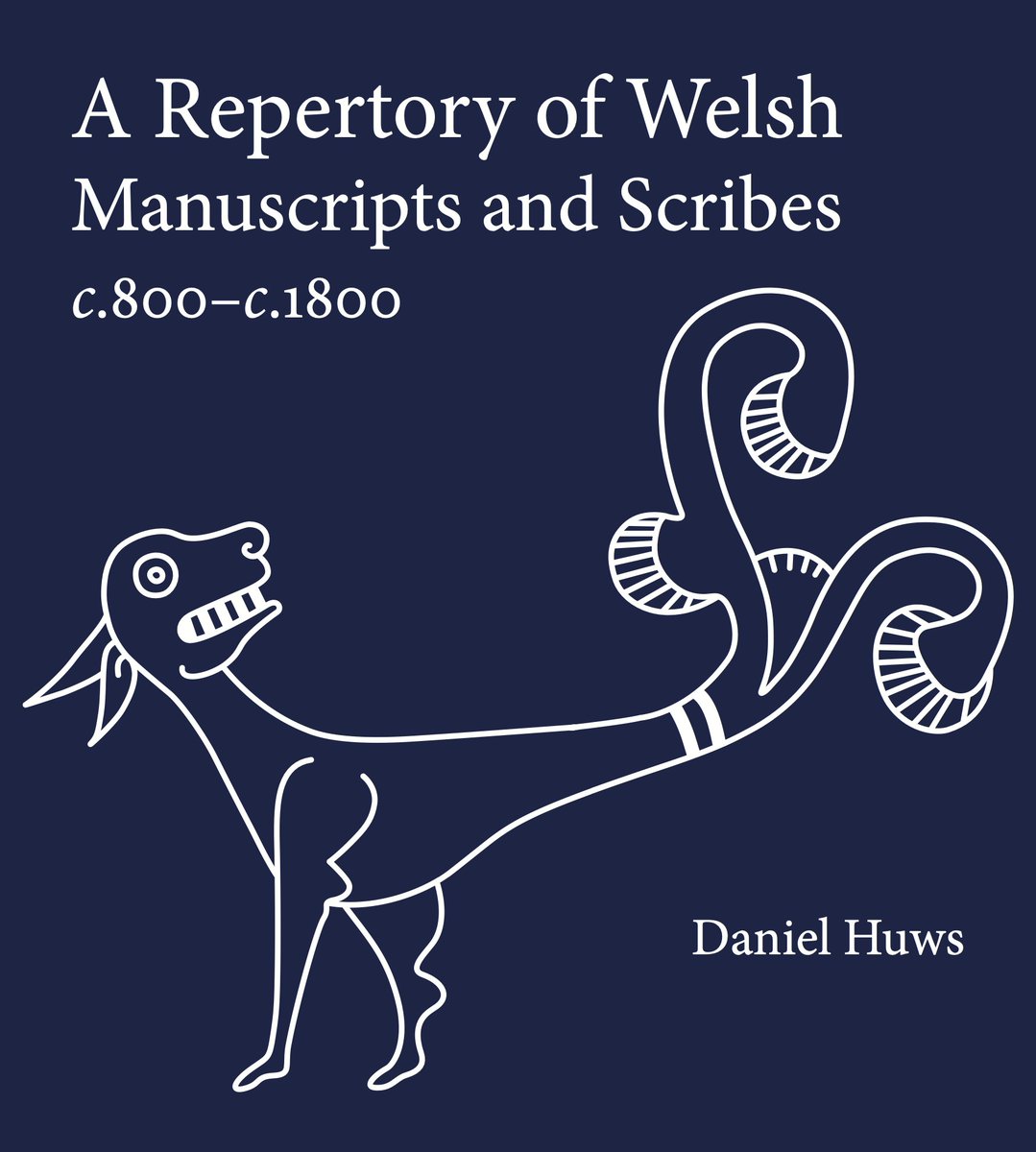
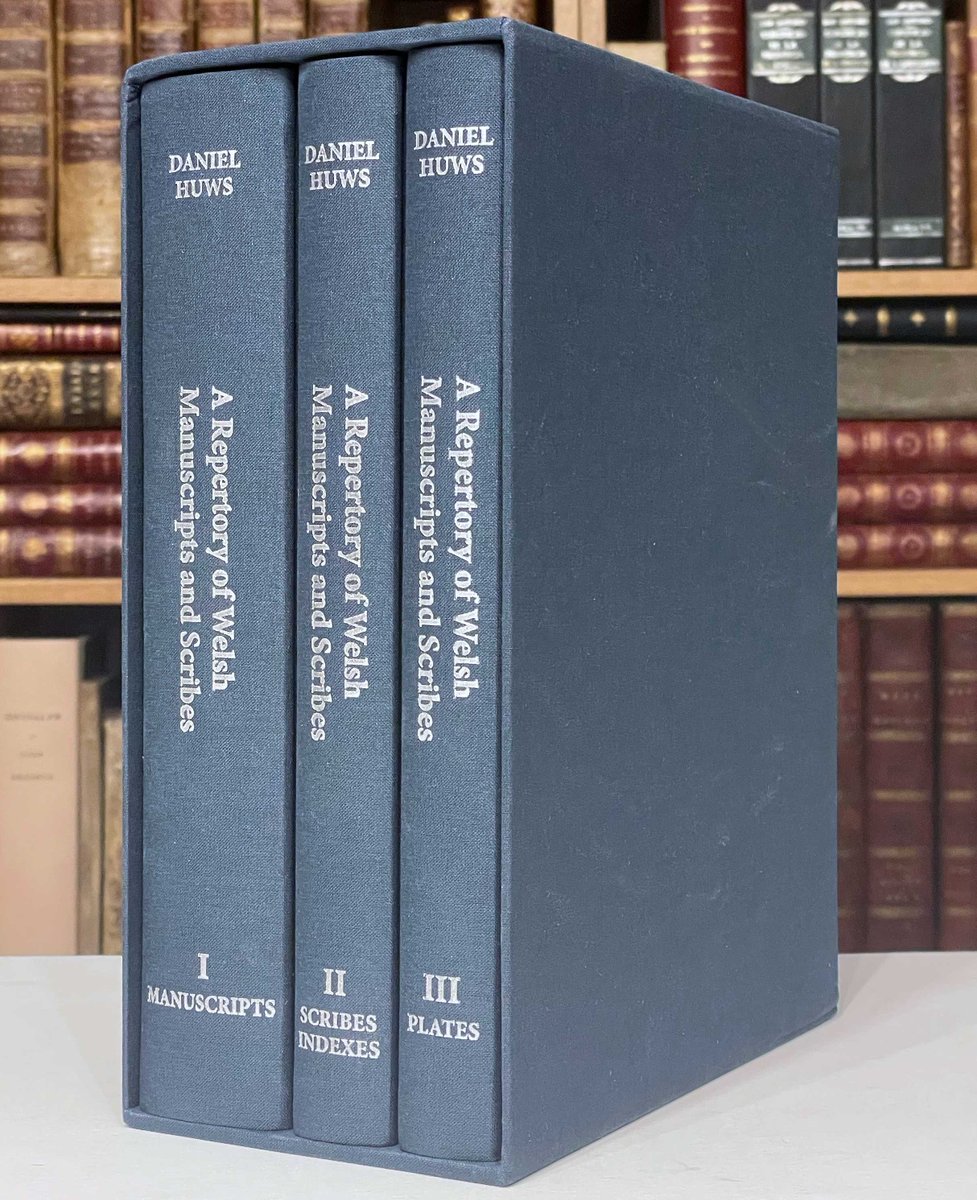
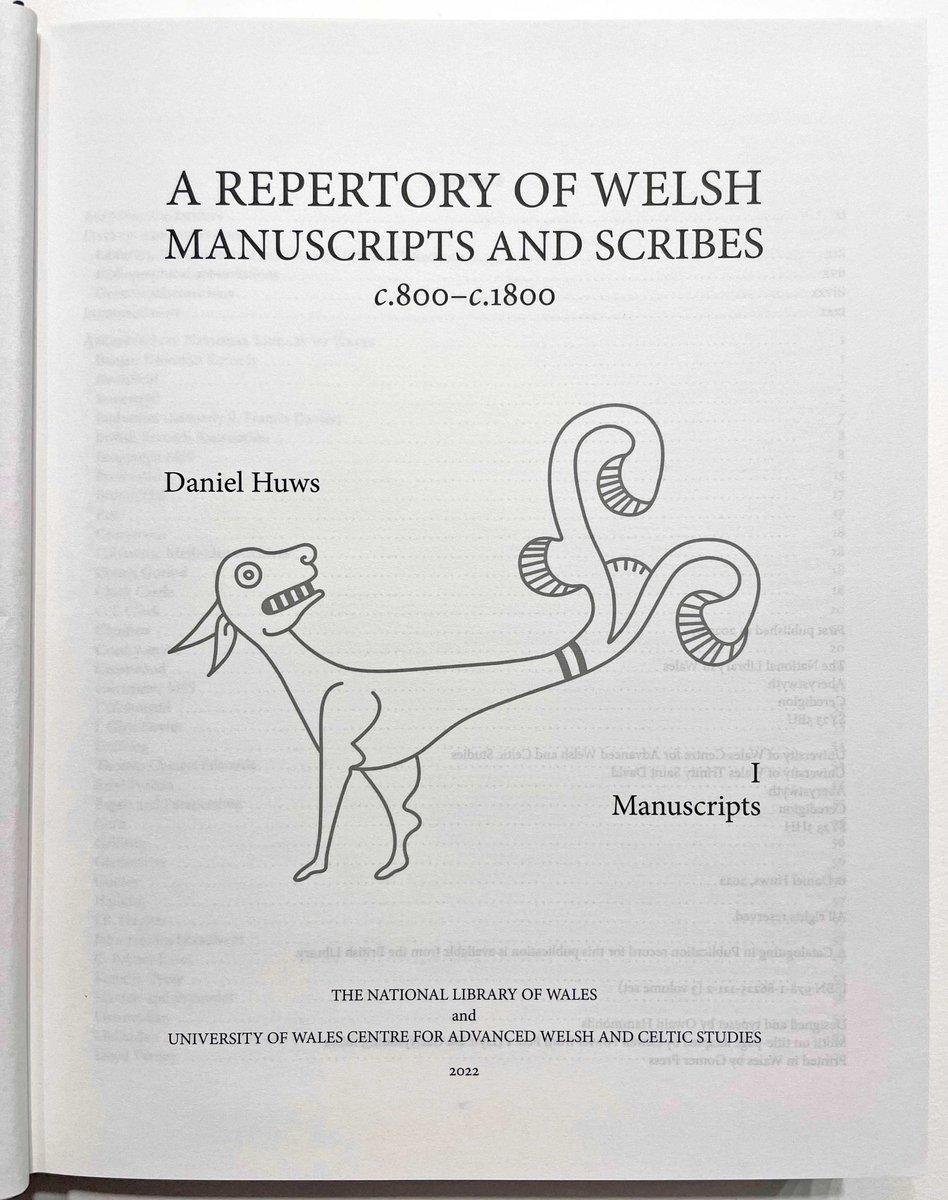
It's not often a once-in-a-century reference book is published, but that's exactly what Daniel Huws' "A Repertory of Welsh Manuscripts and Scribes c.800–c.1800" is.
Over 25 years in the making, these three massive volumes will revolutionize the study of Welsh manuscripts. 1/
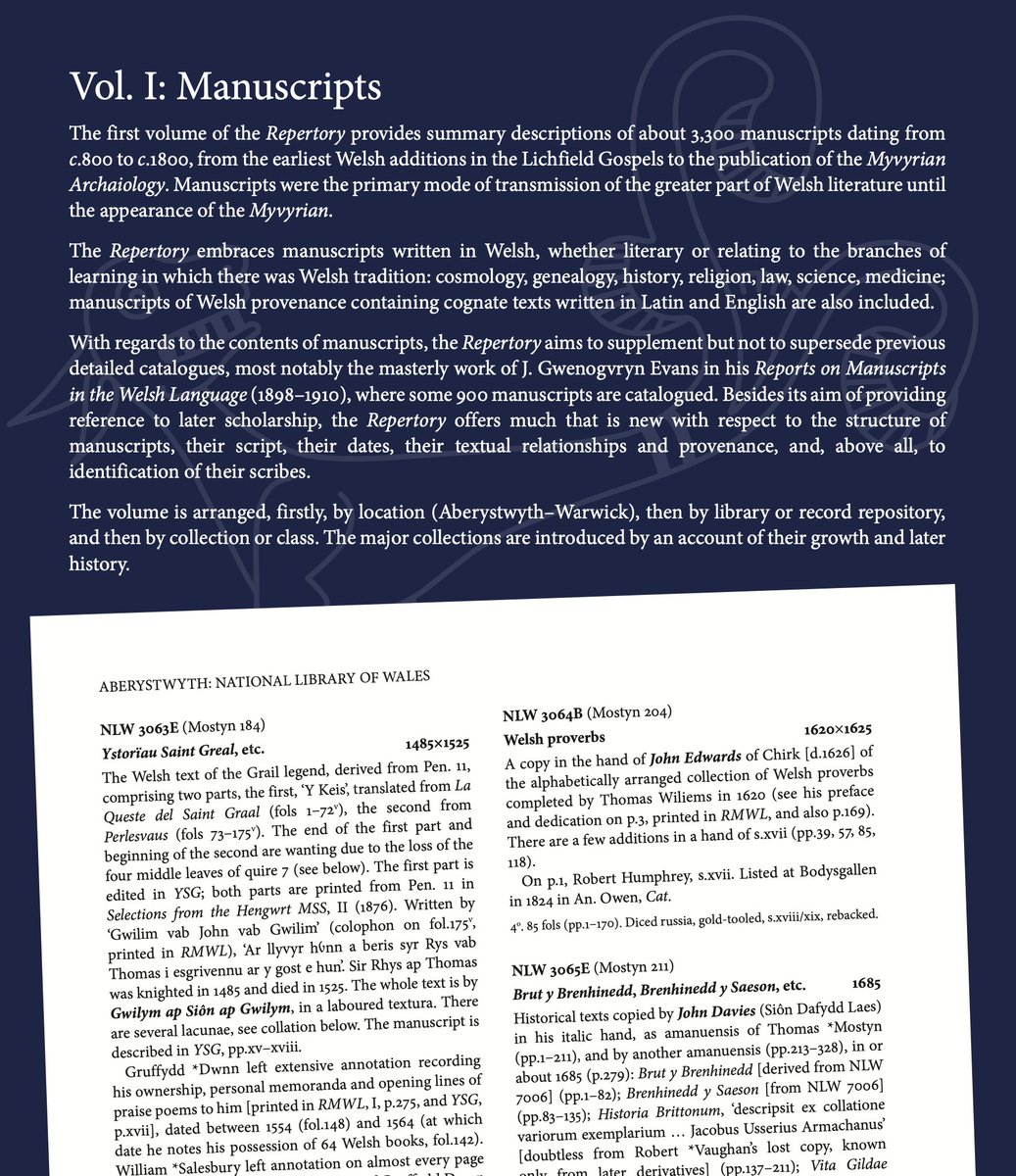
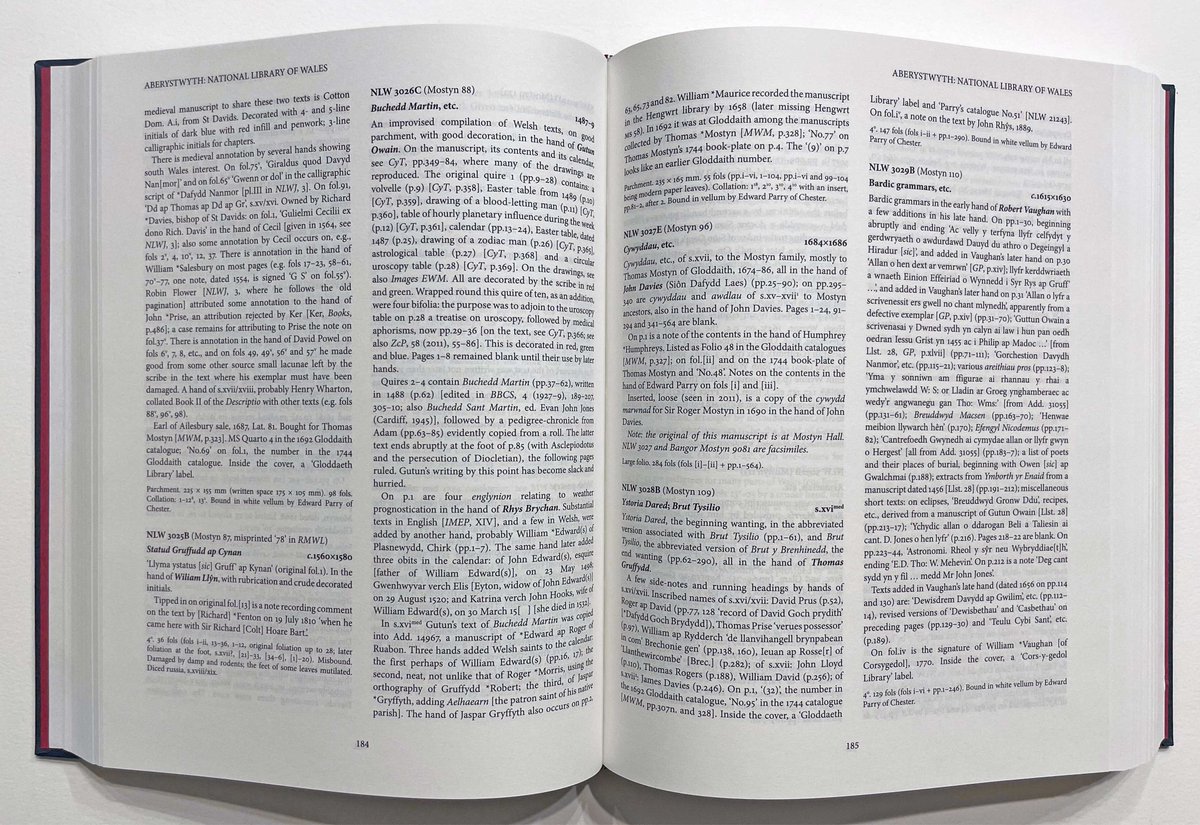
The first volume of the Repertory provides summary descriptions of about 3,300 manuscripts dating from c.800 to c.1800, from the earliest Welsh additions in the Lichfield Gospels to the publication of the Myvyrian Archaiology. 2/
Included are manuscripts written in Welsh, whether literary or relating to the branches of learning in which there was a Welsh tradition: genealogy, history, religion, law, medicine; manuscripts of Welsh provenance with texts written in Latin and English are also included. 3/
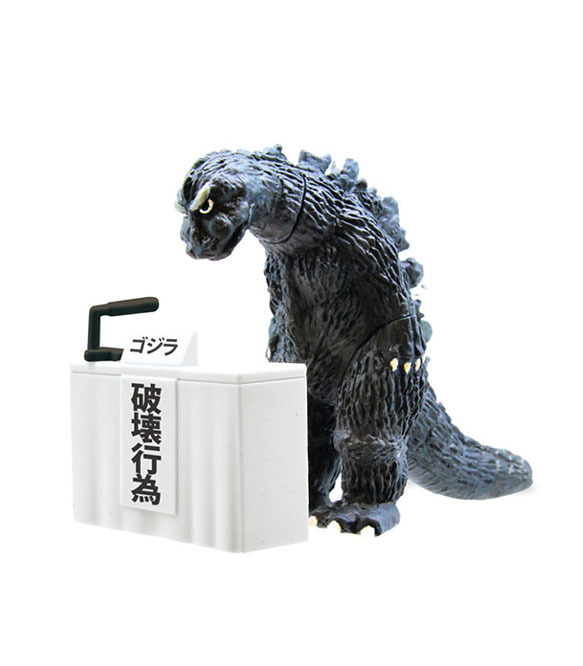
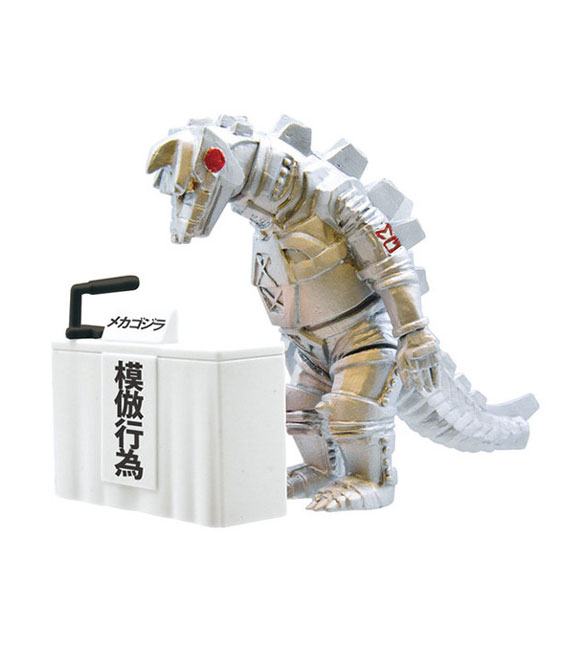
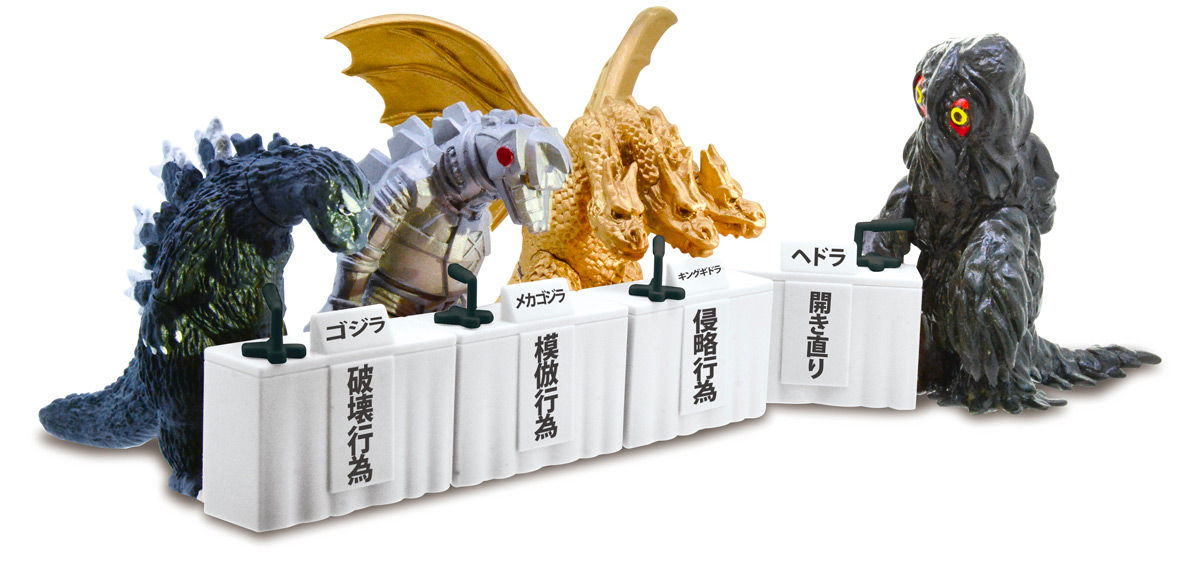
Japanese monster toys bow & apologize for destroying cities at a press conference podium.
They include Godzilla apologizing for destructive vandalism (破壊行為), Mechagodzilla for imitation & copyright infringement (模倣行為) & King Ghidora for aggressive invasion (侵略行為) 1/
These toys were first released in 2016 as part of a promotion campaign for the Shin-Godzilla movie. They were sold as gachapon [vending machine-dispensed capsule toys] and retailed for 300 yen each. They now trade at 1000% or more of this price on the collectors' market. 2/
Gachapon (ガチャポン) is an onomatopoeic word formed from the two sounds "gacha" (or "gasha") for the hand-cranking action of the toy-vending machine, and "pon" for the sound of the toy capsule landing in the collection tray. 3/