Have you ever wondered about nuclear aircraft propulsion? Boy do I have the thread for you! I spent valuable time reading papers that are not relevant to my thesis, because sometimes I like to procrastinate by doing more work. Enjoy! 🧵1/23 

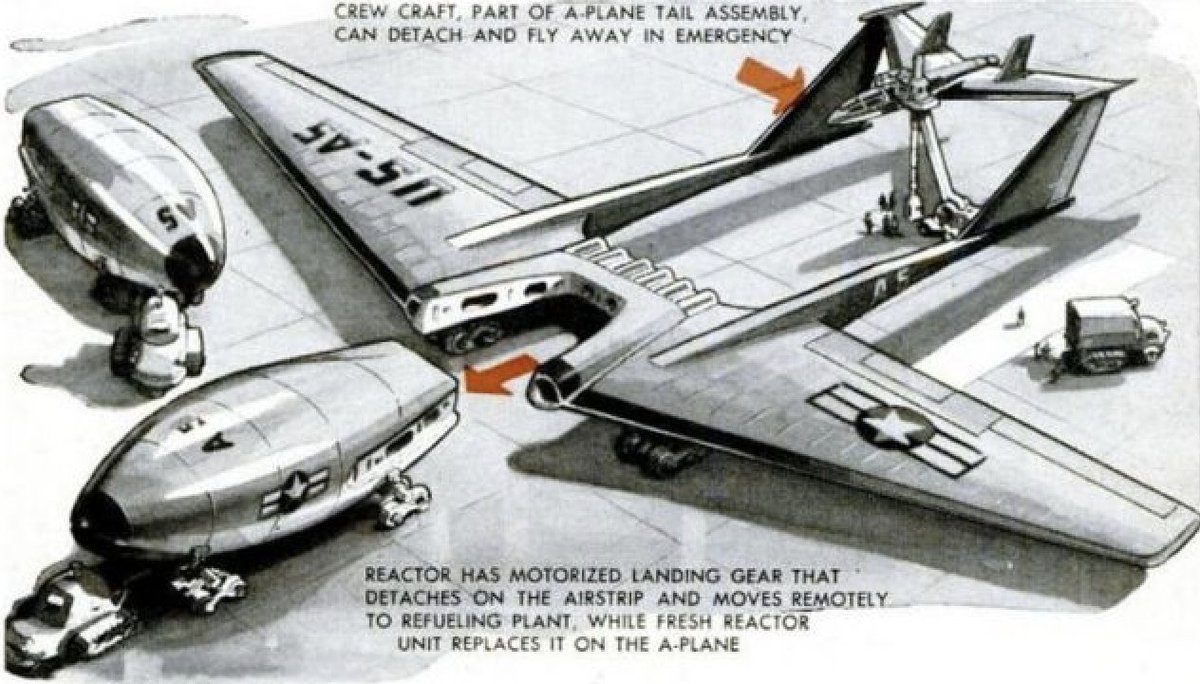
In the US we started looking into nuclear propulsion for aircraft as early as 1948. The USAF wanted nuclear powered nuclear armed bombers to fly deterrent patrols of the USSR. Using nuclear energy they could stay aloft for days, weeks or potentially months! 2/23

Nuclear propulsion also allows for easier supersonic flight since there is no flame to keep lit and no real concerns about fuel consumption. This is very appealing for the sorts of bombers we were considering before the ICBM was developed. 3/23
There were 3 large programs of note: 2 for bombers and 1 for a cruise missile. There were also various smaller investigations and white papers looking at all manner of odd ball concepts. I have even seen mention of flying supercritical PWRs! 4/23
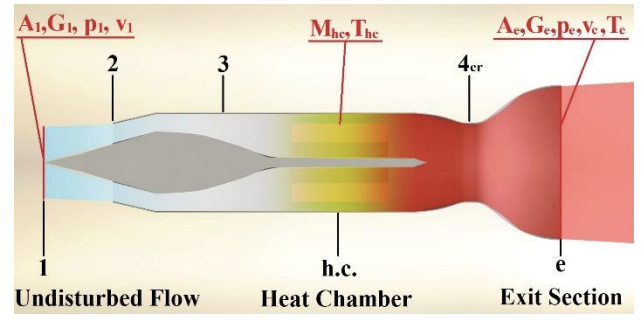
Of the bomber propulsion programs, one looked into direct cycle propulsion and one into indirect cycle. Direct cycle is when the air flows into the reactor and directly over fuel elements. This is highly efficient, but can leak fission fragments and activate the air briefly. 5/23
Indirect cycle is when the reactor heat is extracted with a working fluid and then it heats the air via heat exchanges or just runs a turbine that spins a propeller. This is a heavier and more complex option, but is more palatable to the public. 6/23
The direct cycle program was in Idaho and cumulated in the Heat Transfer Reactor Experiment 3 (HTRE3). This nuclear jet engine can still be seen today at the EBR1 museum in Idaho! The program ran until 1961 when it was cancelled. 7/23
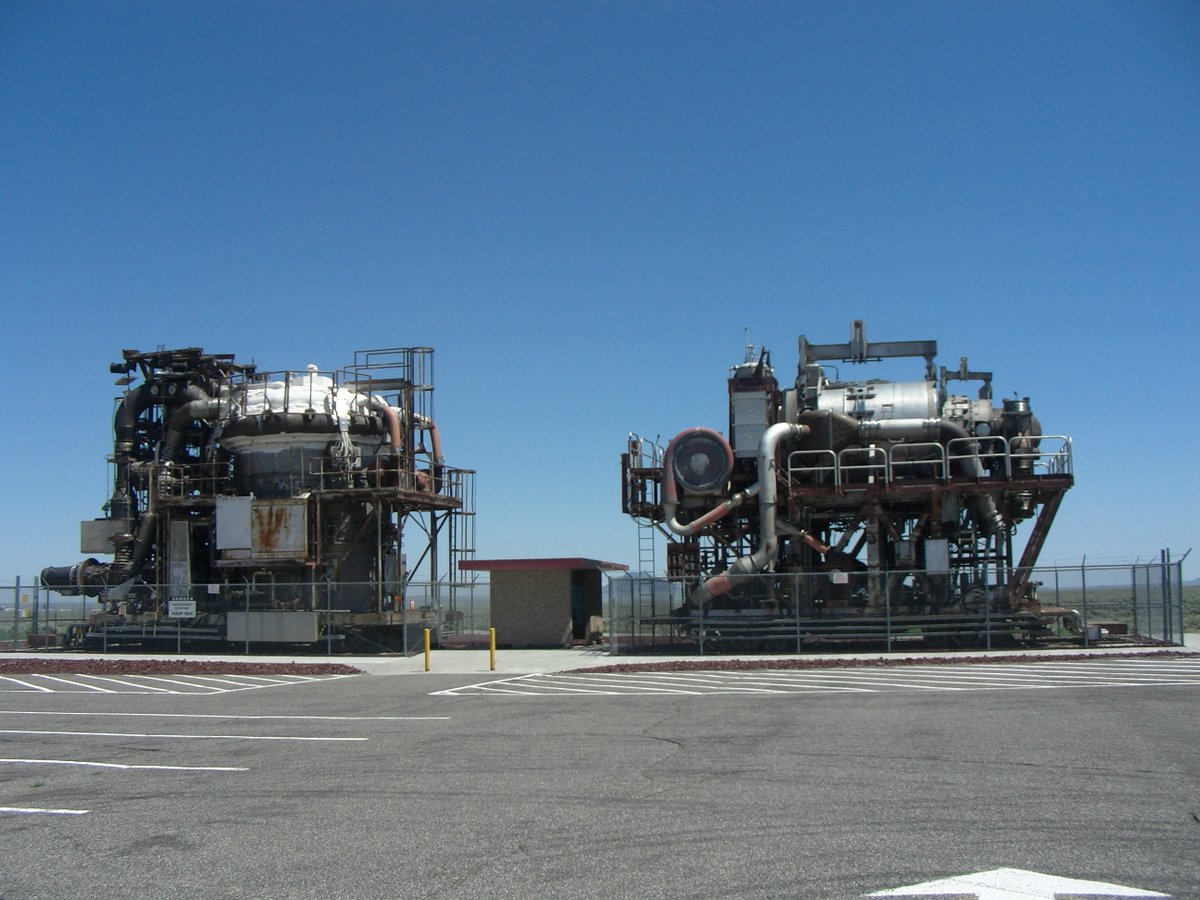
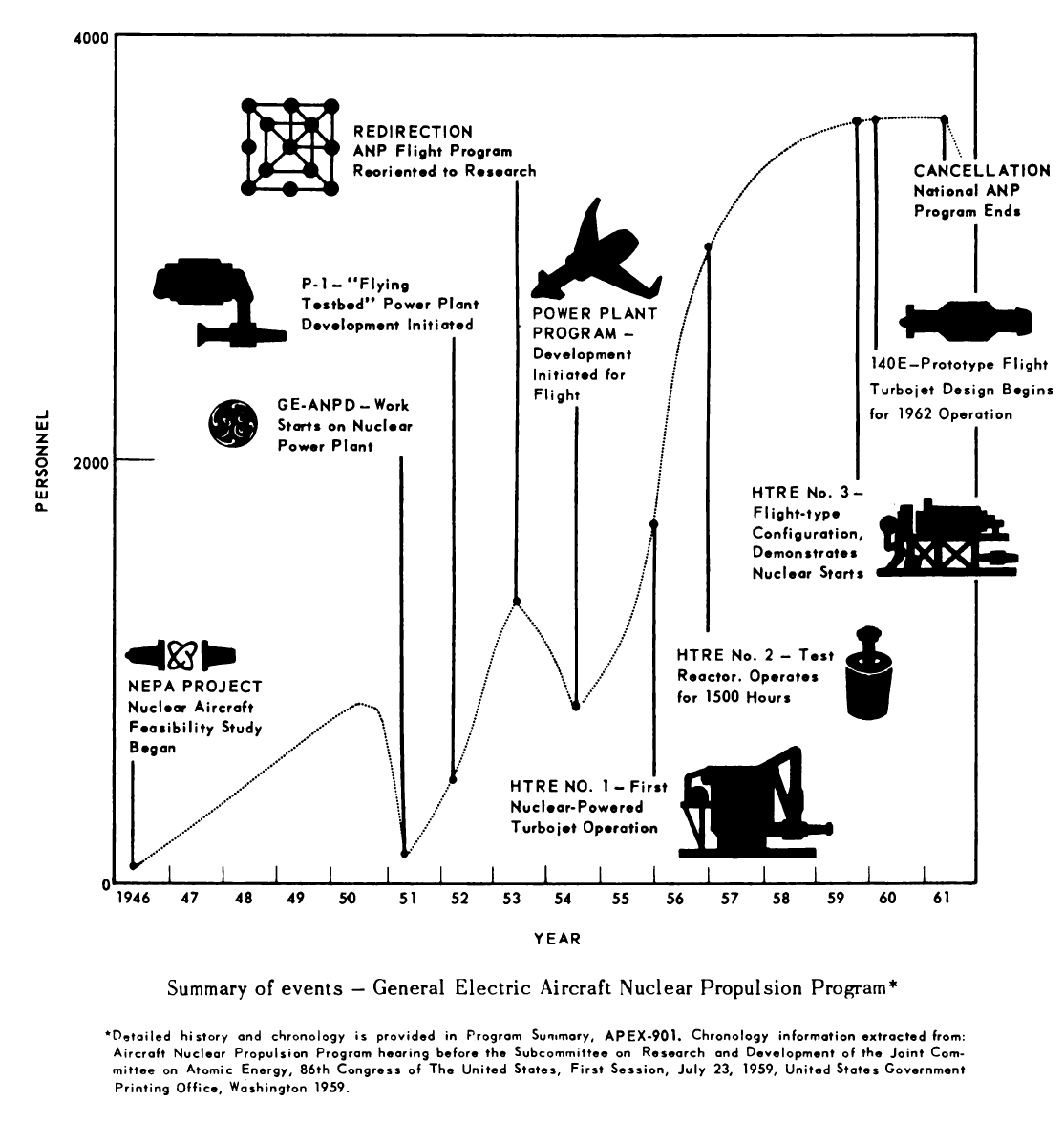
The reactor used UO2 fuel elements and reached temperatures as high as 1121 C for hours, but typically ran <870 C to not melt the jet turbines. I have been told that they did damage the turbines at least once though! The reactor also suffered a meltdown! 8/23
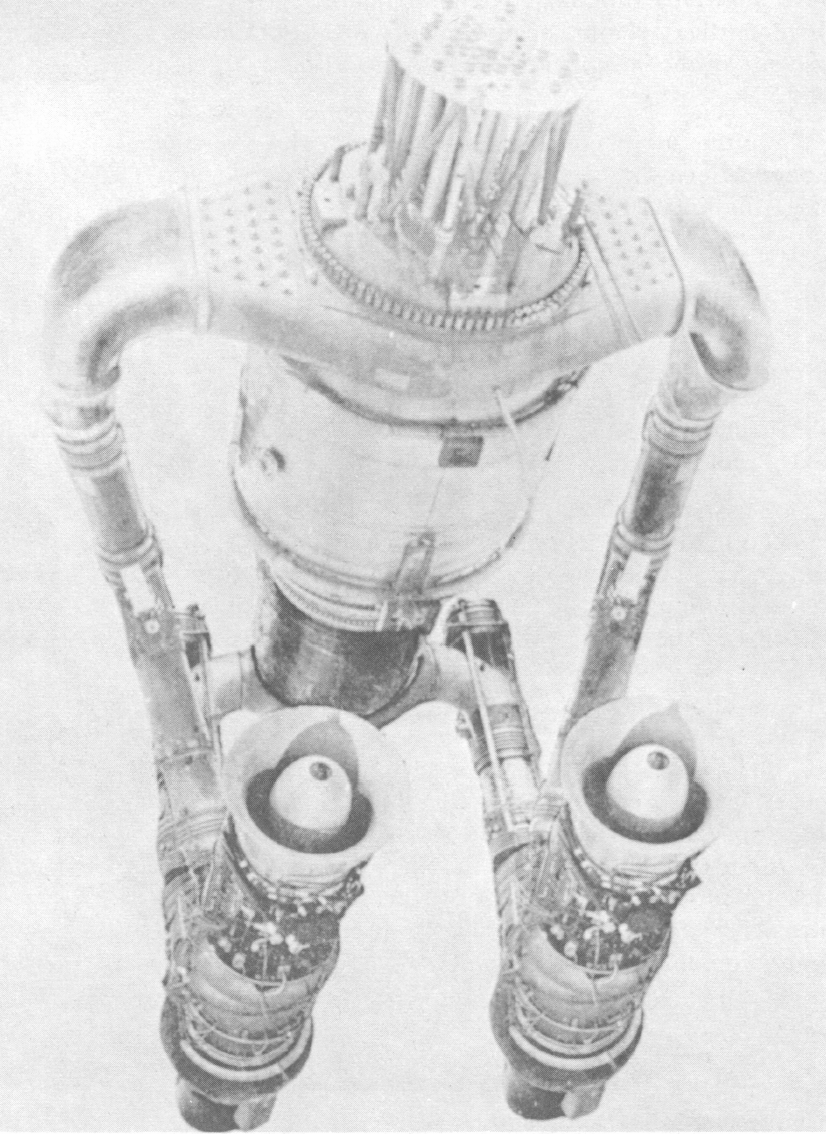
It is notable for starting the turbines under nuclear heat (first ever) and having a radiation shield that was rated for flight. The hours of run time also provided confidence that the next step reactor, the XMA-1, would work. 9/23
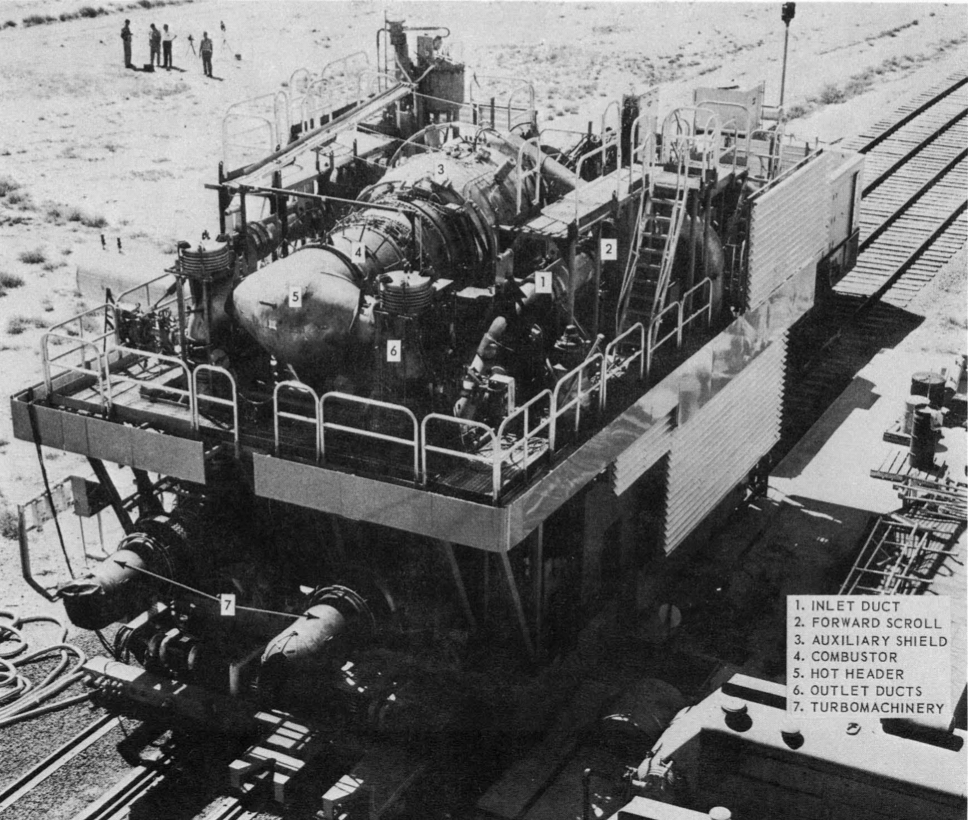
The XMA-1 was specced to provide >40 hrs flight time at Mach 0.9 and then sprint to the target at Mach 2.5! Both ceramic and metal fuels were considered, with metal being favored. It would use chemical power to get up to spring speed and for assistance during take-off. 10/23
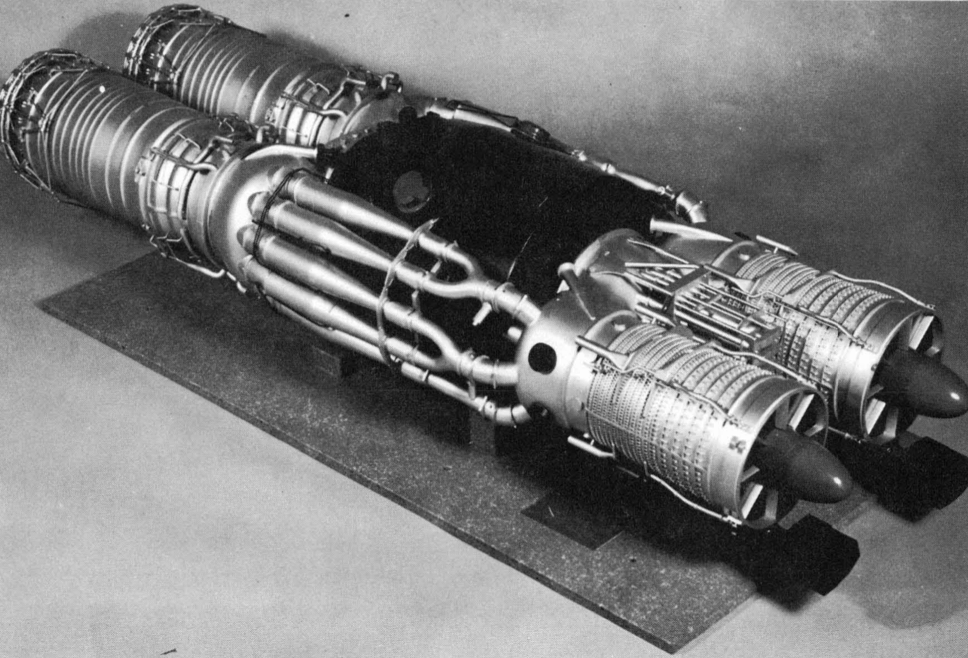
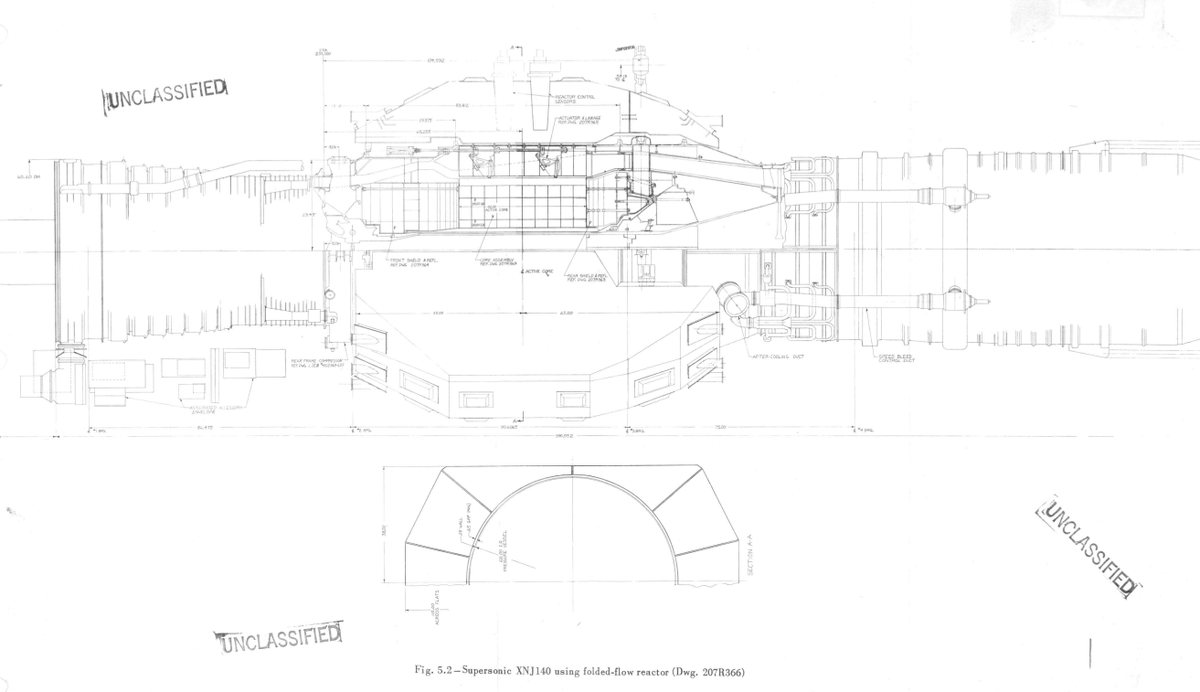
This program was going to cumulate in the XNJ140E engine for a planned Convair nuclear bomber. This dual propulsion (chemical+nuclear) project was on schedule and had parts ordered when the program was canceled. 11/23
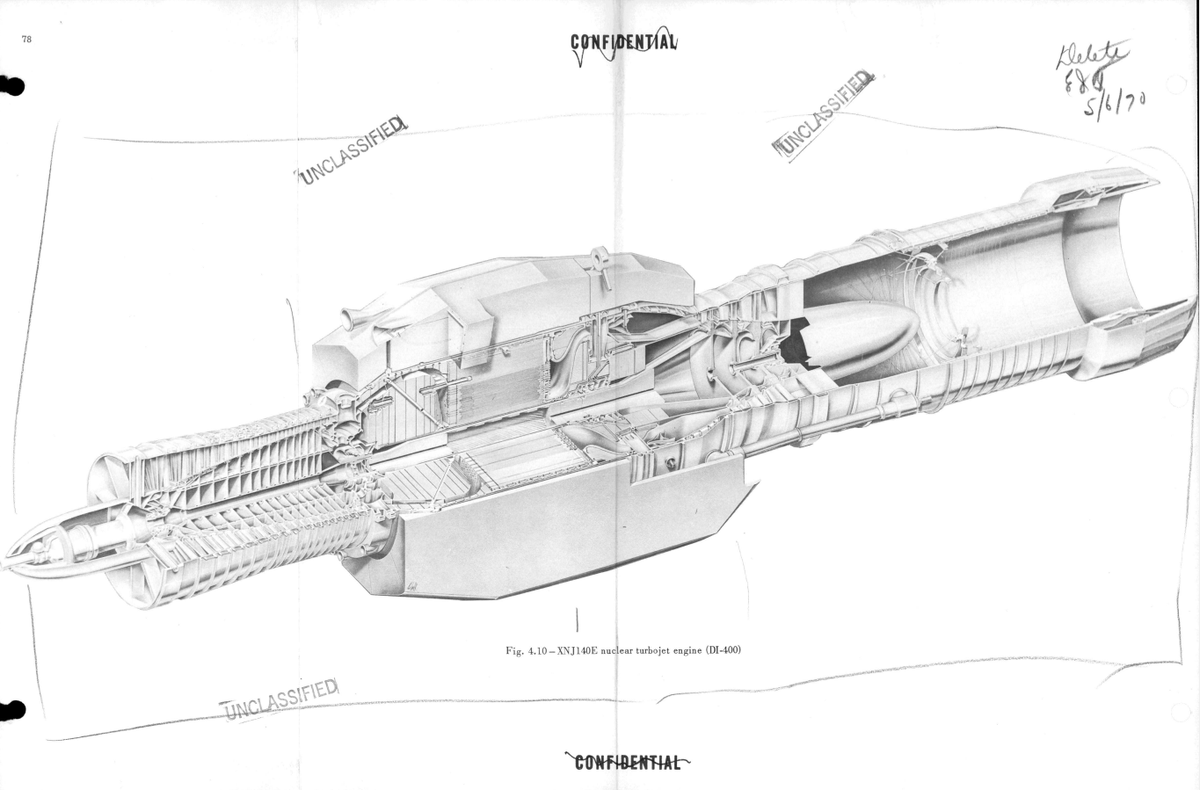
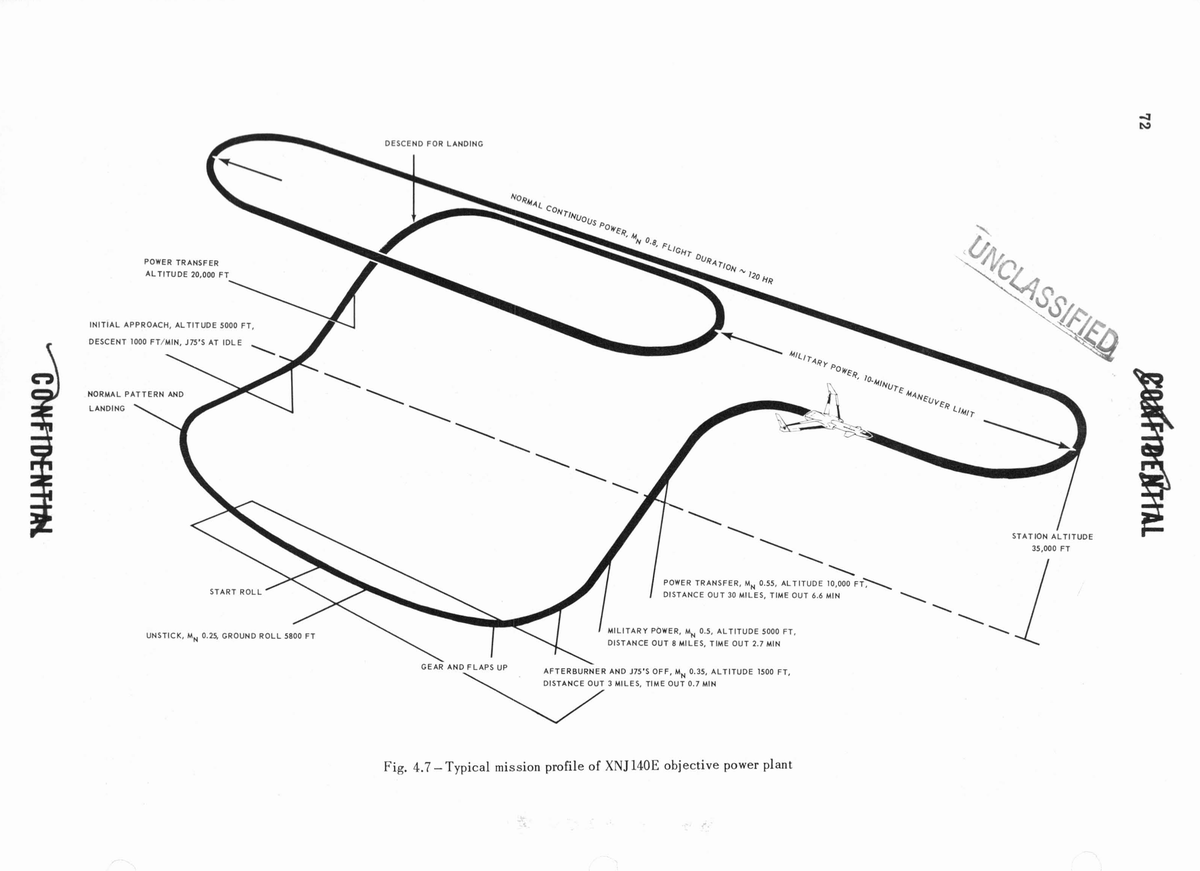
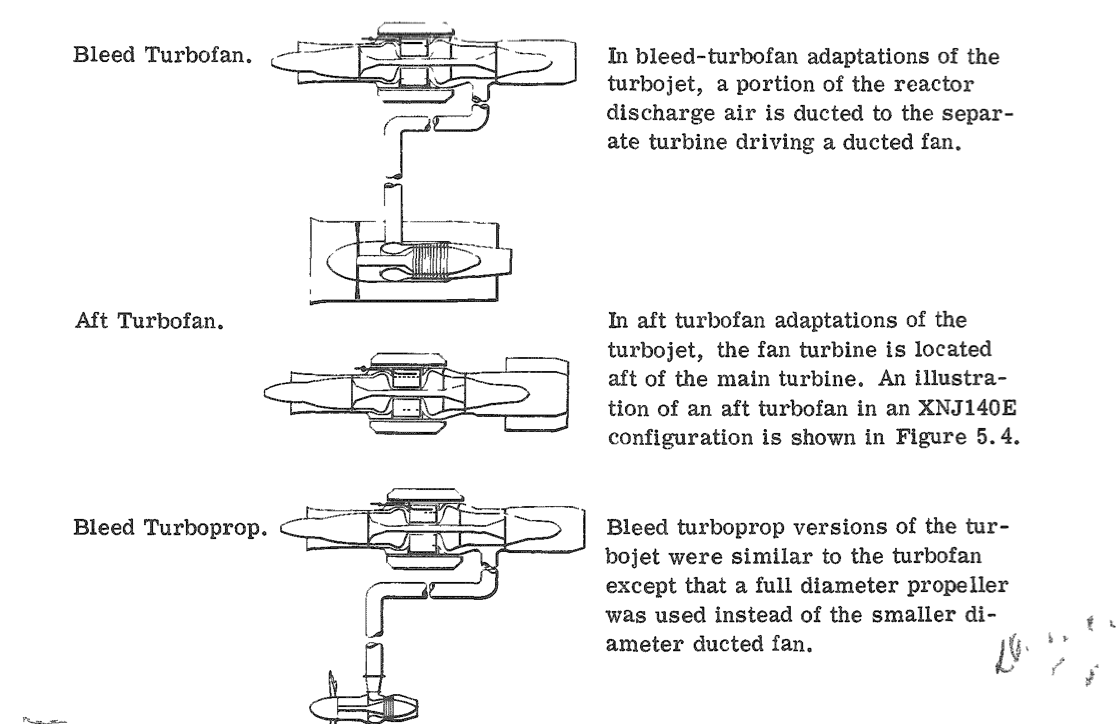
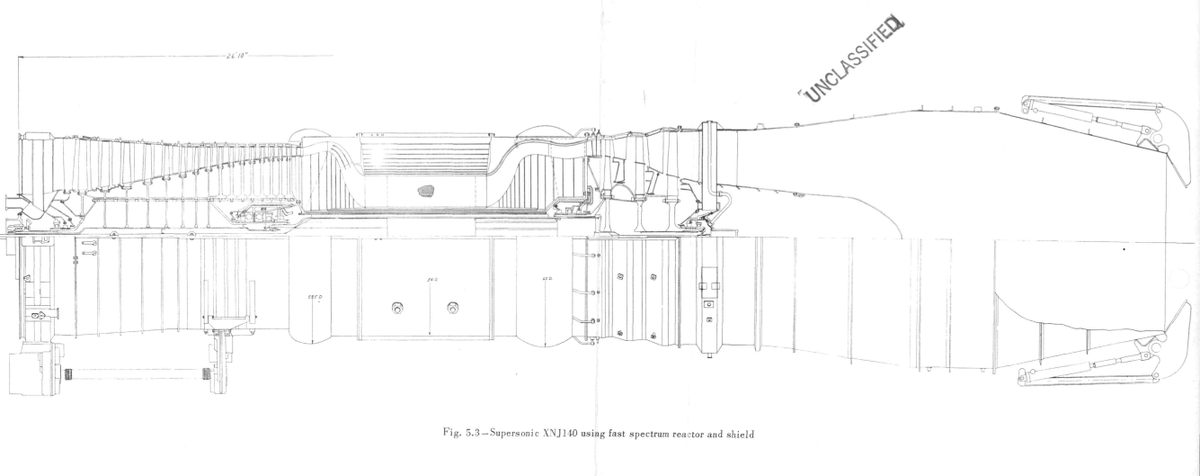
Additional studies were being on done BeO homogenous mix (see below), folded flow reactors (like later NTRs looked at) and even fast reactors! Turbo-props were also considered and combined with fast reactors would provide a lot of lifetime in the air... 12/23
The other nuclear bomber engine project was the famous Aircraft Reactor Experiment (ARE) and PWAR-1 project at Oakridge. This is the famous serious of molten salt reactors that have helped ignite a current day craze over the technology. 12/23
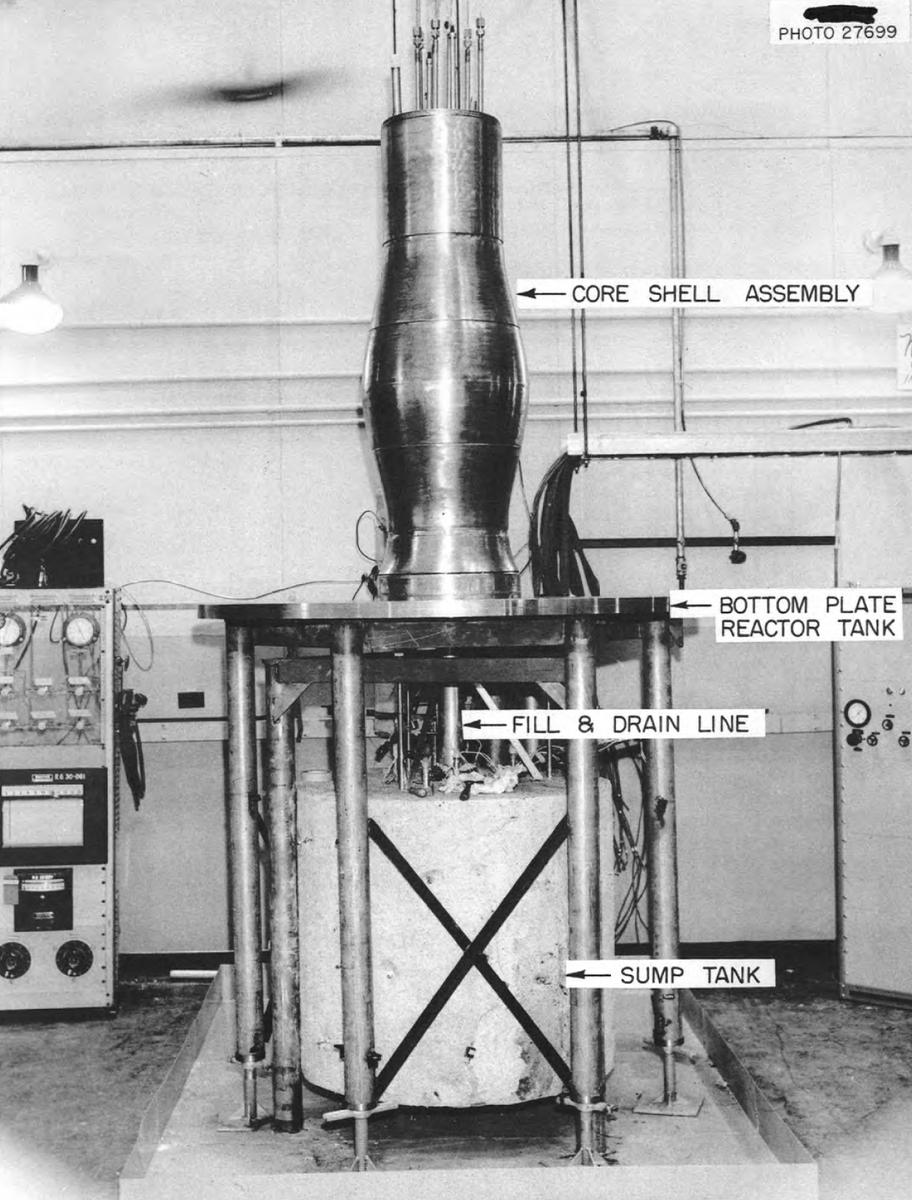
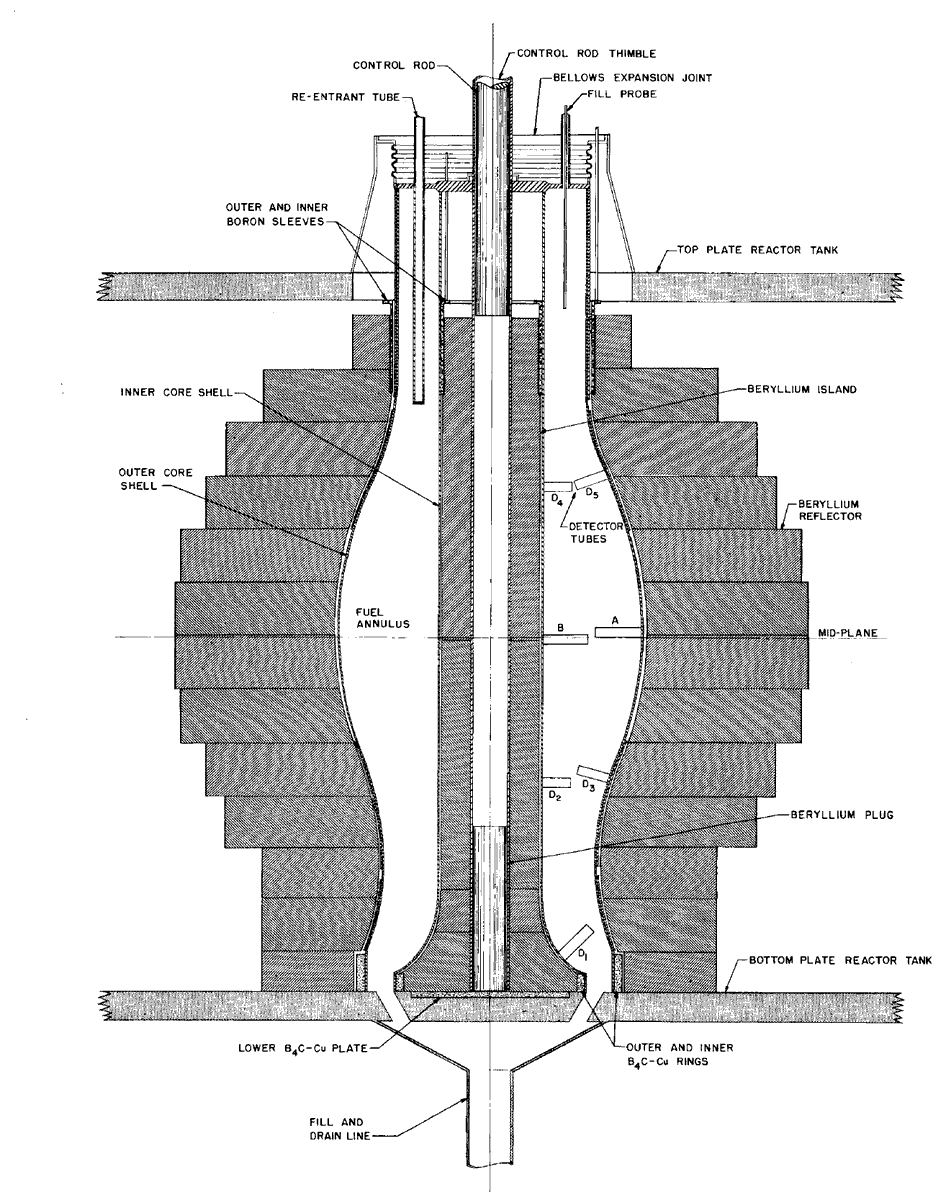
These were air cooled and ran up to 760 C, but future plans would include versions that operated at 1000+C. The fuel is a molten NaF-ZrF4-UF4 salt and moderated and reflected by beryllium. 13/23
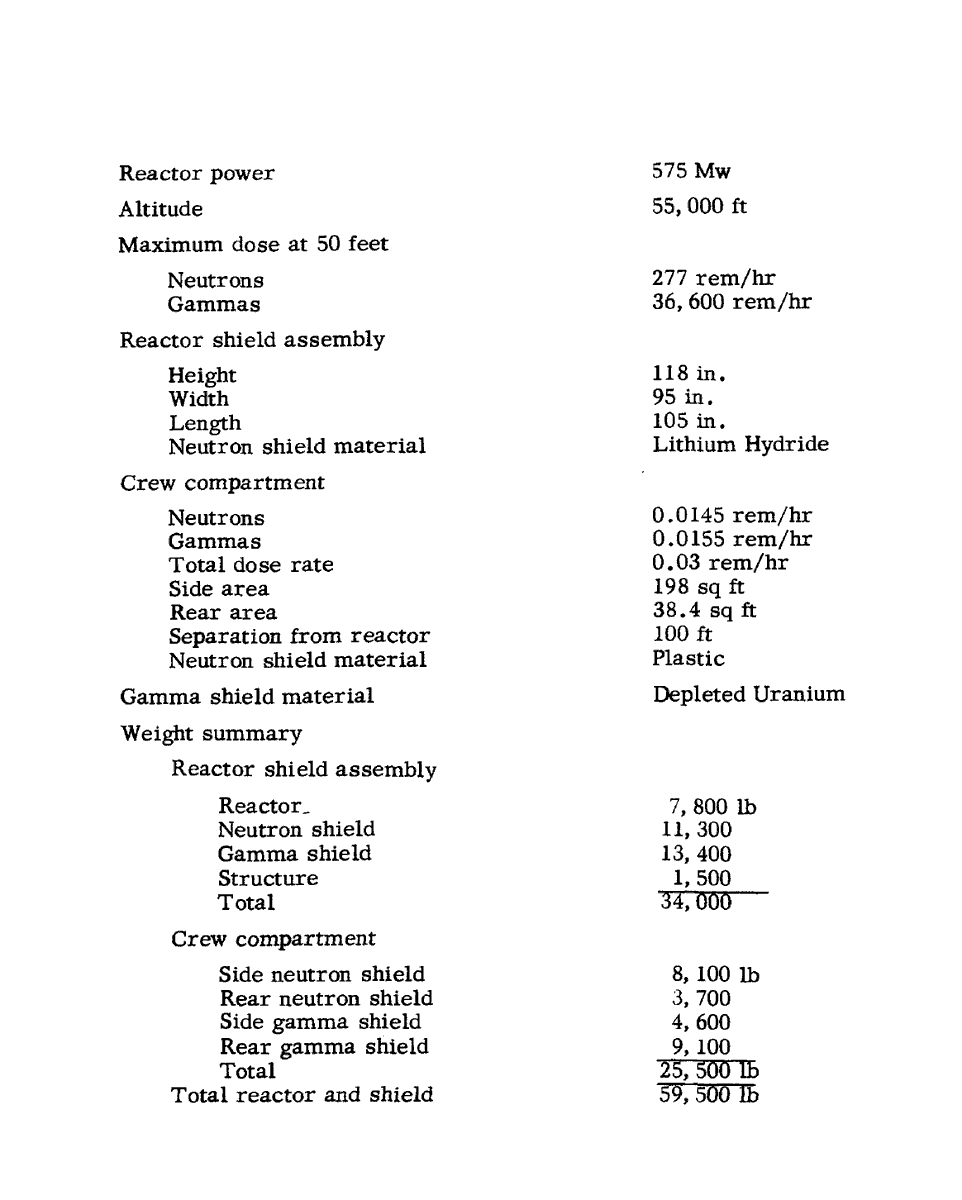
For aircraft engines, the heat would be extracted via enriched liquid lithium and then taken to a heat exchanger. There was a future design for a 575 MW, ~8 kW/kg (with shield and engine and reactor), Mach 3 capable version! 14/23
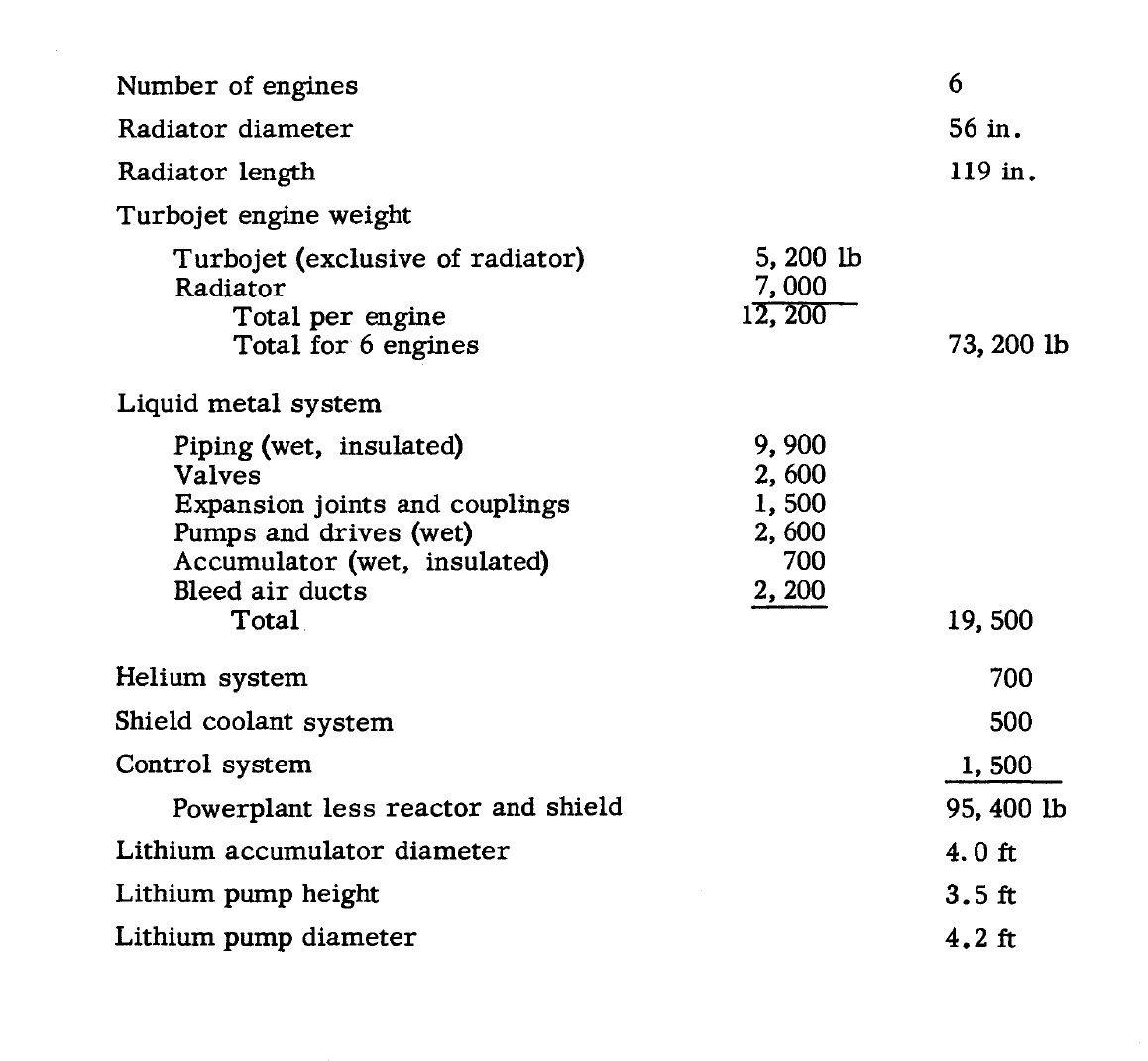
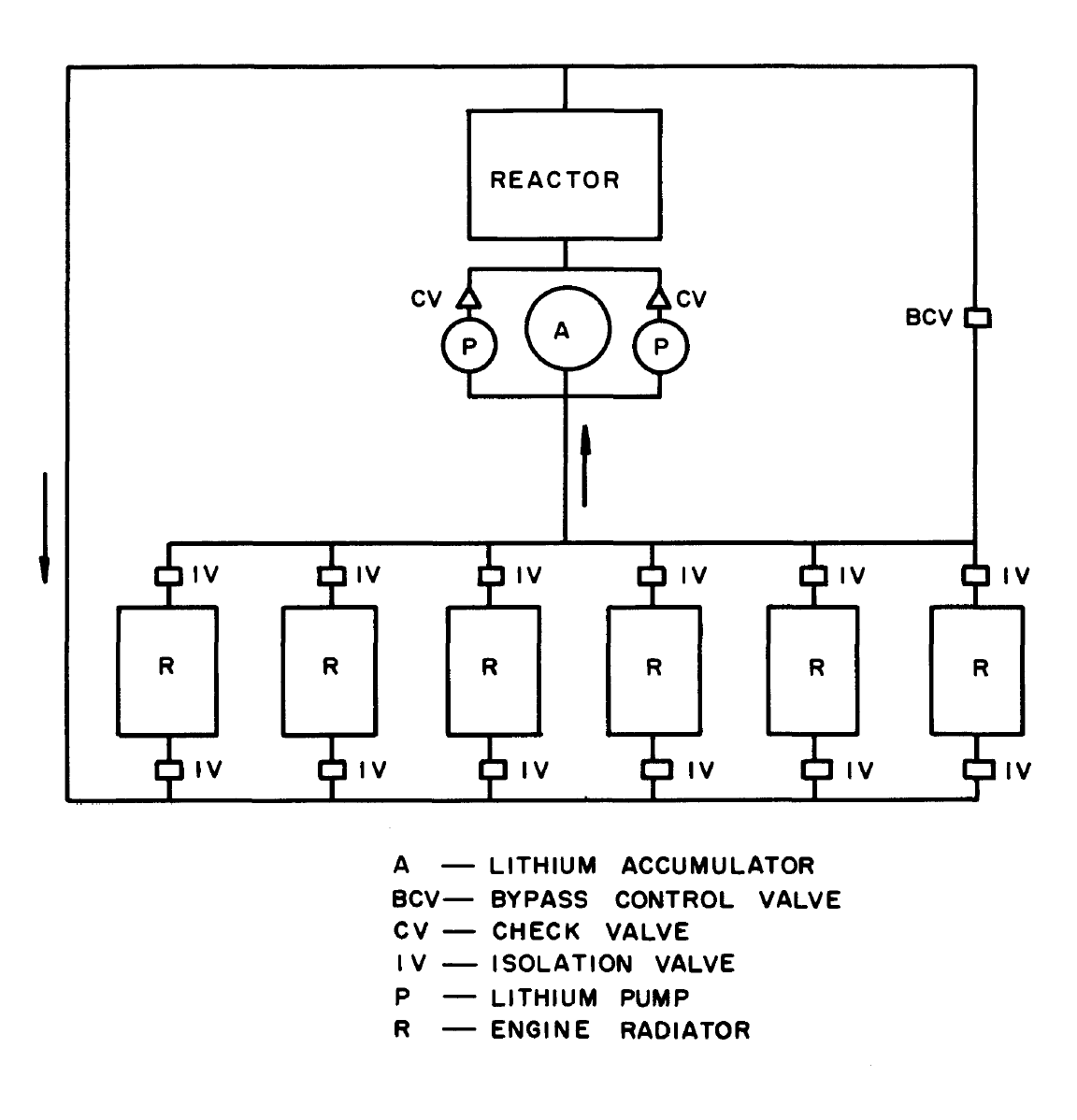
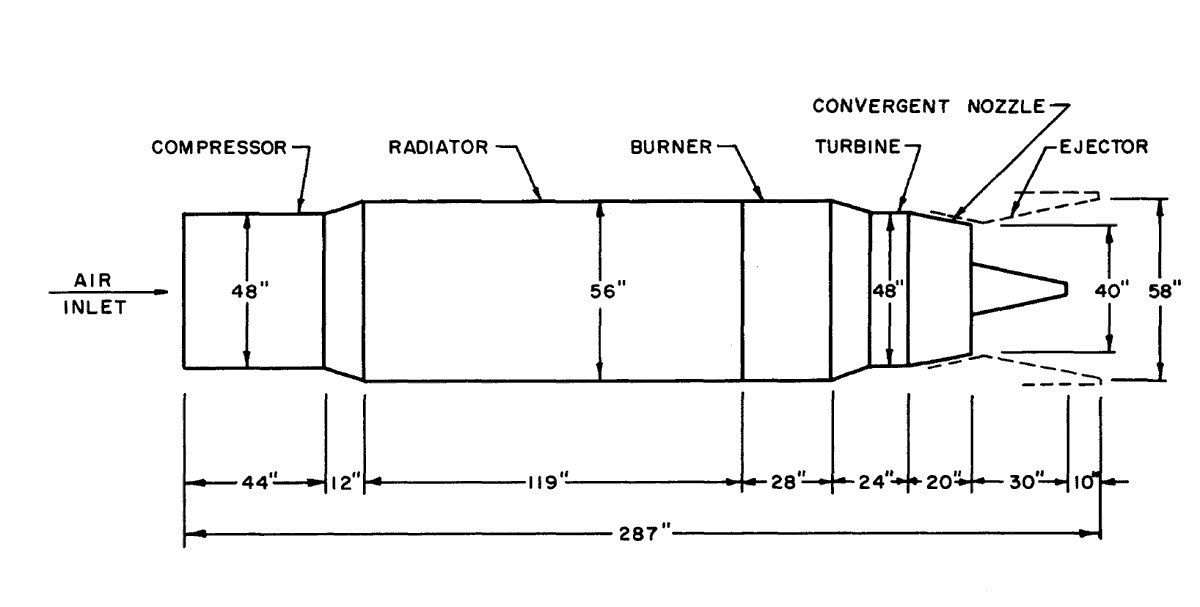
A water cooled and moderated reactor was also flown on a modified B-36. It didn't power the aircraft, but was there to test shielding materials and nuclear aircraft handling techniques. A lot of problems were found and being addressed when these programs were canceled. 14/23

The final major program was Project Pluto, the infamous nuclear cruise missile from LLNL! This terrifying machine was a Mach 3, direct cycle, low flying missile loaded with 10-20 nuclear weapons and meant to loiter for weeks before being given the order to go! 15/23
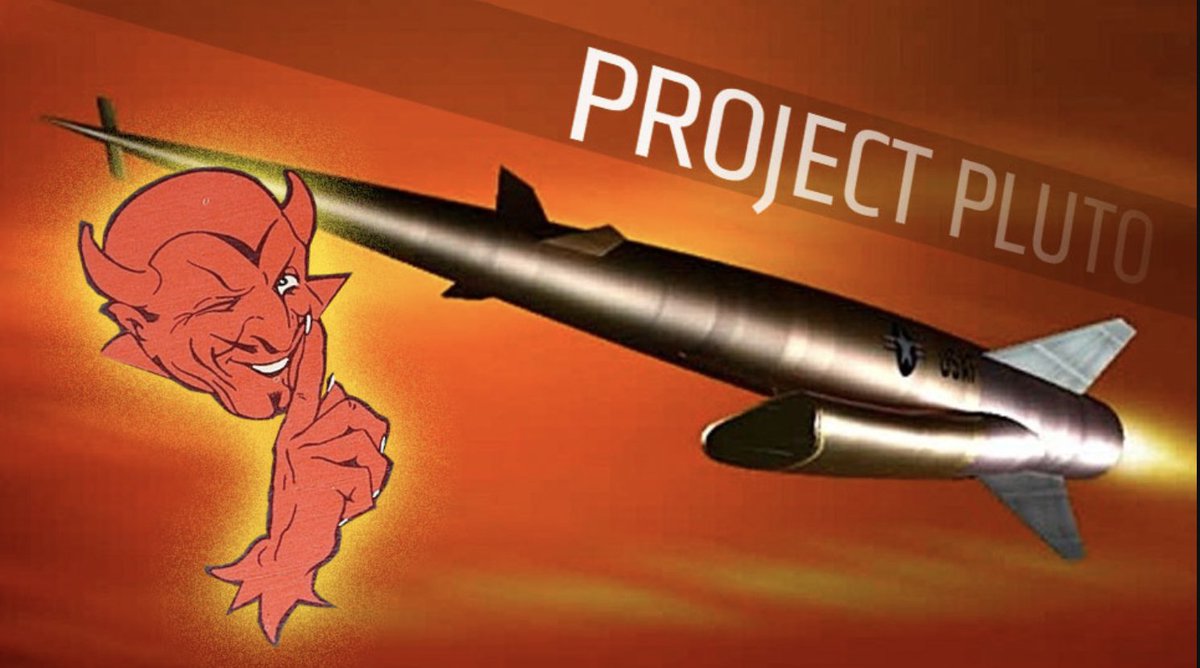
The scary part is this all would have worked! The engine testing was effectively done, the guidance system had been proven and the airframe was being built. The program was cancelled in 1964 for both a lack of real need (ICBMs are better) and for being too provocative! 16/23
A series of engine testing in the "Tory" program out in Nevada showed the ability to build, start, and operate nuclear ramjets like was needed for the SLAM (the missile name) weapon. This cumulated in the Tory-IIC engine shown here. 17/23
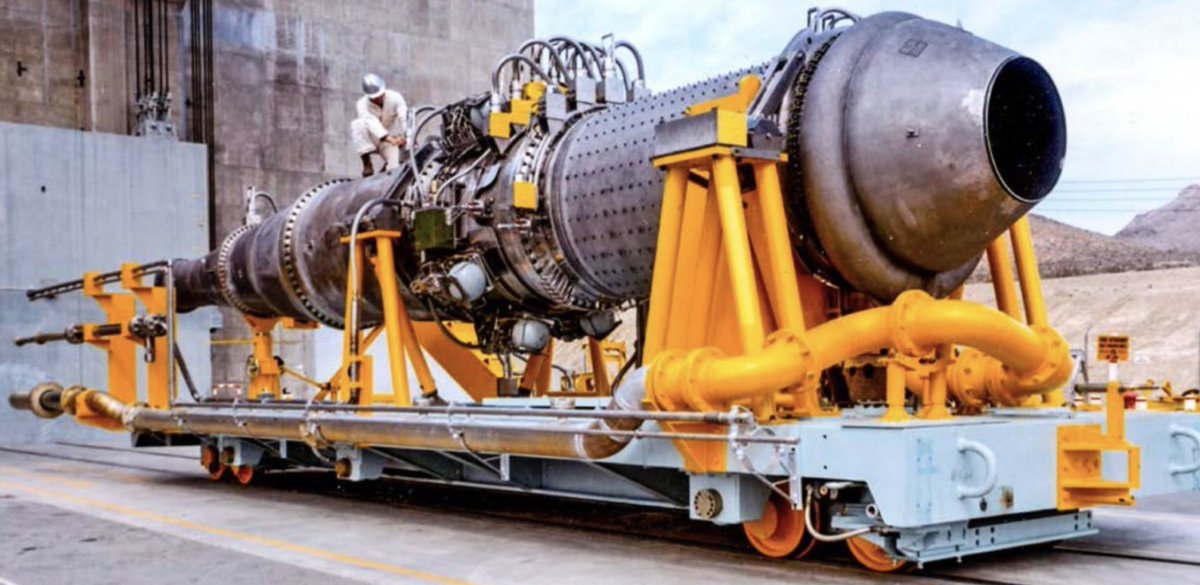
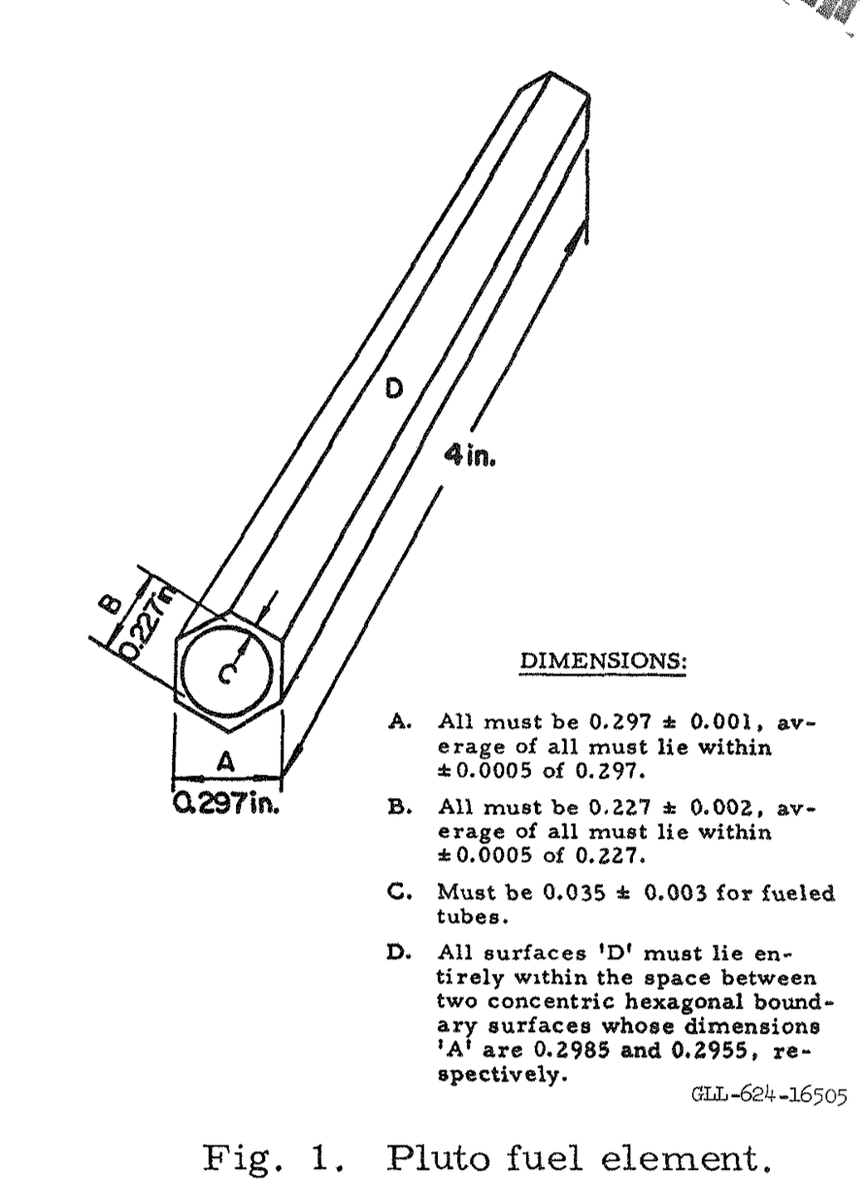
This direct cycle engine used a really innovate beryllium oxide/uranium dioxide homogenous mix design. The fuel/moderator elements were extruded into very thin tubes and then arranged into the final configuration. A lot of work went into lowering the U requirement for cost. 18/23
The final results were stunning though, with easy operation for 5 minutes at 461 MW and a fuel temp of ~1300 C. No issues were ever reported with the reactor as far as I can tell, and it was considered to be an easy to run machine. The fuel was undamaged! 19/23
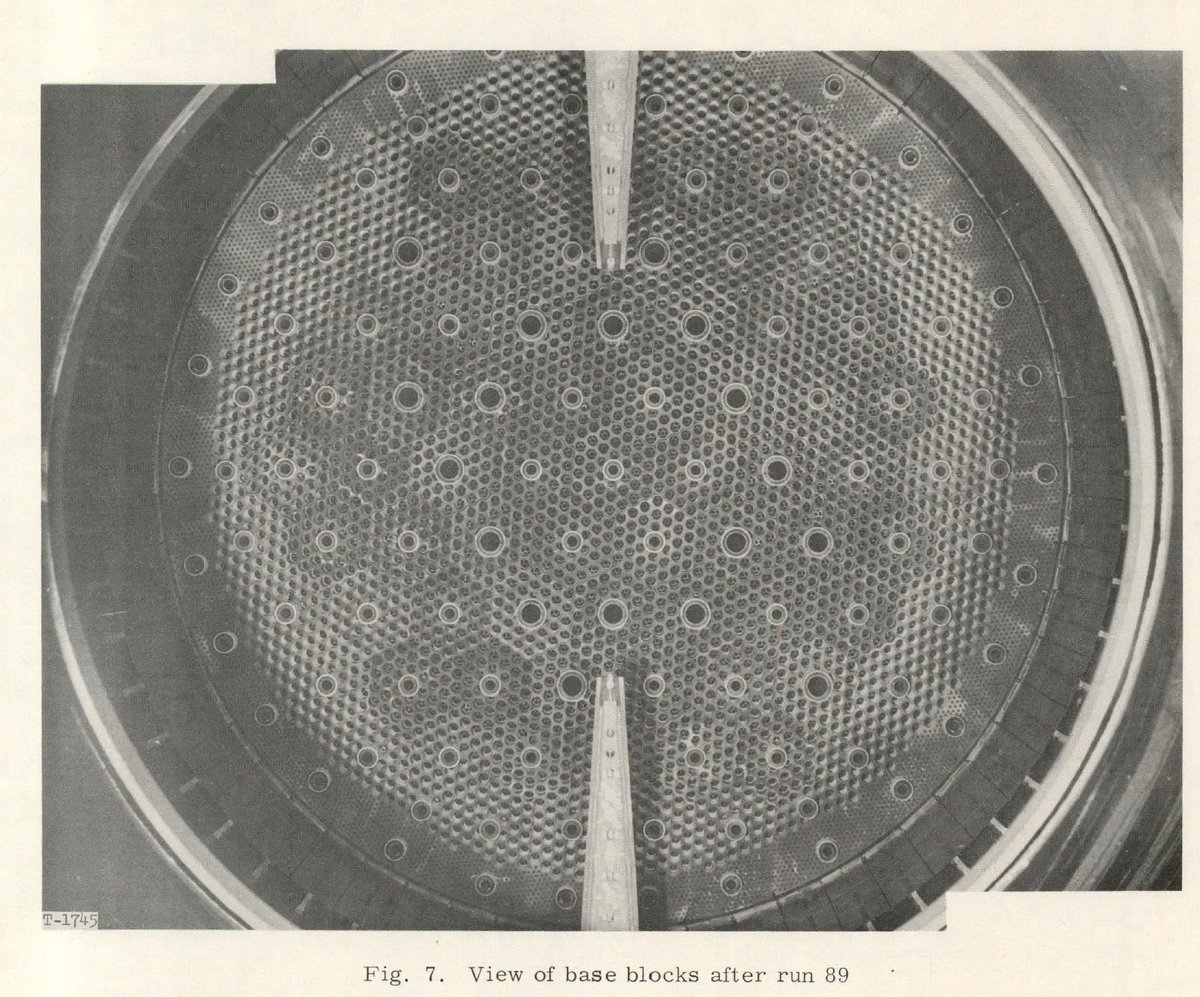
One big downside though, was the fission fragment leakage. It is estimated that 0.2% of the fission fragments escape during operation, which is a lot of nasty stuff coming out of the tail pipe! I can't find good values on the isotopes or I would give you an activity number. 20/23
Sadly the xenon does seem to stay in the fuel though... One interesting bit was that a substantial amount of fission fragment loss is estimated to come from uranium near the edge of the homogenous fuel since the fragments can directly leap into the air at that point! 21/23
Project Pluto was thankfully canceled in 1964, but the amazing tests done showed the incredibly capability of nuclear powered flight. There have been talks of revitalizing this idea to explore Jupiter! 22/23 arxiv.org/ftp/arxiv/pape…
Nuclear aircraft propulsion is a very interesting, if niche use, concept that I honestly think could do with a fresh look due to materials, reactor and computational advances. Hopefully next time around we focus on peaceful rather than deadly uses though! 23/23
• • •
Missing some Tweet in this thread? You can try to
force a refresh