📉 Inside the birth rate crisis gripping the West.
With increasing numbers of women rejecting motherhood, governments are left scrambling to try and encourage a baby boom
@RosaSilverman investigates 🧵
telegraph.co.uk/family/parenti…
With increasing numbers of women rejecting motherhood, governments are left scrambling to try and encourage a baby boom
@RosaSilverman investigates 🧵
telegraph.co.uk/family/parenti…

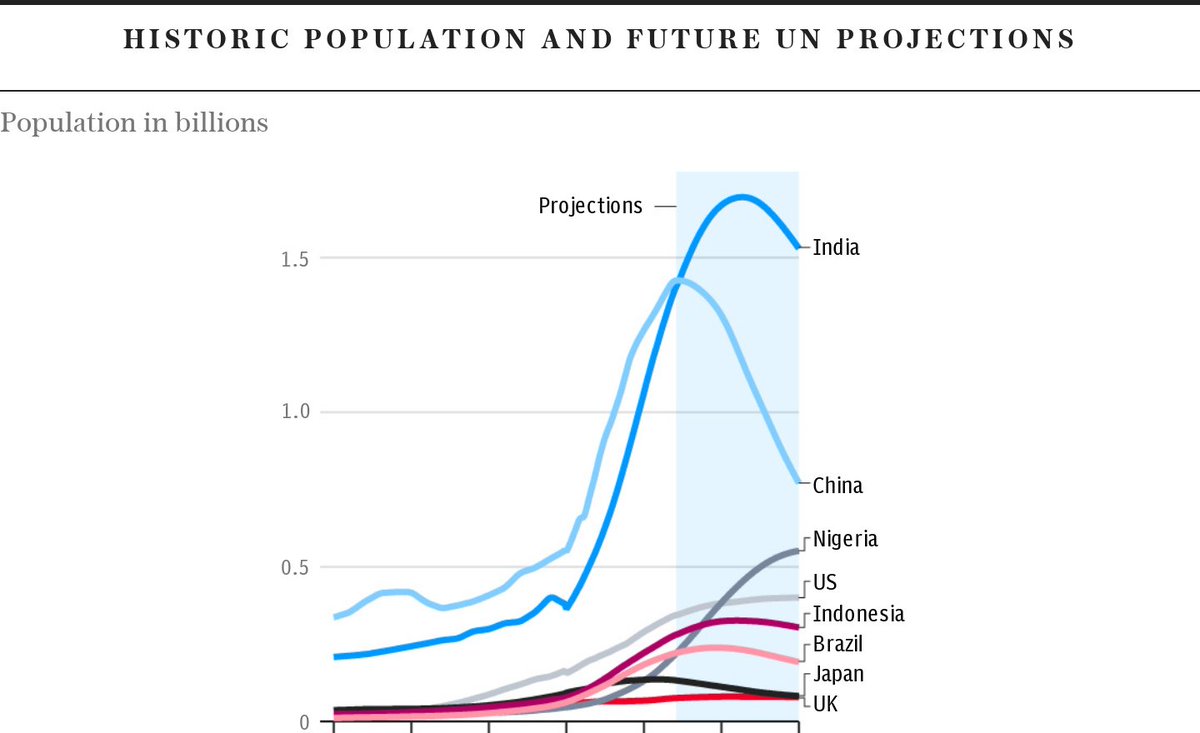
📈 On Nov 15 this year, the global population is expected to reach eight billion.
The United Nations predicts it could grow to about 8.5 billion by 2030 before peaking at 10.4 billion in the 2080s.
After that the world’s population will start to fall
The United Nations predicts it could grow to about 8.5 billion by 2030 before peaking at 10.4 billion in the 2080s.
After that the world’s population will start to fall
'At a glance, you might conclude the greater cause for alarm is the impending arrival of even more people on our planet.'
👉 In contrast, for most of the rest of the world – including Britain – it’s a baby bust. And it’s happening now
telegraph.co.uk/family/parenti…
👉 In contrast, for most of the rest of the world – including Britain – it’s a baby bust. And it’s happening now
telegraph.co.uk/family/parenti…
According to the Office for National Statistics (ONS), women born in 1975 had on average just 1.92 children.
This compared with the average 2.08 children produced by their mothers’ generation (taken as women born in 1949)
This compared with the average 2.08 children produced by their mothers’ generation (taken as women born in 1949)
🌍 The picture is similar in most other developed countries.
Last year, the French were urged to have more children after the number of births in the country slumped to its lowest level since the Second World War.
And in parts of Asia the situation is even worse
Last year, the French were urged to have more children after the number of births in the country slumped to its lowest level since the Second World War.
And in parts of Asia the situation is even worse
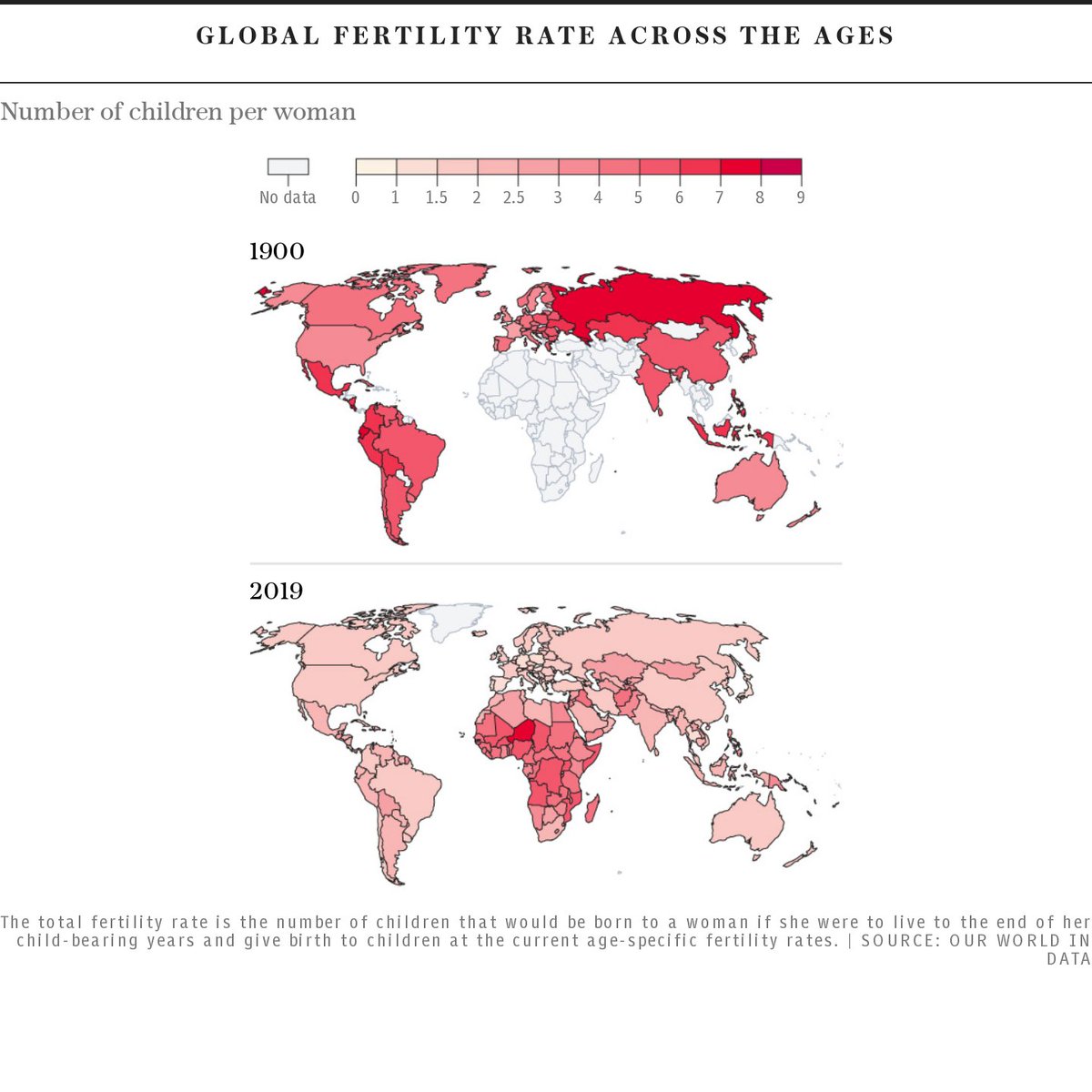
❓ But why, when living standards and freedoms have never been higher, are women across the globe having so few children or rejecting the concept of motherhood altogether?
🔴 It starts with economics.
In undeveloped countries like Niger, where subsistence agriculture dominates, people have large numbers of children to help support the family and look after them in their old age
In undeveloped countries like Niger, where subsistence agriculture dominates, people have large numbers of children to help support the family and look after them in their old age
But, as countries develop, they all pass a point at which the birth rate begins to fall.
It’s the point at which it makes more economic sense to invest in the education of just a couple of children
telegraph.co.uk/family/parenti…
It’s the point at which it makes more economic sense to invest in the education of just a couple of children
telegraph.co.uk/family/parenti…

💰 The 2007/08 financial crash didn’t help.
Economic stresses and spiralling house prices mean more couples will feel they can’t afford children, explains Lyman Stone, chief information officer at Demographic Intelligence
Economic stresses and spiralling house prices mean more couples will feel they can’t afford children, explains Lyman Stone, chief information officer at Demographic Intelligence
But there’s also a complex blend of cultural factors to consider.
🗣️ “One of the biggest drivers is changing marital trends,” says Stone. “As people marry later and have children later, that leads to lower fertility”
🗣️ “One of the biggest drivers is changing marital trends,” says Stone. “As people marry later and have children later, that leads to lower fertility”
What, if anything, can policymakers do to reverse the trend?
Read more from @RosaSilverman here:
telegraph.co.uk/family/parenti…
Read more from @RosaSilverman here:
telegraph.co.uk/family/parenti…
• • •
Missing some Tweet in this thread? You can try to
force a refresh