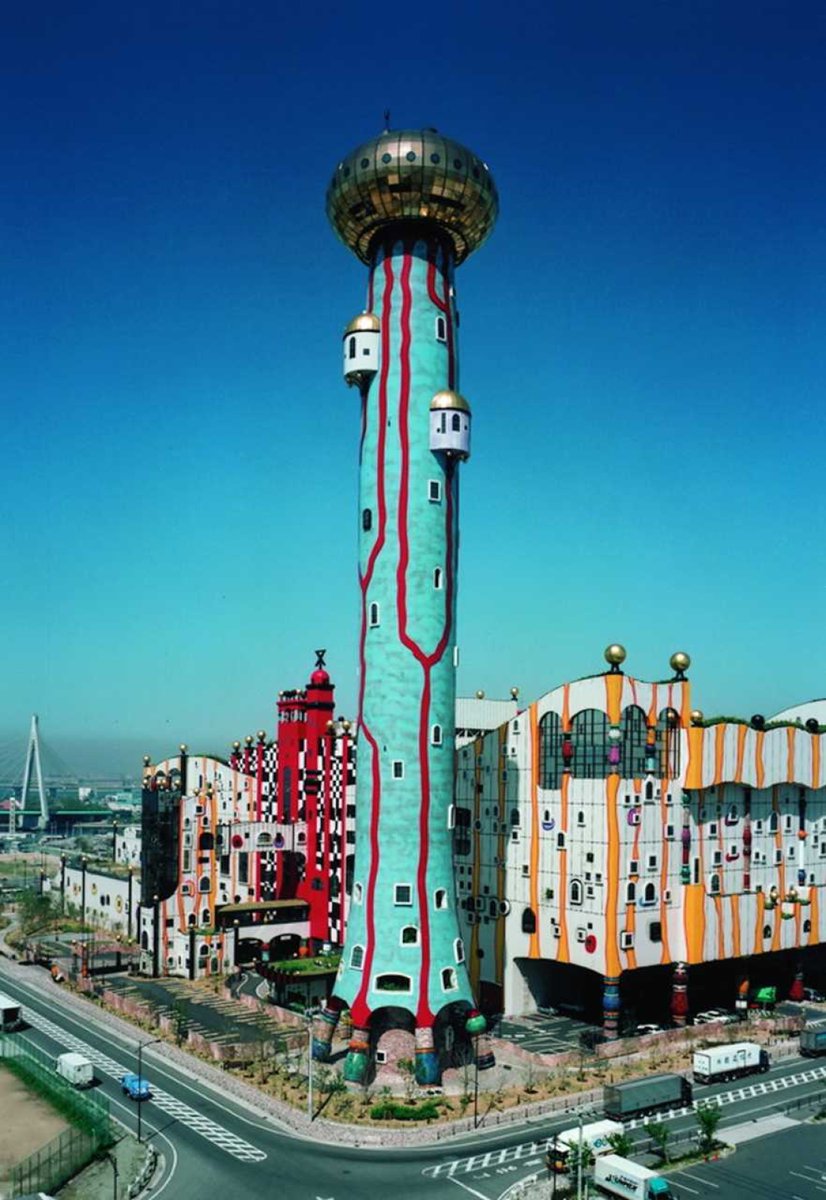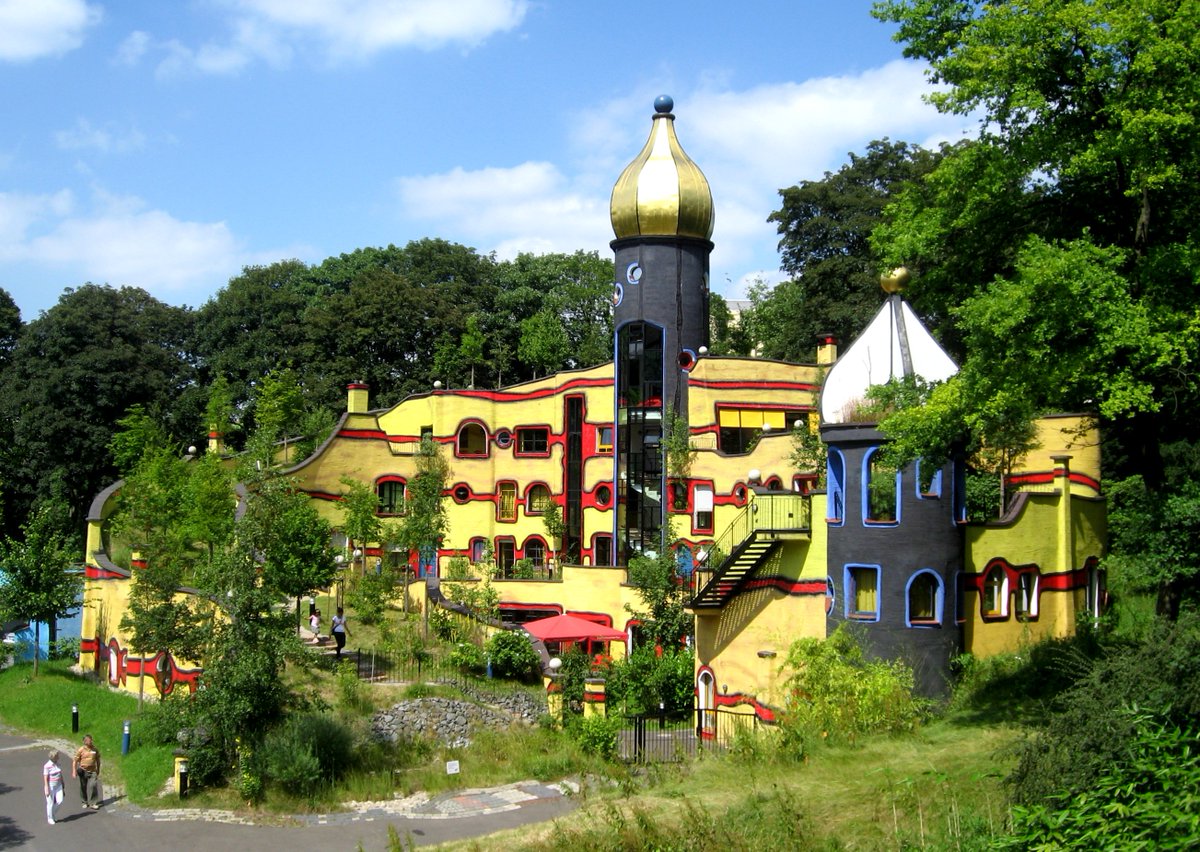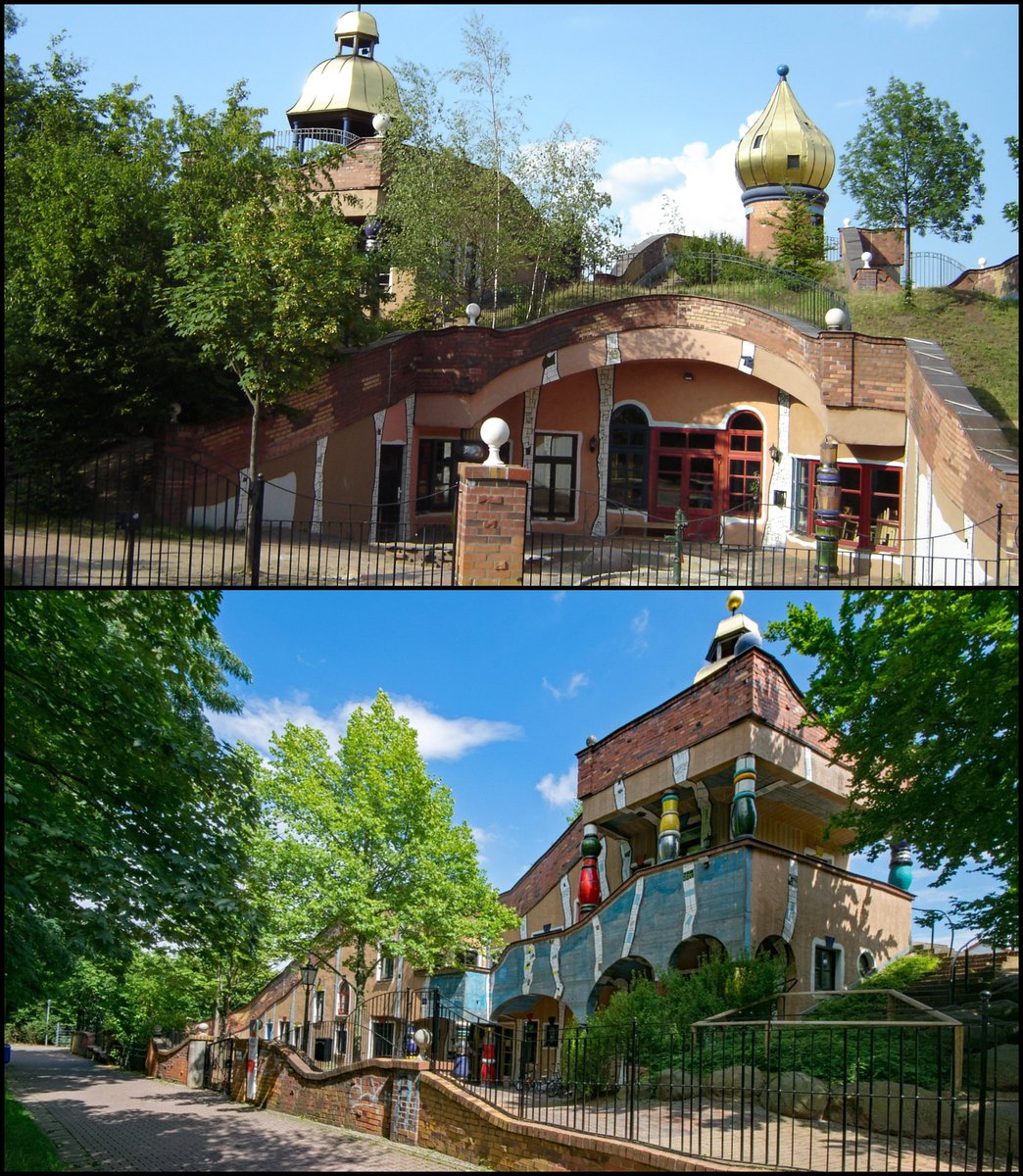
"Form follows function" is a famous idea that makes us think of buildings with little or no ornamentation.
But Louis Sullivan, the man who came up with the phrase in 1896, designed buildings like the one below.
So what does "form follows function" actually mean?
But Louis Sullivan, the man who came up with the phrase in 1896, designed buildings like the one below.
So what does "form follows function" actually mean?

Louis Sullivan (1856-1924) was an American architect whose career coincided with rapid population increase, economic growth, and a constant flow of new inventions.
This matrix had created the perfect conditions for somebody to establish a new form of architecture...
This matrix had created the perfect conditions for somebody to establish a new form of architecture...

New construction methods and materials - such as cheap steel, reinforced concrete, and metal skeleton frames - had allowed for buildings on a scale previously inconceivable.
The skyscraper was possible... but it had never been before. So how was a skyscraper supposed to look?
The skyscraper was possible... but it had never been before. So how was a skyscraper supposed to look?

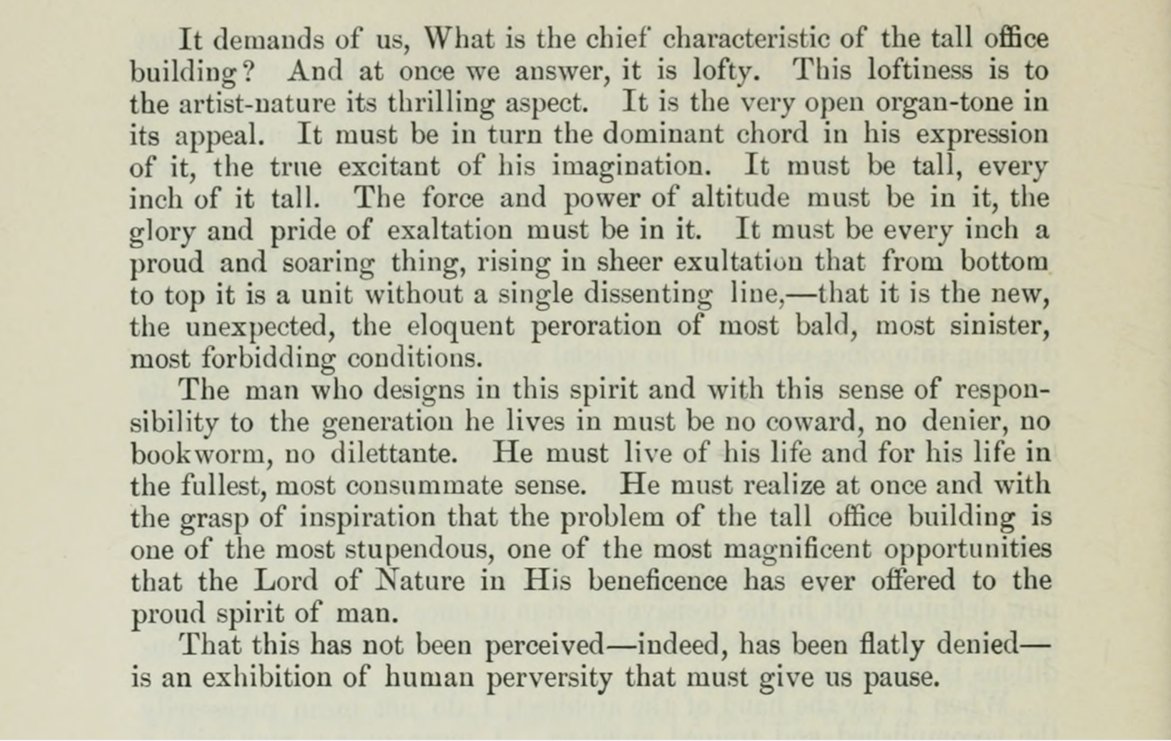
It was in an 1896 essay called "The Tall Office Building Artistically Considered" that Sullivan laid down his principles.
He argued that skyscrapers had been poorly designed in the past because they did not take into account the skyscraper's real nature and purpose.
He argued that skyscrapers had been poorly designed in the past because they did not take into account the skyscraper's real nature and purpose.
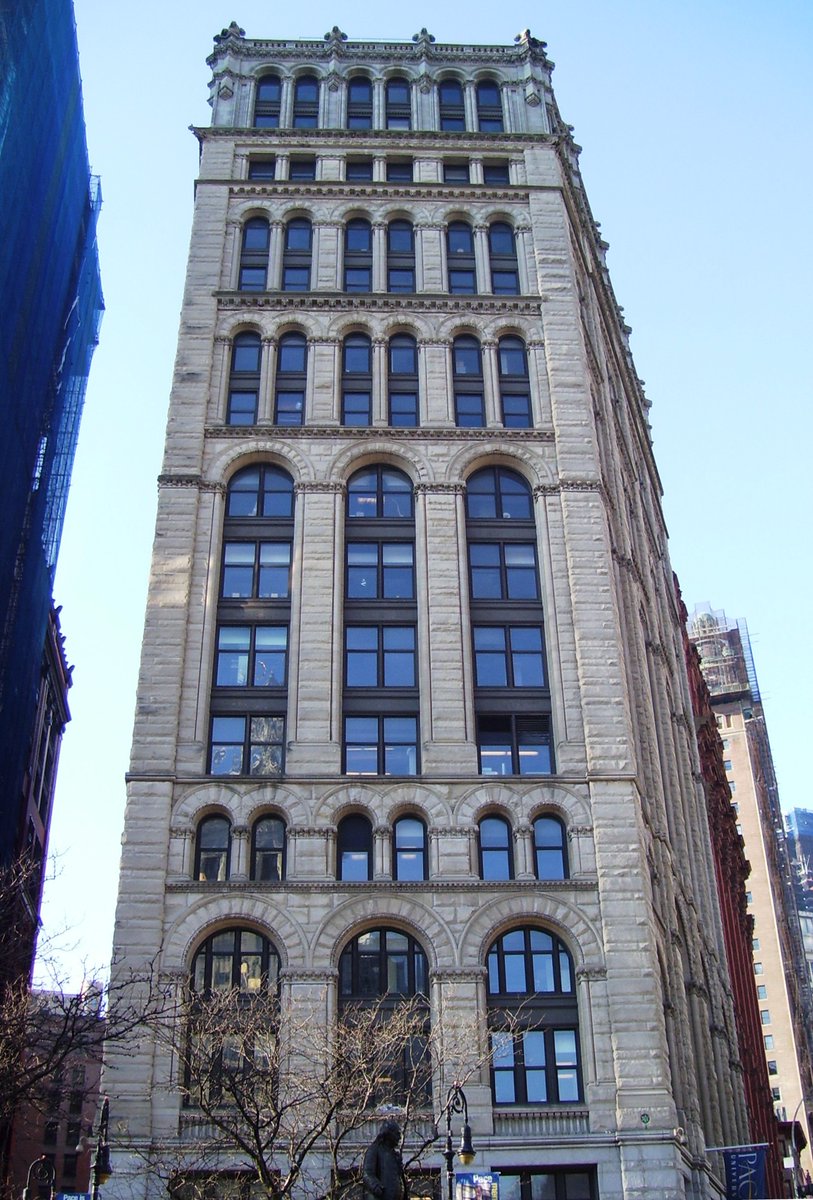
And he lamented "overeducated" architects who built things like the New York Times Building (left, 1889) which seemed messy and confused.
So Sullivan designed the Wainwright Building, in which his more focussed philosophy is clearly more effective and well-suited.
So Sullivan designed the Wainwright Building, in which his more focussed philosophy is clearly more effective and well-suited.
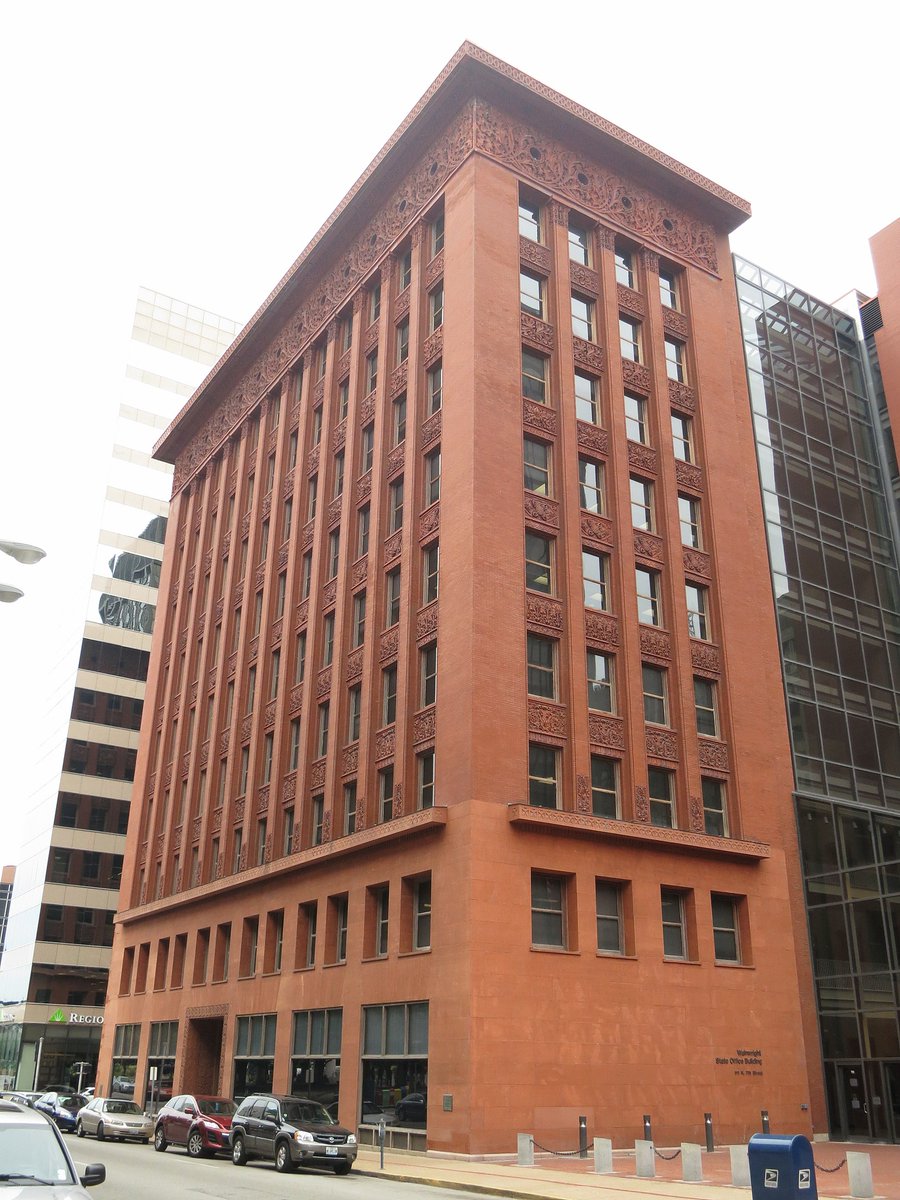
And Sullivan summed up his principles with the fateful statement that "form ever follows function" - slightly different from the way it has been remembered.
He sought the very essence of a building and believed *that* should guide everything else, just as it does in nature.
He sought the very essence of a building and believed *that* should guide everything else, just as it does in nature.

Sullivan attributed the idea that "form ever follows function" to Vitruvius.
He was a Roman architect who wrote De Architectura - the only surviving architectural treatise from Antiquity.
In it, Vitruvius laid down the history, principles, and rules of classical architecture.
He was a Roman architect who wrote De Architectura - the only surviving architectural treatise from Antiquity.
In it, Vitruvius laid down the history, principles, and rules of classical architecture.
Over one thousand years later it played a vital role in the Renaissance; its "rediscovery" acted as a sort of Rosetta Stone for Renaissance architects to finally understand the proportions and methods of Roman building.
They learned the rules and applied them in their own way:
They learned the rules and applied them in their own way:

Did Vitruvius say that form follows function? Sort of.
He argued that all buildings must have three qualities: utilitas, firmitas and venustas - utility, strength, and beauty.
And he believed that certain functions - a temple, for example - required a particular form.
He argued that all buildings must have three qualities: utilitas, firmitas and venustas - utility, strength, and beauty.
And he believed that certain functions - a temple, for example - required a particular form.

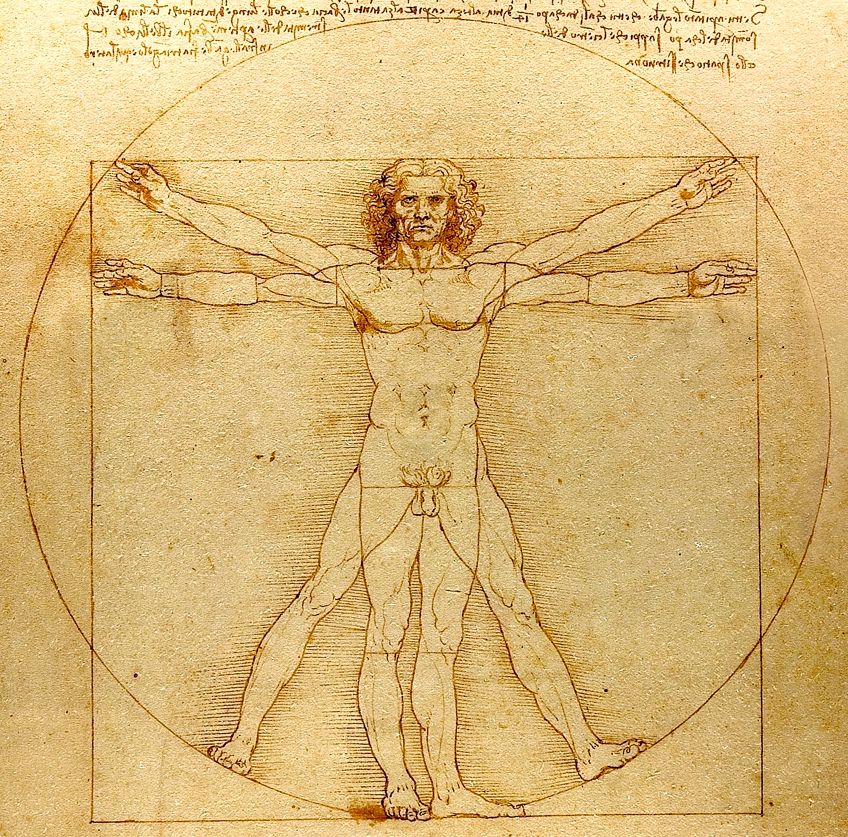
Vitruvius said that there existed in the classical world a strict, rational order to architecture; that buildings must be symmetrical and that each element of a building must be in precise proportion to every other, just like the human body.
Hence Leonardo's Vitruvian Man:
Hence Leonardo's Vitruvian Man:
Leon Battista Alberti (1404-1472) read Vitruvius and was inspired to create a hierarchy in which buildings had different forms based on the "dignity" of their function, with temples at the top, schools in the middle, and houses at the bottom.
More dignity = greater ornament
More dignity = greater ornament
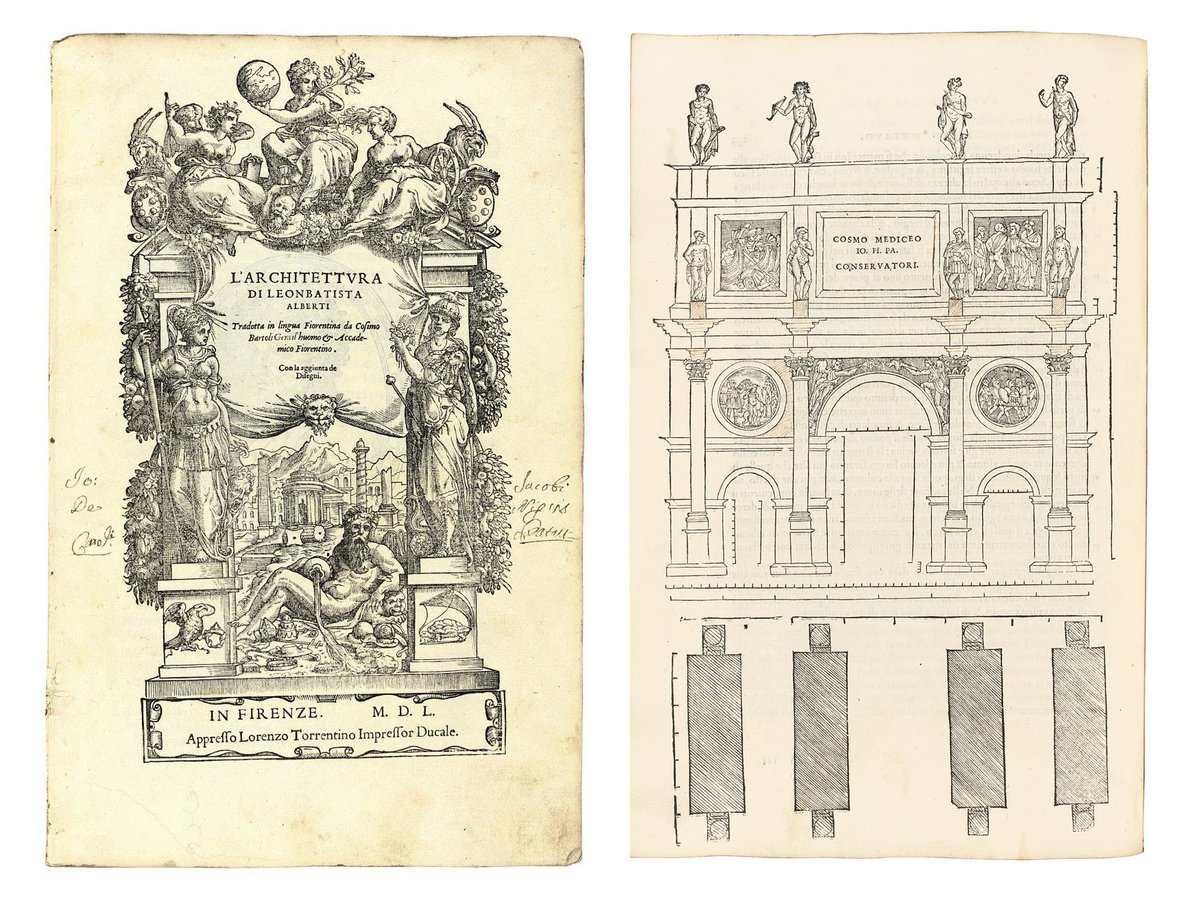
Alberti and the other Renaissance architects had kept things relatively simple (left).
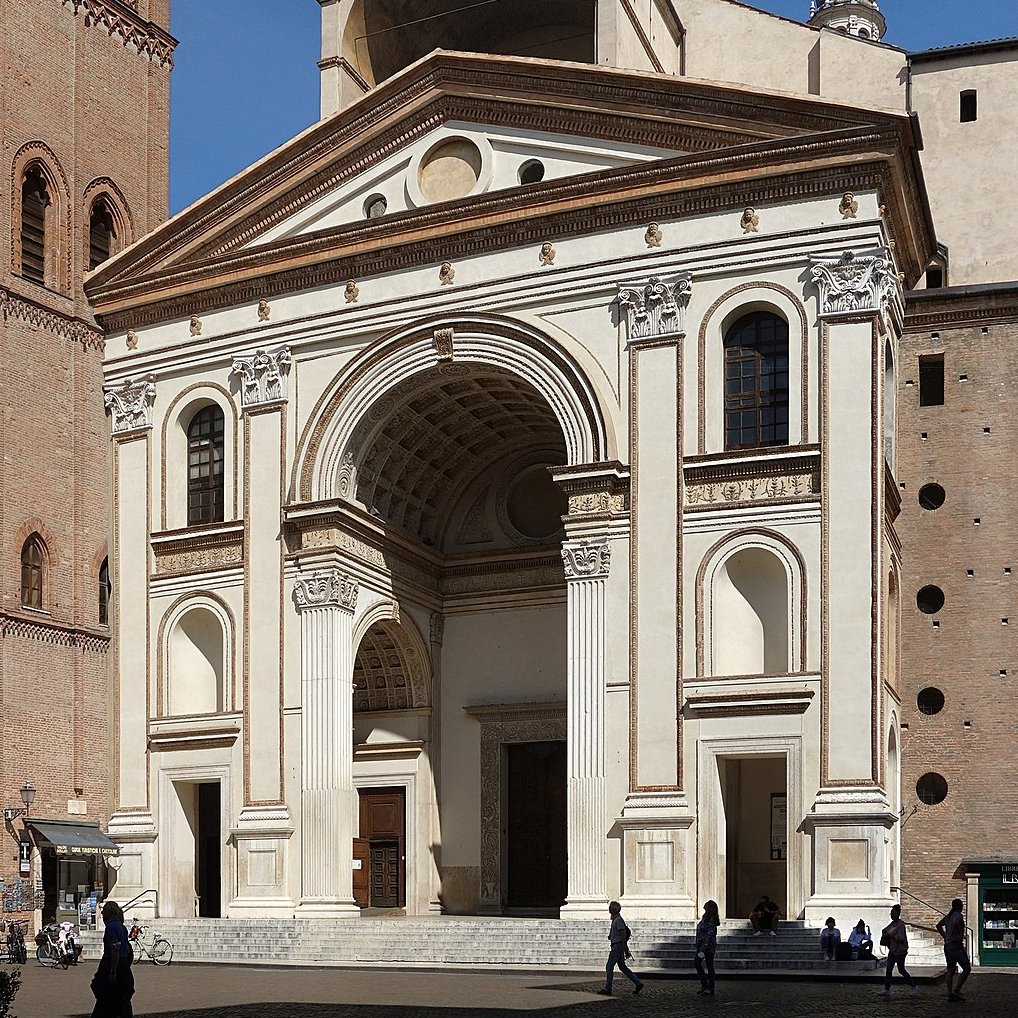
But with the arrival of the Baroque in about 1600, things changed. The Catholic Church doubled down against the Reformation and encouraged architects to create works of overwhelming splendour:
But with the arrival of the Baroque in about 1600, things changed. The Catholic Church doubled down against the Reformation and encouraged architects to create works of overwhelming splendour:

Jacques-François Blondel (1705-1774) was a French architectural theorist who railed against the prevailing style of the day.
He believed that Rococo, a lavish evolution of the Baroque, was a severe transgression against the rational principles of classical architecture:
He believed that Rococo, a lavish evolution of the Baroque, was a severe transgression against the rational principles of classical architecture:


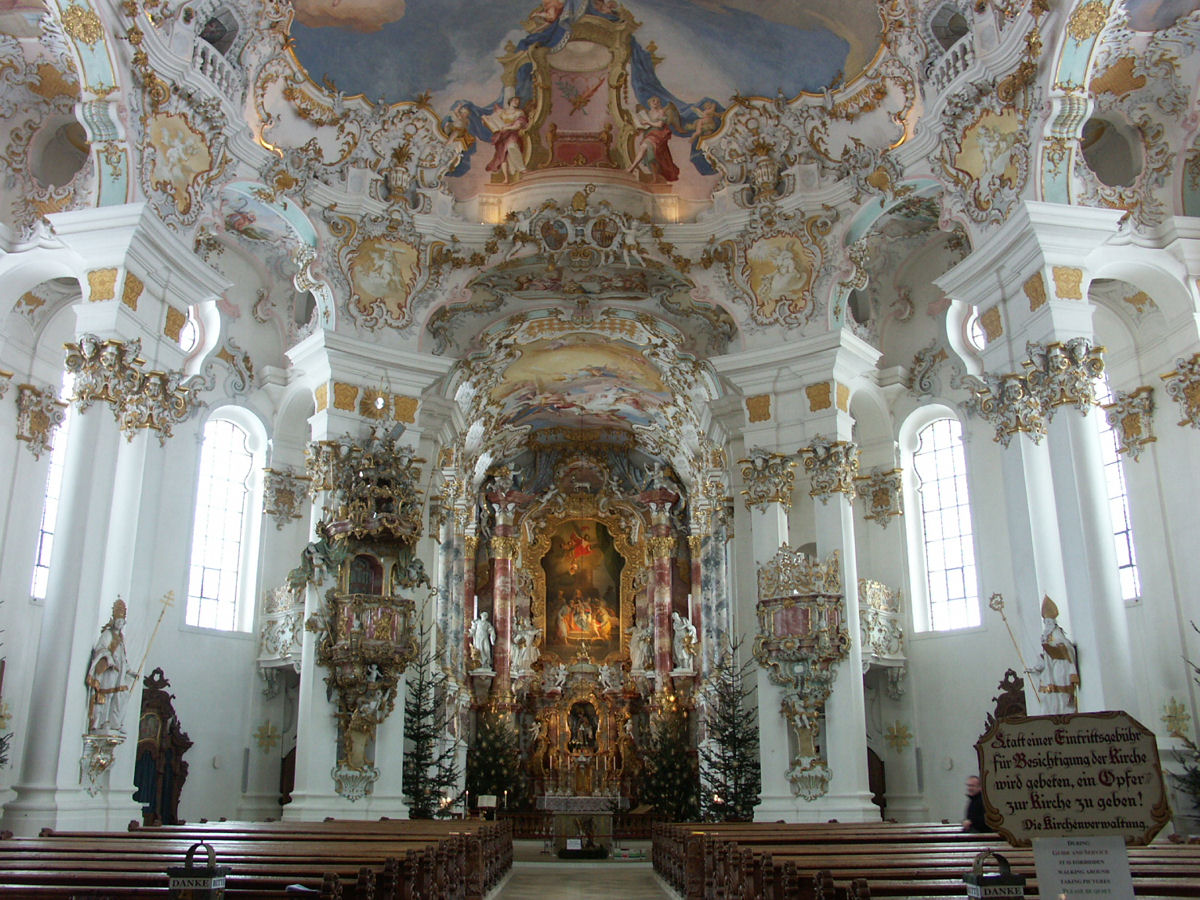
And so Blondel designed far more restrained and "rational" buildings like this.
But don't think of Blondel as some obscure, forgotten architect. His landmark treatise, the Cours d'architecture, was revived in the 20th century as a key text of Rationalist, Functionalist design.
But don't think of Blondel as some obscure, forgotten architect. His landmark treatise, the Cours d'architecture, was revived in the 20th century as a key text of Rationalist, Functionalist design.

Blondel's aversion to Rococo turned out to be a good prophecy, as from the middle of the 18th century a new form of neoclassical architecture arose.
This time it was austere, simplified, monumental, and rather graceful.
As in the work of Karl Friedrich Schinkel:
This time it was austere, simplified, monumental, and rather graceful.
As in the work of Karl Friedrich Schinkel:

It was architects like Blondel and Schinkel who truly laid the foundations for modern architecture as we know it today.
But before that came the full weight of 19th century "Revivalist" architecture: neo-Byzantine, neo-Gothic, Neo-Baroque, Eclectic, Historicist...
But before that came the full weight of 19th century "Revivalist" architecture: neo-Byzantine, neo-Gothic, Neo-Baroque, Eclectic, Historicist...


And it was in this European context that architects like Adolf Loos appeared.
Loos went to America in the 1890s and became radically inspired.
Sullivan's skyscrapers were one thing, but for Loos it was water-towers and grain silos that represented truly rational architecture:
Loos went to America in the 1890s and became radically inspired.
Sullivan's skyscrapers were one thing, but for Loos it was water-towers and grain silos that represented truly rational architecture:

Loos returned to Europe and set about designing startlingly modern things like the Steiner House, from 1912.
He also wrote an essay called "Ornamentation & Crime" in which he argued that ornament inhibited cultural progress.
He also wrote an essay called "Ornamentation & Crime" in which he argued that ornament inhibited cultural progress.

For Loos and others that soon followed, such as Walter Gropius and the Bauhaus movement, Sullivan's famous idea that "form follows function" had become something of a rallying cry for architecture that was almost purely functional, in which "ornament" had no place.

Given what they believed to be the stale, old-fashioned, decadent state of European architecture at the time, and in a continent culturally shattered by war and social upheaval, their feelings make sense.
But they had travelled a long way from Louis Sullivan and his friezes:
But they had travelled a long way from Louis Sullivan and his friezes:

Within the specific context that Louis Sullivan originally said "form ever follows function" it was a very different statement to the one we tend to think he made.
He wasn't opposed to ornamentation in building any more than Alberti, Blondel, or Schinkel were.
He wasn't opposed to ornamentation in building any more than Alberti, Blondel, or Schinkel were.

Indeed, one of the other major proponents of "rational" architecture in the 19th century was Viollet-le-Duc, who argued that while rationality did not entail beauty, no building could be truly beautiful without rational principles.
And he designed things like this:
And he designed things like this:

But the idea at the heart of Sullivan's statement, his appeal to "function" as the starting point, is what captured the imagination of so many.
It felt like a mission statement of change, a move away from the Old World that had died in the First World War.
It felt like a mission statement of change, a move away from the Old World that had died in the First World War.
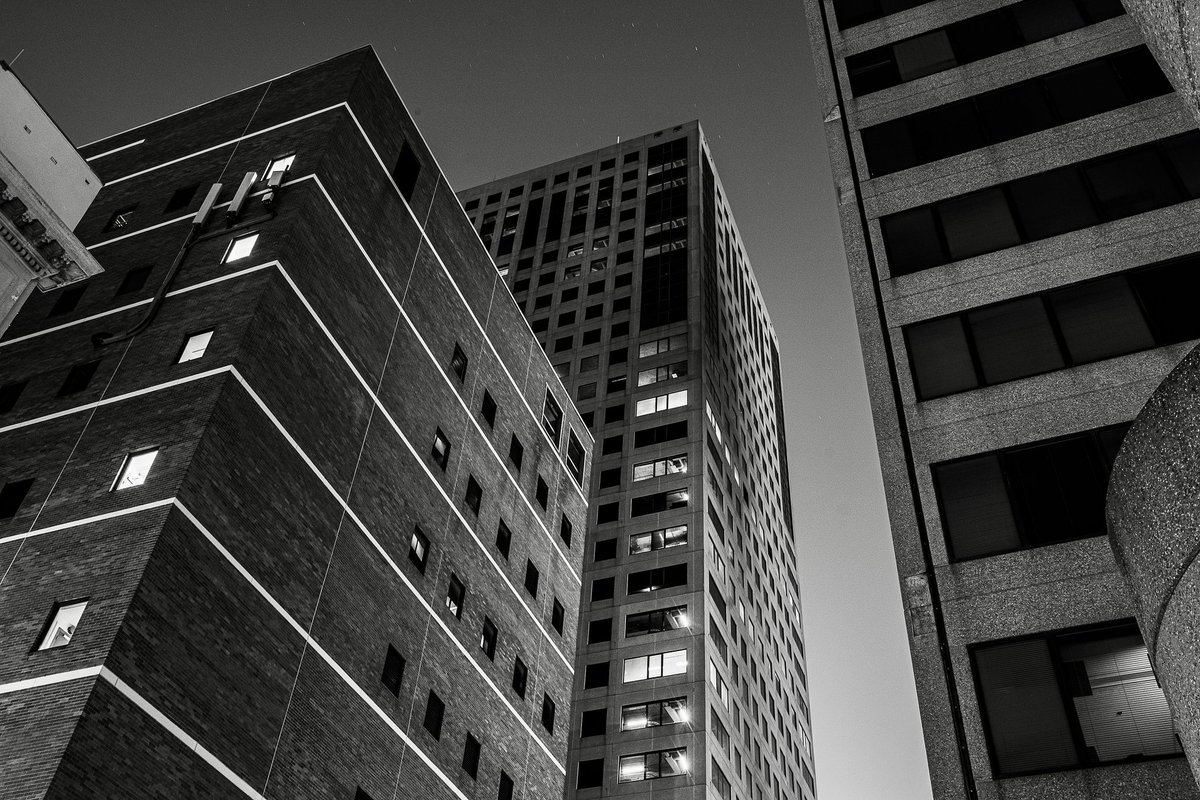
So what does "form (ever) follows function" mean?
It depends on context. Sullivan thought it meant one thing, the Modernists another.
For some it simply refers to a set of rational design principles, and for others it means that nothing but function matters.
It depends on context. Sullivan thought it meant one thing, the Modernists another.
For some it simply refers to a set of rational design principles, and for others it means that nothing but function matters.
In which case "form follows function" really just leads to the question: what is the actual function of a building, anyway?
• • •
Missing some Tweet in this thread? You can try to
force a refresh