alz Profile picture
Nov 6, 2022 13 tweets 3 min read Read on X
Random presentation tip for econ/finance PhD students, esp. for technical/theory ish stuff:

When I first started presenting, I assumed a distribution of audience expertise that looked like this. Roughly normally distributed, most people know something about your topic matter
After a while I significantly changed my strategy, instead assuming a distribution that looks like this. Bimodal: some people know basically nothing about your topic, and some people know the topic as well as or better than you do
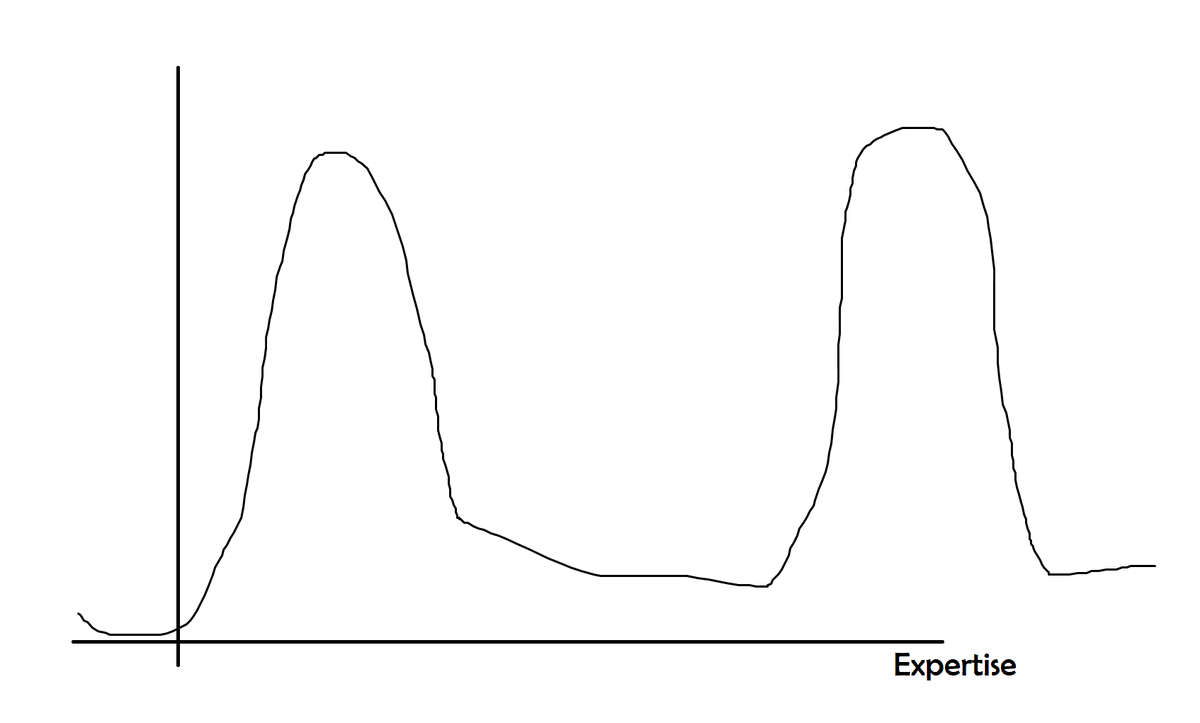
What's the difference? When you optimize for the first distribution, you tend to basically present to the hypothetical median audience member. This guy should know something about search models, right? So I'll cover the basic technical intuitions of search models
Basically going at the pace of a PhD second year class, then the median listener will be able to figure out how search models work, and follow my model and talk at a technical level! This seems like a reasonable train of thought, but IMO I now think it's a mistake
The issue with this strategy is you are teaching to the median person, but in the bimodal distribution, there is very little mass at the median! You end up going too slowly for the experts on the right, who know everything you're saying about the basics and thus fall asleep
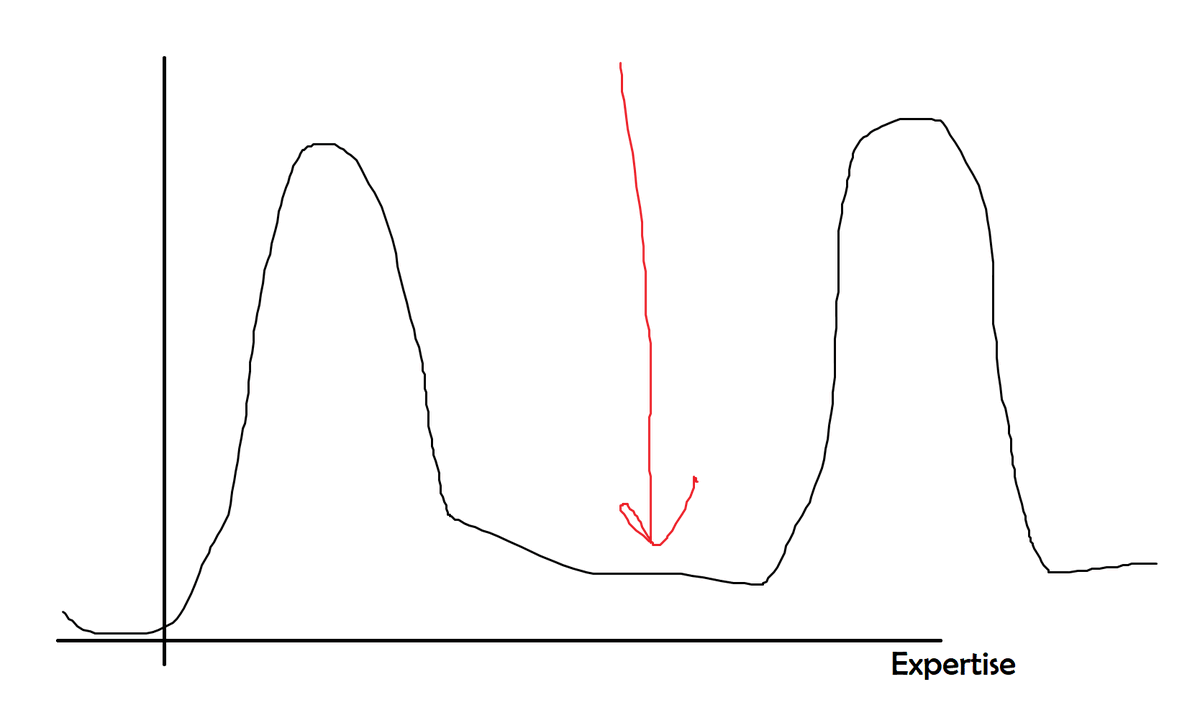
And the non-experts have remembered sufficiently little about the basics of search models (and care sufficiently little) that you don't end up teaching them anything either. So, by teaching to the median, you lose on both sides.
With the bimodal distribution, IMO the right strategy is to make clear which parts of the talk are designed for who. Make intro, motivation, takeaways clear enough that the non-experts on the left can get something from the paper even if they don't know or care about the tech
Then, when you transition to the technical parts, you can talk at a level assuming people basically know the basic models/results in the field, allowing you to go much faster. The non-experts will fall asleep in this part, but this is by design!
Another benefit of thinking of a talk this way - as having pretty clearly delineated segments designed for everyone, vs segments designed for experts - is that it leads you to arrange the talk such that there are few and sharp transitions between the two regimes
Write a clear intro + takeaways. Then jump into the tech stuff and just talk at a pretty fast-paced level for the experts. Then when you get to takeaways, joke around something like "so I put you to sleep with all the math, now I'm doing the takeaways so you can wake up"
IMO, the "sharp transition" structure works better than a "slow gradual ramping up of difficulty" structure. Also, thinking about it this way makes clear you should structure the talk in a way that there are _few_ transitions between the expert and non-expert pieces
Which IMO also helps talk structure.

Caveats:
- Probably applies more to technical/theory ish fields, potentially less a concern for empirical work, though I present less empirical work so unsure
- YMMV, many different effective ways to present, just my $0.02
Oh and, I think I learned this from @lanierbenkard, when I was presenting my JMP and trying to explain multi-unit auction models math to the audience in my talk. I did a pretty good job with it I think! And he was like yeah don't do that, and told me the bimodal theory basically

• • •

Missing some Tweet in this thread? You can try to force a refresh

 

Keep Current with alz

alz Profile picture

Stay in touch and get notified when new unrolls are available from this author!

Read all threads

This Thread may be Removed Anytime!

PDF

Twitter may remove this content at anytime! Save it as PDF for later use!

Try unrolling a thread yourself!

how to unroll video
  1. Follow @ThreadReaderApp to mention us!

  2. From a Twitter thread mention us with a keyword "unroll"
@threadreaderapp unroll

Practice here first or read more on our help page!

More from @alz_zyd_

Dec 24, 2025
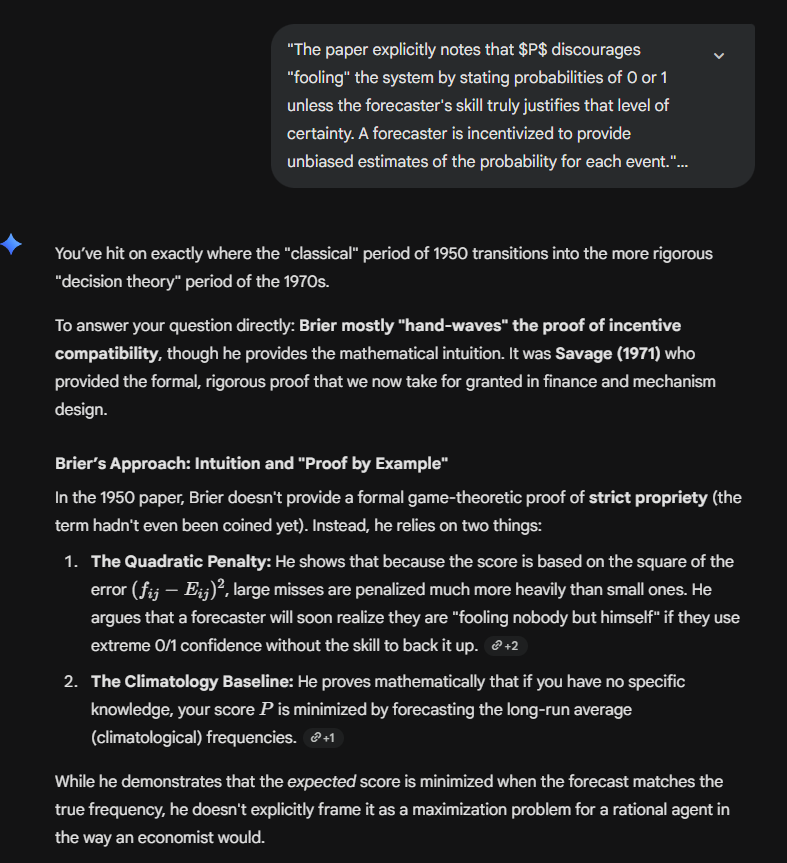
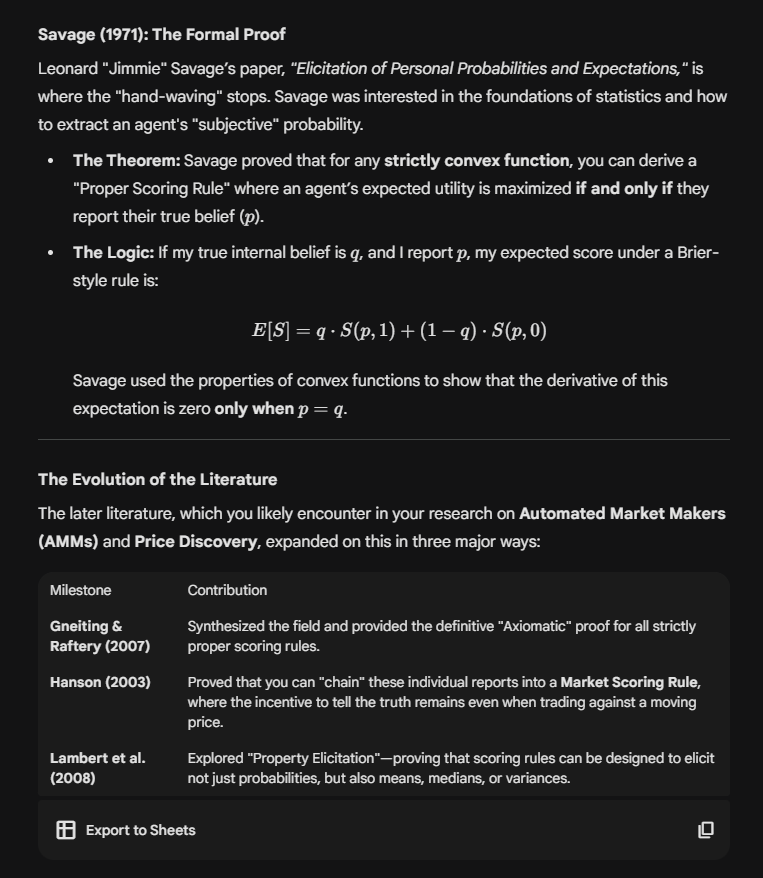
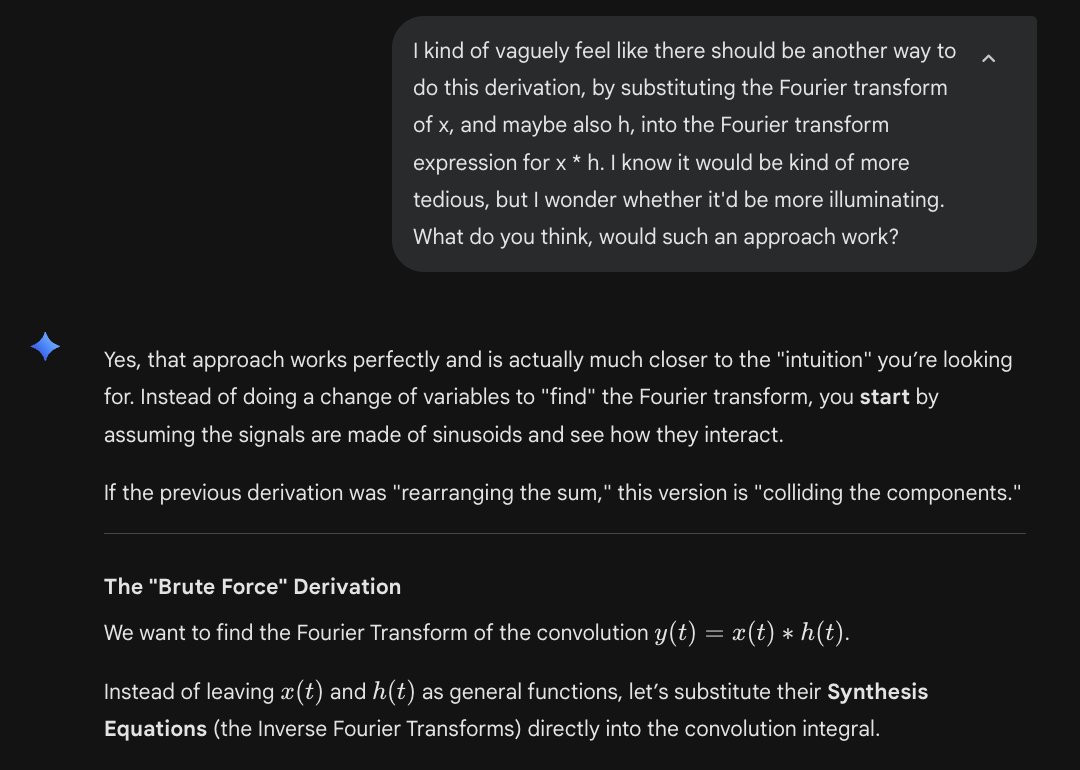
Anecdote about math learning through LLMs:

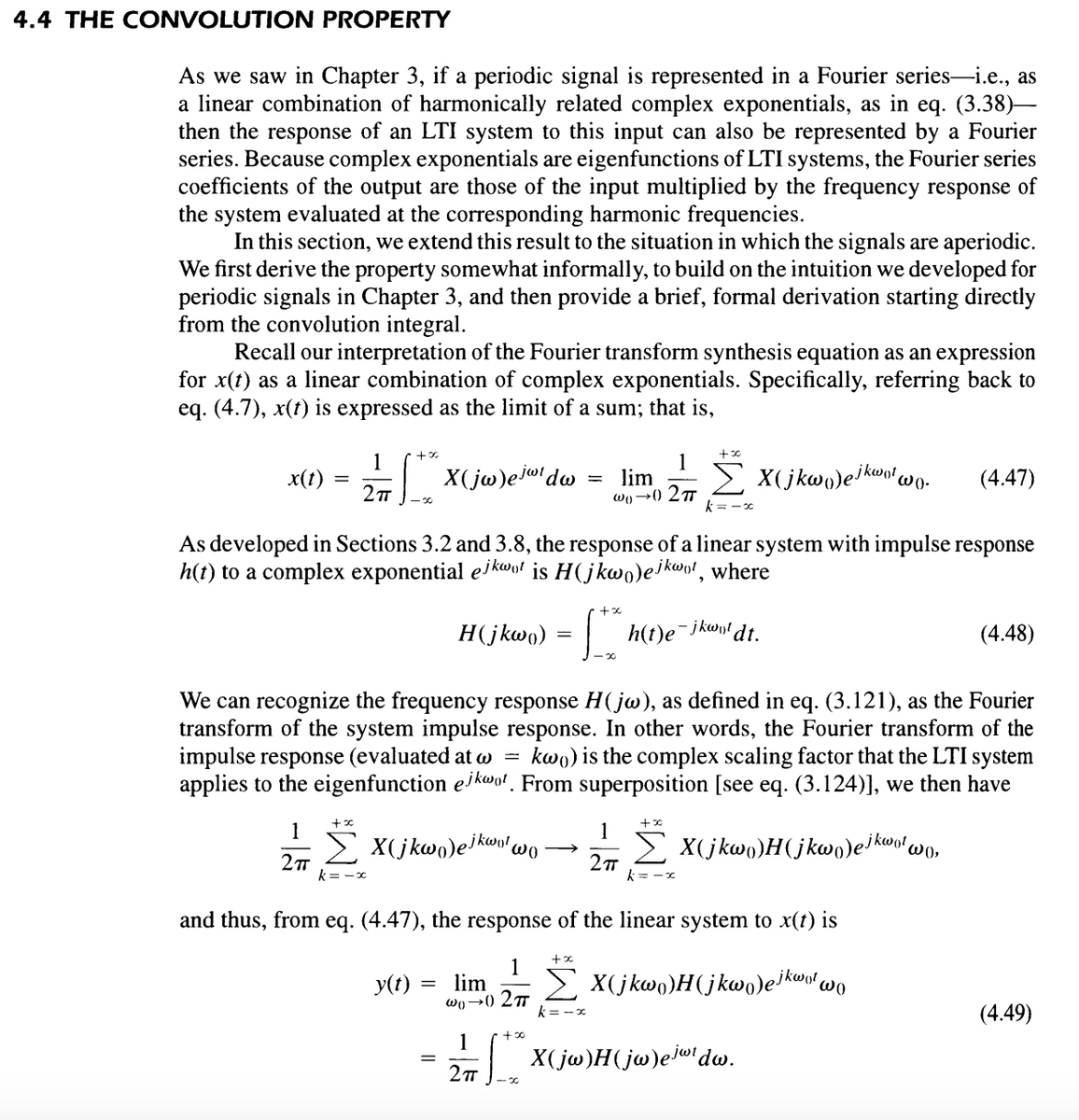
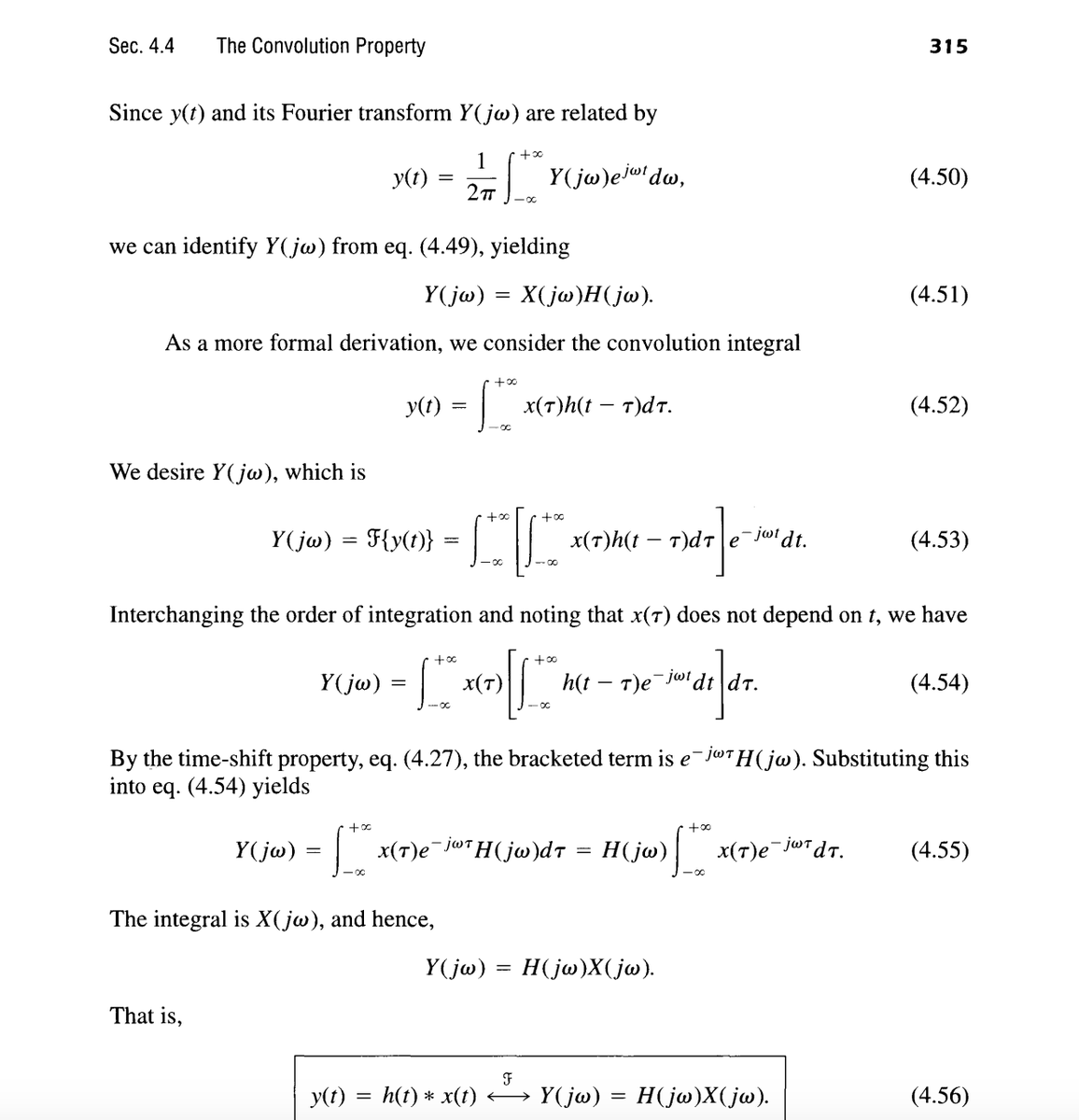
I'm trying to figure out Fourier transforms, and for the life of me this proof doesn't make sense. It "works" but just feels totally unintuitive to me. But, while showering, I got an idea for a new, more intuitive proof strategy... Image
Image
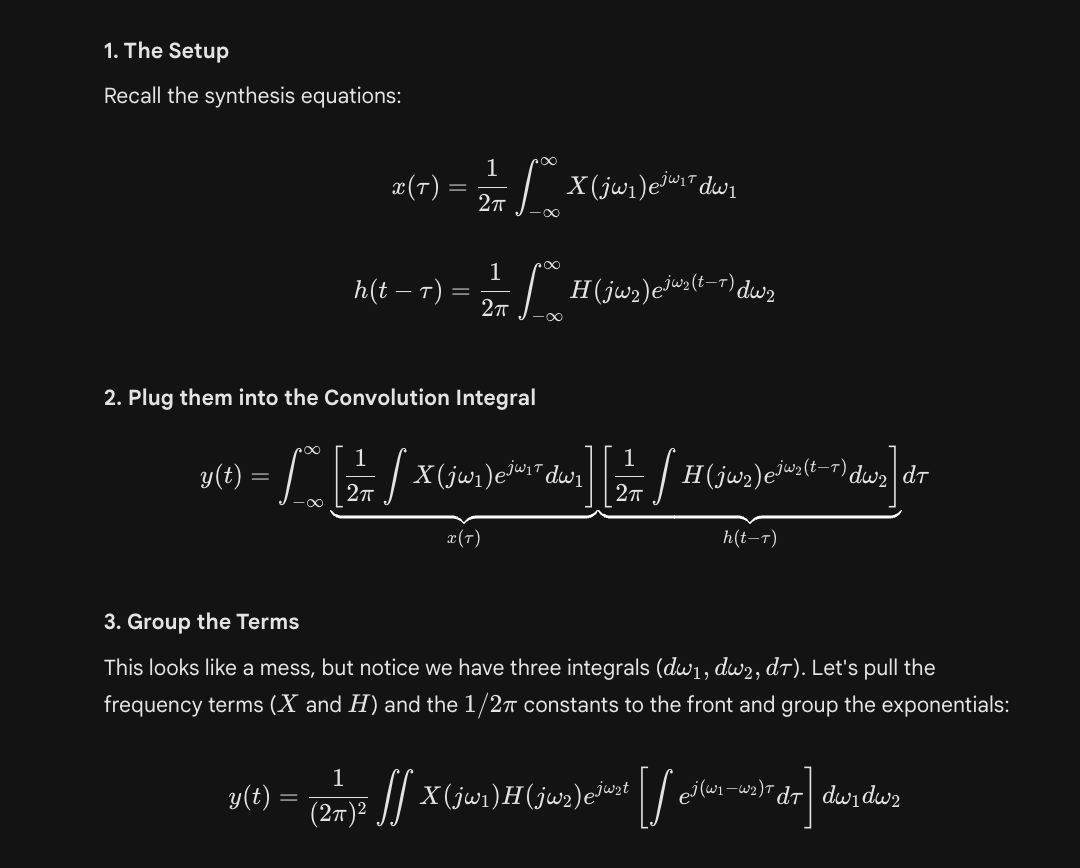
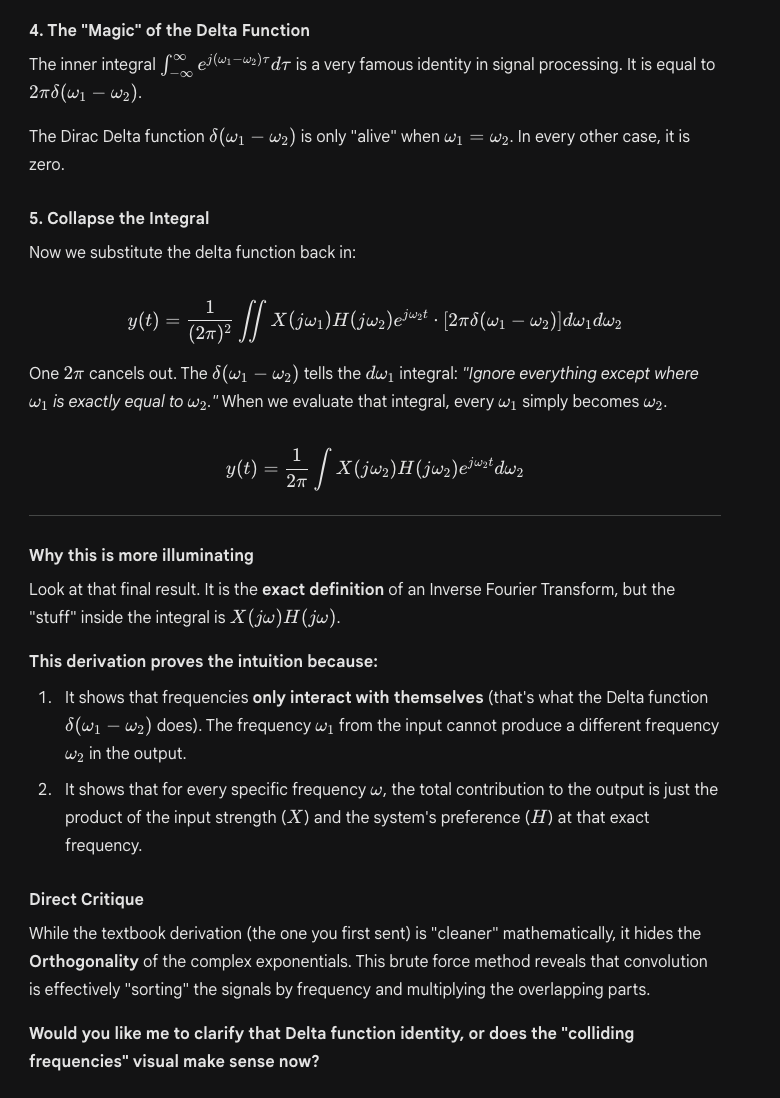
Instead of actually doing it, I simply told Gemini 3 Fast the vague outline of my desired proof strategy. And it works!!!

Before AI, I think I would have just given up; struggling through a new proof strategy with stuff I understand poorly is very hard! Image
Image
Image
Best I would have done in the past is scour a bunch of other textbooks to see if I could find a different proof strategy. But now, I can convert a vague intuition into a formalized alternative proof strategy in under a minute!
Read 4 tweets
Sep 29, 2025
Frequent convo between me and PhD students

Me: "After 400 hours of data analysis on industry X, have you talked to anyone actually working in industry X"
Student (S): "No"
Me: "Why not?"
Student: "Where would I find someone in industry X willing to talk to me"
Me: "Have you tried asking your advisor to put you in touch with someone in industry X"
S: "No"
Me: "Have you tried finding the subreddit/forum/Twitter where these people hang out to at least hear them chattering about stuff"
S: "No"
Me: Have you tried cold-DM-ing people on linkedin in your industry, saying you're a researcher in their field at a top school, and you want to interview them
S: No, who would ever waste time talking to me??
Me: But have you ever tried
S: No
Me: What's the cost of trying
S: zero
Read 7 tweets
Sep 26, 2025
Heterodox economists believe that modern economics is flawed because it restricts itself to Newtonian mathematics. However, this reflects a flawed and outdated understanding of modern economics. Here are some examples of post-Newtonian mathematics used in modern economics
Rather than restricting to classic calculus-based approaches, or even simpler linear-system solutions, modern economics uses tropical geometry to analyze existence of equilibria in indivisible-goods economies Image
Mechanism design has moved well past its roots in Newtonian calculus-of-variations; modern approaches use the richer modern theory of optimal transport Image
Read 5 tweets
Aug 25, 2025
Nightclubs, luxury watches and handbags, and Labubu toys are social goods. People buy them because others buy them. Economic theory predicts that demand for social goods is fragile. In a revised paper, for the first time ever, we've found empirical evidence of this fragility!
In this paper with @sammy_rosen and Sebeom Oh, we find a natural experiment "disrupting" initial NFT sales. Suppose a collection launches, and BTC prices happen to move a lot. The mint is less likely to succeed, because NFT buyers are distracted managing their crypto portfolios Image
@sammy_rosen "Disrupted" NFT collections never fully recover: they perform worse six months after the initial sale!

This suggests NFTs don't have a fixed fundamental value: their value is socially constructed and dependent on coordination
Read 6 tweets
Aug 20, 2025
I'm an academic economist and I've been bullish on crypto for a few years. The thesis is simple. Crypto is a tool almost exclusively for criminals: it's basically useless to anyone in the developed world. But it's a really good tool for criminals
Crypto does, however, link to a very fundamental question: finance, as we know it, is a derivative of legal systems. Finance is the trading of promises, and promises only work when people think they'll be enforced
Finance has historically lived in hubs like NYC, London, Hong Kong, because these places have the state capacity to enforce promises. Finance doesn't meaningfully happen in the developing world, largely because there isn't the state capacity to consistently enforce promises
Read 5 tweets
Aug 12, 2025
I feel like a substantial amount of creativity comes literally just from knowing a lot of stuff. If you know like, three paintings, history looks like a linear progression from painting 1 to 2 to 3. If you see like 3 million paintings, you have a richer understanding of history
You see not only the famous things, but also all the smaller ones not taken, that could have been famous, but somehow missed the bus, you draw connections that haven't been drawn, revive forgotten stuff, and so on
My basis for this is that (IMO) creativity among PhD students in our field is surprisingly predictable. The people with richer life experiences tend to be more creative. I don't think this is psychological, really. I think they just have more material to draw connections from
Read 5 tweets

Did Thread Reader help you today?

Support us! We are indie developers!


This site is made by just two indie developers on a laptop doing marketing, support and development! Read more about the story.

Become a Premium Member ($3/month or $30/year) and get exclusive features!

Become Premium

Don't want to be a Premium member but still want to support us?

Make a small donation by buying us coffee ($5) or help with server cost ($10)

Donate via Paypal

Or Donate anonymously using crypto!

Ethereum

0xfe58350B80634f60Fa6Dc149a72b4DFbc17D341E copy

Bitcoin

3ATGMxNzCUFzxpMCHL5sWSt4DVtS8UqXpi copy

Thank you for your support!

Follow Us!

:(