RapidAPI Profile picture
Nov 8 β€’ 10 tweets β€’ 2 min read
An introduction to OAuth 2.0.

Thread πŸ§΅πŸ‘‡
OAuth (Open Authorization) is an authorization standard that allows applications to access resources hosted by other web applications on behalf of the user.
An example is logging in to an app via your Google or Facebook account.

Your credentials are used without being disclosed to another app. This is achieved using access tokens.
OAuth 2.0 does not define a particular access token format, but JSON Web Tokens (JWTs) are commonly used.

These tokens contain authorization information representing a user's access to a specific resource.
OAuth 2.0 defines roles which are core components of its specification. There are four roles, each being an essential part of the framework.

Let’s look at each role πŸ‘‡
1. Resource Owner

This is the user or system that owns the protected resource and can grant access to it using the OAuth 2.0 authorization standards.
2. Client

The system that is requesting access to the protected resource. The client must provide the appropriate token to gain access.
3. Authorization Server

This server issues access tokens to clients who request access to a resource.

Access tokens are issued after successful authentication and consent by the resource owner.
4. Resource Server

This is where protected resources are located.

Resource servers receive client access requests, validate their access token, and deliver the resource needed.
Thanks for reading! Follow @Rapid_API for more exclusive content. πŸ™πŸ’™

β€’ β€’ β€’

Missing some Tweet in this thread? You can try to force a refresh

γ€€

Keep Current with RapidAPI

RapidAPI Profile picture

Stay in touch and get notified when new unrolls are available from this author!

Read all threads

This Thread may be Removed Anytime!

PDF

Twitter may remove this content at anytime! Save it as PDF for later use!

Try unrolling a thread yourself!

how to unroll video
  1. Follow @ThreadReaderApp to mention us!

  2. From a Twitter thread mention us with a keyword "unroll"
@threadreaderapp unroll

Practice here first or read more on our help page!

More from @Rapid_API

Nov 10
HTTP headers that developers should be aware of.

ThreadπŸ§΅πŸ‘‡
1️⃣ Accept

A client-side header that defines the type of data the client expects from the server.

This means the server won’t waste time returning a data type the client cannot use.
2️⃣ Authorization

A client-side header that passes the credentials to the server.

This is not the same as authentication. The server can only authenticate the user after it checks the authorization credentials.
Read 12 tweets
Nov 10
RapidAPI Studio sessions

Thread πŸ§΅πŸ‘‡
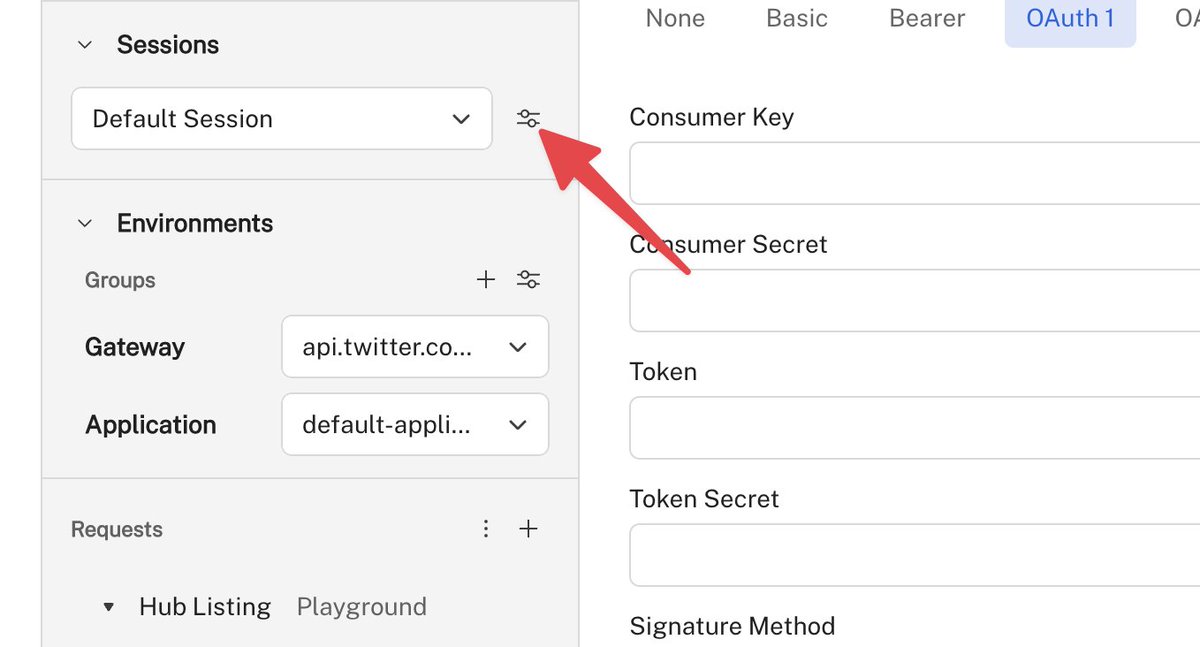
RapidAPI Studio allows you to define different sessions with different cookies you want to send to your API.
1️⃣ To create a new session, click the settings icon in the Sessions group. Manage sessions
Read 7 tweets
Nov 9
API Management Best Practices.

Thread πŸ§΅πŸ‘‡
πŸ“Œ What is API management?

API management is the process of distributing, controlling, and analyzing the APIs.

It is a practice of overseeing all aspects of your enterprise's APIs.
It includes but is not limited to:

πŸ‘‰ making them accessible to all users
πŸ‘‰ monitoring and analyzing their usage
πŸ‘‰ reporting performance metrics
πŸ‘‰ securing access so only authenticated users can use them.
Read 9 tweets
Nov 9
5 API ideas you can build and monetize.

Thread πŸ§΅πŸ‘‡
1️⃣ Notes API

This API will implement a whole CRUD system for managing notes.

- list notes
- create notes
- edit notes
- delete notes
- create note categories
- move notes between categories
2️⃣ Invoice API

This API will create invoices with multiple items.

You need to implement at least the following:

- invoice number
- client contact information
- invoice contact information
- invoice items (name, description, quantity, price)
- total price
- notes
Read 7 tweets
Nov 8
RapidAPI is now Rapid. πŸ₯³

We are stoked to launch the refreshed Rapid brand! πŸ“£ RapidAPI is now Rapid. We...
We are excited to introduce our refreshed Rapid brand, which includes a new name, logo, and colors that reflect our exciting growth as we focus on delivering the next-generation platform to power the API economy.

Woohoo! πŸ₯³πŸ₯³πŸ₯³ Rapid's new logo.
As many of you have likely noticed over the past year, we have radically expanded the types of software, services, and support we provide to you – our developer community. Did you check out RapidAPI Client extension for VSCode. πŸ’™ Rapid poster.
Read 5 tweets
Nov 8
10 HTTP status codes all developers should recognize.

Thread🧡
πŸ“Œ 200 OK

The standard β€˜OK’ status code means an HTTP request was successful, and the resource was delivered.
πŸ“Œ 201 Created

The request was successful, and a new resource was created. This is typical of successful PUT and POST requests.
Read 12 tweets

Did Thread Reader help you today?

Support us! We are indie developers!


This site is made by just two indie developers on a laptop doing marketing, support and development! Read more about the story.

Become a Premium Member ($3/month or $30/year) and get exclusive features!

Become Premium

Don't want to be a Premium member but still want to support us?

Make a small donation by buying us coffee ($5) or help with server cost ($10)

Donate via Paypal

Or Donate anonymously using crypto!

Ethereum

0xfe58350B80634f60Fa6Dc149a72b4DFbc17D341E copy

Bitcoin

3ATGMxNzCUFzxpMCHL5sWSt4DVtS8UqXpi copy

Thank you for your support!

Follow Us on Twitter!

:(