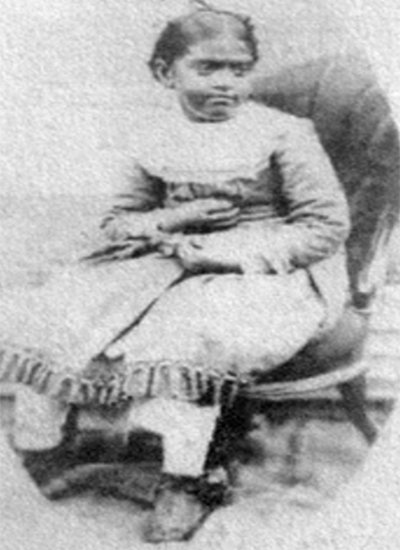
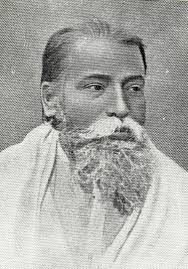
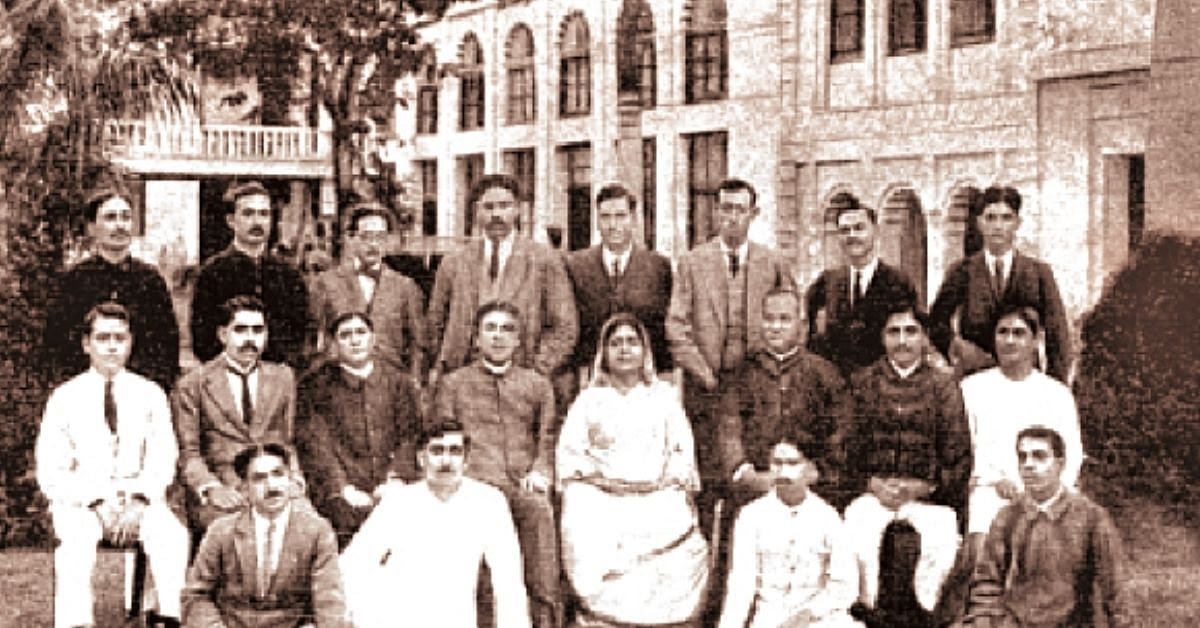
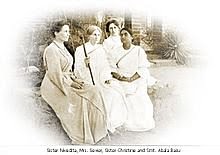
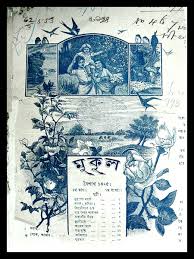
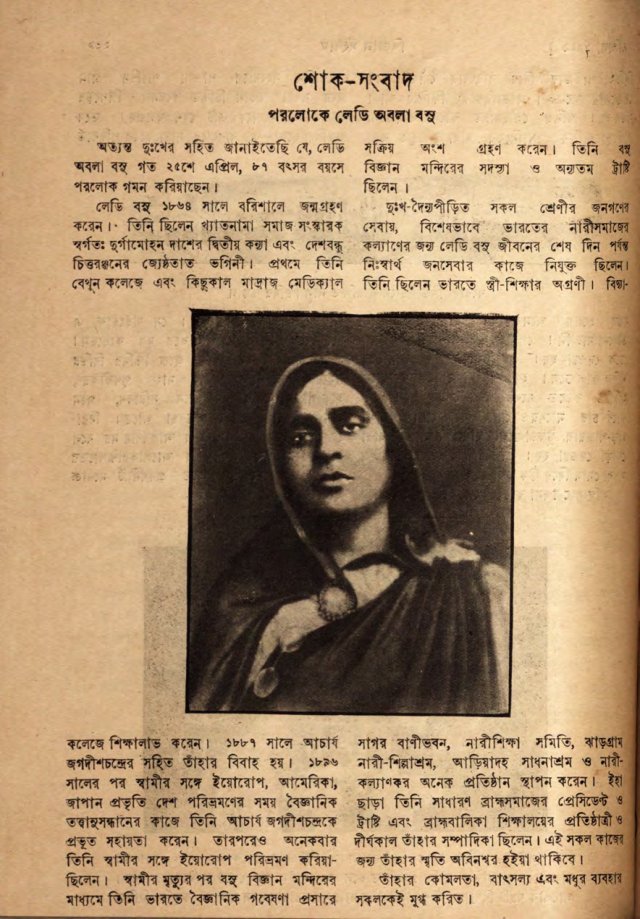
Lady Abala Bose was born to Durga Mohan Das and Brahmamoyee Devi on 8th April, 1865.
If ill health and fate hadn't intervened, Lady Bose might just have been the first Bengali woman to become a doctor.
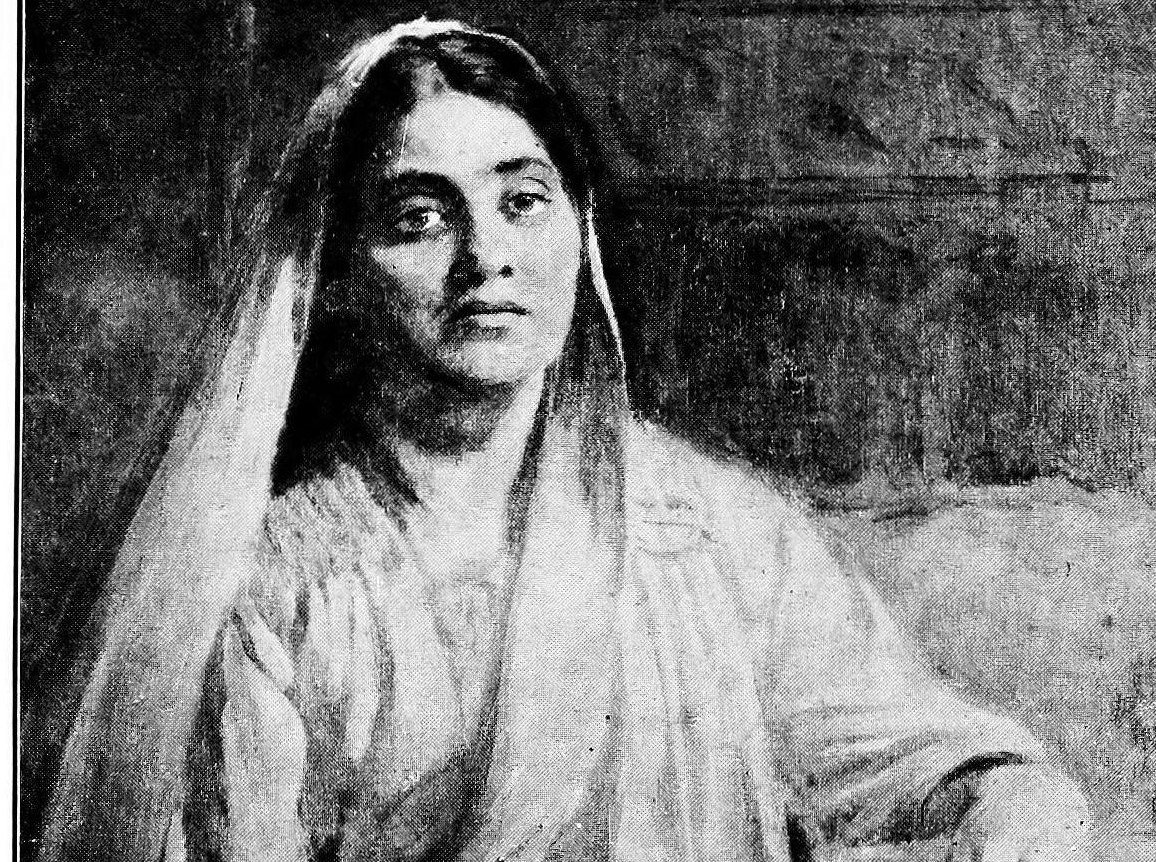
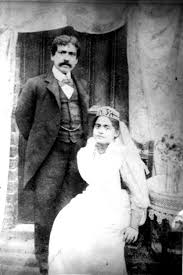
Abala Das married the scientist Jagadish Chandra Bose in the year 1887.
It was with her husband, that she travelled the world over prolifically and writing her travelogues targetted especially for young readers.
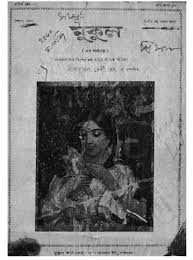
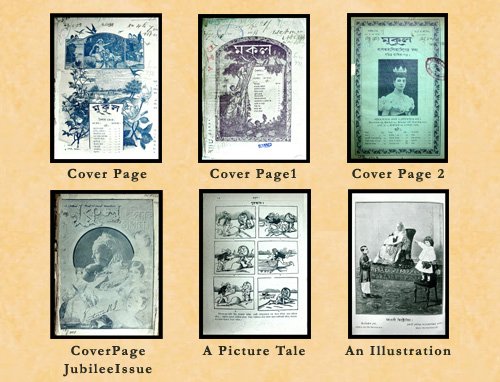
Most of her travelogues, written for children were published in
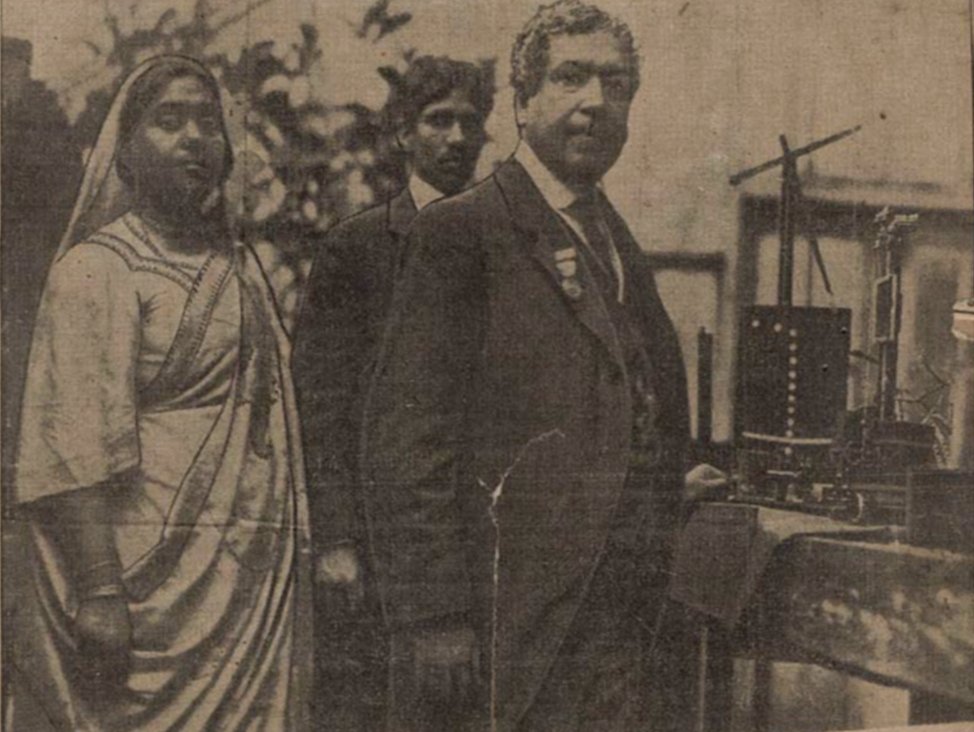
the periodical Mukul.
She says "Children in England and
other countries love to read travelogues. As a result, they develop a sense of adventure so that when they grow up they are ready to lay down their lives in the search for a new land".
She also blended history with other
Accounts of her travel , so that young readers could use these travelogues not only for leisurely read but also education. After all, travel does serve that purpose too.
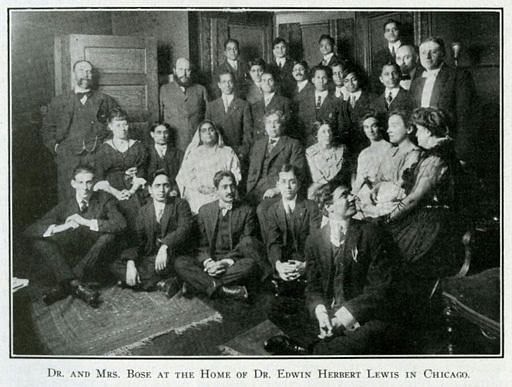
Abala Bose visited various countries including Japan, England, America and also places such as Kashmir, Rajasthan , Madras etc.
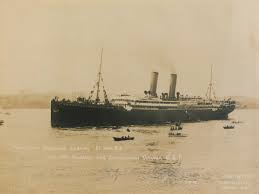
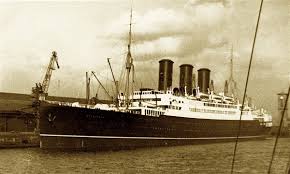
She visited England , for the first time in 1896. They had travelled by the ship SS Caledonia from Bombay.
It is beyond the scope of a single twitter thread to discuss such a rich life. Outside of her travelogues there is so much she did for the society and for women's education. I would request all to read more about her in great detail.
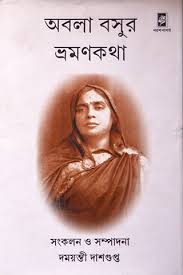
Ending the thread with the following quote
"a woman, like a man, is, first of all, a mind, and only in the second place, physical and a body".
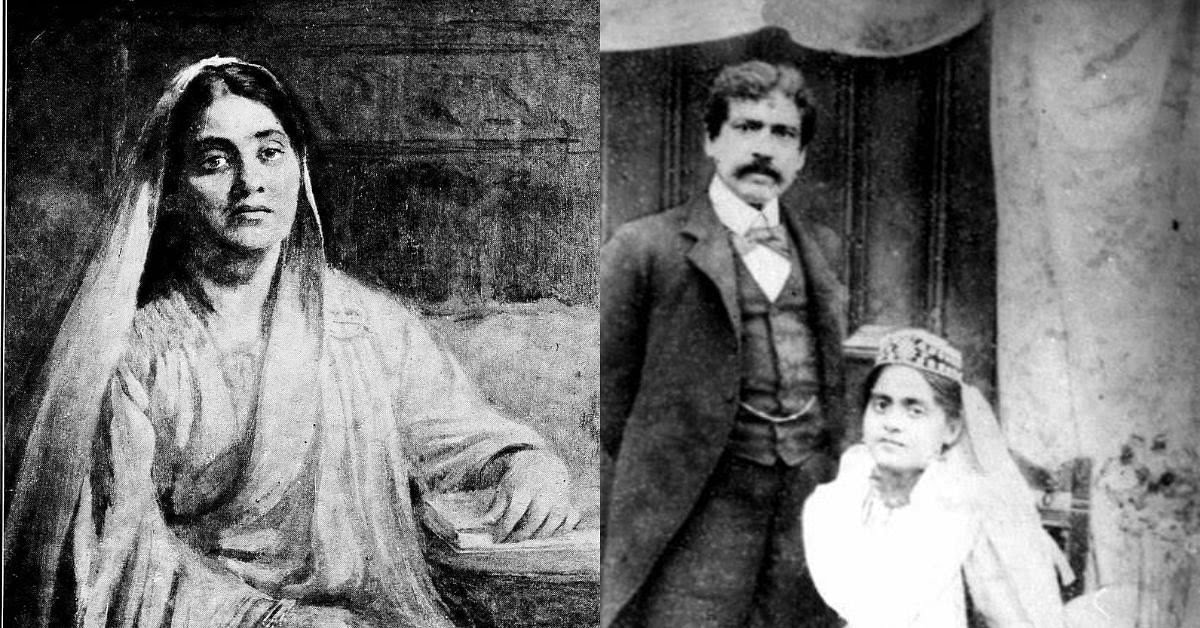
"নারীর শিক্ষাকে যেন ভাল পাত্র পাওয়ার উপলক্ষ হিসেবে ভাবা না হয়। প্রতিটি মেয়েরই উচিত গভীর এবং বিস্তৃতভাবে শিক্ষাকে আত্মস্থ করা। কারণ একজন পুরুষের মতোই নারীরও রয়েছে একটা মন, আগে তার চাহিদা পূরণ করতে হবে।"
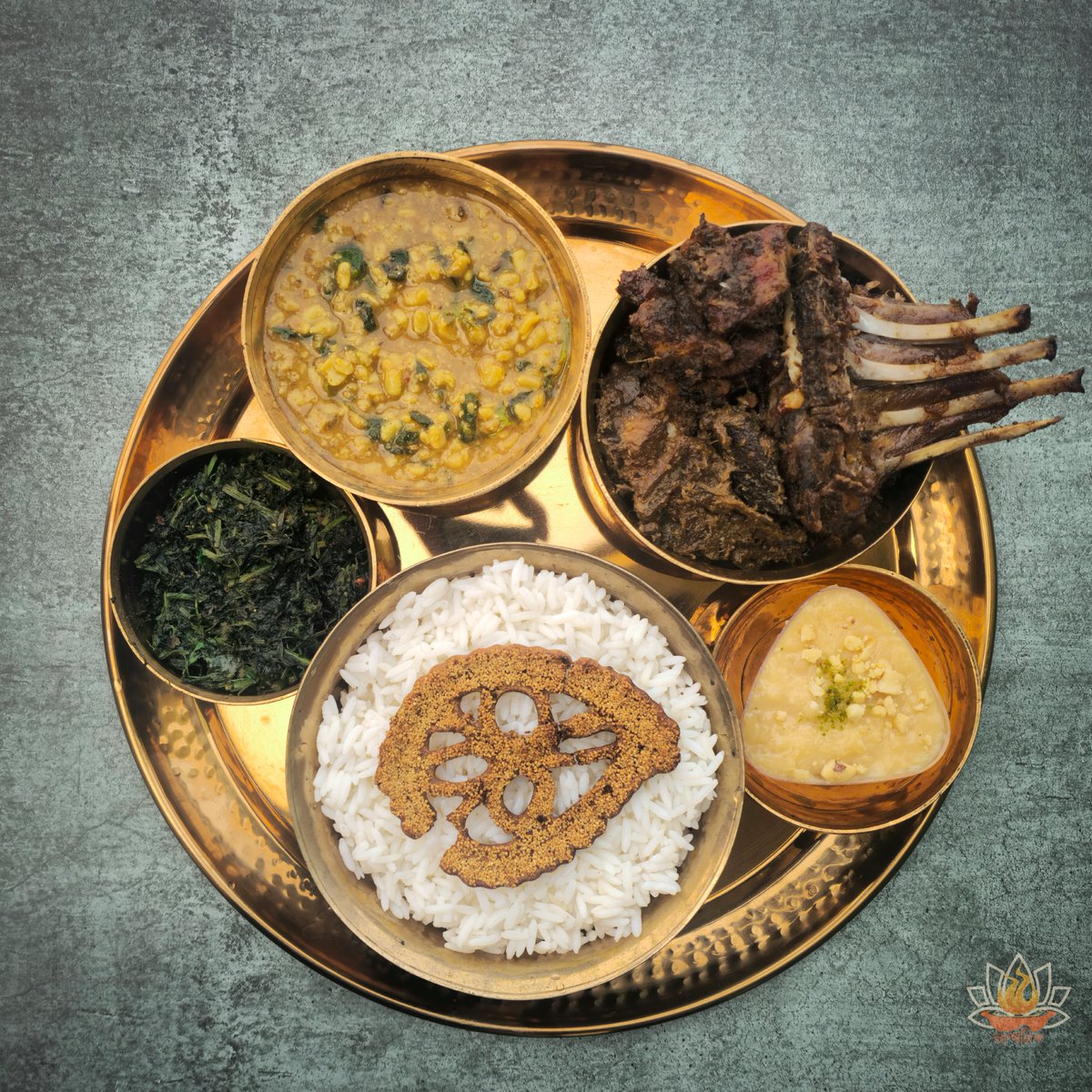
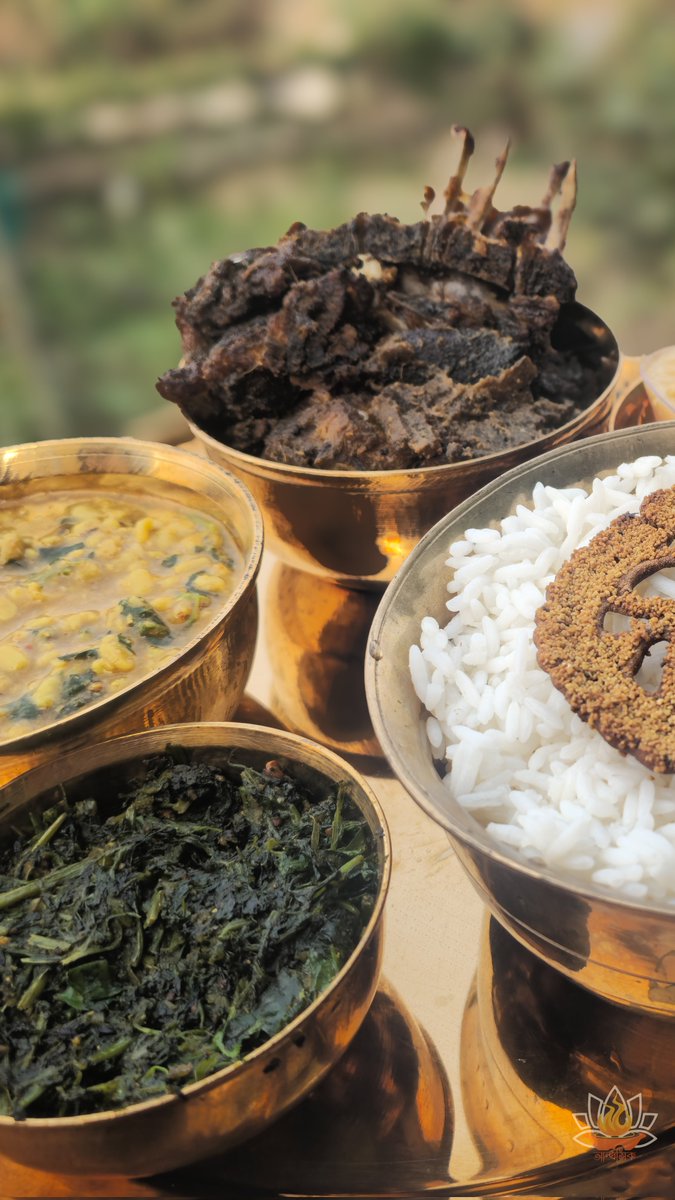
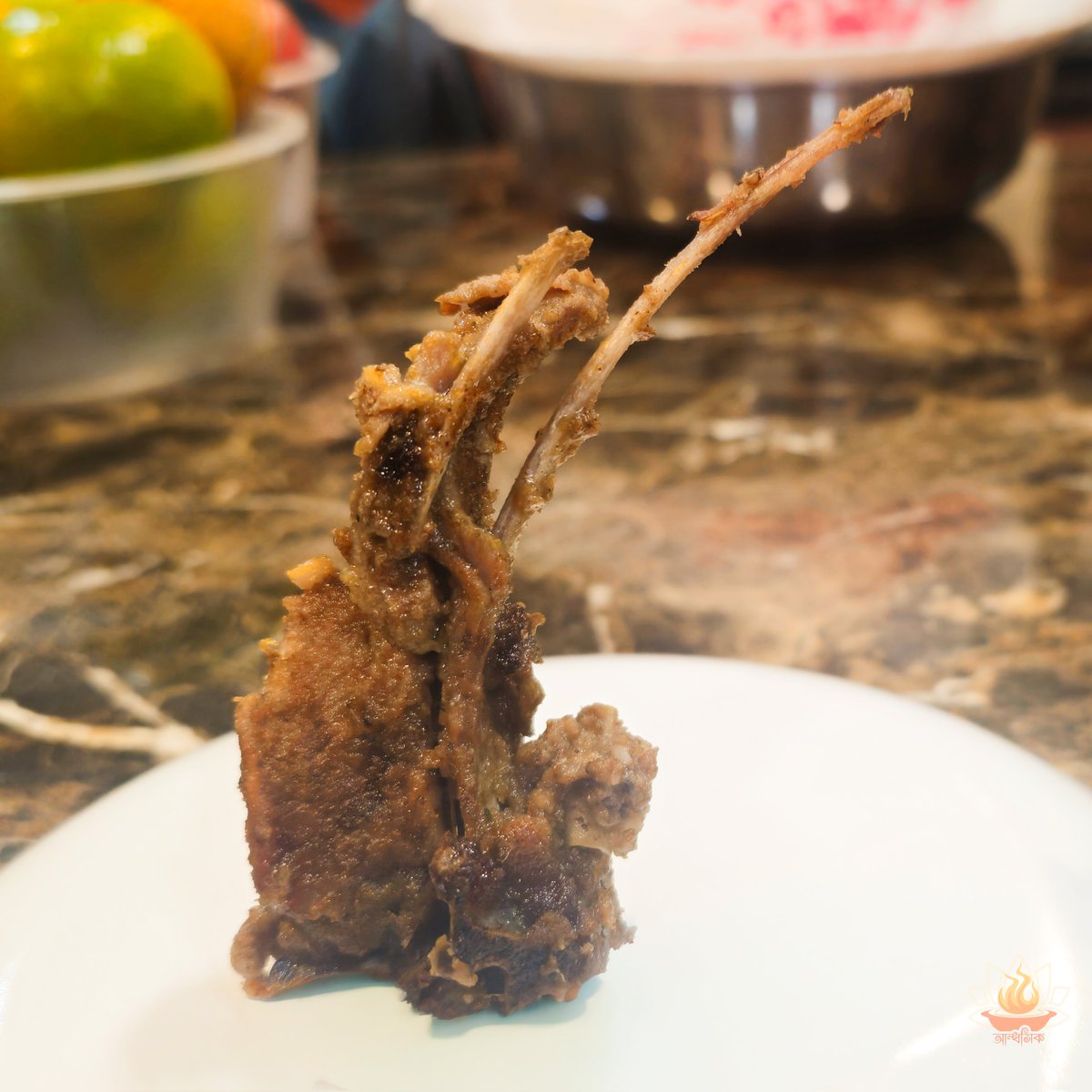
A Middle ages inspired platter. Recreated using techniques listed in the Mangalkabyas.
( Will be a long post,kindly bear with me😁)
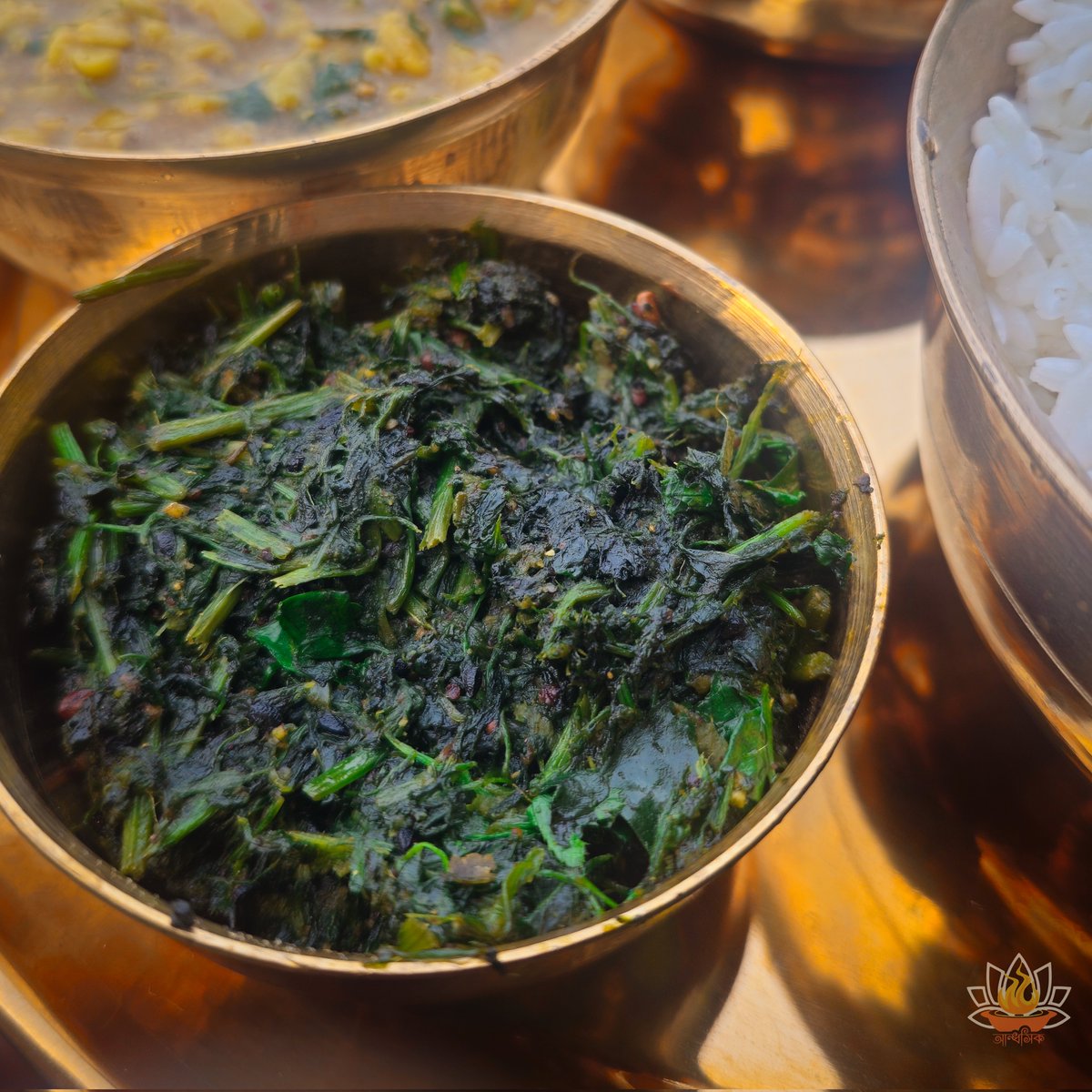
Bethua Shaak ( White goosefoot greens)
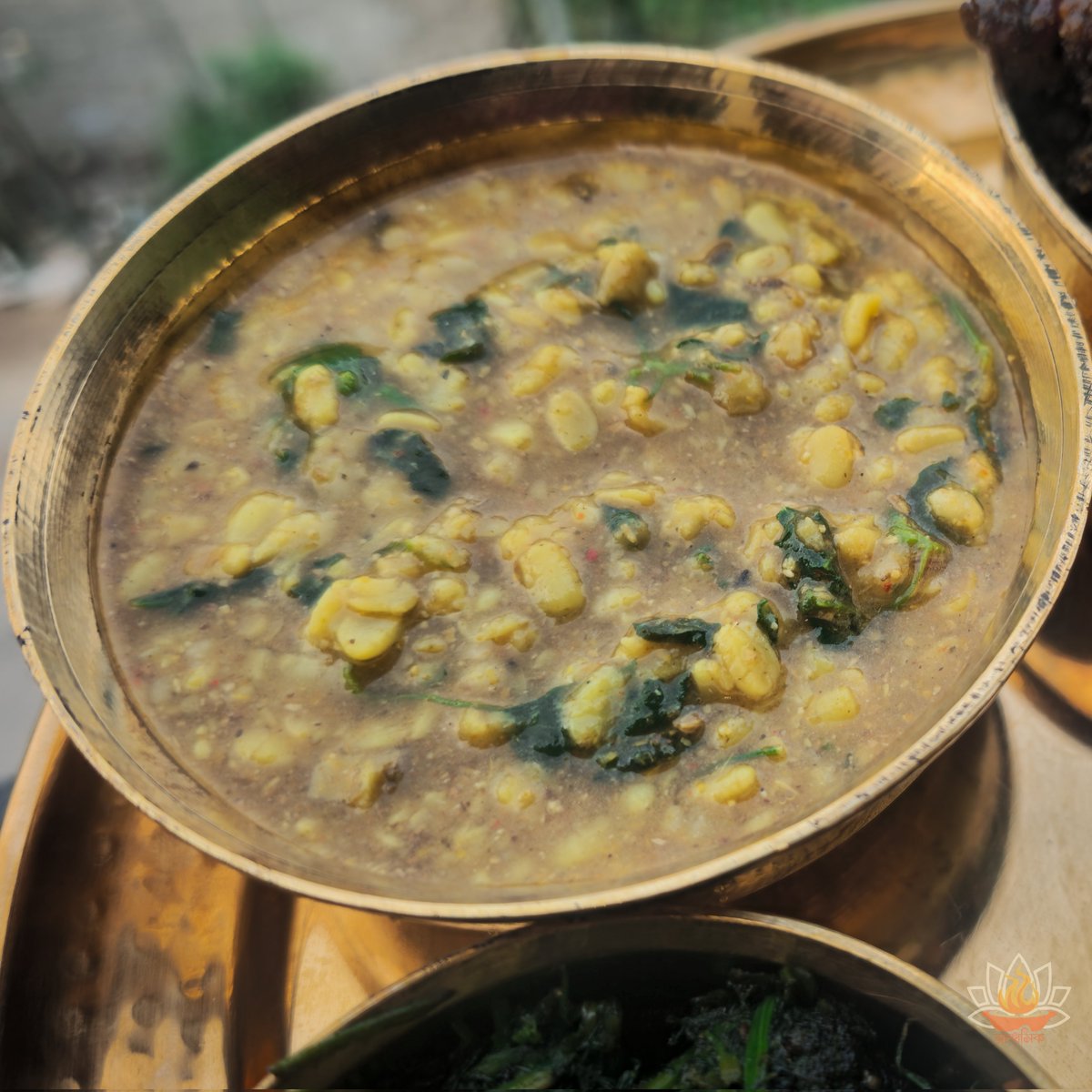
Kolaiyer Dal ( Roasted Urad dal)
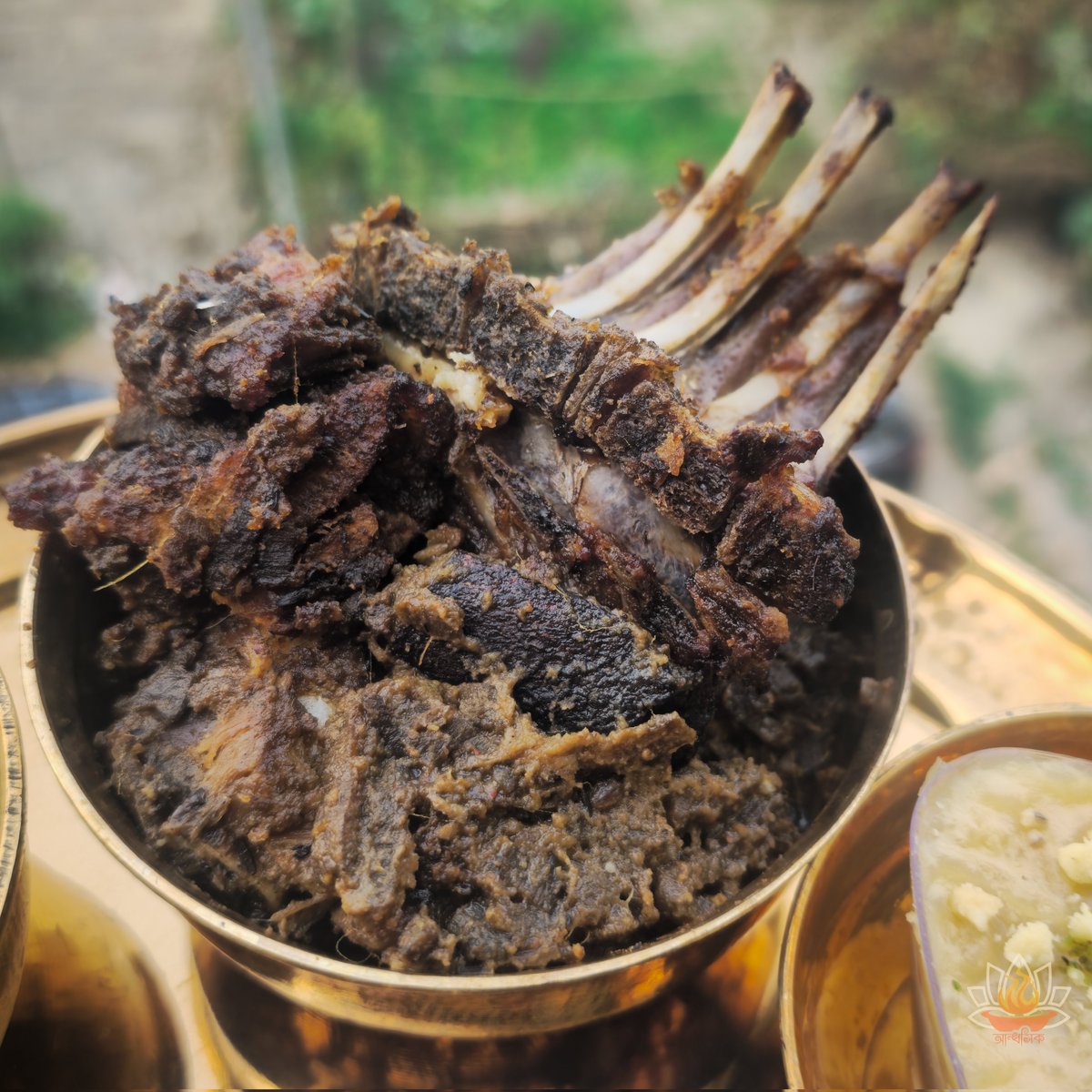
Thowr Mangsho ( Chevon with Banana stem)
Served with Rice, Goyna Bori and Sweets.
While reading Padmapuran/ Manasamangal by Bijoya Gupta (15th century) came across this couplet:
This mentions few chevon dishes. Such as with coconut, with Banana stem, a dish prepared with the skin of a lamb ( Garorer Cham) and an oily dish , cooked in the chevon fat using skin of the goat.
What piqued my interest was the third dish mentioned. The one using Banana Stem, called "Thowr" in Bangla.
Here's how I did it
The chevon ( mutton chops and assorted pieces) was marinated using turmeric paste , peepul ie long pepper paste, marich paste ie black peppercorn paste. Green chillies were not used at that time in Bengal, hence I avoided using it. Similarly avoided using onion or garlic. Then soaked in ginger water ( ginger ground and then squeezed ). And then using two pea sized Asafoetida bricks, roasted and ground, rubbed into the chevon. Asafoetida(Hing) is an excellent "Galawat" and can be used to tenderize the meat. Topped with one tablespoon of ghee.
Then grilled the chevon. The process for grilled or "Shulyapakka" meat can also be found in historical texts but I did use the modern electric grill.
Cut the Banana stem into matchsticks. Steam the stems and then cook in ghee, tempering with pulverized garam masala ( cardamom, cinnamon, cloves and bay leaves) and asafoetida. Used a bit of cumin paste.
Finally mix the grilled chevon with the Thowr and then to finish off, add one teaspoon ghee, pulverized garam masala and pepper paste mentioned above.
Worked out great. I guess this is how our ancestors cooked and ate 500 years back!
Description of the other dishes in the following post.
From Bijoy Gupta's Manasamangal, 15th century,we find various recipes for making saag. One such couplet goes like this
Bethua saag or White goosefoot greens, coarsely chopped and cooked with pulverized ginger. Stayed largely true to this description. Coarsely chopped saag, steamed and then tossed in ghee with grated ginger and tempered with a bit of methi seeds. Spiced with Piper chaba ( chui-jhaal) and peppercorn dust.
In the above passage, Bijoy Gupto in Manasamangal mentions the Kolaiyer Dal (Mash Kolai) is used for making Bori which is used in Moong dal and also cooked separately as a dish using the leaves of Shukto pata or Shukto leaves.
Two points to be made 1. Kolai Daal is used for Urad dal . This isn't entirely true. The term Kolai can mean different Dal/legume/lentil. The term for Urad dal is "Mash-Kolai". In the Maglakavyas, mention of MashKolai ie Biuli/Urad is found at numerous instances. 2. Shukto -pata, means the leaves of the pointed gourd/parwal plant and used to be the main ingredient for Shukto.
Since the Padma Vs Gangetic Ilish debate is in vogue. Here's what I know. Would be a longish thread 🧵 though
1. The Gangetic Ilish tastes better and has a different odour than the Ilish from Padma.
Kamalkumar Majumdar , out of jest, had mentioned ," গঙ্গার ইলিশ দুশো বছর ধরে কোম্পানির তেল খেয়েছে। এই ইলিশের সাথে অন্য ইলিশ পাল্লা দেবে কি করে? " But this is a wrong idea. Because Padma ilish has higher fat content compared to the Gangetic Ilish. One can check out for themselves. Now, how to differentiate or identify which one is which?
( Jatindramohan Dutta remarks " পুবদেশের মাছে তেল আর কলকাতার ইলিশের সুগন্ধ বেশি।"
2. The ilish from the Ganges is as good as the ones available in the Gomti river. Dhaleshwari and Diamond Harbour also have excellent Ilish. Kolaghat, as I have mentioned before, has good locations from where one can buy Ilish
3. Padma has different variants of Ilish. The Padmo ( পদ্ম) Ilish, Chandana Ilish ( Hilsa Kili, not to be confused with Chandana fish , which is different ) and Gurta Ilish.
The Padma Ilish has a silvery texture with a tinge of greenish tint on its back .
Chorebagan Art Studio, which was located at 24 Bhoobun Banerjee lane of Kolkata , was one of the pioneering art studios, that specialized and popularized lithography. Indeed, the popularity of lithography did also lead to the decline of Kalighat Pat as an art form.
Lithography was first used in India in the 1820s and Graham Shaw has argued that its impact was more significant than the introduction of typography in the 1550s.
The Chorebagan Art Studio was most probably started by one Amar Nath Shaha in early1880's.
This, went side by side with rise of the theater movement also based on religious texts and stories. Such as those staged by Girish Ghosh.
The Hindu theater company , started by Prassana Kumar Thakur, or the theater of Nabin Chandra Basu were also staging plays along similar… twitter.com/i/web/status/1…
The Dakshineswar Conspiracy case or Dakshineswar Bomb case was a sensational case which was also related to events in North India, Kakori to be precise, through the engagement of one central figure, Rajendra Nath Lahiri.
It was in Bachaspatipara of Dakshineswar that the revolutionaries used to meet. And it was from this hideout, that Ananta Hari Mitra along with others was picked up from, either on a tip off or due to sheer luck of the colonial police. Among those who were captured were Anant… twitter.com/i/web/status/1…
Rajendra Lahiri would be later shifted to Lucknow jai for his involvement with the Kakori Train Conspiracy case
A cartoon from Basantak Magazine ( বসন্তক পত্রিকা) titled ," India's latest Gift, may she enjoy the Gifting". ( ইংলন্ডকে"ভারত মাতার" উপঢৌকন প্রদান)
Wow. This is the earliest cartoon/art that I have seen referring to "Bharat Mata."
Dated, 1873 or 1874.
The image was drawn, in all probability by Girindrakumar Dutta for the Basantak magazine/Patrika. Basantak Patrika was a satirical magazine which ran briefly during this period. Along with Harabola Bhand, these were the first magazines to carry political cartoons.
@sreejit_d da, any earlier references? In painting/sketch/drawings that is
Since I am missing home, and this cookie can't even figure out what to cook, here's me trying to compensate by just staring at Fish recipes and photos and remembering the wise words of Kobi Ishwar Gupta.