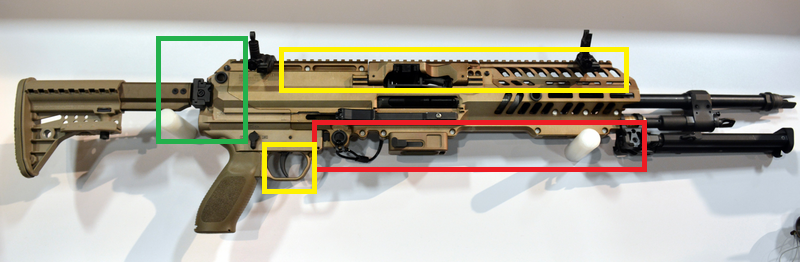
The recent-ish procurement by 🇫🇷 and the 🇳🇱 of Hirtenberger's M6C-640 Mk1 60 mm commando mortar, examplifies, I think, why NATO standardisation in ammunition is often less straight forward in practice than in concept. A little🧵: 

It took the 🇳🇱 almost 4 years to qualify the M6C, with deliveries of 155 weapons having taken place in 2015. Ammunition qualification was completed in 2018, with the DMO granting full qualification for use with the Army, Marines and SF in early 2019. Why so long ?
Well, in 2016 two 🇳🇱 service members were killed, and another injured in Mali when a 60 mm mortar bomb suffered an in-bore premature detonation during a training excersive in Kidal 🇲🇱. The investigation found that the fuze malfunctioned due to heat and moisture exposure

The mortar in question was a 🇫🇷 Hotchkiss-Brandt Commando, and the bomb is stated as an 'HE-80' produced by Arsenal of 🇧🇬. This would be what is known as the HE 60MA, a copy of the 🇦🇹 HE-80, fitted with an MN-6 (AF621) fuze. Note the weapon compatibility listed the product page.
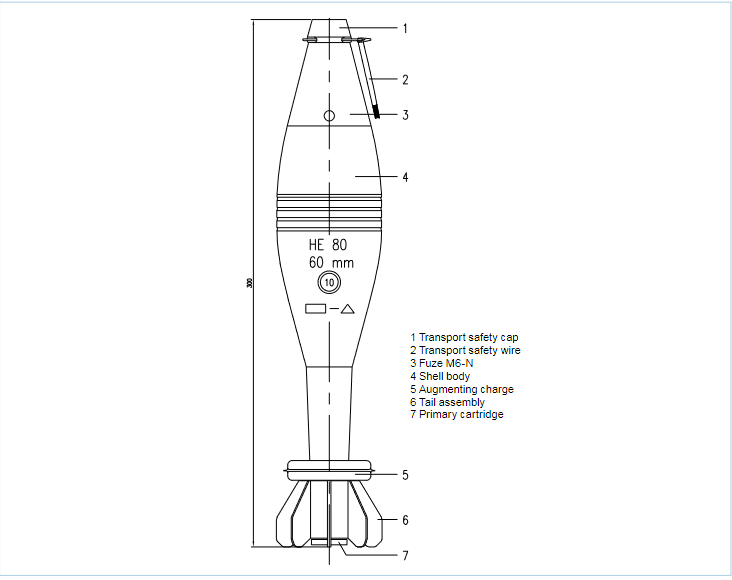
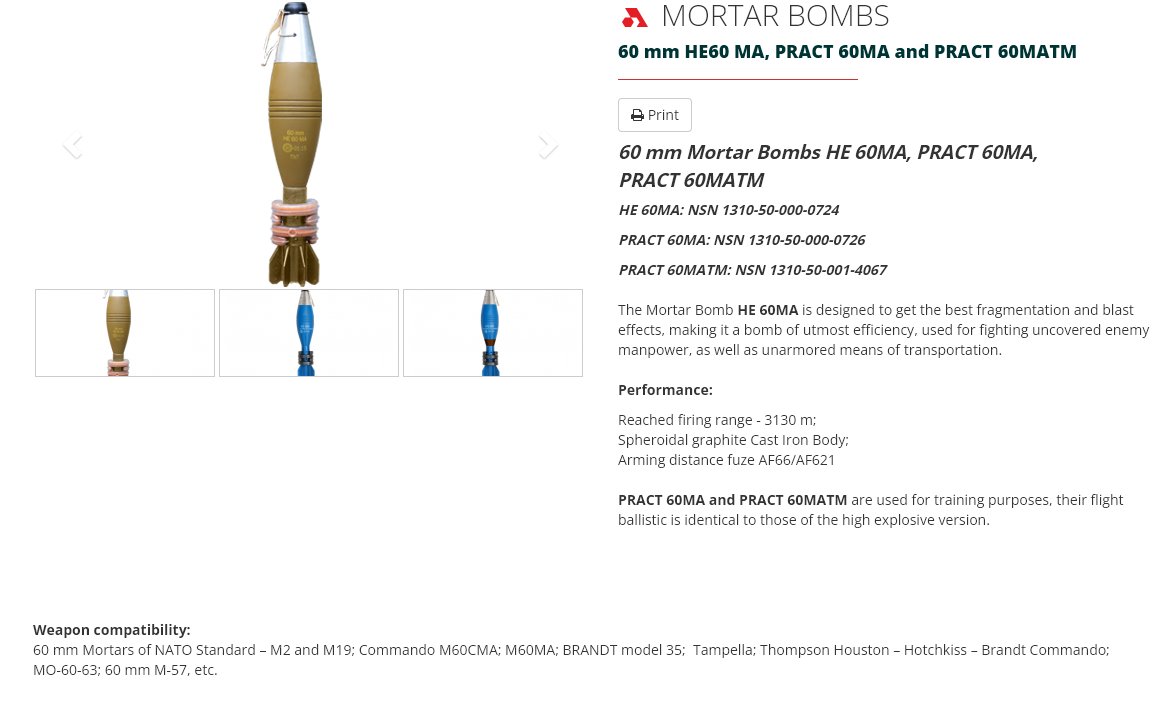
Aside from issues with the storage of the bombs, the investigation also found issues with the procurement process of said ammunition. Acquired under UOR via an 🇺🇸 FMS procedure, the 🇳🇱 would not conduct necessary QA and safety tests on the ammuition, assuming these had be covered
by the fact that they were being acquired via the 🇺🇸, and therefore by extension, that the US Army had done all of that work them. In fact, the 🇺🇸 did not use these bombs and stipulated they could not guarantee their safety and reliability. Purchased in 2006 for 🇦🇫, by 2016
some of the checks still had not been conducted. So to resume, a 🇧🇬 mortar bomb, a copy of an 🇦🇹 design, and acquired via the 🇺🇸, suffered an in-bore premature in an old 🇫🇷 mortar. All of which, on the surface, would all be compatible with each other.
As a result, the 🇳🇱 have now been extra careful with the qualification of the 60 mm mortar system that would eventually replace their old Hotchkiss-Brandt Commandos. Investigation paper can be found here: onderzoeksraad.nl/en/media/attac…
🇫🇷 signed a contract in 2020 to procure 120 M6C-640 Mk1s and several thousand mortar bombs of different natures. The contract covers of 45 month period, of which 2/3 will be dedicated to the qualification of the system (weapon and ammo) alone. 🇩🇪, too is looking into a new 60 mm
mortar system, and there as well the process is quite long. Despite NATO standardisation, most countries have their own safety and QC procedures, especially when it comes to ammunition, and for good reason, as exampflified by the 🇳🇱 accident. But that also means that despite
this supposed inter-operability of NATO calibres, especially in the artillery domain, most countries are reluctant to simply "plug and play" ammunition they have not qualified themselves. Which as we can see, is often an expensive and time consuming process.
Now 🇺🇦 is showing that the theory works in practice, so I'm not saying that STANAGs are irrelevant, this war has absolutely shown their worth. If anything, it has helped take some pressure off the already Kafkaesque 🇺🇦 logistic situation
https://twitter.com/UAWeapons/status/1589376164606660608
But its also undeniable that the 🇺🇦s are taking increased risks. With so many varied sources of ammunition, combined with the intense wear and tear these systems are sustaining, it increases the chance of something going horribly wrong (below is simply illustrative).
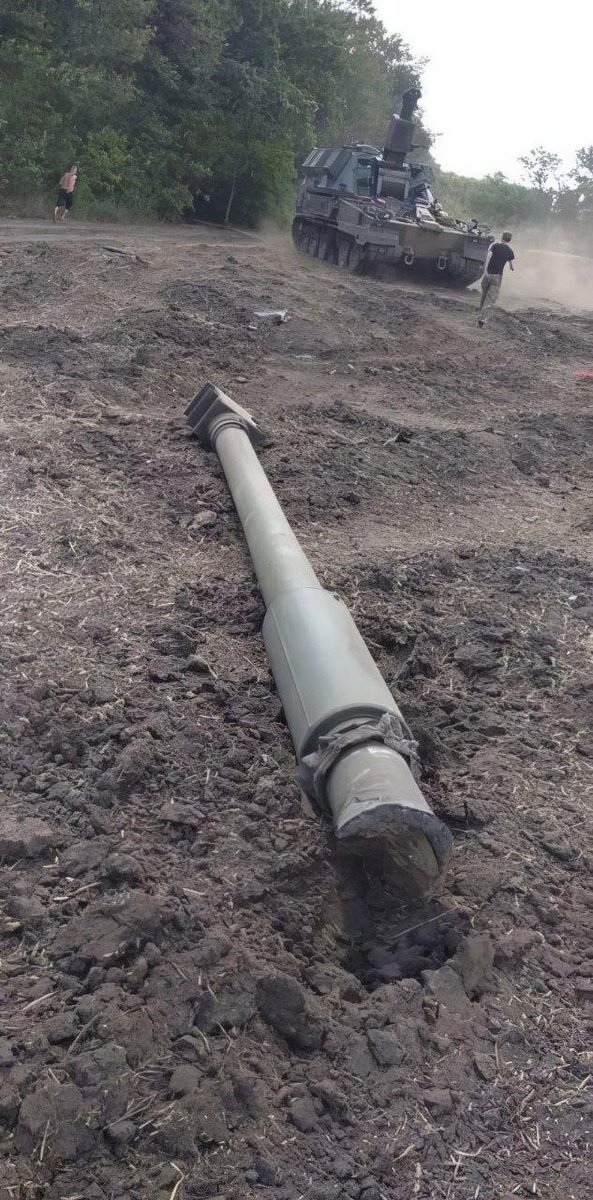
And that's why I think the whole 'NATO standard' argument, especially in the domain of ordnance, should be understood that its not quite a simple black and white process.
• • •
Missing some Tweet in this thread? You can try to
force a refresh