The art of Henna has been practiced in South Asia, Africa & the Middle East for over 5000 years. The botanical name of the henna plant is Lawsonia inermis. A member of the Loosestrife family, henna originally comes from Egypt.
A thread on the art of henna in Muslim cultures...
A thread on the art of henna in Muslim cultures...

1/ The English name henna comes from the Arabic term الحناء (al-ḥinnā). The name henna also refers to the dye prepared from the henna plant and the art of temporary tattooing from those dyes. Henna has been used for centuries to dye skin, hair & fingernails as well as fabrics

2/ Modern scientists discovered that henna is antibacterial, antifungal, & anti-hemorrhagic & it has historically been used for medicinal purposes. However, although the use of henna has branched out since its discovery in North Africa its most popular use is still beautification
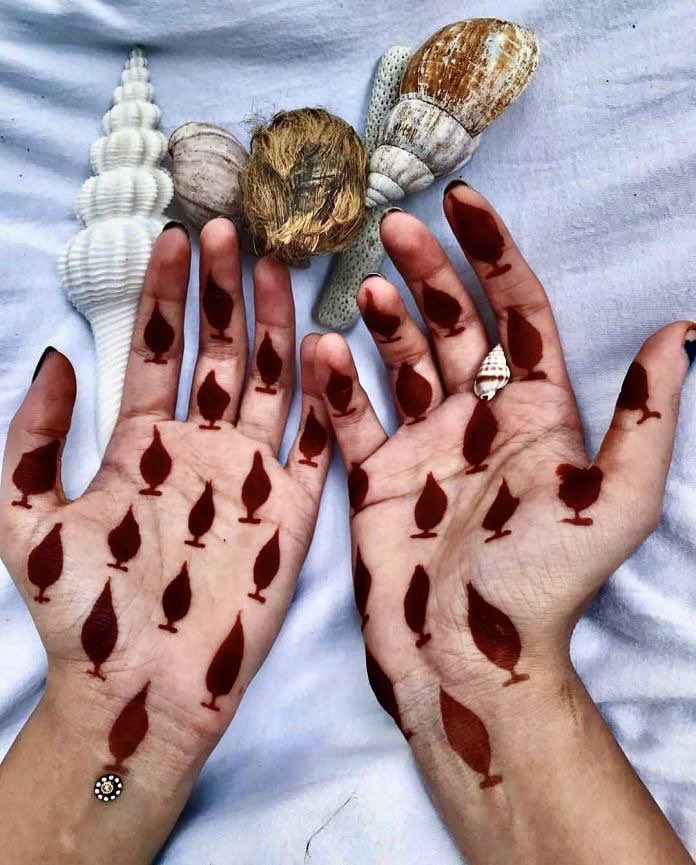
3/ Today Henna is mainly used in celebration of special occasions such as weddings & Eid in the joyous gathering of people. The Henna paste symbolizes good health & prosperity in marriage, & in some cultures, the darker the henna stain, the deeper the love between two individuals

4/ Dry henna powder is mixed with one of a number of liquids, including water, lemon juice, strong tea & other ingredients, depending on the tradition. Many artists use sugar or molasses in the paste to improve consistency to keep it stuck to the skin better

5/ The paste can be applied with many traditional & innovative tools, starting with a basic stick or twig. In Morocco, a syringe is common. A cone similar to those used to pipe icing onto cakes is used in South Asia. Some artists use a Jacquard bottle like those to paint fabric
6/ Henna, or mehndi, as it is called in Hindi and Urdu is believed to bring good luck ahead of marriage nuptials and contain barakat, an unseen flow of positive energy that will bring blessings and protect against evil spirits
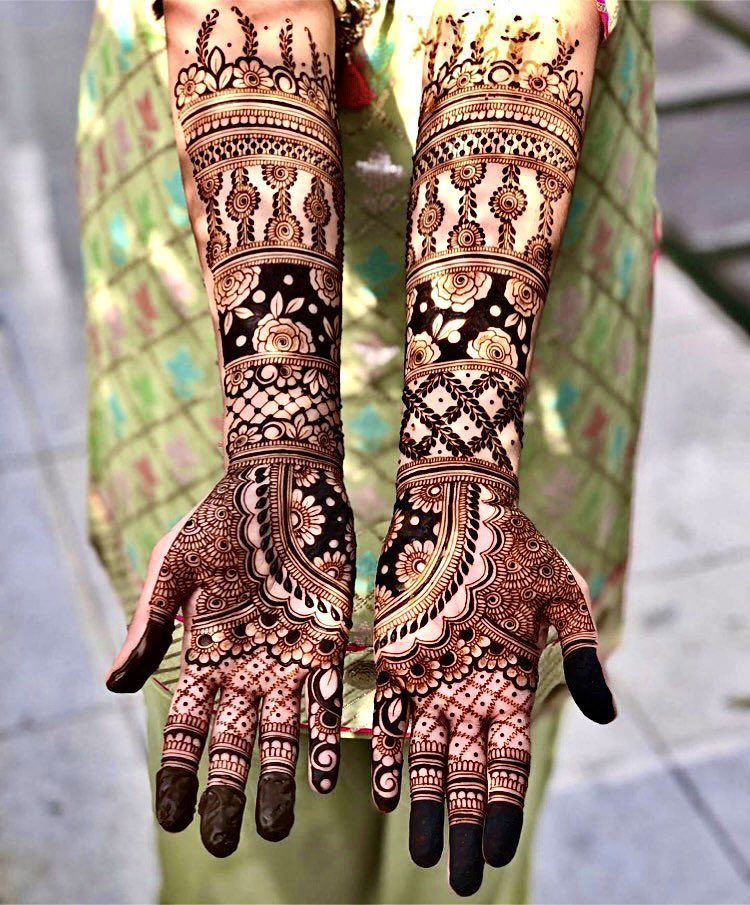
7/ Some scholars claim that the practice of decorating the body with henna was brought to Pre-Partition India by the Mughals in the twelfth century, centuries after it had been in use in the Middle East and North Africa.

8/ Henna is much more than pretty, swirling shapes. Traditionally it is used to paint ‘barakah’ or ‘blessings on the skin’ before Muslim wedding ceremonies. Some intricate patterns hold a special meanings

9/ In Sudan, Henna dyes are regarded with a special sanctity and for that reason they are always present during happy occasions. Henna has been part of Sudan's social and cultural heritage ever since the days of Sudan's ancient civilizations

10/ In Algeria, brides receive gifts of jewelry and have henna painted on their hands prior to their weddings
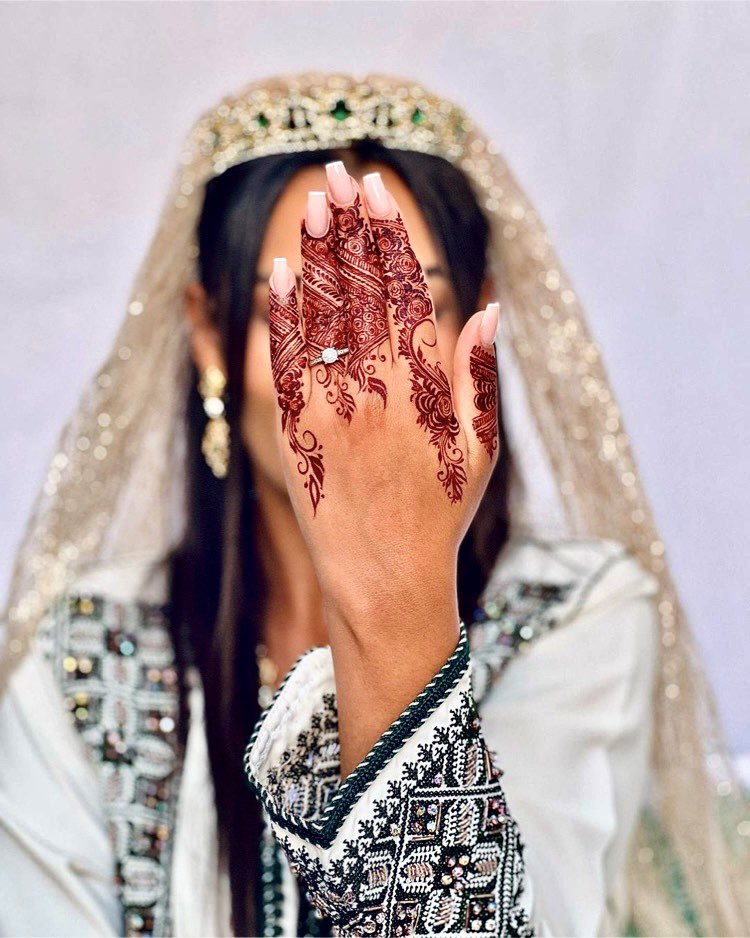
11/ In Afghanistan, henna is also known as "kheena". Afghan tradition holds that henna brings good luck and happiness. It is used by both men and women on many occasions such as wedding nights, Eidul fitr, Eidul Adha and Shabe-e Barat
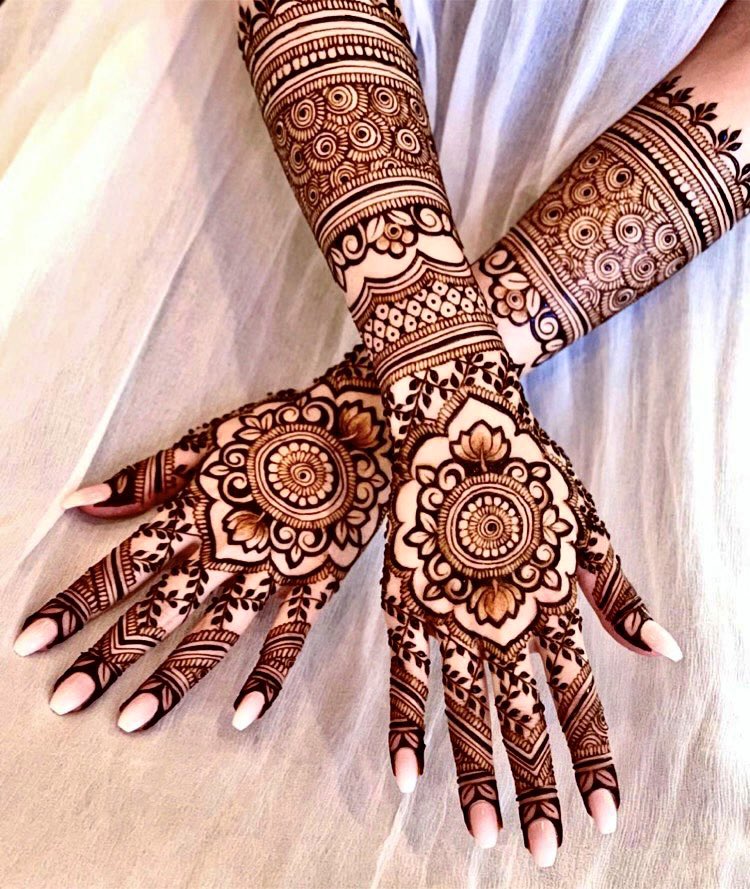
12/ In Pakistan, henna is often used in weddings, Eid ul fitr, Eidul Adha, milad and other events. The henna ceremony is known as the Rasm-e-Heena, which is often one of the most important pre-wedding ceremonies celebrated by both the bride and groom's families
13/ In Somalia, henna has been used for centuries, it is cultivated from the leaves of the Ellan tree, which grows wild in the mountainous regions of Somalia. It is used for practical purposes such as dying hair and also more extravagantly by coloring the fingers and toes

14/ In Egypt, henna has been present for 9000 years with the Pharaohs in Egypt. Cleopatra, the last reigning queen of the ancient Egyptian civilisation is said to have used henna to beautify herself. It is now a bridal tradition before the wedding day to celebrate the henna night
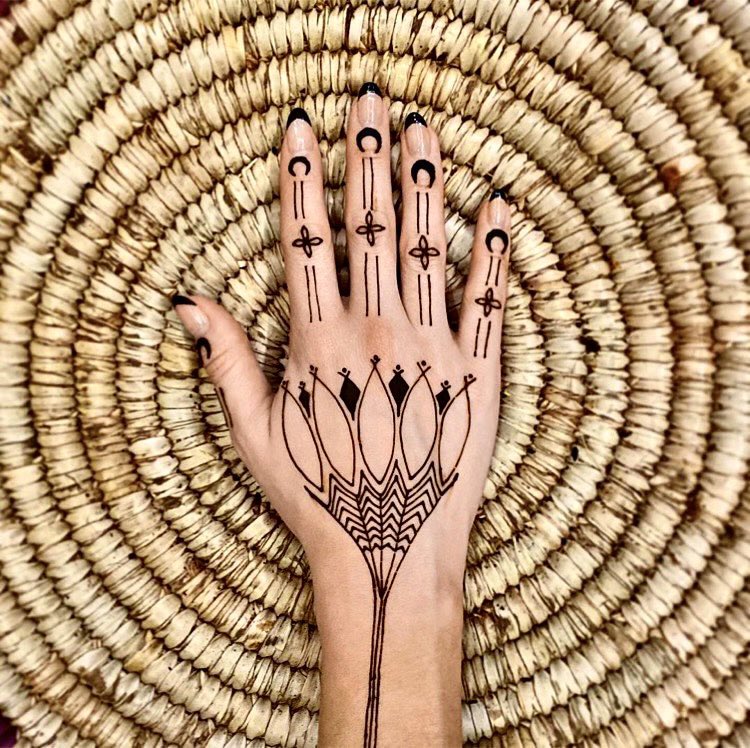
15/ In Bangladesh, henna is used on occasions like weddings and engagements as well as during Eid al-Fitr, Eid al-Adha and other events. In wedding ceremonies a henna night is traditionally known as 'Mehndi Shondha' meaning the Evening of Mehndi
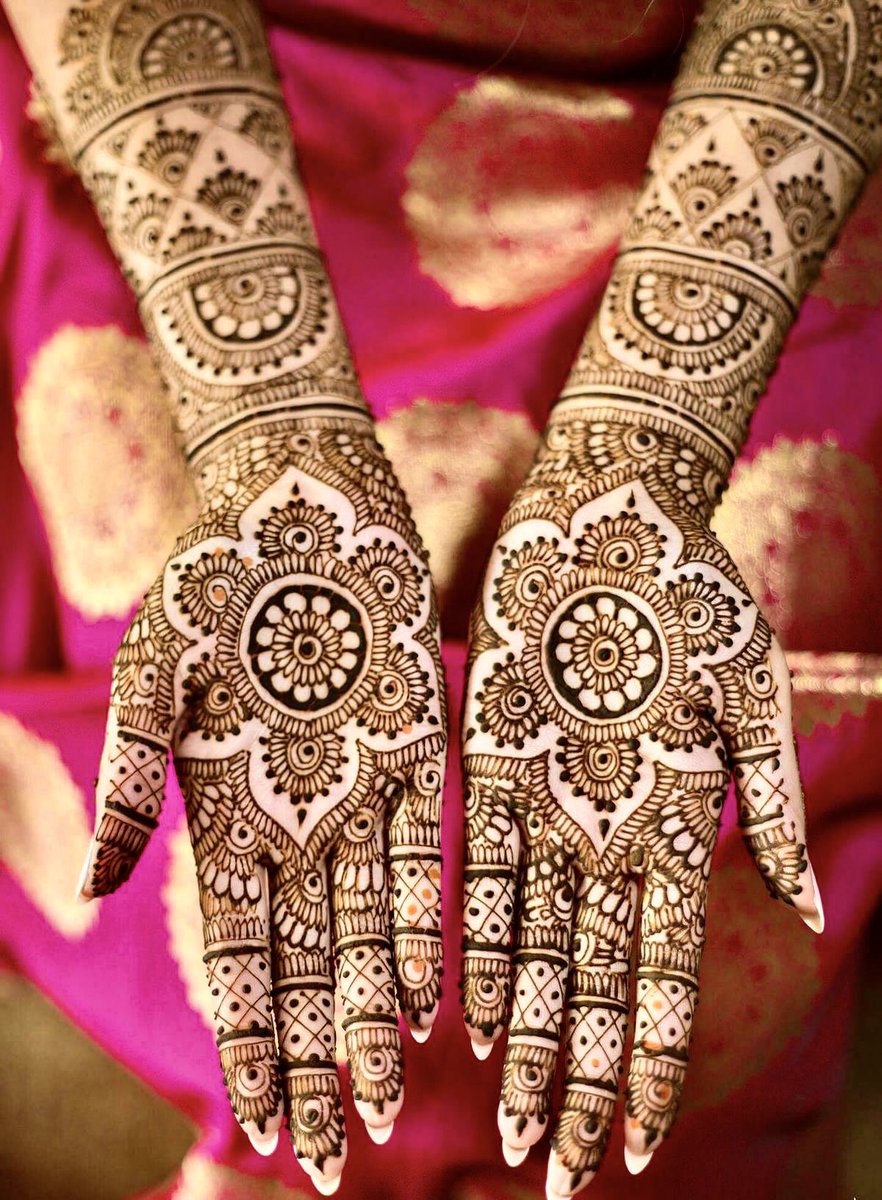
16/ In Tunisia, The traditional wedding process begins 8 days before the wedding ceremony when a basket is delivered to the bride, which contains henna. Today, the groom accompanies the bride in the ritual at the henna party
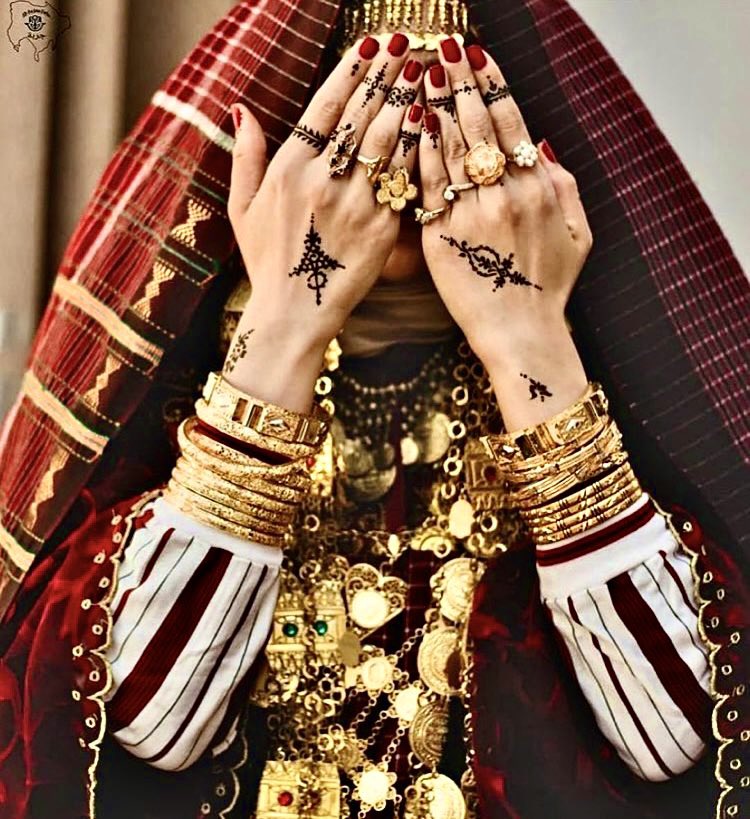
17/ In Iran, the most common use of henna is among the long wedding rituals practiced. The henna ritual, which is called ḥanā-bandān, is held for both the bride and the bridegroom during the wedding week
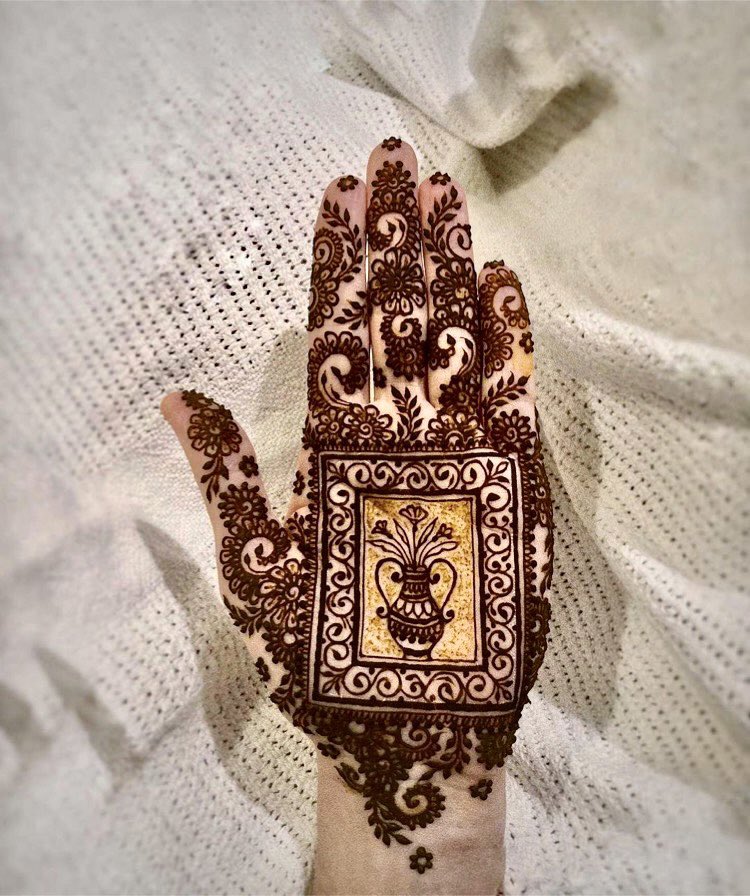
18/ In Kerala, women and girls, especially brides, have their hands decorated with Mailanchi. In North Indian wedding ceremonies, there is one evening solely dedicated for adorning the bride and groom in Mehndi, also known as 'Mehndi ki raat
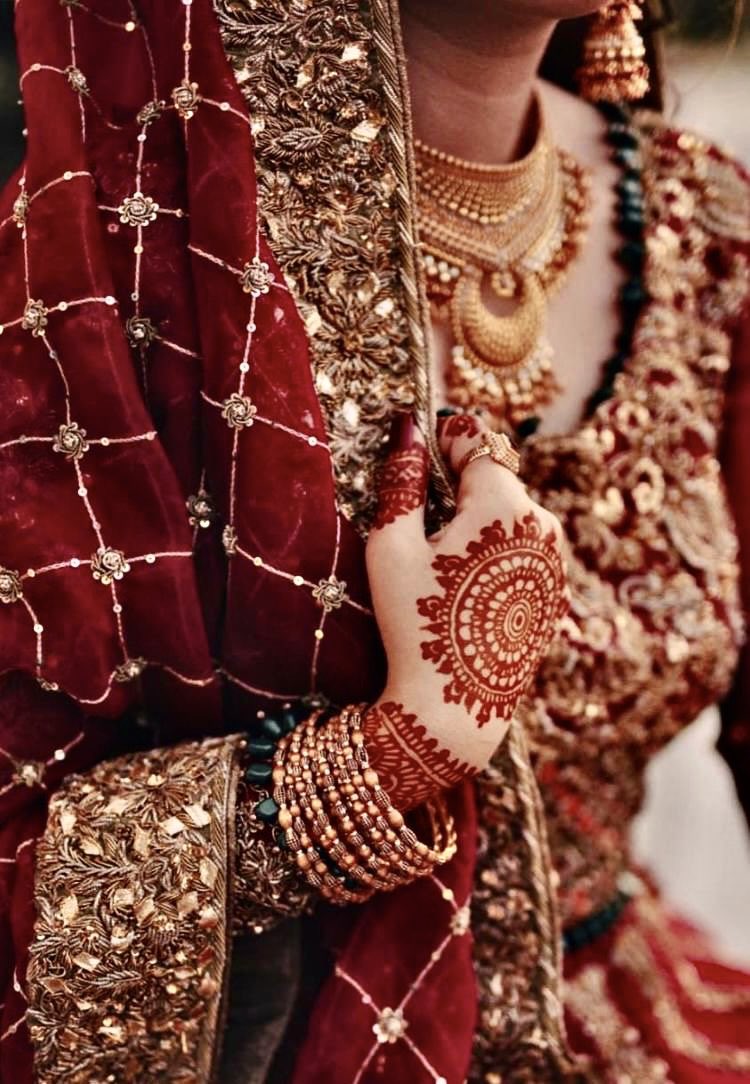
19/ Henna also known as “lalle” or “kunshi” in the northern part of Nigeria has been a part of the culture for at least a thousand years, according to Nigerien archaeologist Djibo Hamani. He says henna is still found growing in archeological ruins in these parts of the world
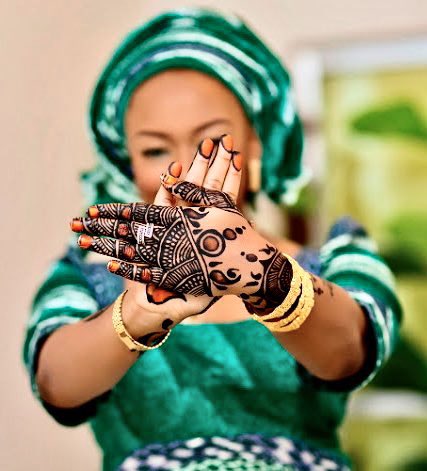
20/ Embellishing the hands and feet of the bride is a significant part of the wedding celebration in the Arab tradition. In the UAE some even have a night dedicated to the Henna as a part of the wedding. Another occasion where Henna is important is Eid
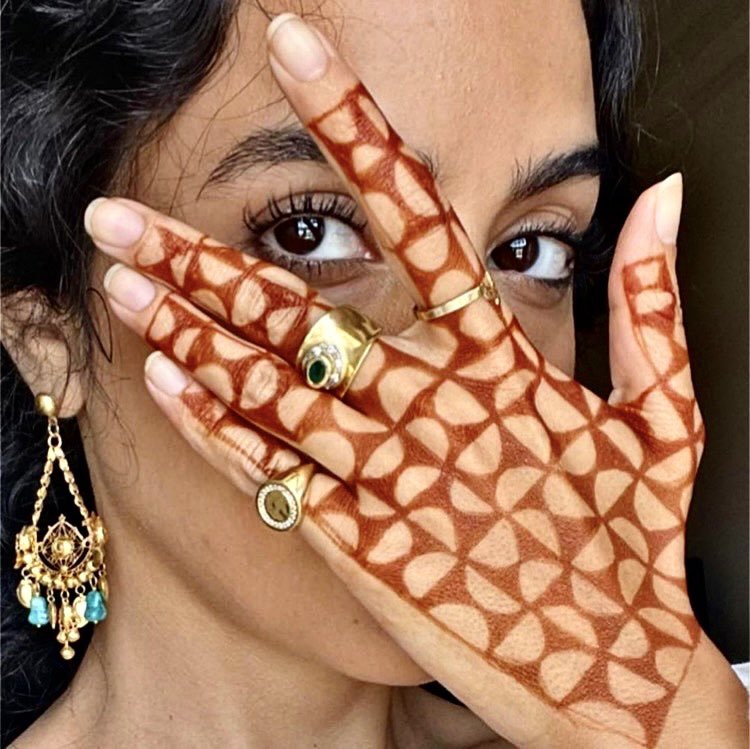
21/ In Malaysia, henna (Malay: inai) is used to adorn the bride and groom's hands before the wedding at a berinai ceremony
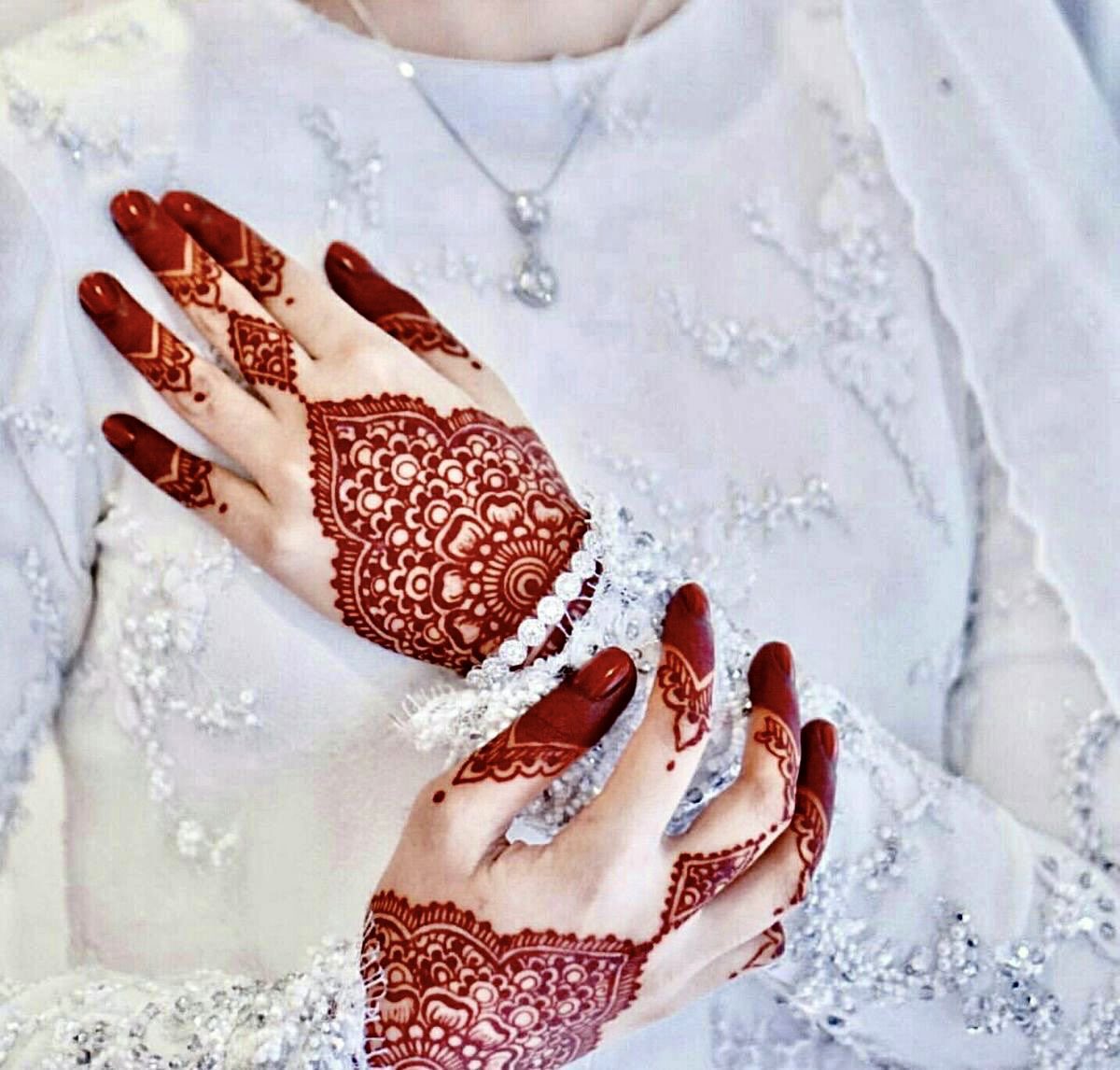
22/ In Morocco, henna is applied symbolically when individuals go through life cycle events. Moroccans refer to the paste as henna and the designs as naqsh, which means painting or inscription.

23/ Today, contemporary artists are using henna as a medium to create works of art.
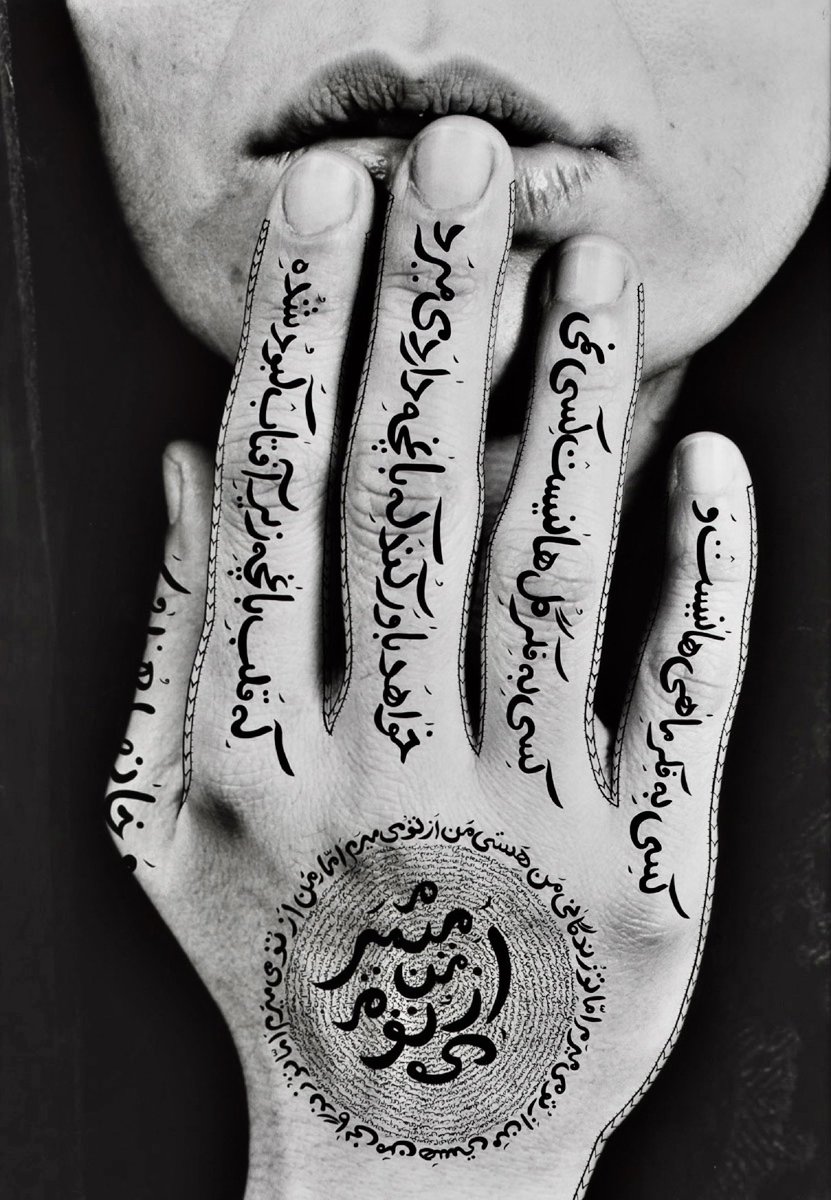
"Art is no crime. It's every artist's responsibility to make art that is meaningful."
Shirin Neshat - an Iranian visual artist based in New York, known for her work in film, video & photography
"Art is no crime. It's every artist's responsibility to make art that is meaningful."
Shirin Neshat - an Iranian visual artist based in New York, known for her work in film, video & photography
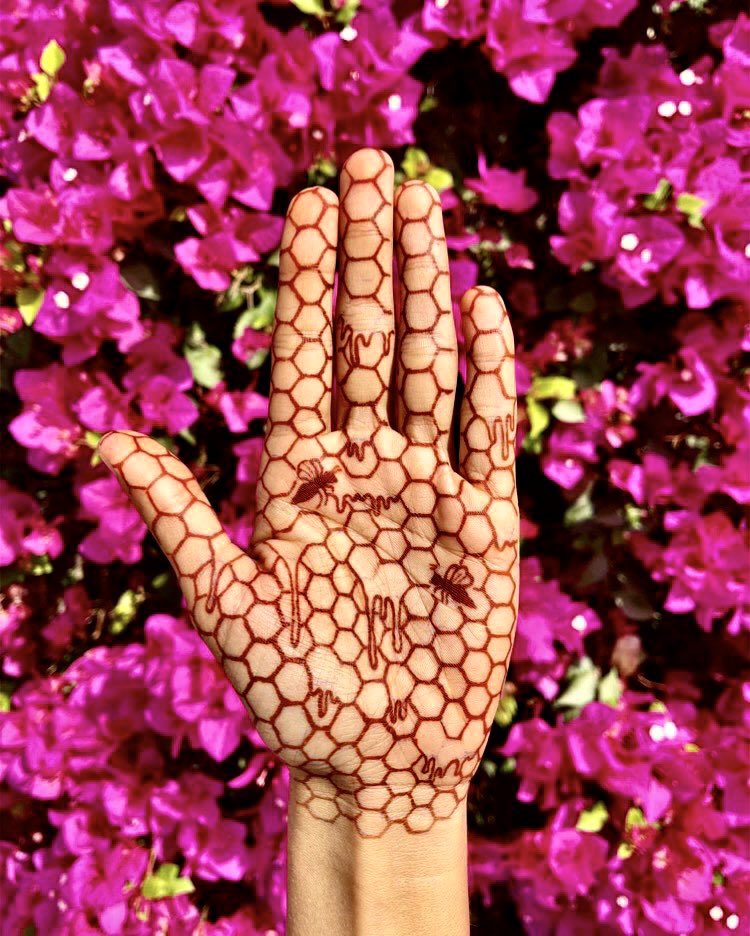
24/ Contemporary Henna Artist Azra Khamissa is out to prove that henna isn’t just for weddings & Eid. Her bold, minimalist designs are moving the art beyond celebrations into everyday life. A Canadian-South African with Indian roots, living in Dubai, she is redefining the artform
If you like this thread, join us at the Islamic Art & Culture Digital Festival, happening online - 28 & 29 November
A global celebration with over 50 speakers, performances & an art exhibition!
We hope you can join us…
Last chance to book your tickets: eventbrite.com/e/the-future-o…
A global celebration with over 50 speakers, performances & an art exhibition!
We hope you can join us…
Last chance to book your tickets: eventbrite.com/e/the-future-o…
• • •
Missing some Tweet in this thread? You can try to
force a refresh