Rooted in the ancient traditions of Roman & Byzantine bath houses, the Hammam was introduced to Islamic culture as a means for people to cleanse before prayer. As they grew in popularity, these beautiful bathhouses were found next to mosques & medinas
A thread on the Hammam…
A thread on the Hammam…

1/ Cleanliness is an imperative part of life in Islamic societies, & washing rituals are performed before prayers. In the past, the lack of indoor plumbing & reliable hot water made hammams a necessity and a welcome treat. These public spaces were decorated beautifully too

2/ Hammams played a central role in promoting hygiene and public health, but they also served as meeting places where people could relax and socialise

3/ Different sources, from Arab geographers to legal doctrines, state that there are three essential elements for an (early) Islamic city: a mosque, a market & public baths (Hammams)
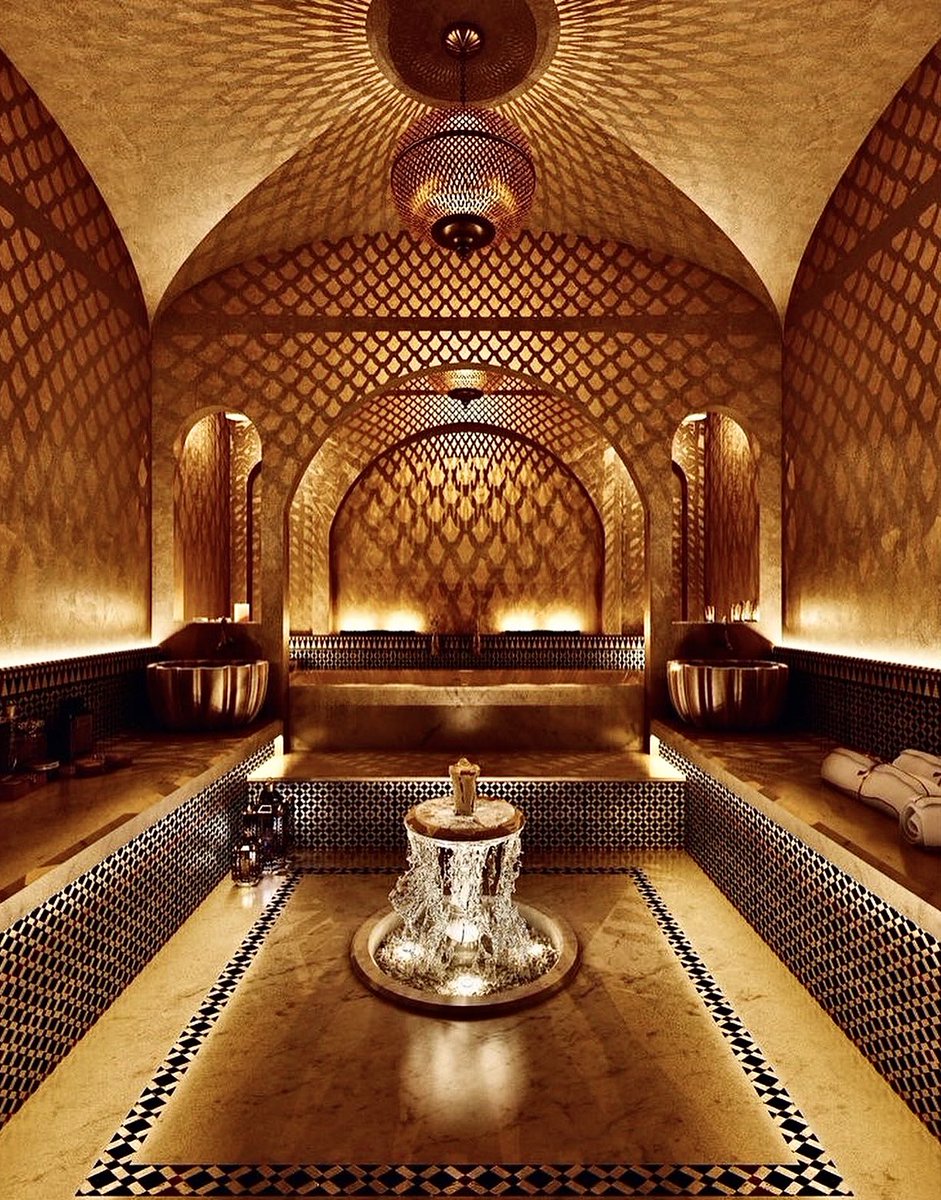
A contemporary Moroccan Hammam
A contemporary Moroccan Hammam
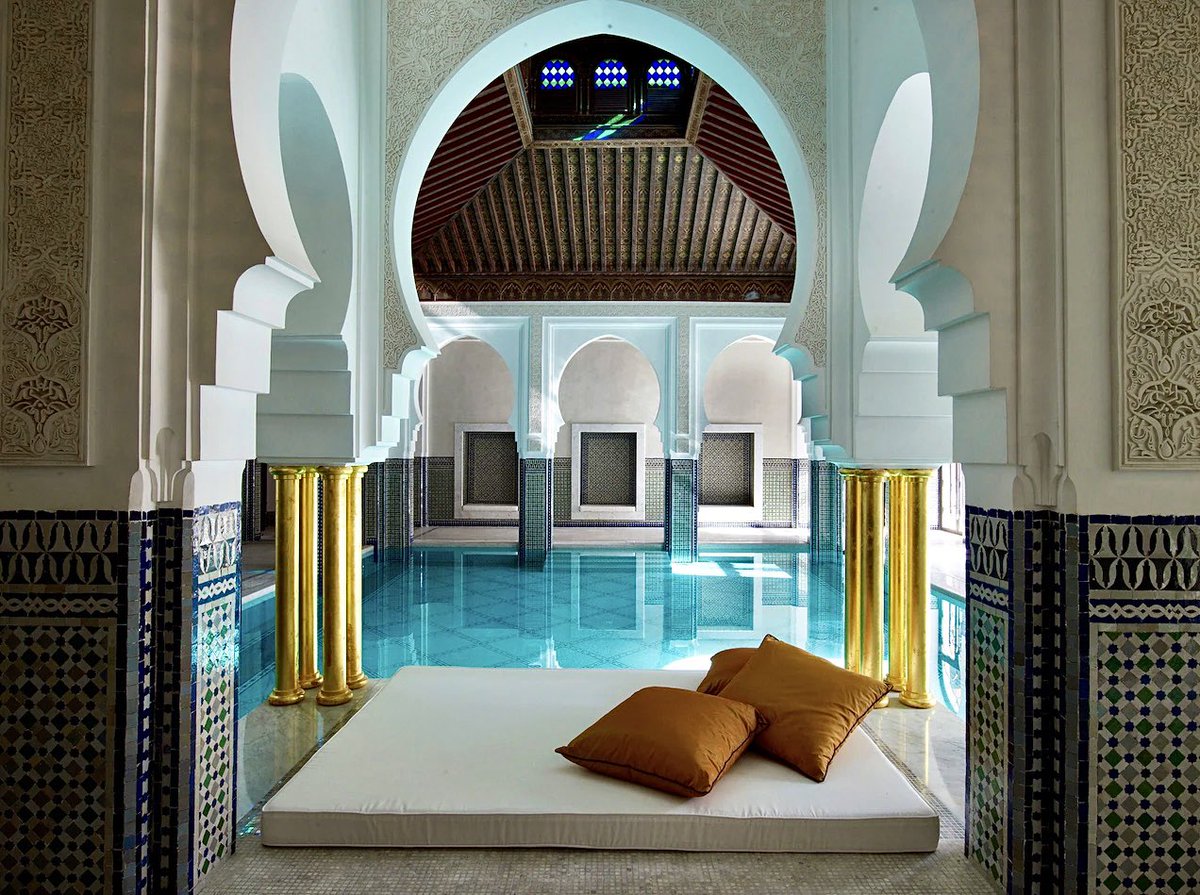
4/ By the medieval period, public baths had become an important part of community life, and the quality and number of baths counted among any city’s most admired attributes
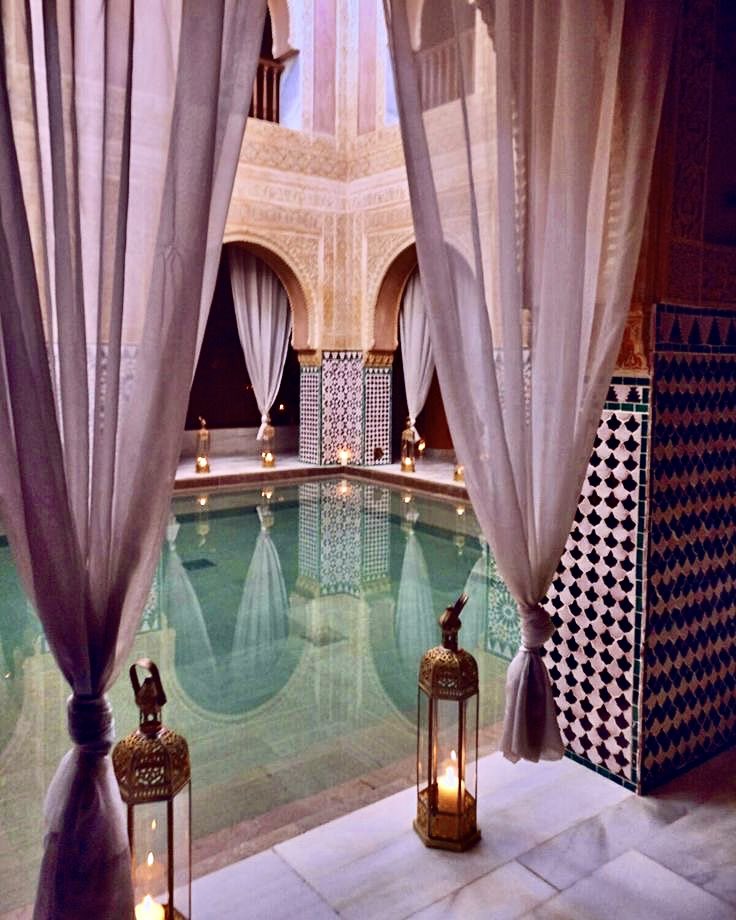
5/ Medieval authors mention hammams alongside mosques, madrasas (schools), and gardens in their descriptions of beautiful and prosperous cities. Hilal al-Sabi’ (969–1056), for example, estimated that Baghdad at its height had 60,000 bathhouses
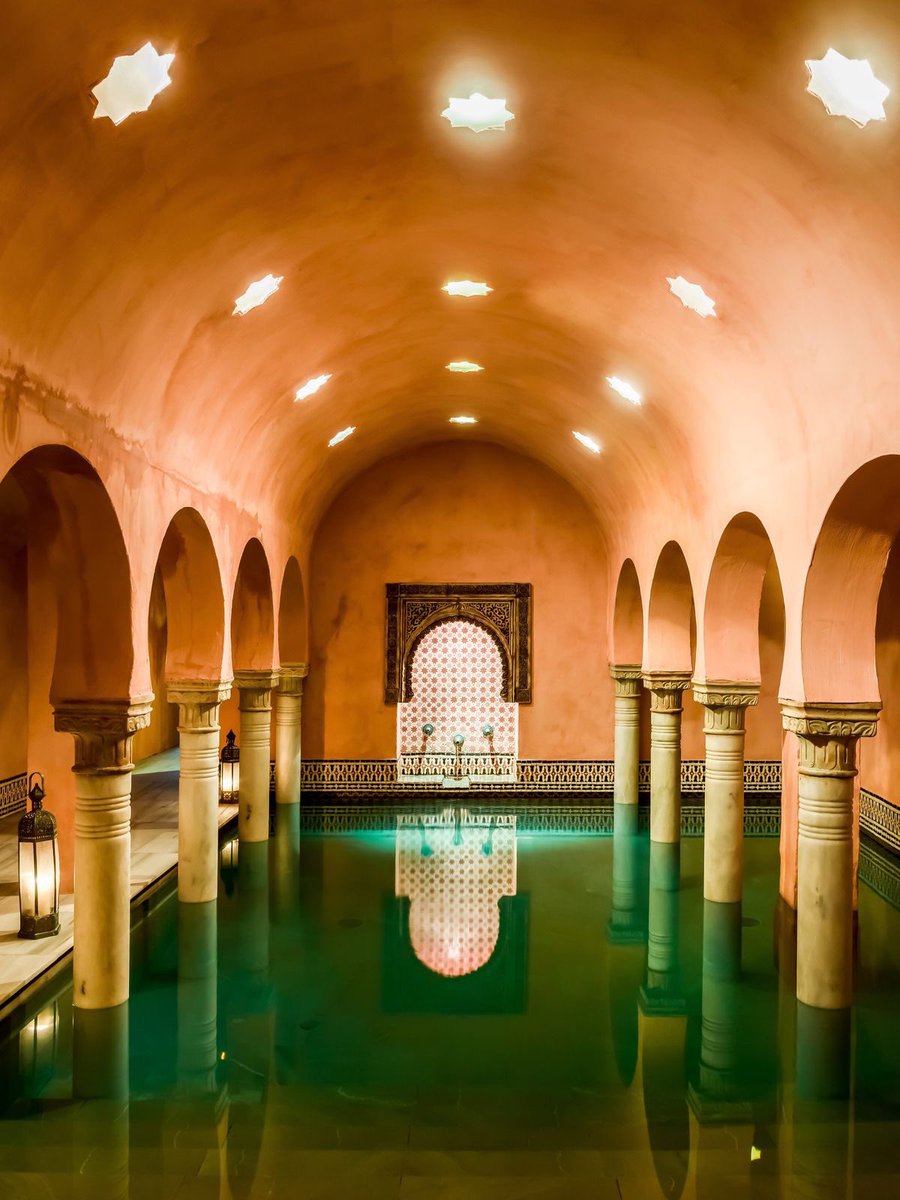
6/ The first signs of Turkish baths date all the way back to the 14th century, during the Ottoman Empire’s vast reign of much of the Middle East and Europe.
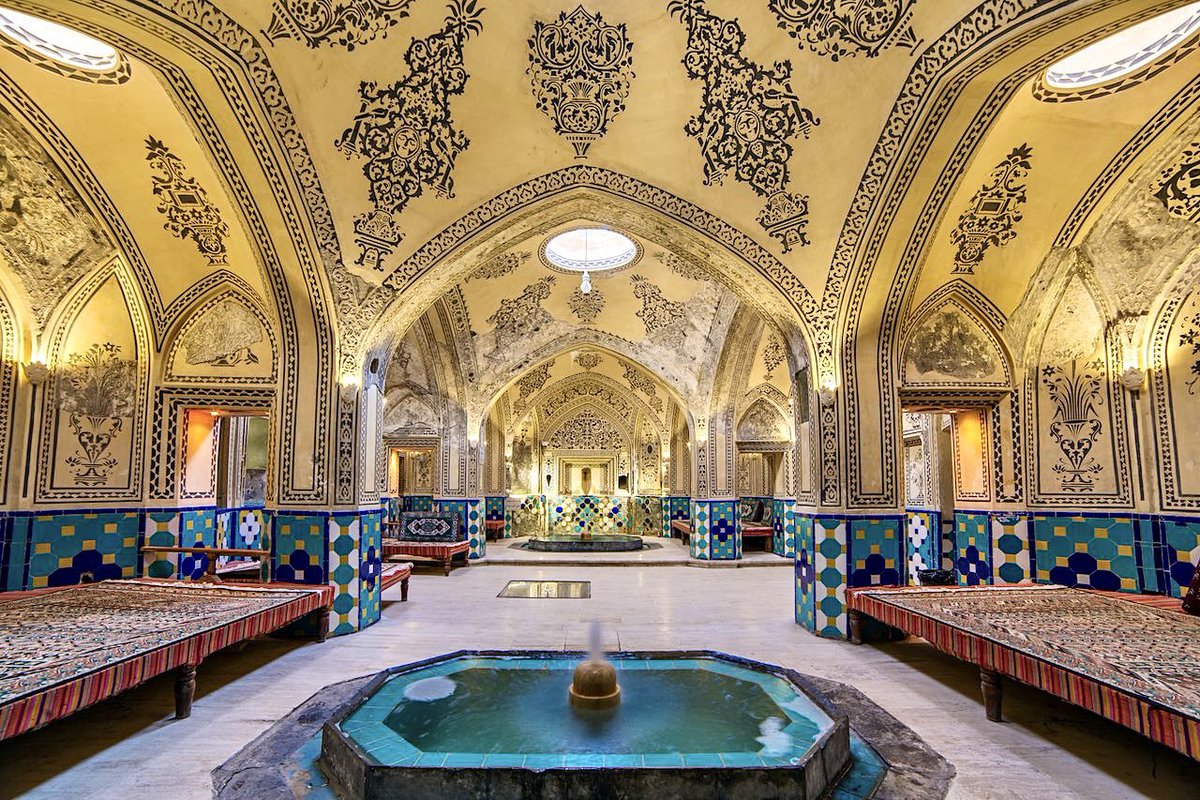
7/ The Hammam of Sultan Inal is a historic hammam (public bathhouse) in Cairo, Egypt. It is located in the Bayn al-Qasrayn area, on al-Mu'izz street, in the historic center of Cairo. The hammam was commissioned by Sultan Inal and built in 1456, during the Mamluk period
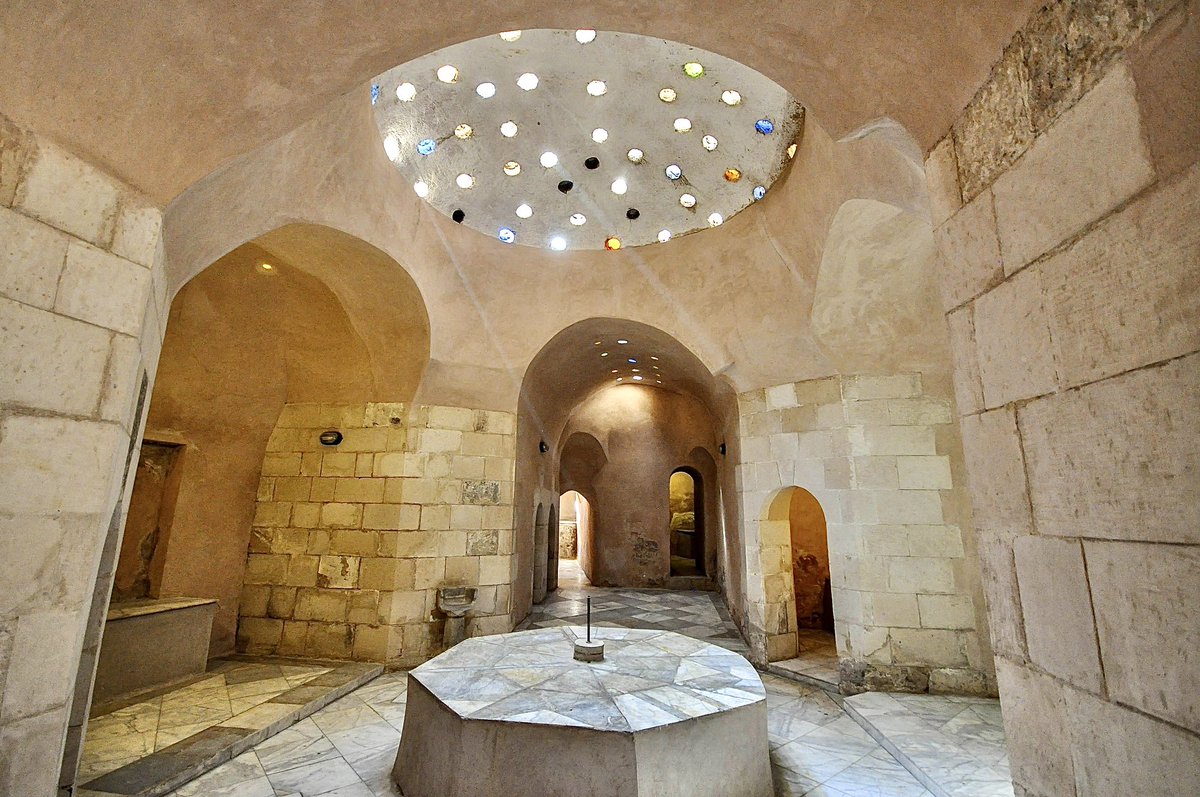
8/ It’s not known when the hammam first came to Morocco, but Hammam Mouassine, the oldest (and one of the best) in Marrakesh, dates to 1572.
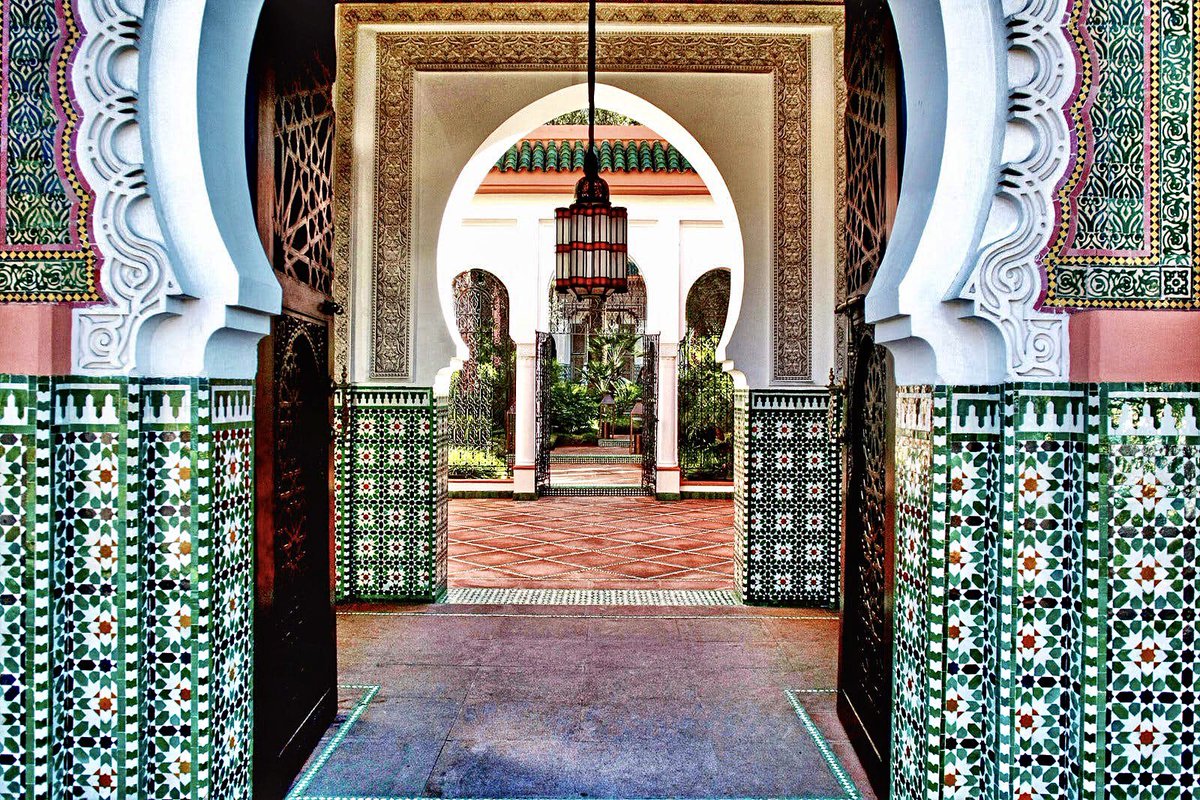
9/ These hammam baths are found beneath Hassan II Mosque in Casablanca. Its plaster walls are made using the waterproof “takelakt” technique, which requires both black soap and egg whites in the compound mixture.
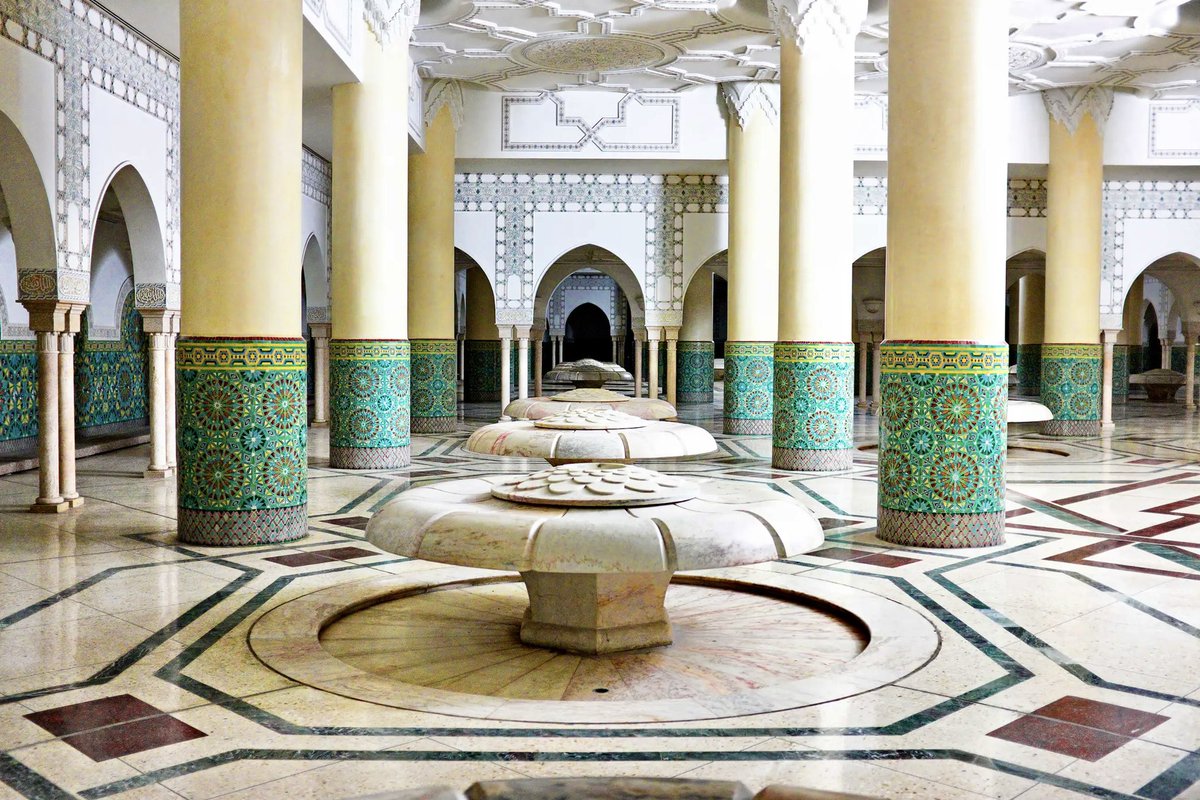
10/ Consisting of a dressing hall and a hot bathing hall, the Sultan Amir Ahmad Bathhouse in Kashan, Iran, was built in the 16th century. The structure has been renovated several times over its long history of public use.
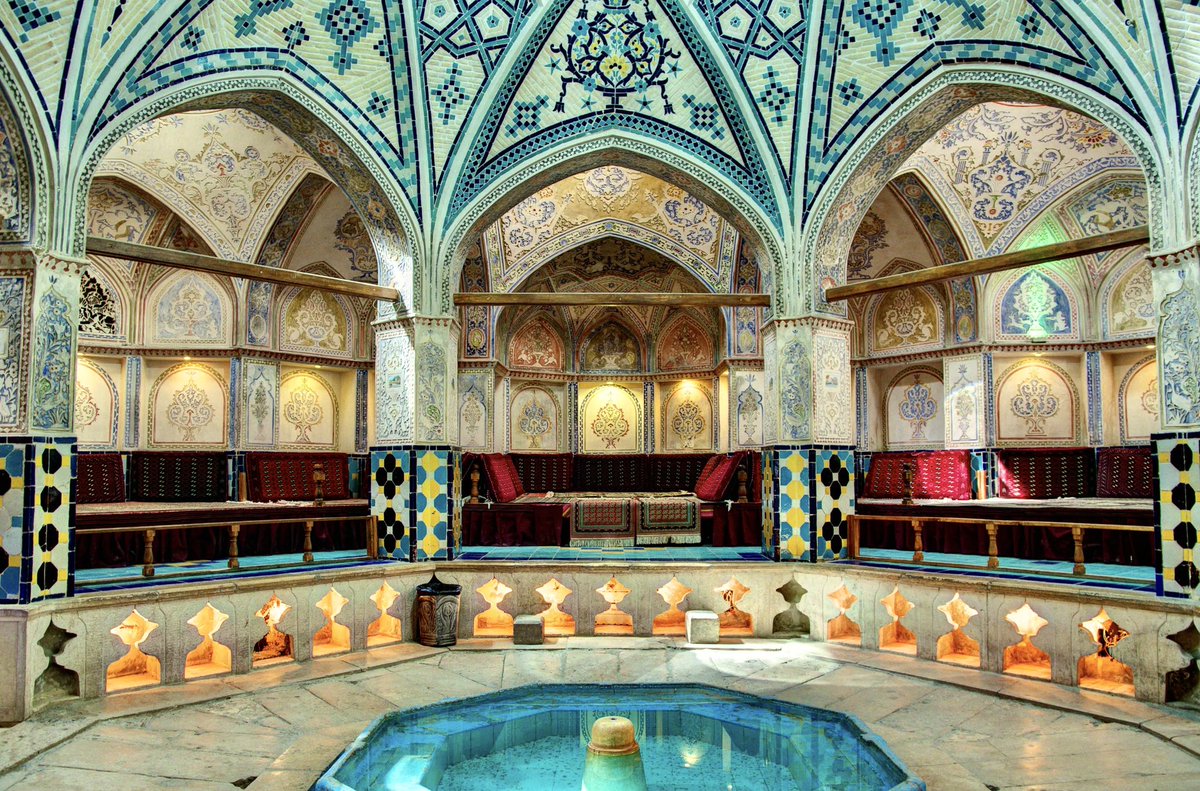
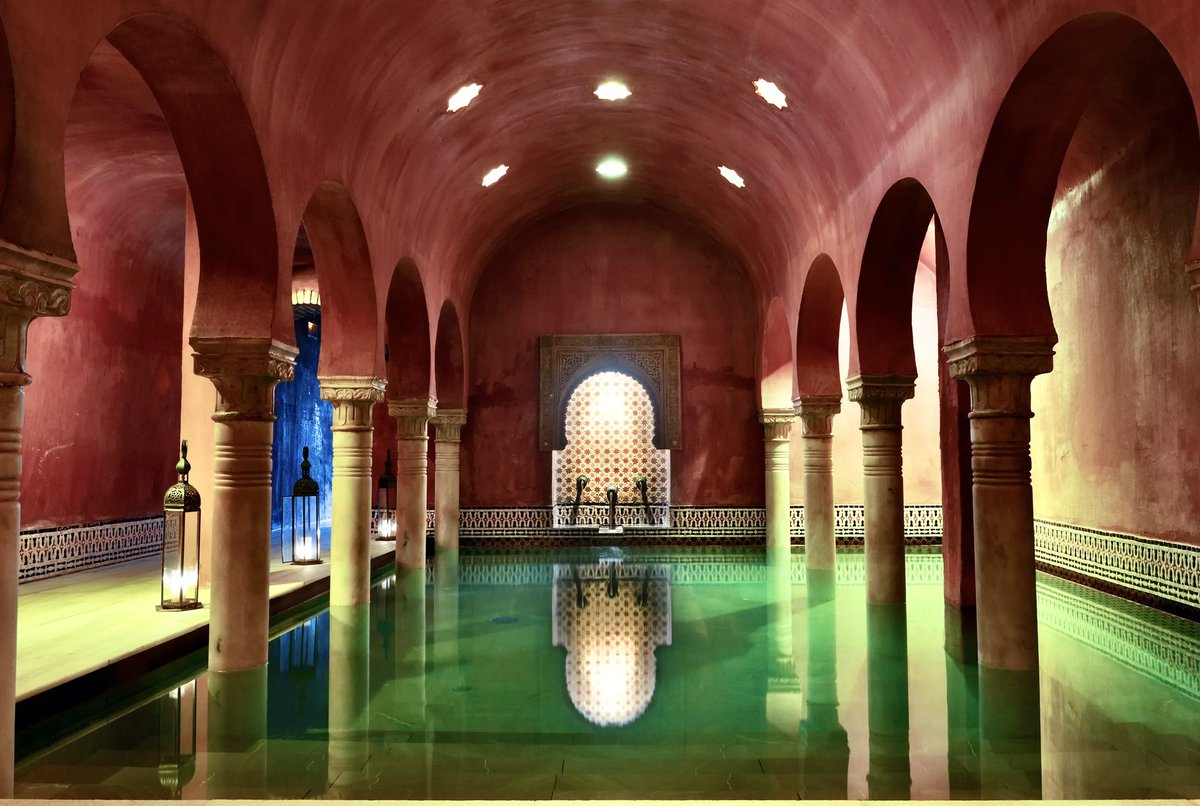
11/ The Hammam Al Ándalus Arab Baths in Granada, Spain, were first erected around the 12th century. After going through a series of various occupants and renovations, the bathhouse was reopened to the public in the 18th century.
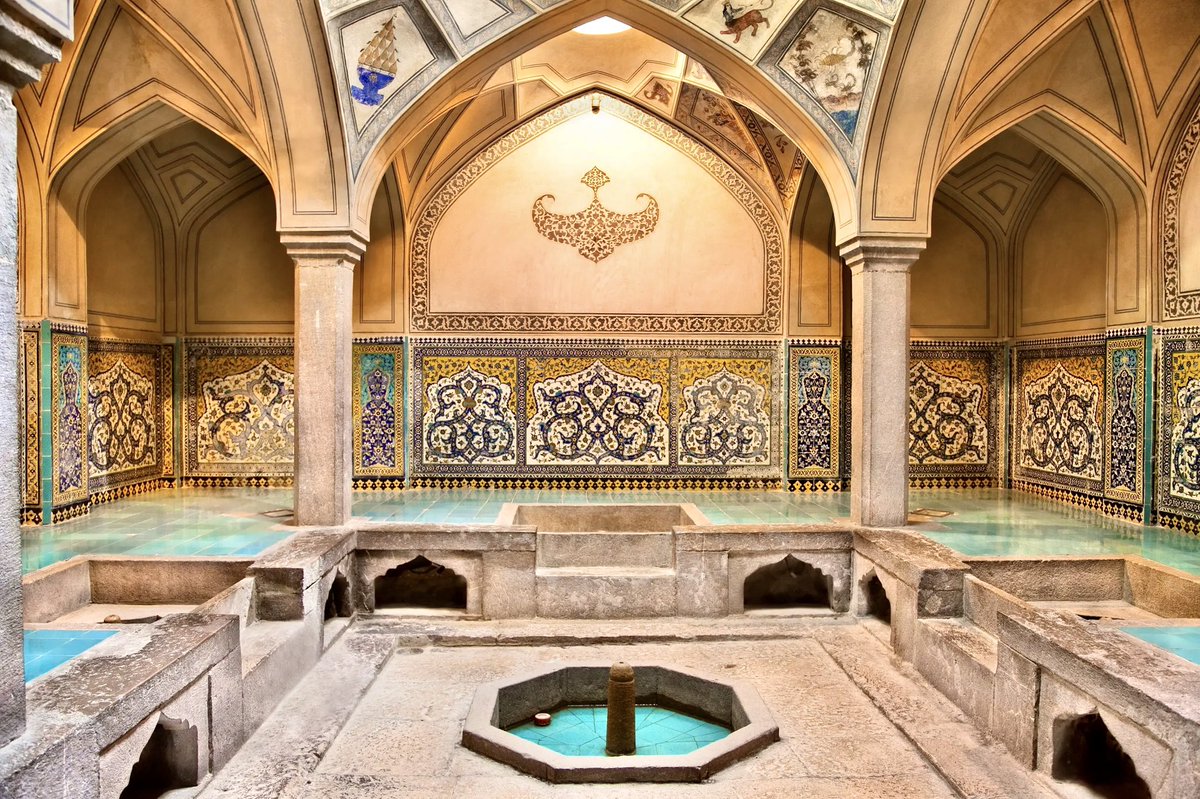
12/ The Ali Gholi Agha Hammam was built in 1713 by Ali Gholi Agha, a courtier of two separate Persian kings. Situated in Isfahan, Iran, the structure has remained largely untouched, providing visitors a glimpse into how these structures were laid out & used in previous centuries
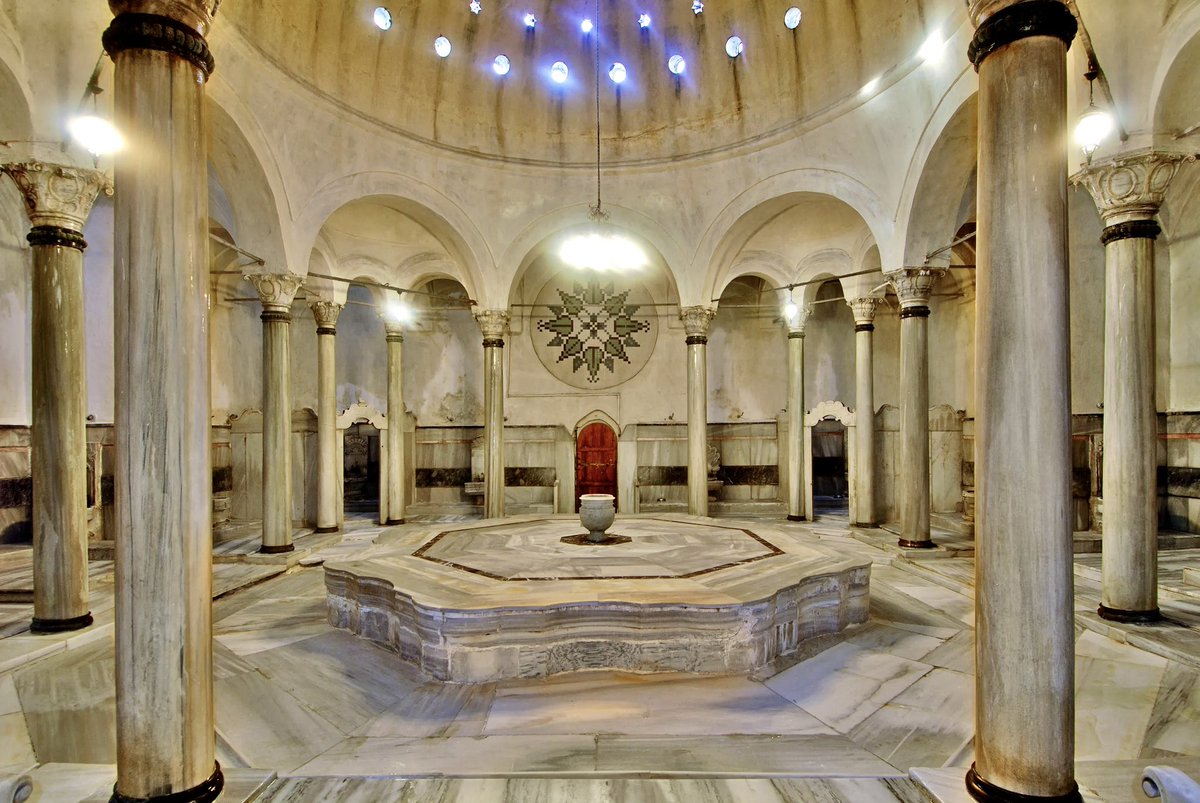
13/ Istanbul’s Cağaloğlu Baths have four cooling rooms and four heating rooms. Built in 1741, it was commissioned by Sultan Mahmut I and remains a gorgeous example of Baroque Ottoman architecture.
14/ Recently renovated, the Cukurcuma Hamamı in Turkey dates back to the 1830s.

15/ Haj-Agha Torab Bath, Iran. It was built in 1851 during the rule of Nasser-e-Din Shah Qajar in Aliabad district in Nahavand.
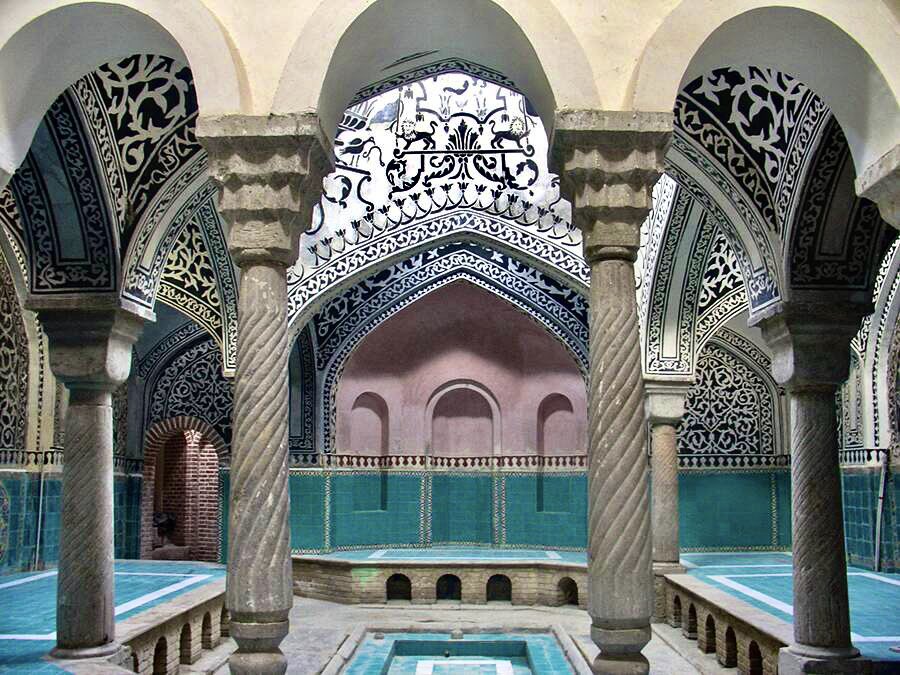
16/ Chahar Fasl (The Four seasons) public bath is one of the most glorious attractions of Arak city in Iran. This magnificent historical bath was built by a businessman named Haji Muhammad Ibrahim khansari in the Qahar dynasty
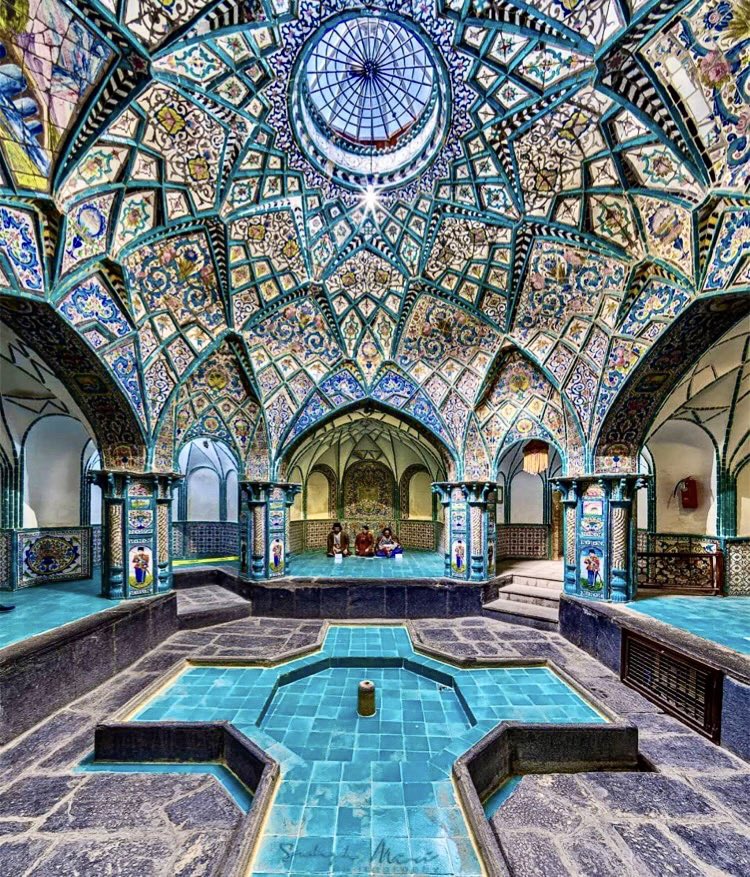
17/ Beautiful ceiling details of Chahar Fasl (The Four seasons) public bath, Arak, Iran

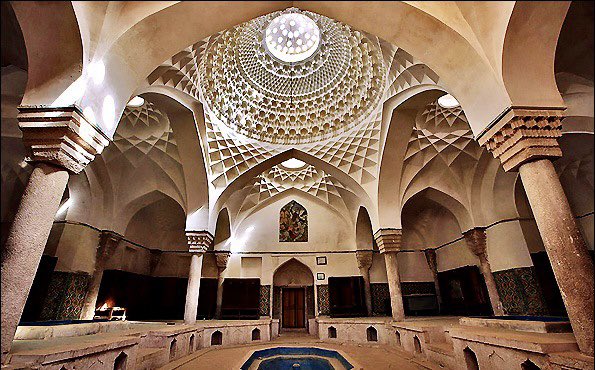
18/ Built in 1631, the Ganjali bathhouse is located in Ganjali Square. The entrance of the building is painted with ornaments of the Safavid era. A feature of the bathhouse’s architectural finish is that the sculptured stones of the ceiling are matched with those of the flooring
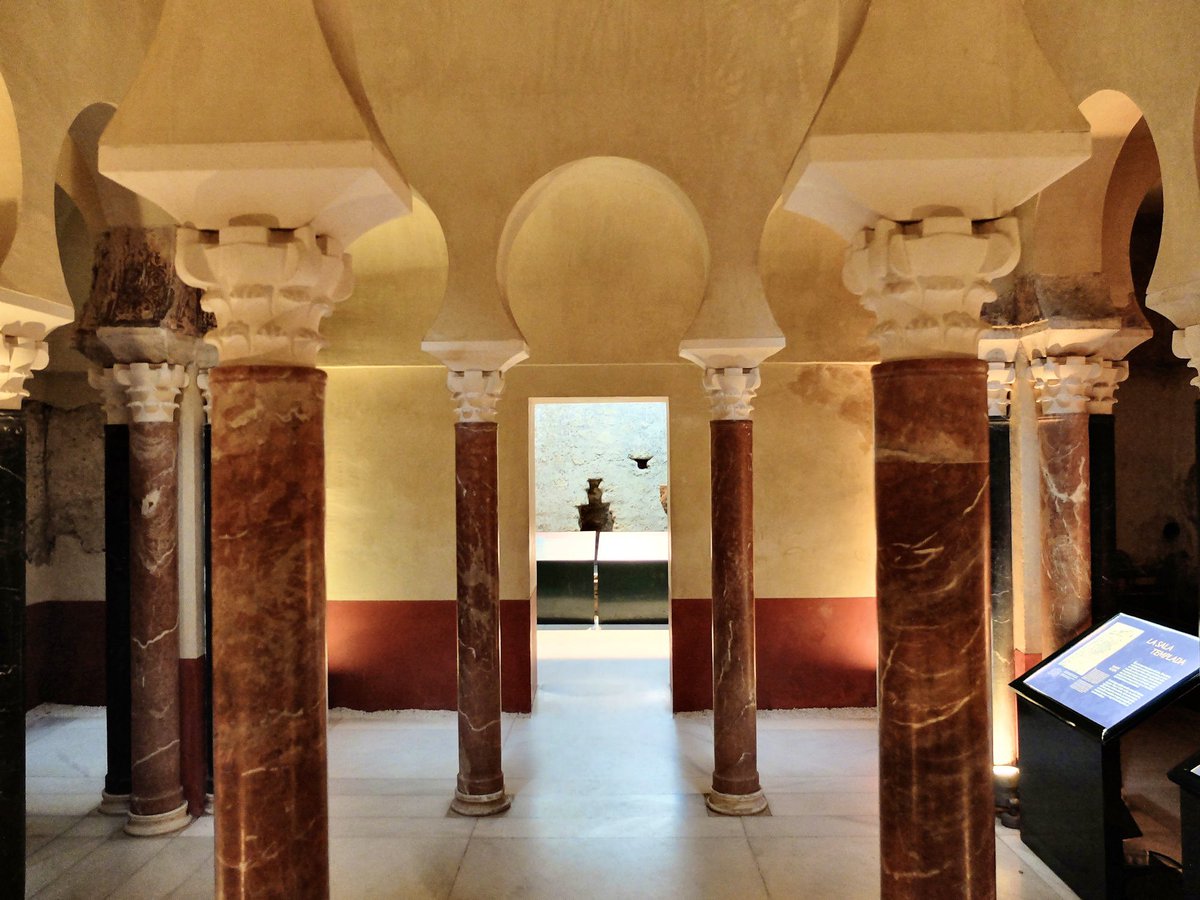
19/ The Caliphal Baths are an Islamic bathhouse complex in Córdoba, Spain. They are situated in the historic centre which was declared a World Heritage Site by UNESCO in 1994. The Hammam was constructed in the 10th century under the reign of Caliph Al-Hakam II (961–976).
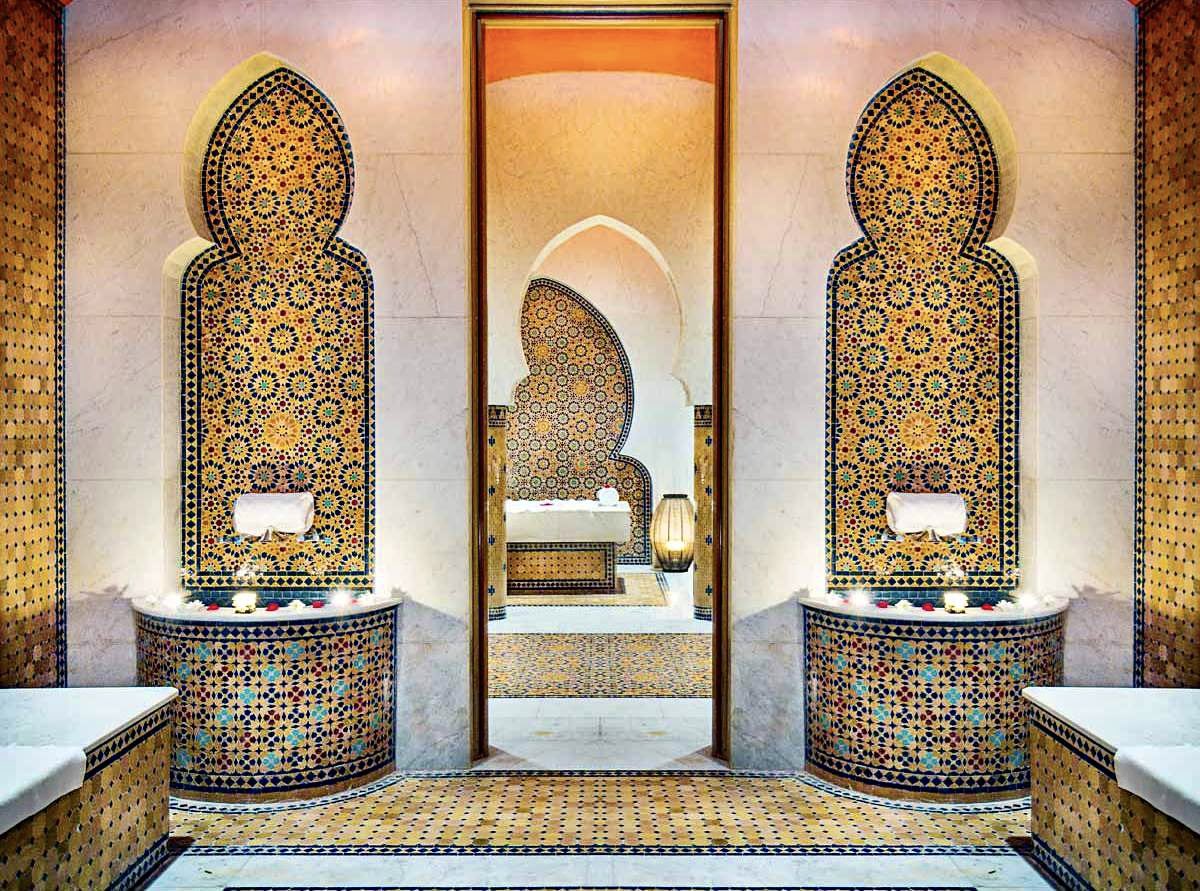
20/ Today, the traditional Hammam is still a popular feature in predominantly Muslim cities. The features of the traditional bathhouse have evolved to reflect contemporary design & styles
Contemporary Moroccan Hammam
Contemporary Moroccan Hammam
21/ An example of a contemporary Turkish Hammam
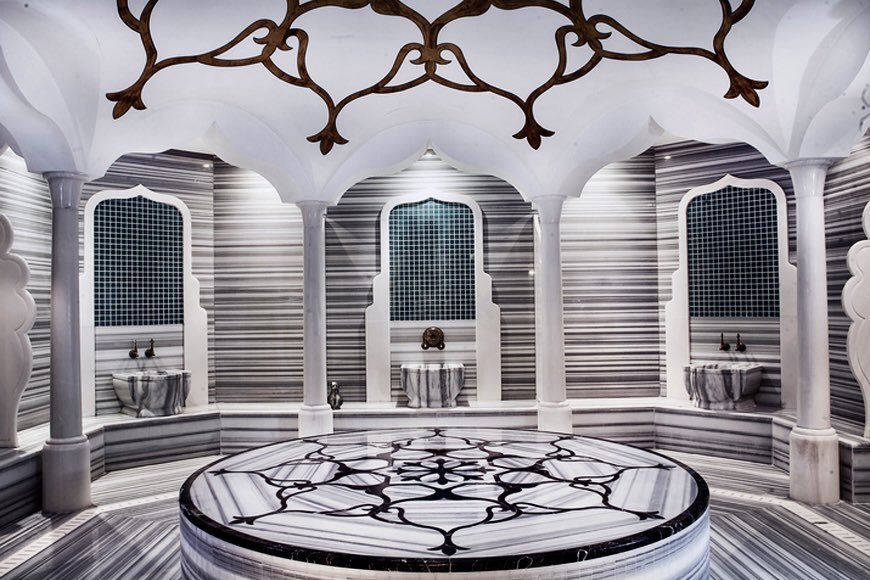
22/ An example of a contemporary minimalist designed Hammam

23/ The traditions of Hammam rituals are still very much a part of today.
Many luxury spas around the world have now embraced the principles of the hammam, creating modern, luxurious steam bath experiences with complementary spa services.
A contemporary Morrocan Hammam
Many luxury spas around the world have now embraced the principles of the hammam, creating modern, luxurious steam bath experiences with complementary spa services.
A contemporary Morrocan Hammam
• • •
Missing some Tweet in this thread? You can try to
force a refresh