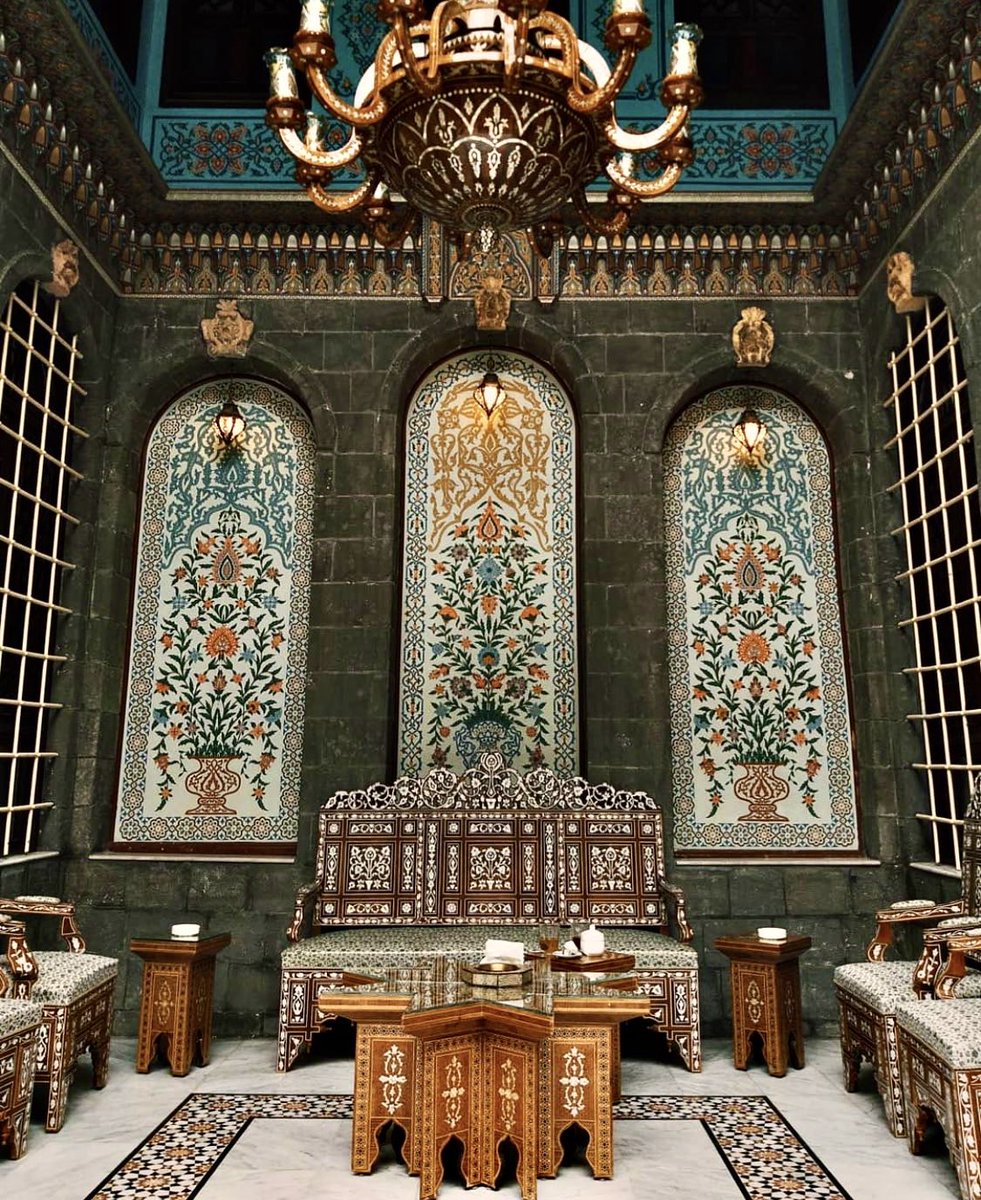
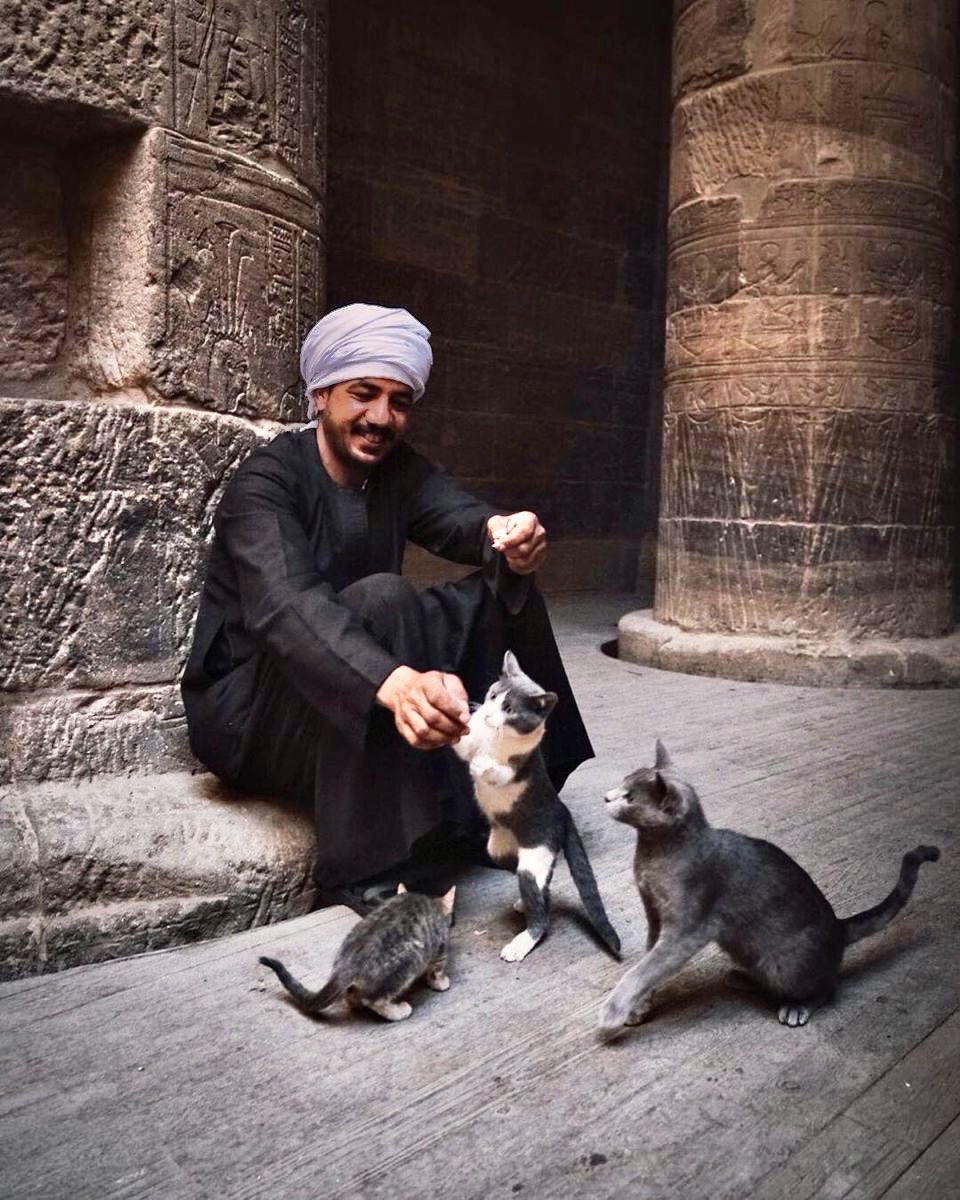
Timbuktu’s long lasting contribution to world–civilization is its scholarship. For more than 600 years, Timbuktu was a significant religious, cultural & commercial center & the brilliance of education in Timbuktu was world famous!
A thread on Timbuktu & the manuscripts of Mali…
A thread on Timbuktu & the manuscripts of Mali…

1/ Mansa Musa (Musa I of Mali) was the ruler of the kingdom of Mali from 1312 C.E. to 1337 C.E. During his reign, Mali was one of the richest kingdoms of Africa & Mansa Musa was among the richest individuals in the world, his net worth is believed to have been around $400 billion

2/ Mansa Musa has remained engrained in the imagination of the world as a symbol of wealth. However, his riches are only a part of his legacy. He is also known for his Islamic faith, promotion of scholarship, patronage of culture & transforming Timbuktu into a centre of learning
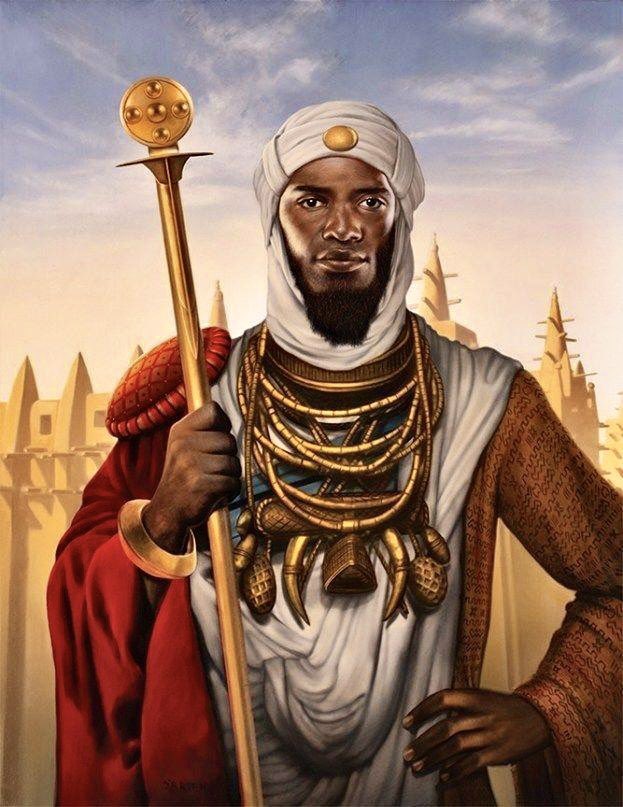
3/ During Mansa Musa's rule, the Malian Empire contained countries such as Mauritania, Senegal, Gambia, Guinea, Burkina Faso, Mali, Niger, Nigeria & Chad. This enormous Empire stretched up to 2000 miles from the Atlantic Ocean in the West to Lake Chad to the East of its borders

4/ As a devoted Muslim Mansa Musa prepared for pilgrimage soon after he took his position from Abu Bakri II in 1312. Through Malian scholars, who helped plan the Hajj, he was well prepared & knew a lot about the cities he would travel through & how to navigate his way to Mecca

5/ After his return from Mecca, Mansa Musa began to revitalize cities in his kingdom. He built mosques & large public buildings in cities like Gao & most famously, Timbuktu. Timbuktu became a major Islamic university center during the 14th century due to his developments

6/ Under Mansa Musa I and his successors, Timbuktu transformed from a small but successful trading post into a center of commerce and scholarship, making the Mali empire one of the most influential of the Golden Age of Islam

7/ Timbuktus status as an Islamic oasis is echoed in its three great mud & timber mosques: Sankoré, Djingareyber & Sidi Yahia, which recall Timbuktu's golden age. These 14th & 15th-century places of worship were also the homes of Islamic scholars known as the Ambassadors of Peace

8/ While the Tuaregs built the first mosque, the Sankoré Mosque in Timbuktu in the 1100s A.C., Mansa Musa I made significant improvements to it inviting important Islamic scholars, or Ulama, to enhance its prestige. The mosque had a huge library containing educational manuscripts

9/ Mansa Musa I then built the Djinguereber Mosque, paying the renowned Islamic scholar Abu Ishaq Al Saheli 200 kilograms of gold to oversee its construction. A famous learning centre of Mali, cited as Djingareyber or Djingarey Ber in various languages.

10/ Together, these three centers of learning, or Madrasas, still function today as Koranic Sankore University, making it the oldest higher-education facility in Sub-Saharan Africa.

11/ Sacred Muslim texts, in bound editions, were carried great distances to Timbuktu for the use of eminent scholars from Cairo, Baghdad, Persia, and elsewhere who were in residence at the city to learn

12/ Mali's education system standard was so high in the 1400s that when an Arab Scholar, Abd al-Rahman al-Tamimi came to Mali in Timbuktu to teach, he was not qualified to even study there.

13/ The great teachings of Islam, from astronomy and mathematics to medicine and law, were collected and produced in Timbuktu in several hundred thousand manuscripts

14/ Books in Timbuktu were prized possessions, passed down from generation to generation. The practice mirrors the West African tradition of oral histories passed down by griots, esteemed West African musicians and storytellers who were the keepers of the history of the empires

15/ Timbuktu's manuscripts were still used to educate in Qur'anic schools & mosques during the Saadian occupation of the Songhai empire. But when the French arrived in West Africa in the 17th century, many of these manuscripts were taken to Europe

16/ Libraries in Timbuktu continue the tradition of the families who established them preserving & making available these works which until recently were unknown outside Mali. Scholars in Islamic studies & African studies are awed by the wealth of information of these manuscripts

17/ Ancient manuscripts preserved at Timbuktu’s Ahmed Baba Center & in its private family libraries, such as the Mamma Haidara Commemorative Library & the Library of Cheick Zayni Baye of Boujbeha, serve as eloquent witnesses to the influence of Timbuktu in the 15 & 16th centuries

18/ This is the Mamma Haïdara Commerative Library, Timbuktu, Mali. The number of manuscripts in the collections has been estimated as high as 700,000. An illustrated Koran from the 12th century is seen inside the glass case in front of Abdel Kader Haidara who is the curator

19/ Some of the stacks of over 700,000 ancient manuscripts from Timbuktu, Mali. They date from the 13th century to the early 20th Century. Many of these manuscripts were written way before most European universities were founded.


20/ Meet one of Mali’s few remaining copyists who painstakingly replicates precious manuscripts to preserve history.
21/ Between 2009 & 2017 the manuscripts of Djenne have been digitized in a major effort by the British Library’s Endangered Archives Programme eap.bl.uk are now available for scholars online, while the physical manuscripts are kept in Djenne

22/ Over 40,000 ancient manuscripts from private collections and libraries in Timbuktu have been digitized, curated, and made publicly available. Discover the library with Google Arts & Culture:
artsandculture.google.com/experiment/the…
artsandculture.google.com/experiment/the…

• • •
Missing some Tweet in this thread? You can try to
force a refresh