Daniel Profile picture
Dec 9 8 tweets 3 min read
Joel Greenblatt compounded at 49% (!) from 1985 to 2005.

And the best thing, he taught a Columbia Class on how to do it.

Here are 7 Investing Gems from his Columbia Classnotes👇🏼

1. Don‘t do Portfolio Management

If you think like a portfolio manager, you cannot simultaneously behave like an owner.

But portfolio managers research stocks. Owners research businesses.

And that’s what we try to do. Research and buy businesses.

2. Management vs. Incentives

For 90% of investors, getting a genuine and honest picture of the management is impossible.

Instead, look at the incentive structure for the management.

Are they incentivized to add value to the company?

If so, they will. If not, they won’t…

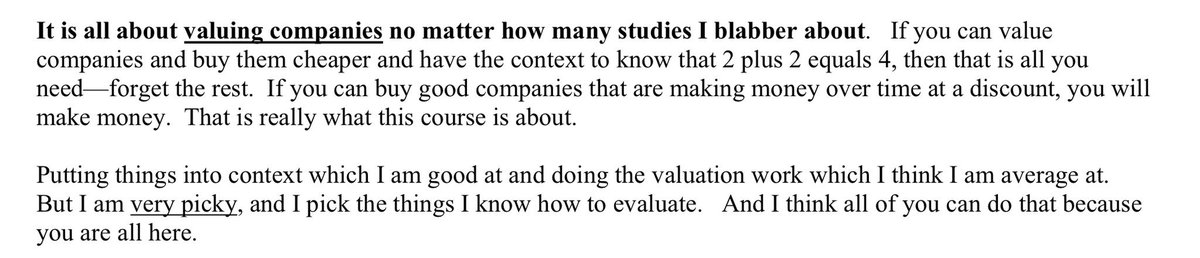
3. All about Valuation

In the end, it’s all about valuation.

Do good valuation work, and you’ll make good investments.

There’s lots of noise in finance and investing.

But that’s not what causes superior returns.

Find the context/story others cannot see, and you’ll do good.
4. Leverage & Patience

If you own a concentrated portfolio, leverage is far more dangerous.

It’ll wipe you out in downturns that ALWAYS occur sooner or later.

Have patience and trust in your decisions, and there’s no need for leverage.

5. What’s your limit?

Most investors fail to see their boundaries.

There are so many names and “opportunities” thrown at you that it’s tempting to fall for them.

But what companies do you actually understand?

For most of us, that will be a very limited amount.

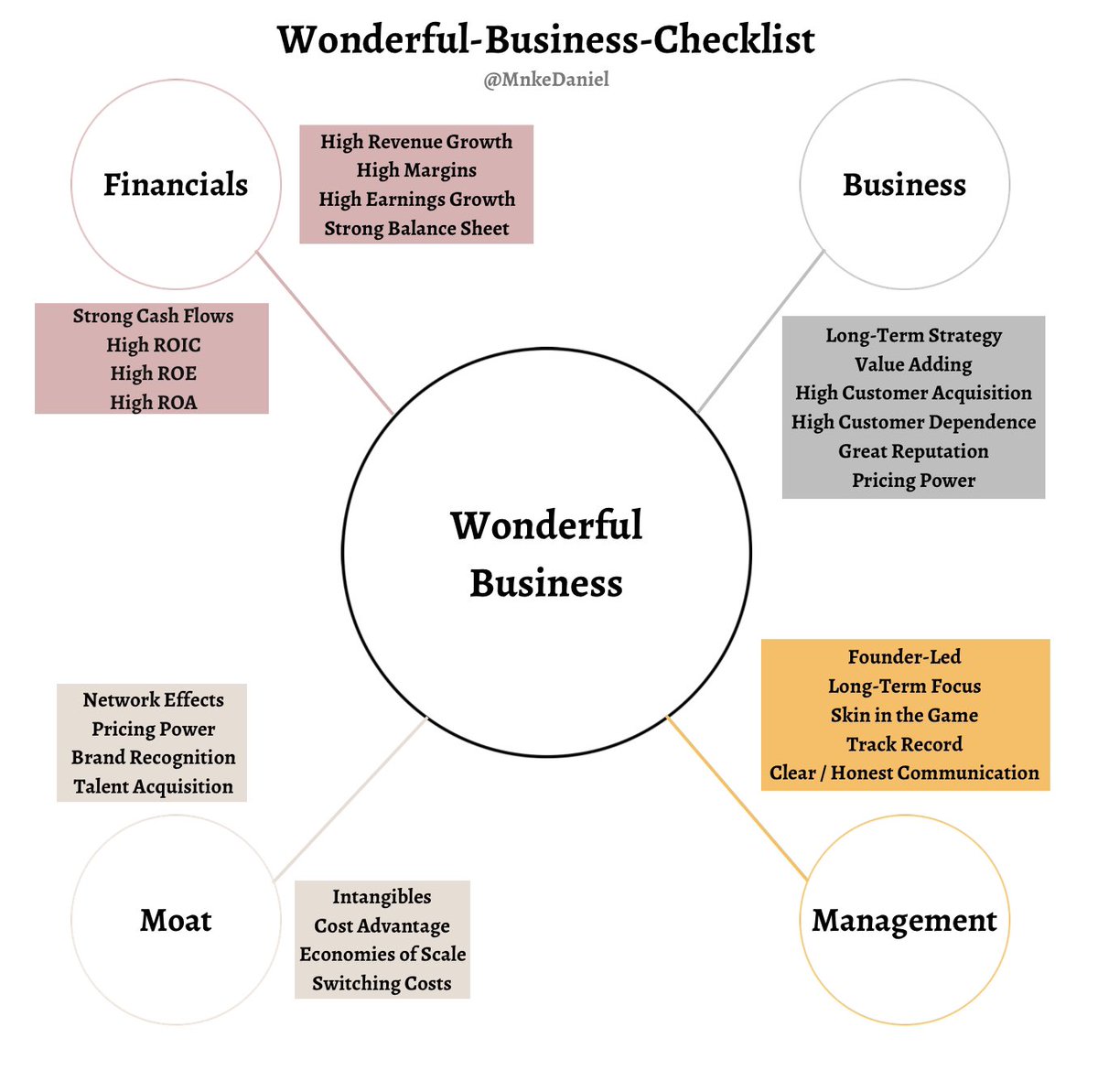
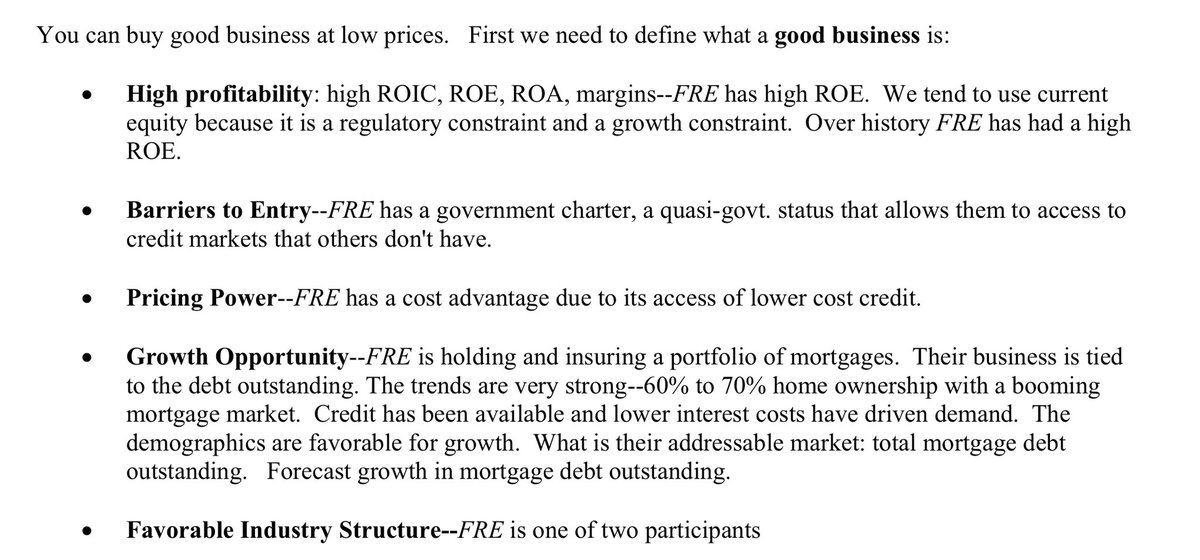
6. What’s a good Business

It’s always: “Buy a good business at a fair price.”

But what is a good business?

This is Greenblatt’s criteria:
You can get the PDF of all Class Notes on my Substack Research Page (link below).

Before you go there, please Like and Retweet this Thread.

Thanks a lot.

Ohh and for more daily Tweets on Investing, follow me @MnkeDaniel 😁

Class Notes PDF:
danielmnke.substack.com/p/resources

• • •

Missing some Tweet in this thread? You can try to force a refresh

 

Keep Current with Daniel

Daniel Profile picture

Stay in touch and get notified when new unrolls are available from this author!

Read all threads

This Thread may be Removed Anytime!

PDF

Twitter may remove this content at anytime! Save it as PDF for later use!

Try unrolling a thread yourself!

how to unroll video
  1. Follow @ThreadReaderApp to mention us!

  2. From a Twitter thread mention us with a keyword "unroll"
@threadreaderapp unroll

Practice here first or read more on our help page!

More from @MnkeDaniel

Dec 3
Truly understanding AND applying the following 7 Concepts gives you an edge over 95% of investors:

1. Accumulating Returns

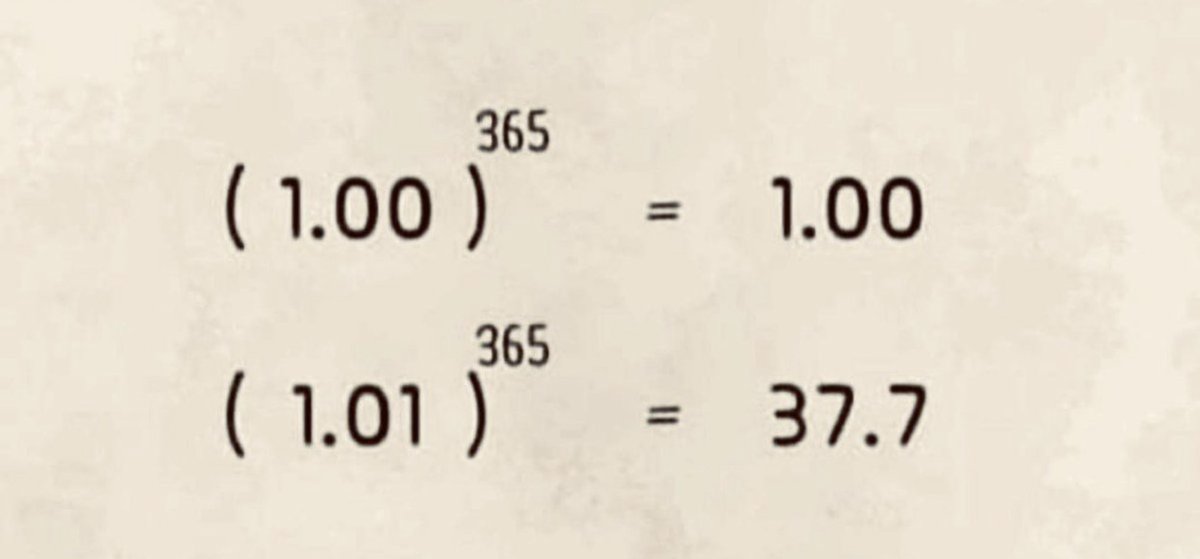
Buying and selling stocks is great short-term gratification.

But the great money is in holding stocks and accumulating returns. Image
2. Illusion of Understanding the Short-Term

The stock market is highly complex.

Countless factors play a role and no one knows which one will be the driving force.

Spending time to figure that out will be a waste of time.

Spend that time researching companies. Image
3. Always a Price too High

Great companies aren’t necessarily a great investment.

Great Investments are dependent on two factors.
Price and Value.

Never blindly invest in companies you like.

There’s no asset that’s a great investment at every price.
Read 9 tweets
Dec 1
Every successful investor uses checklists.

I’ve shared many of those checklists with you.

But the best checklist for you is the one you write yourself.

Here’s a step-by-step process to create your own Investment Checklist👇🏼 Image
1. Different Person, Different Checklist

What type of investor are you?

- Compounder?
- Growth at Reasonable Price (GARP)?
- Dividends?
- High-Growth?
- Strong Moats?

Decide what you want to focus on.
2. Two Ingredients

Investors need to focus on two things.

1) Buying the right Businesses
2) Handling Emotion

Thus, you need a checklist focusing on both. Image
Read 10 tweets
Nov 28
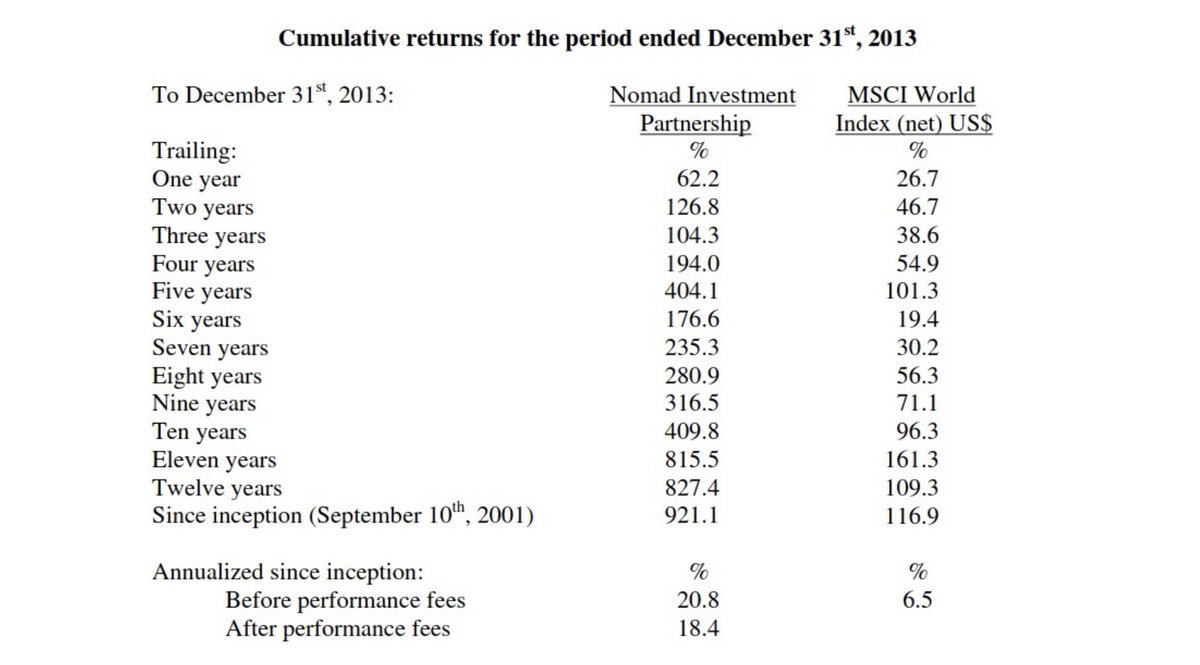
Legendary investor Nick Sleep crushed the market with a 20.8% annualized return.

He did it by focusing on these 8 Rules👇🏼 Image
1. Stop Collecting, Start Thinking

“We think far less than we think we think.”

There’s so much information that we are busy collecting.

Instead, take more time thinking about information.

We can’t come up with different conclusions by only collecting.
2. Scaling Laws

Scaling Laws turn the size of a company into an asset instead of a burden.

The two important tenets:

1. The ability to self-fund growth
2. Increasing Barriers of Entry with increasing size

Such businesses support growth with little re-engineering necessary.
Read 11 tweets
Nov 26
As an investor, you NEED to know how to read an Annual Report (10-K).

But they often have hundreds of pages and seem way too complex.

Here's how to efficiently read and understand them (+example)👇🏼
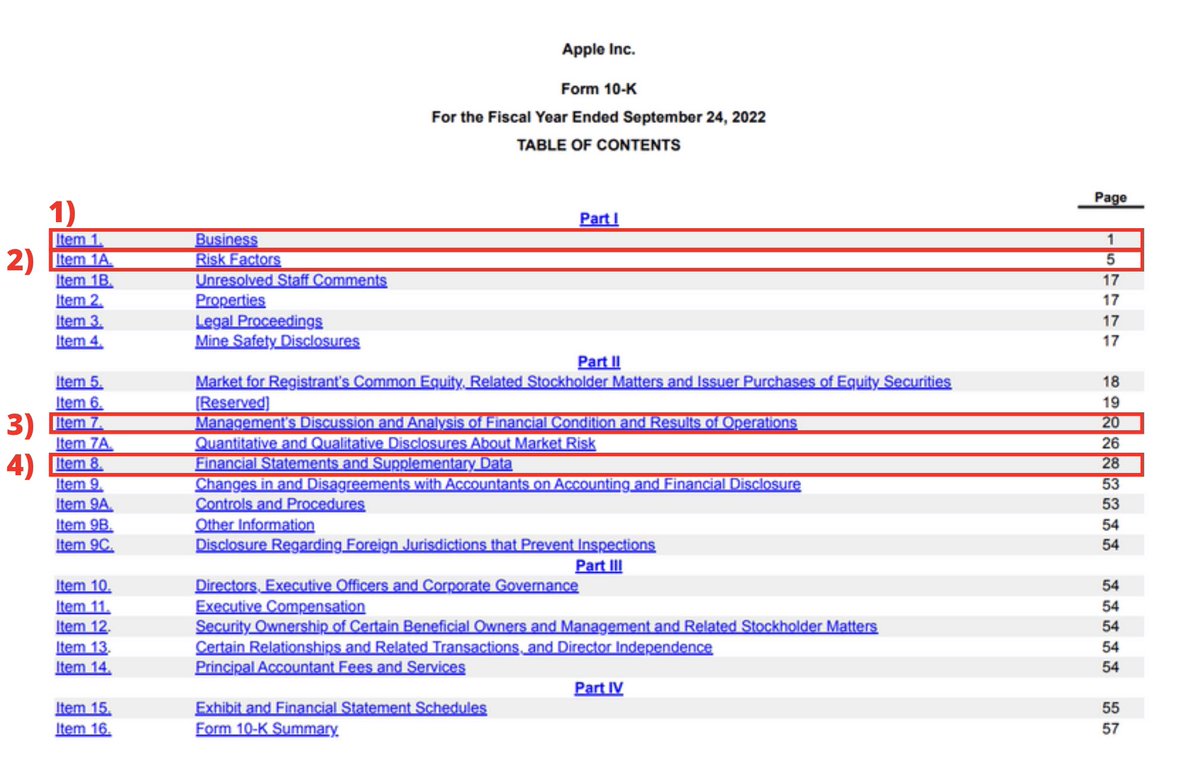
For better understanding, we will use Apple’s latest Annual Report.

An Annual Report consists of 4 parts.

We will focus on the most important parts:

1. Business
2. Risk Factors
3. MD&A
4. Financial Statements (+Notes)
1. Business

The business section explains in simple terms what the firm offers and how they operate.

This should always be the first thing you read.

If you’re not interested in the business or don’t understand it, you’re already done.

Apple discusses the following topics:
Read 9 tweets
Nov 23
Cash Flows matter most.

As an investor, you NEED to understand cash flow statements.

Let’s talk through how a Cash Flow Statement works👇🏼 Image
A Cash Flow Statement is divided into three parts:

1) CF from Operating Activities
2) CF from Investing Activities
3) CF from Financing Activities Image
1. CF from Operating Activities

a) We start with the net income from the income statement.

b) We then add back all non-cash charges.

Those are expenses for which no cash is actually paid at that moment.

c) After adding/subtracting NWC, we get net cash from op. Act. Image
Read 11 tweets
Nov 21
The average investor underperforms the market.

The top 1% of Investors double or triple the market’s return.

The Reason: Investor’s Psychology

Here’s a list of 13 biases you need to avoid (+Investment Psychology Checklist PDF for free)👇🏼
How this Thread helps you avoid the biases:

1) Awareness - Being aware of them is already half a win

2) Routine - I created a checklist of the biases influencing your investment process.

The checklist is on my Substack (for free), link below.
1. Cognitive Ease

Cognitive ease is the main reason all the following biases work so well.

Cognitive ease is a desirable state of mind associated with good feelings.

But it leads to bad decision-making.
Read 17 tweets

Did Thread Reader help you today?

Support us! We are indie developers!


This site is made by just two indie developers on a laptop doing marketing, support and development! Read more about the story.

Become a Premium Member ($3/month or $30/year) and get exclusive features!

Become Premium

Don't want to be a Premium member but still want to support us?

Make a small donation by buying us coffee ($5) or help with server cost ($10)

Donate via Paypal

Or Donate anonymously using crypto!

Ethereum

0xfe58350B80634f60Fa6Dc149a72b4DFbc17D341E copy

Bitcoin

3ATGMxNzCUFzxpMCHL5sWSt4DVtS8UqXpi copy

Thank you for your support!

Follow Us on Twitter!

:(