Many readers have asked me over the years what my definition of pulp is.
I've thought about it a lot, and the definition I keep coming back to... well it may surprise you.
Let me try and set it out.
I've thought about it a lot, and the definition I keep coming back to... well it may surprise you.
Let me try and set it out.
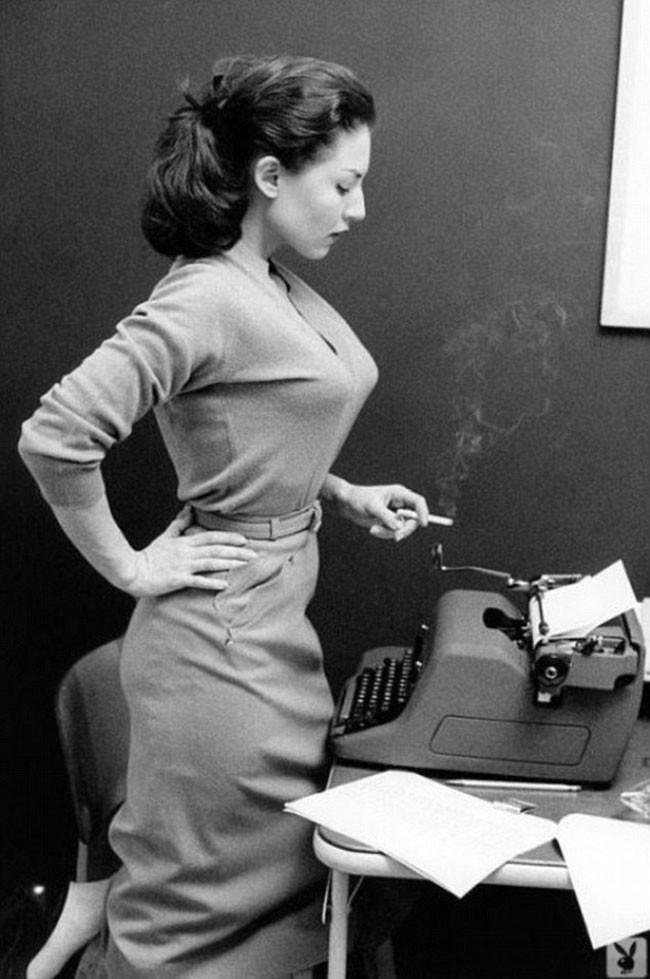
There are lots of definitions of pulp out there: in books, in academic papers and on the web. And most circle back to the same three points: the medium, the story type and the method of writing.
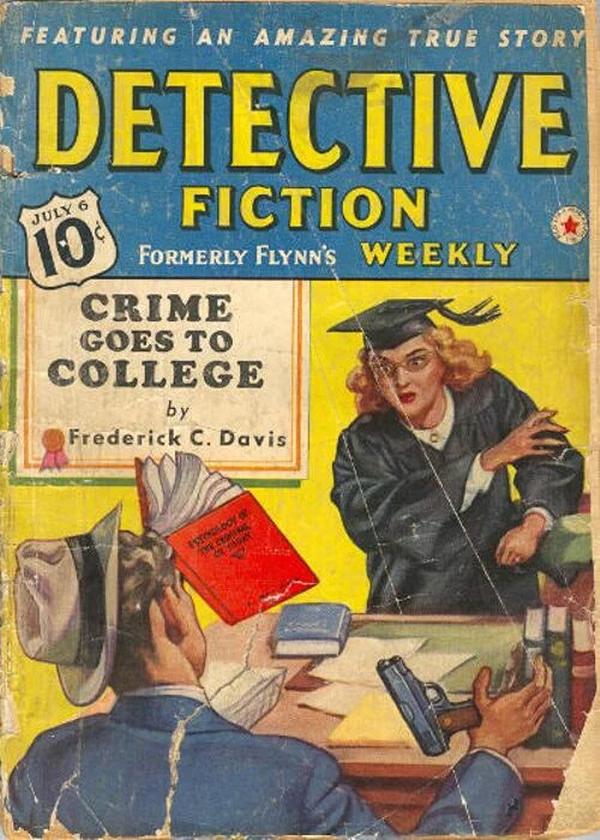
Pulp is of course a type of cheap, coarse paper stock. Its use in magazine production from the 1890s onwards led to it becoming a shorthand term for the kind of fiction found in low cost story magazines.
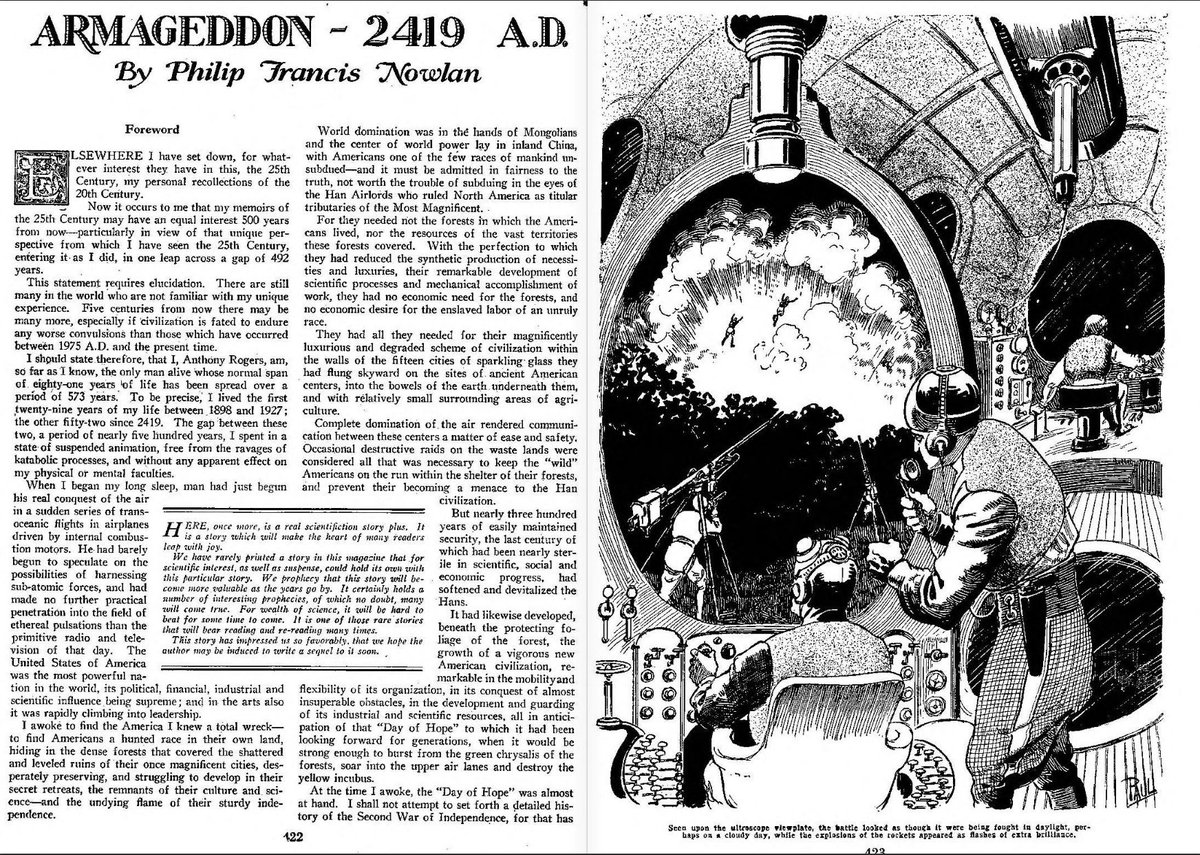
Genre fiction was the staple of these magazines, either short stories or novella serialisations. And much of it was new writing: the range and popularity of story magazines created a huge demand for new stories from new writers - or seasoned pros with a lot of pen names!
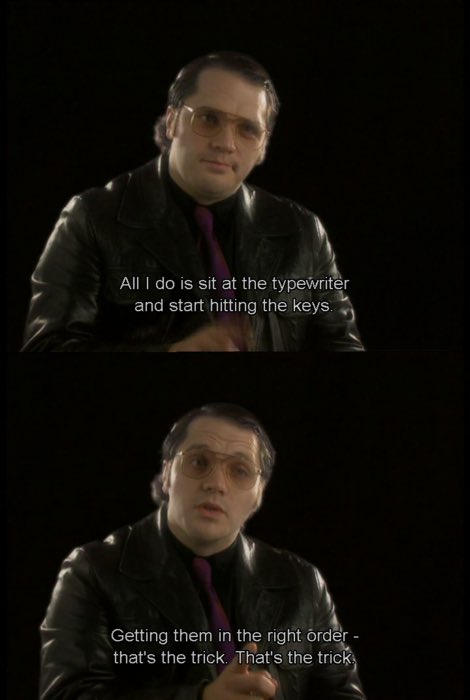
Writers were expected to work quickly, often to a genre template, and were paid by the word. To maximise sales stories were expected to be vivid, impactful, easy to follow and full of exciting incidents. 'Show, Don't Tell' were their watchwords.
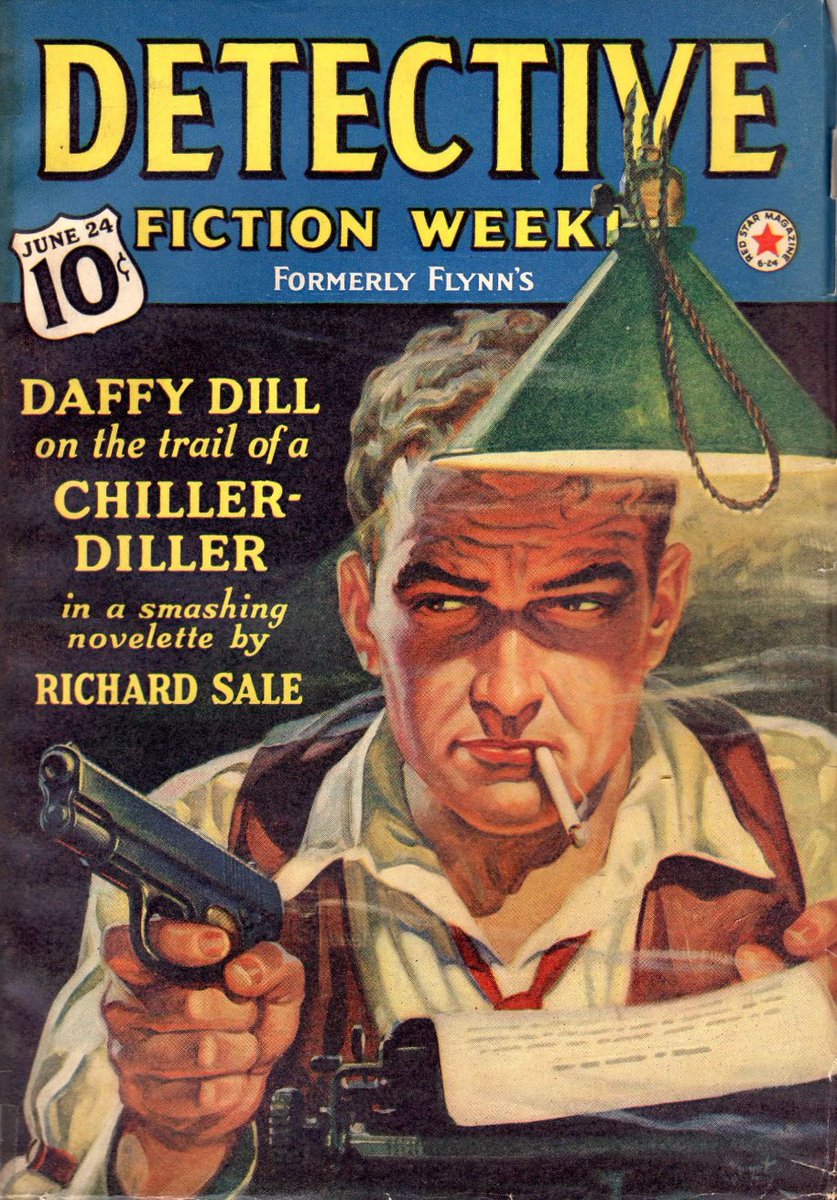
So we have our typical working definition of pulp: fast-paced mass market genre fiction written at speed. Throw in some lurid cover art and job's a good 'un.
Except... that's not quite what happened.
Except... that's not quite what happened.
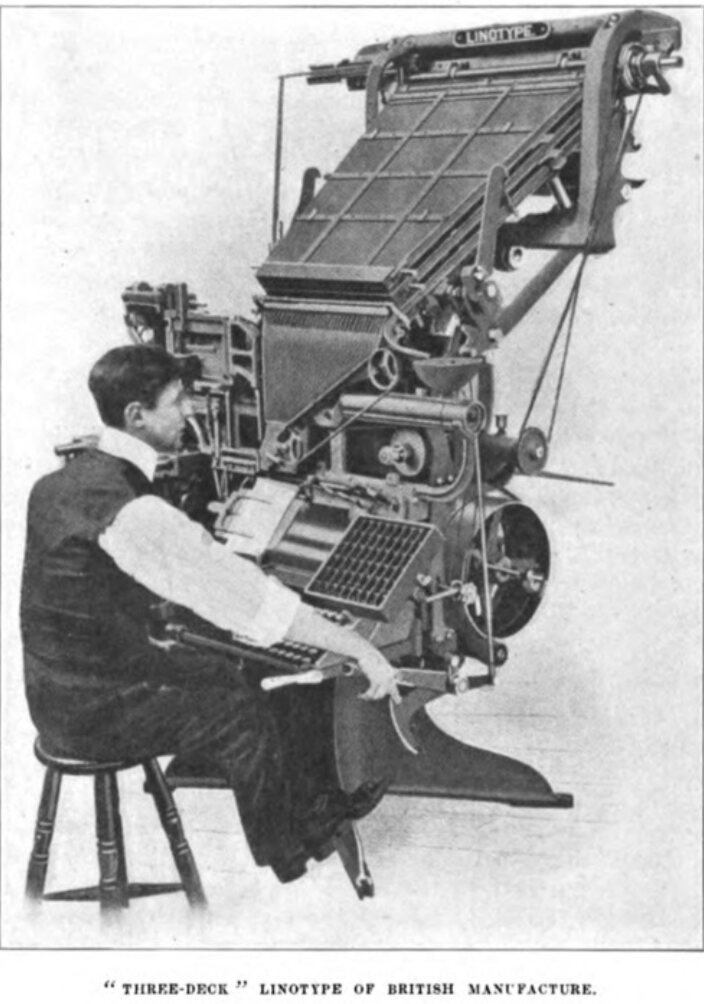
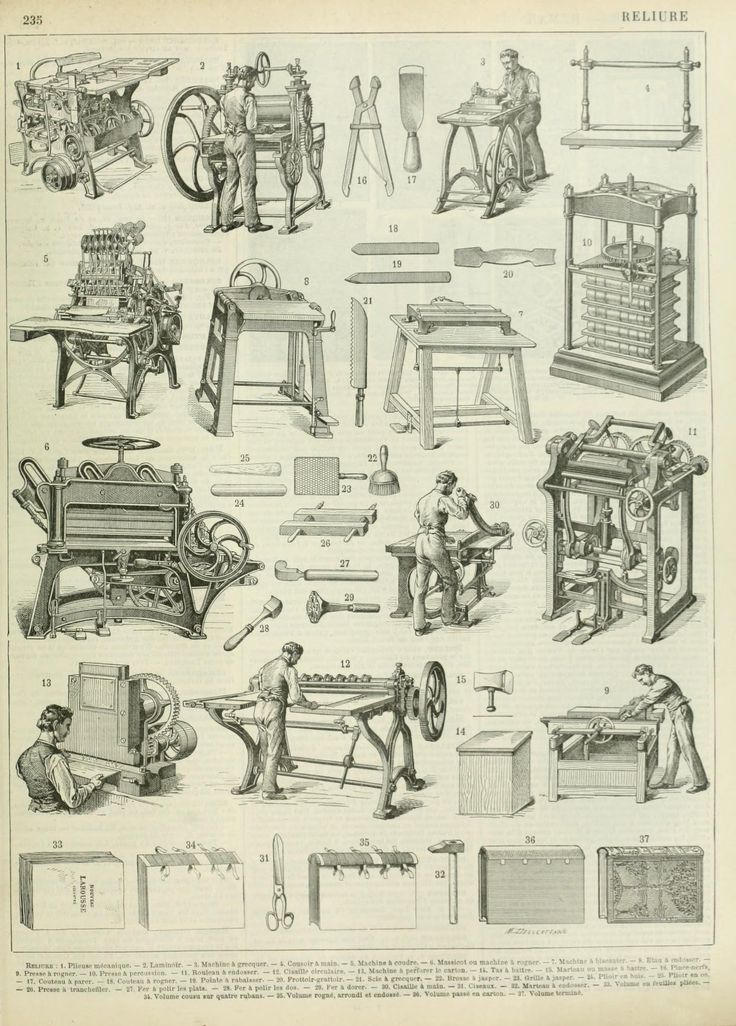
The 19th certainly saw an explosion in print publication: new paper stocks, new printing press designs, faster typesetting, improved distribution channels through rail and post, all combined with increasing literacy rates to create a reading revolution in industrial societies.
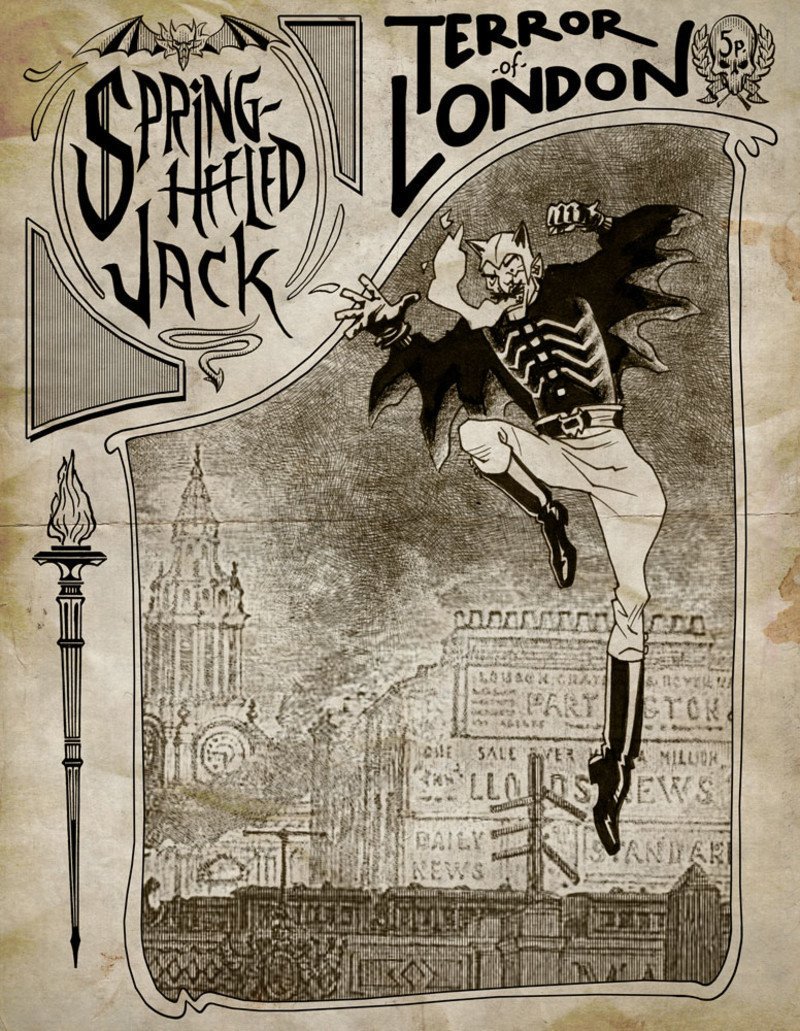
As a result story magazines - the Dime Novels and Penny Dreadfuls - began to appear en masse. Genre fiction began popular: the Western, the detective novel, science fiction, adventure stories and romantic tales of love. All the elements of pulp were there by 1890.
Except one...
Except one...
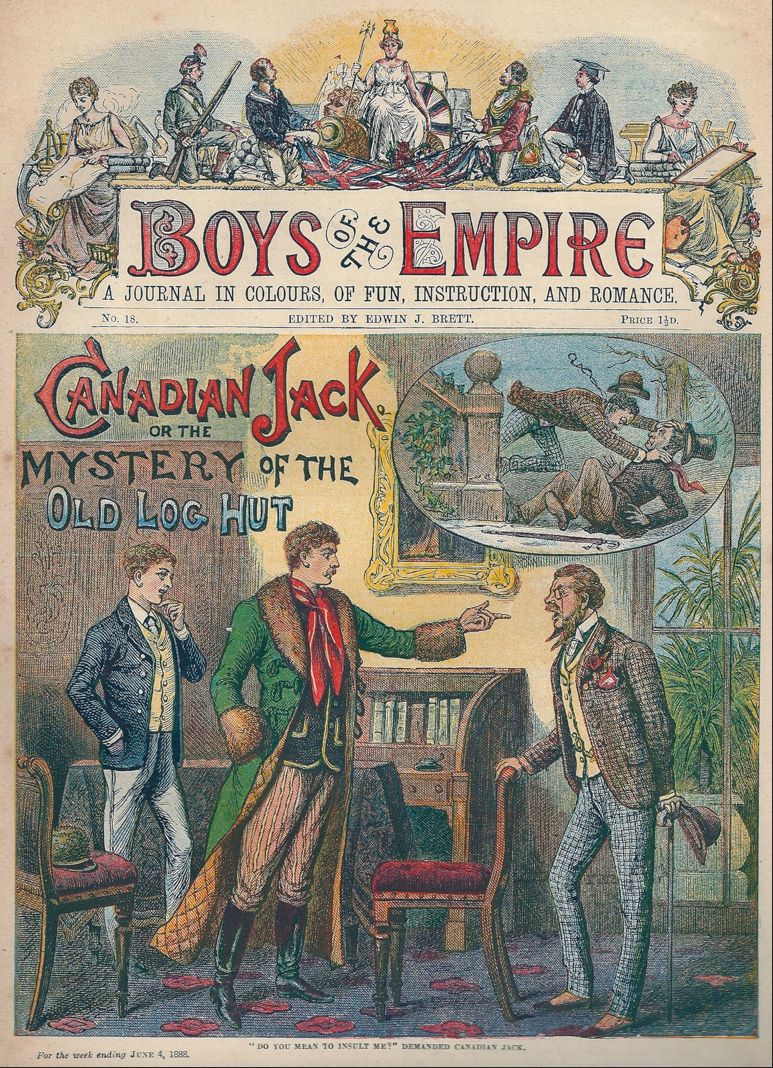
Marketing as a discipline of applied economics emerged at the start of the 20th Century. Distinct from sales or advertising the new discipline tried to understand what other factors - apart from price, scarcity or distribution - drove economic activity.
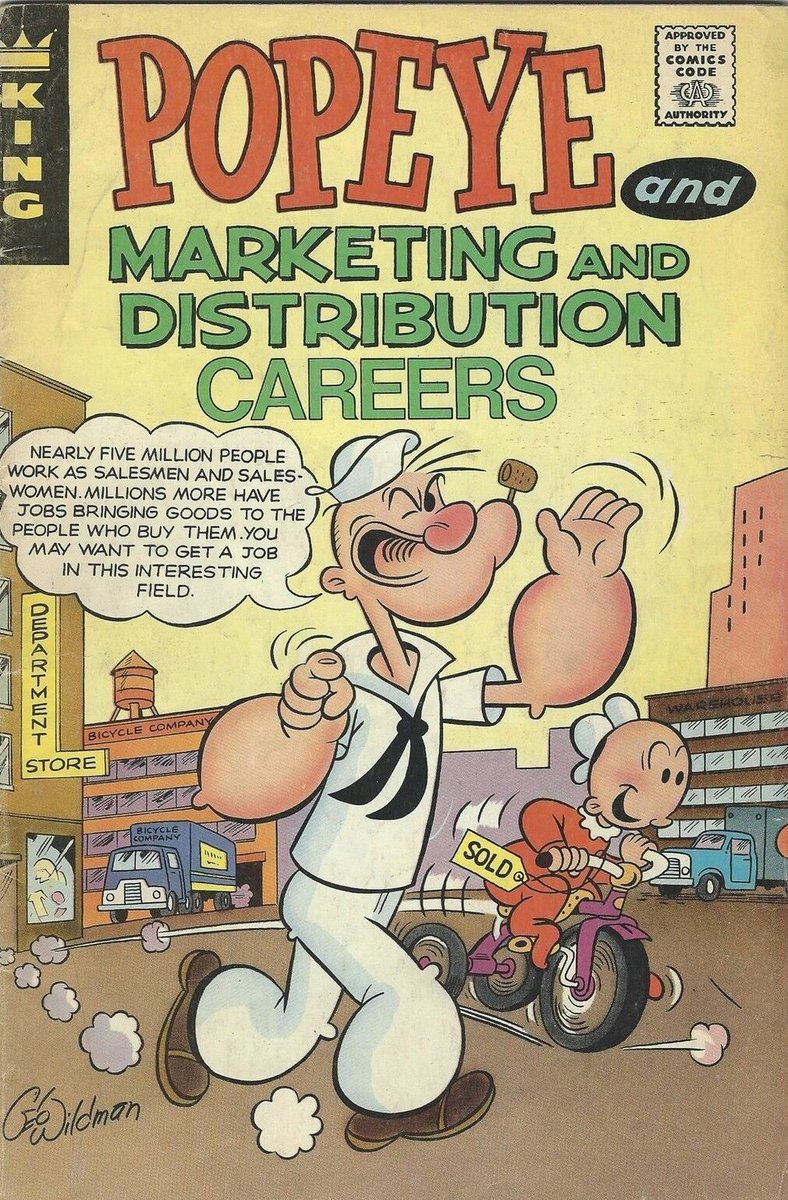
Eventually a number of marketing insights began to emerge:
- market research: what does the audience like, or may like in future?
- market segmentation: how do you identify and capture different sub-markets?
- relationship management: how do you keep and grow an audience?
- market research: what does the audience like, or may like in future?
- market segmentation: how do you identify and capture different sub-markets?
- relationship management: how do you keep and grow an audience?
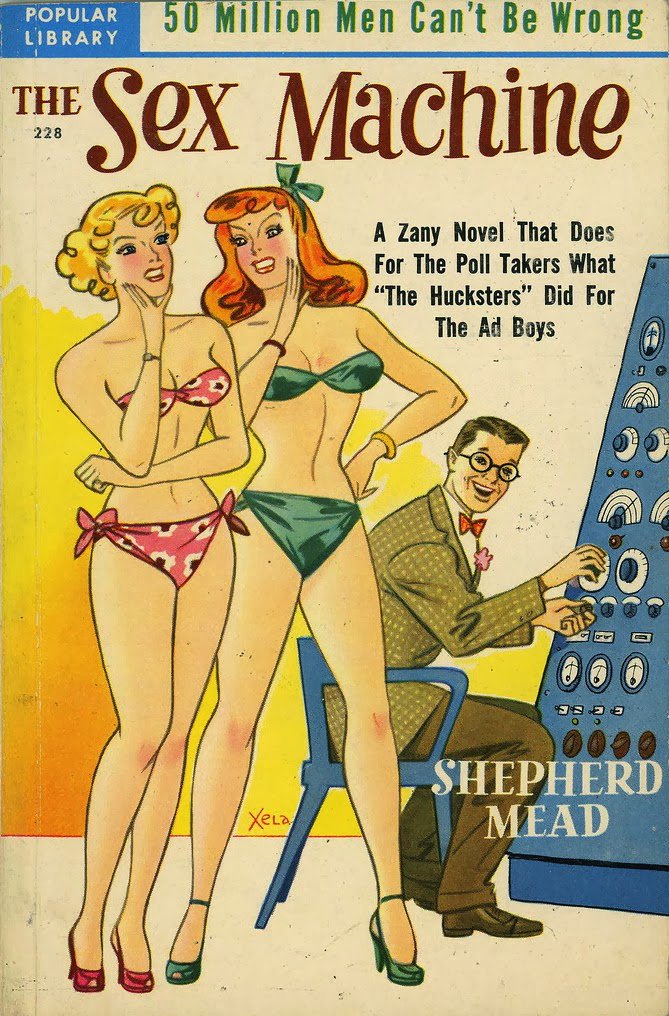
And it's fascinating to see how the development of pulp magazines matches the development of marketing methodology. Time and again the pulps sem to be the early adopters - and early beneficiaries - of marketing insights.
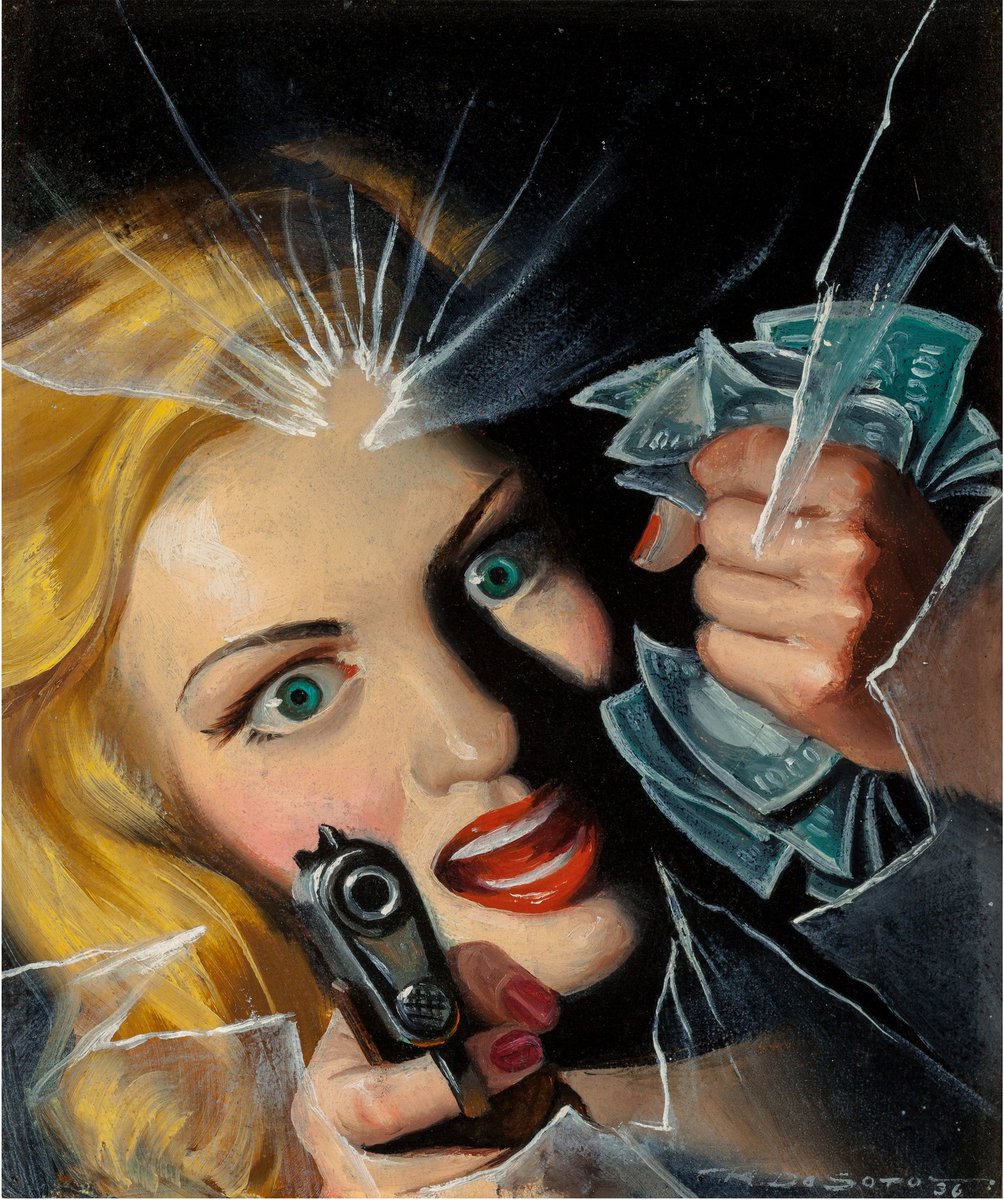
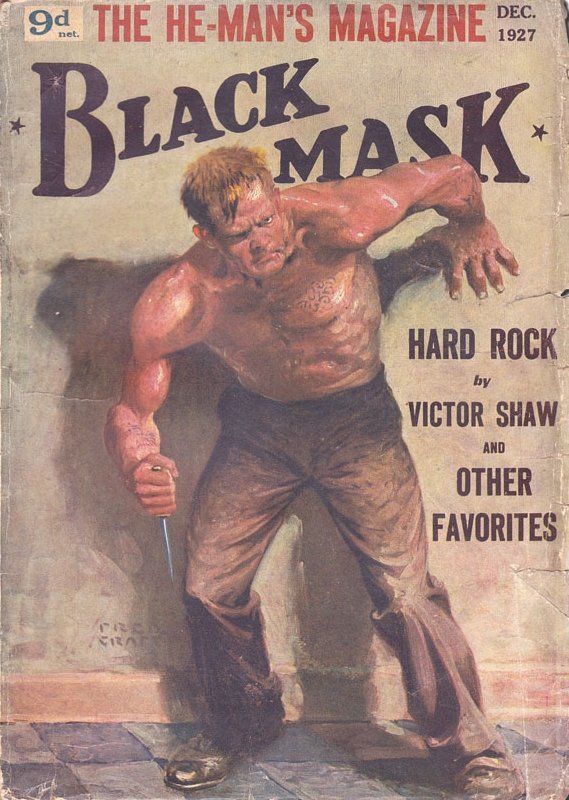
Take audience segmentation. Black Mask magazine began as a general story magazine, running detective, western, adventure and mystery tales. Like many early pulps it tried to cast a wide net to reach as many audiences as possible.
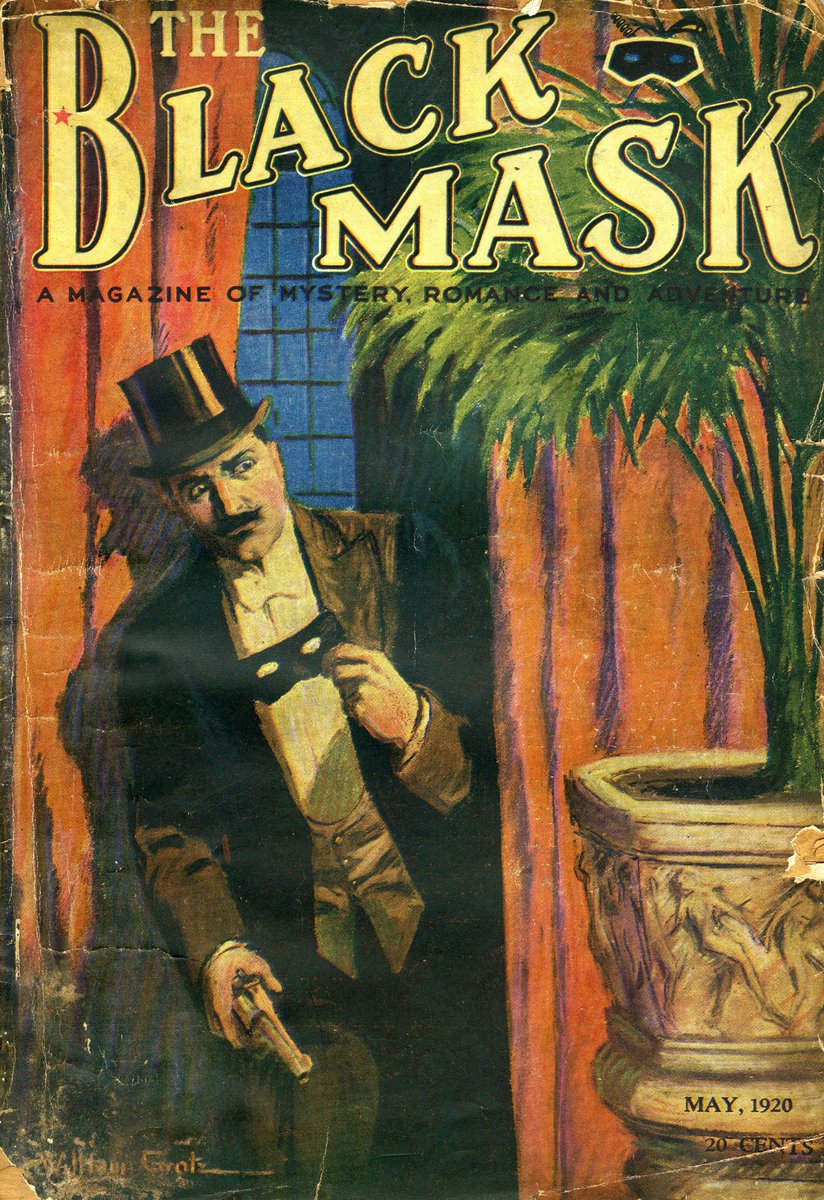
That all changed when editor Philip Cody took over in 1924. He deliberately built a strong relationship with his readers, asking them for ideas and feedback to help him shape the magazine to better match their tastes.
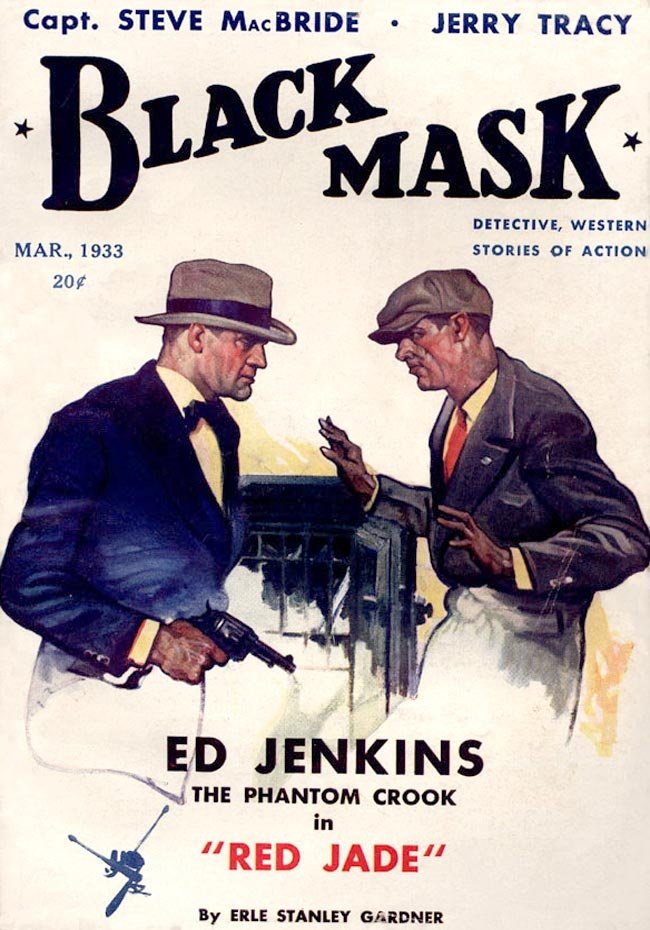
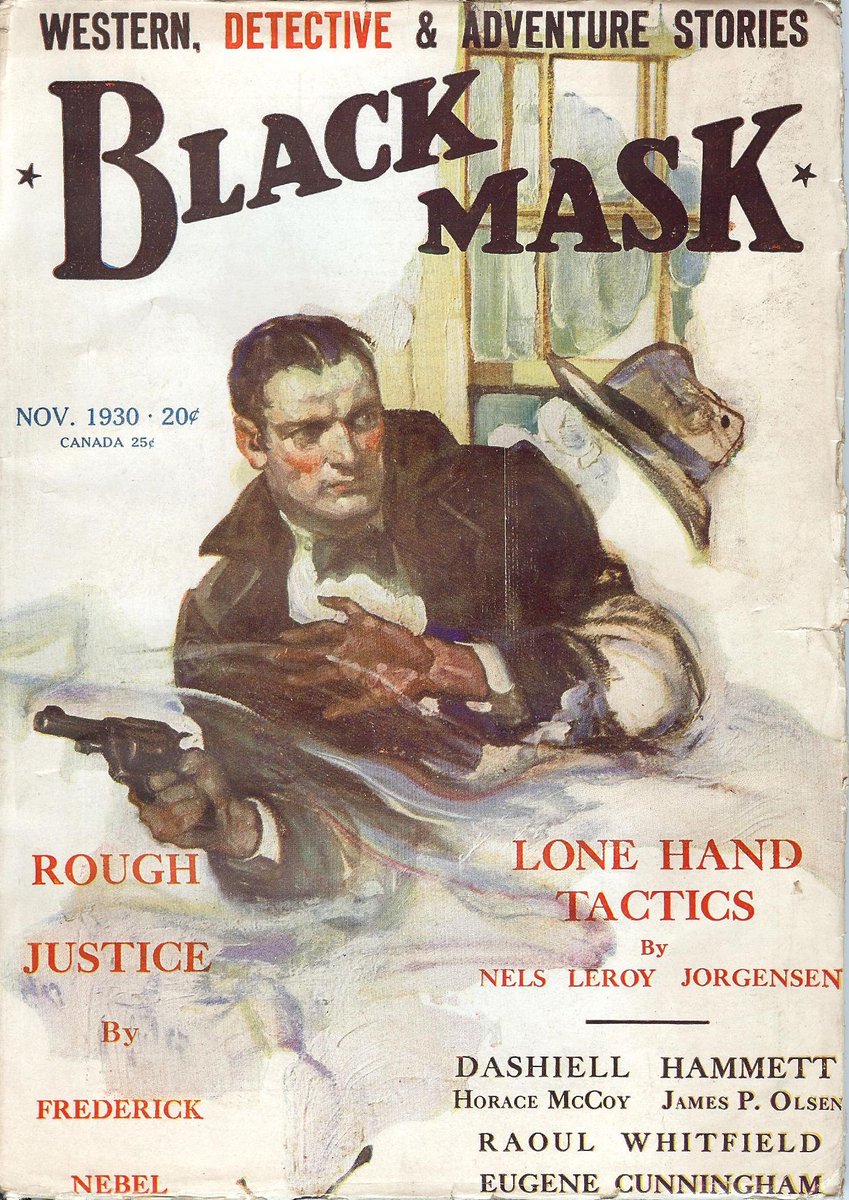
Cody also recruitrd specific writers - Raymond Chandler, Erle Stanley Gardner, Carroll John Daly - who could nail the kind of story his readers said they wanted: gritty, hard-hitting and pacey. Black Mask became hard boiled.
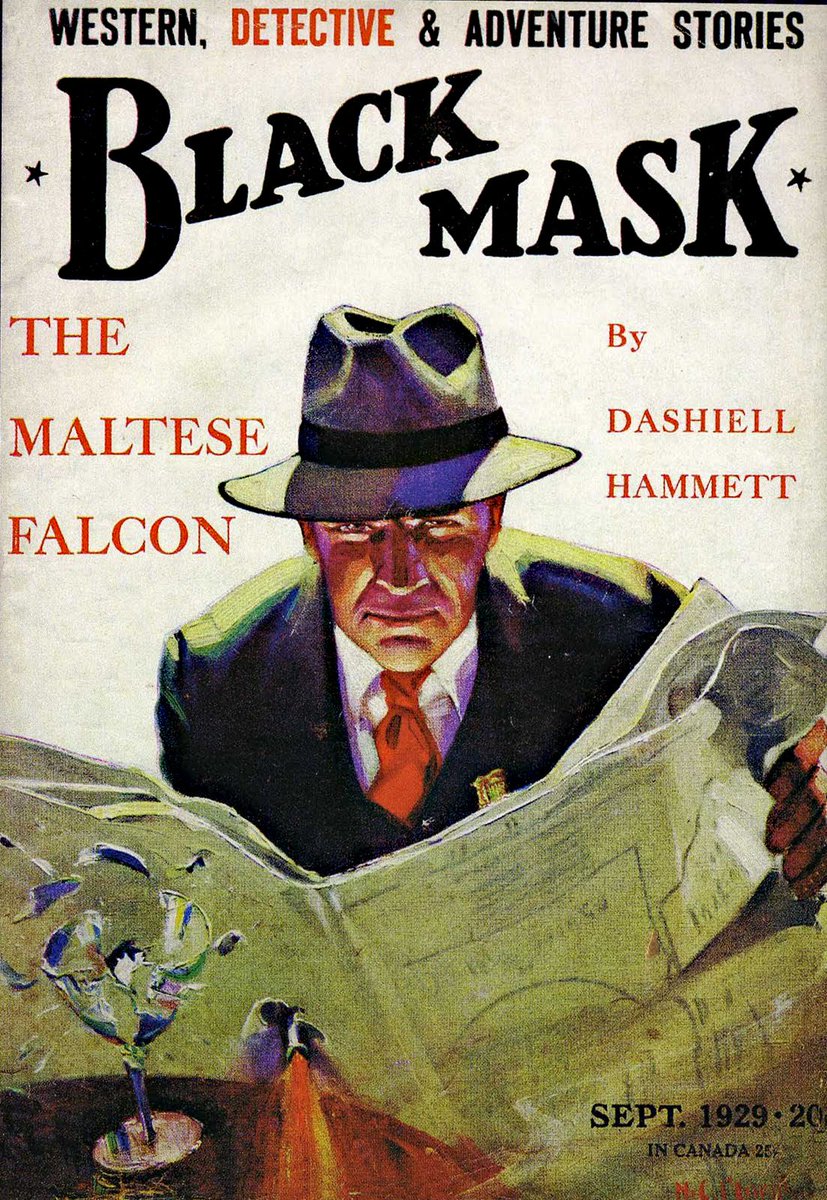
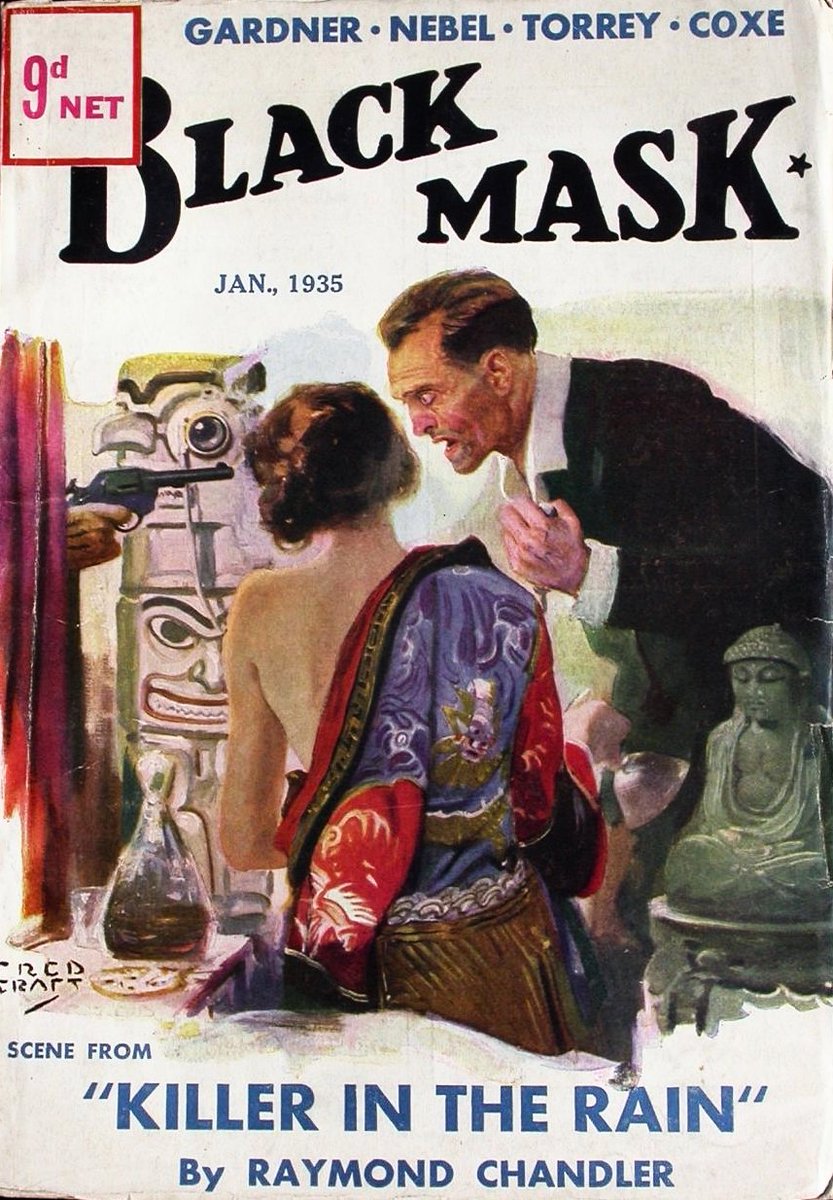
And with efficient distribution channels and a solid subscription list it also became hugely profitable and popular. Cody wasn't casting his net wide for readers, he was ruthlessly targeting and satisfying a small but profitable audience segment.
Over at Amazing Stories magazine Hugo Gernsback was doing the same thing. Though he might be reusing older classic stories his focus was on relentlessly identifying and satisfying a particular kind of reader: the science fiction fan.
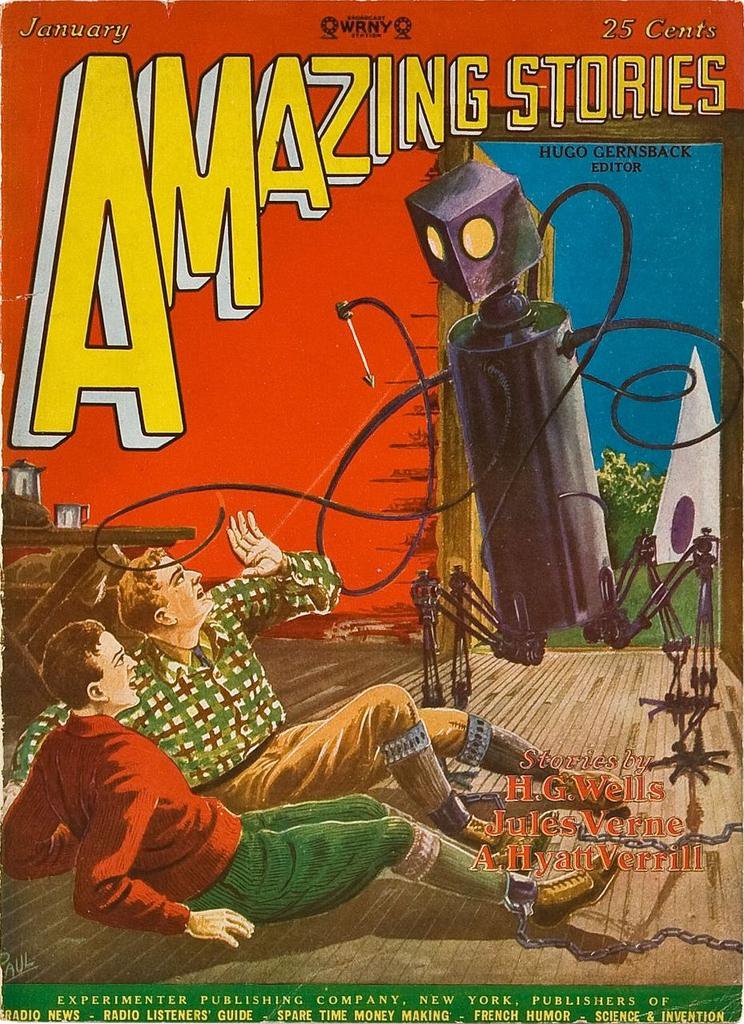
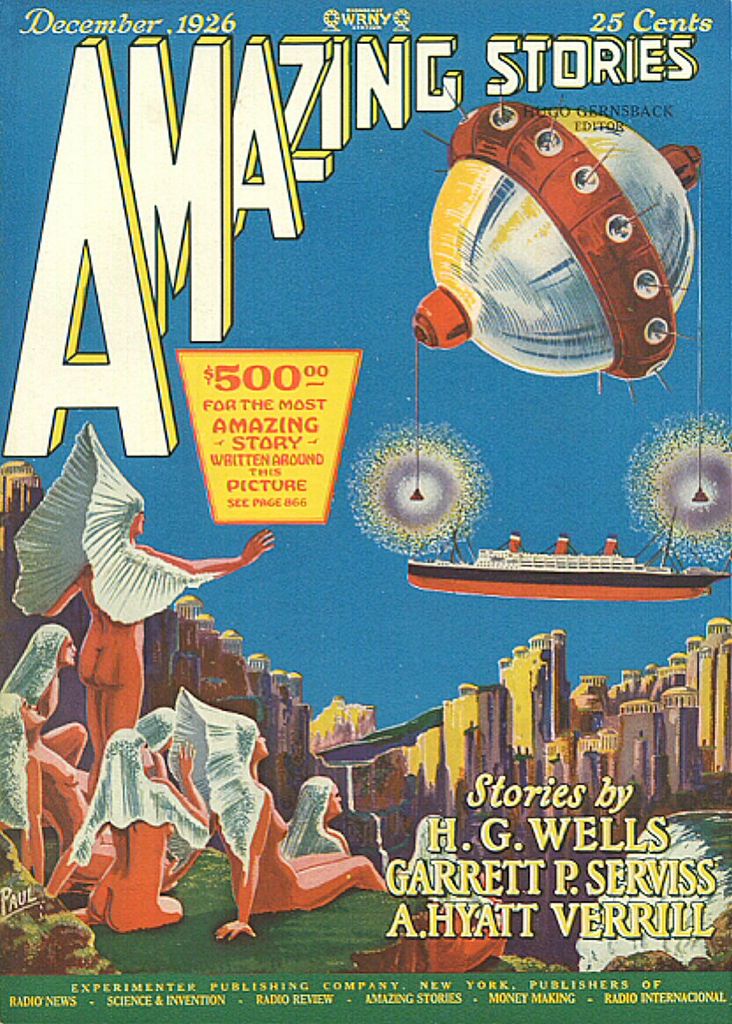
Read any half-decent pre-war pulp and what strikes you is the strength of its editorial voice. The magazine is actively trying to connect with the reader, to build a relationship and to develop loyalty.
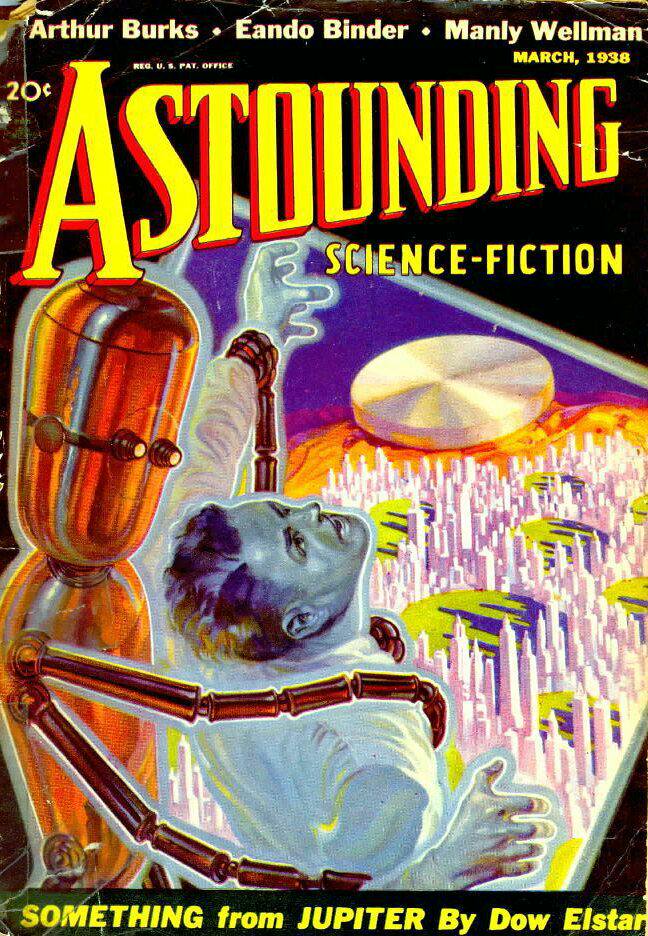
And if you have low costs, strong customer insight and high customer loyalty then you have a commercial success. That's not always common in the world of publishing, especially if you don't have a big advertising budget.
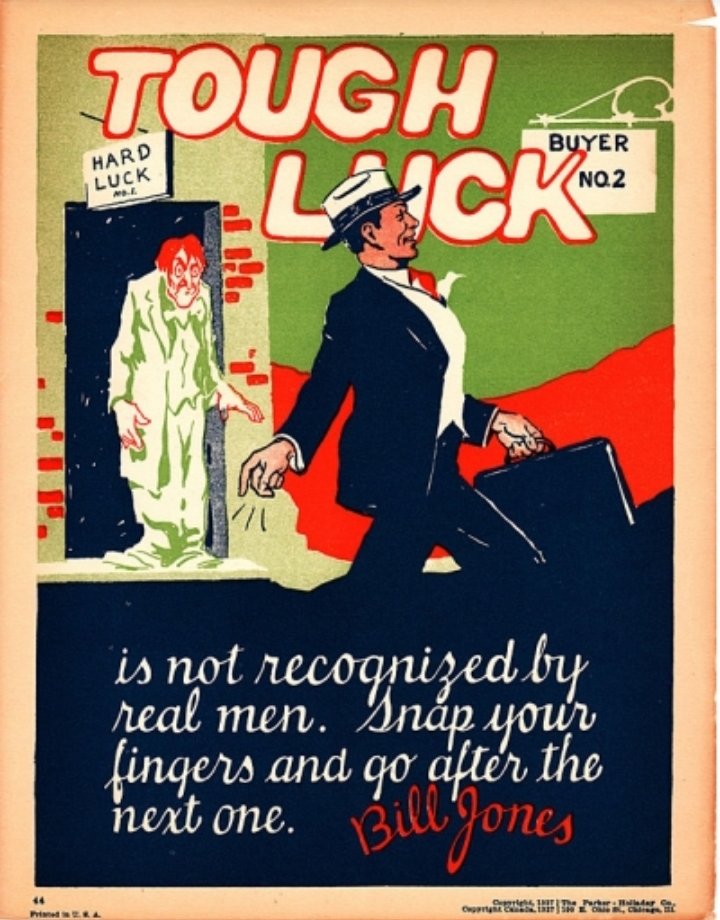

In contrast the book publishers of the time were more focused on publicity and advertising: "One million copies in print!", "Valued by all who esterm thrills!" "Hank Janson says BUY THIS BOOK!" It was a different, more traditional sales model.
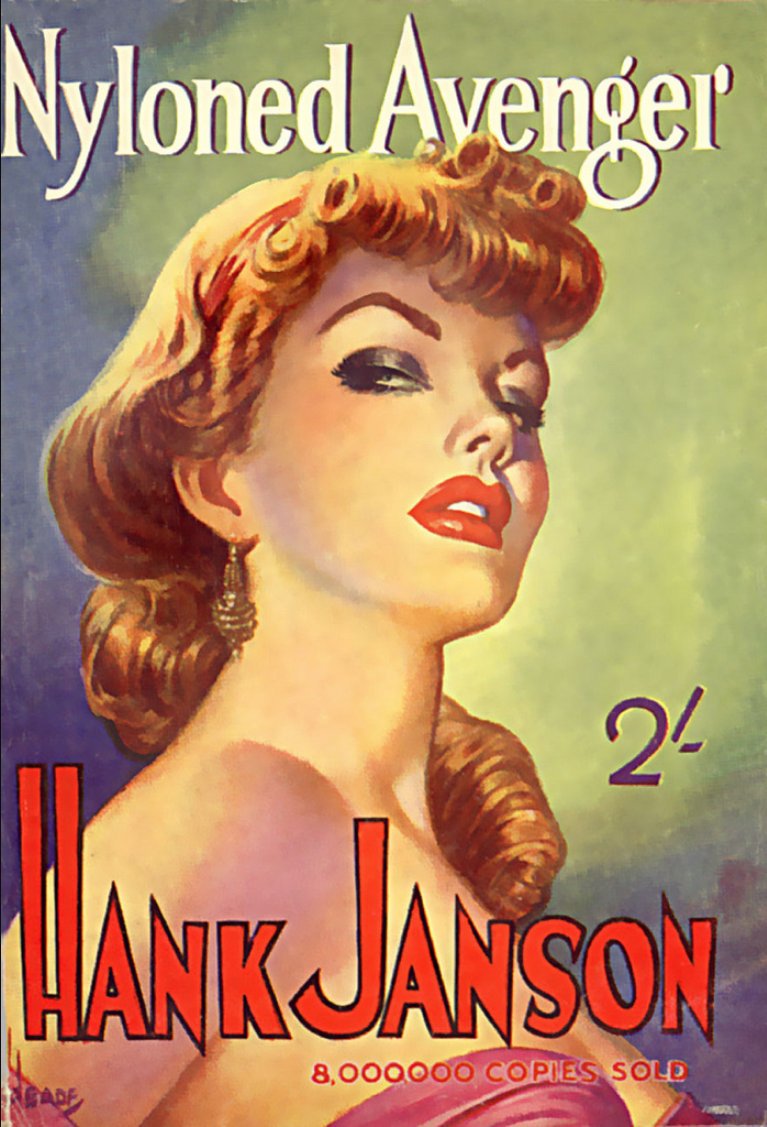
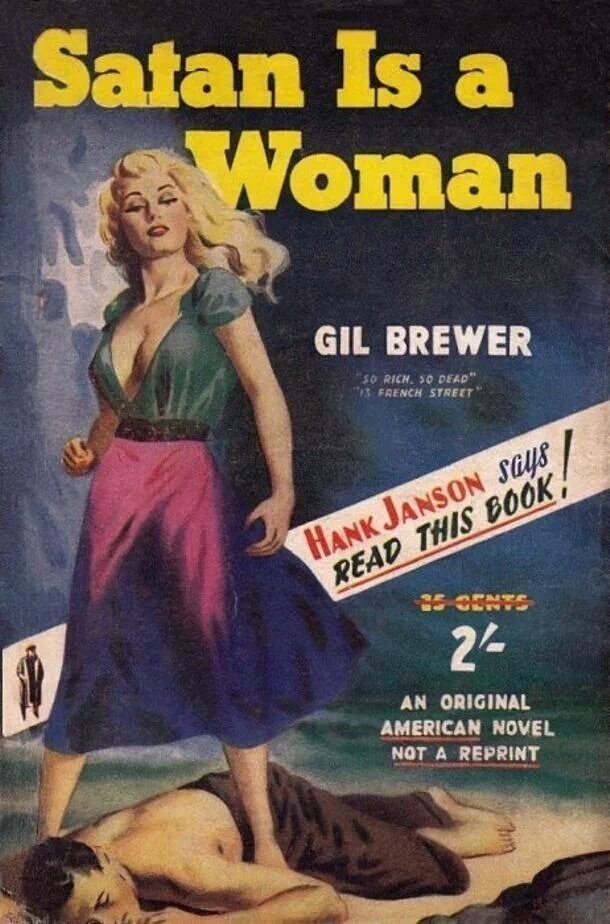
So that tends to be my personal working definition of pulp: the agressive application of modern marketing techniques to the publication of genre fiction.
And the nice thing about that definition is that it also covers the huge change in pulp publishing after WW2.
And the nice thing about that definition is that it also covers the huge change in pulp publishing after WW2.
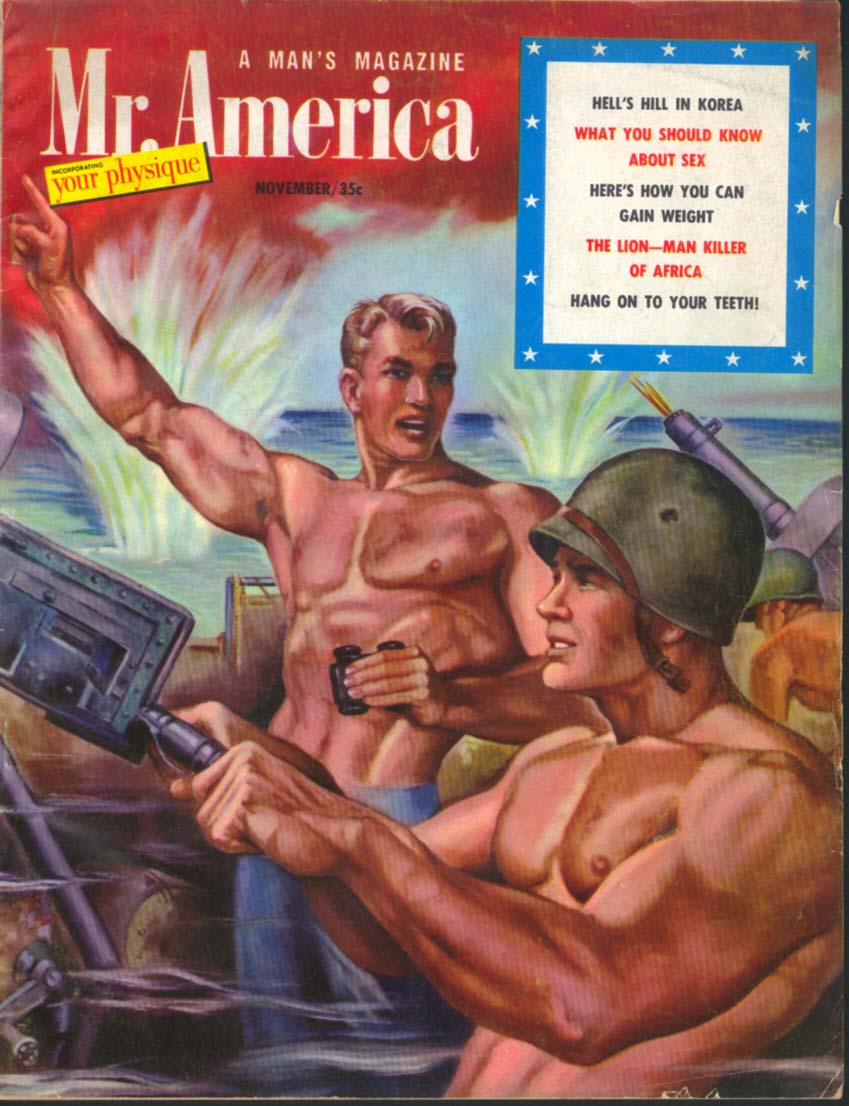
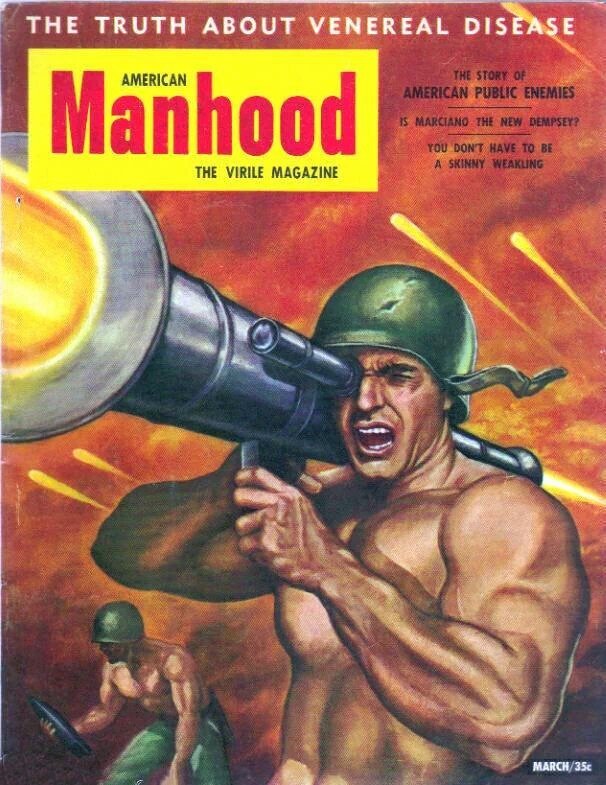
The rise of the post-war pulp novel is a complicated thing. They're very different to pulp story magazines. For a start you only get one story, and it tends to be a long one.
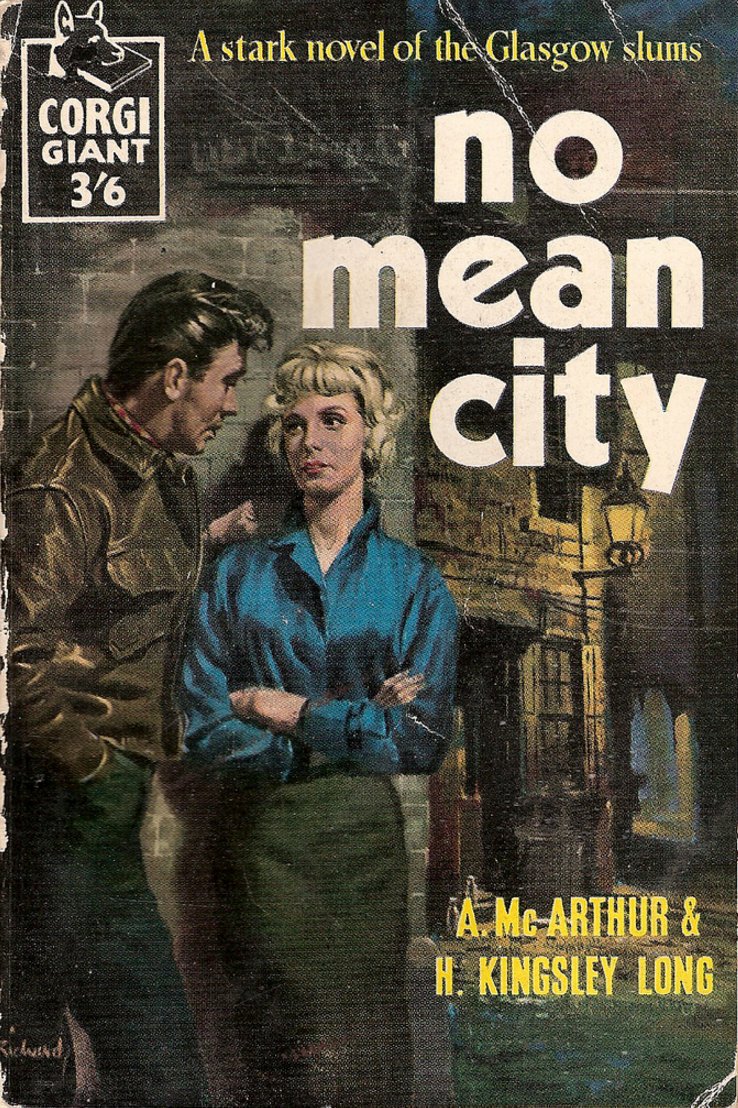
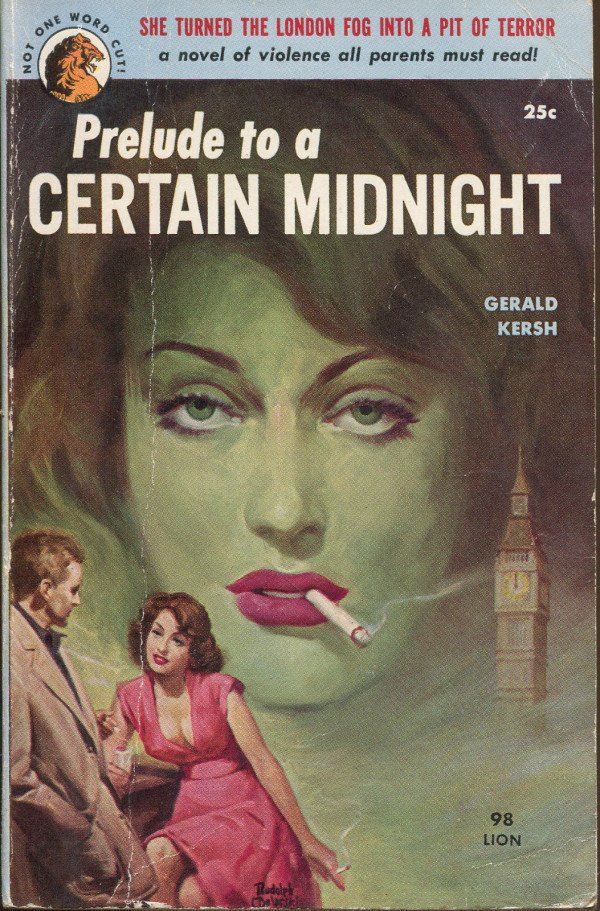
But the move was in tune with a changing market. During WWII the US Council of Books in Wartime had given away over 122 million books to American servicemen to read. Other allied nations had similar schemes. This opened up a whole new market segment, the ex-army reader.
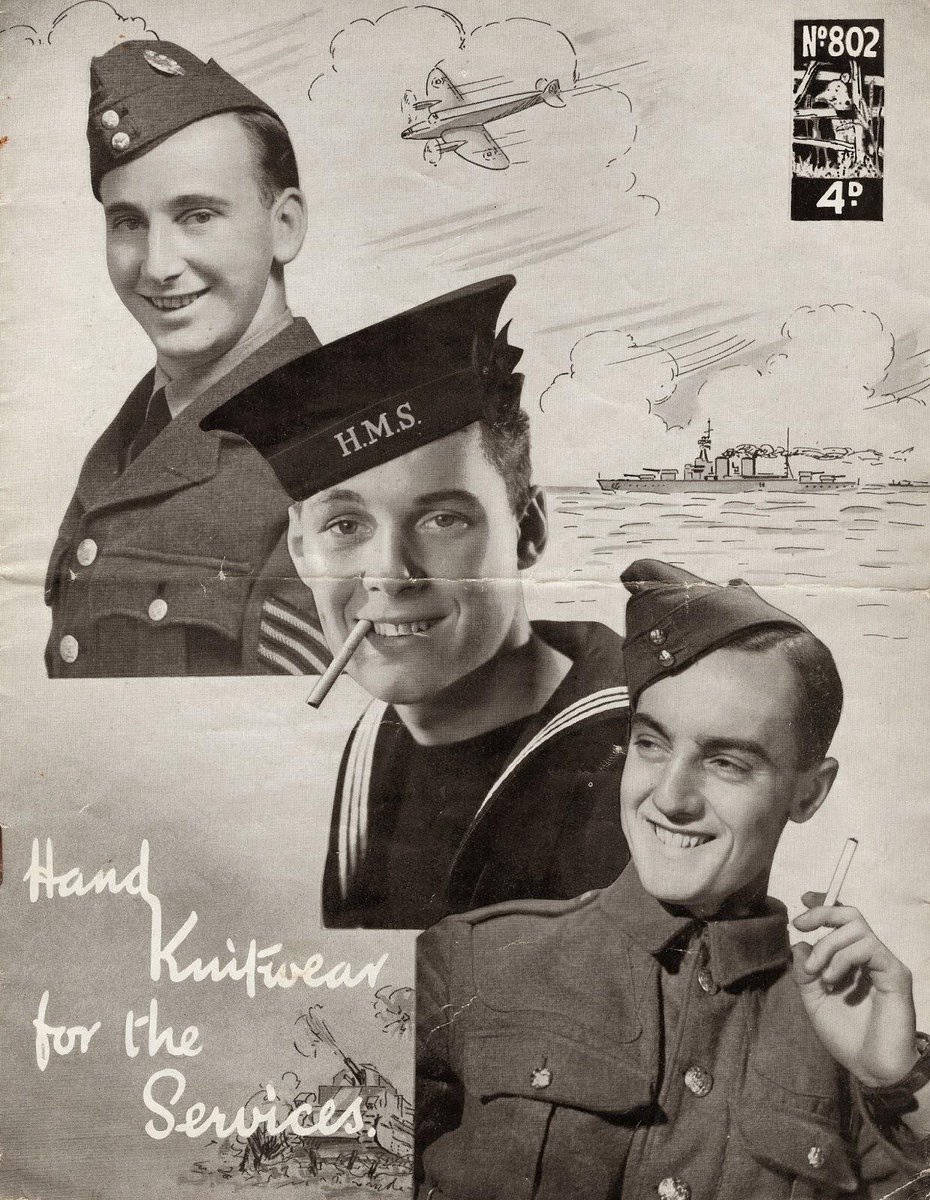
With the end of paper rationing and relaxation of import controls in the early '50s, the advances made in offset printing and glue-based book binding, and the market-building activities of Penguin Books and Pocket Books in the previous decade, a viable new market was emerging...
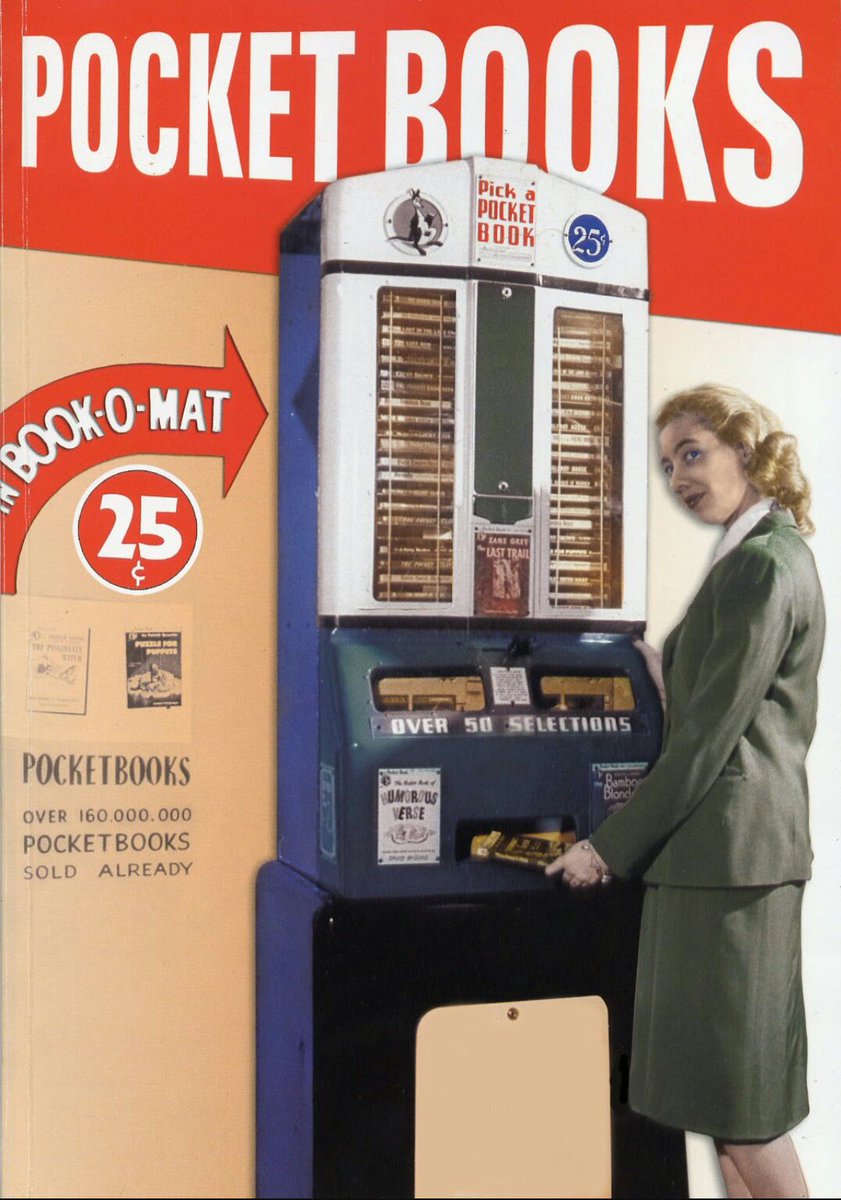
...the pulp paperback! Dozens of new publishers sprang up focusing on genre fiction tightly dialled into the audience's wants and needs. If one type of story sold well a dozen copycats would soon appear with the same kind of cover art, targeting the audience at the point of sale.
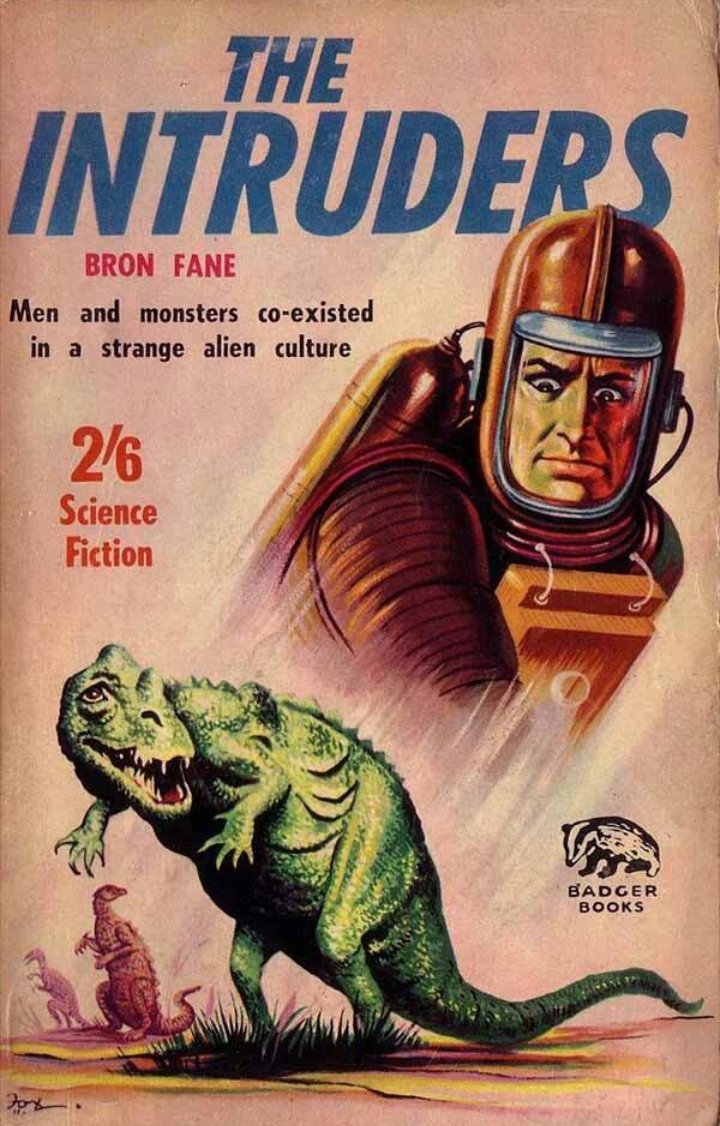
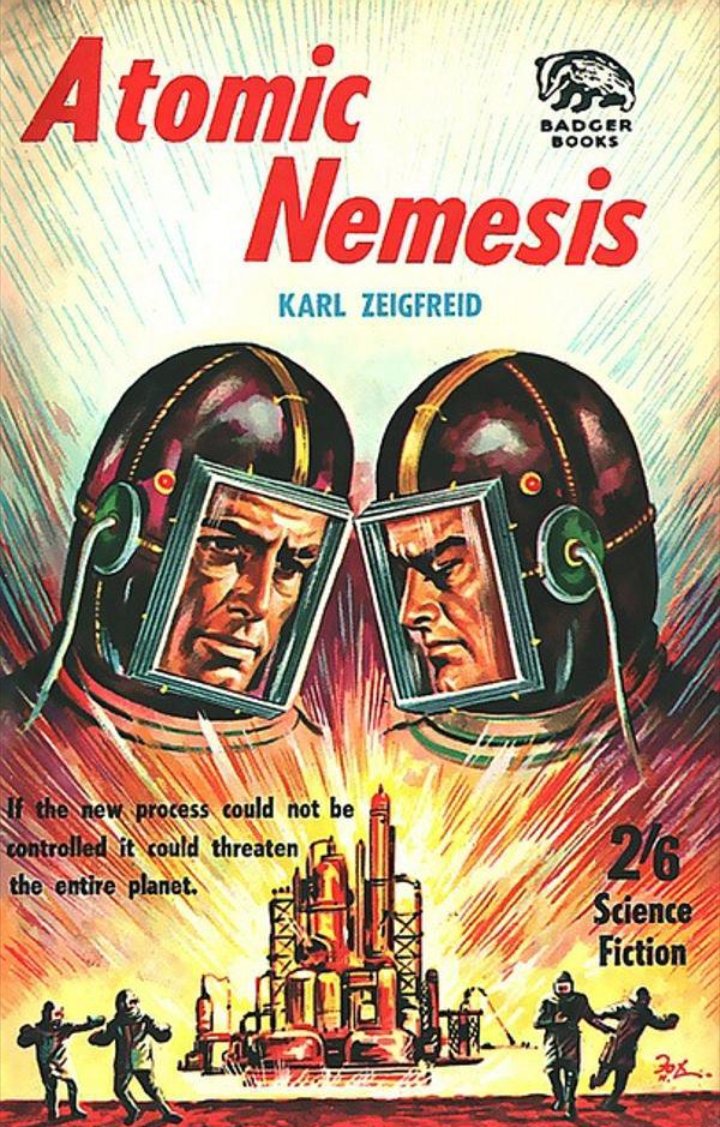
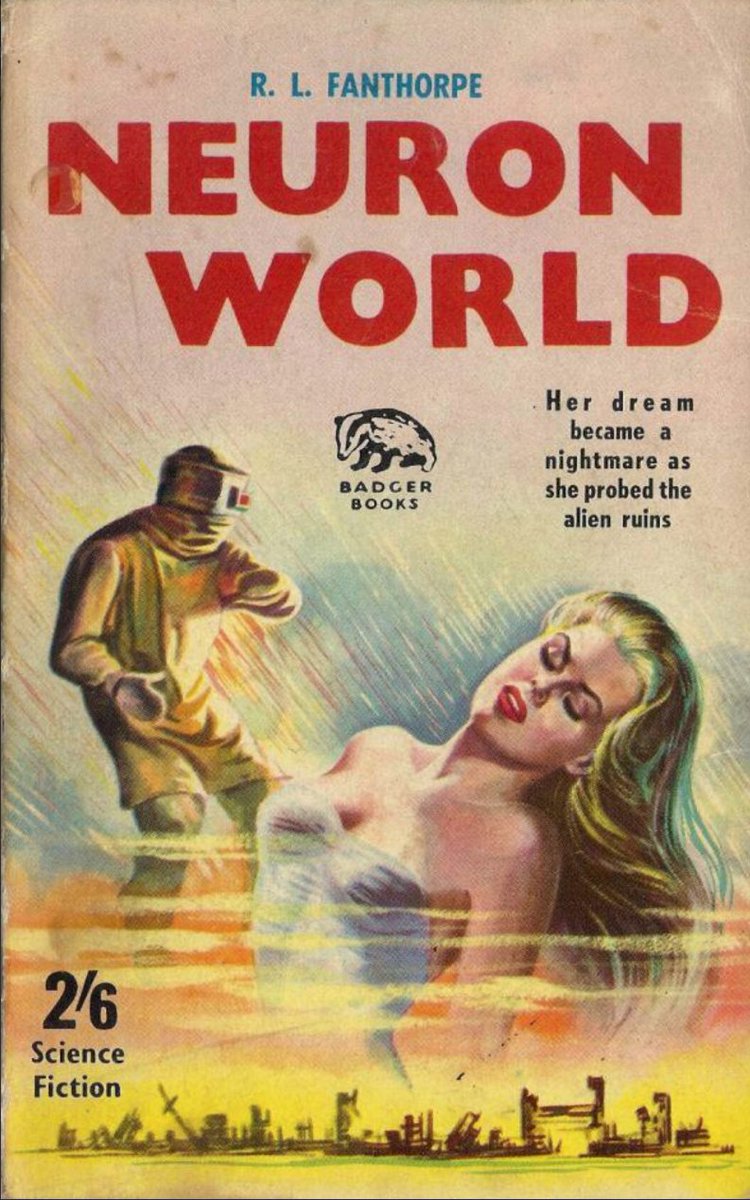
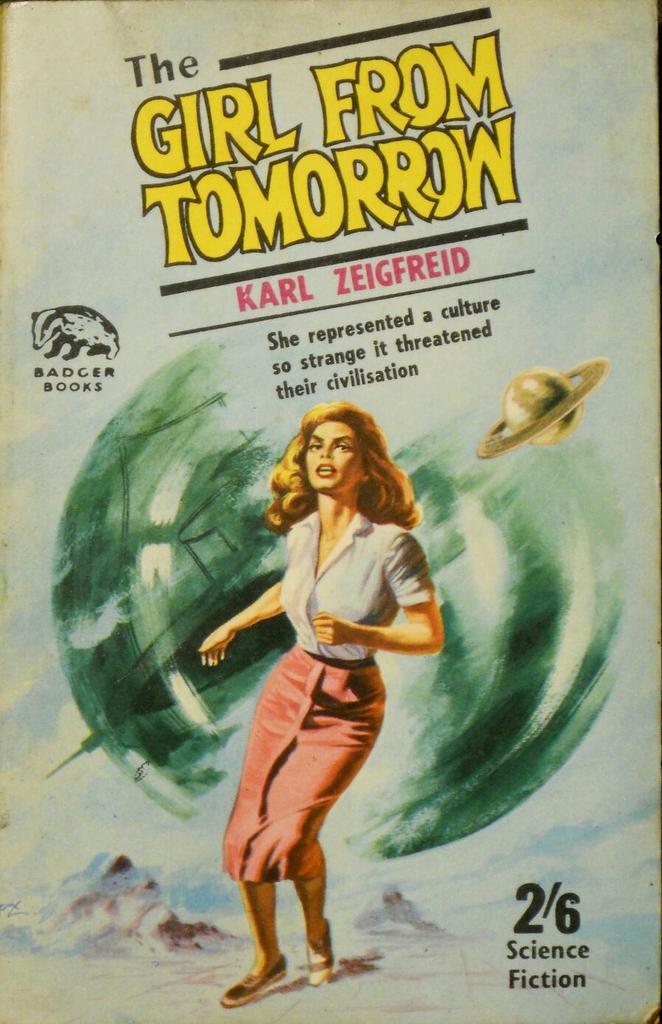
Word of mouth rather than advertising was the key. From the moment you picked the book up you should know if it was your kind of story. And if you liked it there were several more where that came from. Consistent entertainment at a low price: books that hit all the right buttons.
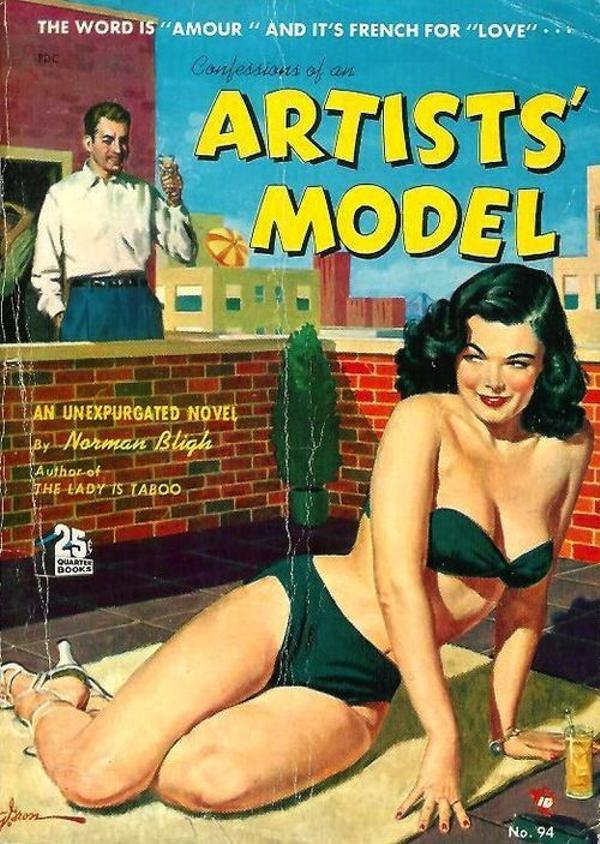
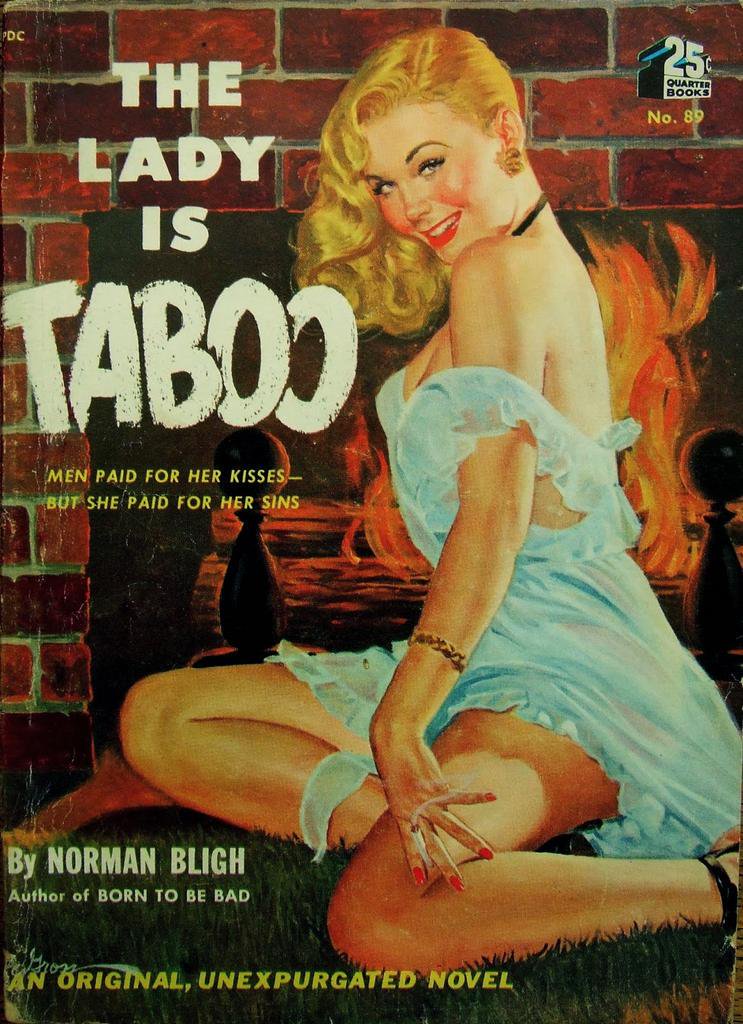
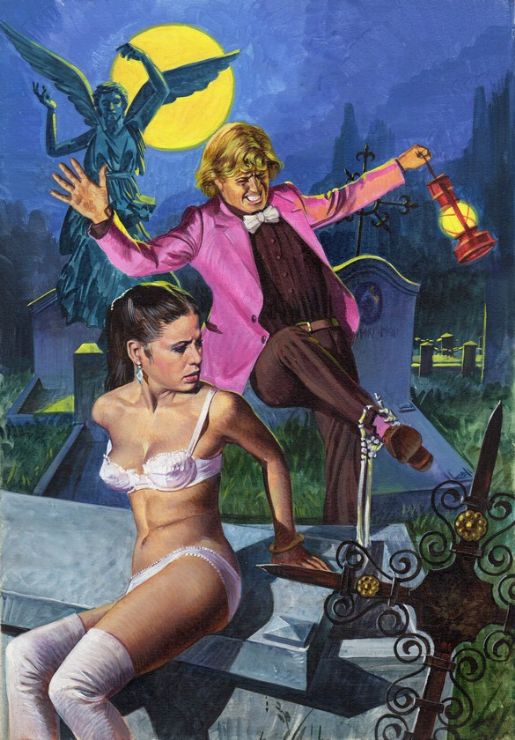
The best example of this is possibly the gothic romance. Hugely popular, hugely profitable and very varied, but crucially very identifiable. You know immediately from the cover art that this is one of 'those' books.
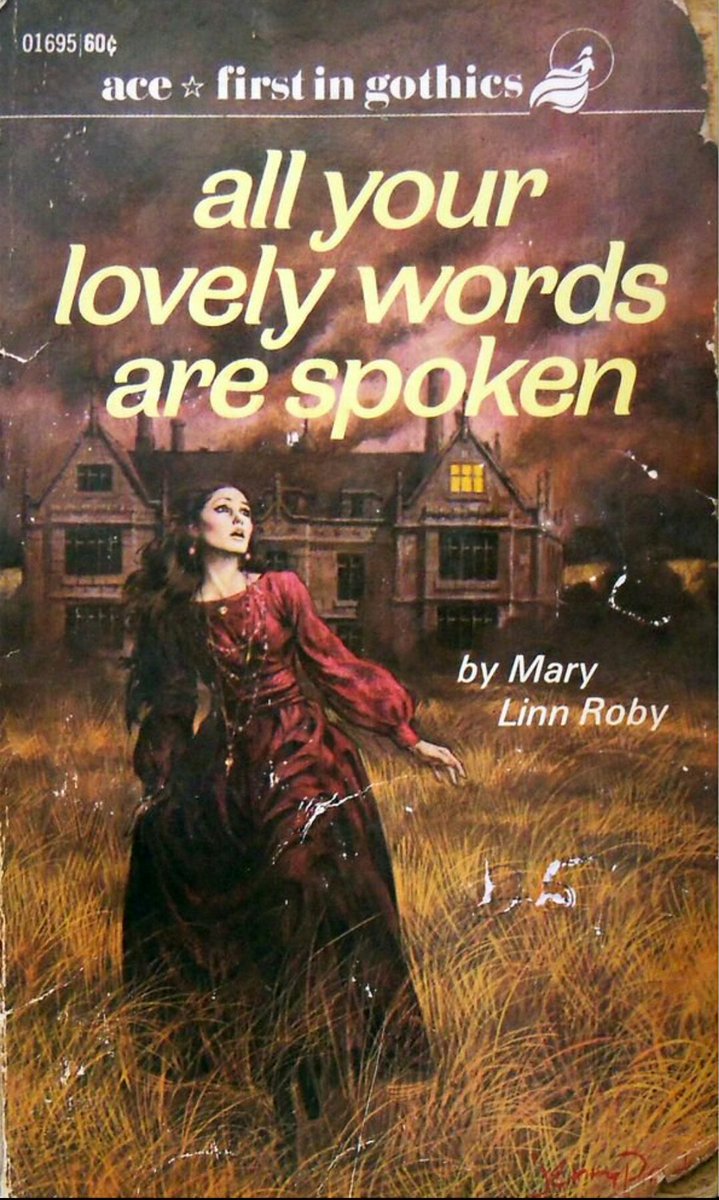
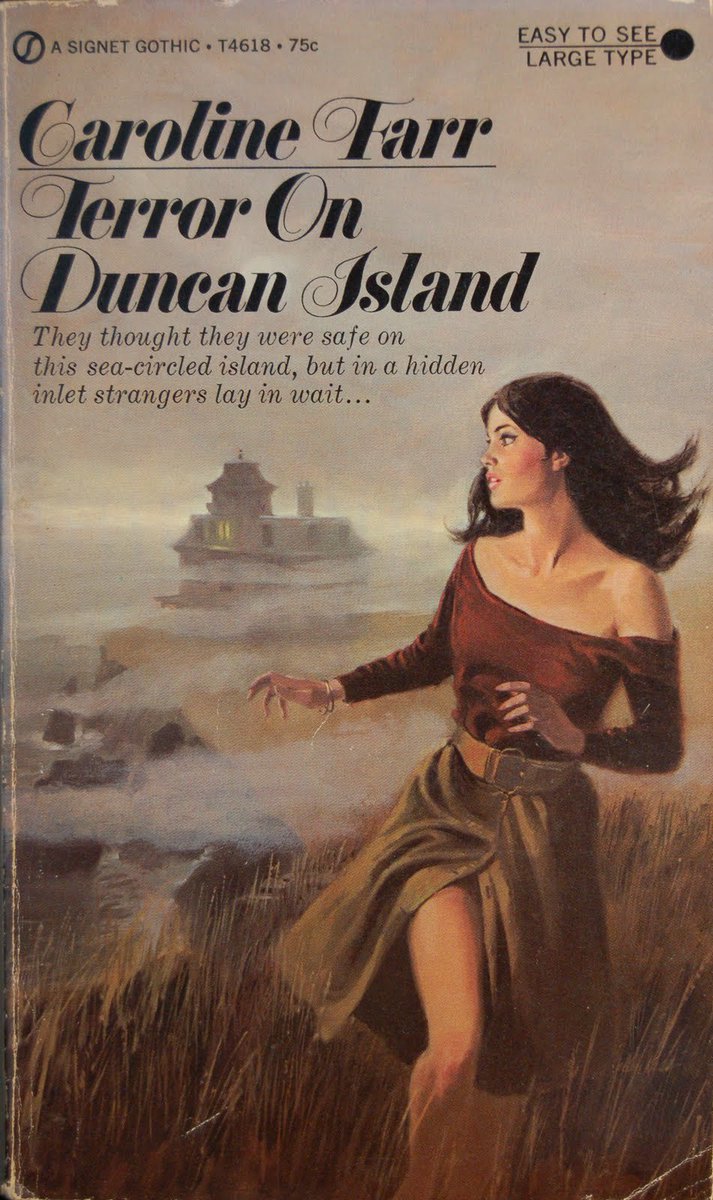
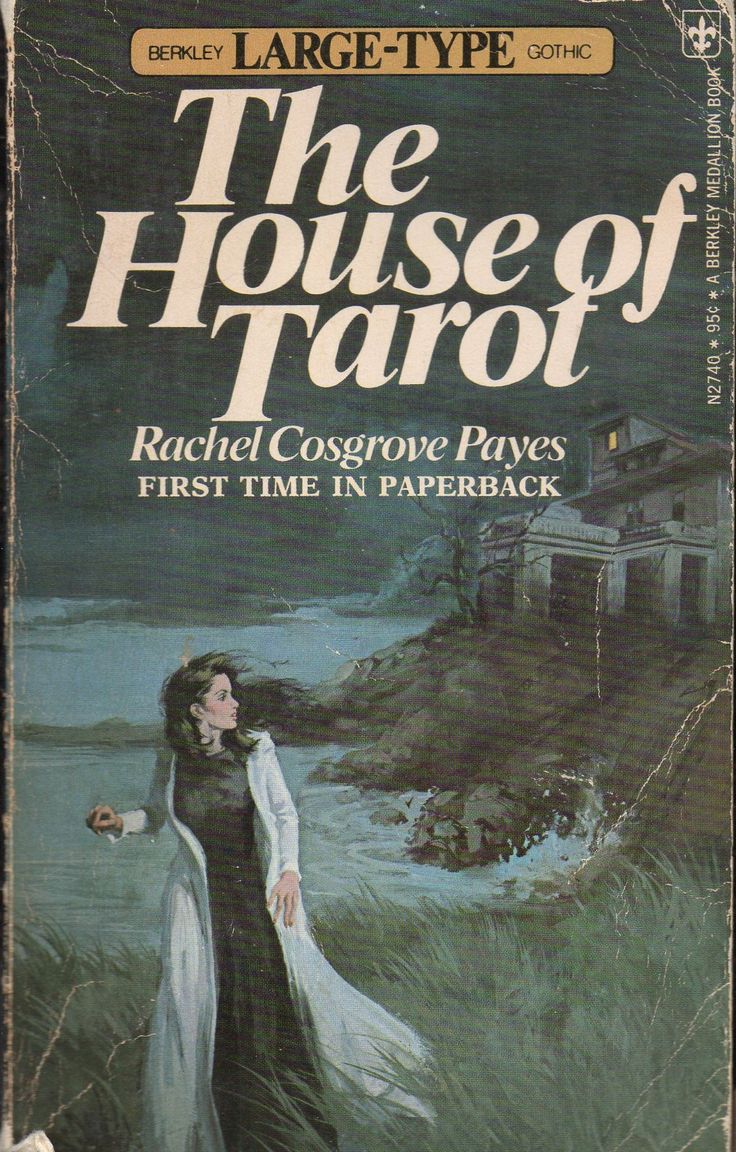
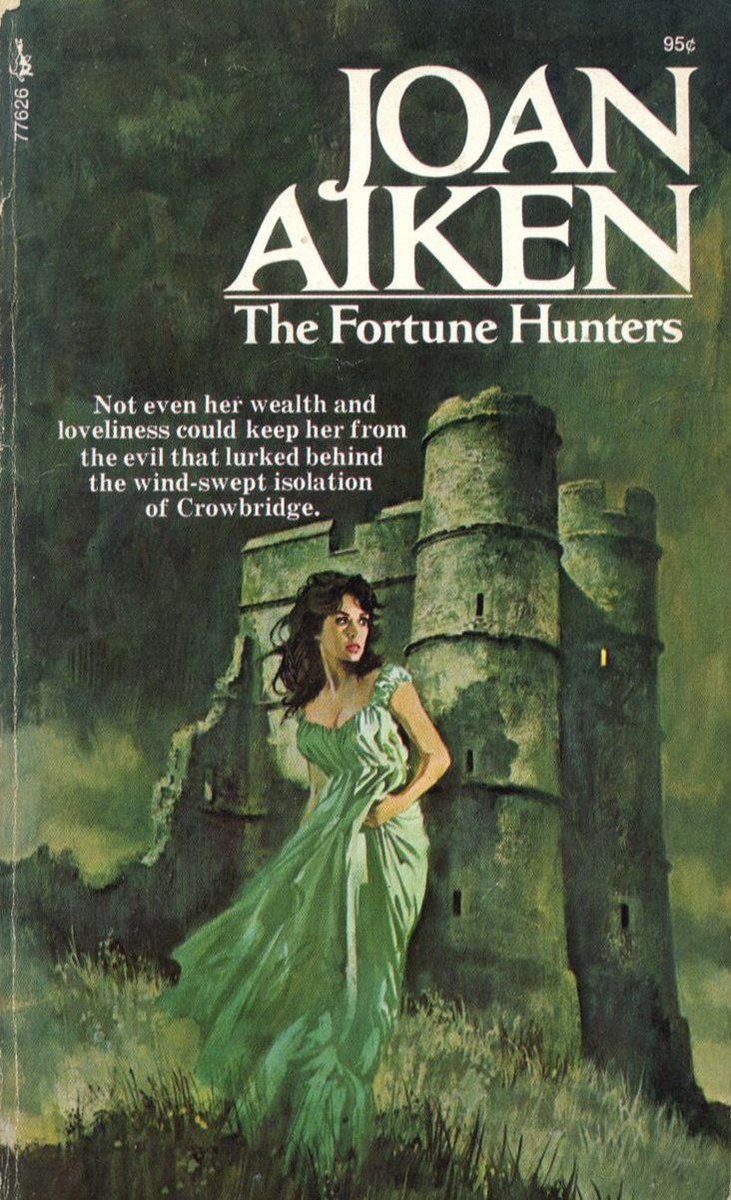
Nowadays we tend to get our pulp stories more from the TV and the streaming services. And they've borrowed the marketing-led approaches pioneered by the pulps. Often you know what the show will be like before you even watch the first episode.

As for published pulp? Well that's still going strong thanks to indie writers and ebooks. And just like the Roaring '20s they're using marketing to find, keep, understand and entertain a thousand different niche audiences.
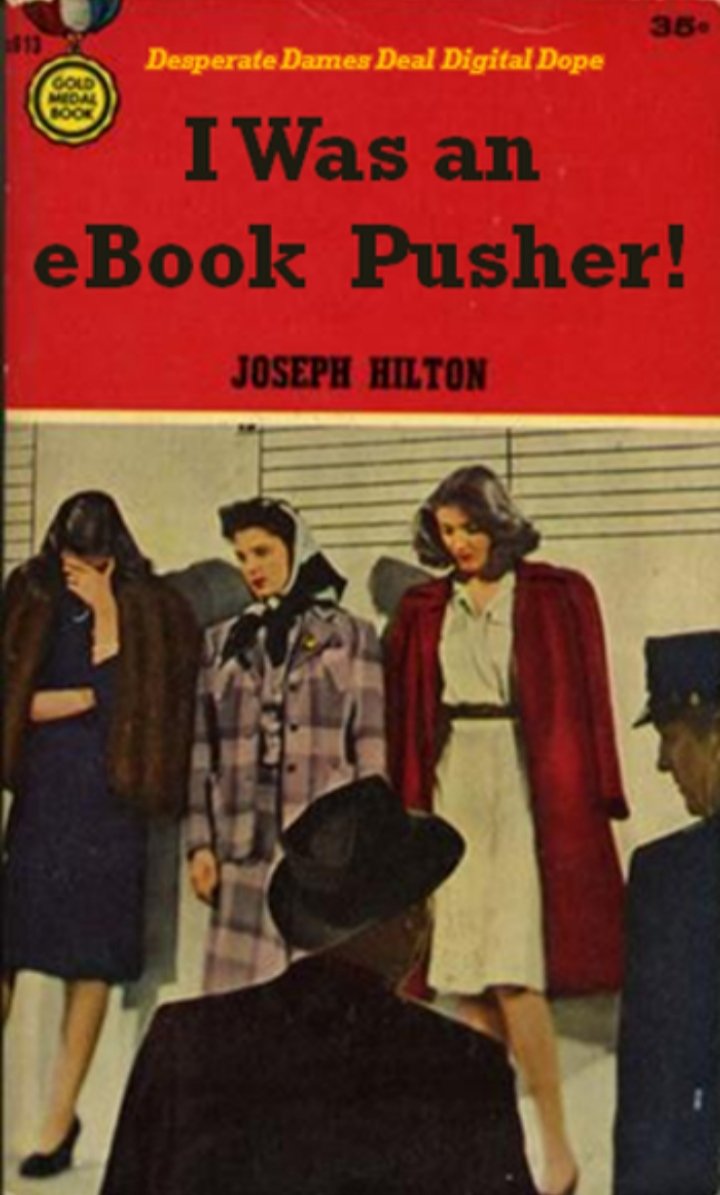
Feel free to disagree, and don't think I'm ignoring the idea of pulp as a writing style or a story approach. But there is something to be said for seeing pulp as the profitable apex of marketing techniques and entertaining writing.
More tales another time...
More tales another time...
• • •
Missing some Tweet in this thread? You can try to
force a refresh