Nemets Profile picture
Dec 18, 2022 17 tweets 10 min read Read on X
The dual triumphs of the Greeks at Himera in Sicily and Salamis in Greece in 480 BC checked Carthage & Persia. The rest of the century saw the Greeks of Syracuse breaking Etruscan sea power while the Etruscans lost land in tandem to their neighbors. Image
Image
There was recently an ancient DNA paper which tested the remains of soldiers slain at the Battle of Himera:
Epirus & Sparta both intervened on behalf of Greeks of S Italy in 340s & 330s BC against their Samnite, Sabellian, & Messapian enemies. Tarentum’s Greeks, worried by Epirote successes, assassinated the Epirote ruler in 332 BC. With Greek unity in Italy broken, Rome’s power grew. Image
Image
Pyrrhus, like Alexander the Molossian before him, found it difficult to unite Greeks of Italy behind him. His direct administration of land was unpopular, but perhaps national feeling played a role? Romans advanced where Italics lived, Greeks did not. Image
Image
Sicels were possibly Italic speakers who overran the Mycenaean Greeks of Sicily during the Bronze Age Collapse, while Sicanians (who have been DNA tested) were at least Indo-European influenced and possibly from Iberia (though maybe speaking a non-IE language). Image
Mommsen, writing 1854-1856, anticipated DNA findings showing that Carthaginians had little-to-no Phoenician ancestry. “The Carthaginians were changed from Tyrians to Libyans”. He describes change in Carthage’s national spirit 500-450 BC from passive trade to aggressive expansion. Image
Image
Image
Greeks of Macedon, Syracuse, and S Italy supported Carthage in Second Punic War, but were incompetent fighters. Carthage & its Numidian & Celtic allies did most of the effective fighting against Rome. Image
Image
Population of Italy was higher in 253 BC than 153 BC. Mommsen believes the combination of Hannibal’s devastating invasion 218-204, expansion of slavery, conversion of farmland to pasture or vineyards, & land speculation drove the population decline. Image
Image
Cretan & Cilician corsairs raided Greek islands and coastal Syria for slaves, exporting them to Roman Republic in 2nd century BC. Sicily had the most developed plantations at the time, and saw years long revolts. Mommsen chalks the slavery system up to Carthaginian influence. Image
Image
Breakdown of populist-democrat coalition in 100 BC led to senate, aristocrats, & democrat-freed prisoners fighting & crushing populist streetfighters. Mommsen earlier mentioned populists mobs included many Anatolians & non-Roman Italics, latter of whom were on path to equality. Image
Image
Image
Image
Associations around democrat politician Drusus rose in rebellion in 91 BC, demanding citizenship. Aristocrats held with Rome, middle class with rebels. Rebels wanted to build new state, Italica, on Roman model, but with citizenship for all members of participating communities. Image
Image
Image
Interesting last two lines - larger states imagined even by revolutionaries were to be alliances of city-states led by a head city-state, with individuals seen as part of a specific community rather than a broader nation.
Sulla made all loyal members of Italian communities Roman citizens. The convoluted alliance & colony system that had evolved over centuries was replaced by a new system of municipalities modeled off of Rome, but with institutions subject to Roman supremacy. Image
Image
Decrease in Italian population from Social & Mithridatic Wars was made up for by immigration of Greek-speakers from Asia. Mommsen saw 133-78 BC as decadent due to promiscuity, rising marriage age, high housing prices, love of pets, indulgence in entertainment, & foodies. Image
Image
Image
(He mentions on a previous page how the Romans destroyed Greek industry around Corinth, so not a comparable situation to what we are in. Using slaves rather than waterwheels perhaps doomed Rome to miss an industrial revolution)
Mommsen takes the view that Caesar was bad, but inevitable as the unrepresentative Senate and slavery had rotted the late Republic. Image
Caesar’s finance policy. The Romans passed sumptuary laws for moral & economic reasons several times, as did a number of states throughout history. Today, I think only Tajiks and Uzbeks have such laws, though specifically aimed at families overspending on weddings. Image
Image

• • •

Missing some Tweet in this thread? You can try to force a refresh

 

Keep Current with Nemets

Nemets Profile picture

Stay in touch and get notified when new unrolls are available from this author!

Read all threads

This Thread may be Removed Anytime!

PDF

Twitter may remove this content at anytime! Save it as PDF for later use!

Try unrolling a thread yourself!

how to unroll video
  1. Follow @ThreadReaderApp to mention us!

  2. From a Twitter thread mention us with a keyword "unroll"
@threadreaderapp unroll

Practice here first or read more on our help page!

More from @Peter_Nimitz

Feb 5
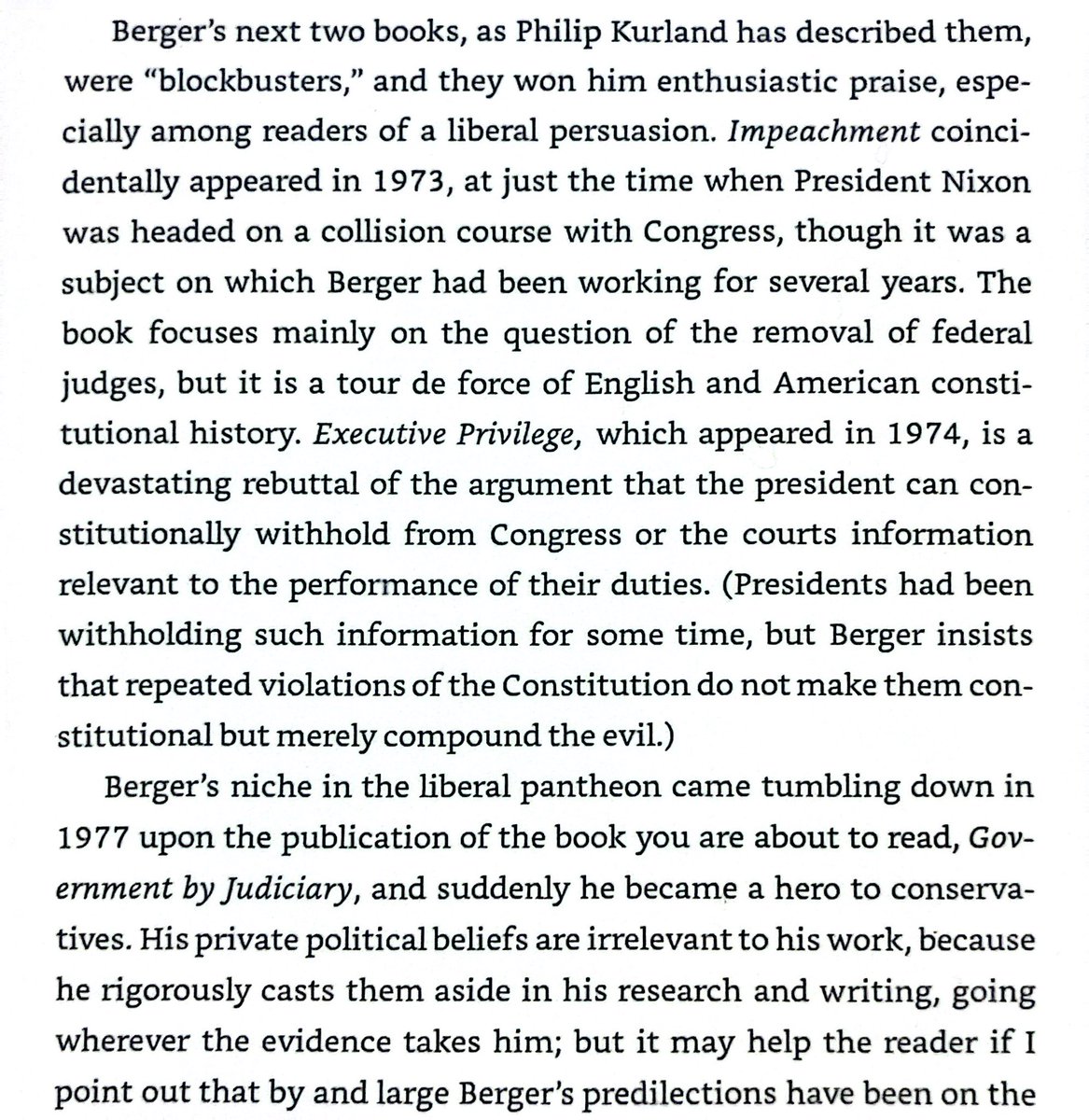
Thread with excerpts from "Government by Judiciary: The Transformation of the Fourteenth Amendment" by Raoul Berger Image
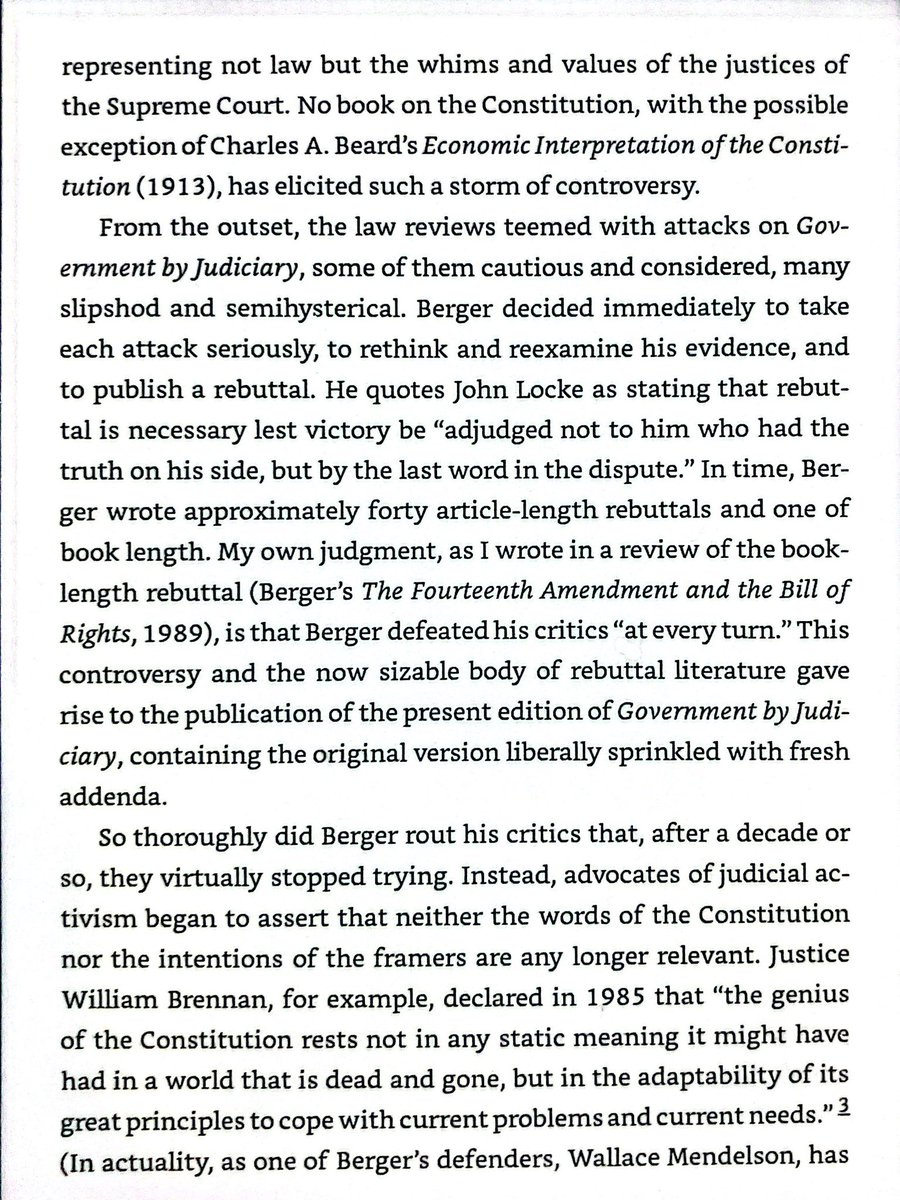
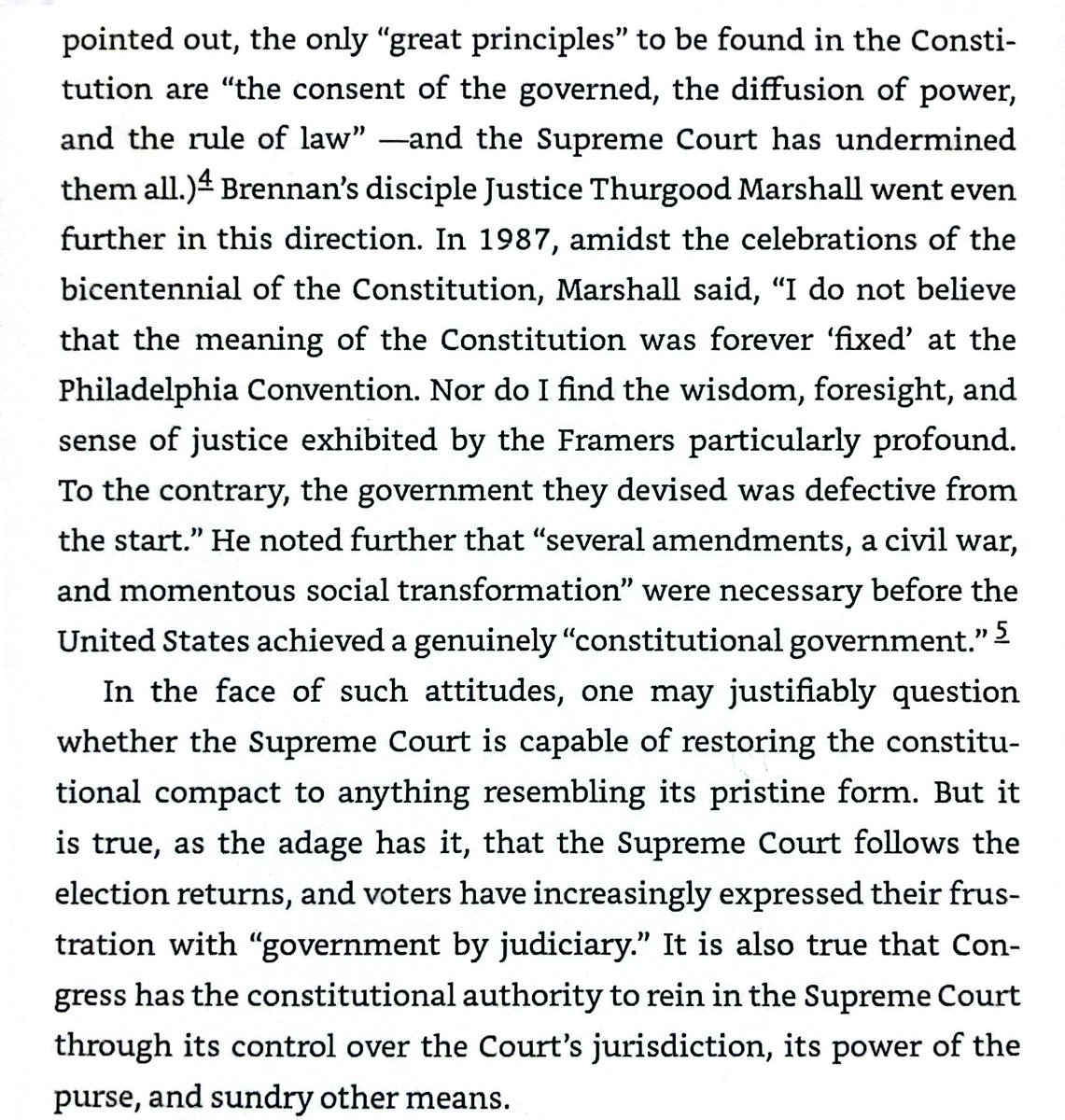
Description is not prescription, but in constitutional law it is close enough that this book damaged the reputation of the author. Arguments by author drove Justices Marshall & Brennan to assert that words & intentions of founders were less relevant than constitutional spirit. Image
Image
Image
Image
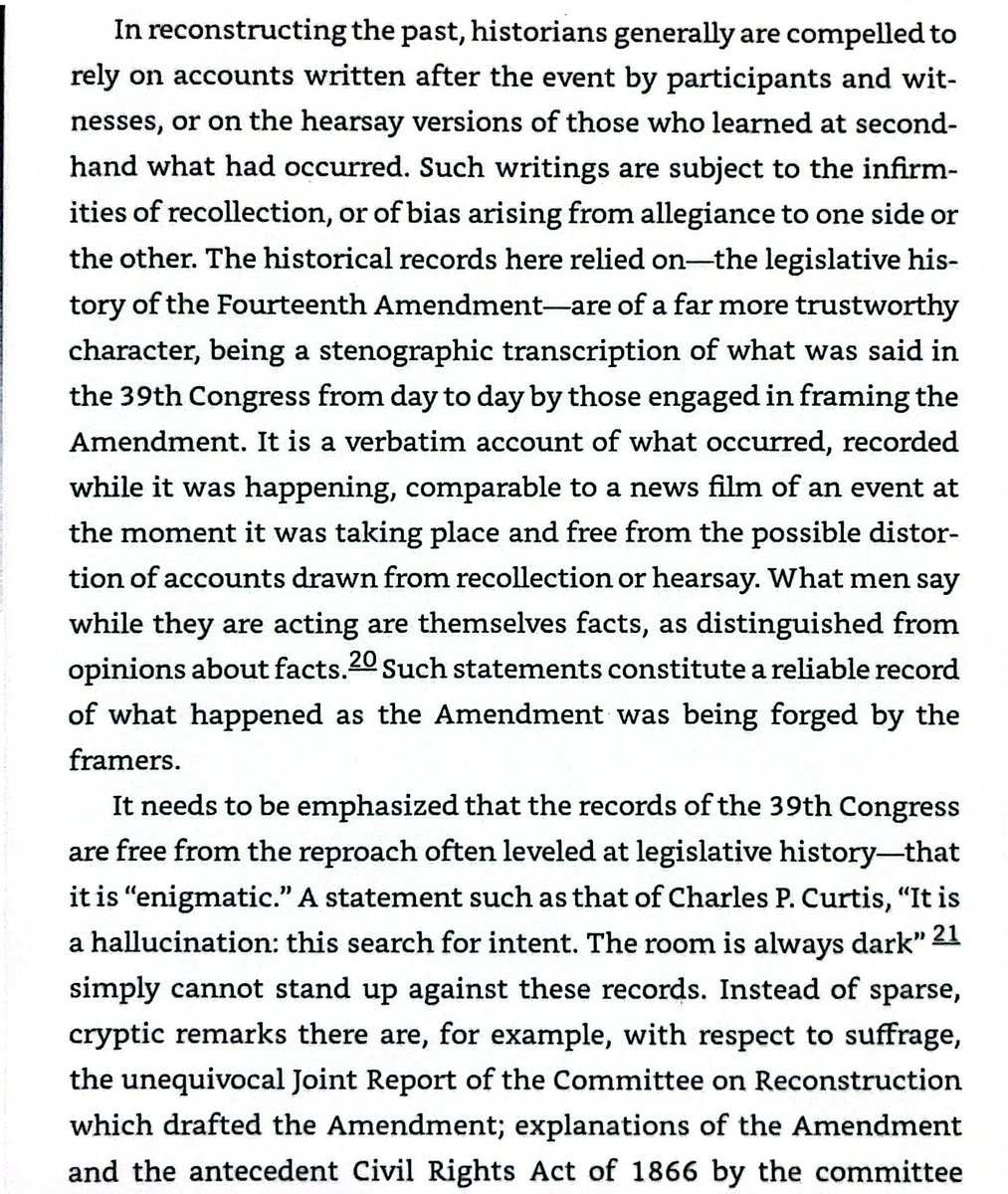
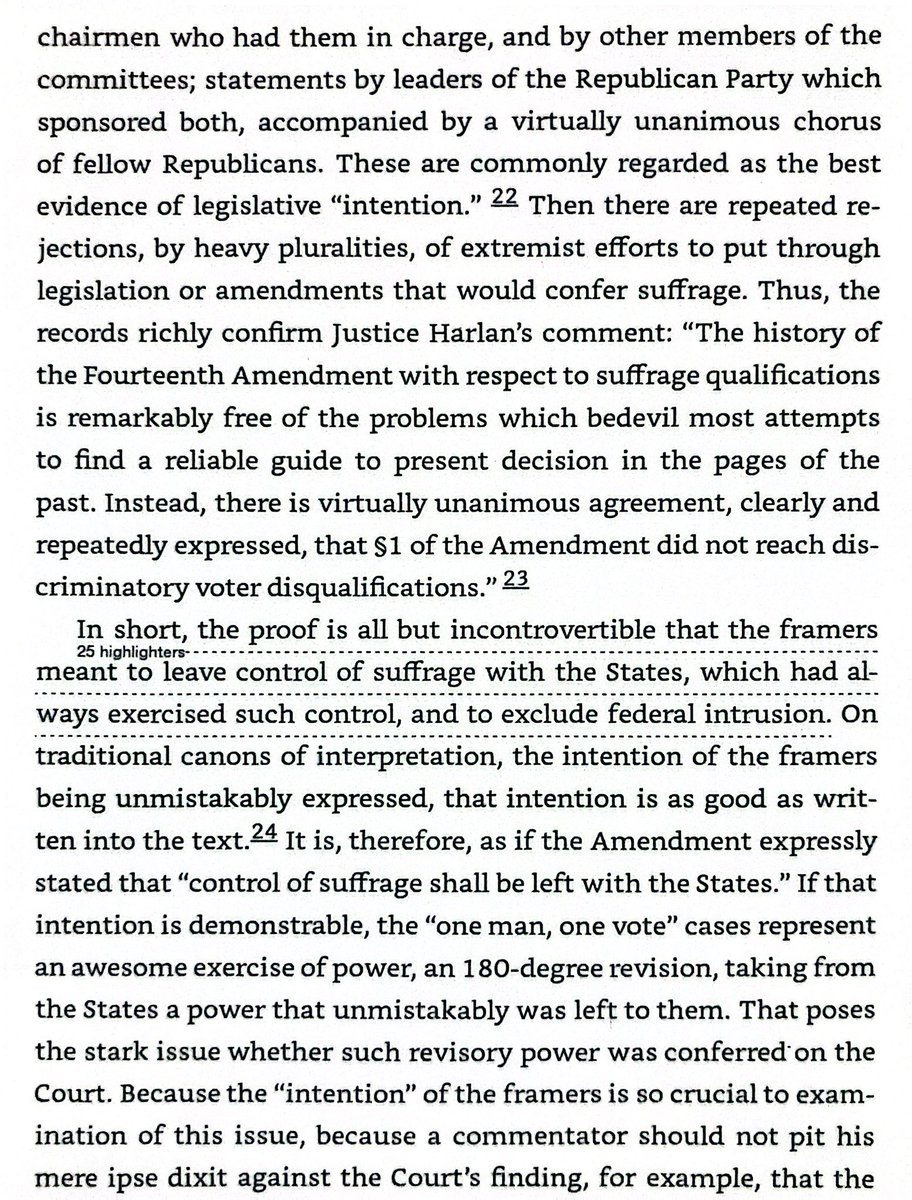
The Fourteenth Amendment was passed during the 39th Congress. The discussions surrounding it were fully stenographed, and leave no ambiguity as to the meaning of the amendment by its writers. Image
Image
Image
Image
Read 14 tweets
Jan 6
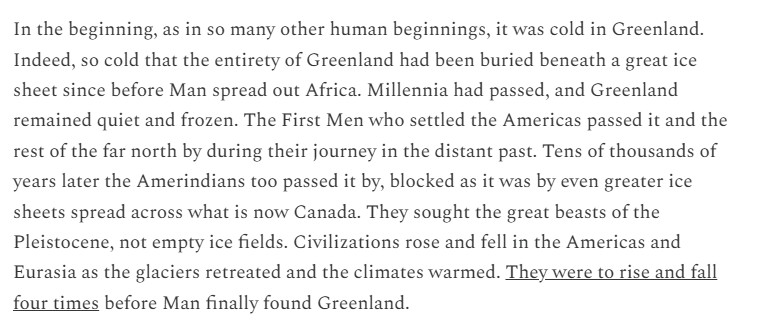
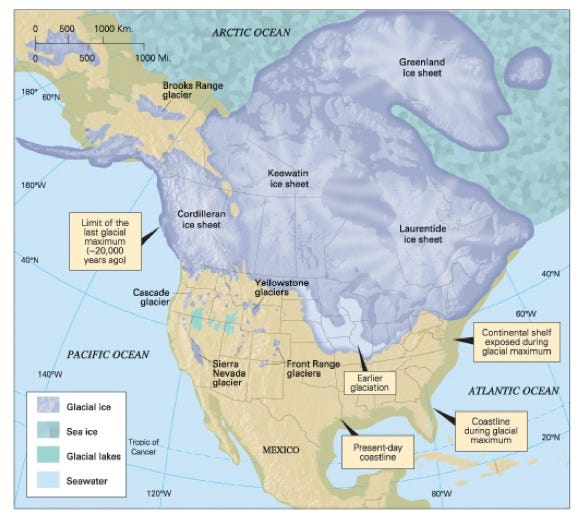
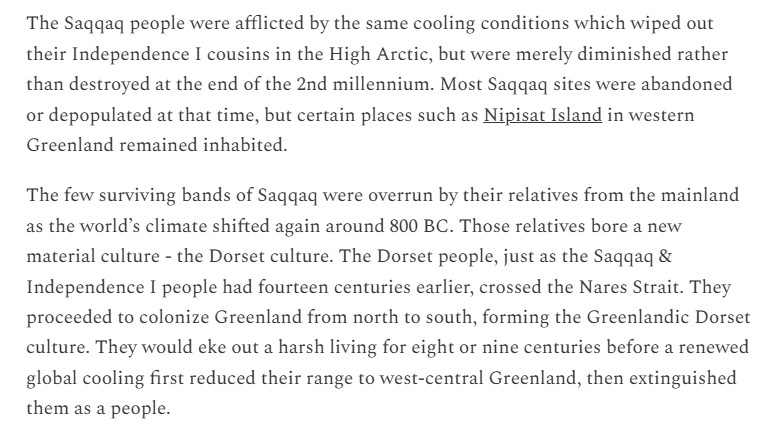
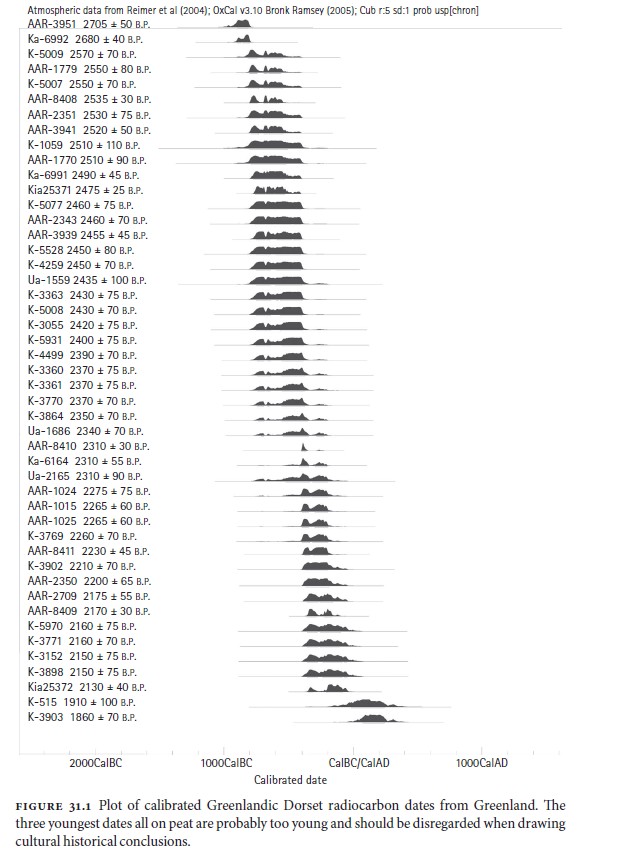
Greenland was not colonized by the Amerindians or their predecessors. It was only discovered in the mid-to-late 3rd millennium BC nemets.substack.com/p/greenlandImage
Image
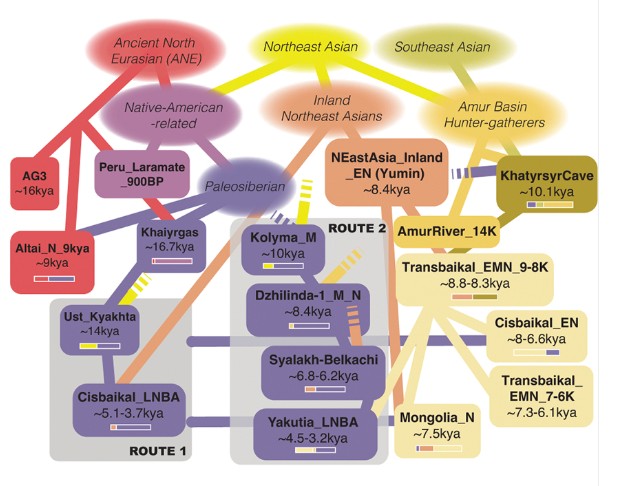
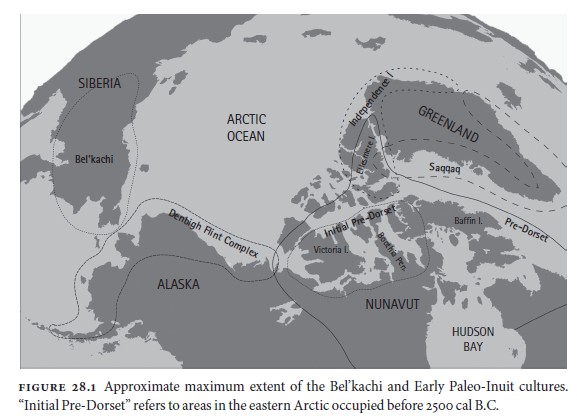
The Belkachi people migrated across the Bering Strait in the early 3rd millennium BC. They expanded across Alaska and the American Arctic. Their descendants reached Greenland towards the end of the millennium, forming the Independence I and Saqqaq cultures. Image
Image
Image
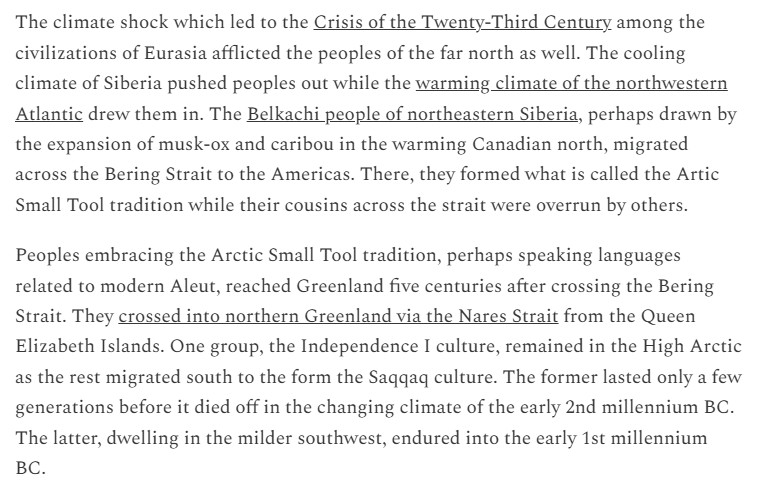
The climate shift which led to the Bronze Age Collapse in Eurasia also afflicted the Arctic, reducing the Saqqaq to a refuge in southwestern Greenland by beginning of the first millennium BC. They were overrun by their Dorset relatives from continent in mid-1st millennium BC. Image
Image
Read 16 tweets
Jan 5
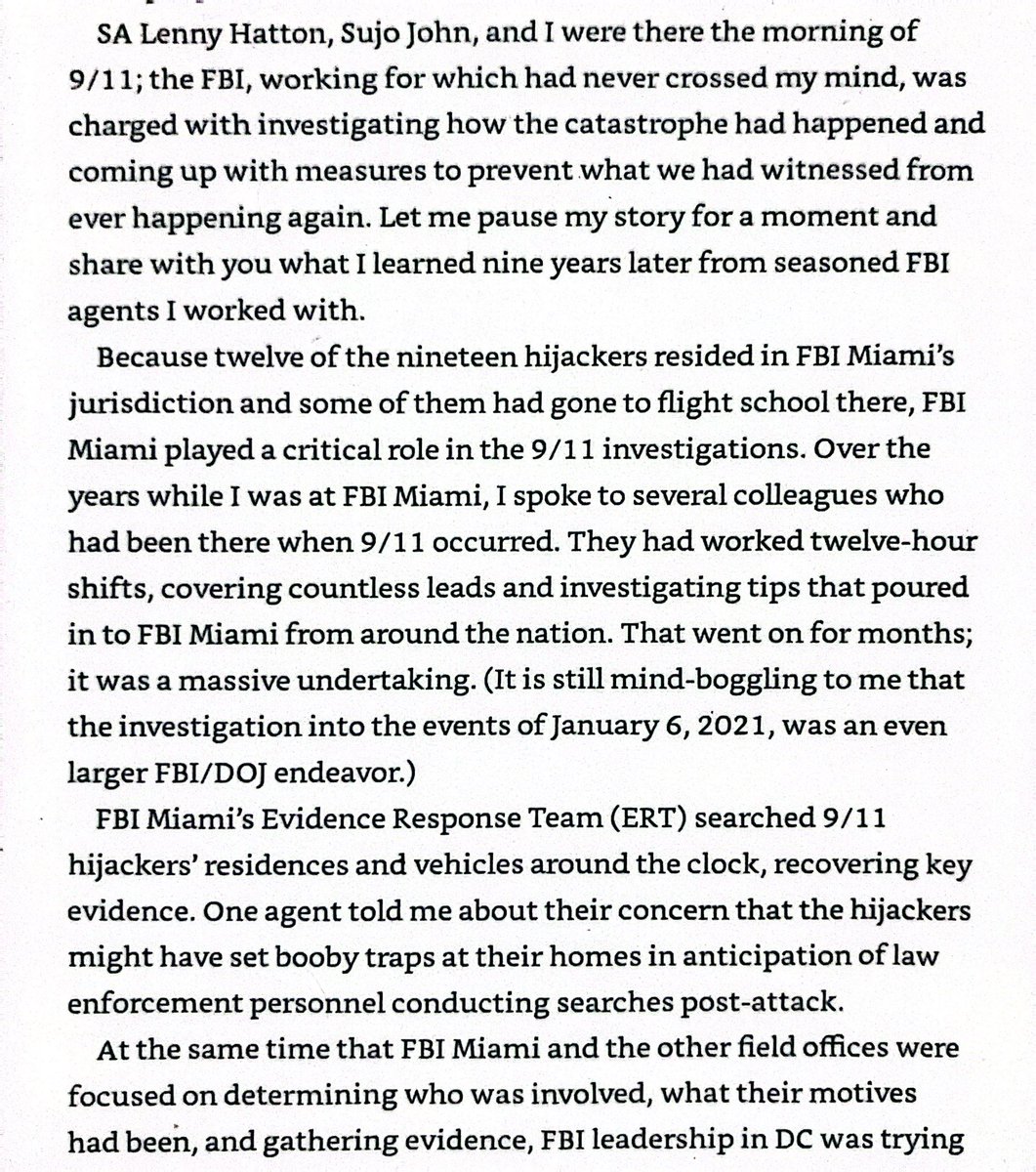
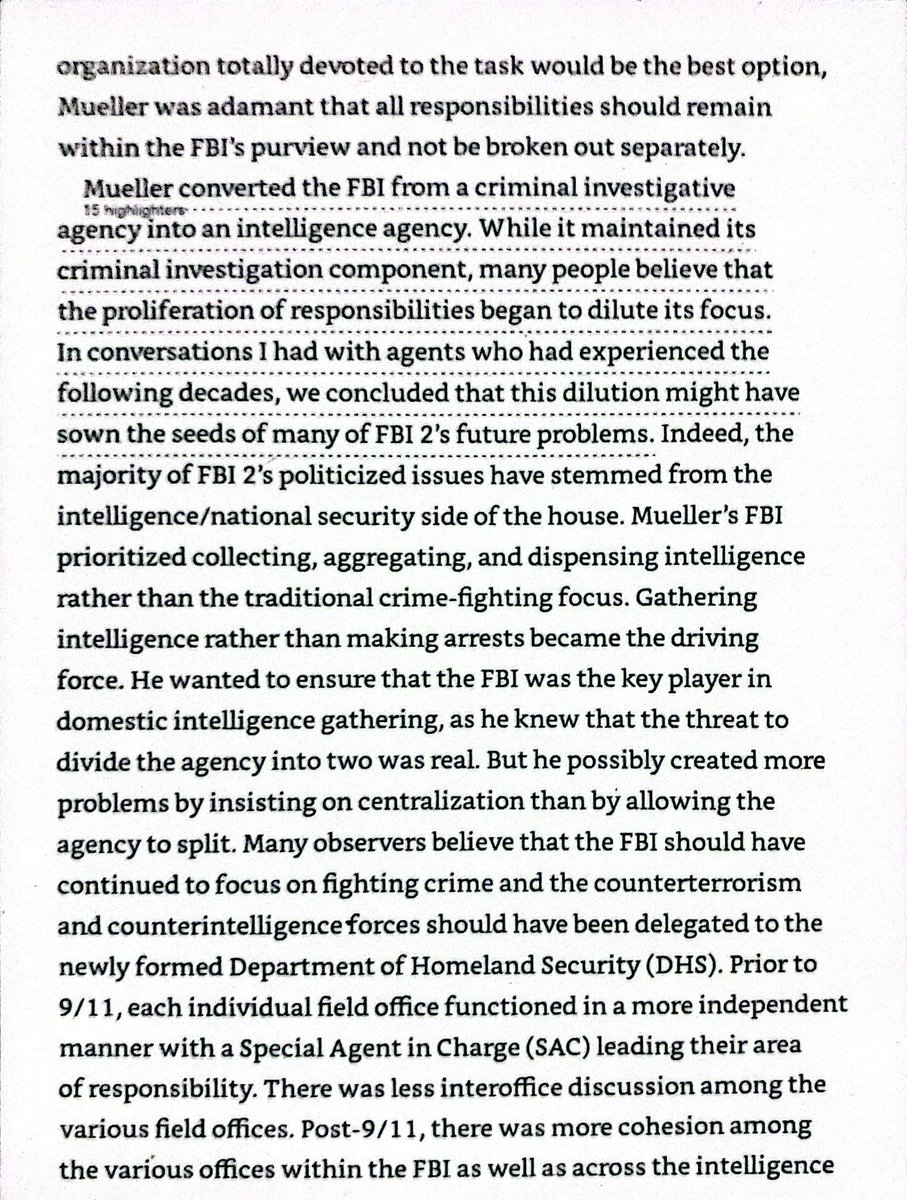
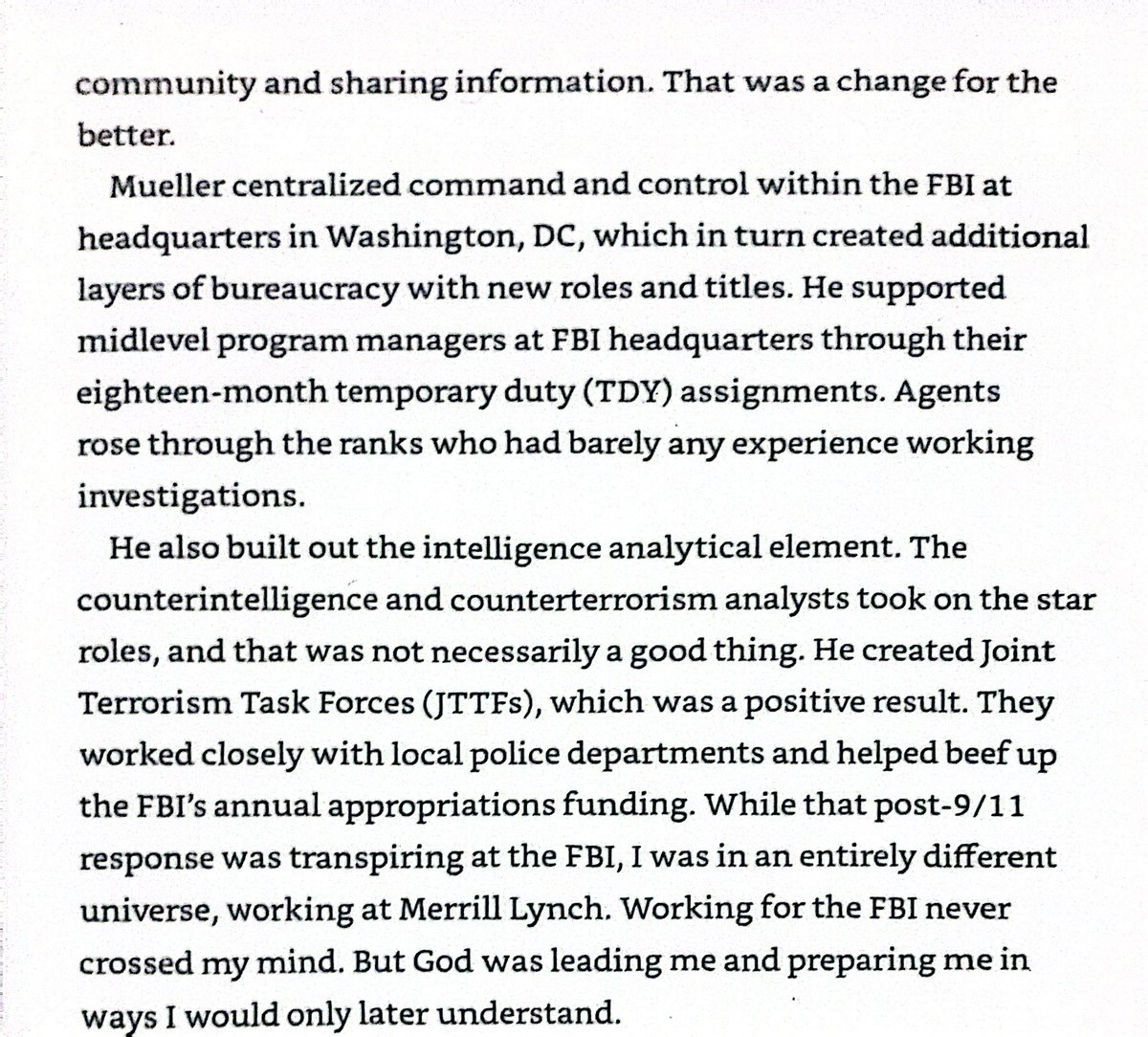
Nicole Parker from FBI's Miami office chalks many of the bureau's problems to its post-9/11 shift under Mueller away from crime fighting & towards intelligence collection. New class of program managers (TDYs) in DC gained power gained authority over regional office bosses (SACs) Image
Image
Image
Image
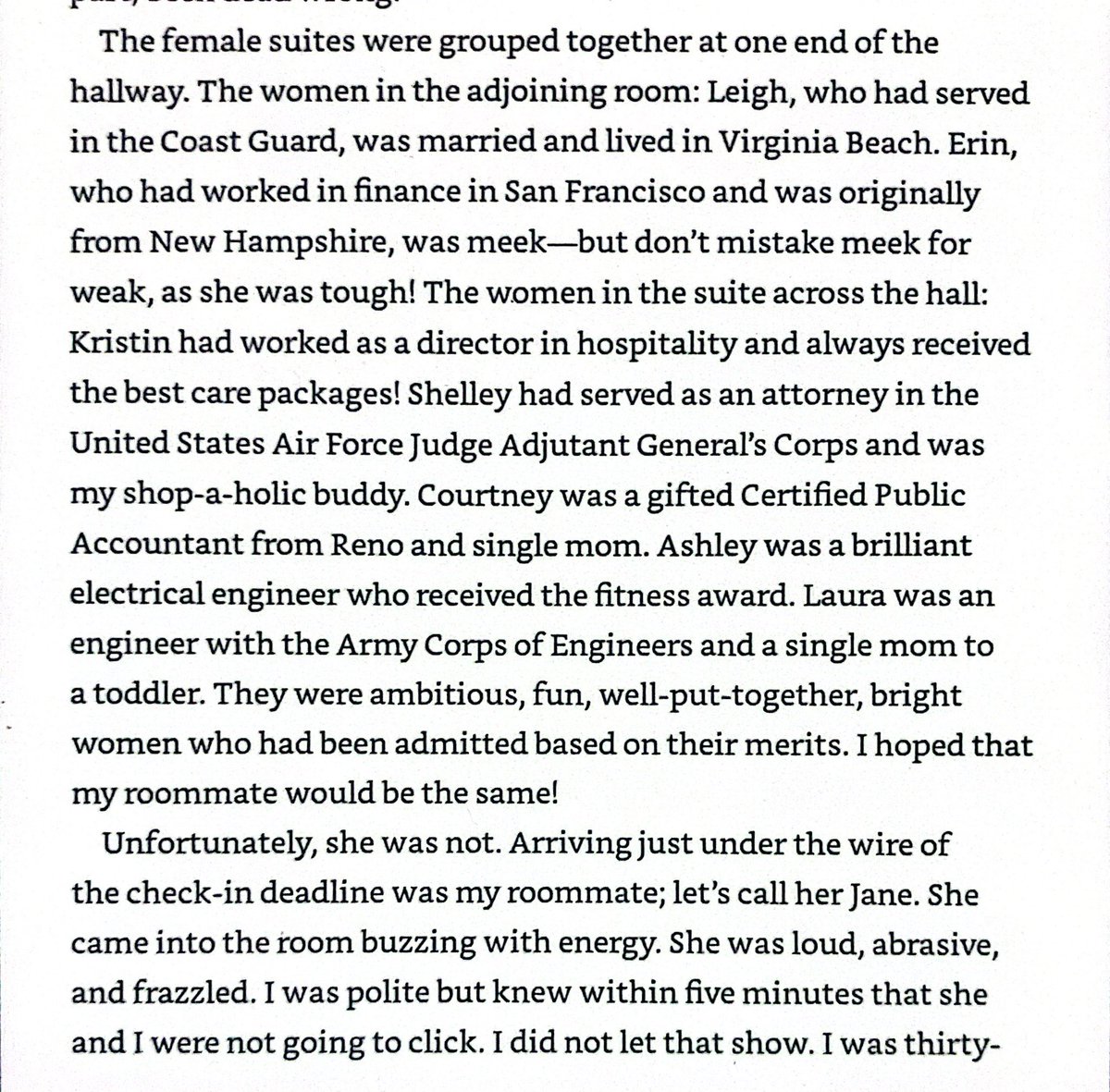
the kinds of women who joined the FBI in 2010, immediately before enactment of Obama's 2011-2 DEI policies: Coast Guardette, two financiers, Air Force lawyer, accountant, hotel directoress, two engineers. Two were single mothers. Image
Image
Image
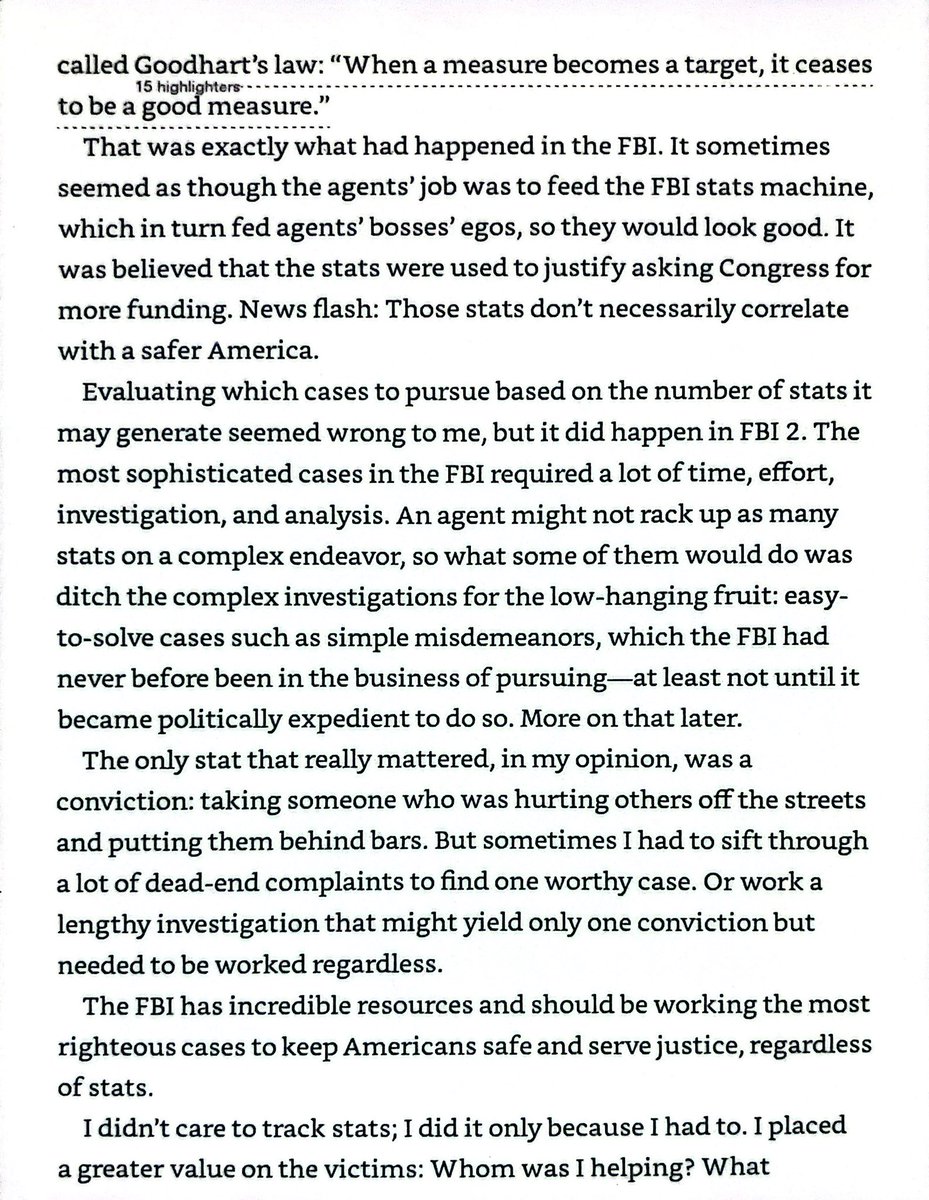
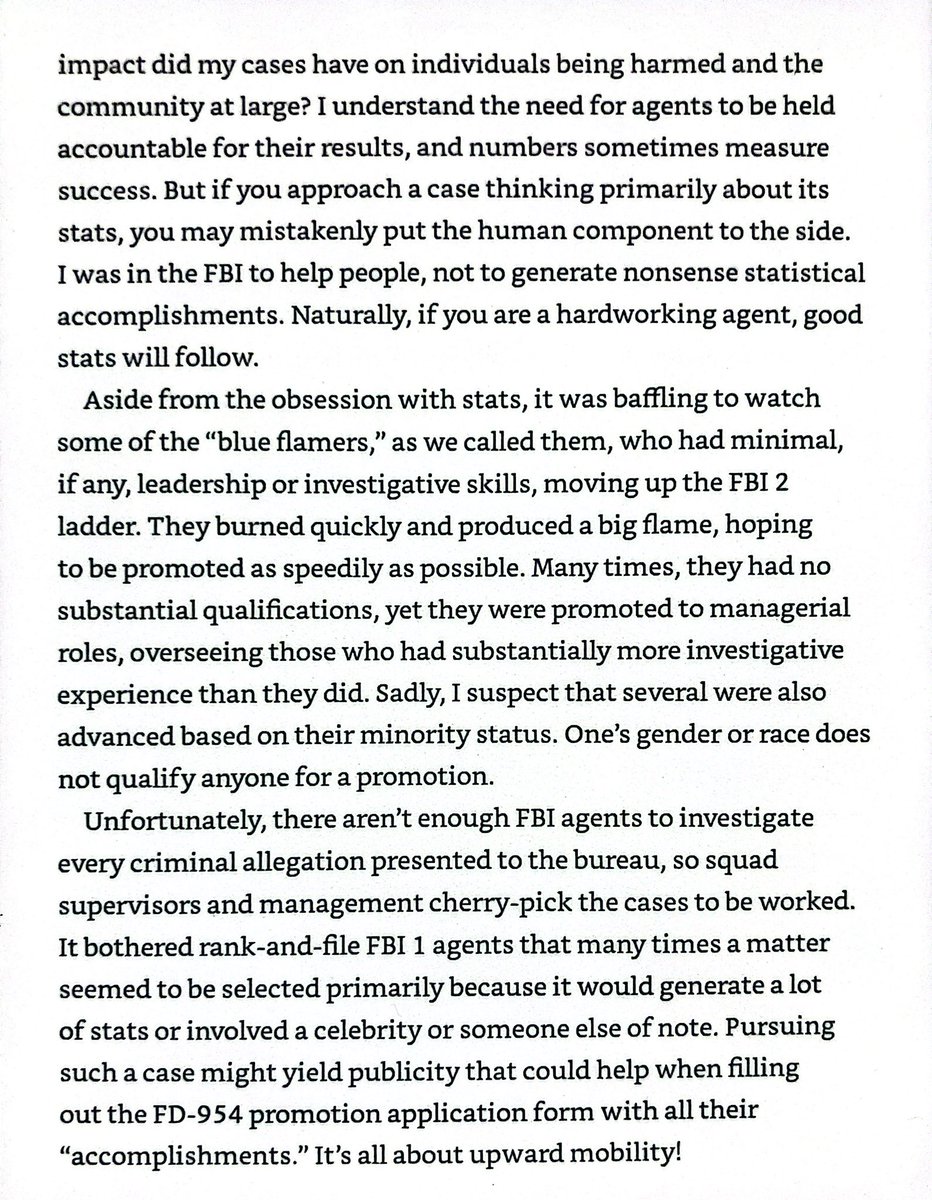
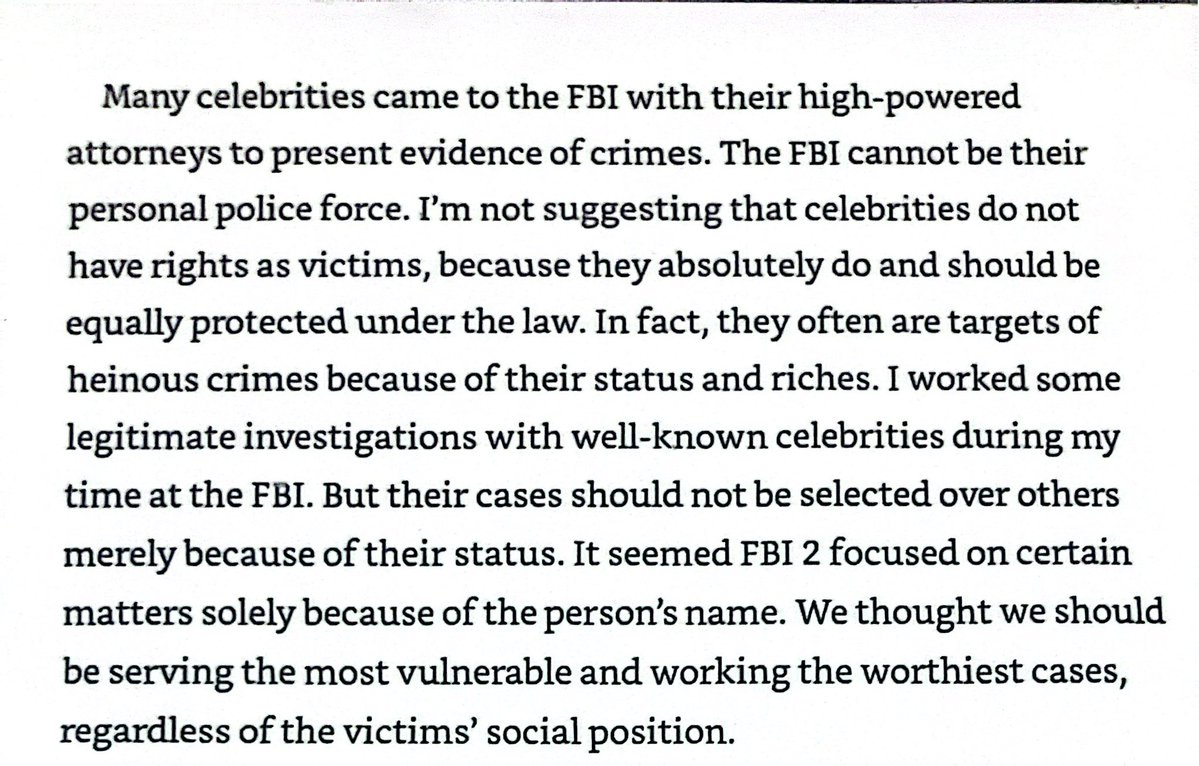
Authoress claims a minority of FBI agents do most work, a phenomenon reinforced by lack of performance pay. 60 statistics were kept for agents, & their nature drove agents to focus on simple crimes & those which afflicted celebrities. Complex financial cases were neglected. Image
Image
Image
Image
Read 17 tweets
Oct 20, 2025
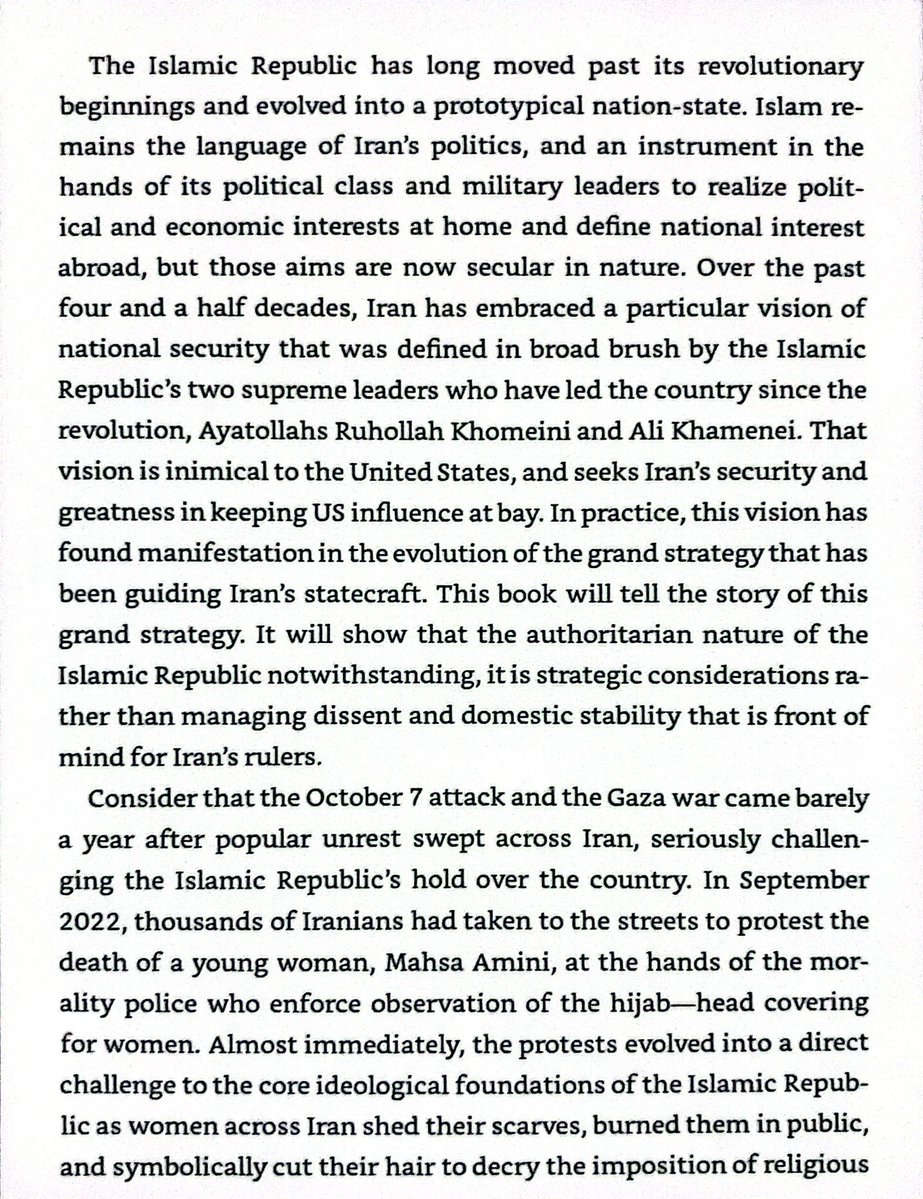
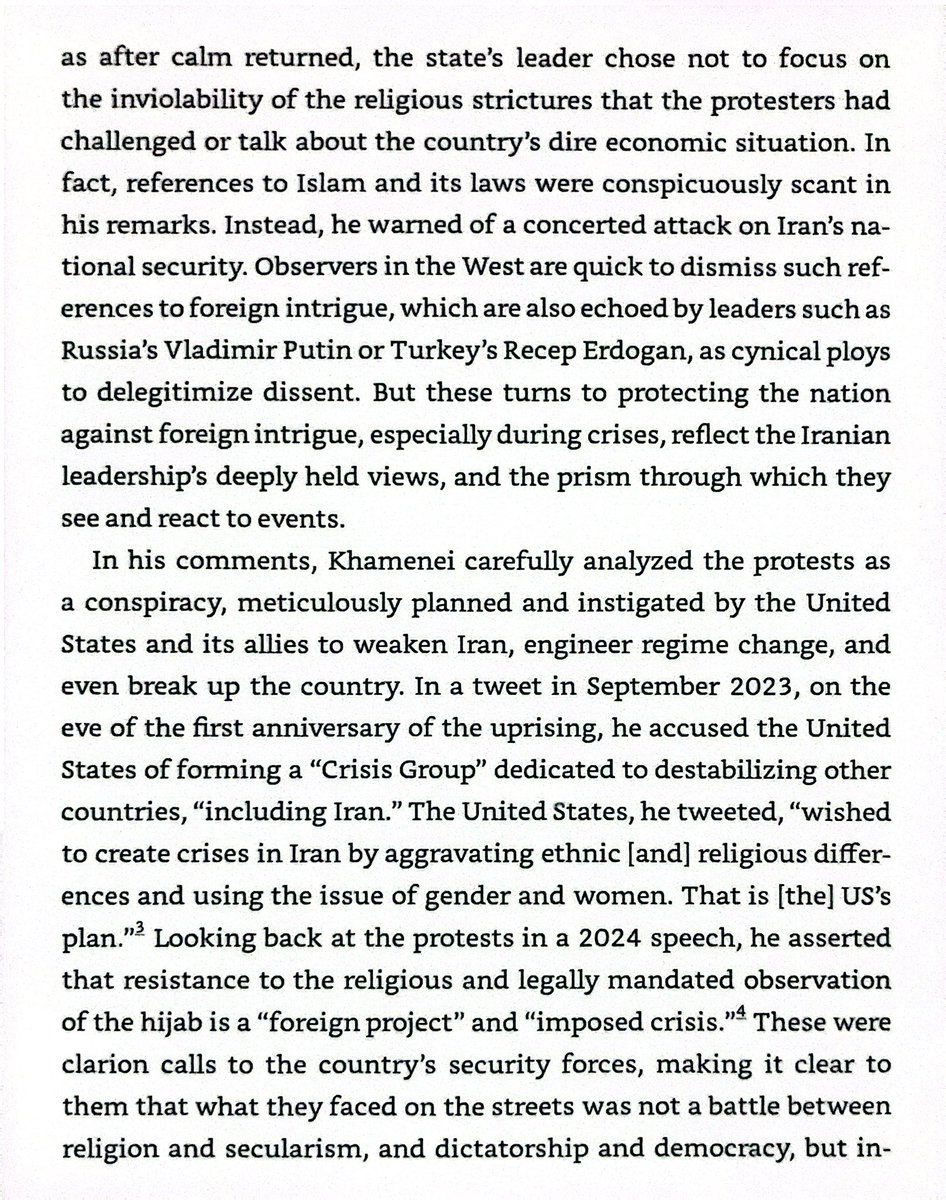
Brzezinski in 1997 on how the most dangerous future scenario for the United States would be one where Iran, Russia, & China coalesce into a counter-hegemonic bloc led by China. Image
Decline of European vitality, de facto status of European states as USian protectorates, lukewarm sentiment for a united Europe, & declining state legislation were all noticeable in 1997. Image
Image
The reluctance of Russians to embrace ethnic nationalism & how the development of such a nationalism would undermine the imperial pretensions of the Russian state. Image
Image
Image
Image
Read 9 tweets
Oct 11, 2025
apparently it was more dangerous to be a polemicist in 1870s Kansas than in the South Image
persecution of innocent poasters by hack judges & sinister feds is sadly an old American tradition Image
a hundred years before the founding of the Cannonball Run, Americans had the New Orleans to Saint Louis steamboat race. The race took a similar amount of time. Image
Image
Read 4 tweets
Mar 18, 2025
Thread with excerpts from "The Other Quiet Revolution: National Identities in English Canada, 1945-71" by Jose Igartua Image
Author argues national identity among English-speaking Canadians died entirely in mid-20th century, and was replaced by a broader civic identity. Nonetheless there is still an English-Canadian nation that can be seen sociologically through shared culture. Image

Image
Image
Image
90% of Canadians read at least one newspaper in 1969, compared to only 68% watching television news. Spread of opinion polling ended up restricting range of public discussion. Image
Image
Read 11 tweets

Did Thread Reader help you today?

Support us! We are indie developers!


This site is made by just two indie developers on a laptop doing marketing, support and development! Read more about the story.

Become a Premium Member ($3/month or $30/year) and get exclusive features!

Become Premium

Don't want to be a Premium member but still want to support us?

Make a small donation by buying us coffee ($5) or help with server cost ($10)

Donate via Paypal

Or Donate anonymously using crypto!

Ethereum

0xfe58350B80634f60Fa6Dc149a72b4DFbc17D341E copy

Bitcoin

3ATGMxNzCUFzxpMCHL5sWSt4DVtS8UqXpi copy

Thank you for your support!

Follow Us!

:(