● #Thread | 𝗧𝗵𝗲 𝗠𝘂$𝗹𝗶𝗺 𝗚𝗿𝗮𝗻𝗱𝗳𝗮𝘁𝗵𝗲𝗿 𝗼𝗳 𝗣𝗮𝗻𝗱𝗶𝘁 𝗡𝗲𝗵𝗿𝘂 ~ 𝗥𝗼𝗼𝘁𝘀 𝗼𝗳 𝗡𝗲𝗵𝗿𝘂 - 𝗚𝗮𝗻𝗱𝗵𝗶 𝗗𝘆𝗻𝗮𝘀𝘁𝘆
▪︎ Ghiyasuddin Ghazi or Gangadhar Nehru ?
▪︎ Mughal Nobleman or Kashmiri Hindu Pandit
👉 Hidden Truth & Facts
Continued [1/N]
▪︎ Ghiyasuddin Ghazi or Gangadhar Nehru ?
▪︎ Mughal Nobleman or Kashmiri Hindu Pandit
👉 Hidden Truth & Facts
Continued [1/N]
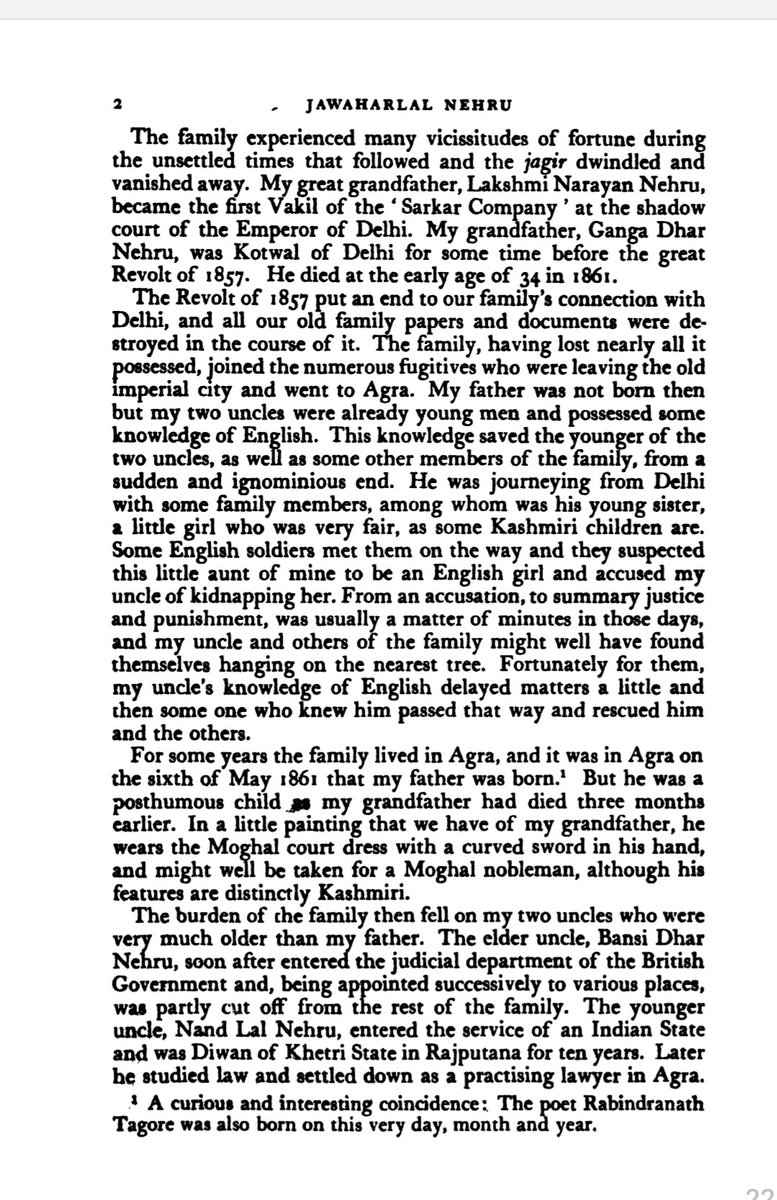
In Book Jawaharlal Nehru a Biography in apag3 No 2, Nehru Writes that His Grandfather is a Kotwal of Delhi some where Around 1857 & He died at age of 34.
Nehru Also States that The Revolt if 1857 Puts and End to His Family connection with Delhi
[2/N]
Nehru Also States that The Revolt if 1857 Puts and End to His Family connection with Delhi
[2/N]
Even Same mention in the records of the Delhi Police about Nehru asper his Own Statement
Further more .. 👇
[3/N]
Further more .. 👇
[3/N]
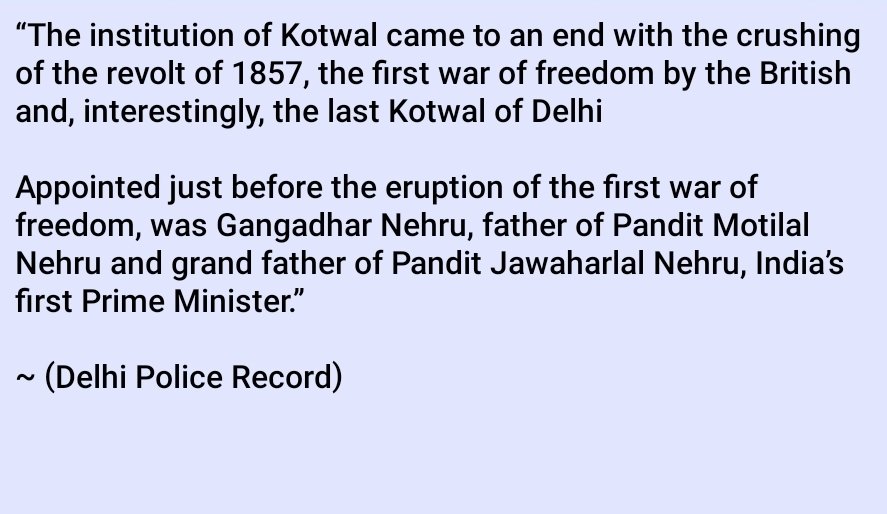
But British records show that in 1857 there were 3 Kotwals –
1st Qazi Fazullah
2nd Moinuddin Hasan Khan
3rd & last Syed Mubarak Shah
Read on 👇
[4/N]
1st Qazi Fazullah
2nd Moinuddin Hasan Khan
3rd & last Syed Mubarak Shah
Read on 👇
[4/N]

Mughal records shows that at the time of 1857 rebellion and before that no Hindu was Kotwal of Delhi
Refer : Mahdi Husain's Bahadur Shah II & The war of 1857 in Delhi 1987 Edition
These 2 Things Cleary Proves that Nehru's Grandfather was Not A Kotwal of Delhi
[5/N]
Refer : Mahdi Husain's Bahadur Shah II & The war of 1857 in Delhi 1987 Edition
These 2 Things Cleary Proves that Nehru's Grandfather was Not A Kotwal of Delhi
[5/N]
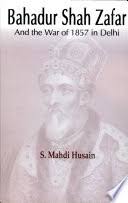
Who is This Mistry Man Gangadhar Nehru ? 😅
In British records that there was one Kotwal & 2 Deputy Kotwals in Delhi
A deputy Kotwal was killed in the British attack, the 2nd deputy Kotwal whose name was Giasuddin ran away. No further information is available about him.
[6/N]
In British records that there was one Kotwal & 2 Deputy Kotwals in Delhi
A deputy Kotwal was killed in the British attack, the 2nd deputy Kotwal whose name was Giasuddin ran away. No further information is available about him.
[6/N]
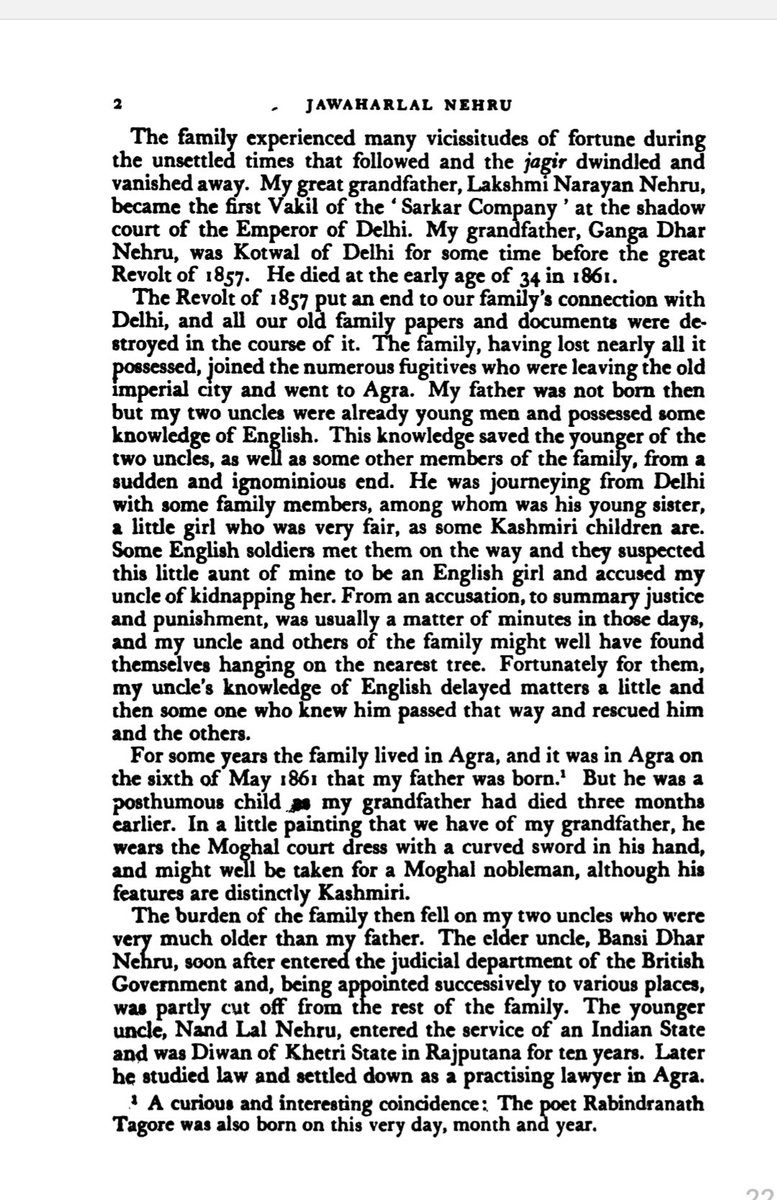
Nehru wrote in his Biography That
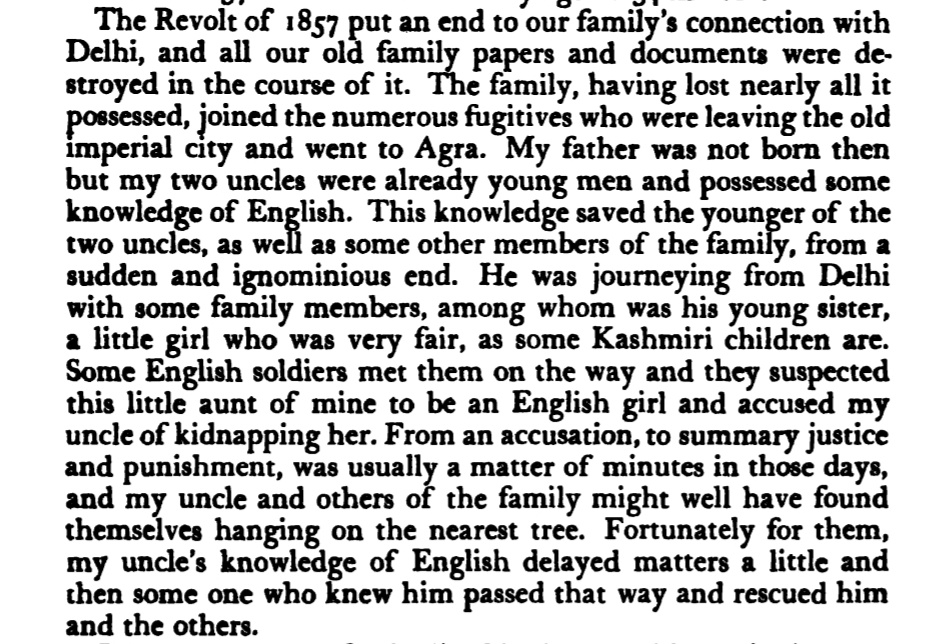
“Revolt of 1857 put an end to our family’s connection with Delhi, family having lost nearly all it possessed, joined the numerous fugitives who were leaving the old imperial city & went to Agra He (Gangadhar) died at age of 34 in 1861” (pg.2)
“Revolt of 1857 put an end to our family’s connection with Delhi, family having lost nearly all it possessed, joined the numerous fugitives who were leaving the old imperial city & went to Agra He (Gangadhar) died at age of 34 in 1861” (pg.2)
The English army, quite unlike the Hindu army, was made of a different material. While Hindus let the defeated enemy go free
English were after each and every Mogul. They were shooting down all Mohammedans for fear of facing another claimant to the Delhi throne.
[8/N]
English were after each and every Mogul. They were shooting down all Mohammedans for fear of facing another claimant to the Delhi throne.
[8/N]
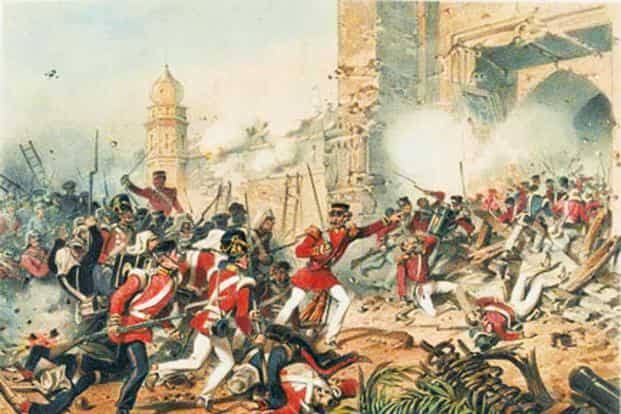
Panic and fear ran like wildfire among the Moguls.
There was nowhere to flee. The city had been surrounded by the 'firangi' forces and their allies, the Sikhs and the Gurkhas. It was then that the wily Mohammedans came up with the brilliant idea of name-changing.
[9/N]
There was nowhere to flee. The city had been surrounded by the 'firangi' forces and their allies, the Sikhs and the Gurkhas. It was then that the wily Mohammedans came up with the brilliant idea of name-changing.
[9/N]
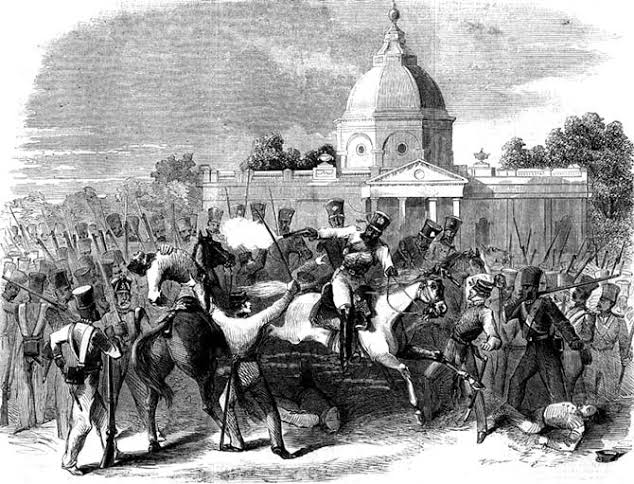
The Ghiyasuddin Sub Kotwal Who Run Away from Fear of British Army became Ganga Dhar to Save His life , almost like Yusuf Khan who had become Dilip Kumar
In the aftermath, Many Mohammedans fled to nearby cities not yet fully under the control of the English. Agra was such a city
In the aftermath, Many Mohammedans fled to nearby cities not yet fully under the control of the English. Agra was such a city
Jawahar's Mogul grandfather Ganga Dhar, with his entire family, left for Agra
Nehru states in his own autobiography [Pg-02] that on their way to Agra,English troops. detained Ganga Dhar's family. Ganga Dhar told them that they were not Mohammedans but Kashmiri Hindus
[11/N]
Nehru states in his own autobiography [Pg-02] that on their way to Agra,English troops. detained Ganga Dhar's family. Ganga Dhar told them that they were not Mohammedans but Kashmiri Hindus
[11/N]
Nehru Writes further in His biography that
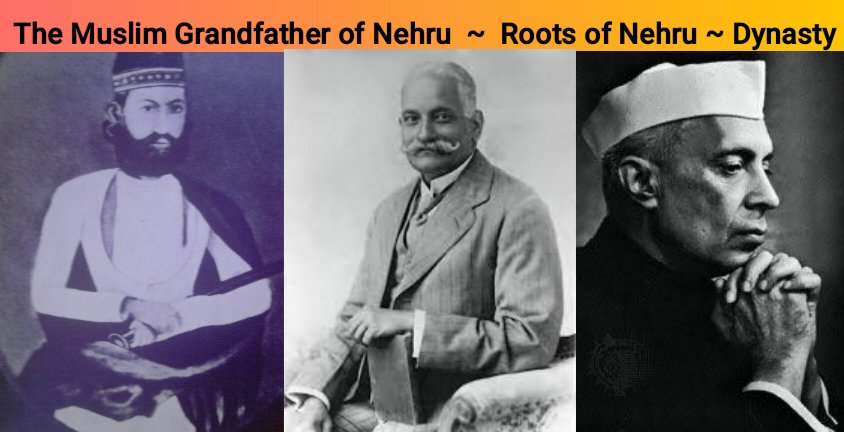
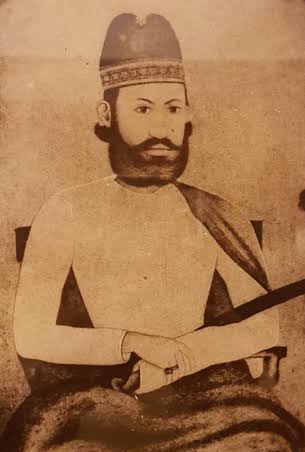
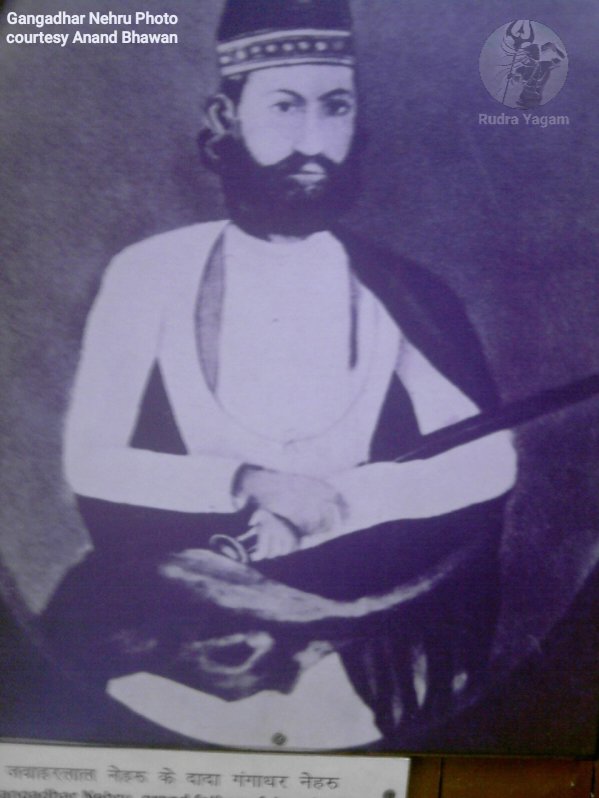
"In a little painting that we have of my grandfather, he wears the Moghal court dress with a curved sword in his hand, and might well be taken for a Moghal nobleman, although his features are distinctly Kashmiri " - Page No -2
[12/N]
"In a little painting that we have of my grandfather, he wears the Moghal court dress with a curved sword in his hand, and might well be taken for a Moghal nobleman, although his features are distinctly Kashmiri " - Page No -2
[12/N]
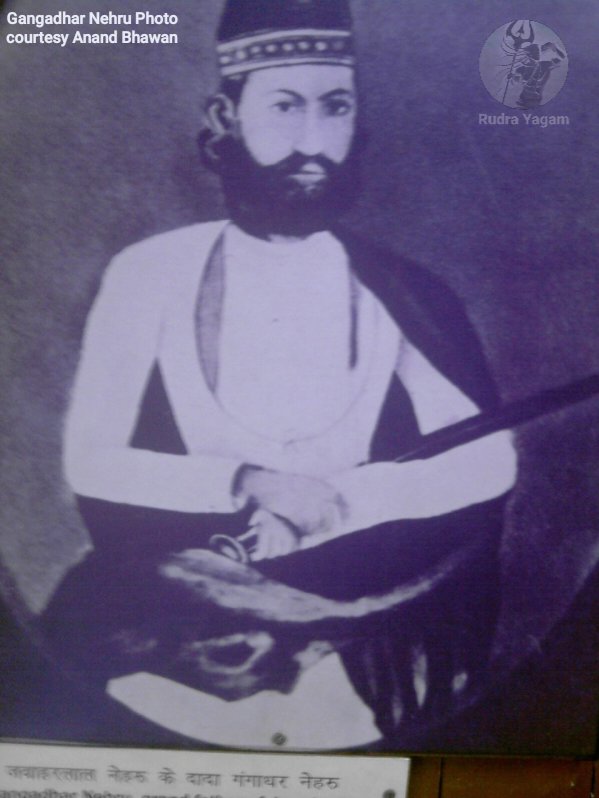
I Think Now Entire Picture is Seems to Be Very Clear .. Isn't it ? 😅
Nehrus Grandfather Gangadhar is Neither a Kotwal Nor a Hindu Kashmiri Pandit.
In Fact Ghiyasuddin Ghazi is An Coward Sub Kotwal Who Run Away from Battle Field Leaving His Duty Incomplete to His Mughal Badshah
Nehrus Grandfather Gangadhar is Neither a Kotwal Nor a Hindu Kashmiri Pandit.
In Fact Ghiyasuddin Ghazi is An Coward Sub Kotwal Who Run Away from Battle Field Leaving His Duty Incomplete to His Mughal Badshah
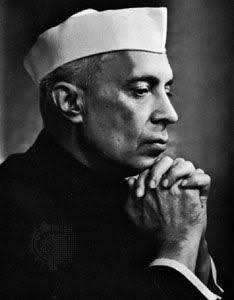
Source :
▪︎Encyclopedia of Indian War of Independence
▪︎ Charles Metcalfe, Two Native Narratives, The Narrative of Mainodin Hasan Khan
▪︎Mahdi Husain's Bahadur Shah II & the war of 1857
Follow & Turn on Notification for Further Parts of This Thread
Har Har Mahadev 🙏 ♥️
▪︎Encyclopedia of Indian War of Independence
▪︎ Charles Metcalfe, Two Native Narratives, The Narrative of Mainodin Hasan Khan
▪︎Mahdi Husain's Bahadur Shah II & the war of 1857
Follow & Turn on Notification for Further Parts of This Thread
Har Har Mahadev 🙏 ♥️
• • •
Missing some Tweet in this thread? You can try to
force a refresh