
The Coming of the Bow
Few things are so closely associated with the pop culture image of "the Indian" as the bow and arrow.
Yet the bow is a relative latecomer to North America.
Few things are so closely associated with the pop culture image of "the Indian" as the bow and arrow.
Yet the bow is a relative latecomer to North America.

In an older article, John Blitz details its origin and spread while making a larger point about how technology disperses across wide areas.


Before we can reckon with its history, we have to familiarize ourselves with what came before: the atlatl, or spear-thrower.
This handheld dart launcher used enough force to punch a hole in Spanish armor. Used rightlt, it was certainly enough to fell a buffalo.
This handheld dart launcher used enough force to punch a hole in Spanish armor. Used rightlt, it was certainly enough to fell a buffalo.

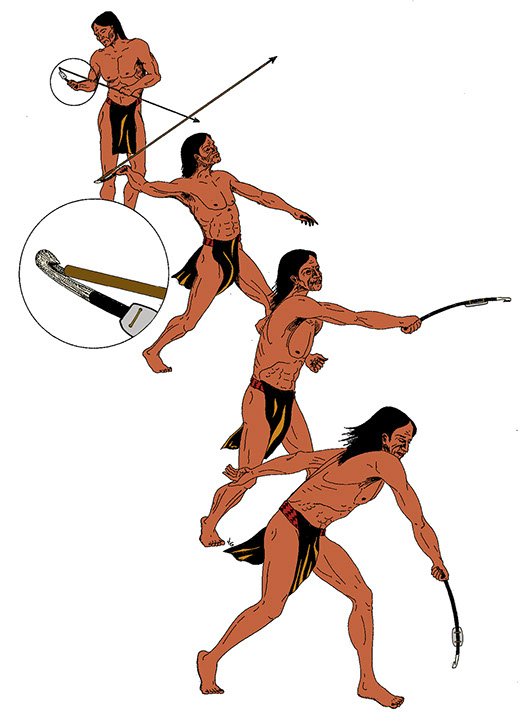
While never totally abandoned, the atlatl was replaced by the bow in many areas.
Studying this is rendered difficult by the fact that atlatl dart points and arrowheads look very similar, and can overlap in size.
Studying this is rendered difficult by the fact that atlatl dart points and arrowheads look very similar, and can overlap in size.
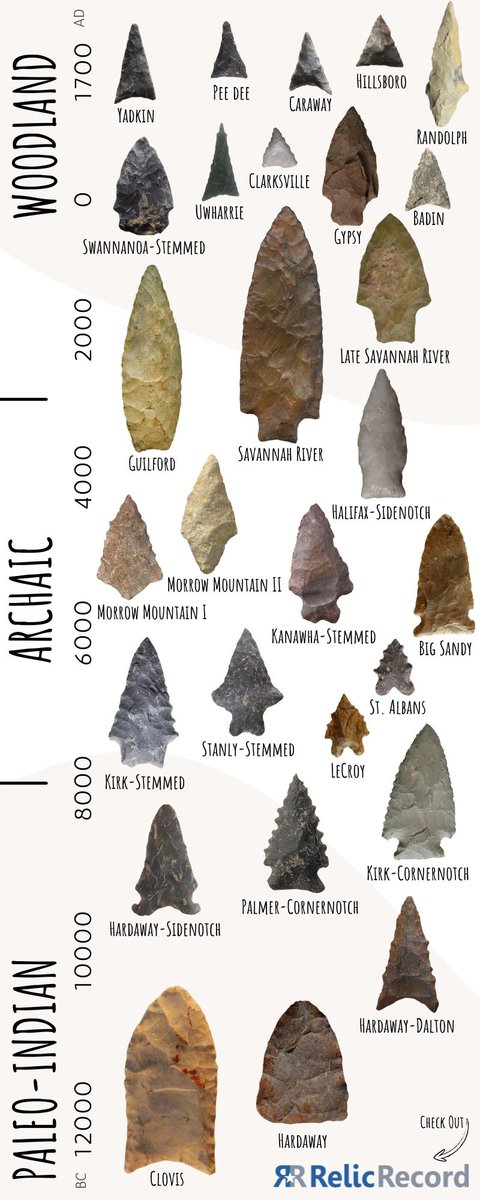
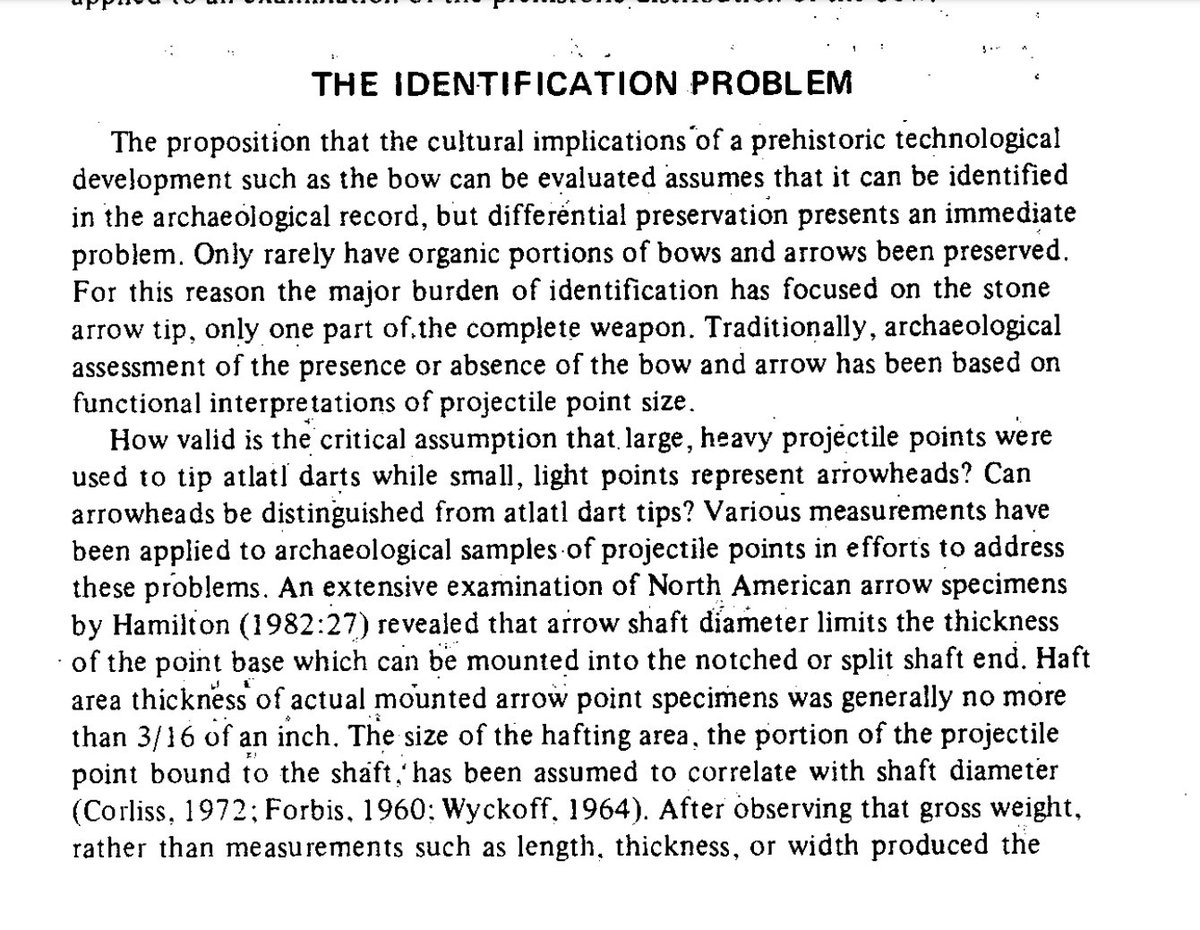

Archeologists have been able to work their way around the problem, however, and the result is that we have identified the bow as appearing in the western Arctic around 3,000 BC.


The bow remained in the Arctic for a long period of time, before seeming to spread south along with our old friends, the Na-Dene speakers. In this case, it seems associated closely with their largest subsection, the Athabascans.


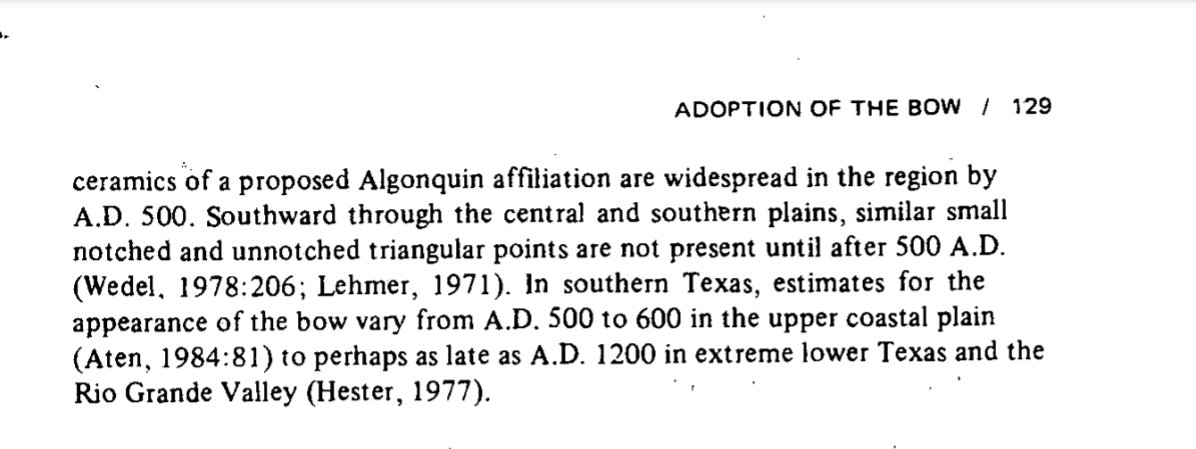
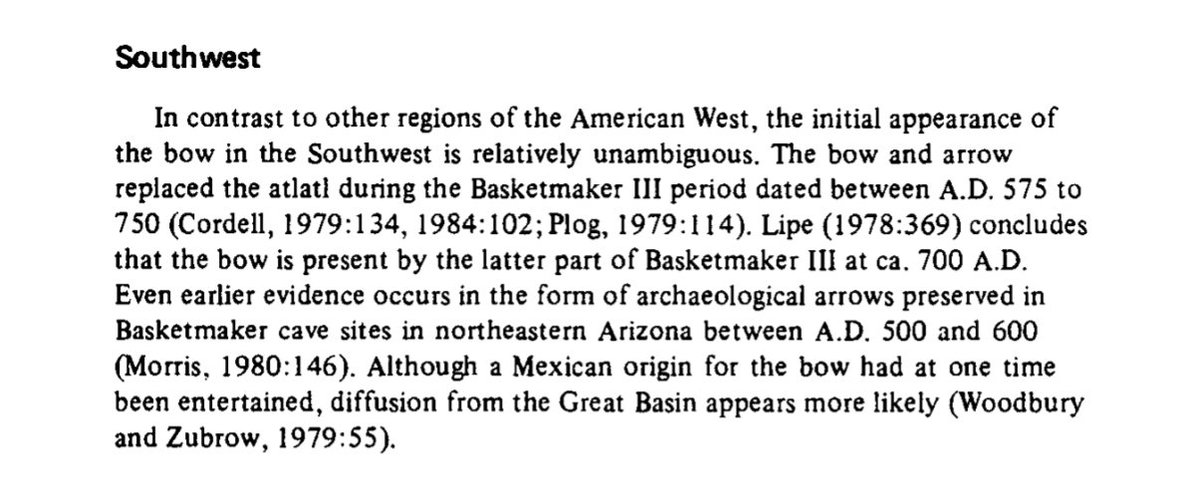
The bow then appears fairly suddenly in the Basketmaker III era of the Ancestral Puebloans in the American Southwest.

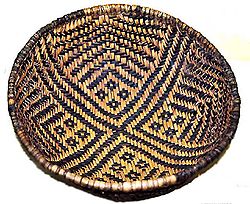
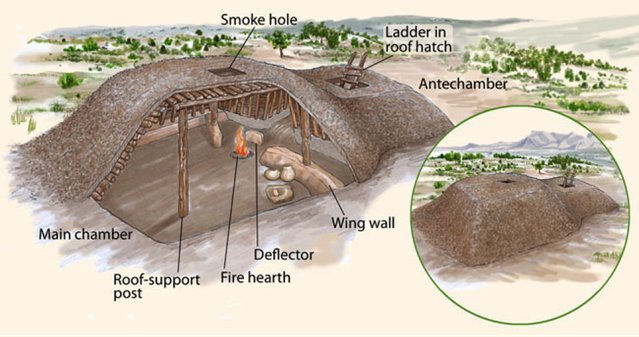
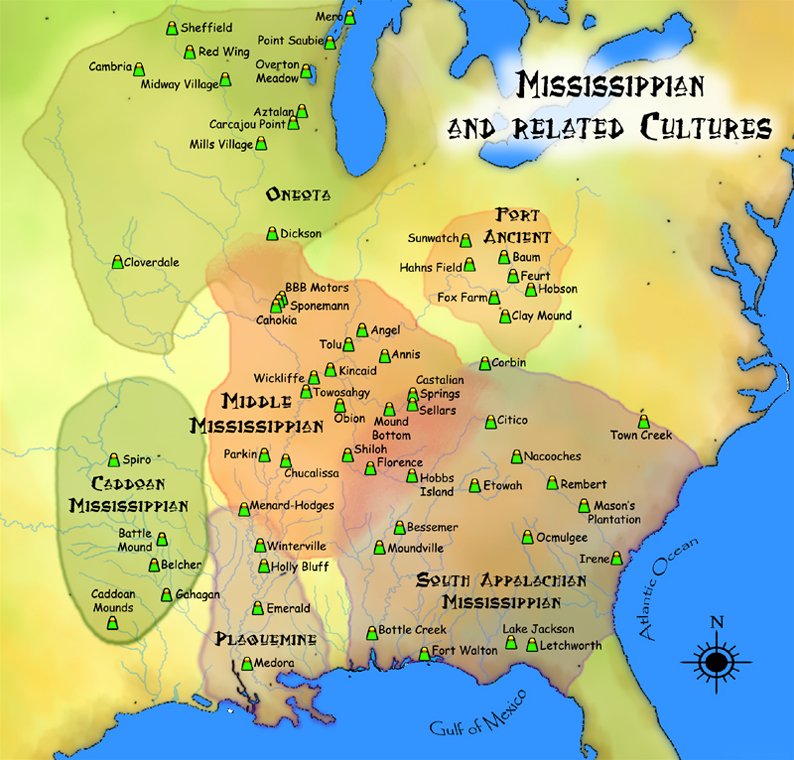
Finally, the bow blitzes across the Eastern Woodlands, just prior to or during the rise of t.he Mississppian complex of cultures
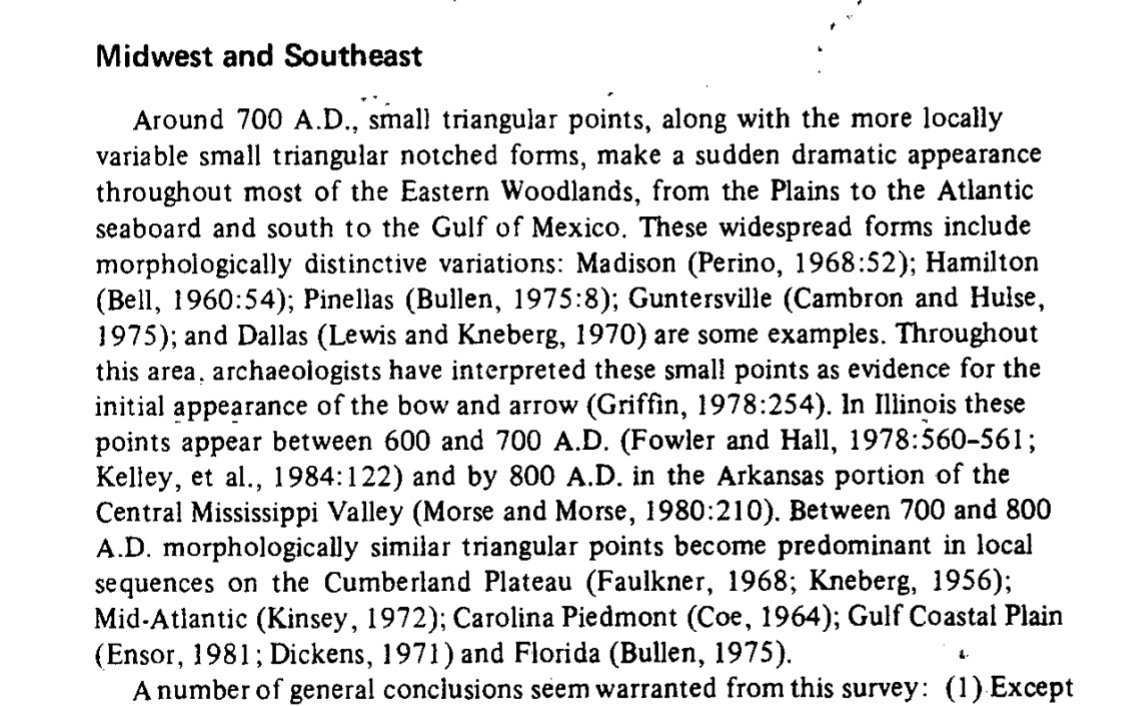
John Blitz notes that the spread of the bow precedes the spread of defensive fortifications in many areas.
It marked a revolution in warfare, a revolution calling for other revolutions.
It marked a revolution in warfare, a revolution calling for other revolutions.


Blitz concludes by emphasizing that the spread of the bow wasn't due to its advantages in hunting, but instead driven by war and in-group rivalry: social factors mattered more than environmental ones.
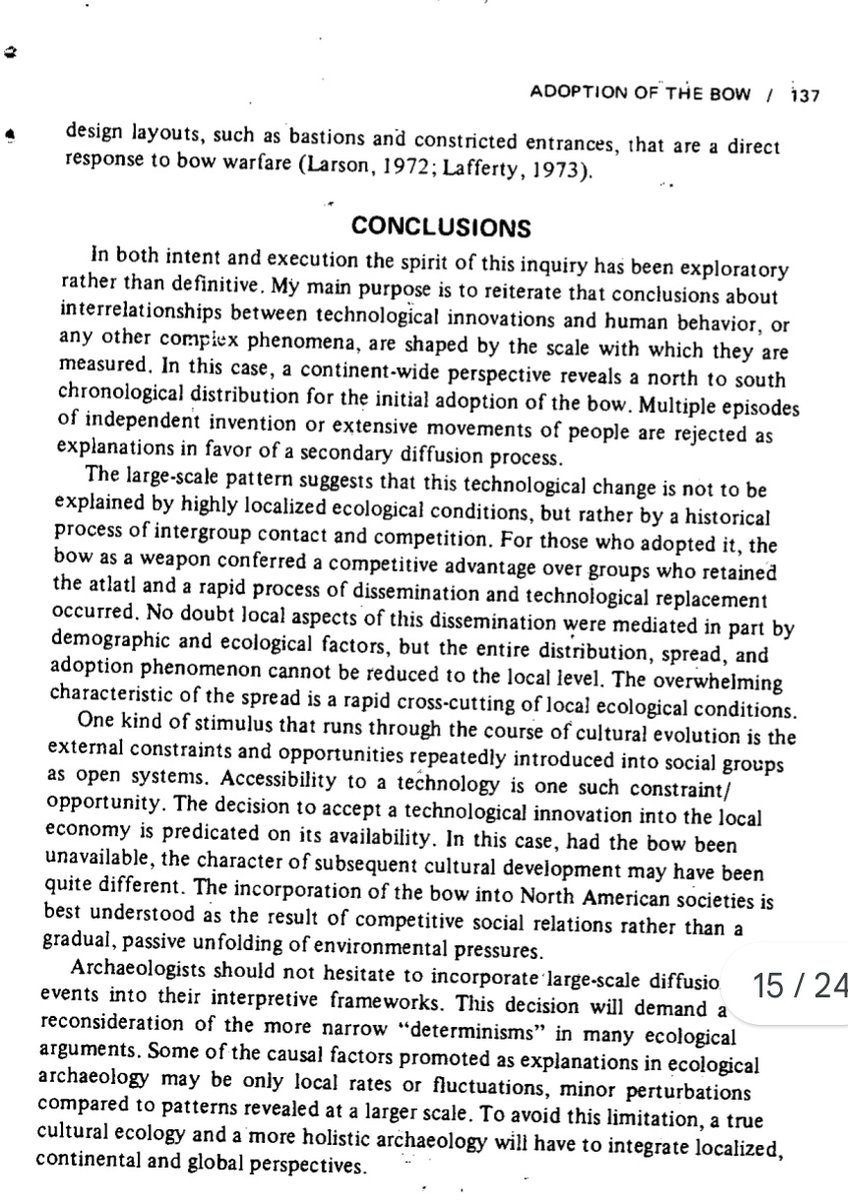
What stands out to me is not only that the bow is basically a Medieval introduction to North America, but that once again the Na-Dene seem to be involved.
We looked at their likely introduction of the Dark Tent Ritual to North America here:
We looked at their likely introduction of the Dark Tent Ritual to North America here:
https://twitter.com/Rad_Sherwoodism/status/1597204648469106689?t=brK0dDr_C28D4pFL11_0Vw&s=19
• • •
Missing some Tweet in this thread? You can try to
force a refresh






