What connects an iconic Indian army battle victory, the famous painter MF Hussain and one of the most iconic slogans ever heard in independent India? Read on to find out (1/10)
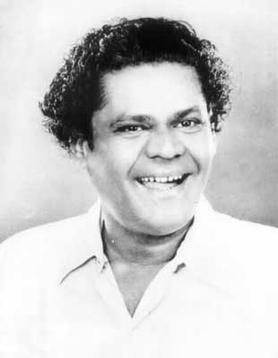
Desmond Hayde was born in the UK but grew up in India. Of Anglo-Indian descent, he was educated first at Asansol and then Bangalore. Commissioned from the Indian Military Academy on September 12, 1948, Hayde was placed in the Jat regiment (2/10)
Interestingly, while Hayde spoke Hindi with a thick accent, his Haryanvi was said to be fluent and perfect. It endeared him to the men of his regiment. Their time of glory would arrive in 1965 during the India-Pakistan war (3/10)
In early September, 1965, Lt. Col. Hayde with his 3 Jat regiment was ordered to breach the western bank of the Ichogil canal inside Pakistani territory and occupy the town of Dograi. On the intervening night of 6-7 September, 3 Jat achieved their objective (4/10)
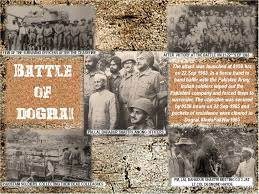
Unfortunately, the regiment had to pull their reins as their supply lines were strafed by PAF fighter jets. The unit was not replenished with ammunition and supplies and was forced to camp inside enemy territory for nearly 2 weeks, awaiting further orders (5/10)
During this delay, the town of Dograi was turned into a fortress by the Pakistani army. The order to attack finally came on September 20. Hayde’s single battalion was faced by a two-battalion strong opposing force, further aided by a tank detachment (6/10)
But the Jat battalion, inspired by their CO, fought ferociously and after 27 hours of relentless battle, took possession of Dograi, at the cost of losing nearly hundred of their own (7/10)
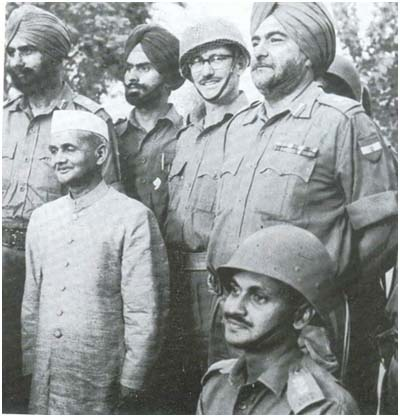
Lt. Col. Hayde’s battle cry “Zinda ya murda, Dograi mein milna hai!” lives on in the history of the Jat regiment. On October 29, PM Lal Bahadur Shastri, while addressing Lt. Col. Hayde’s men uttered his iconic slogan of “JAI JAWAAN JAI KISAAN.” (8/10)
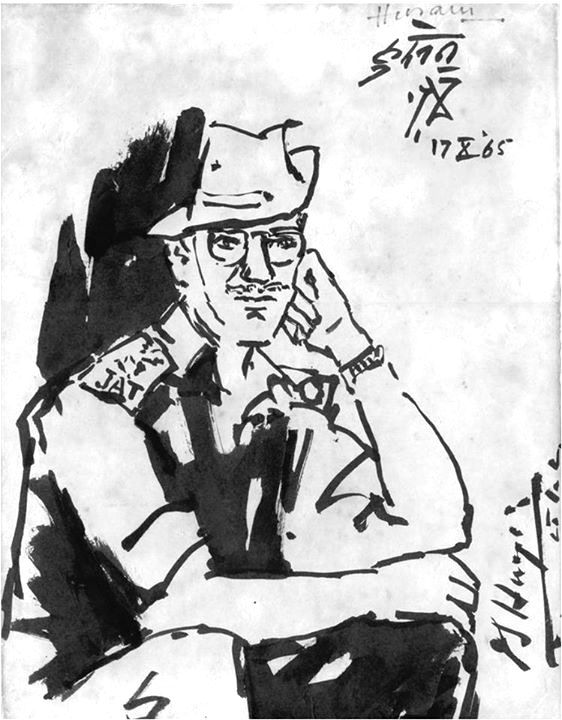
Lt. Col. Hayde is believed to be the only Indian soldier to be painted by painter MF Hussain. Lt. Col. Hayde was awarded a Mahavir Chakra for his gallantry and would eventually retire from the Indian Army as a Brigadier (9/10)
He settled down in Kotdwar, Uttarakhand where a school, built on land donated by Hayde carries his name proudly to this day. Desmond Hayde passed away in 2013 from skin cancer (10/10)
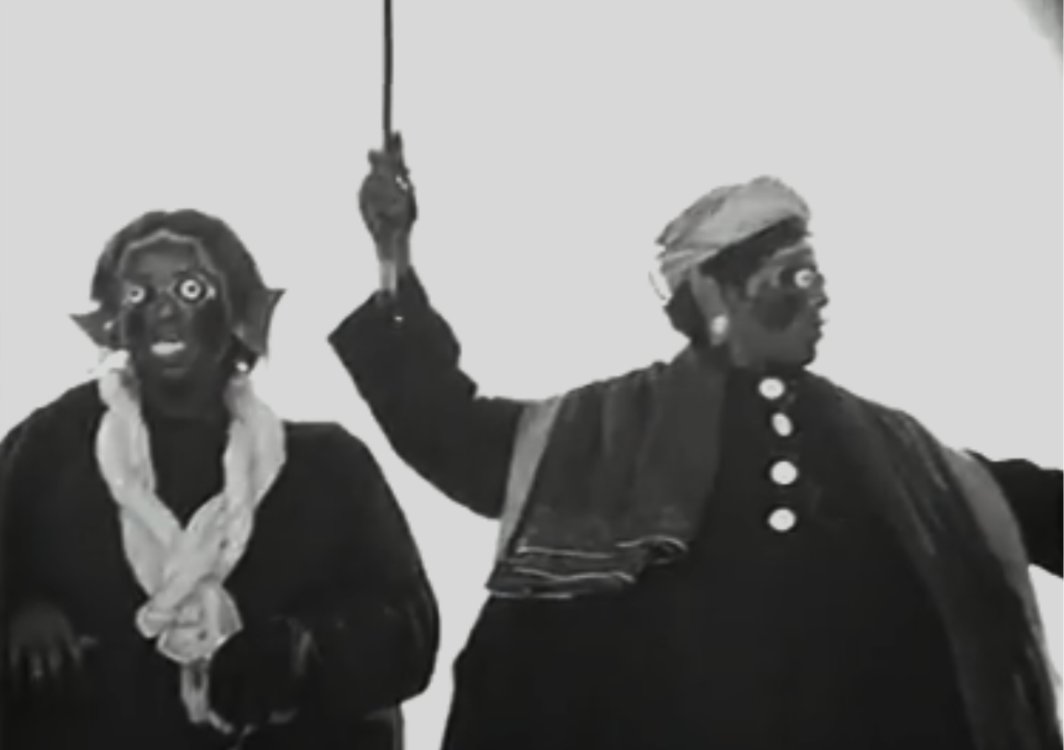
Satyajit Ray has suddenly become the target of some petty mudslinging on social media. But maybe that’s a good excuse to revisit that six-minute ghost dance masterpiece. It’s the kind of work that can still school anyone in what peak detailing really looks like. Thread. 1/24
While many of us who are privileged live within a bubble of entitlement, convinced that social or caste-based discrimination is non-existent, "Goopy Gyne Bagha Byne" had something to say that you may have completely missed. 2/24
The six-and-a-half-minute-long psychedelic ghost dance sequence from Satyajit Ray's timeless masterpiece, serves as a subtle yet profound social commentary. Through an eclectic display of visual choreography, it offers a raw reminder of our deeply ingrained feudal system. 3/24
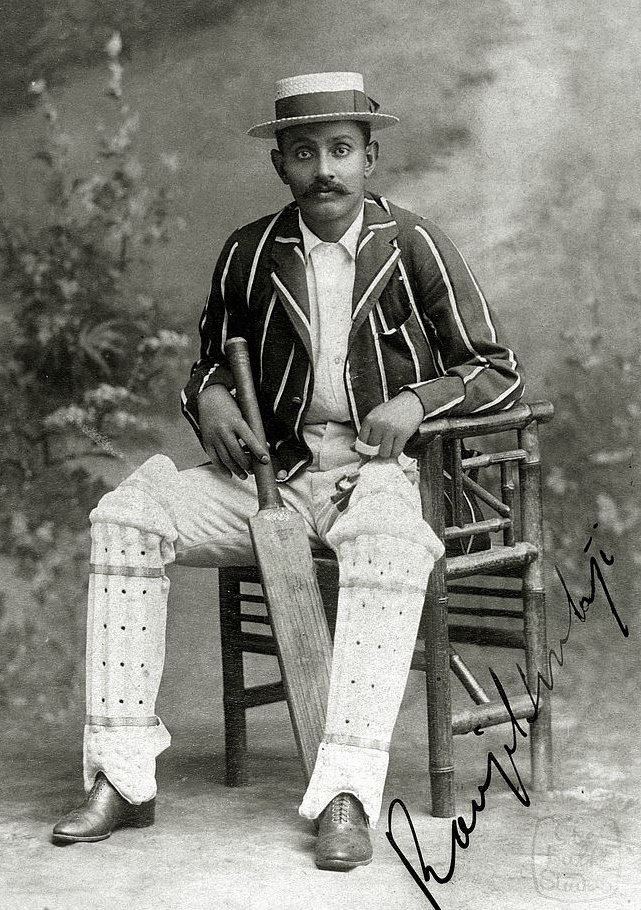
Later today, the Indian Cricket Team is set to face New Zealand at the Narendra Modi Stadium, Ahmedabad for the T20 world champion crown. But do you know that India's first tryst with cricket began in Gujarat – a little over 300-years ago?
1/19
By the mid-18th century, the Mughal Empire was on the decline and European powers were increasingly making their presence felt on the subcontinent. Although late to the party, the British were gradually stepping up their trading activities.
2/19
The Gujarat coast was a hub of maritime trade and one of the busy ports was Khambat – back then known as Cambay. Globally well known for its classical agate industry, Cambay cloth, ivory, golf and lacquer works, one fine day in 1721, Cambay was witness to a strange scene.
In 1905, a young woman in Kerala was dragged into a trial for adultery. The system was built to break her. Instead, she brought the system down with her. It became, and remains, one of the most extraordinary episodes in Kerala’s social history.
Thread. 1/21
The story unfolded in the princely state of Kochi, within the tightly guarded households of the Namboodiri Brahmin community. At its center was Kuriyedathu Thatri, a young woman whose life and public trial laid bare the double standards of her society. 2/21
To understand what happened, one must first understand the social world Thatri was born into. In early 20th-century Kerala, upper-caste Namboodiri Brahmins lived under rigid patriarchy. Women were confined indoors, their lives dictated by strict codes of conduct. 3/21
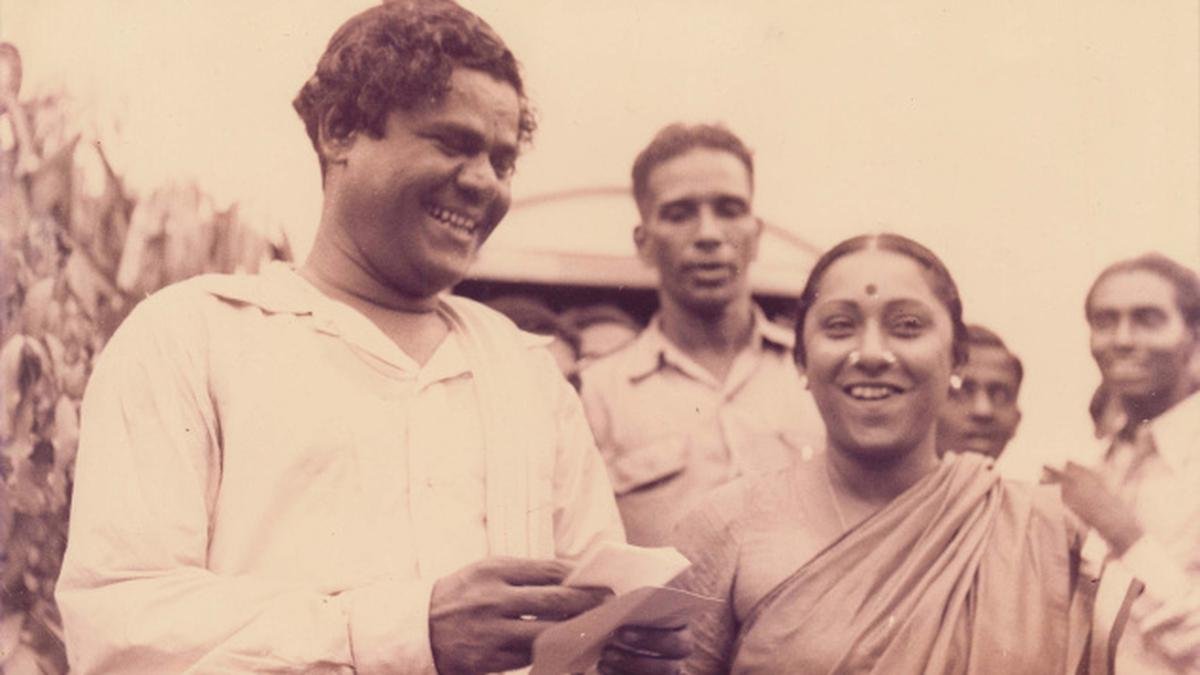
1944. On a quiet night in the then State of Madras, a man was stabbed and left bleeding on the streets. He was a tabloid editor. The suspicion had turned toward a beloved comedian widely known as the Charlie Chaplin of the South.
1/22
So who was this Charlie Chaplin of the South? He was N.S. Krishnan also called Kalaivanar- “the devotee of the arts” An actor and comedian who rose during the formative decades of Tamil cinema in the 1940s and 1950s.
2/22
Like Chaplin, he came from a humble background, had little formal education, and turned to stage plays early in life. He set the screen on fire with satire that made audiences laugh, and think. But he was not alone. Beside him stood his wife.
3/22
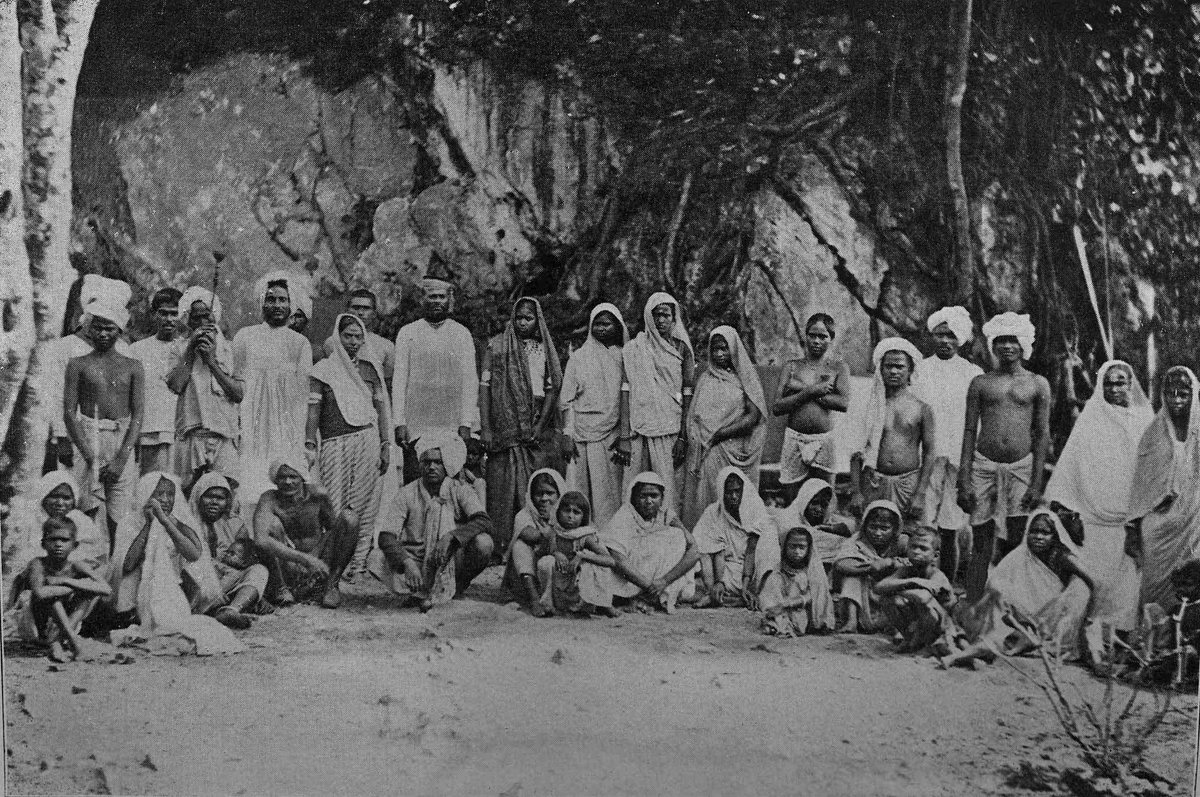
Did you know Indians born in Suriname were once considered Dutch citizens? And while that might sound strange, all of this connects back to Lord Ram and the settlements of Chinsurah and Baranagar on the banks of the Hooghly. Do read on. 1/24
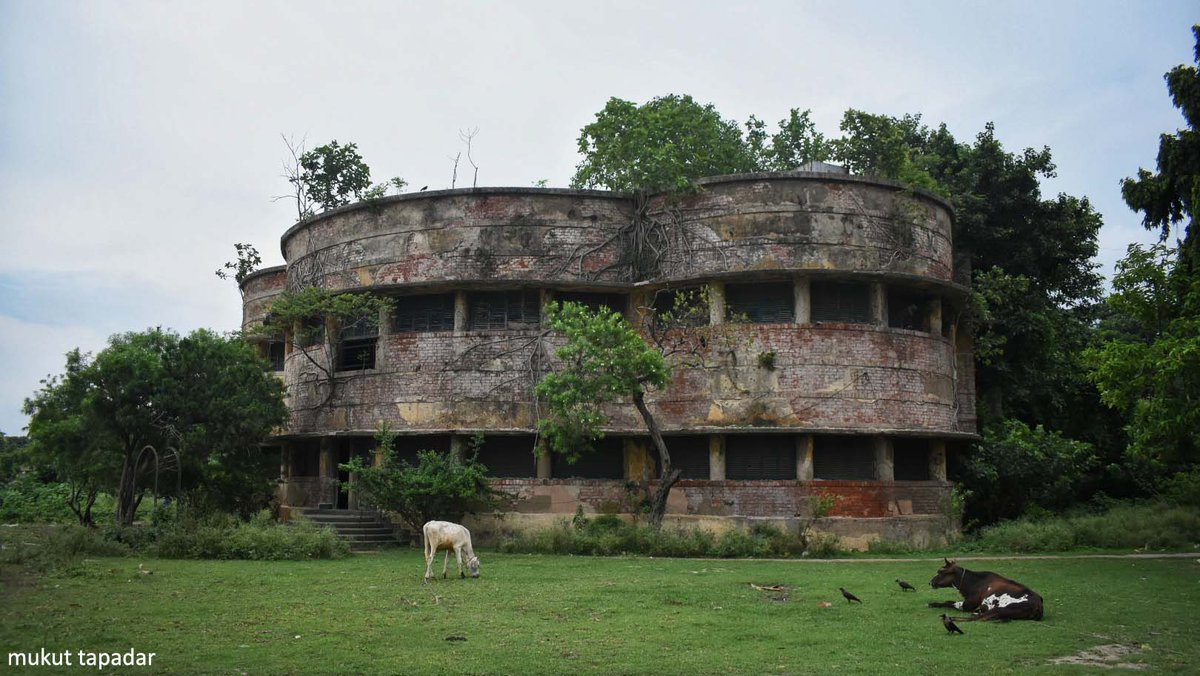
Moving through the streets of Baranagar in North Kolkata can be challenging at times. Rickshaws, autos, trucks, and even the odd stray cattle all vie for a place. It does not just bustle with activity; it practically lives and breathes it. 2/24
But as you move through the intricate, narrow lanes, you will find old houses, broken and scarred, called Kuthis. Now these kuthis once housed Sahebs, mostly Britishers, but for a time they also housed people from the land of the Oranje, the Dutch. 3/24
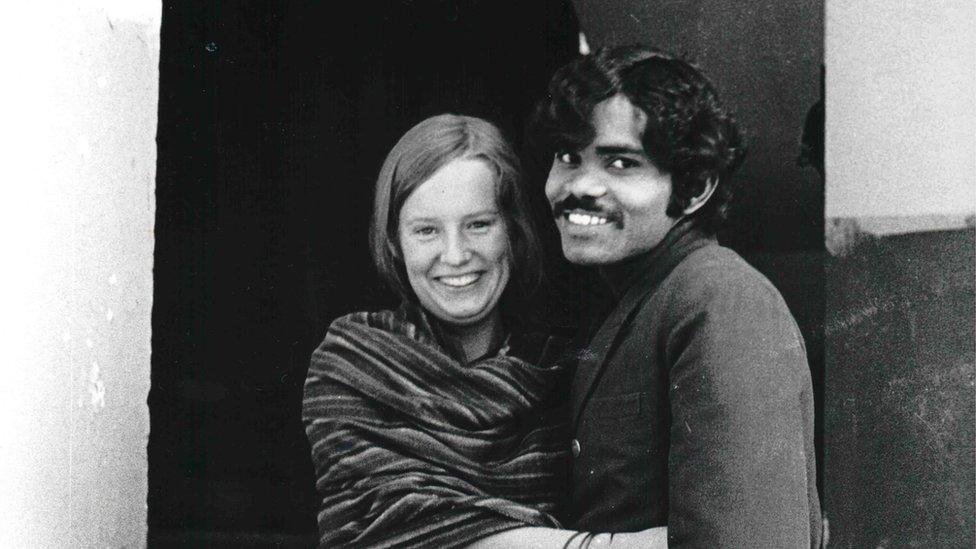
In 1977, an Indian art student set out on a bicycle for Sweden, covering more than 11,000 kilometers because he could not afford an airfare to be with the love of his life. An incredible story worth remembering a thousand times. Read on. 1/18
The facts of the journey are striking enough. But to understand why it happened, it is necessary to return to a village in Odisha where Pradyumna Kumar Mahanandia was born into the Kandha tribal community n 1949, historically among India’s most marginalized groups. 2/18
He grew up in poverty, in a house without electricity, and displayed an early aptitude for drawing. In interviews over the years, he has spoken candidly about the discrimination he faced as a child. It was too real to forget. 3/18