Tom Wolfe had some interesting observations on the ethnic, cultural, and religious roots of America’s revolution in computer and aerospace technology - How the innovators had deep roots not in the Ivy League, or MIT, but the “boondocks” of the heartland.
🧵
1/10
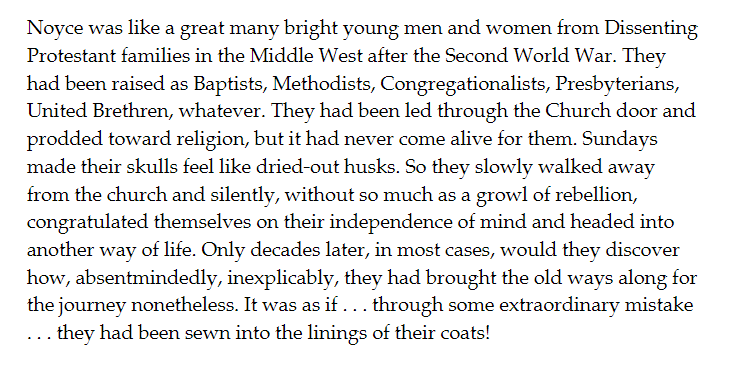
Wolfe finds roots for the tech revolution in Dissenting Protestant culture in the unlikely location of Grinnell, Iowa, where the of a son of a Congregational minister - Robert Noyce, inventor of the first practical microchip and co-founder of Intel - studied engineering.
2/10
In contrast to the heartland, engineering was out-of-fashion with the east coast establishment. At MIT for his graduate work, Noyce discovered that no one at this renowned institution seemed interested in the transistor.
3/10
Noyce was not atypical - Most of the major Silicon Valley figures “had grown up and gone to college in small towns in the Middle West and the West.” In the midst of 1960s anarchy, the real revolutionaries were squares from Iowa with Dissenting Protestant roots.
4/10
Silicon Valley - like the Apollo program moon landing - was “the triumph of the squares” – Engineers from the boondocks provided the innovation and passion. The one expert from back east who was called-in at Apollo - Jerome Wiesner of MIT – was ready to throw in the towel.
5/10
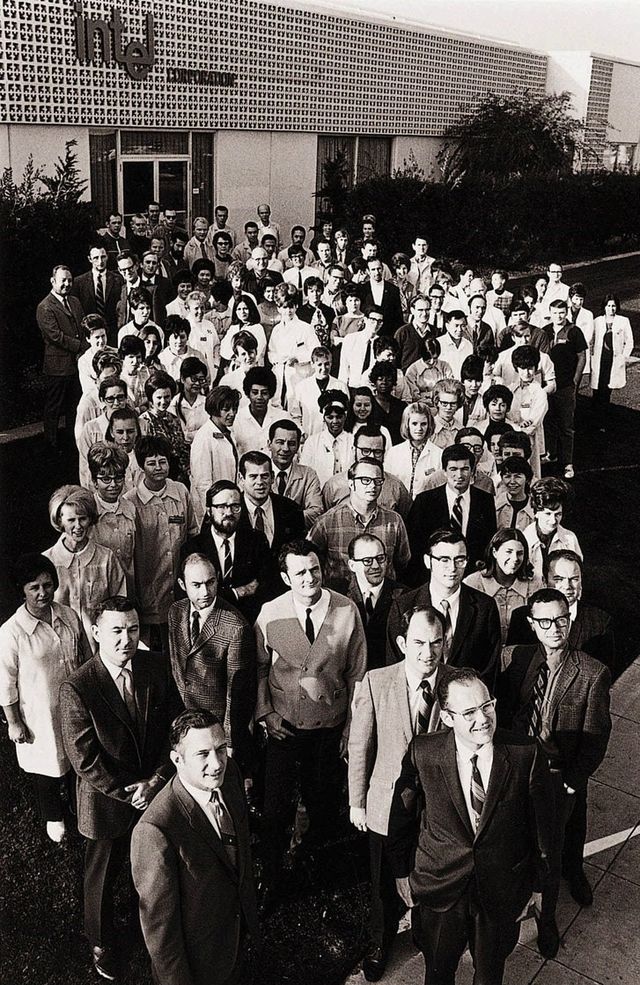
At the dawn of this California tech-boom with heartland roots, the tedious assembly line work was almost invariably being performed by women - *American women* – For the “Jobs Americans Won’t Do” lie had yet to enter the national discourse.
6/10
Some current year observers may be astonished that early Silicon Valley was able to innovate and succeed without H1B visas or DEI departments. But diversity-enthusiasts can take comfort that at least the space program relied heavily on a handful of highly skilled immigrants.
7/10
The other founding father of Silicon Valley profiled in Wolfe’s essay was William Shockley, co-winner of the Nobel Prize for research in semiconductors. Shockley, however would later make the “cancelled” lists because he held unauthorized views on intelligence and heritability.
• • •
Missing some Tweet in this thread? You can try to
force a refresh

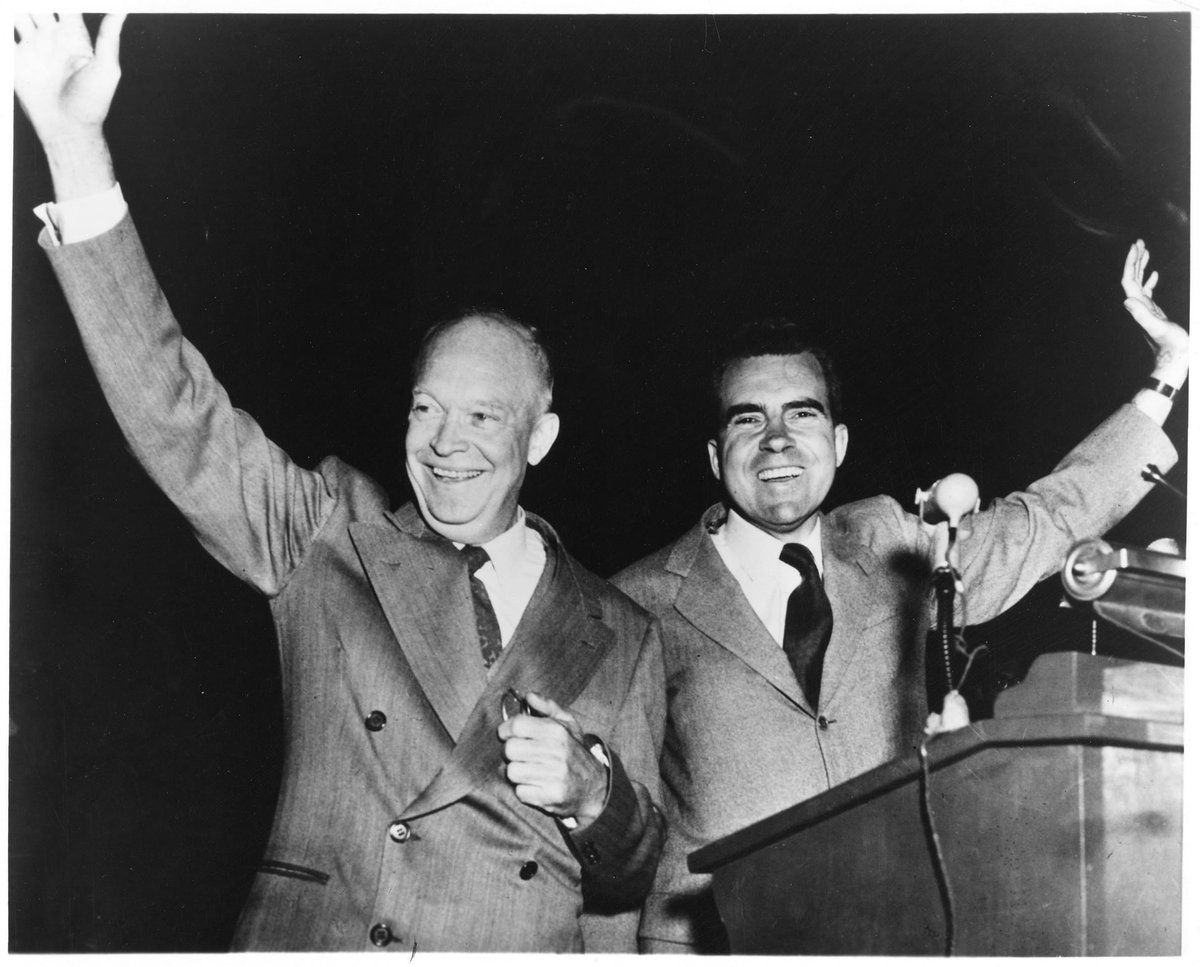
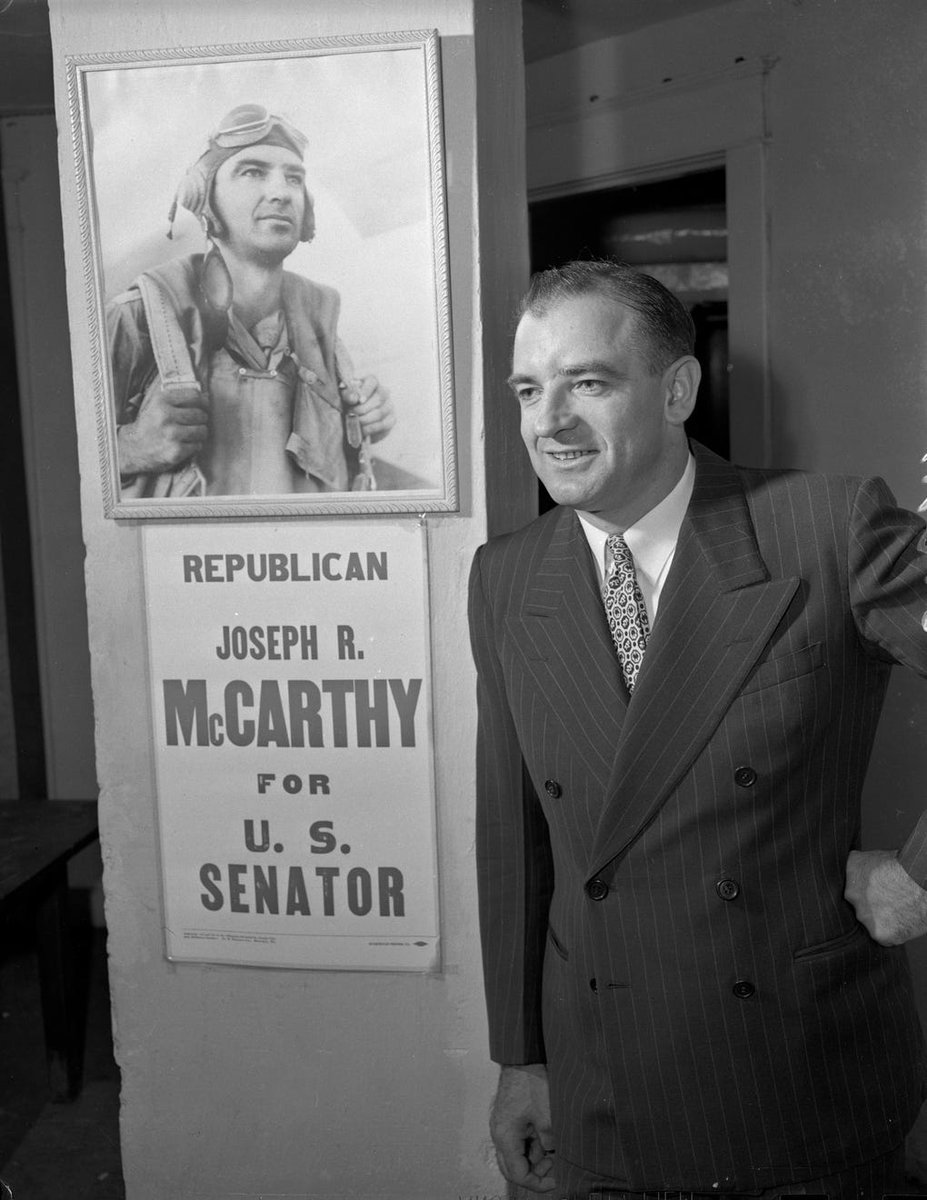
By the 1950s, anti-communism was a key issue for Catholic voters. Catholics strongly supported Senator Joseph McCarthy. Catholic anti-Communism would help President Eisenhower carry the largest share ever of the Catholic vote for a Republican candidate up to that time.
/🧵
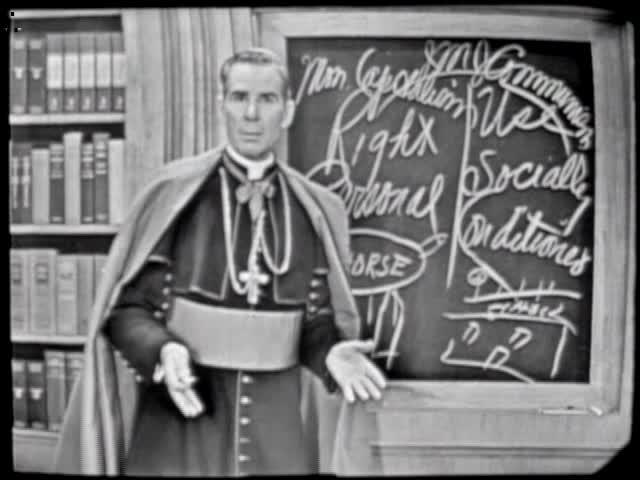
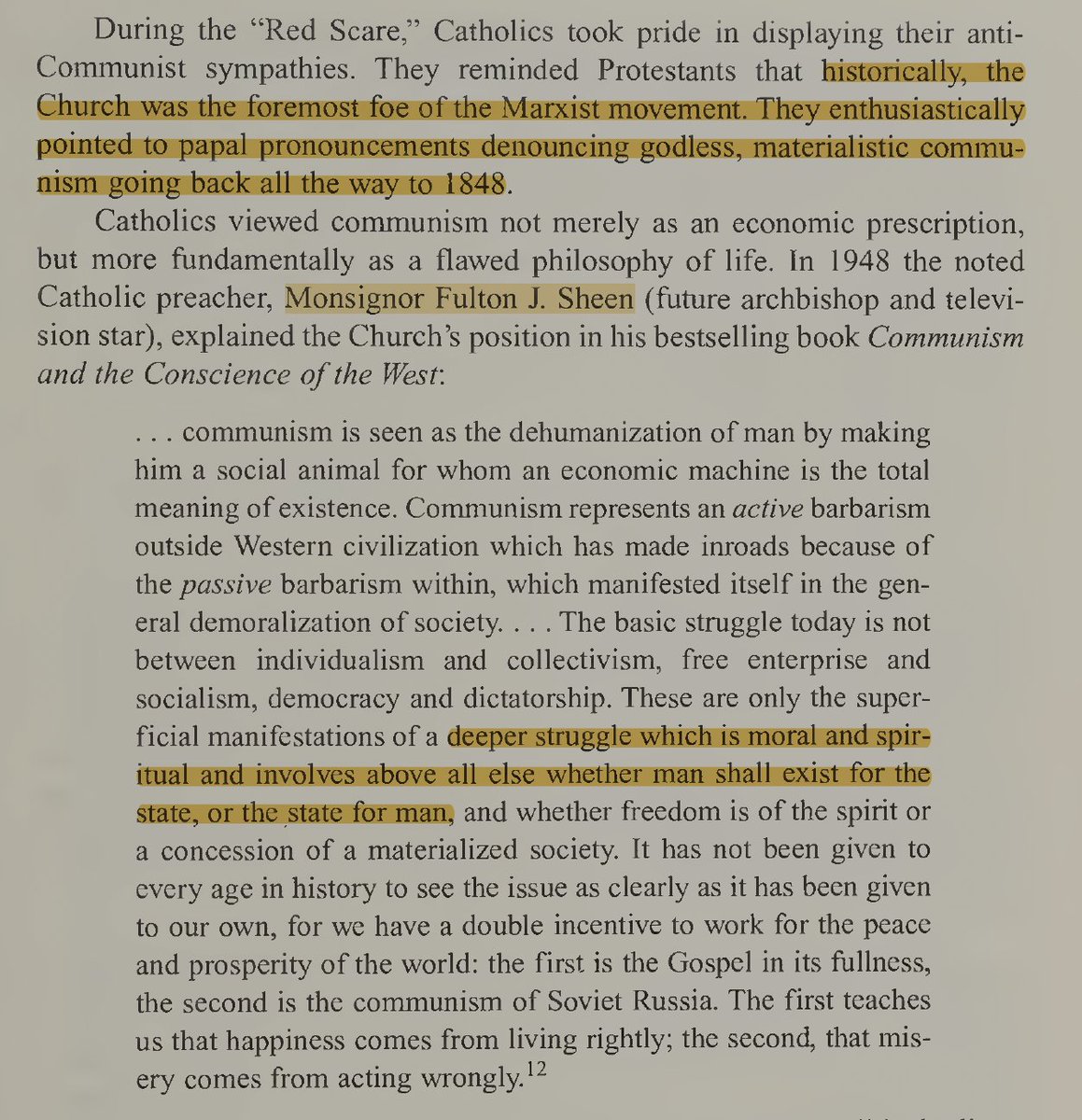
Historically, the Catholic Church was "the foremost foe of the Marxist movement" - dating back to Pope Pius IX's 1846 encyclical against communism titled "Qui pluribus." By 1948, Monsignor Fulton J. Sheen had taken up the anti-communist struggle in America.
/2
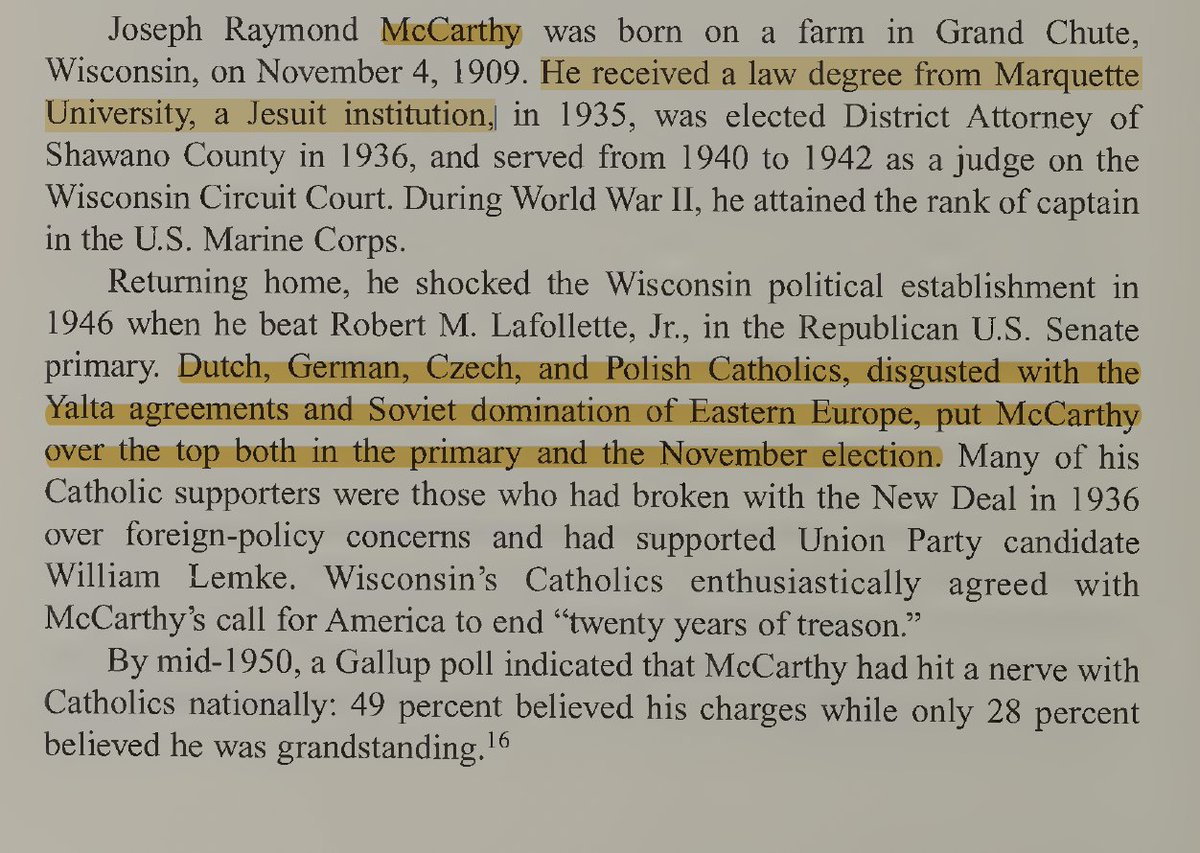
Joseph McCarthy was elected to the Senate in 1946. Ethnic Catholics, "disgusted with the Yalta agreements and Soviet domination of Eastern Europe, put McCarthy over the top both in the primary and the November election."
/3
The Battle for South Boston:
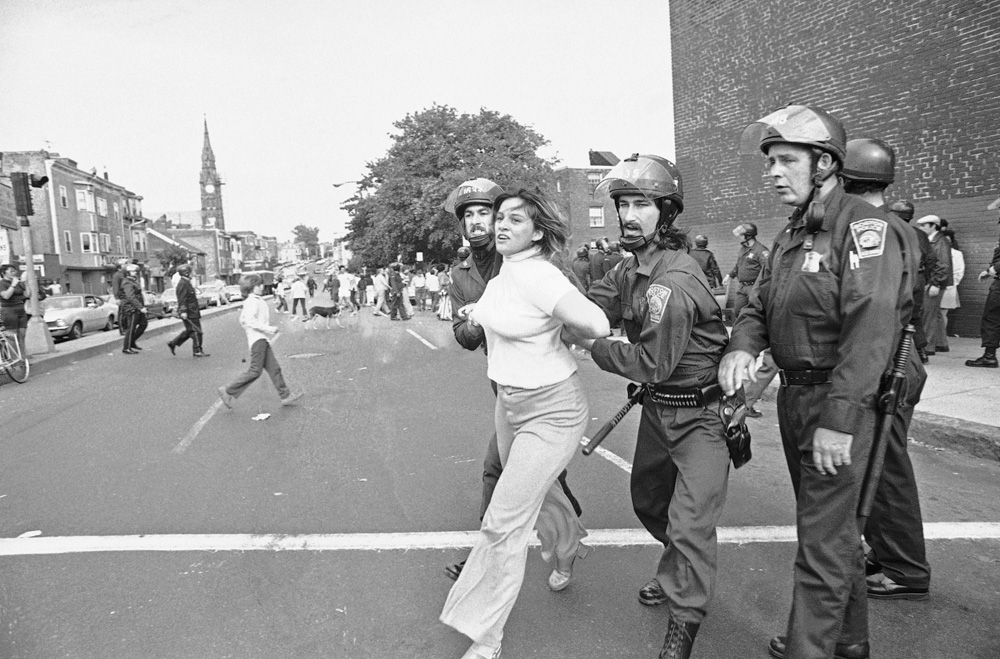
Busing in Boston resembled a military occupation, where the invading forces had identified three “centers of gravity” that needed to be controlled – the high schools in South Boston, Hyde Park, and Charlestown. "Southie" was the most important.
🧵/31
“The struggle over Boston school desegregation is the perfect fight for the Irish. They were doomed before they started. Therefore, they can be expected to fight on.”
Jimmy Breslin, 1975
/2
Why Southie? It was partly symbolic – The resistance to forced integration in Boston was led by the Irish, and Southie was the neighborhood with the strongest Irish identity. It was home to the Saint Patrick’s Day parade, and well-known Irish politicians.

/3
Bombing Germany – From Douhet to Dresden: How British and American air forces came to employ a strategy of massacring civilians.
> Instead of engaging enemy forces, peak American technology and some of its best, bravest men were put to work killing women and children.
🧵/23
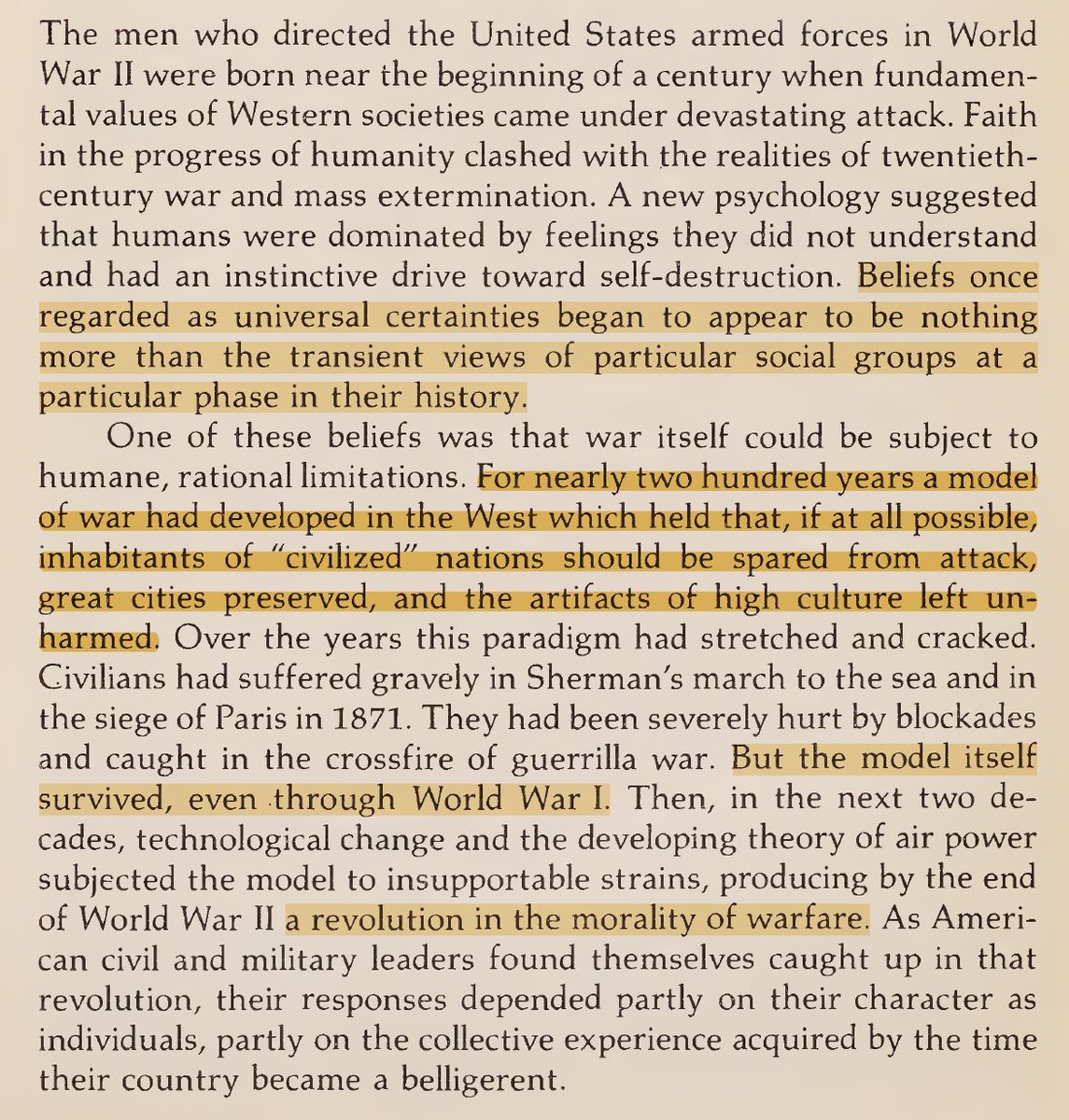
"Jus in Bello" traditions had endured for nearly two hundred years in the West. But after WW I, the new theories of air warfare and the new technology of the heavy four-engine bomber set the stage for the indiscriminate destruction of cities and the mass-killing of civilians.
/2
Pre-WW II air-power theorists like Douhet had argued that terror-bombing of civilians would actually *shorten* a war and save lives. Although bombing of military targets continued throughout the war, proponents of terror bombing were allowed to put their theory into practice.
/3
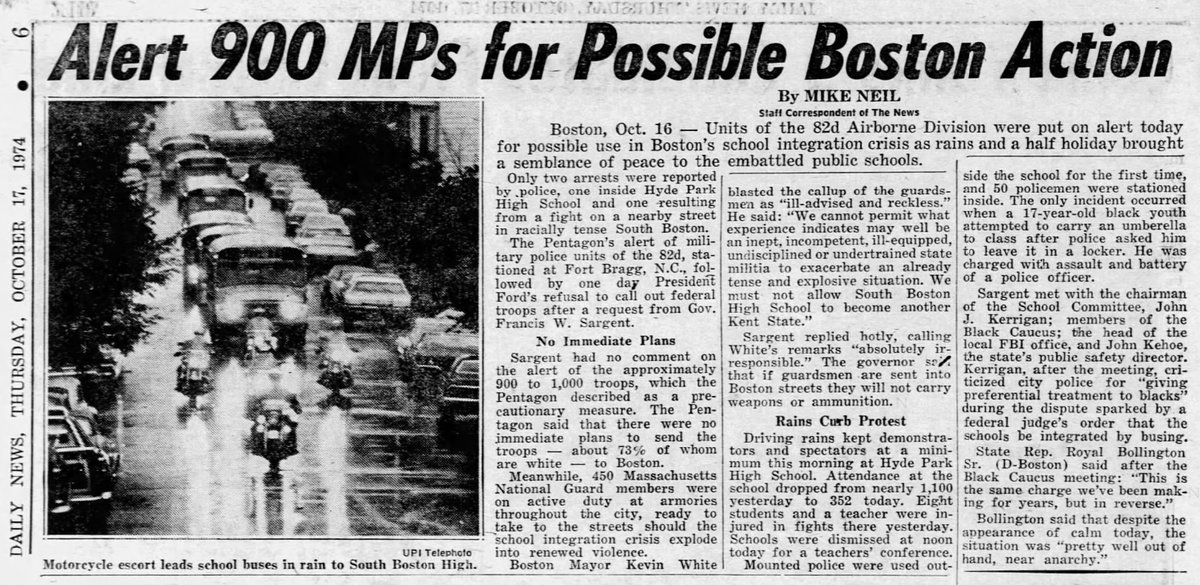
In 1974, in the second month of the disastrous court-ordered integration in Boston, violence spread and the crisis escalated, with national implications. President Ford weighed-in, and the 82nd Airborne Division at Fort Brag was put on standby alert.
🧵
In September of 1974, the often violent resistance in South Boston had grabbed national attention. Hopes that the turmoil could be contained to one neighborhood were soon shattered. In early October, Blacks rioted in neighborhoods across the city. 2/
On October 8, following news of a beating of a Haitian immigrant in South Boston, turmoil broke out at English High school. Blacks rioted and battled police around Mission Hill. "Some 1,500 black students began walking up Tremont Street "smashing windows and hurling rocks." 3/
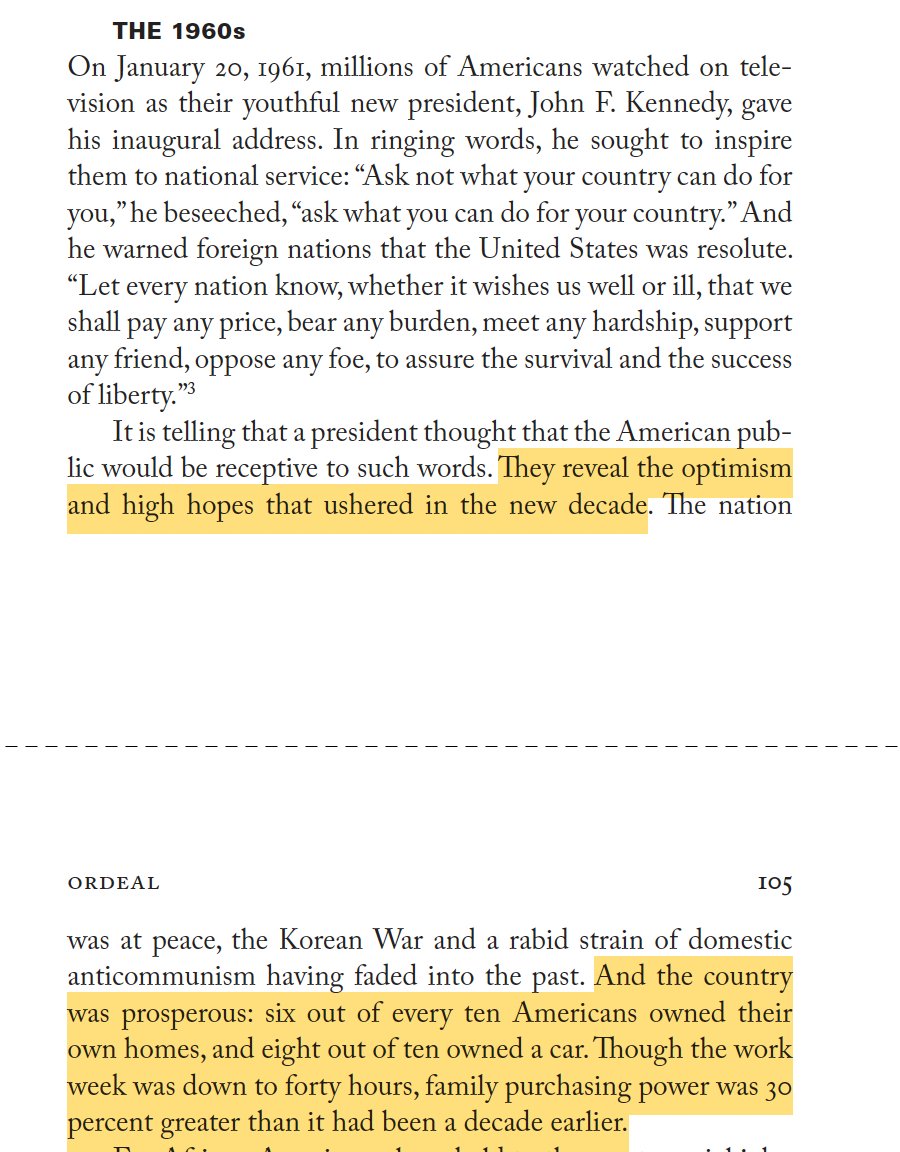
> 1960: America seems to be entering an era of hope and prosperity.
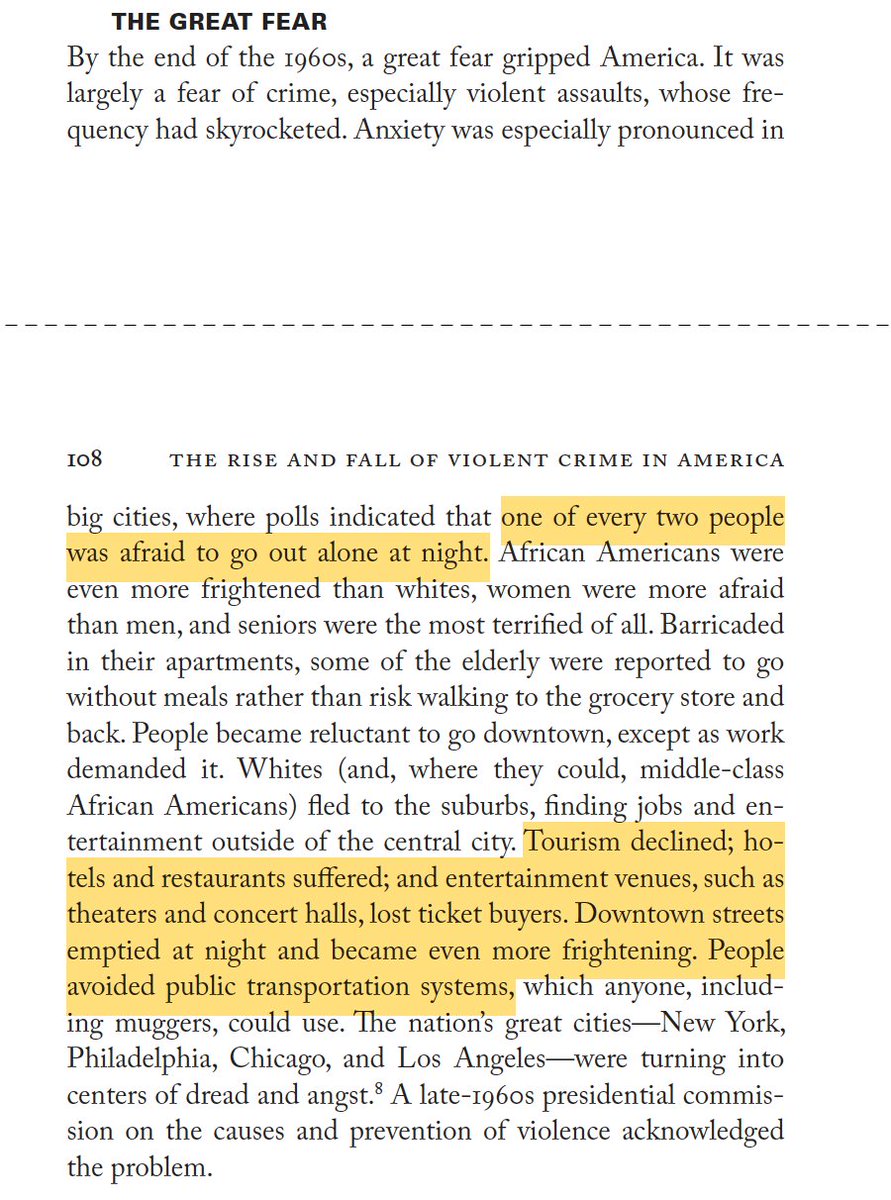
> End of the 1960s: Complete break-down of law and order. Half the country afraid to go out at night. A crime wave of "epic proportions."
From 1960 to 1970, rates of violent crime (essentially, murder, rape, robbery, and serious assaults) in the U.S. more than doubled, from 161 per 100,000 to 364. Murder rates rose 55 percent, while robbery rates climbed over 91 percent. And it continued to rise into the 1990s.
There was some evidence of rising crime in other western countries. But crime was *falling* in Japan. And Korea, Hong Kong, and Singapore did not see a significant crime increase.
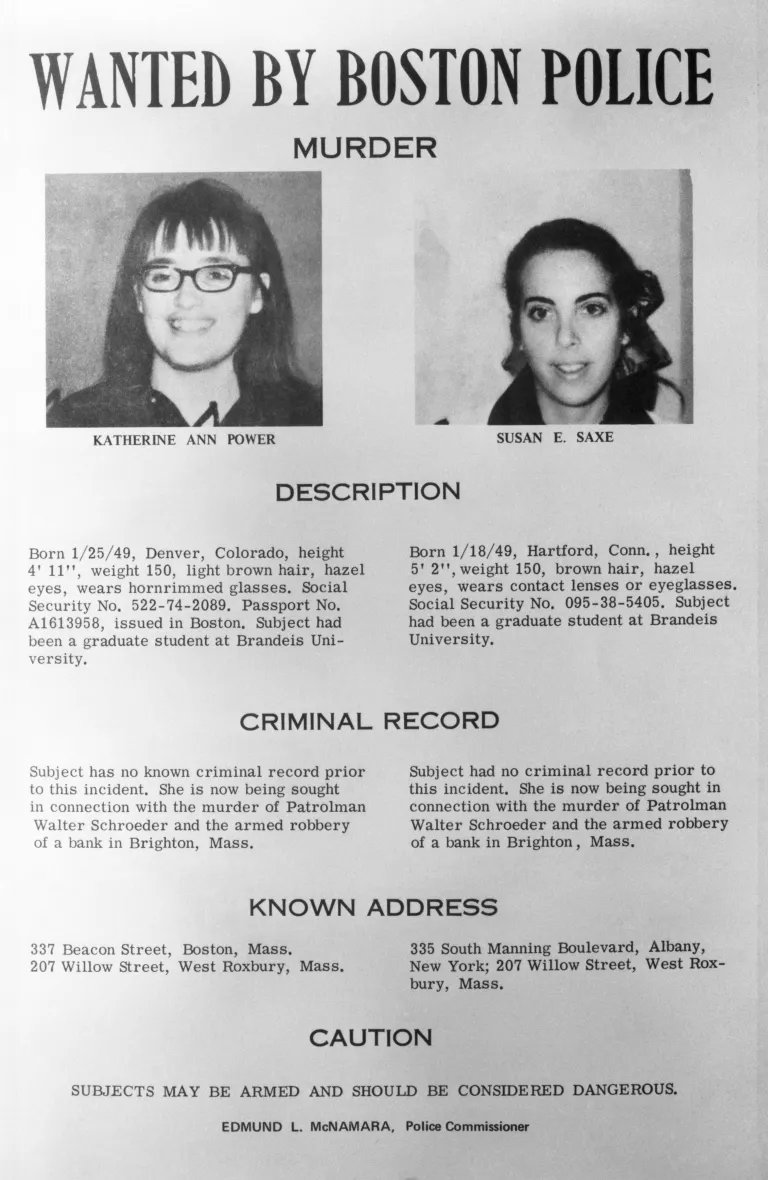
In 1970 Brandeis University admitted Stanley Ray Bond a Vietnam veteran and former convict. What was the worst that could happen? Less than a year later, two young Brandeis coeds were on the run from the law, as two of the first women to make the FBI’s most wanted list.
🧵/17
Bond served in the Army from 1963 to 1965, including a tour in Vietnam. Not long after his discharged he embarked on an armed-robbery spree, and was sentenced to 6 to 12 years in Walpole State Prison. But he was released early under the Student Tutor Education Program.
2/17
Bond was not the only hardened criminal paroled to attended university in Boston. William “Lefty” Gilday had once been a promising minor league pitcher for a Washington Senators farm team. Like Bond, Gilday was doing time for armed robbery when the two met at Walpole.
3/17