Jon Hawkes Profile picture
Jan 5, 2023 19 tweets 6 min read Read on X
1/ Wheels vs tracks: a short series of threads on relative merits of each, continuing with one on approach and departure angles.

TLDR: tracked vehicles broadly have better capabilities for approach, departure, belly/ramp and tilt angles.
2/ Missed the start of this (increasingly large…) mini-series of threads? Start over here:
3/ So, approach and departure angles. Again one that has been a big factor repeatedly already, these are the longitudinal angle a vehicle can reach before it strikes the terrain.
4/ Too low an angle, and the vehicle will ground out. For tracked vehicles, a low angle may result in sprocket/idler grounding at high speed over rough terrain.
5/ Conversely, high angles on tracked vehicles can see problems accommodating trailing arms on the suspension and can create much higher resistance in snow and extreme soft soil.
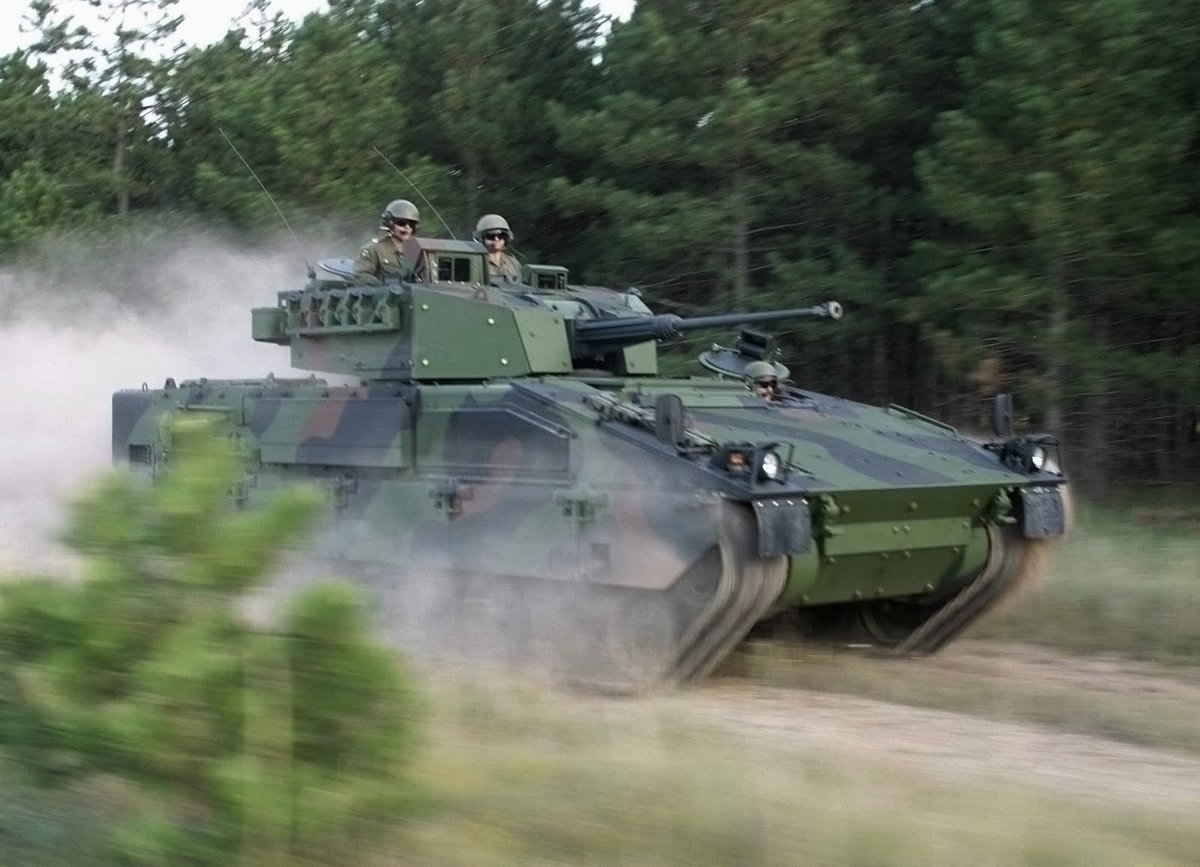
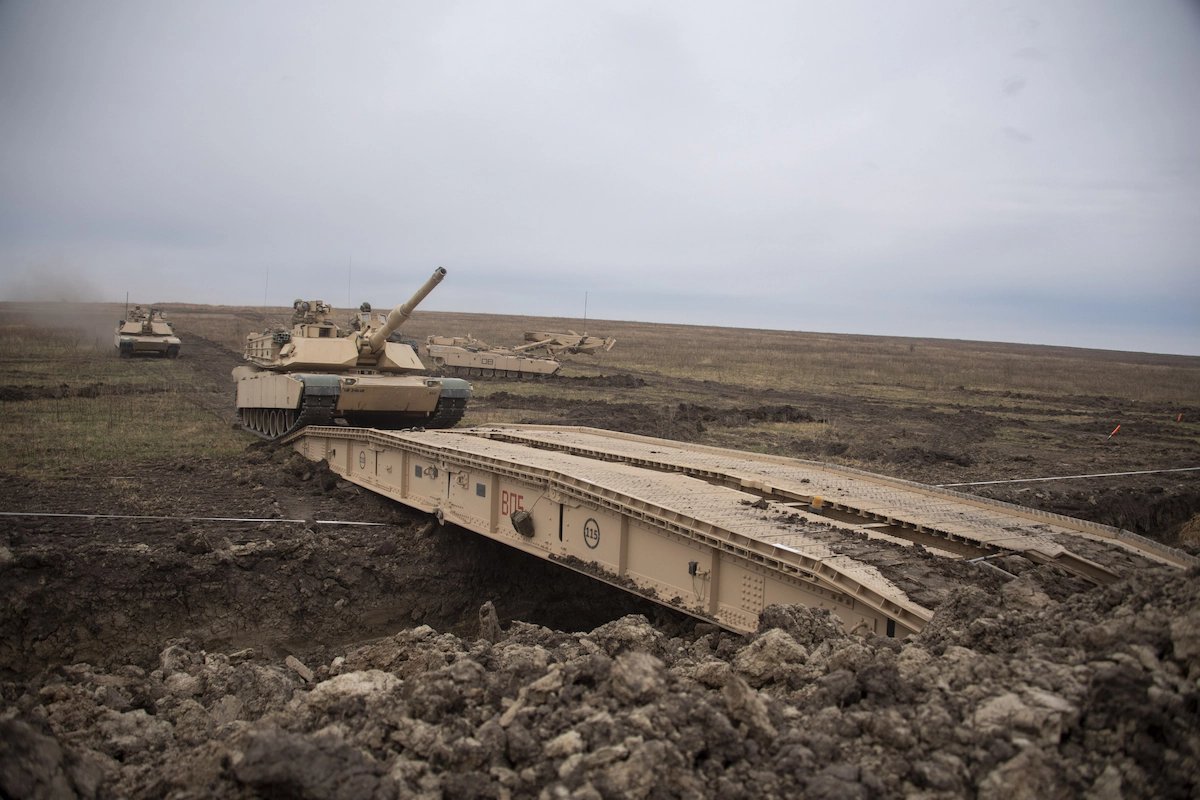
6/ That said, in slow operation while negotiating an obstacle, tracked AFV have typically had unlimited (i.e. 90°) angles owing to the track extending to or beyond the limit of the hull.
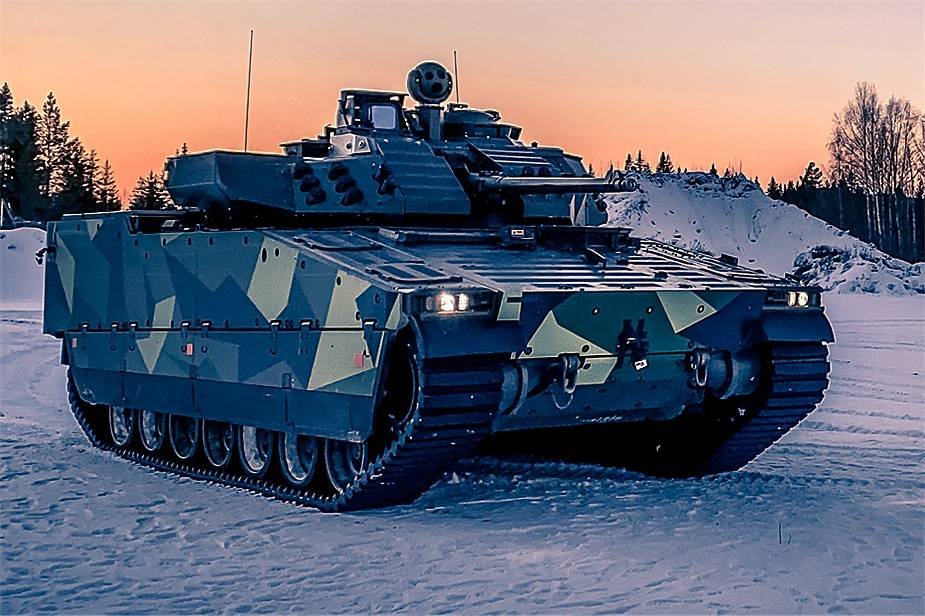
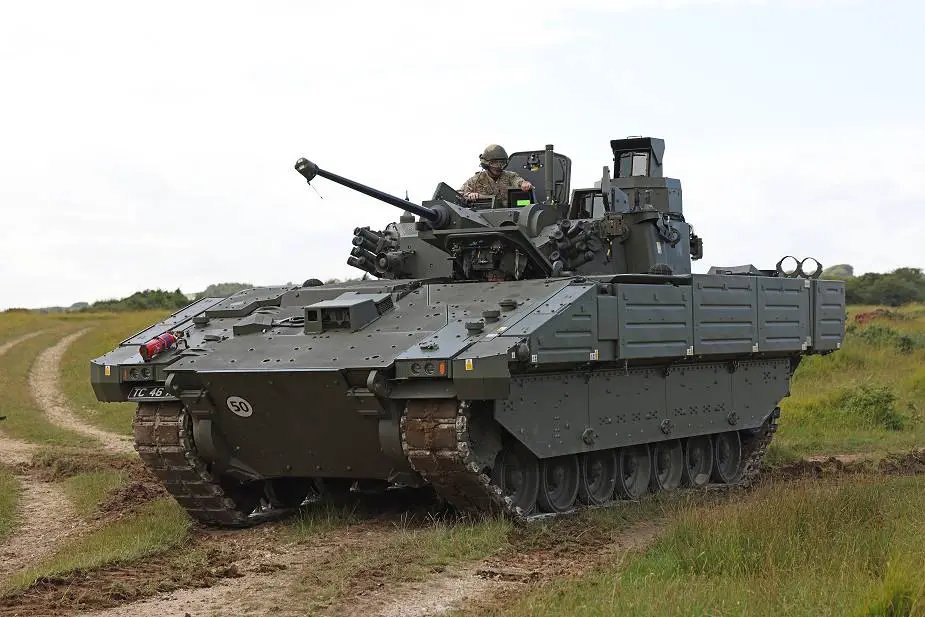
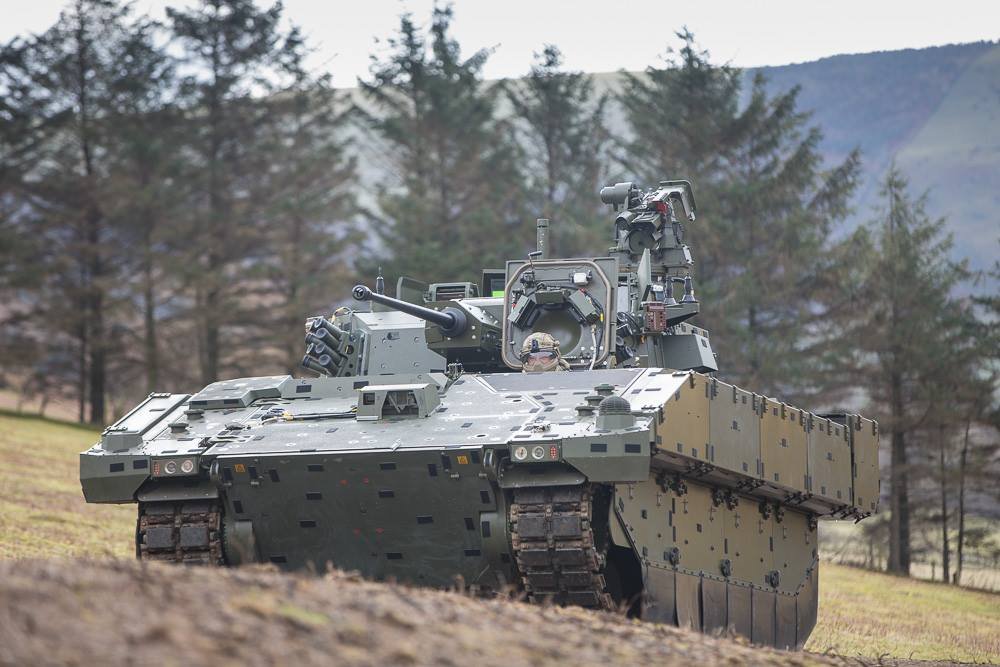
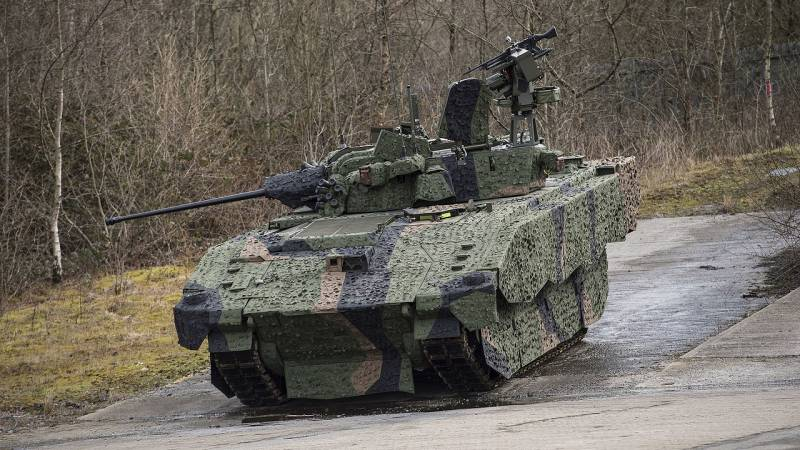
7/ That’s increasingly not the case however. Especially with IFV, designers are fitting large structures to the rear for additional system and kit stowage and armour to the front, and that compromises things. See Lynx as a good example of this.
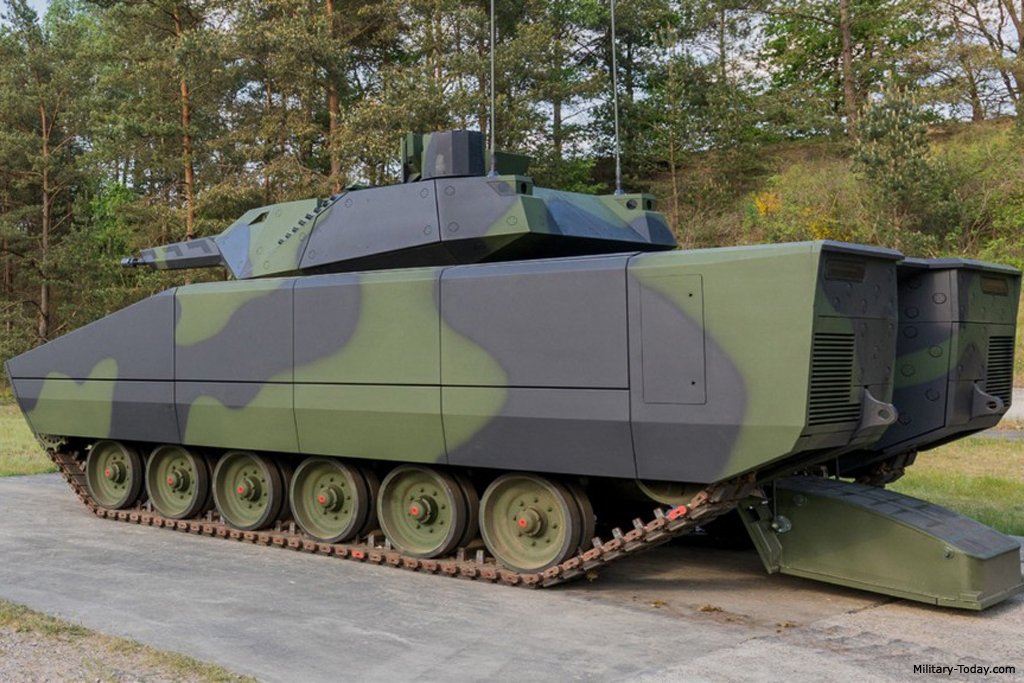
8/ As you can see from a side profile, they still try to shape it so the angle remains good, and equal or beyond what the vehicle will be able to automotive achieve anyway.
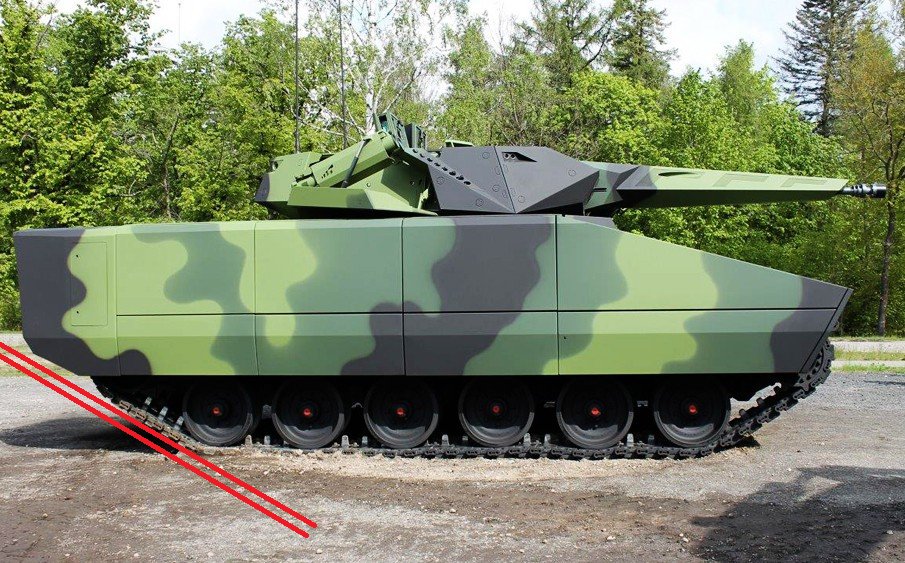
9/ What that means, is the angle the vehicle can physically get to is greater than the vehicle’s ability to climb a step or slope of that angle anyway. But not always – it is a design compromise.
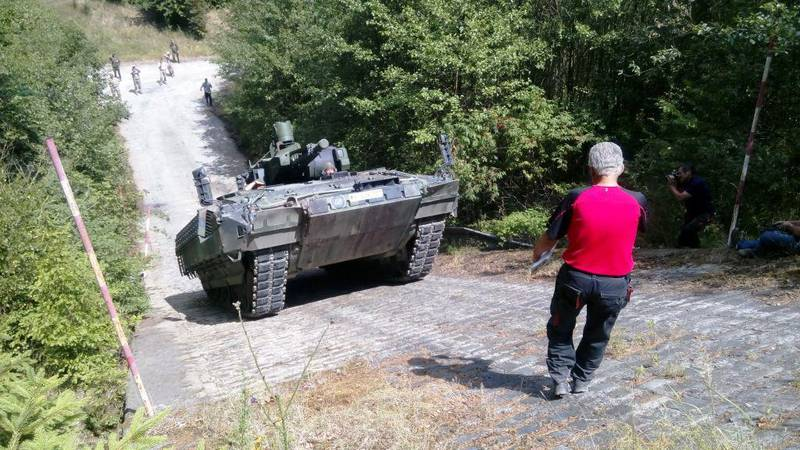
10/ For wheeled AFV it’s a bigger issue – the wheels are firmly within the hull area, and so a very tangible approach/departure angle is there. Again it is usually at least enough to match automotive performance, but often it is a compromising factor.
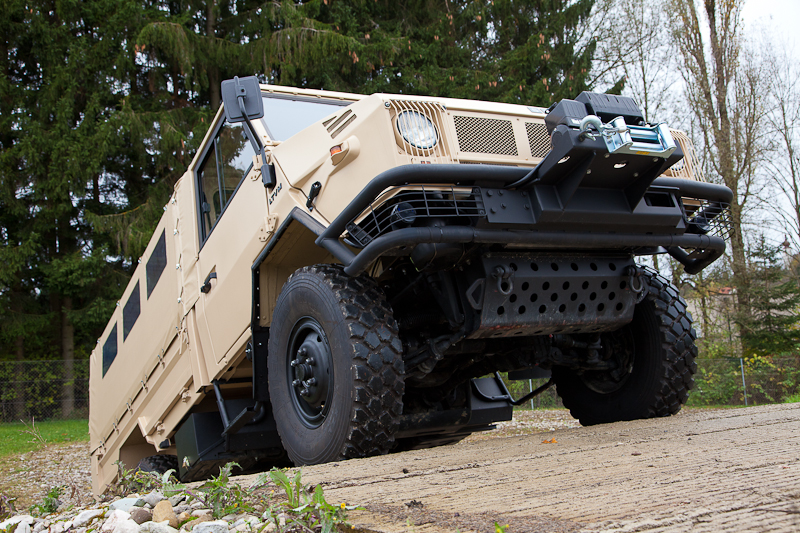
11/ The inverse of this is the belly angle (also called ramp/ramp-over/break-over) – the angle after which the vehicle will ground out. With regard to belly angle, long wheelbases are bad. It doesn’t exist for tracked vehicles, as the tracks run the full length of the vehicle.
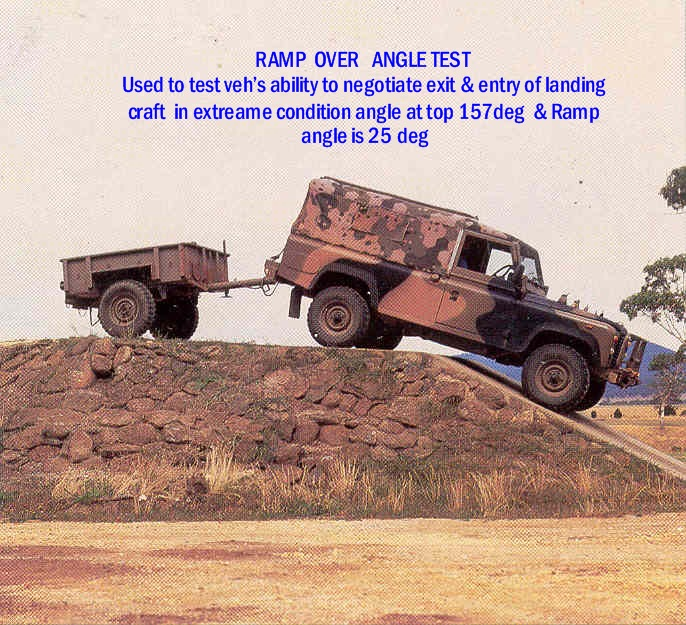
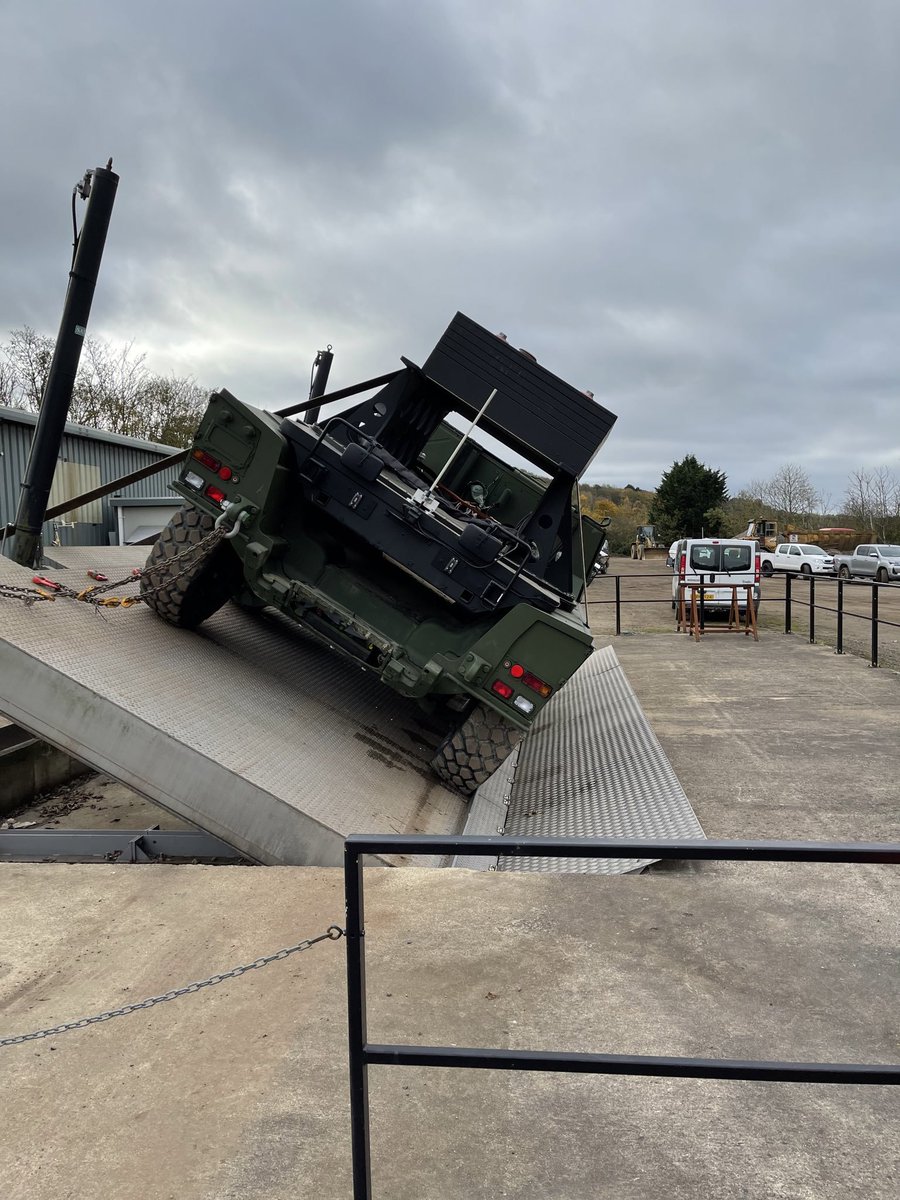
12/ Tilt angles: This is the angle you can tilt to one side before you topple over. In broad terms, tracked vehicles perform better in normal designs comparisons.
13/ Tracked vehicles’ capability is defined by the distance between track centres, and the CoG. As the first thread on vehicle height and volume showed, tracked vehicles inherently have a lower CoG, so angles of 40° or more are credible.
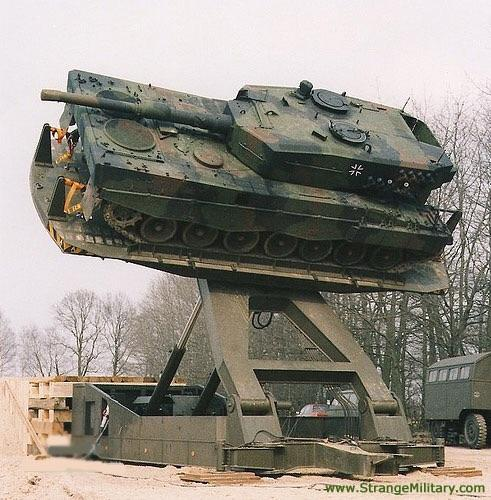
14/ Wheeled vehicles have inherently higher CoG and a combination of pneumatic tyres and soft suspension exacerbates any tilt – as the vehicle tilts, the suspension and tyres sag to tilt it more.
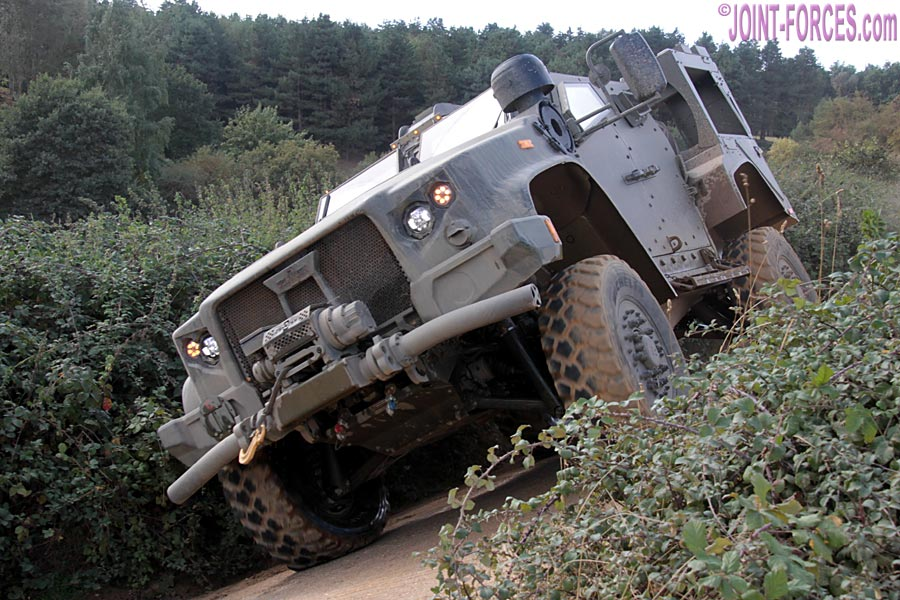
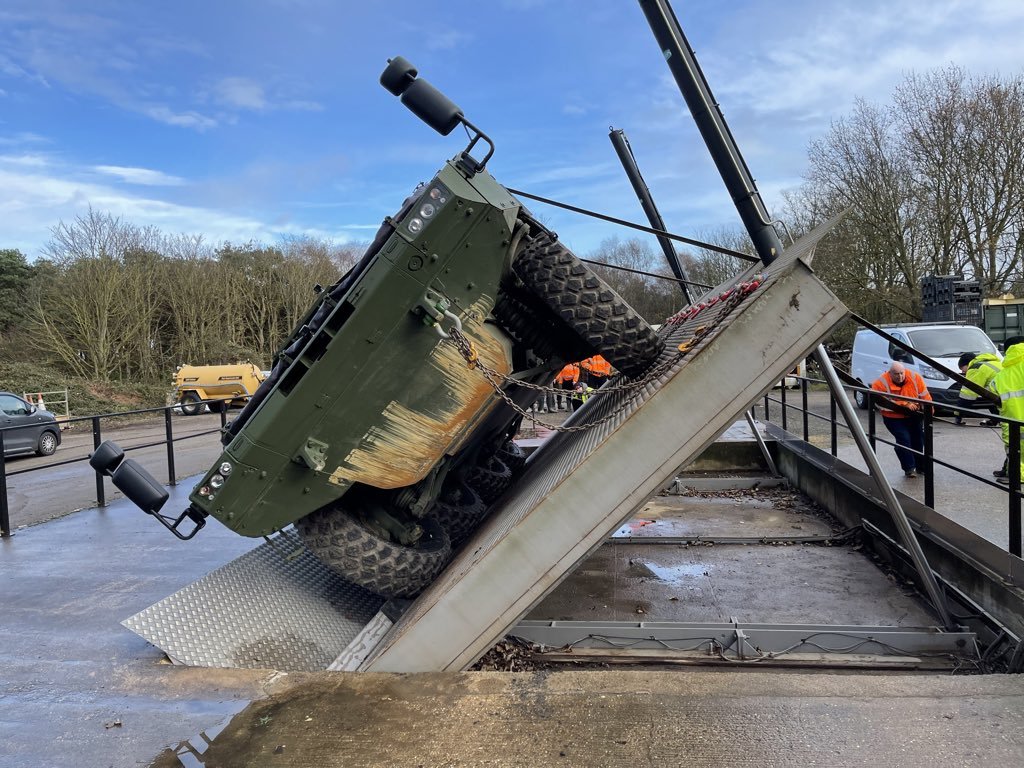
15/ Then add that any undulations when moving whilst at high tilt may compress suspension and rock the vehicle and that all makes high tilt angles harder (but not impossible) to achieve for wheeled AFV. Example this Boxer that is achieving a good tilt angle.
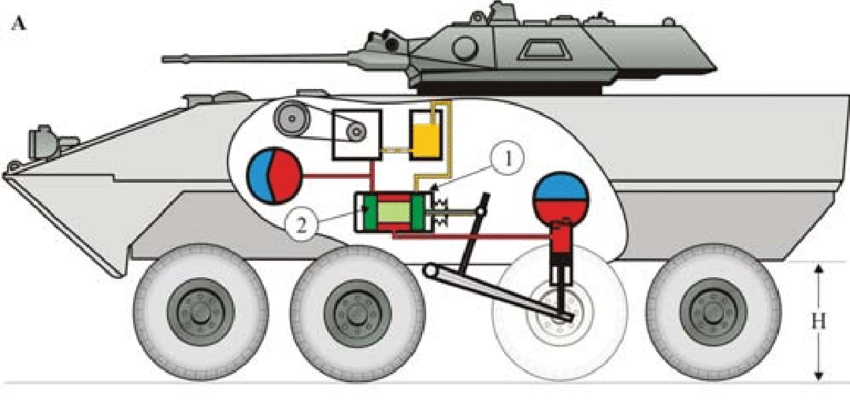
16/ A solution is modern pneumatic or hydropneumatic suspension, which allows you to compress the higher-side wheels and extend/stiffen the lower side. But it remains an issue.
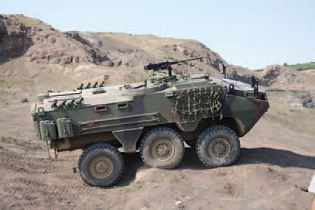
17/ Number of wheels makes little difference, other than that more wheels usually means larger vehicle, and that’s more weight making things worse as it tilts. More wheels does help with the belly/ramp angle, though.
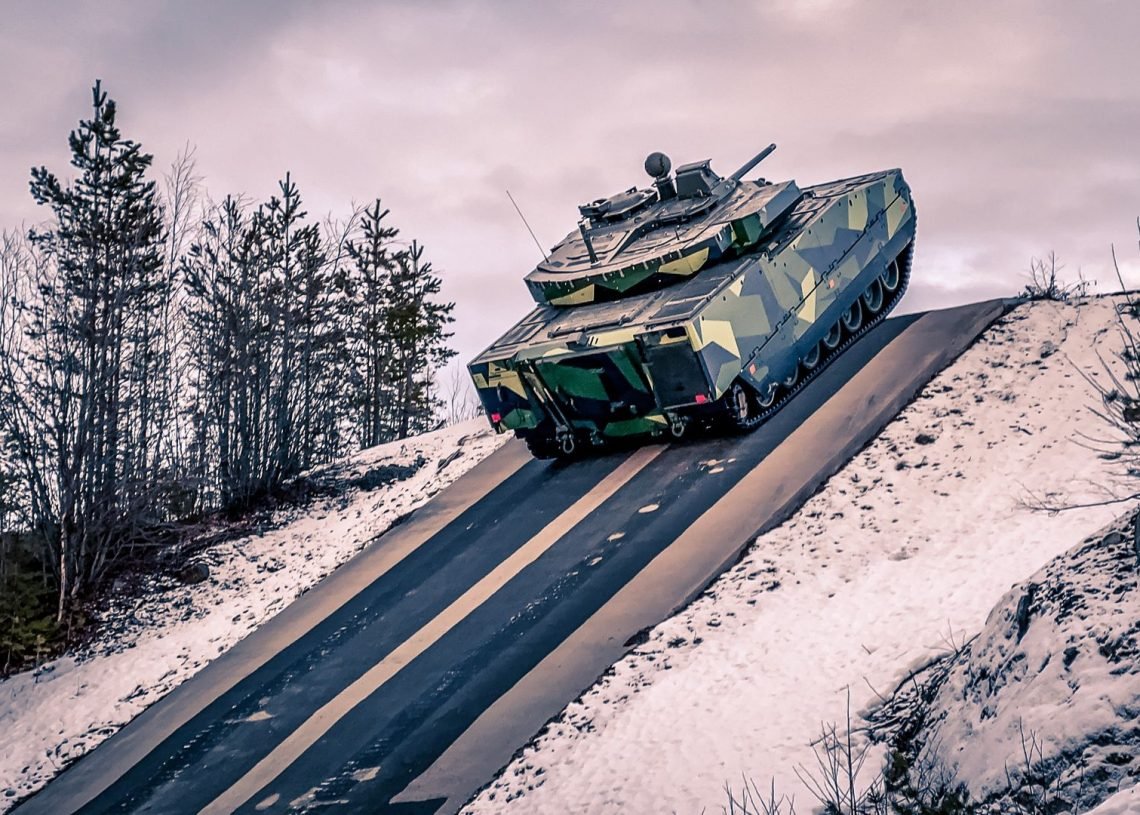
18/ So for this comparison around angles, the tracks win out. They can approach and depart much harsher angles, and typically tilt further before toppling.
19/ Next time, turning circles. Then its on from obstacles to cost and a bit of logistics; survivability considerations; and finally some odds and ends that don’t deserve a whole thread each. \end

• • •

Missing some Tweet in this thread? You can try to force a refresh

 

Keep Current with Jon Hawkes

Jon Hawkes Profile picture

Stay in touch and get notified when new unrolls are available from this author!

Read all threads

This Thread may be Removed Anytime!

PDF

Twitter may remove this content at anytime! Save it as PDF for later use!

Try unrolling a thread yourself!

how to unroll video
  1. Follow @ThreadReaderApp to mention us!

  2. From a Twitter thread mention us with a keyword "unroll"
@threadreaderapp unroll

Practice here first or read more on our help page!

More from @JonHawkes275

Nov 26, 2025
#1 Another wave of Ajax noise & vibration (N&V) chatter has followed IOC. I’m not going to weigh in on either side, but here’s how we might spot if N&V issues are real or rumour – an off-the-cuff thread. Image
#2 If a platform exhibits N&V that is excessive, it will generally manifest most evidently in two places: people and systems.
#3 People means safety limits on time in vehicle or injury patterns. If one AFV’s usage limits are significantly lower than similar AFVs, that’s a red flag.
Read 29 tweets
Oct 13, 2025
It started as a thread on the UK's Titan AVLB and Project TYRO, but got so unwieldy I’ve made it a mini series. What is Titan and TYRO; why is it one of, if not the, most important requirements in the British Army (or any army); and why us it a serious problem area for the UK? Image
I’ve broken into a few parts; on to part 3 – Why is Titan a serious problem area? This one is the grim bit of the series, but to be clear the intent is to show plainly the criticality of TYRO and back it as an essential requirement that must be delivered, not just bash on Titan.
As explained in part 1, Titan is a great capability, but it is a bespoke small fleet and consequently has some very significant problems that critically impact the Army as a whole, and the bad news is they can't really be solved in practical terms. Image
Read 44 tweets
Sep 4, 2025
(1/19) With DSEi around the corner, expect Ajax chatter on the topic of IFVs to crop up again, as it has this week. Here’s a thread on IFV options, facts, and my usual ramblings from recent developments. Image
(2/19) As usual I’m going to try to stick to the kit, I’m not a doctrine or strategy pro on wider force design. Just here to give some facts for others to be informed and make use of as they wish.
(3/19) Ajax is itself a (heavily) modified derivative of ASCOD 2. IFV Ajax would likely take one of 2 paths – remote turret on Ares with lower dismount capacity (aka Ares IFV) or new longer Ajax with traditional IFV config. Image
Image
Image
Read 19 tweets
May 20, 2025
As Ajax comes online, a living thread of real and proposed (physical and hypothetical) variants that could expand the capabilities whilst sticking to a single core family for UK medium weight. Image
The original Ajax requirement, FRES SV, had a range of variants beyond the six the Army is presently buying, and returning to these (and a few more, like IFV) in pursuit of a common medium platform would be a good approach. Image
I've mixed in ASCOD/ASCOD2 variants as the lineage of Ajax means ASCOD variants are relatively straightforward to share across the ASCOD/ASCOD2/Ajax base platforms, moreso if Ajax does see a stretched IFV hull later this year. Image
Image
Image
Image
Read 23 tweets
Sep 30, 2024
(Part 2) It started as a thread on the UK's Titan AVLB and Project TYRO, but got so unwieldy I’ve made it a mini series. What is Titan and TYRO; why is it one of, if not the, most important requirements in the British Army (or any army); and why is it a critical requirement? Image
I’ve broken into a few parts; (1) What is Titan and Project TYRO; (2) Why is combat bridging important anyway; (3) Why is Titan a serious problem area; (4) Whats the plan for TYRO CSB; and (5) What are the other options and the implications?
So, Part 2 – Why is combat bridging important anyway? Image
Read 25 tweets
Sep 17, 2024
The UK was the birthplace of the tank and though today it has only a single upgrade programme to show for heavy tracked armour, it was the origin of many key technologies and capabilities used by tanks the world over. A🧵of a few highlights of the glory days of British armour R&D


Image
Image
Image
Image
The first practical gas turbine powered vehicle, the FV200 Turbine Test Vehicle, a Conqueror. 'Practical' is a caveat - the Germans actually had the first gas turbine tank, a Jagdtiger in WW2, but it had a problematic habit of setting trees and other nearby objects on fire.


Image
Image
Image
Image
FV4211 (initially the Chieftain Mk5/2), an all-aluminium tank that was the first with composite armour, initially called Burlington but renamed to Chobham, based around the concept of composite materials under permanent compression, laid in a matrix with additional materials... Image
Read 25 tweets

Did Thread Reader help you today?

Support us! We are indie developers!


This site is made by just two indie developers on a laptop doing marketing, support and development! Read more about the story.

Become a Premium Member ($3/month or $30/year) and get exclusive features!

Become Premium

Don't want to be a Premium member but still want to support us?

Make a small donation by buying us coffee ($5) or help with server cost ($10)

Donate via Paypal

Or Donate anonymously using crypto!

Ethereum

0xfe58350B80634f60Fa6Dc149a72b4DFbc17D341E copy

Bitcoin

3ATGMxNzCUFzxpMCHL5sWSt4DVtS8UqXpi copy

Thank you for your support!

Follow Us!

:(