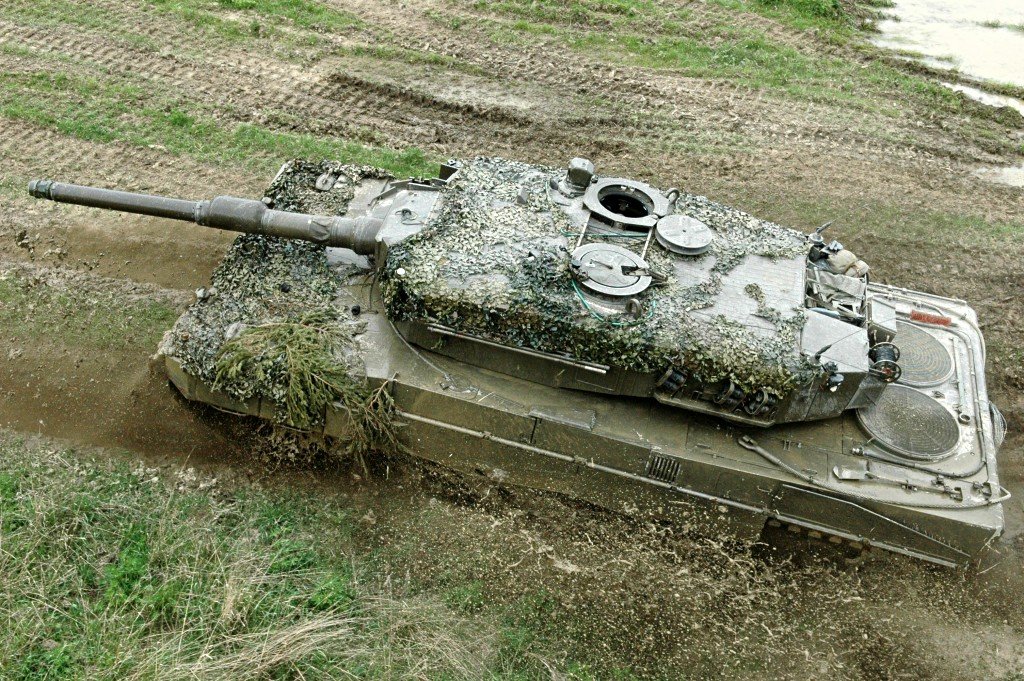
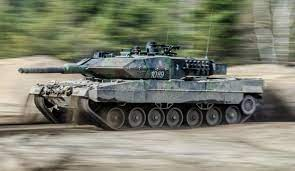
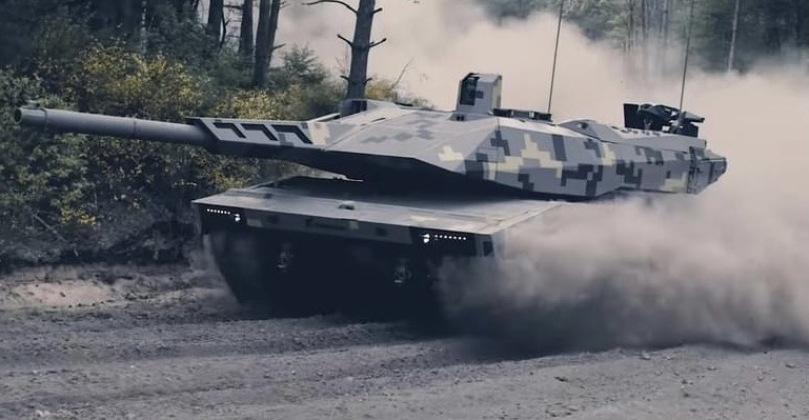
1/ Wheels vs tracks: a short series of threads on relative merits of each, continuing with one on approach and departure angles.
TLDR: tracked vehicles broadly have better capabilities for approach, departure, belly/ramp and tilt angles.
TLDR: tracked vehicles broadly have better capabilities for approach, departure, belly/ramp and tilt angles.

2/ Missed the start of this (increasingly large…) mini-series of threads? Start over here:
https://twitter.com/JonHawkes275/status/1605498464002904065?s=20&t=AIZhVT6BbUs7BXTby0ov_w
3/ So, approach and departure angles. Again one that has been a big factor repeatedly already, these are the longitudinal angle a vehicle can reach before it strikes the terrain.

4/ Too low an angle, and the vehicle will ground out. For tracked vehicles, a low angle may result in sprocket/idler grounding at high speed over rough terrain.
5/ Conversely, high angles on tracked vehicles can see problems accommodating trailing arms on the suspension and can create much higher resistance in snow and extreme soft soil.
6/ That said, in slow operation while negotiating an obstacle, tracked AFV have typically had unlimited (i.e. 90°) angles owing to the track extending to or beyond the limit of the hull.
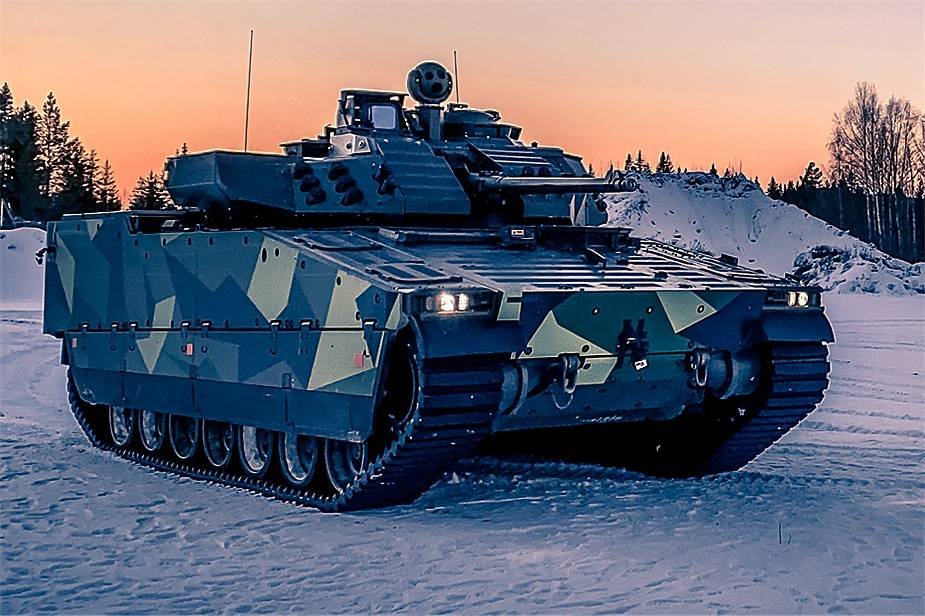
7/ That’s increasingly not the case however. Especially with IFV, designers are fitting large structures to the rear for additional system and kit stowage and armour to the front, and that compromises things. See Lynx as a good example of this.
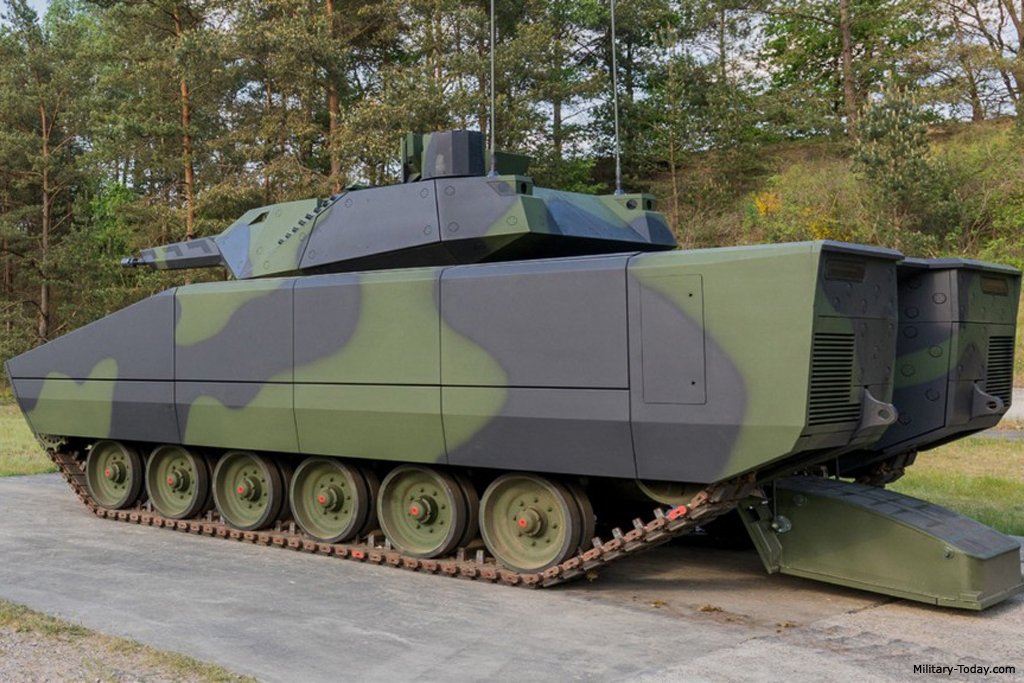
8/ As you can see from a side profile, they still try to shape it so the angle remains good, and equal or beyond what the vehicle will be able to automotive achieve anyway.
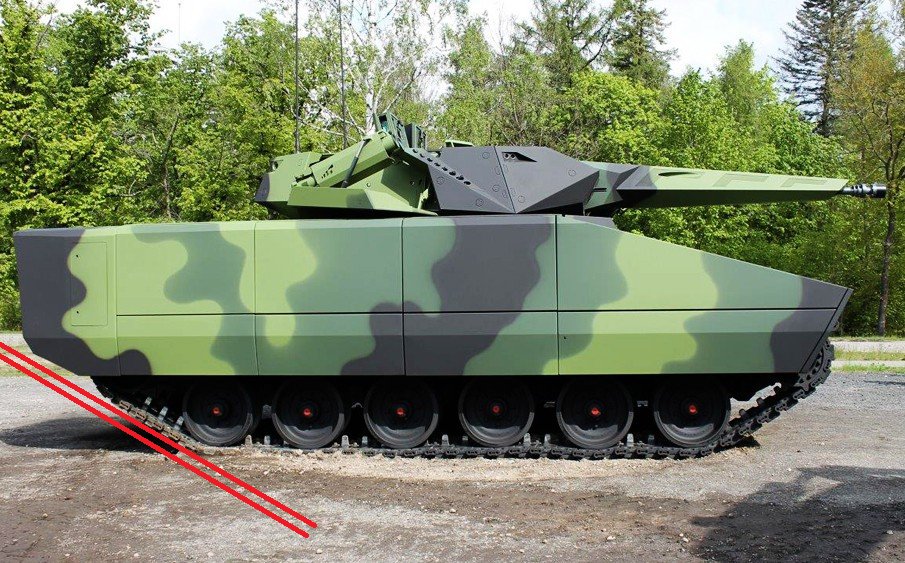
9/ What that means, is the angle the vehicle can physically get to is greater than the vehicle’s ability to climb a step or slope of that angle anyway. But not always – it is a design compromise.
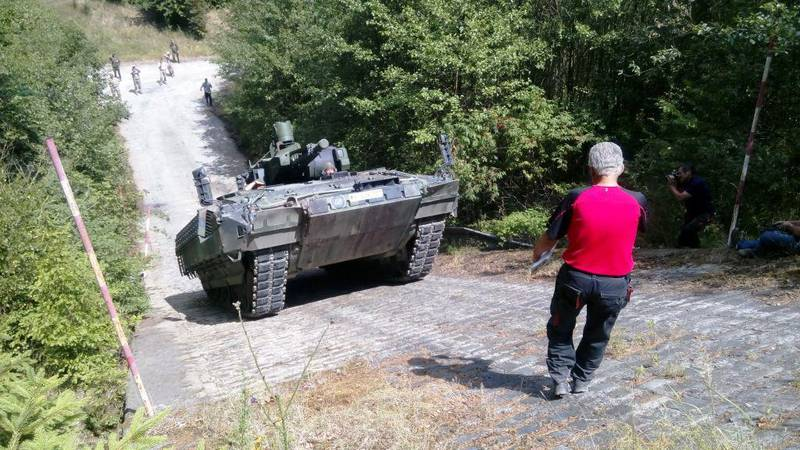
10/ For wheeled AFV it’s a bigger issue – the wheels are firmly within the hull area, and so a very tangible approach/departure angle is there. Again it is usually at least enough to match automotive performance, but often it is a compromising factor.
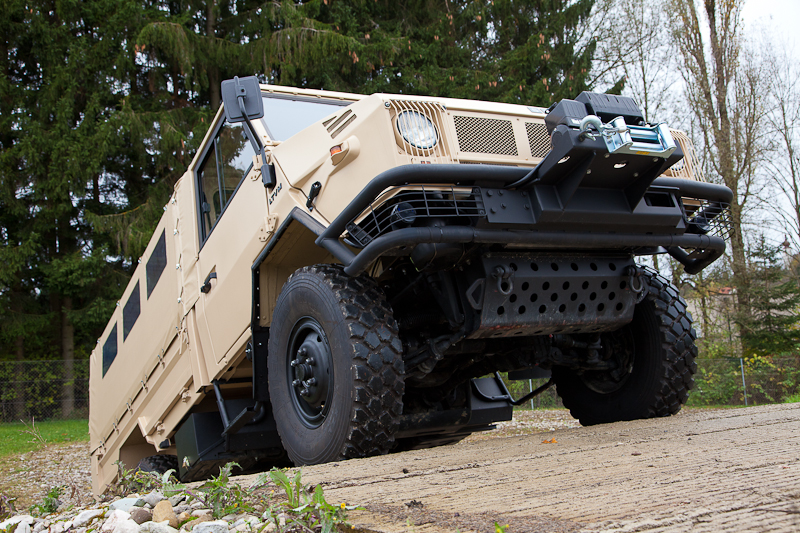
11/ The inverse of this is the belly angle (also called ramp/ramp-over/break-over) – the angle after which the vehicle will ground out. With regard to belly angle, long wheelbases are bad. It doesn’t exist for tracked vehicles, as the tracks run the full length of the vehicle.
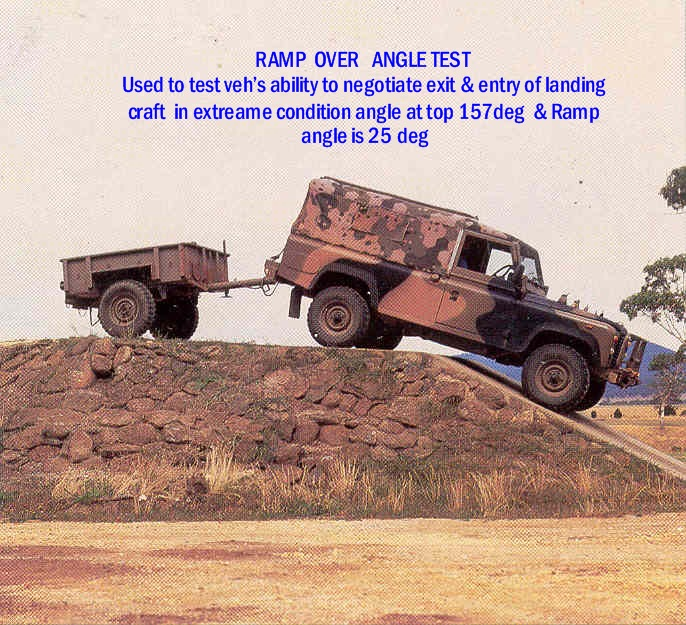
12/ Tilt angles: This is the angle you can tilt to one side before you topple over. In broad terms, tracked vehicles perform better in normal designs comparisons.
13/ Tracked vehicles’ capability is defined by the distance between track centres, and the CoG. As the first thread on vehicle height and volume showed, tracked vehicles inherently have a lower CoG, so angles of 40° or more are credible.
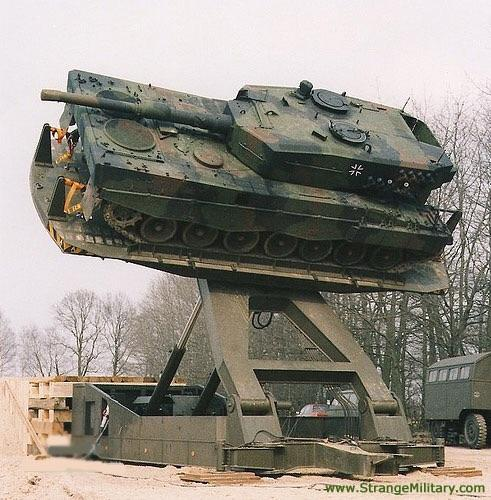
14/ Wheeled vehicles have inherently higher CoG and a combination of pneumatic tyres and soft suspension exacerbates any tilt – as the vehicle tilts, the suspension and tyres sag to tilt it more.
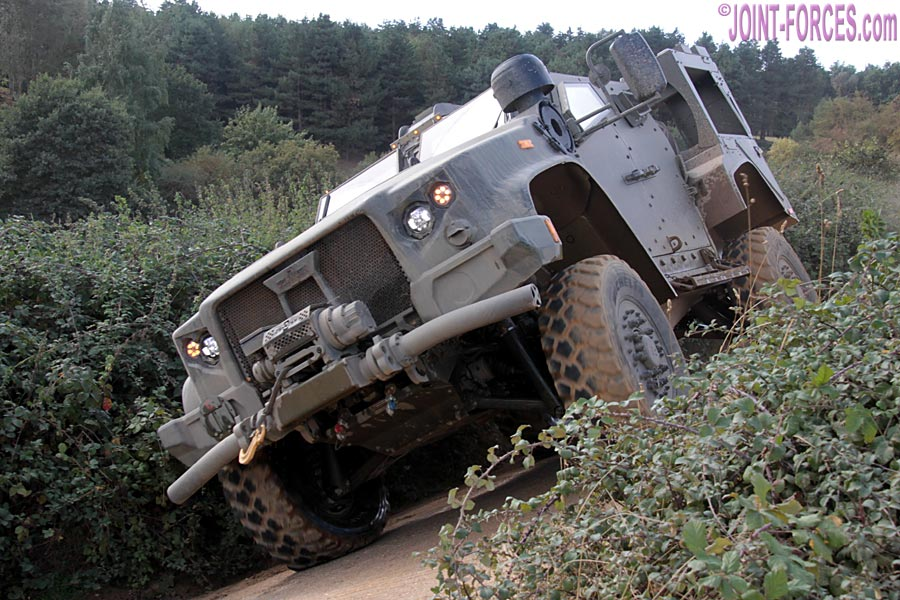
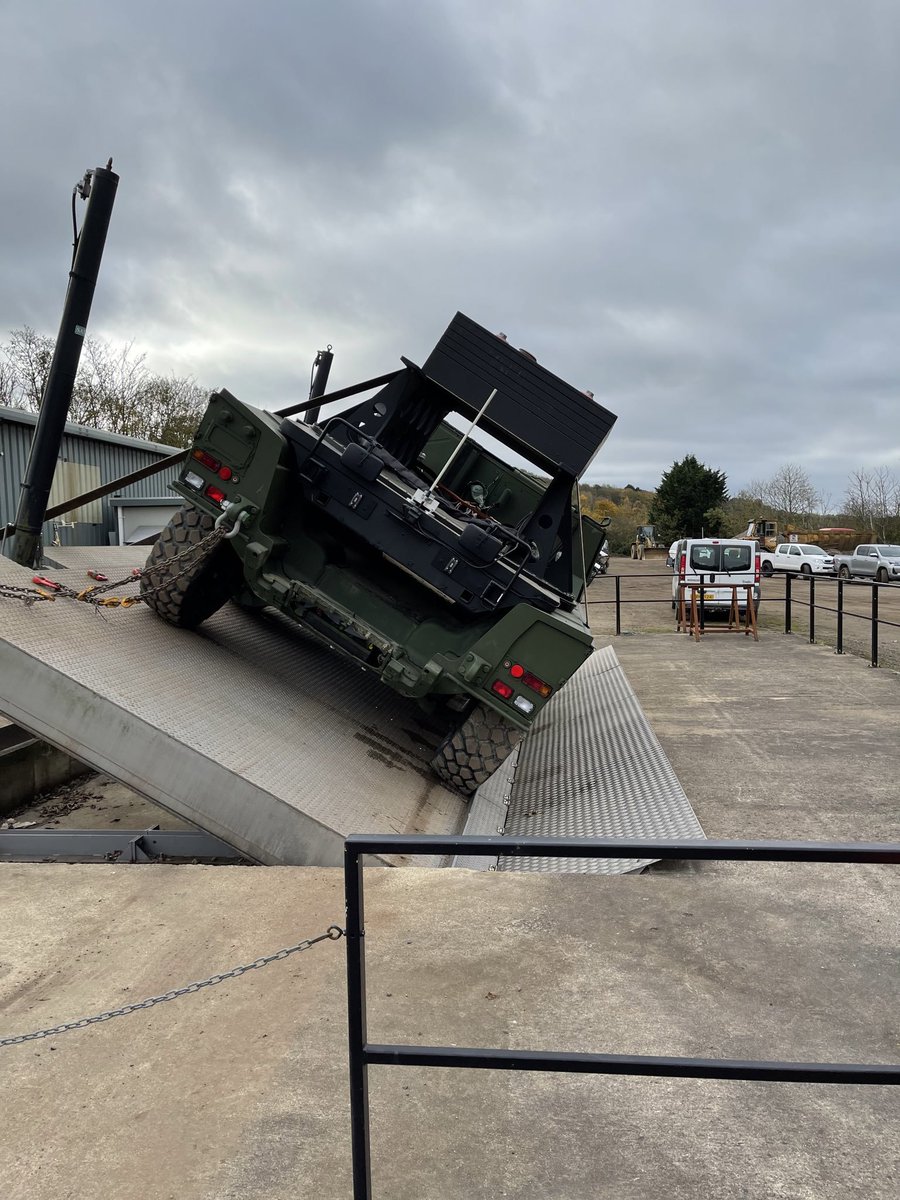
15/ Then add that any undulations when moving whilst at high tilt may compress suspension and rock the vehicle and that all makes high tilt angles harder (but not impossible) to achieve for wheeled AFV. Example this Boxer that is achieving a good tilt angle.
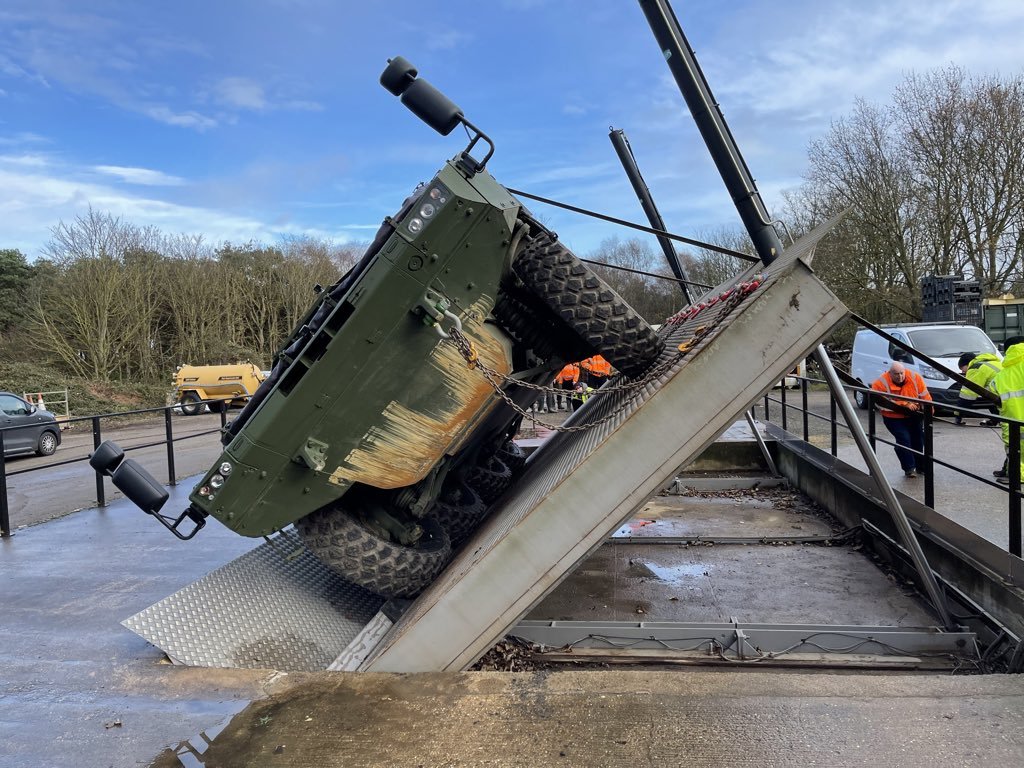
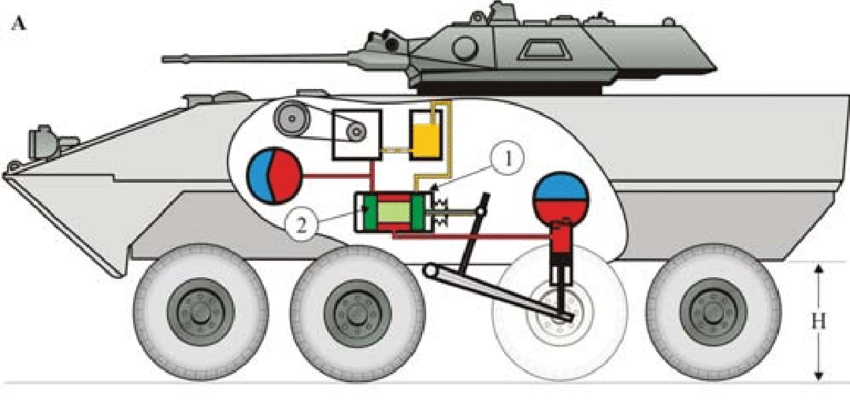
16/ A solution is modern pneumatic or hydropneumatic suspension, which allows you to compress the higher-side wheels and extend/stiffen the lower side. But it remains an issue.
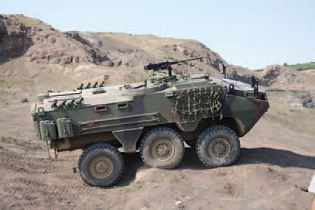
17/ Number of wheels makes little difference, other than that more wheels usually means larger vehicle, and that’s more weight making things worse as it tilts. More wheels does help with the belly/ramp angle, though.
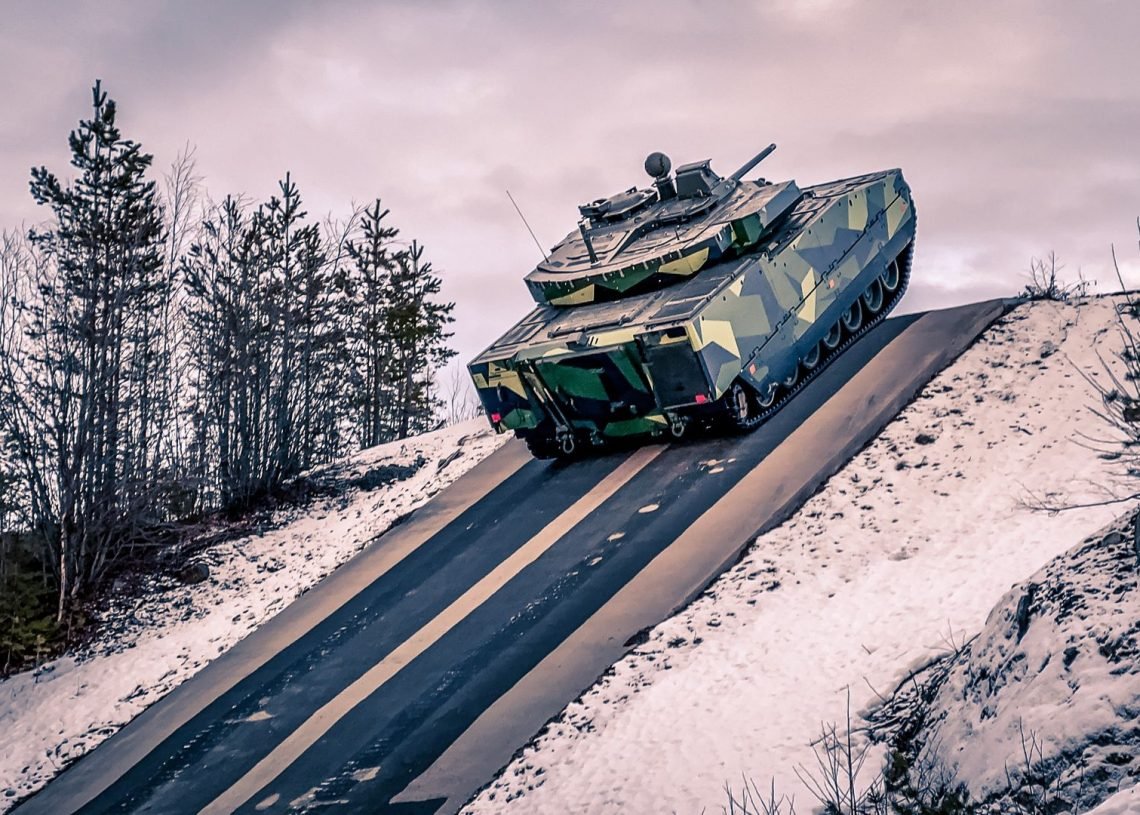
18/ So for this comparison around angles, the tracks win out. They can approach and depart much harsher angles, and typically tilt further before toppling.
19/ Next time, turning circles. Then its on from obstacles to cost and a bit of logistics; survivability considerations; and finally some odds and ends that don’t deserve a whole thread each. \end
• • •
Missing some Tweet in this thread? You can try to
force a refresh