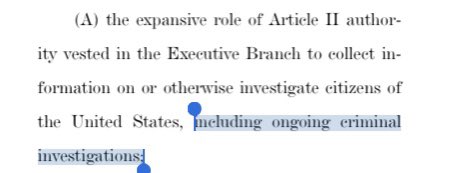
There are some eye-opening provisions in the text of the GOP’s proposed “select subcommittee on the weaponization of the federal government” that will get a vote next week.
Another gives the panel authority to access any classified/national security information that would go to the House Intelligence Committee. docs.house.gov/billsthisweek/…
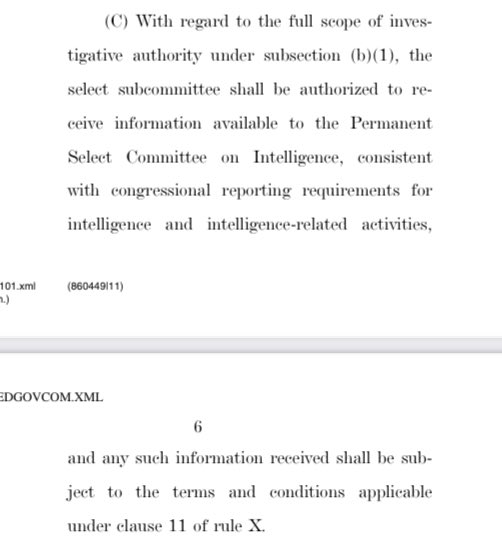
An earlier version of this proposal didn’t include these provisions and also limited the probe to a specific subset of agencies. docs.house.gov/billsthisweek/…
But the version scheduled for next week would permit a review of *any* executive branch agency, including intel community.
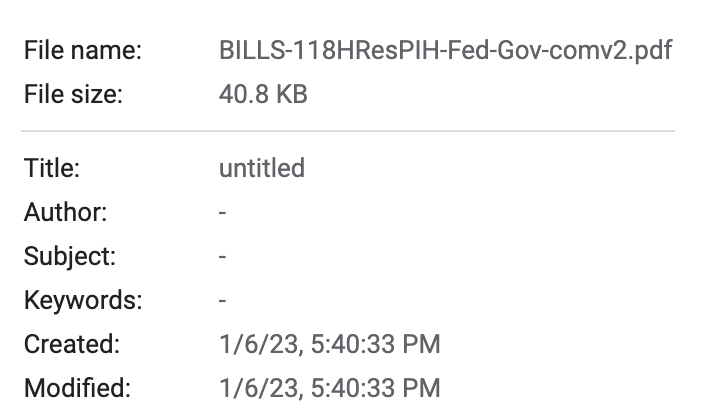
It appears some of these changes may have been part of the ongoing negotiation that occurred to get Speaker McCarthy the gavel. The metadata on the updated document shows it was last modified at 5:40pm yesterday, in the midst of final intense negotiations.
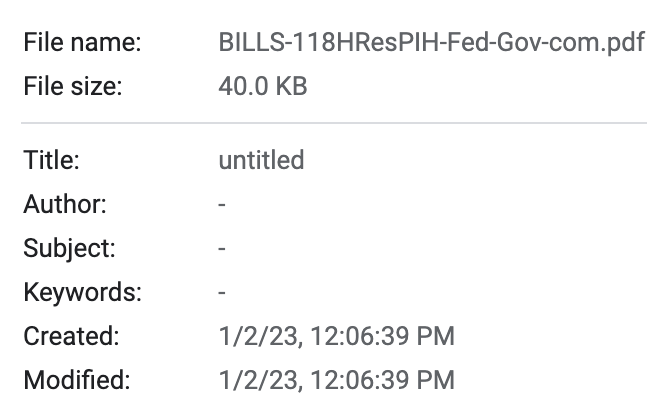
The earlier version was dated 1/2.
NEW: A proposed GOP select committee — negotiated as part of a deal between McCarthy and his GOP detractors — would be explicitly empowered to probe “ongoing criminal investigations.”
IMPORTANT: Under the proposal, Judiciary chairman Jim Jordan — not the chair of the select subcommittee — would be the one with the power to authorize subpoenas for the panel. politico.com/news/2023/01/0…
• • •
Missing some Tweet in this thread? You can try to
force a refresh

We’ve since learned a lot about those script changes and the thought process that went into them — a collaboration between Pence’s team and the House/Senate parliamentarians.
Pence made a second script rewrite too, reinserting language not seen since Al Gore presided in 2001, offering members a chance to object — something he viewed as a faithful reading of the Jan. 6 joint session requirements. politico.com/amp/news/2022/…
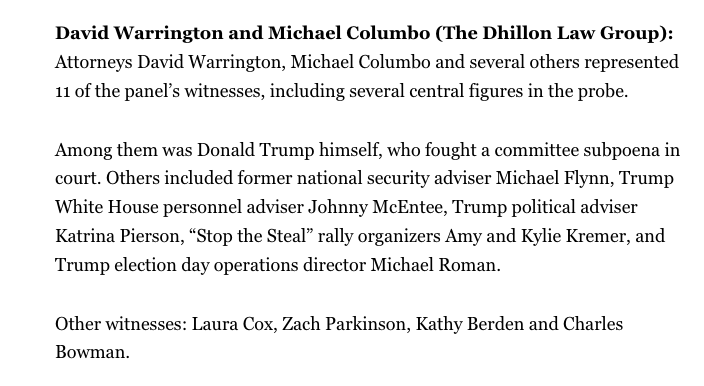
@nicholaswu12 1) The most prevalent attorneys were David Warrington & co. at Dhillon Lawgroup, which represented Trump himself, as well as Mike Flynn and others. politico.com/news/2023/01/0…
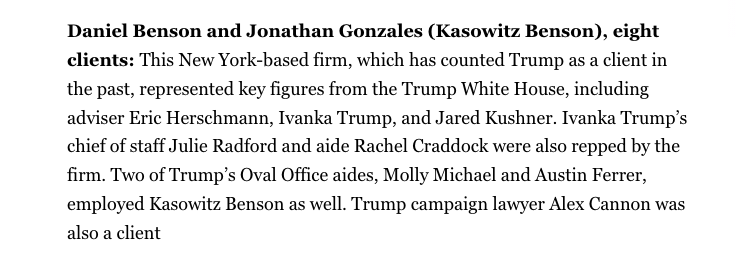
@nicholaswu12 2) Next is Daniel Benson et. al. of Kasowitz Benson & Torres, with 8 clients — including Ivanka Trump, Jared Kusher and several White House aides.
NEW: The Jan. 6 committee’s massive evidence trove tells a second crucial story: At every phase of Trump’s scheme, he was enabled and prodded along by a band of House Republicans — some now at the center of the speakership chaos
Two in particular are almost ubiquitous — Scott PERRY and Paul GOSAR.
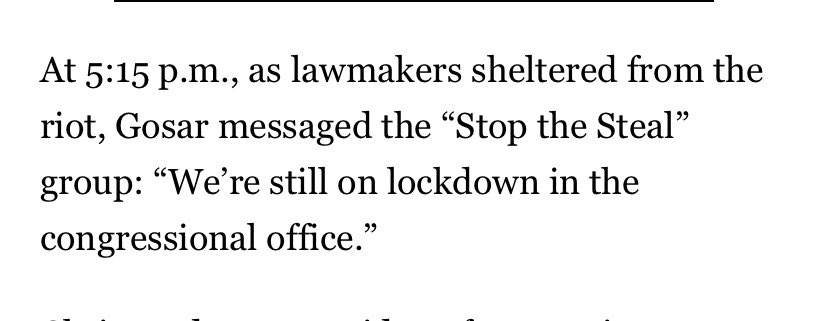
Gosar was a member of a “Stop the Steal” Twitter DM group along with Ali Alexander and other organizers. He messaged them from lockdown at the Capitol.
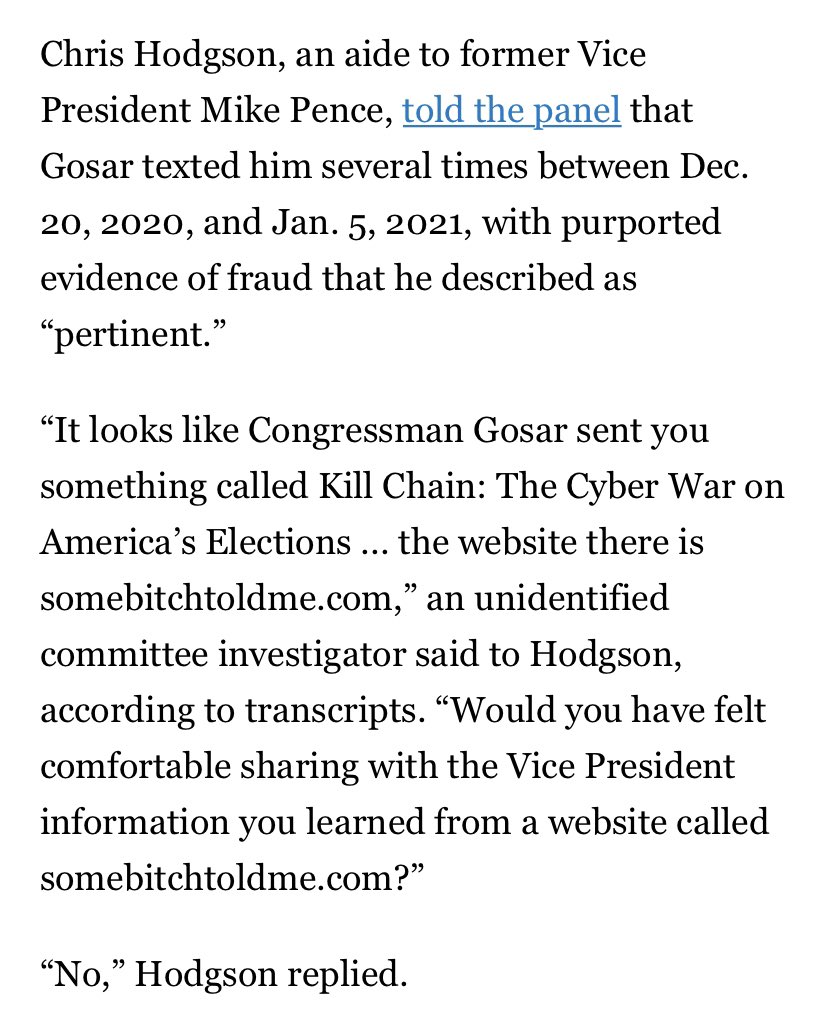
Gosar attended White house meetings, pushed false claims about the election and was repeatedly texting Pence’s adviser to try to deliver claimed “evidence” of election fraud. Here’s a notable example. politico.com/news/2023/01/0…
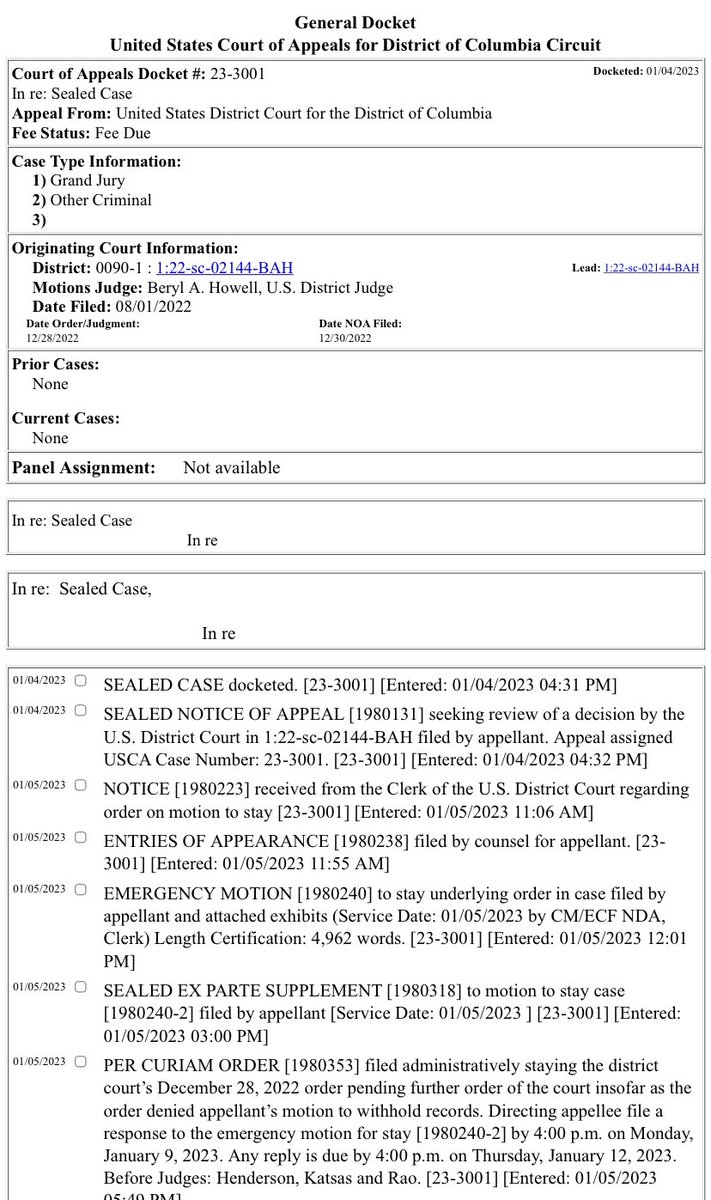
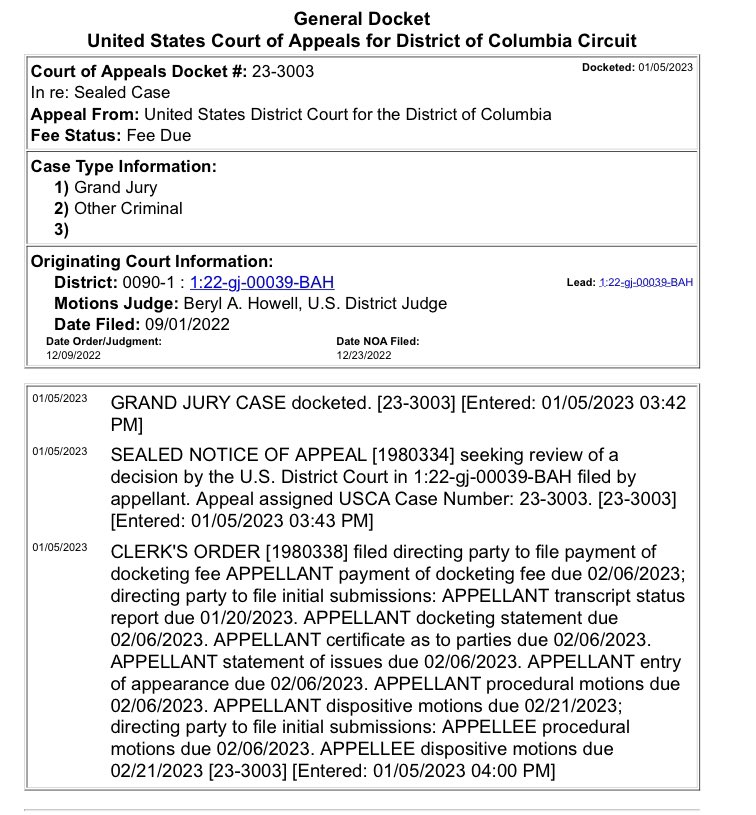
WATCH THIS SPACE: In the past 48 hours, not one, not two, but *three* secret grand jury court battles have landed before the federal appeals court in DC.
Do I know these are Jan. 6/Trump-related? No. But they have hallmarks of a similar secret court fight that occurred in Oct.
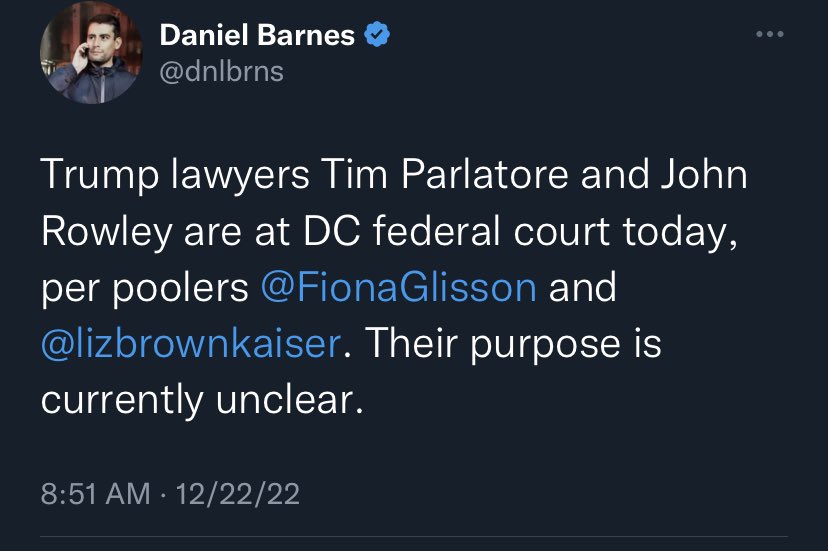
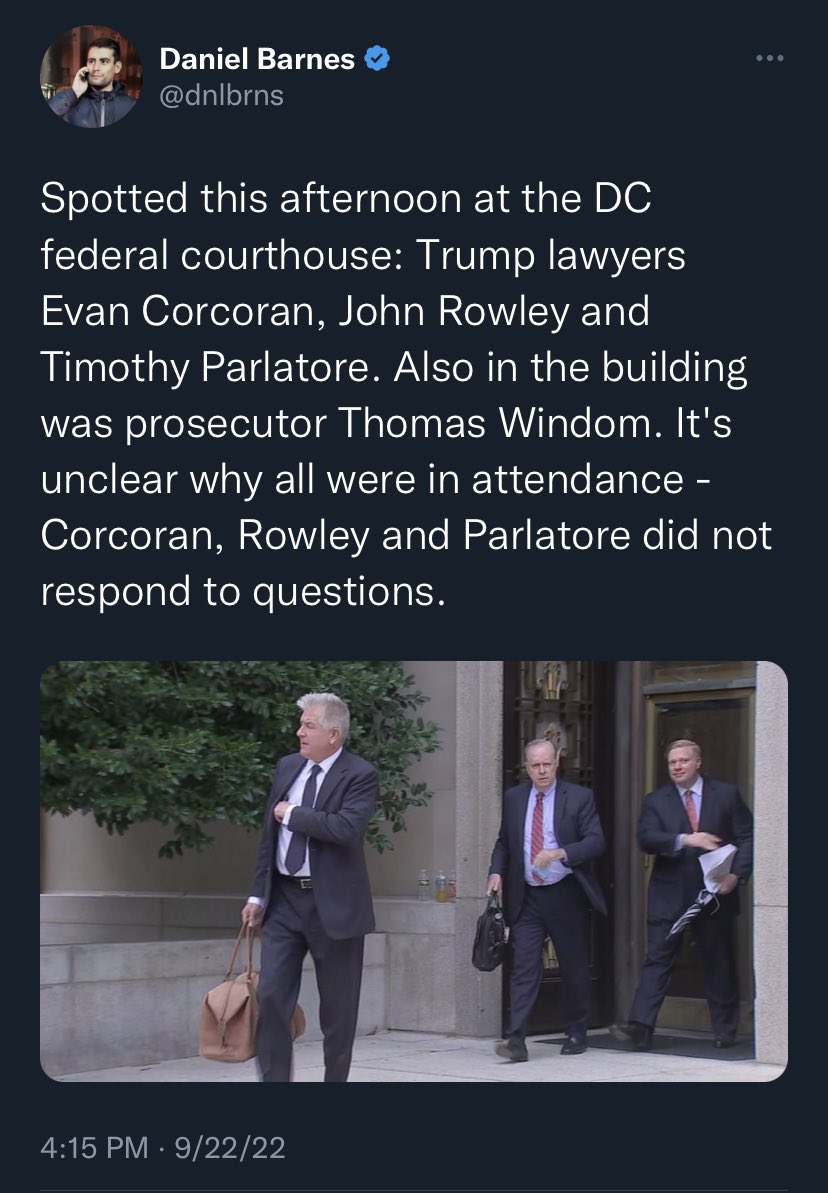
All three of these cases appeal rulings by Chief District Court Judge Beryl Howell, who oversees grand jury matters. The first appeal stems from a Dec. 28 ruling issued just six days after Trump attorneys were spotted at the courthouse. (h/t @dnlbrns)
Thats extremely similar to Howell’s secret order rejecting Donald Trump’s effort to assert privilege over the testimony of top Pence aides — she issued it on Sept. 28, six days after the same Trump lawyers were at the courthouse. (double h/t @dnlbrns)
WHILE WE WAIT: A very smart lawyer has suggested to me that the notion, (popularized by @bresreports), that a nonmember can become speaker is actually false, even though the Constitution is silent on it.
Precedents going back to 1803 suggest the speaker has long been envisioned as a vote-caster/tiebreaker in the House, something a nonmember couldn’t do. And the role includes so many inherently legislative actions that the framers never would have entrusted to an unelected person.
More importantly, the line of succession was amended to put the speaker/Senate pres pro tem ahead of cabinet because of preference for an elected person to be closer to the presidency.
It took a const. amendment to create a process for filling VP vacancy w unelected person
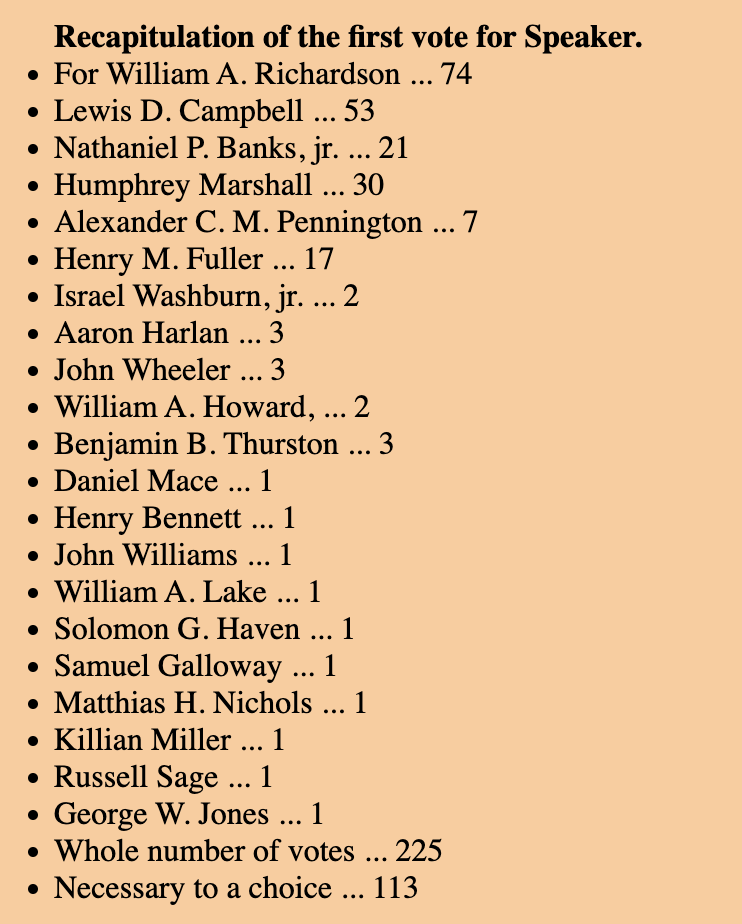
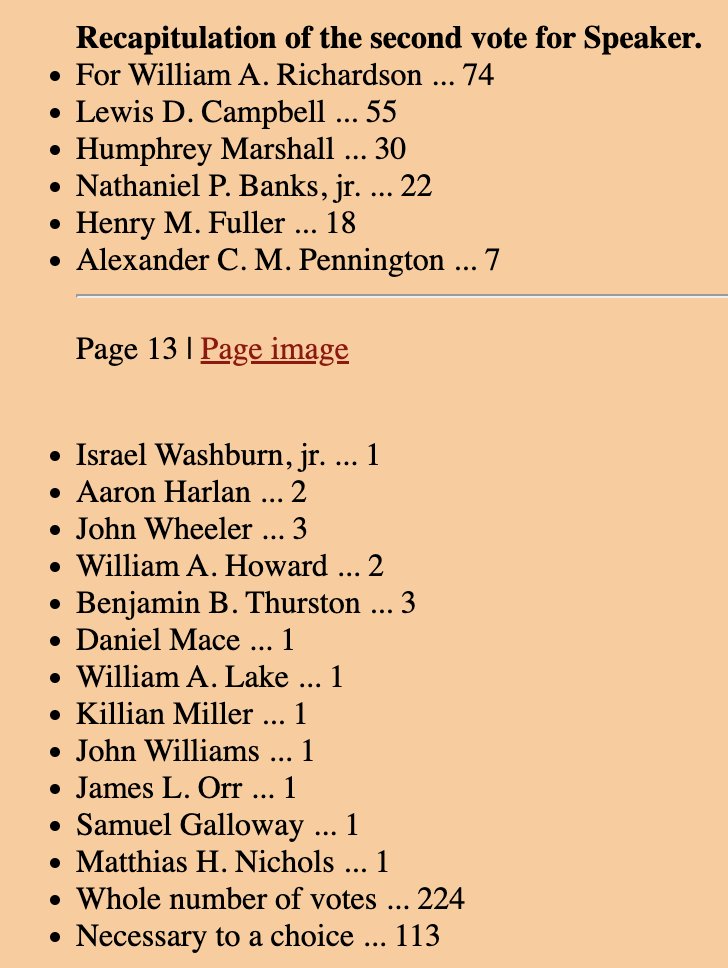
Here were the results of the first two roll calls for speaker in 1855.
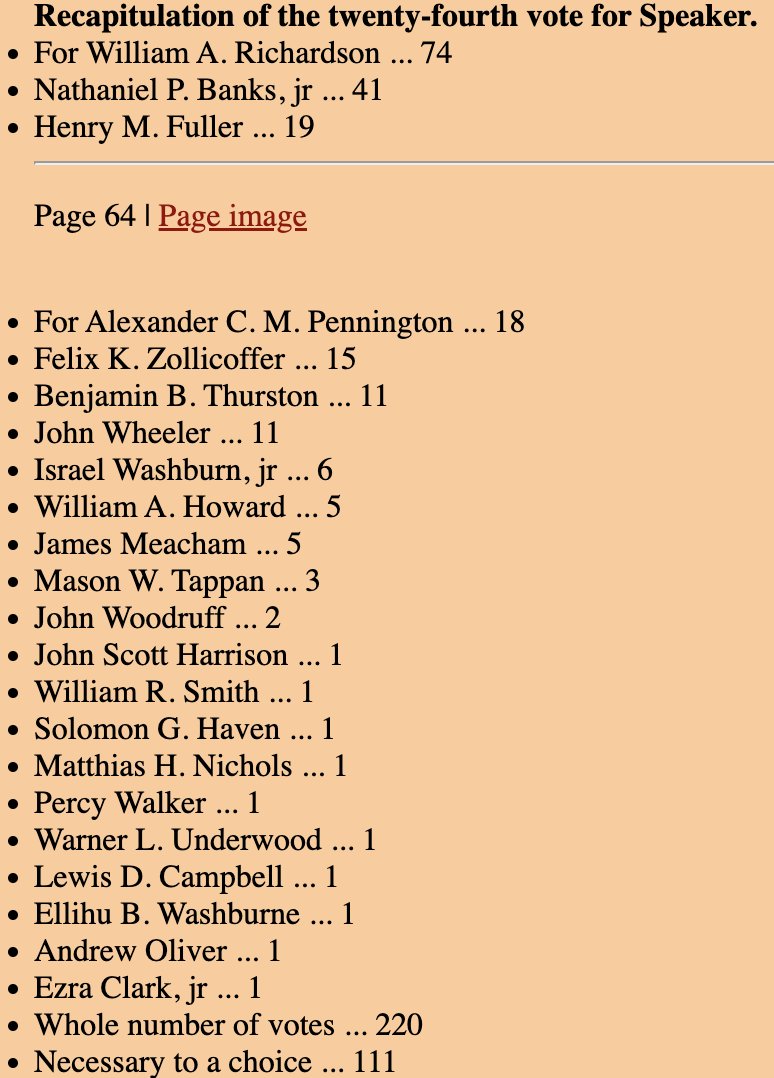
The fourth place finisher on both of those ballots, Nathaniel Banks, would win the whold thing after two months and a decision by the House to pick the winner by plurality.
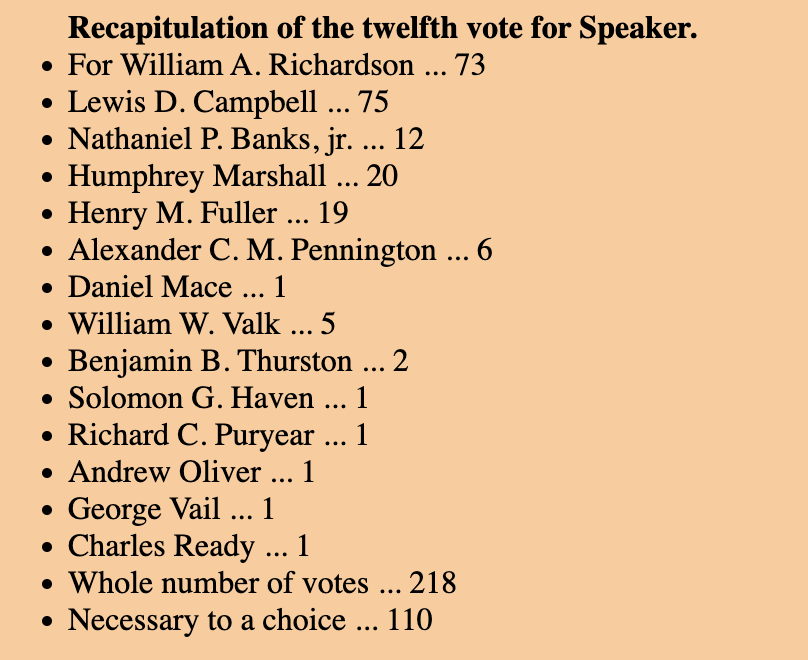
There wasn't much more than superficial movement on subsequent ballots until around the 12th round.
And Nathaniel Banks, the eventual winner, didn't even surge into second place until the 24th vote.