Muslim Kung Fu is an important legacy of Islam in China. It was developed throughout history by Muslim Masters, who trained between physical & spiritual perfection, embedding the uniqueness of Chinese culture with Islam
A thread on the art & heritage of Muslim Kung Fu in China…
A thread on the art & heritage of Muslim Kung Fu in China…

1/ Western media has always been saturated with images of Bruce Lee, Jackie Chan and Jet Li, but what we don't hear about often is the relation between Islam and martial arts.
Li Shengjun, practices traditional Hui martial arts in front of the mosque in Zhabu - China Daily
Li Shengjun, practices traditional Hui martial arts in front of the mosque in Zhabu - China Daily

2/ The Legacy of Muslim China is the legacy of Muslim Kung Fu. Muslim Masters have trained continuously and arduously, venturing the never-ending journey towards physical and spiritual perfection, poised by serving a lifelong inspiration to their Muslim communities and China.

3/ The early trade that led to a great relationship between Arab Muslims and the Chinese acted as a pivotal role in the spread of Islam in the far east as well as cementing the Muslim-Chinese identity.
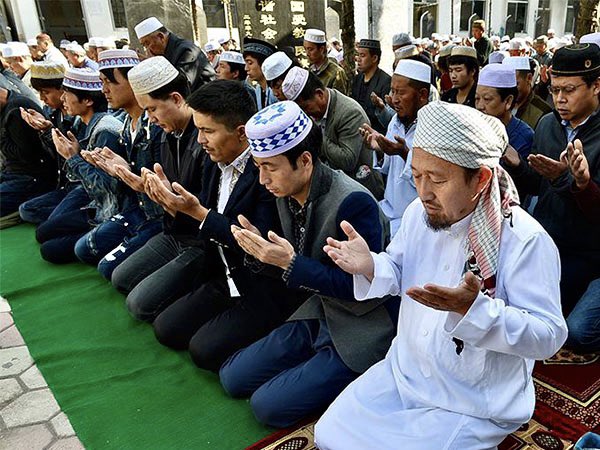
4/ Islam in China is well documented with the Hui people acting as the largest Muslim minority within the country. From approximately 19 years after the death of Prophet Muhammad ﷺ a relationship between China and Arabia was already in place.
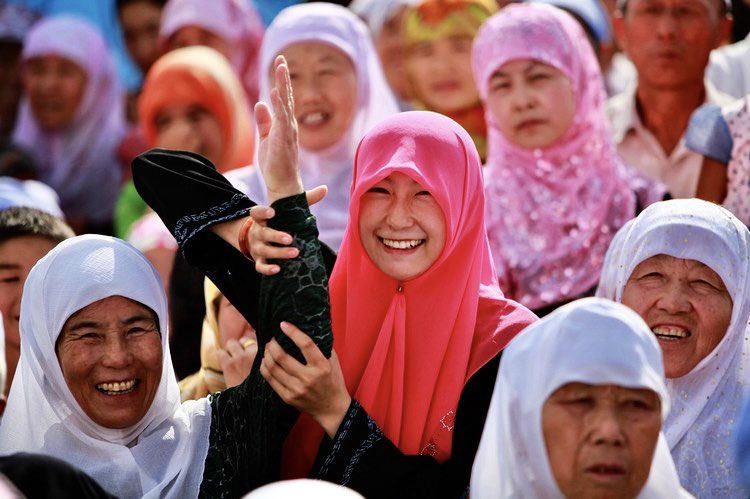
5/ It was the third Khalifah (Caliph) ‘Uthman (RA) who initiated the first conscious efforts to spread Islam in the region, with subsequent trade missions also contributing to the spread of Islam.
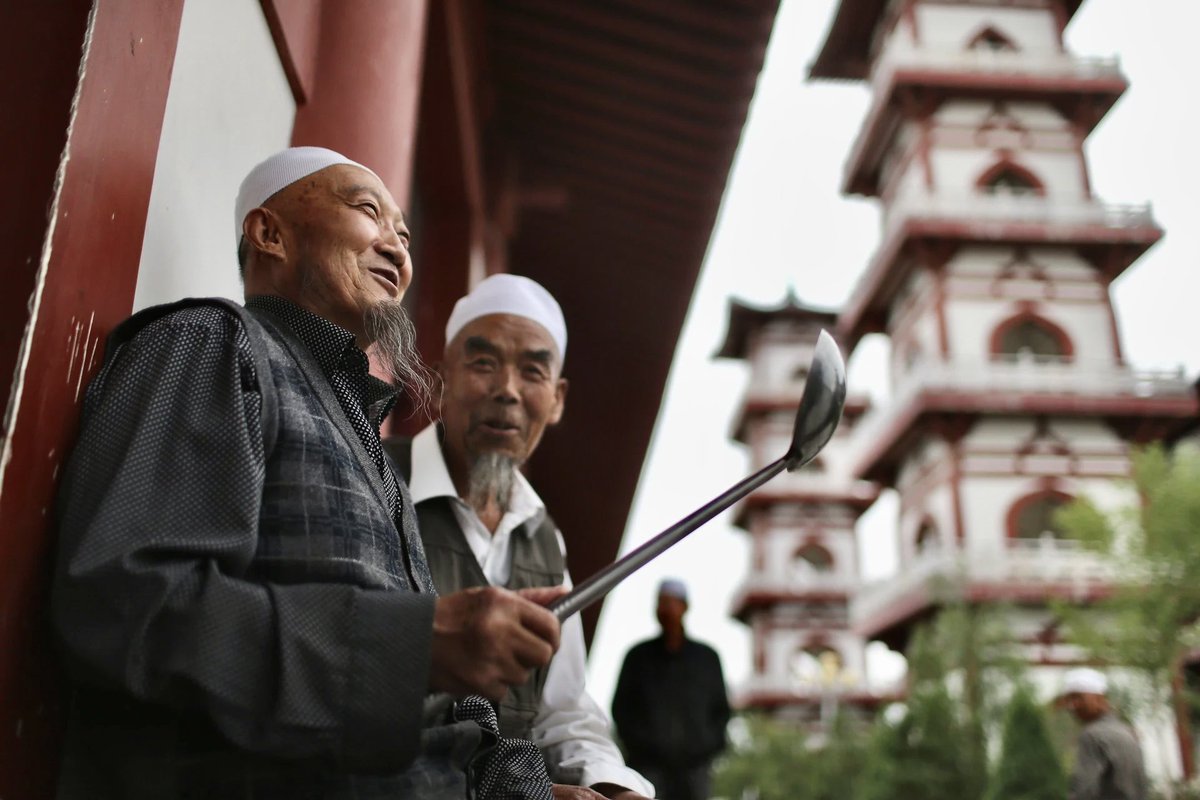
6/ The Hui Muslims came from this lineage, a unification of Arabia & China to form this unique position of authentic Chinese culture, infused with the Islamic tradition, the likes of which can still be seen to this day in various parts of the country
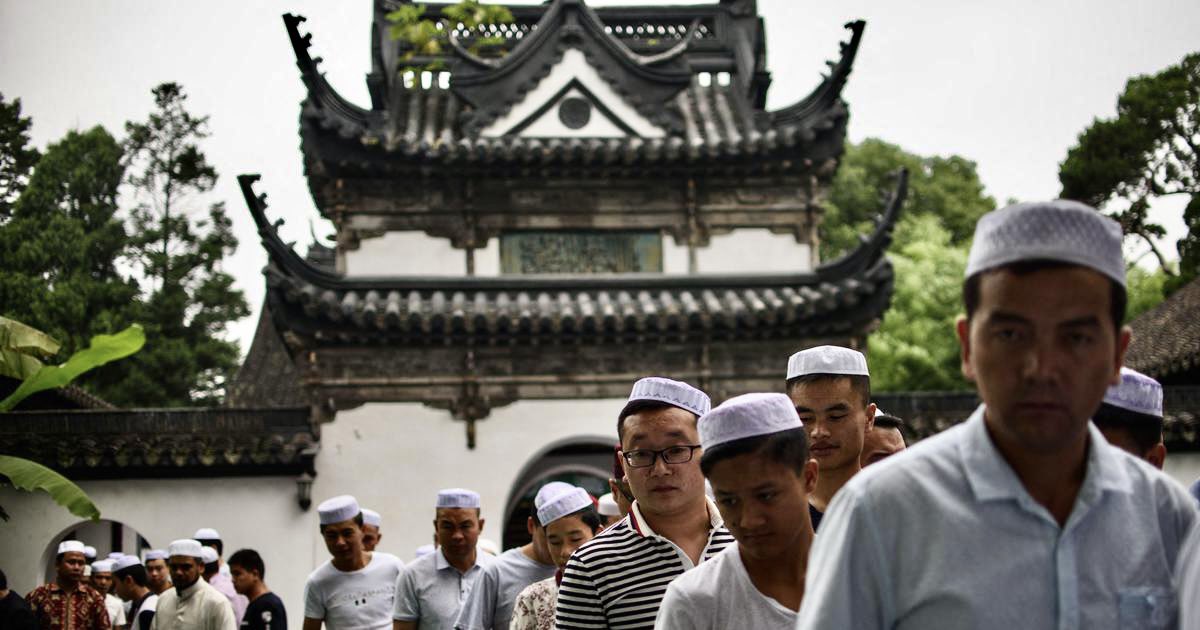
7/ Not only did martial arts combine with practical aspects of defence for long seafaring trade missions, but it also was a spiritual tool of many Muslim masters. The need for self-control and restraint reflect in both martial arts and traditional Islamic teachings.
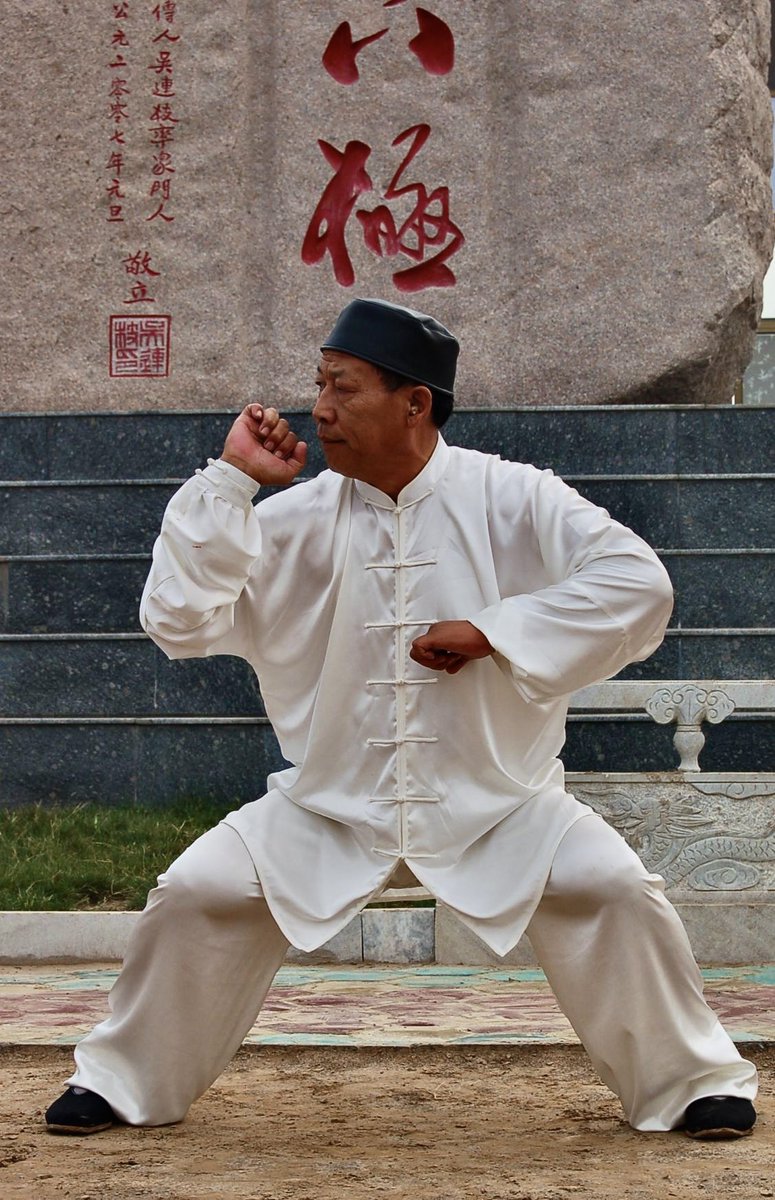
8/ Muslim Masters have succeeded in harmonizing the internal & external form of Kung fu, successfully remaining close to their original faith, applying tremendous “ijtihad” (effort) in producing ultimately effective & indigenous martial arts of their own, based on their religion
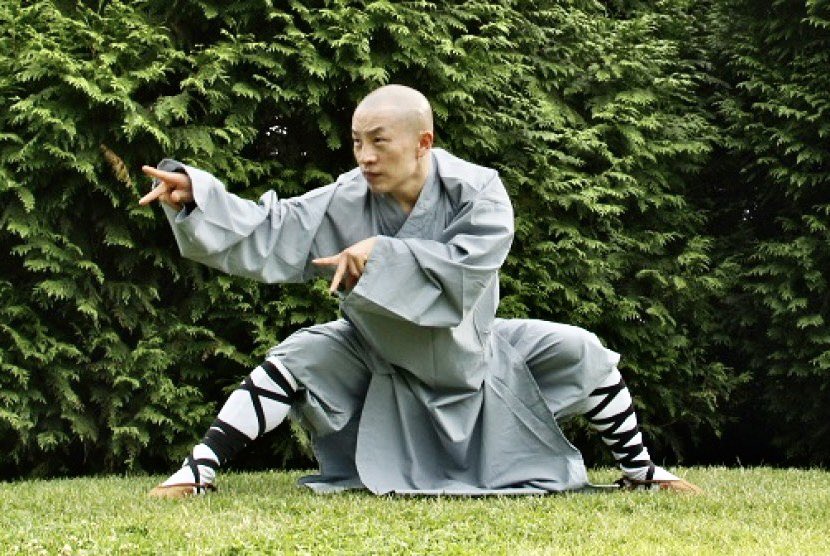
9/ The concept of Islamic self-control was used by martial art masters in the physical realm as well. With practitioners putting emphasis on both spiritual and physical aspects of training.
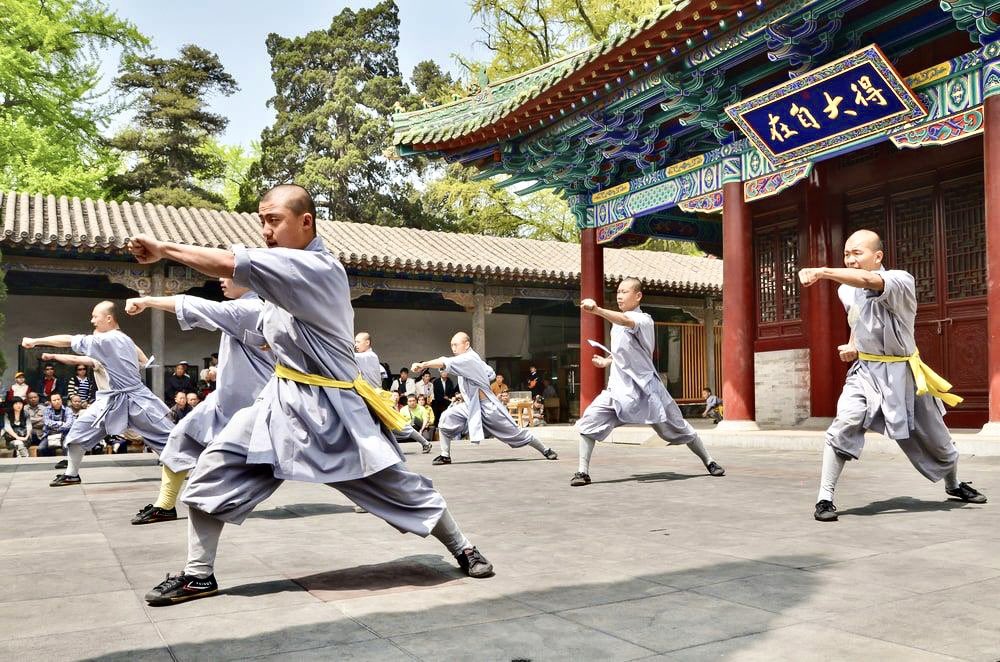
10/ Indigenous Muslim martial arts were often epitomized with distinctive Islamic (Arabic) names and their technical effectiveness peaked within Kung Fu circles in China
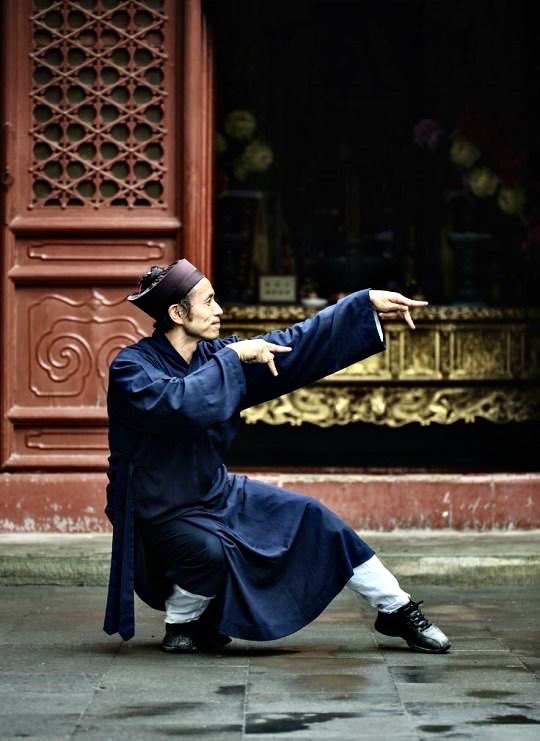
11/ Various art forms such as Silat and Wushu have been perfected by Muslims of the last few hundred years, with many original martial arts being either created or adapted by Muslims as well, such as Zhaquan and Piguquan.
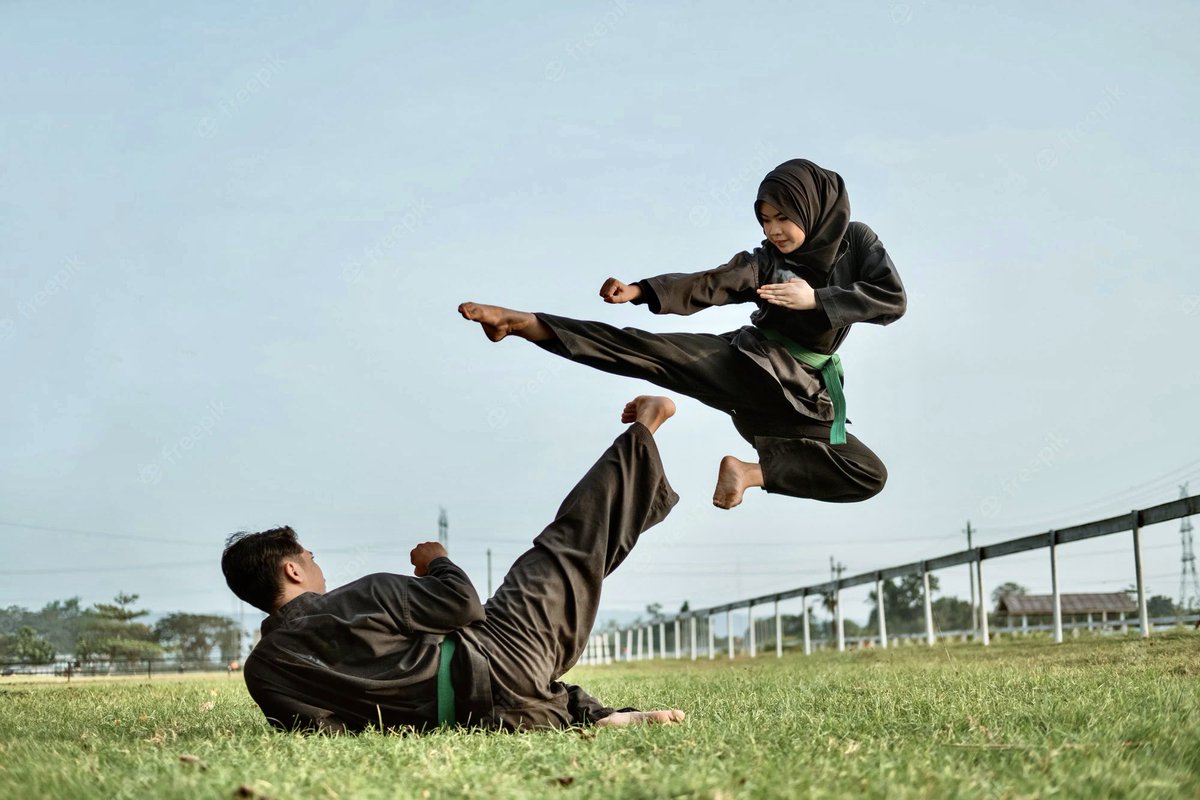
12/ These original developments were tools that were created often by army officials or to safeguard Muslims in China, being passed down in secret through generations across Muslim communities.
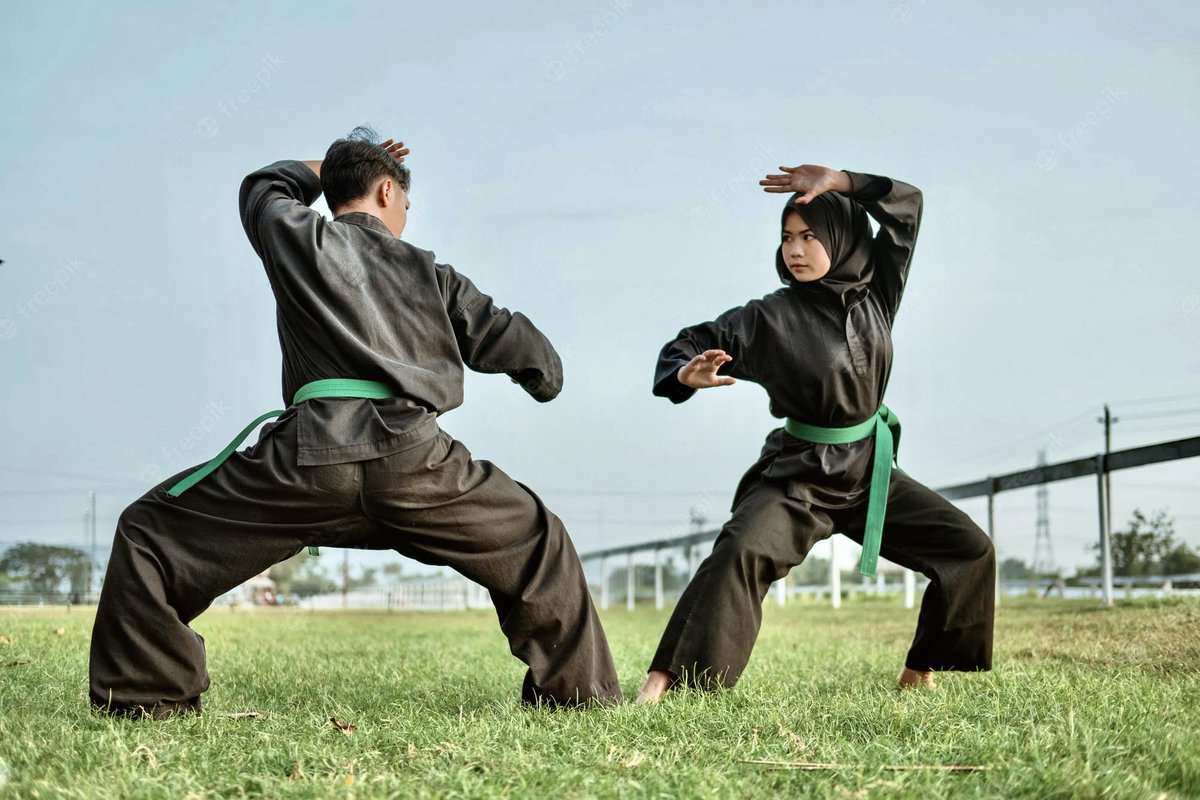
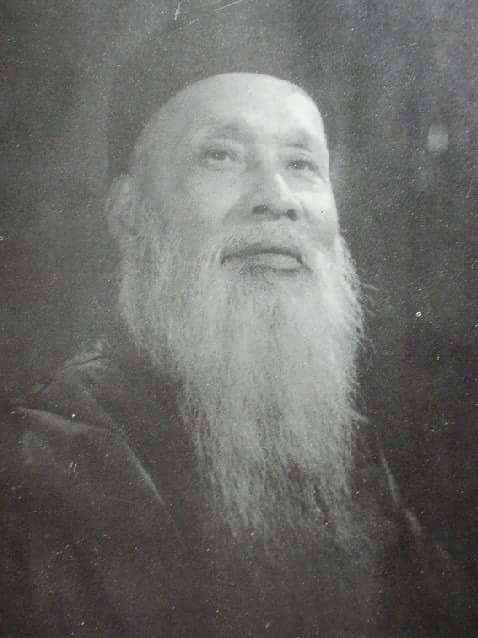
13/ In the history of martial arts and Islam, there are many names to consider. Particularly masters such as Wang Zi Ping (1881 - 1973) & Chang Tung Sheng (1908 - 1986) trained in their discipline, while retaining their faith & using it as a means to come closer to Allah & Islam
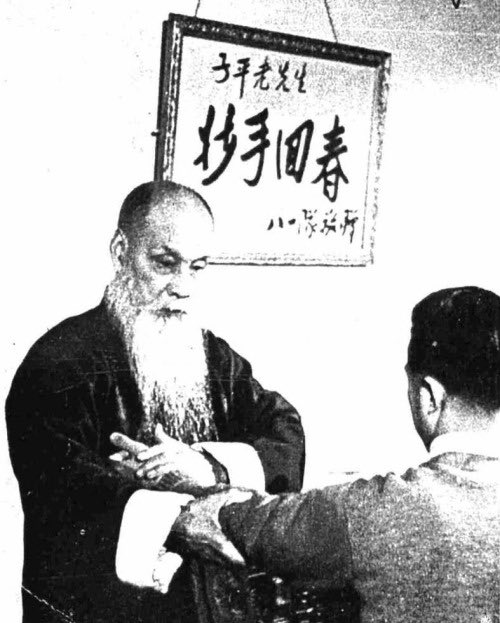
14/ Master Wang Zi-Ping (1881–1973) was a Chinese Muslim practitioner of Chinese Martial Arts & traditional medicine. He served as the leader of the Shaolin Kung Fu division of the Martial Arts Institute in 1928 & was also the vice chairman of the Chinese Wushu Association
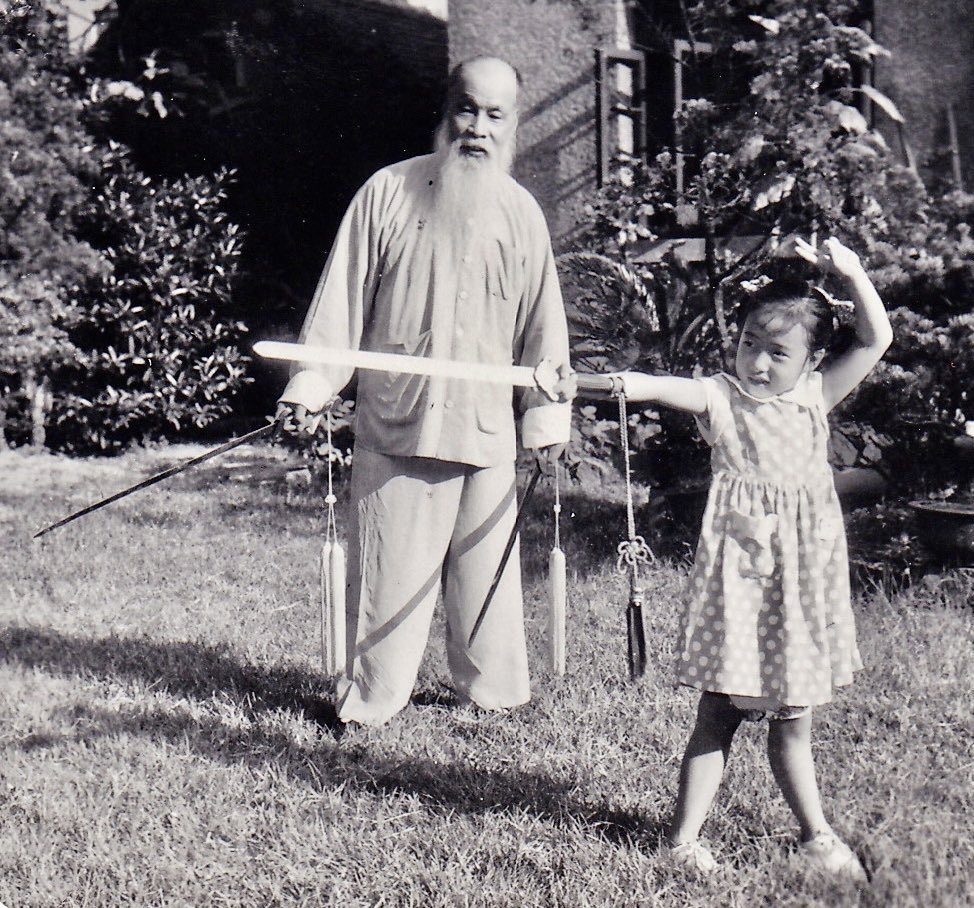
15/ Master Wang Zi Ping, acknowledged as a master of Wushu was also a learned man in relation to Islam. He was known to lift heavy stones while reciting the Qur’an.
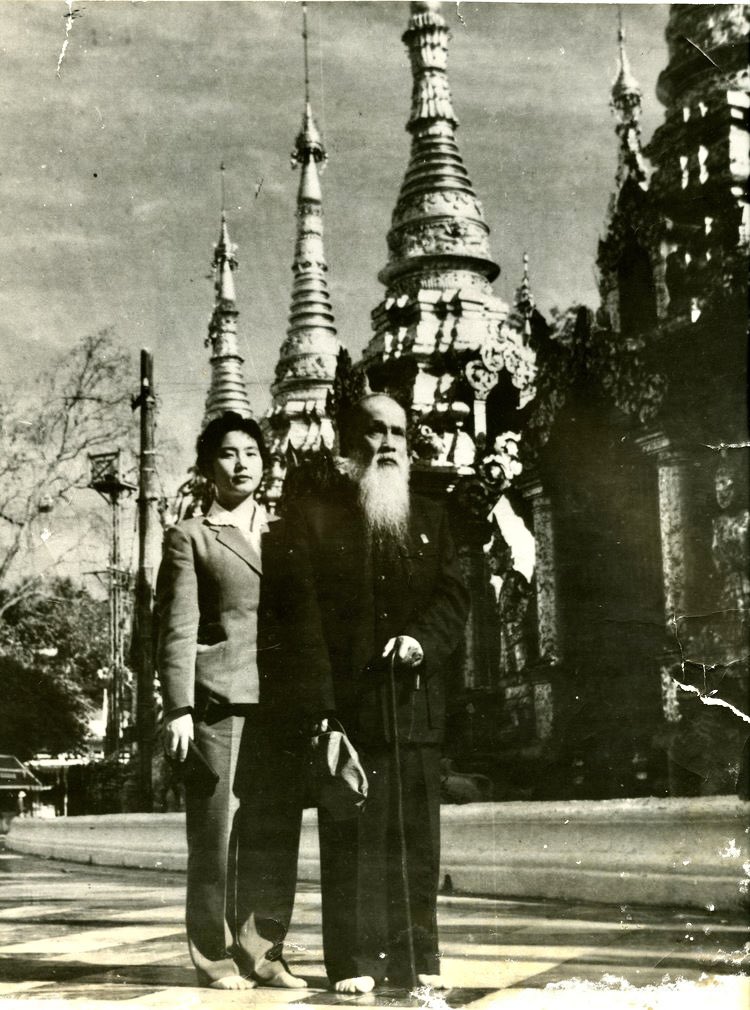
16/ A renowned story tells of his opposition to German forces who tried to take the doors of Qinzhou masjid, inscribed with the history of the Muslims in China. Master Wang would not let them be taken, & challenged the soldiers to a weight lifting competition & subsequently won!
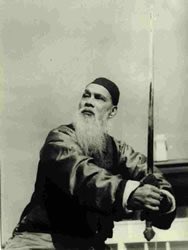
17/ A master of various other disciplines, Wang Zi Ping was an inspiration to people, Muslim & non-Muslim alike. His mastery of martial arts allowed him to gain victory over various foreign opponents, leading to a following of students & spreading Islam amongst Chinese people
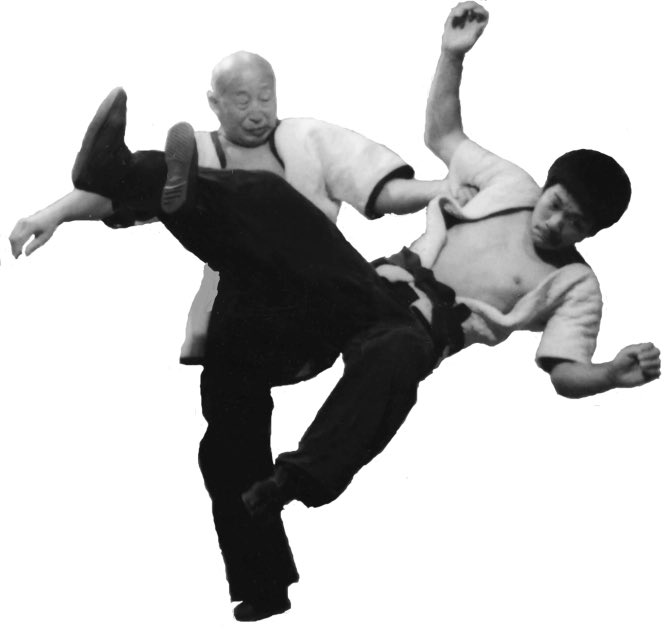
18/ Chang Tung-Sheng (1908-1986) was a Hui martial artist. He was one of the best-known Chinese wrestling (also known as Shuai jiao) practitioners & teachers. Chang was a devout and practicing Muslim
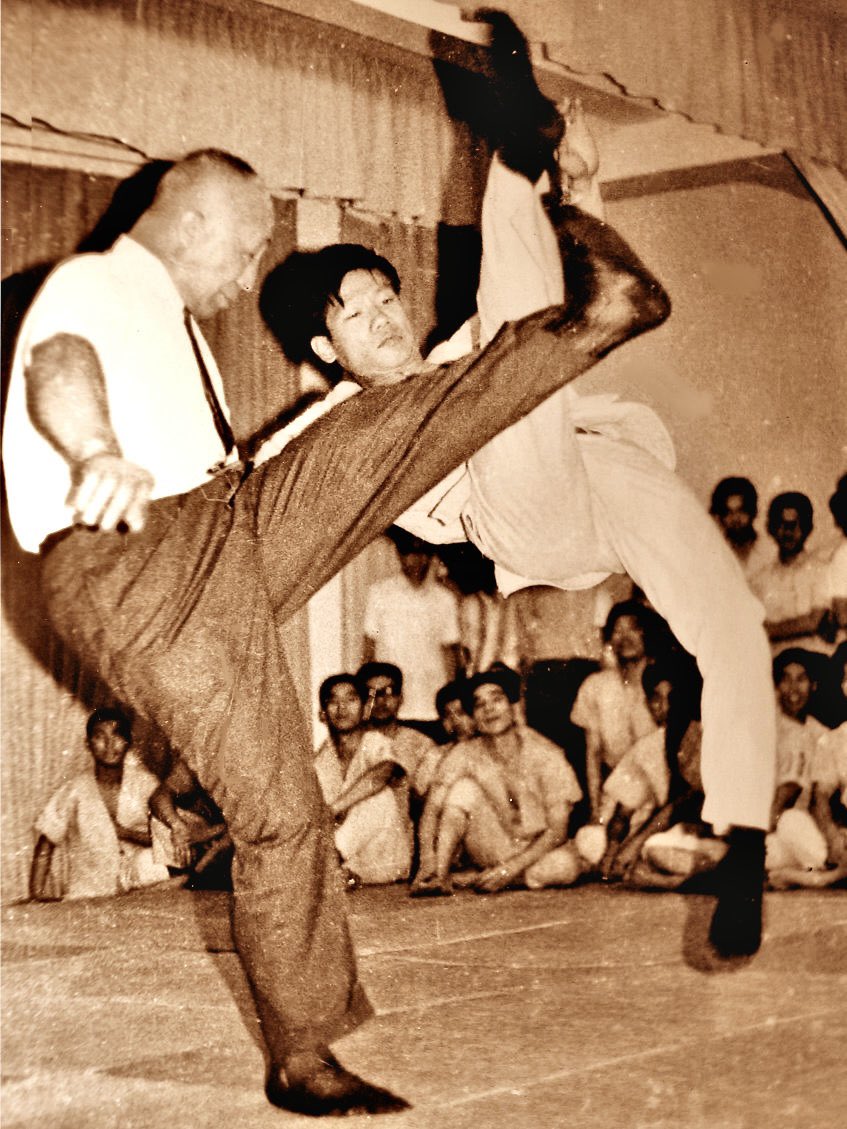
19/ The nickname “Flying Butterfly” was given to him early in his career for his ability to circle & ensnare his opponents. Grandmaster Ch’ang’s teacher was the famous Chang Fang-yen an expert in Pao-ting Shuai-chiao – the fastest & most powerful of the 3 main branches of the art
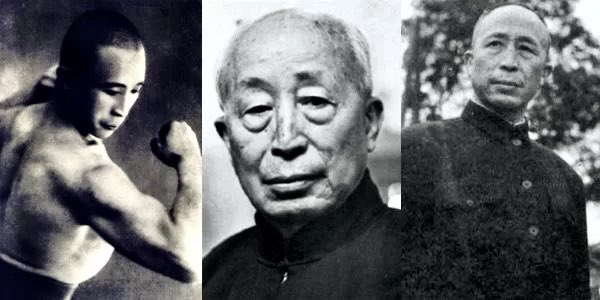
20/ In one of his most famous matches, Chang challenged the Mongolian wrestling champion, Hukli, who was supposedly 7 ft tall & weighed near 400 pounds. Chang was victorious, throwing down Hukli repeatedly, despite the size difference.
21/Amjid Ali is a Wing Chun instructor & Muslim. In this video he shares his learning journey, from travelling to Hong Kong & training with martial artist Ip Man & friends of Bruce Lee. He provides an insight into the similarities between Islam & Kung Fu
22/ In reality, martial arts & the Islamic tradition share a unique bond and history in which both contain means to achieve a greater purpose, embedding the uniqueness of Chinese culture, with the absoluteness of Islam.
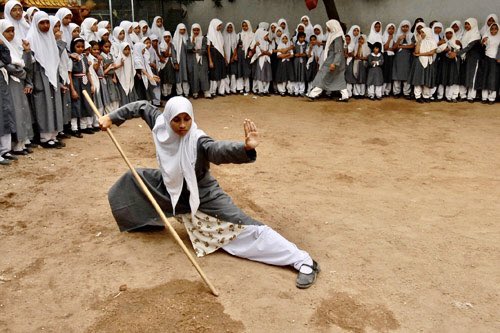
Muslim school girls practicing Chinese Martial Arts
Muslim school girls practicing Chinese Martial Arts
Discover more about the art and heritage of Muslim Kung Fu in China
baytalfann.com/post/muslim-ku…
baytalfann.com/post/muslim-ku…
The content for this thread was informed and taken from an original article on @bahathmag which you can read here: bahath.co/life-bahath/ta…
• • •
Missing some Tweet in this thread? You can try to
force a refresh