One of the first batch of superhero comics I got my hands on in the original US release (and not a translated Swedish edition) was this series, which is a very strange animal even today, looking back.
It is in every regard a direct sequel to the 1991 mini Deadly Foes of Spider-Man which was also written by Danny Fingeroth but had a different art team mostly carried by Al Milgrom. Both series are in essence kind of about the Sinister Syndicate, the sorta-kinda Sinister Six
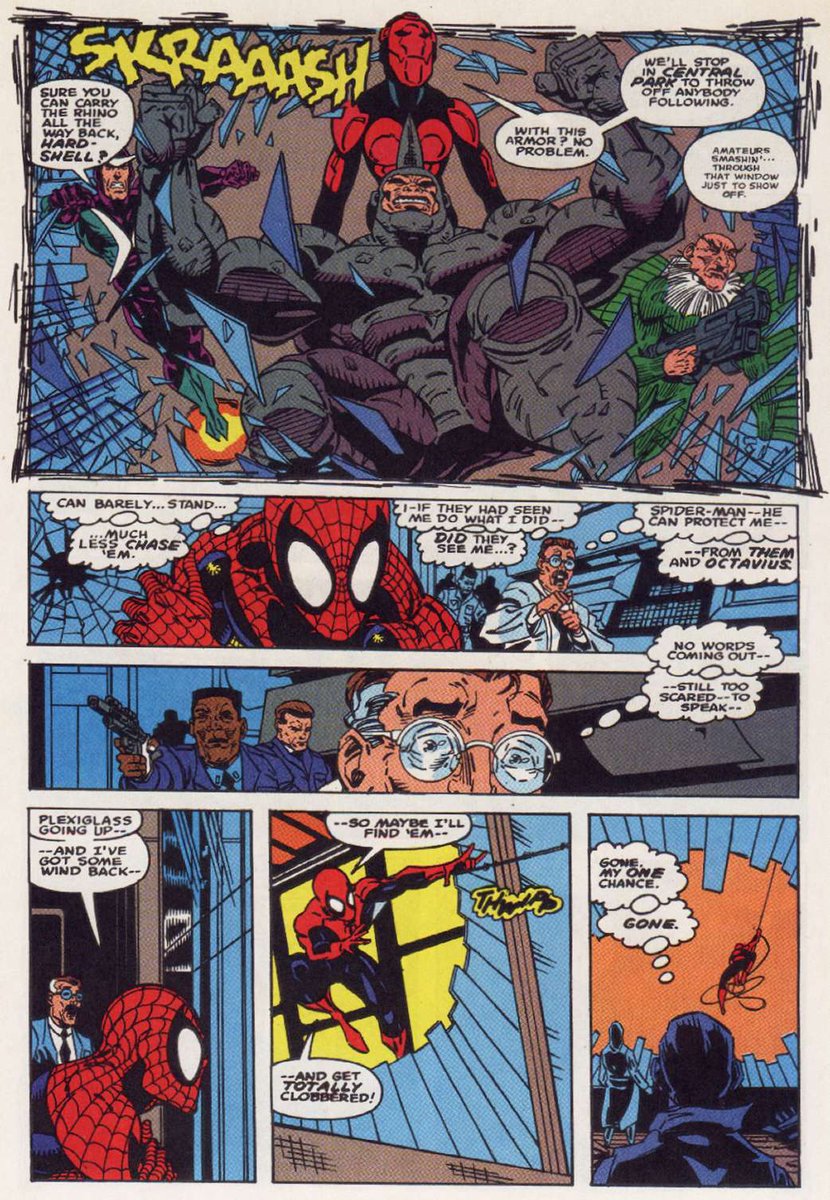
Something I like is when a comic very clearly distinguishes its time period by stylistic choices and in Lethal you can see that we are not in a post-McFarlane world but also in an Erik Larsen Spider-Man era with Scott McDaniel drawing a very Larsen-esque Vulture even on the cover
McDaniel unfortunately only pencils the first two issues but his Otto Octavius is also VERY influenced by Larsen's. If you don't believe me check out that bottom panel, that's straight out of the Return of the Sinister Six era.
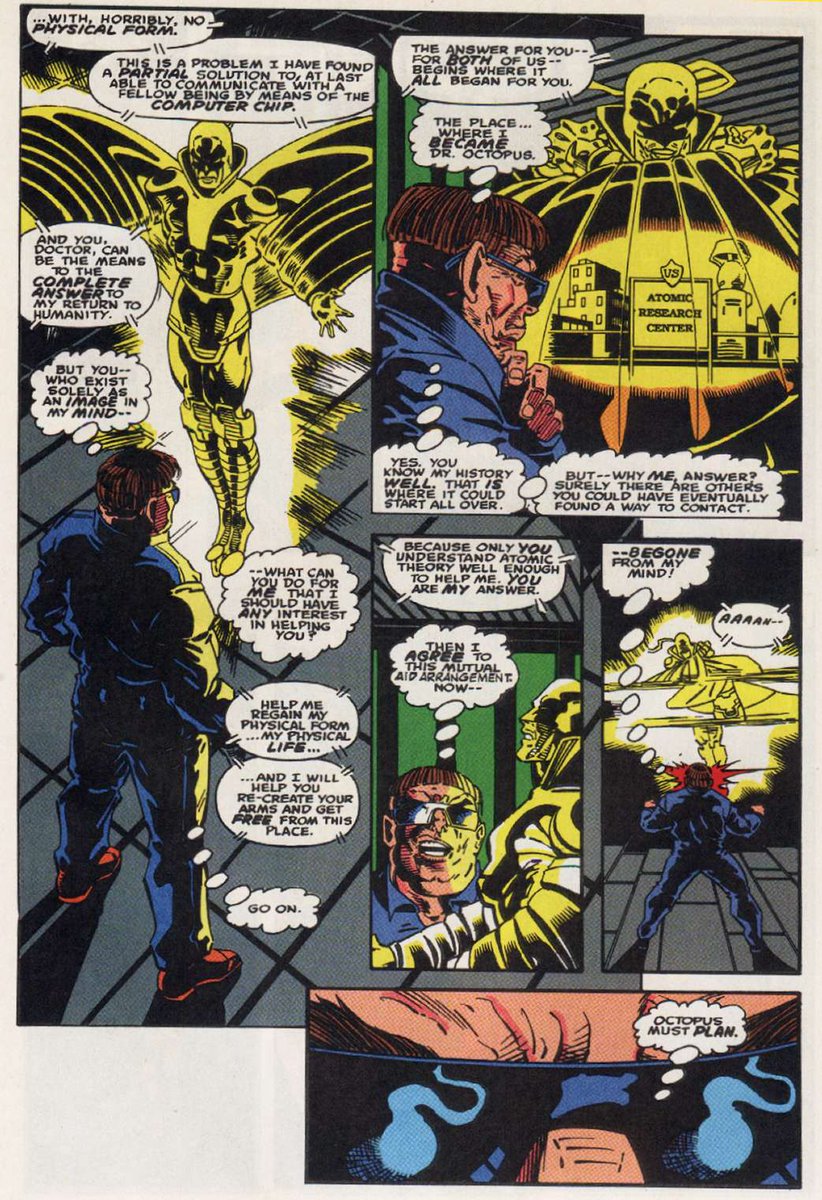
What makes Lethal a much weirder read than Deadly is while Deadly focused mostly on the interactions between the Sinister Syndicate, the machinations of Leila Davis and the desperate actions of the Shocker and the Beetle...
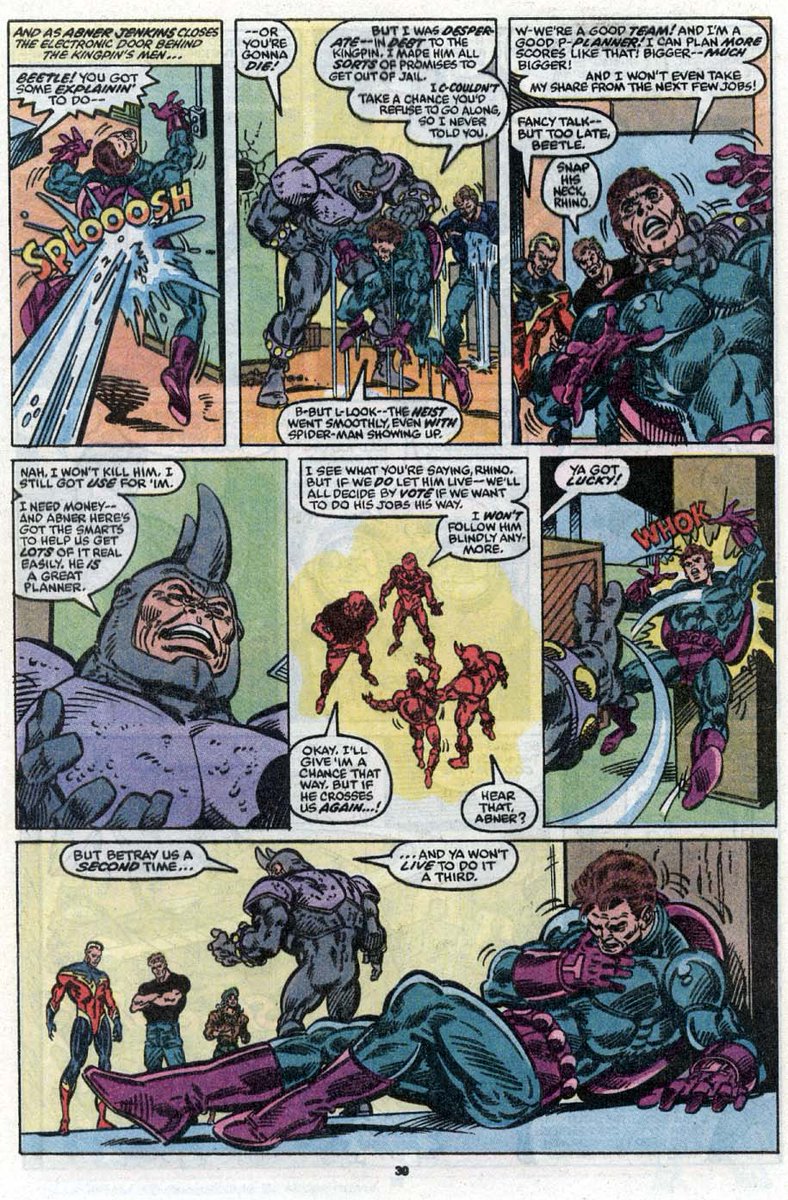
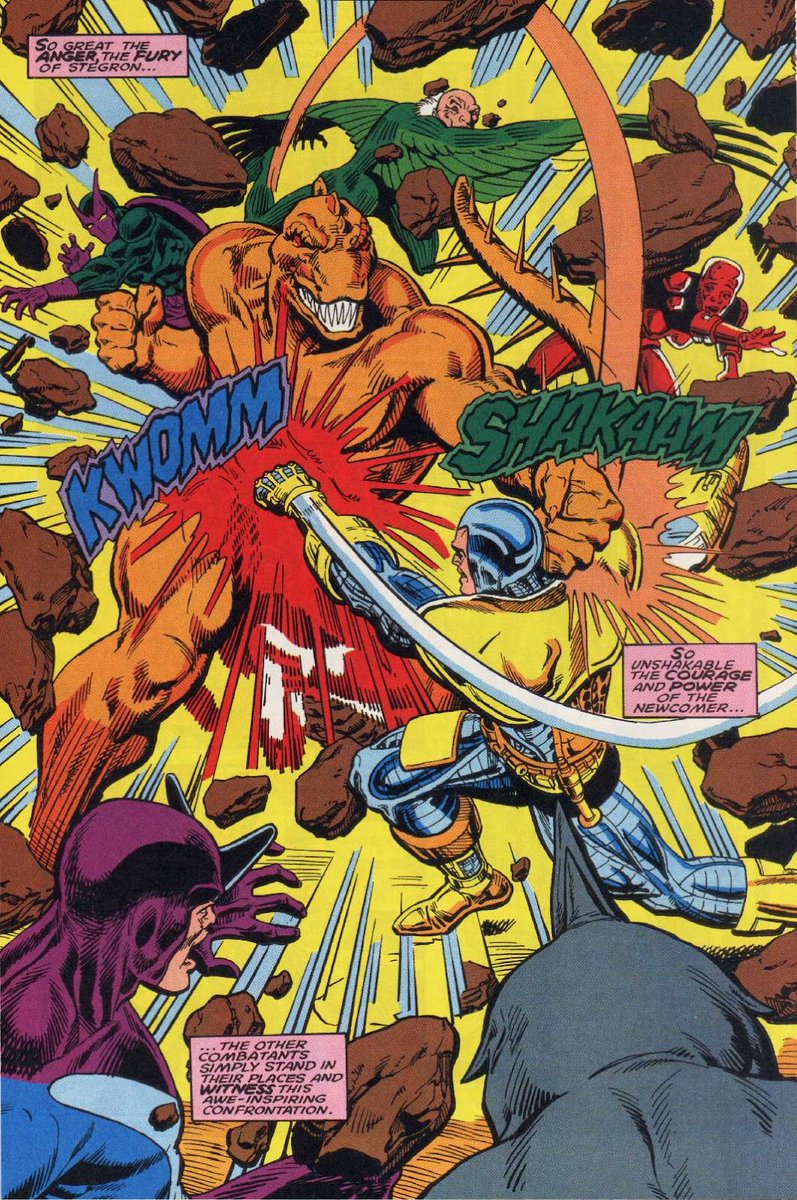
...Lethal opts to just throw crazy shit at the wall to make Spidey's day worse. Doc Ock is on the loose, the Syndicate are kinda back, and a random energy blast randomly hits Vincent Stegron in the park and he turns back to Stegron the Dinosaur Man!
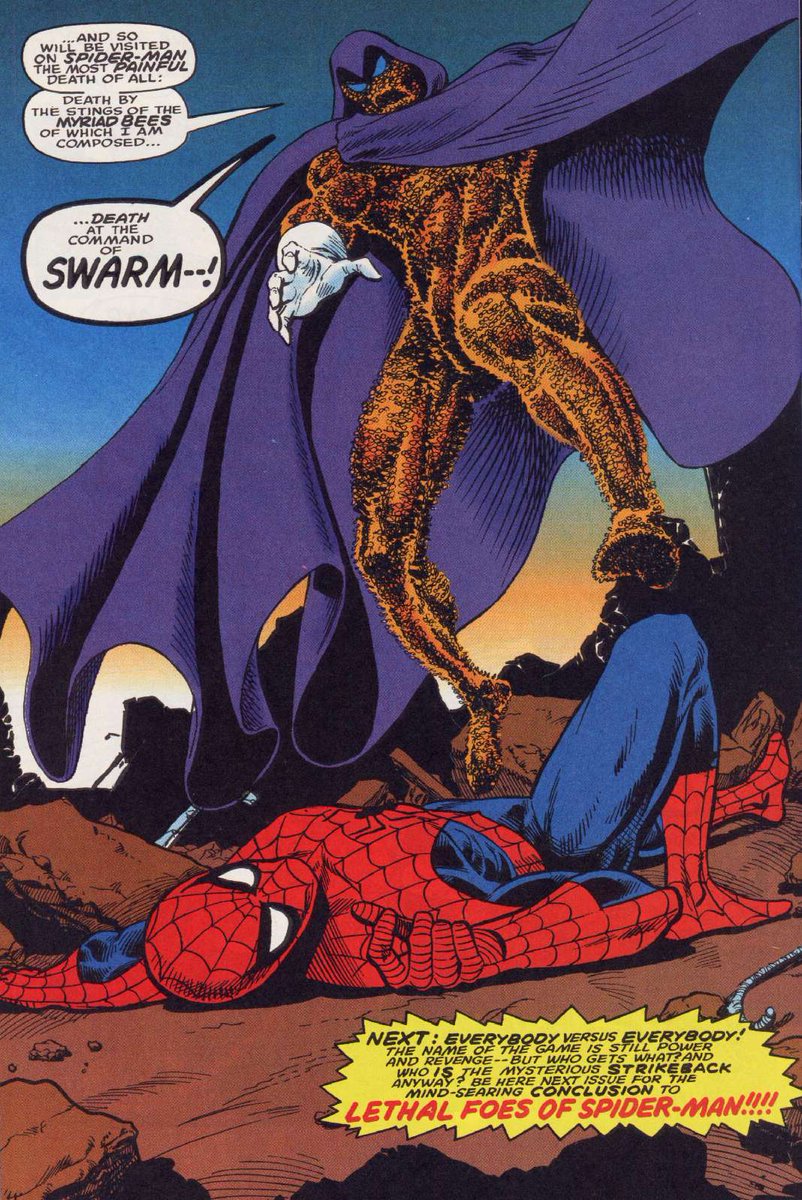
In issue 3 a canister gets broken during one of the brawls between Spidey and the villains and the nazi bee-man Swarm is released to make everyone's life even worse! This series has absolutely no chill.
This random-ass four-issue Spider-Man villain miniseries even explains the return of long-dead obscure villain the Answer by referencing the explosive events of Alan Davis' Excalibur #50 which utterly blows my mind. Like, great continuity but wow.
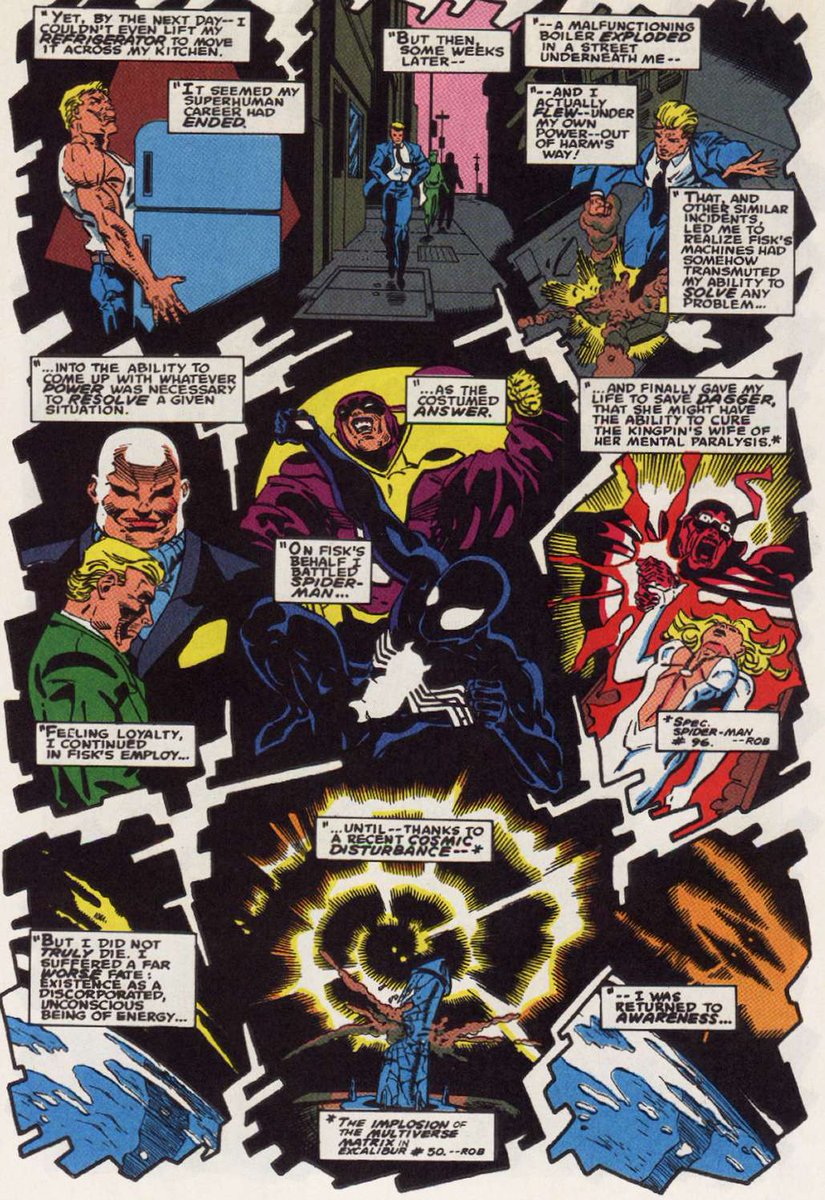
For some inexplicable reason this comic also squeezes in the return from the dead of Scourge victim and perennial Z-lister the Ringer (whose death was one of the cruxes of Deadly) as a 90s-ass cyborg. Young me thought this was rad, but he never appeared again*
This comic is absolute lunacy, squeezing in stuff from Deadly Foes, the Vulture dying of cancer subplot, brings back like five different obscure villains and even then manages to be Doc Ock-centric. It's MADNESS in only four issues.
Ringer's widow Leila gets an armored battlesuit in this as well and she's pretty cool here. I honestly wanted her to stick around because Spidey has woefully few female villains but alas. Love that red and black armor though. Alas she... well.
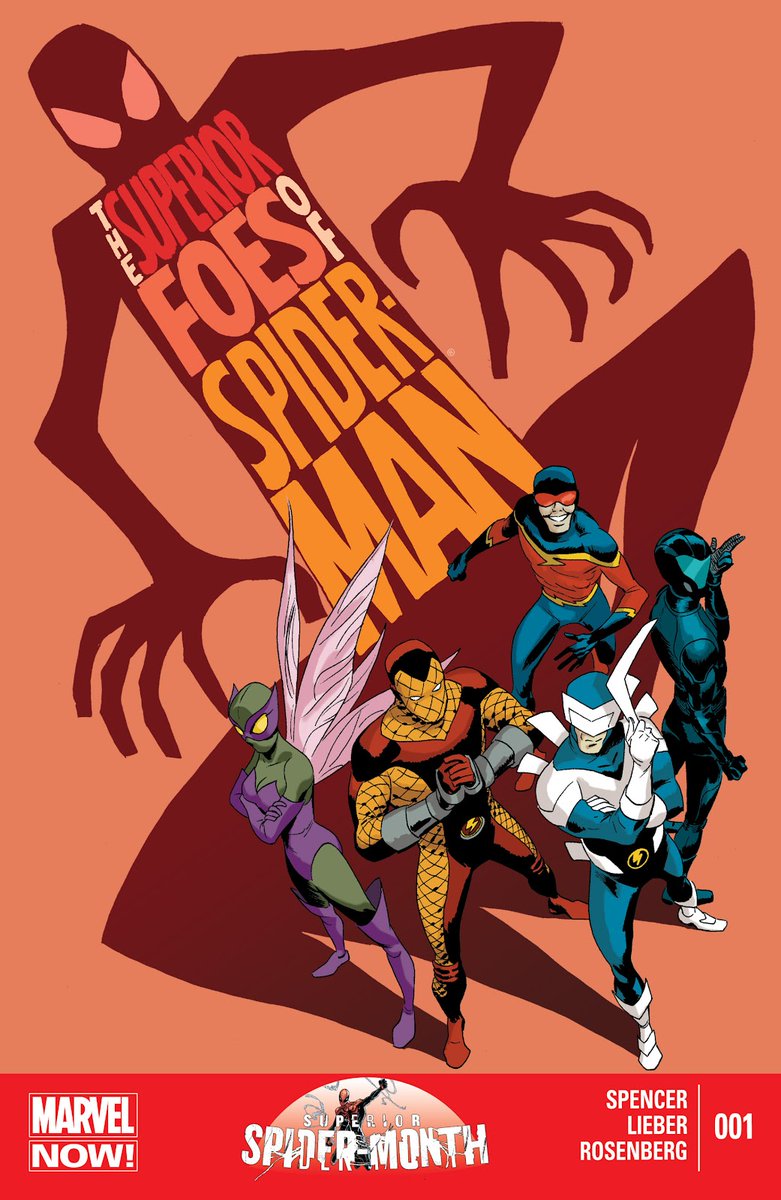
Some 20 years later both of these minis got a spiritual sequel in the form of Superior Foes of Spider-Man, a 17-issue run by (mostly) Nick Spencer and Steve Lieber which continued with mostly the cast from Deadly Foes with some new faces. Great read, highly recommended.
I'd never claim that Lethal Foes was some kind of lost masterpiece but goddamn it is unabashedly crazy comics stuff. Just fun stuff about villains getting mad at each other and Spidey having a horrible day.
The perfect jump-on comic, naturally*
*It's not but I didn't care.
• • •
Missing some Tweet in this thread? You can try to
force a refresh

Hello everyone.
Join me today as we explore the fate of the original super-team in comics through sorrow and joy, from the war-torn days of World War 2 to the futuristic utopia of the 1980s as we seek an answer to the question...
"Who killed the Justice Society of America"?
This thread is a direct response to my full aware self-critique that I talk a lot less about DC than I do other publishers. Which is weird as DC was pretty much the reason I became a life-time comics fan as a young adult. So I hope this will be interesting.
To first answer some questions that my admittedly clickbait-y title may have raised: Yes the Justice Society is still around. This thread seeks to explore the period from 1963-1998 and to answer why there was the need for a big clean-slate relaunch of the team at that time.
Hello everyone, it's time for me to tackle a subject I've been meaning to talk about for a long while, something that's had a transformative effect on the medium of comics and yet is rarely discussed as a concept.
Today we talk about the history of collected editions of comics.
It is absolutely no secret that comics started out as a disposable, cheap form of entertainment. Comic BOOKS originated as a way to get more useage out of comic STRIPS by reprinting existing material and it took quite a while for that to change.
Though the truth is long lost to time, the idea to fold a standard newspaper in half and staple it in the middle and offer up all-new material is often credited to major Malcolm Wheeler-Nicholson, one of the founders behind DC comics.
Good day. Today I want to continue discussing the golden age genesis of DC Comics. Last week we took at look at the twin companies of DC and All-American and how they ultimately merged.
Today we are examining DC's concerted "second wave" of expanding and refreshing their line.
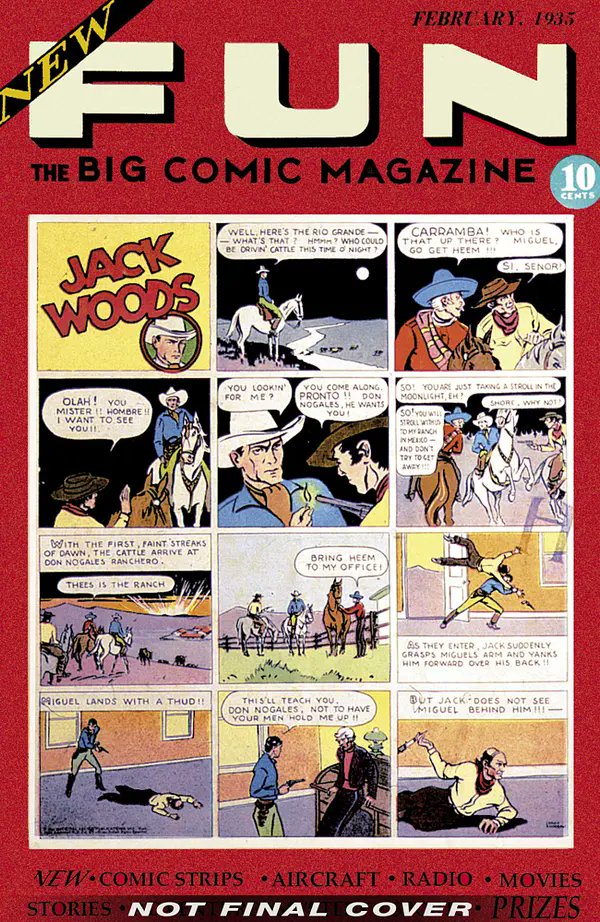
As you probably know, DC began publishing comic books with original material in 1935 with New Fun Comics, but didn't become a juggernaut in the field until the introduction of Superman and Action Comics in 1938.
With the takeover of the company of Harry Donenfeld, DC's line soon expanded to exploit the sudden success of the superhero formula, but it did so at a very erratic and uneven pace. Characters were introduced all over the place, often in already existing titles.
Hello everyone, time for another topic that fascinates me!
It's probably not news to you that DC Comics has absorbed many other publishers over the years and that many of their characters originated with totally different companies. But what was the first DC acquisition?
In today's short-and-sweet topic we go back in history, back before Charlton...
Good day everyone. I have decided to do a few one-and-done topics on various subjects for a little while now, and the first one will be a bit of a thematic deep dive into the background of one of my favorite superhero mythos.
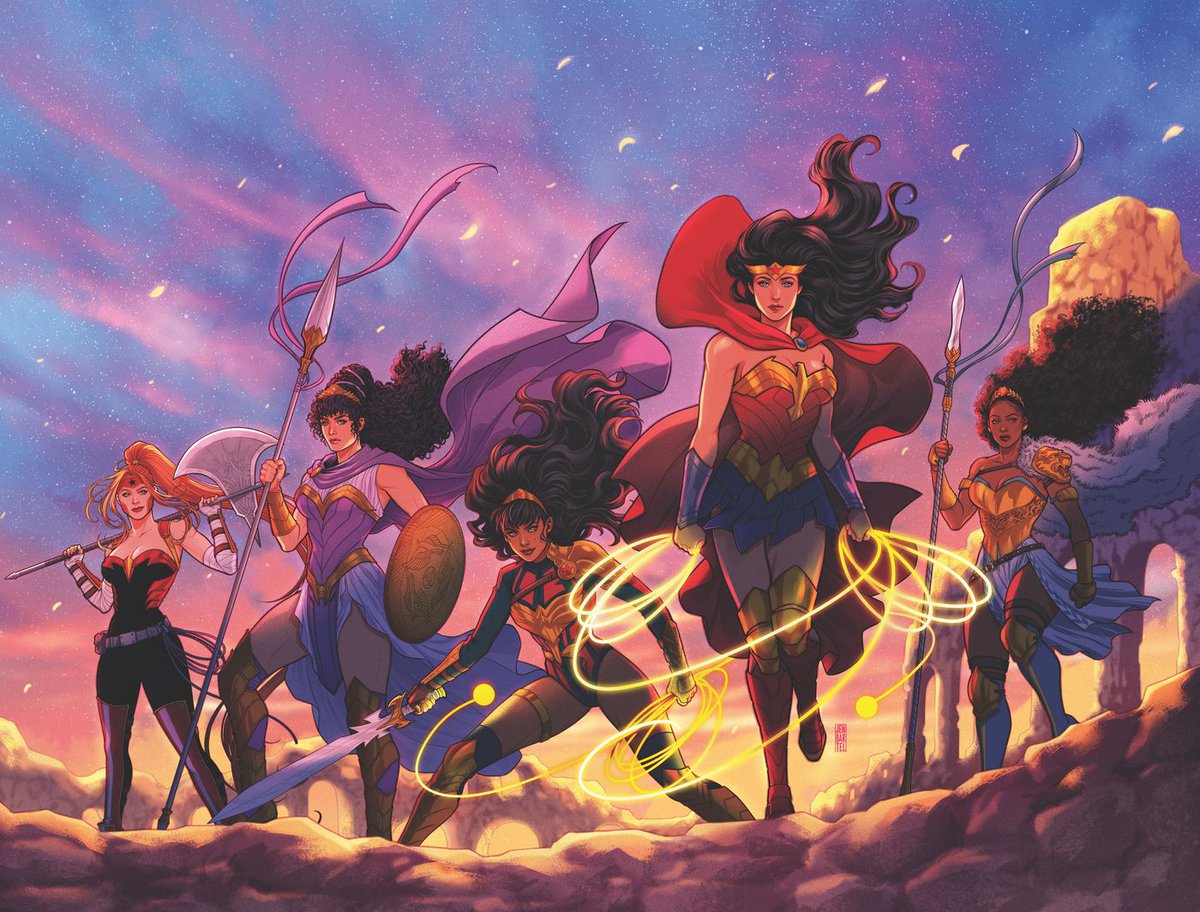
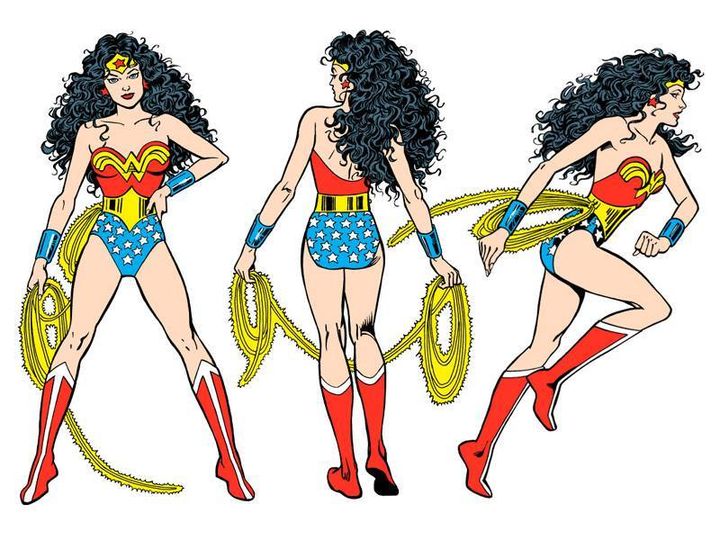
Today we are going to talk about amazons.
Let me first tell you what this thread is NOT. This is not a discourse on the fictional history and background of Wonder Woman and her supporting cast. Rather I want to explore the real-world background that led to her creation and the reality behind the amazon legend.
Oh yes, due to the subject matter this thread will both contain mild nudity in the form of both ancient and modern sculptures and art as well as the discussion of heavy topics including sexual assault so please proceed with caution.
Alright folks, now that last weekend's convention fatigue is over, the livestream of yesterday is done... I think it's time we start up a little thread, don't you?
Why... what's that over there?
HEY LOOK! A DUNGEONS AND DRAGONS RIDE!
Yes good readers, as there was a lot of interest in licensed comics I have decided to finally kick off the long-in-the-making personal retrospective of the intersection between D&D and comic books. Magic! Mayhem! Angry parents! Corporate takeover! We have it all!
This is an open-ended series which will take whatever time it requires to get done. In each installment I intend to examine a selection of D&D-related licensed material and talk a little about the cultural context of it.