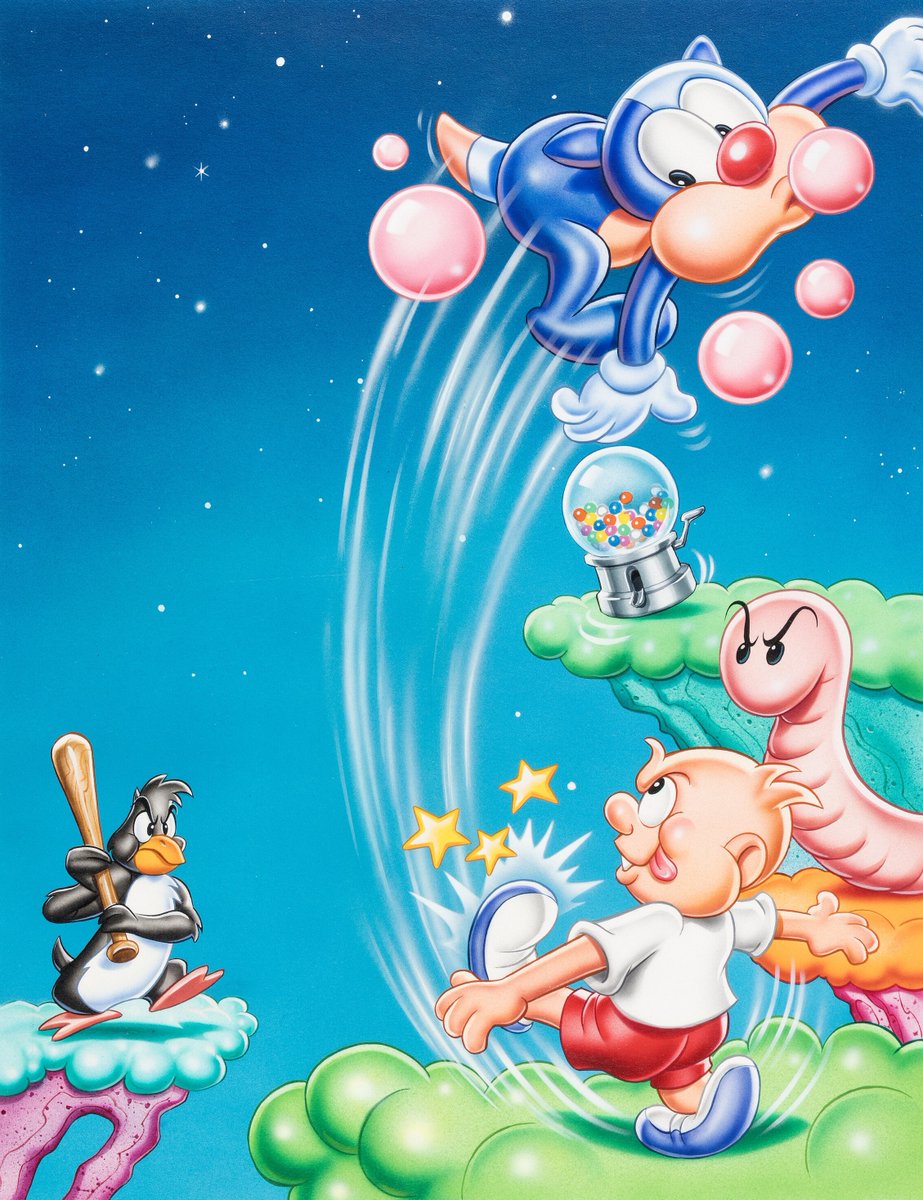
Greg Martin, Part 2.
Part 1 available here:
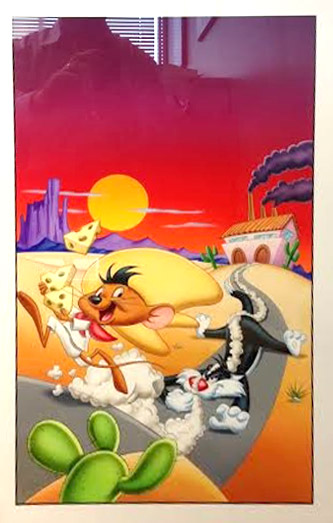
Tom & Jerry: The Movie and Cheese Cat-Astrophe starring Speedy Gonzales, some of the many Looney Tunes games produced by Sega and illustrated by Greg Martin.
Part 1 available here:
https://twitter.com/VGDensetsu/status/1613965273756729345
Tom & Jerry: The Movie and Cheese Cat-Astrophe starring Speedy Gonzales, some of the many Looney Tunes games produced by Sega and illustrated by Greg Martin.

Greg Martin also did the cover art for 2 more Sega games: Toxic Crusaders and Woody Pop.


Another famous character of the video game industry has been illustrated by Greg Martin: Pac-Man. Previously illustrated by a wide variety of artists, with as many different styles, Martin temporarily took over the character for several games.
Pac-Man for NES, Namco version:
Pac-Man for NES, Namco version:


Pac-Man for NES, Tengen version, illustrated by Greg Martin:


Pac-Man for Game Boy and Ms. Pac-Man for Game Boy, Game Gear and NES, by Greg Martin:


Pac-Attack cover art by Greg Martin:
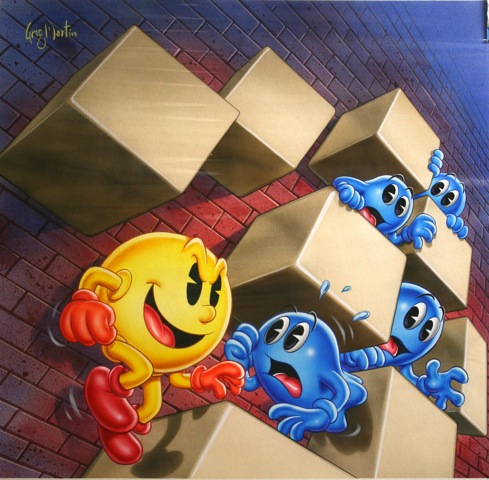
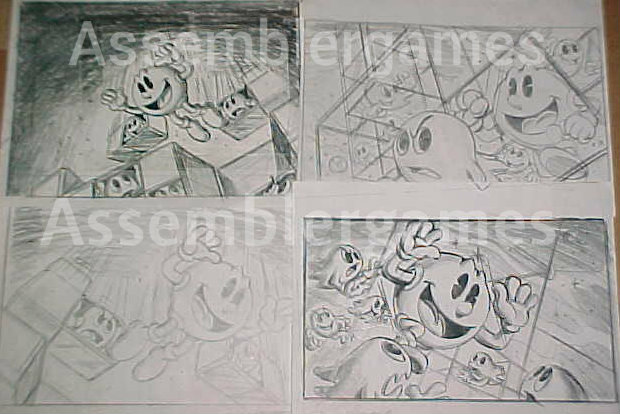
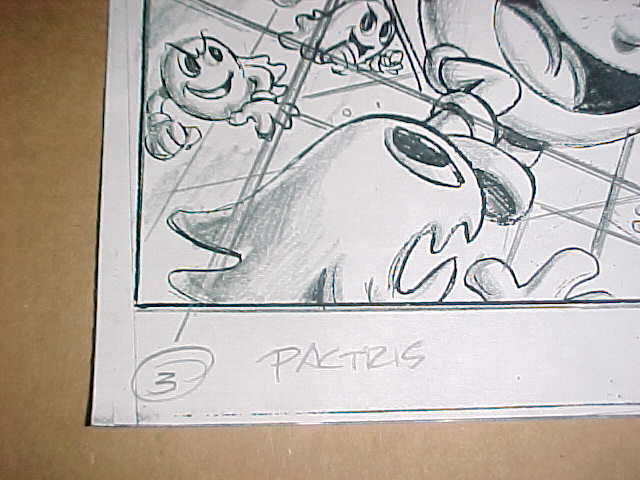
Pac-Attack promotional illustrations for the Game Gear and the Mega Drive versions by Greg Martin:
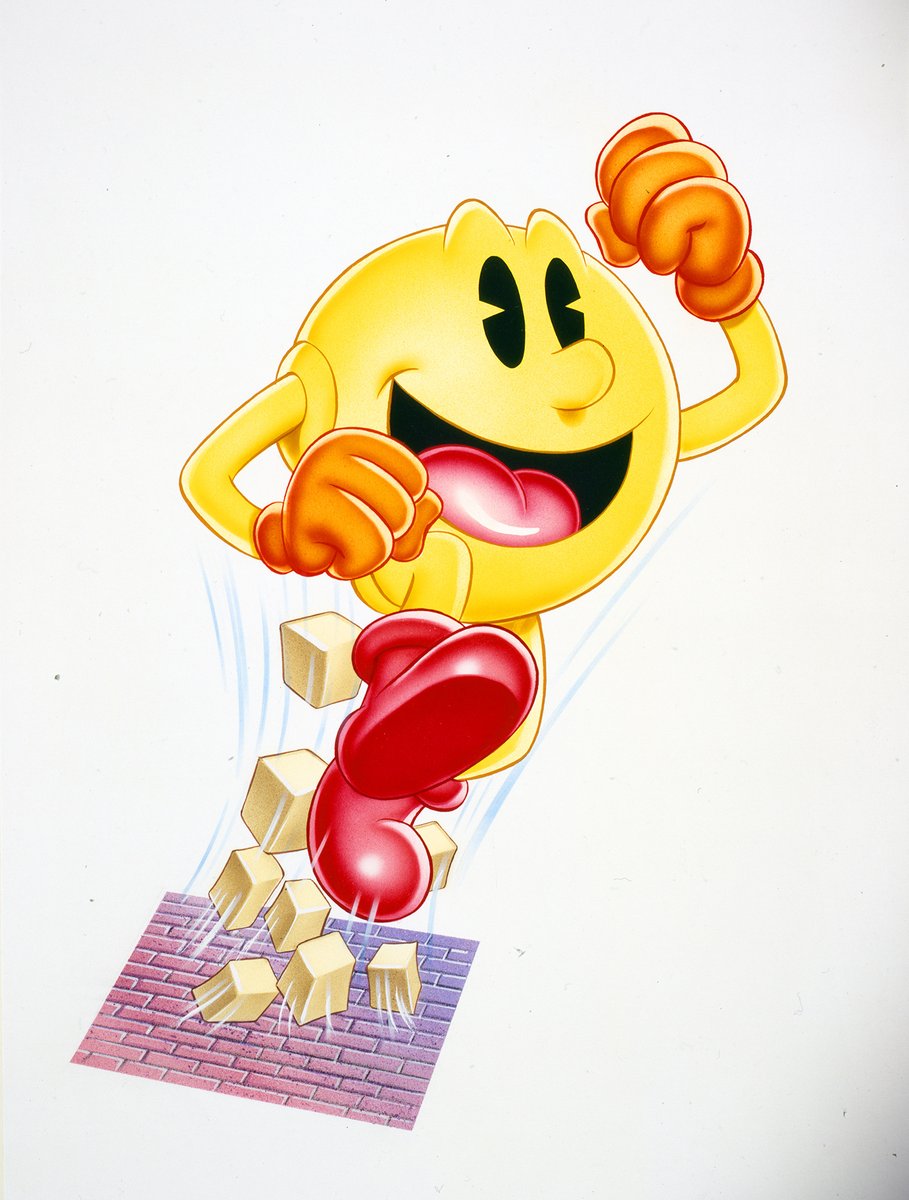
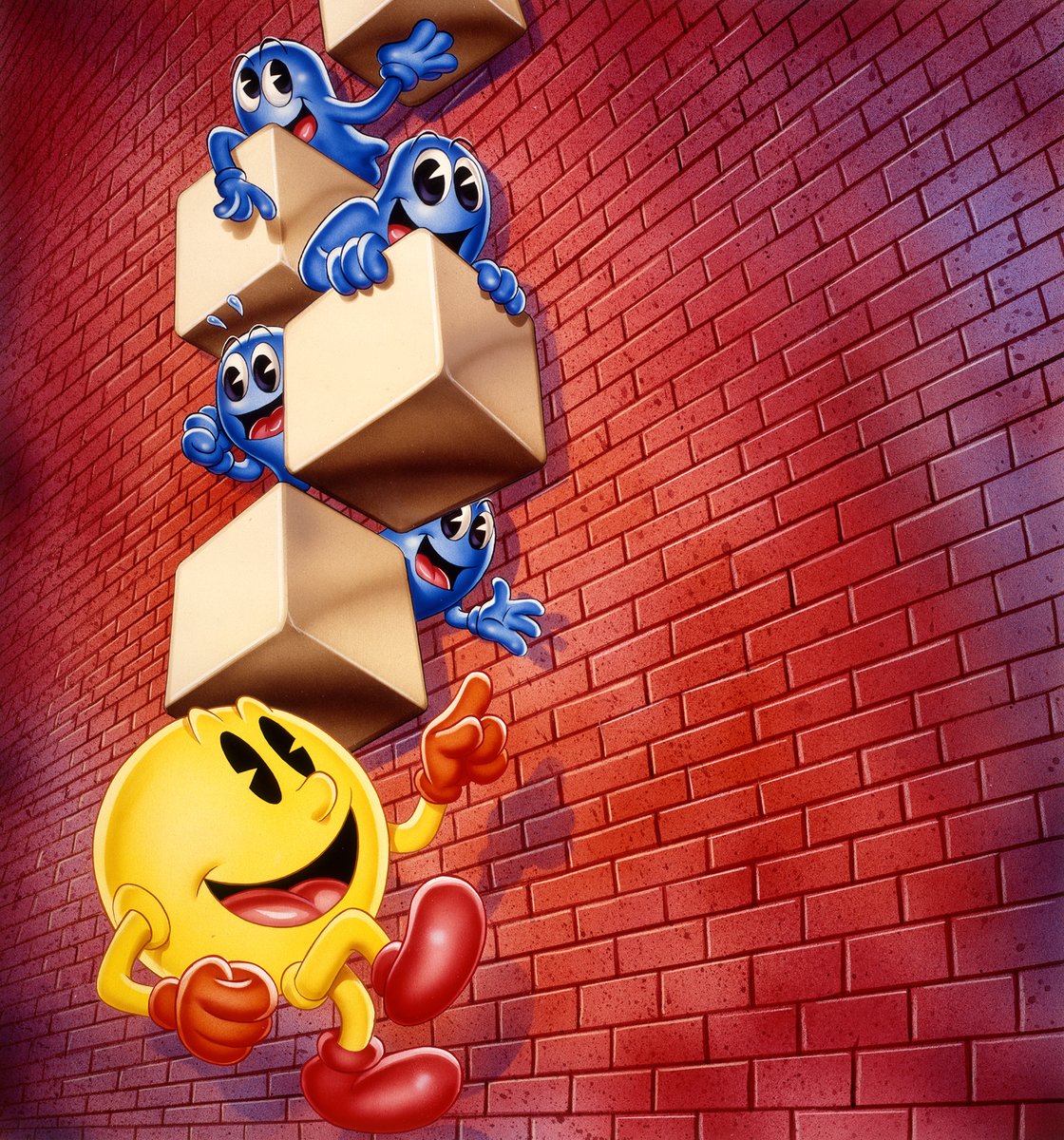
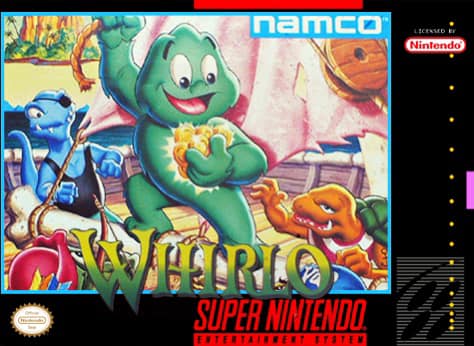
Greg Martin illustrated two other Namco titles released in the West: Marvel Land / Talmit's Adventure and Whirlo, AKA Xandra no Daibōken, a game from the Valkyrie no Bōken series released only in Japan and Spain.

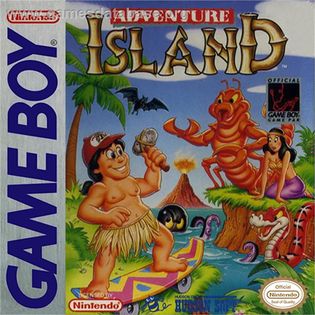
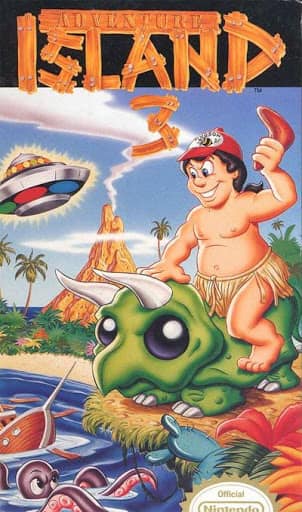
Another publisher for which Greg Martin has frequently worked is Hudson Soft. Several episodes of the Adventure Island series were illustrated by Martin, whether on NES, Game Boy or Super NES.
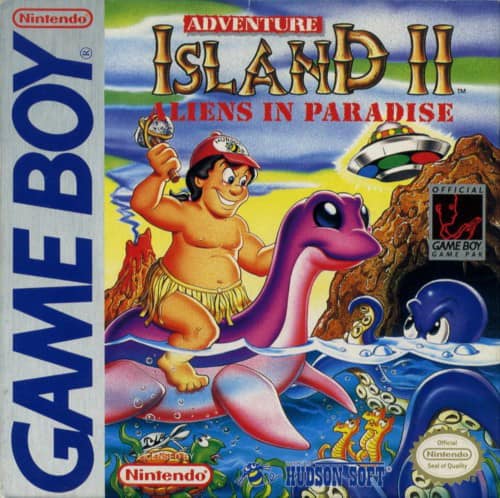
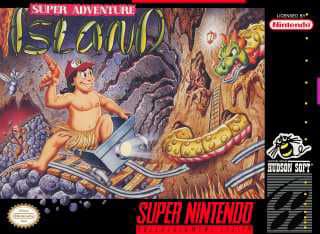
Greg Martin also confirmed that he illustrated the covers of Super Bomberman and Bomberman 2, although there is some debate about the latter as well as with another Hudson title: Super Bonk (t's not impossible that his memory could have played tricks on him).
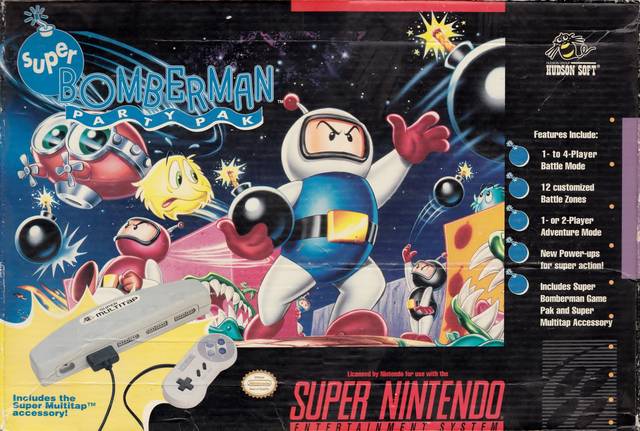
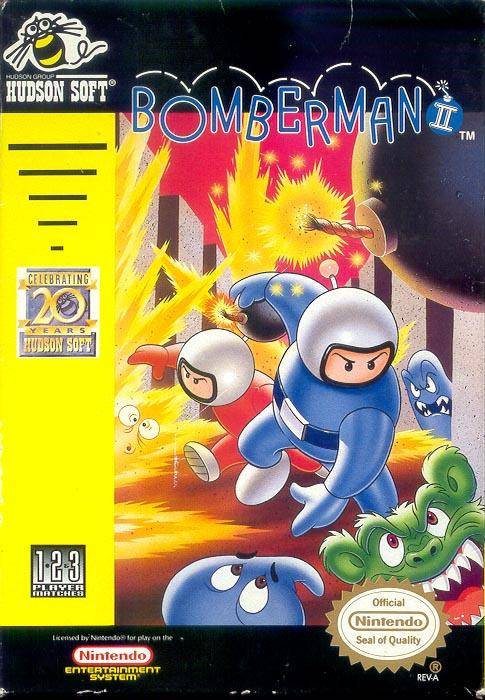

Speaking of Bonk, the illustration that Greg Martin made for Bonk's adventure is part of the works destroyed during a flood in 1995. Several originals were partially or totally destroyed in this incident.
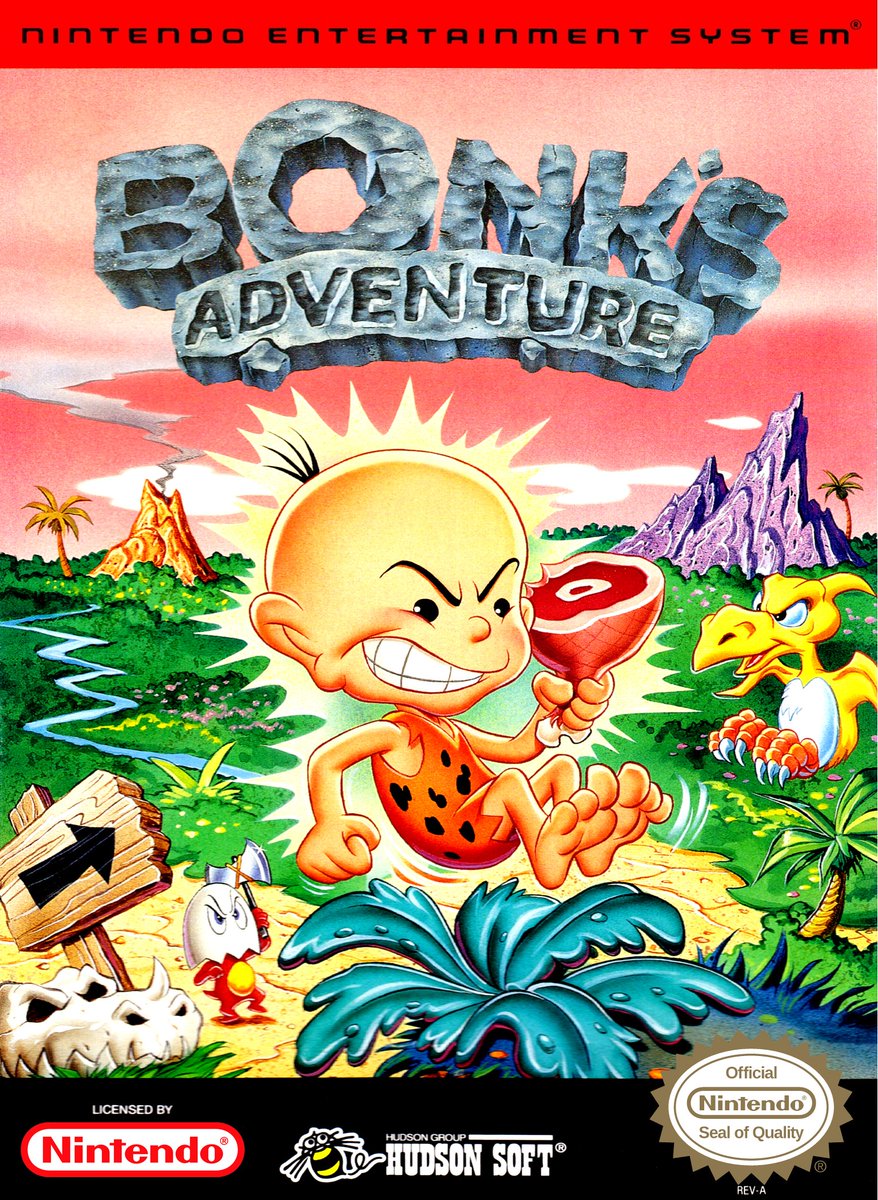
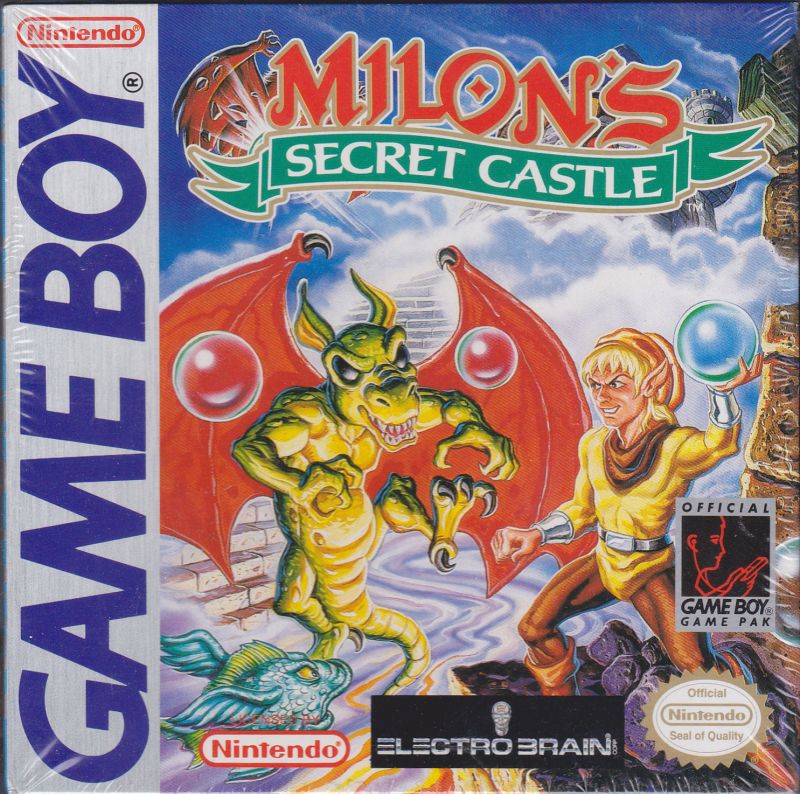
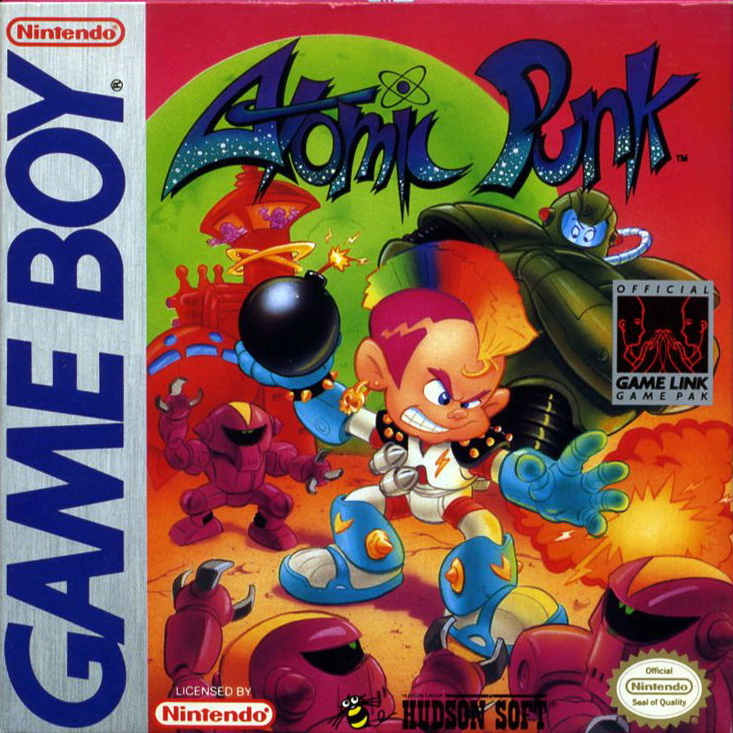
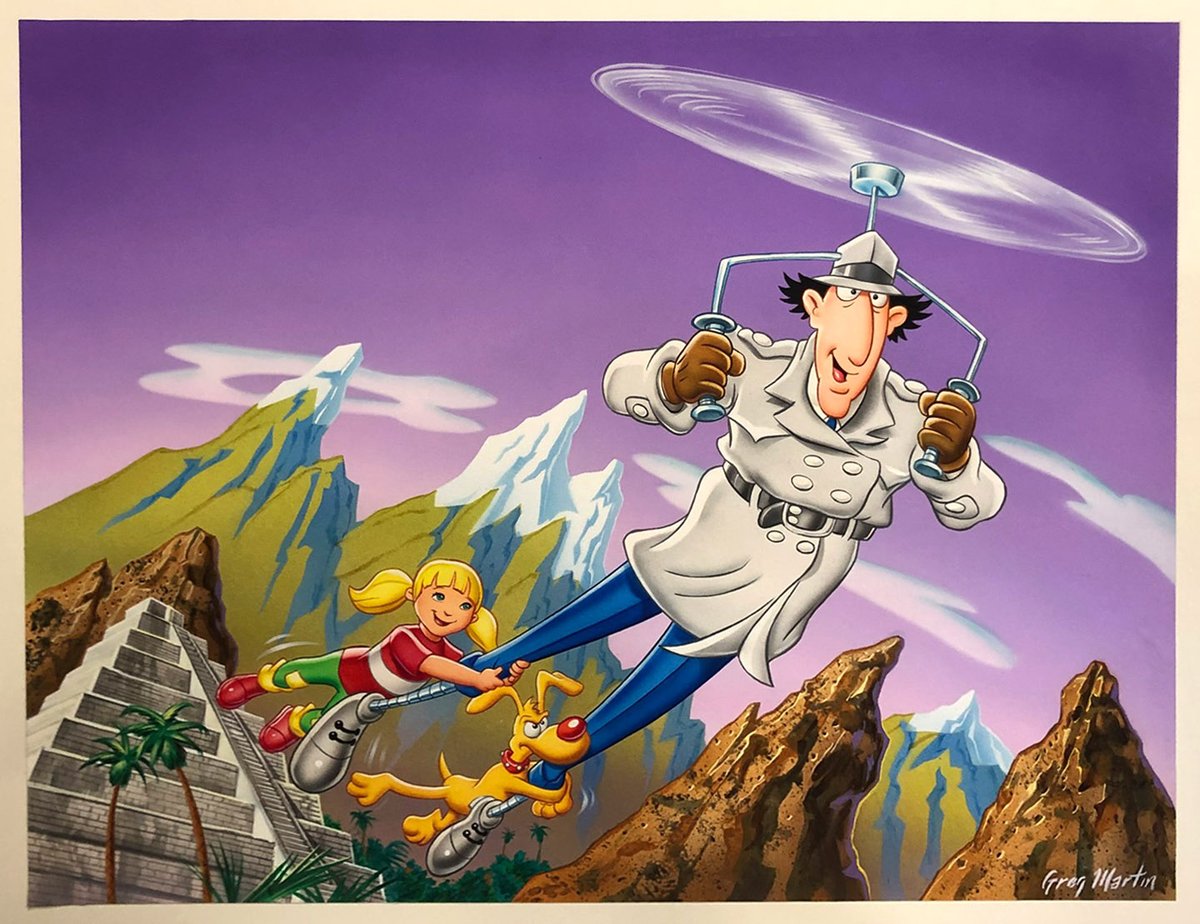
Other games published by Hudson Soft and illustrated by Greg Martin include Atomic Punk (AKA Dynablaster / Bomber Boy), Inspector Gadget and Milon's Secret Castle.
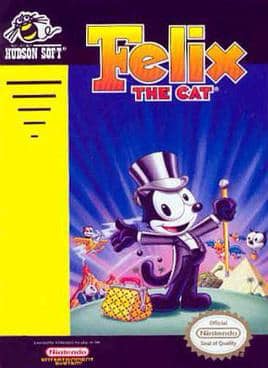
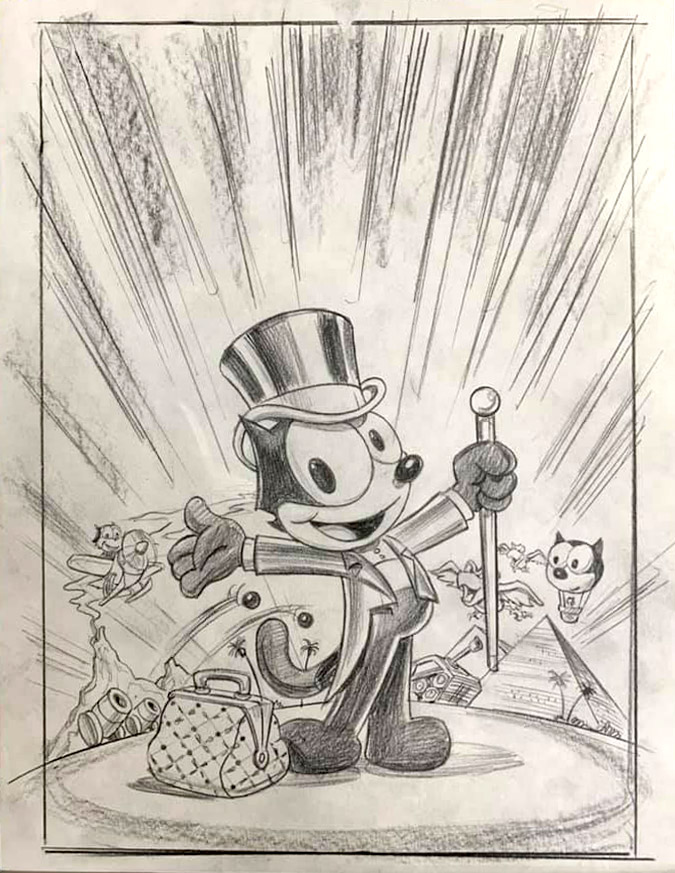
Felix for NES illustrated by Greg Martin:
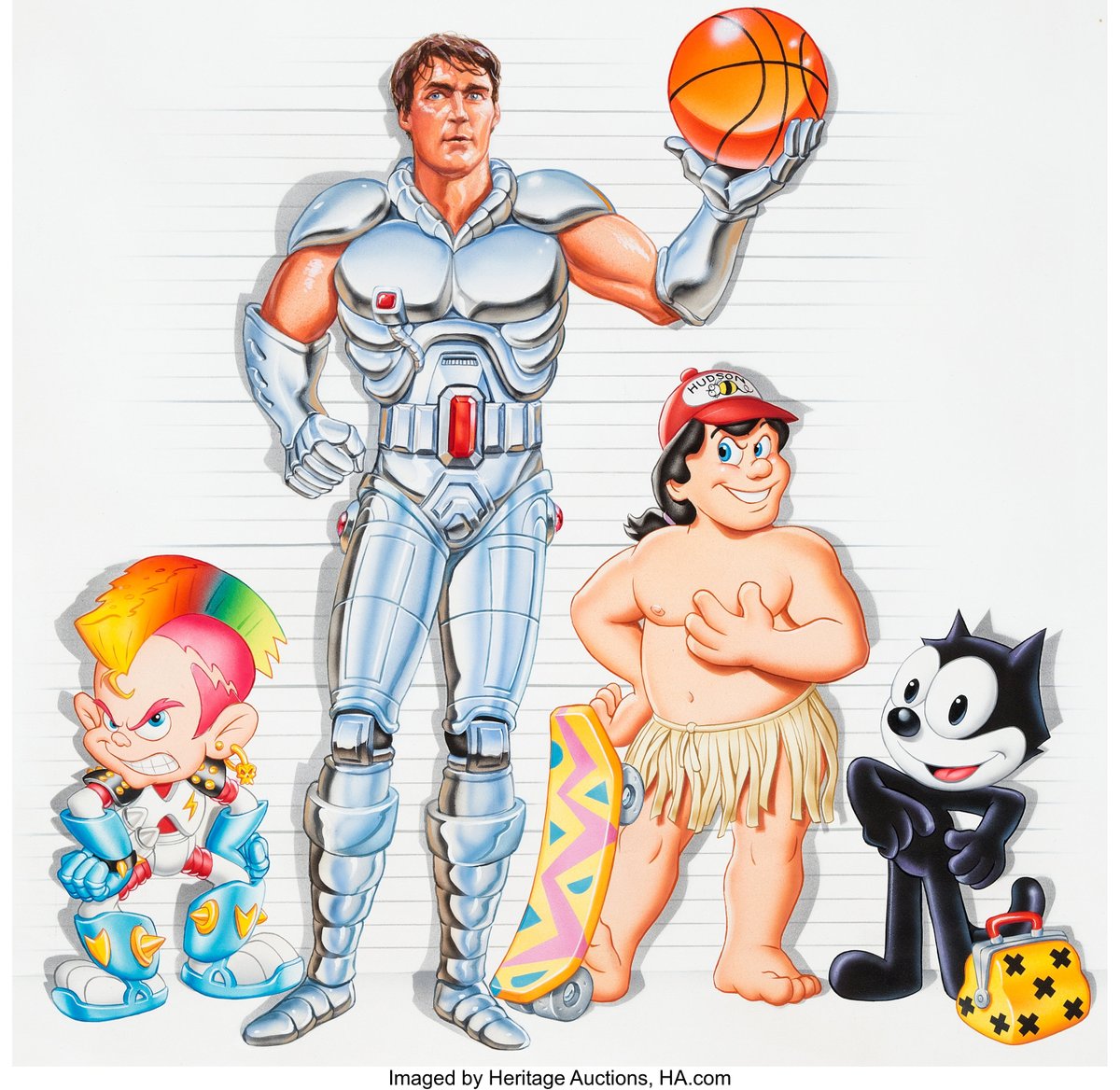
Some of the ads and promotional flyers illustrated by Greg Martin for Hudson Soft:


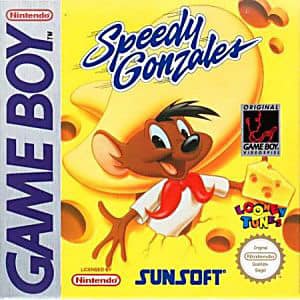
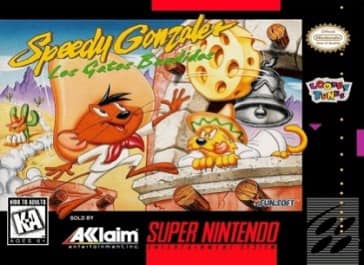
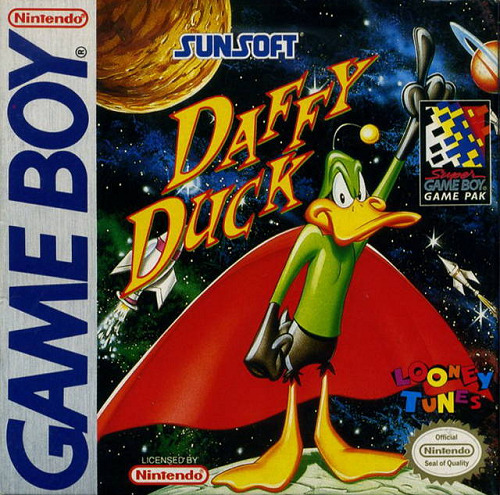
Throughout his career, Greg Martin has illustrated a number of products licensed by Hanna-Barbera, Looney Tunes or, to a lesser extent, Disney, and the video game industry is no exception. For Sunsoft, he illustrated two Speedy Gonzales games and a Daffy Duck game.
End of Part 2
End of Part 2

Part 3 in another thread:
https://twitter.com/VGDensetsu/status/1614020372038406153
• • •
Missing some Tweet in this thread? You can try to
force a refresh