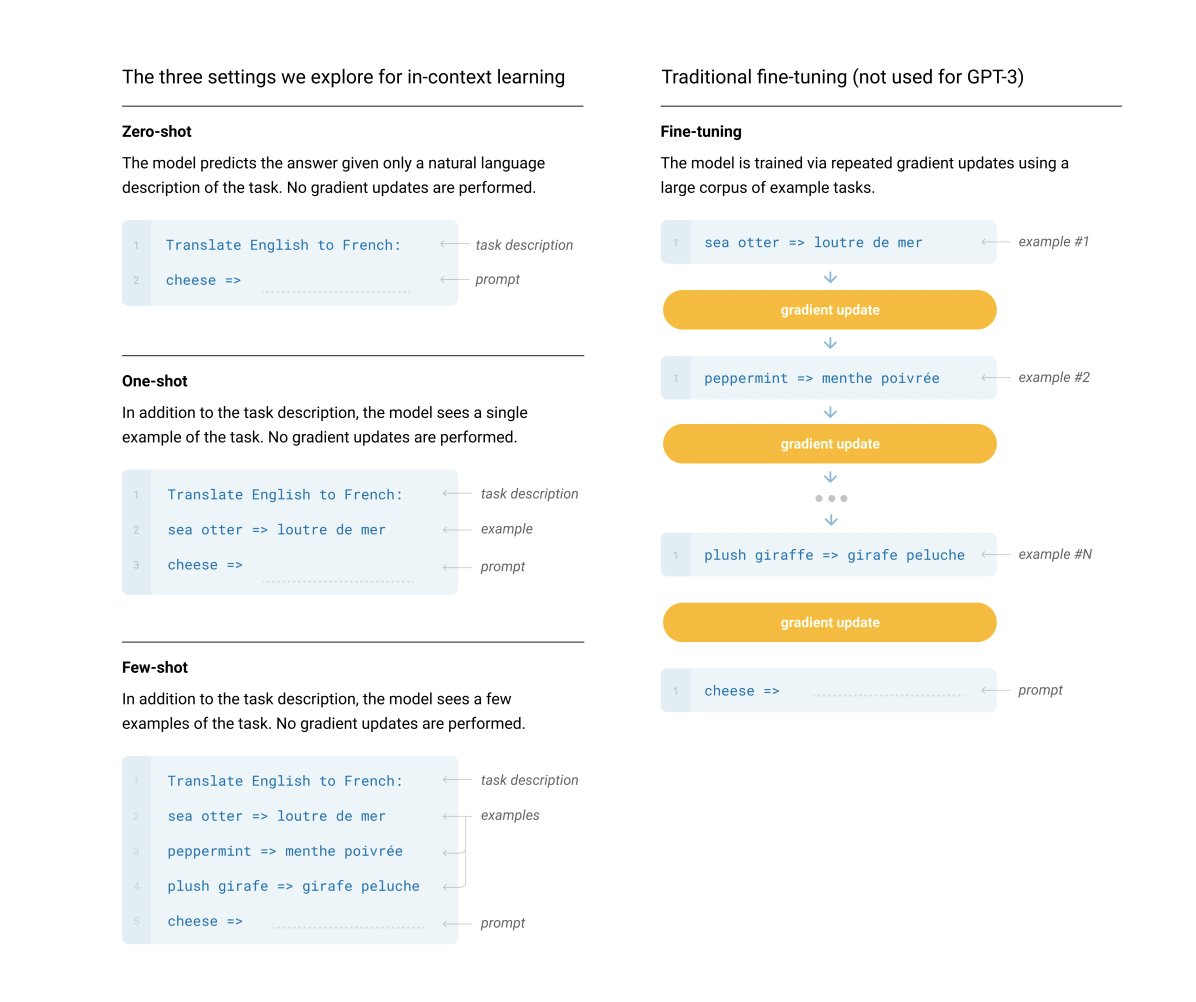
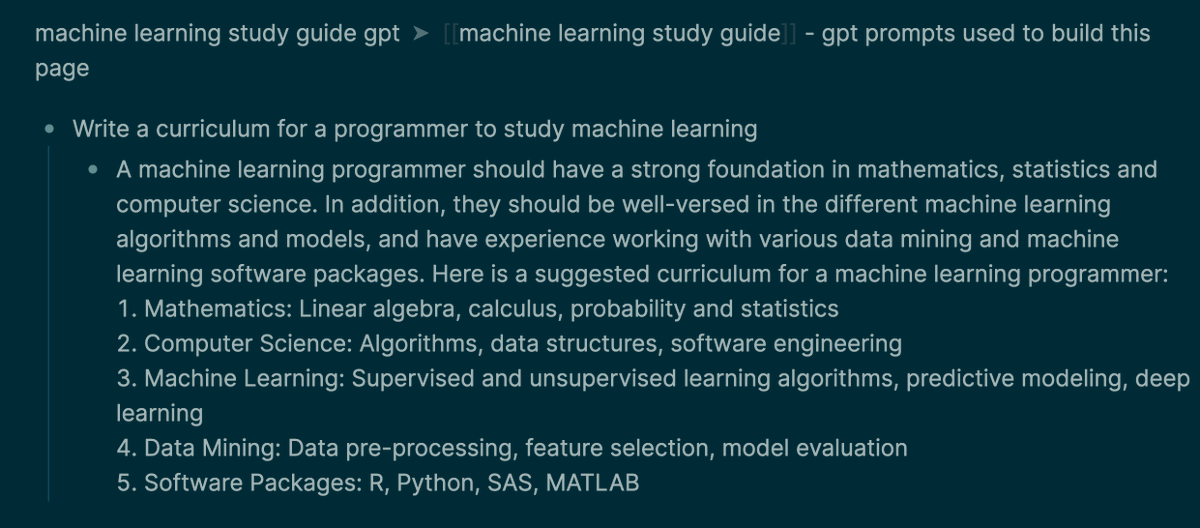
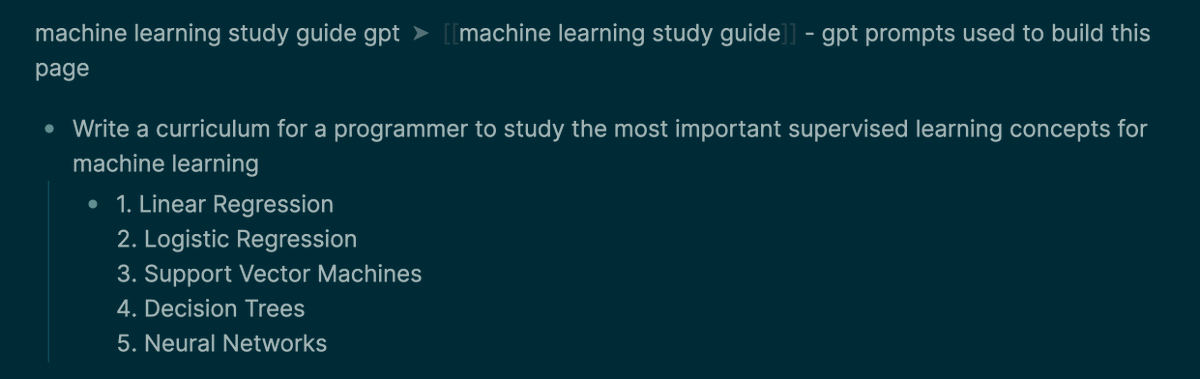
Really excited to announce a big update for the @logseq @openai #gpt3 plugin!
A UI popup that lets you use "prompt templates" or write freeform text as the prompt.
You can ask the AI to perform any task on the current block, use a built-in command, or define your own templates
A UI popup that lets you use "prompt templates" or write freeform text as the prompt.
You can ask the AI to perform any task on the current block, use a built-in command, or define your own templates
You can write any command in the popup, and it will run that command using text in the current block.
For example, to create flash cards for studying, you could write "create flash cards based on the following text:"
For example, to create flash cards for studying, you could write "create flash cards based on the following text:"
There are also a bunch of built-in prompts for common tasks like summarization, creating outlines, asking follow-up questions, and identifying common objections to an idea.
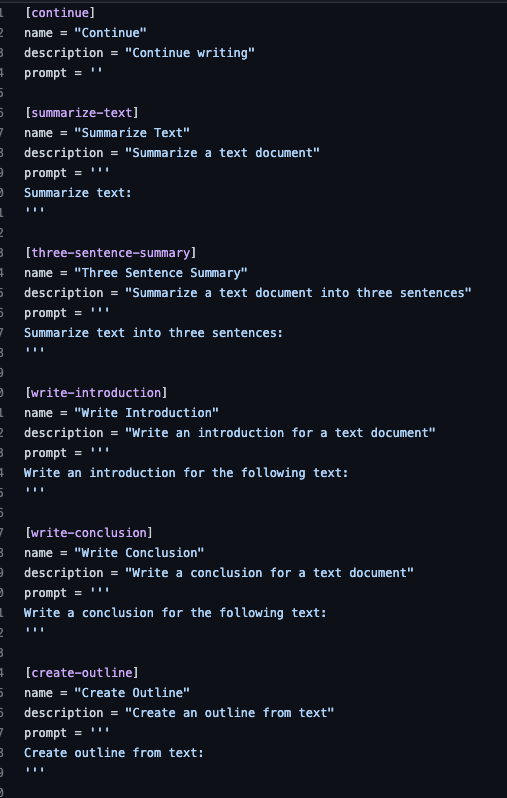
You can also define custom prompts templates anywhere in your notes, similar to the built-in @logseq templates
Just make a header with a "prompt-template:: Prompt Name" property, and a
```prompt
My custom prompt:
```
code block under it.
It will appear in the popup dropdown
Just make a header with a "prompt-template:: Prompt Name" property, and a
```prompt
My custom prompt:
```
code block under it.
It will appear in the popup dropdown
The popup shows you a preview of the output before you insert it into your notes.
Sometimes the first try doesn't generate optimal results, so you can click "Regenerate" to re-run the prompt until you get something good.
Sometimes the first try doesn't generate optimal results, so you can click "Regenerate" to re-run the prompt until you get something good.
You can click "Insert" or hit enter to add the output underneath the current block
You can also click "Replace" to replace the current block with the output. This is useful for improving the tone of existing writing, fixing grammar/spelling, and translation.
You can also click "Replace" to replace the current block with the output. This is useful for improving the tone of existing writing, fixing grammar/spelling, and translation.
Do you have a prompt that the community would find useful? Contribute it to the built-in prompts list
There's a TOML text file in the repo where you can add them. I encourage you to be creative and I'm especially interested in @logseq - specific prompts
github.com/briansunter/lo…
There's a TOML text file in the repo where you can add them. I encourage you to be creative and I'm especially interested in @logseq - specific prompts
github.com/briansunter/lo…
@logseq To get started, search "openai" in the logseq marketplace or update the plugin. Then hit cmd+g or select "gpt" from the block or slash menu.
You can check out the repo here github.com/briansunter/lo…
Hope you enjoy! Be sure to share your prompts and use cases!
You can check out the repo here github.com/briansunter/lo…
Hope you enjoy! Be sure to share your prompts and use cases!
• • •
Missing some Tweet in this thread? You can try to
force a refresh