Part 3 - Crypto 🧵
Crypto AG’s machines were sold with the promise of protecting customers from the prying eyes of bad actors and other governments, but were designed to facilitate even greater espionage.
Could Bitcoin be this century’s Crypto AG?
Crypto AG’s machines were sold with the promise of protecting customers from the prying eyes of bad actors and other governments, but were designed to facilitate even greater espionage.
Could Bitcoin be this century’s Crypto AG?
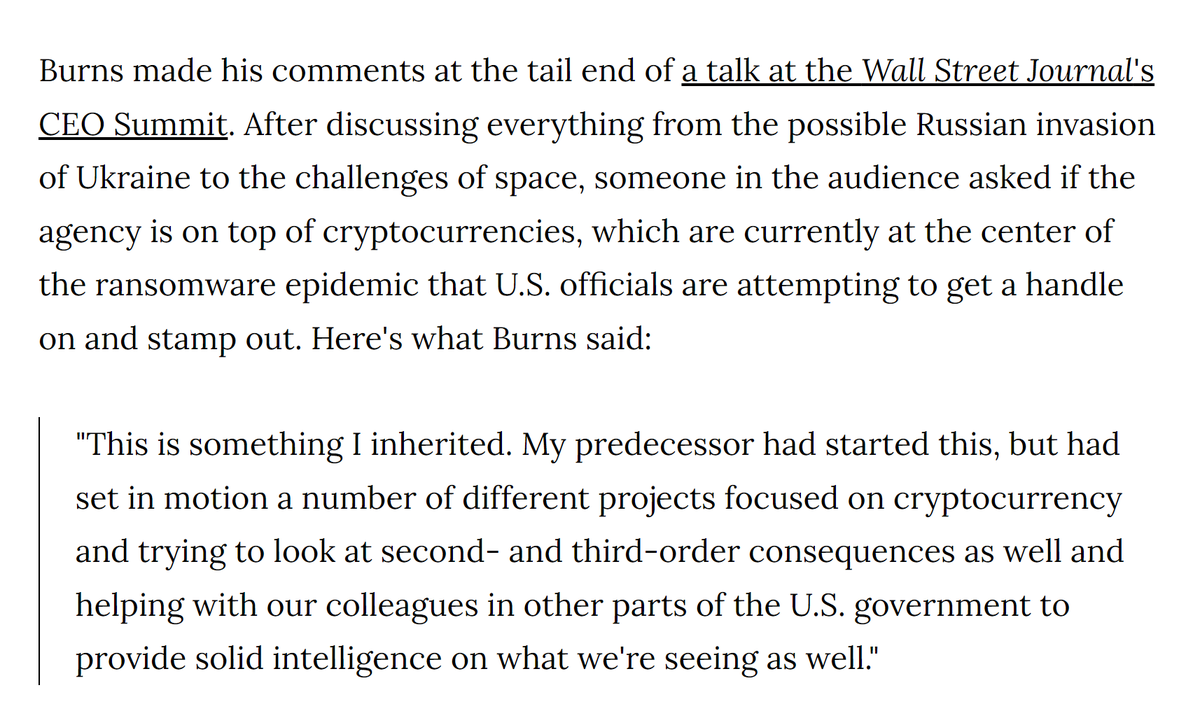
CIA director Burns made headlines in 2021 when he openly stated that the agency had "a number of different projects focused on cryptocurrency", something he inherited from his predecessor.
vice.com/en/article/dyp…
vice.com/en/article/dyp…
But the CIA had been quietly interested in cryptocurrency since at least a decade prior. In June 2011, Gavin Andersen, one of Bitcoin’s early lead developers, was invited to give a talk at CIA headquarters.
bitcointalk.org/?topic=6652.0
bitcointalk.org/?topic=6652.0

And back in 1996, the NSA released a paper titled “How To Make A Mint: The Cryptography Of Anonymous Electronic Cash” outlining all the key challenges a viable cryptocurrency would need to overcome, over a decade before Bitcoin was born.
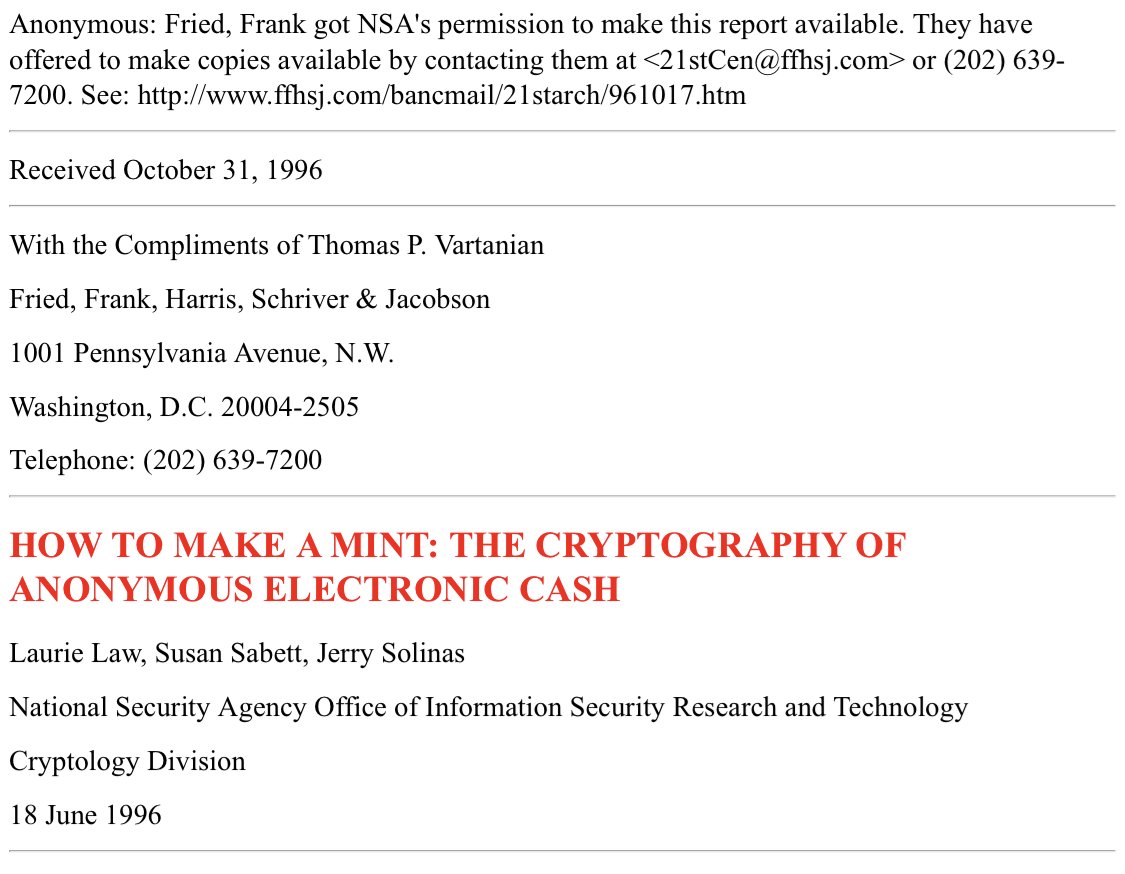
It’s abundantly clear that the CIA / NSA have had a many decades-long interest in pioneering the cryptographic state of the art.
But is there a reason to believe they could be behind something as seemingly ‘subversive’ as cryptocurrency? Why create such a system at all?
But is there a reason to believe they could be behind something as seemingly ‘subversive’ as cryptocurrency? Why create such a system at all?
After 9/11, the US began spying on every transaction made via the Swiss-based global messaging system for financial transactions, known as SWIFT. This spying didn’t become public until June 2006. By then, Crypto AG’s cover had significantly deteriorated.
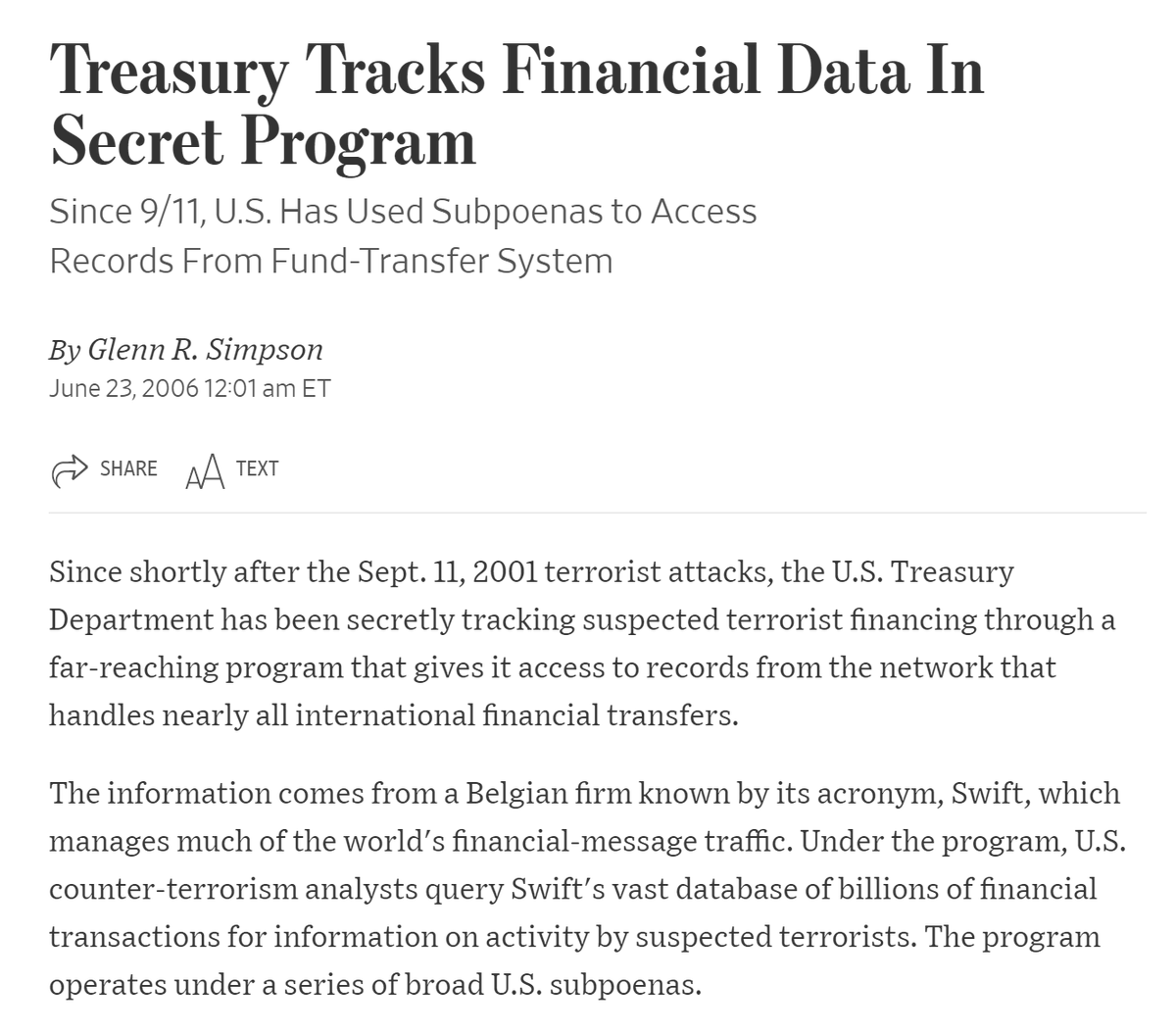
With both deep spying ops exposed, the CIA would have needed a new tool to spy on global financial transactions. A mere 2 years later, the world was introduced to a financial network that allowed transactions “without the need for a trusted central authority.”
From Iran-Contra, to cocaine trafficking, to blackmail plots, the CIA has long sought a means of funding their covert operations off the books. Despite a congress that enthusiastically rubber stamps interventions, regime changes, and wars, oversight can become a nuisance.
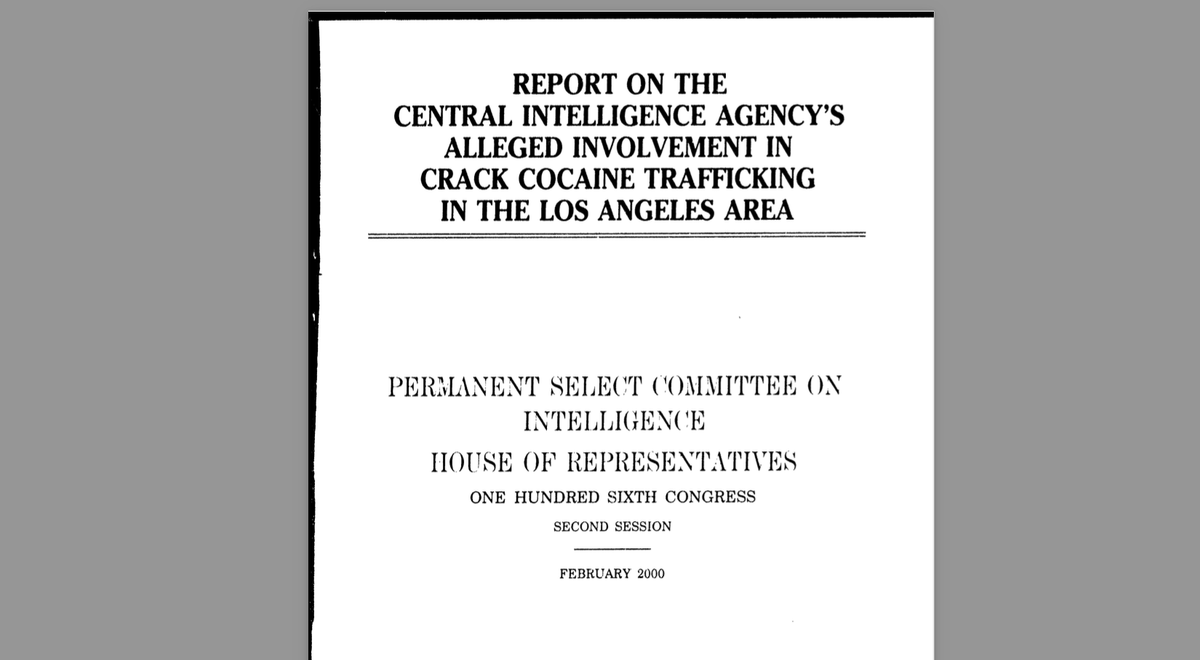

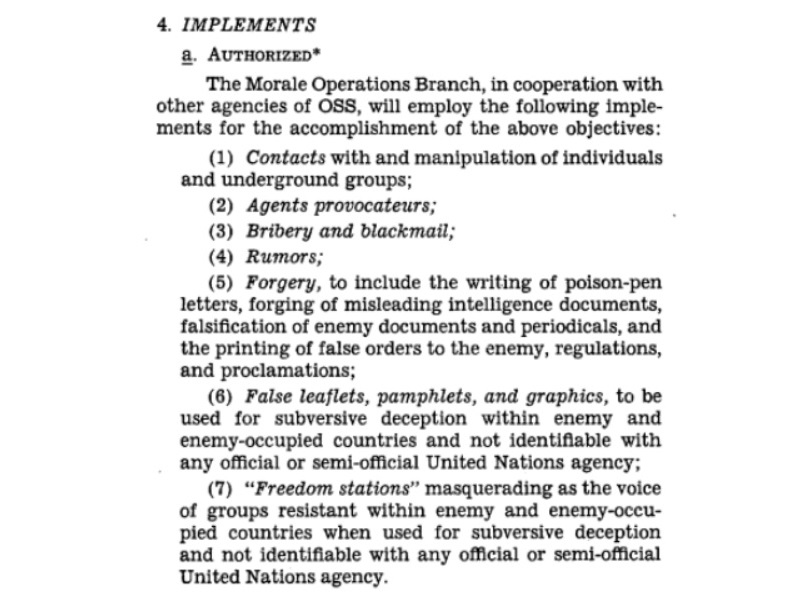
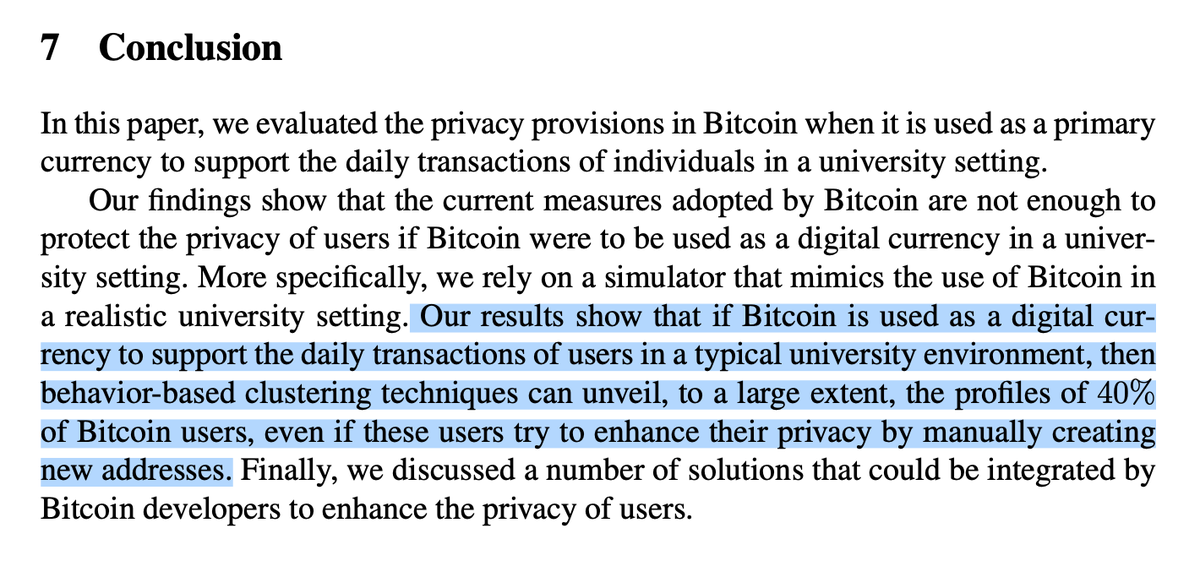
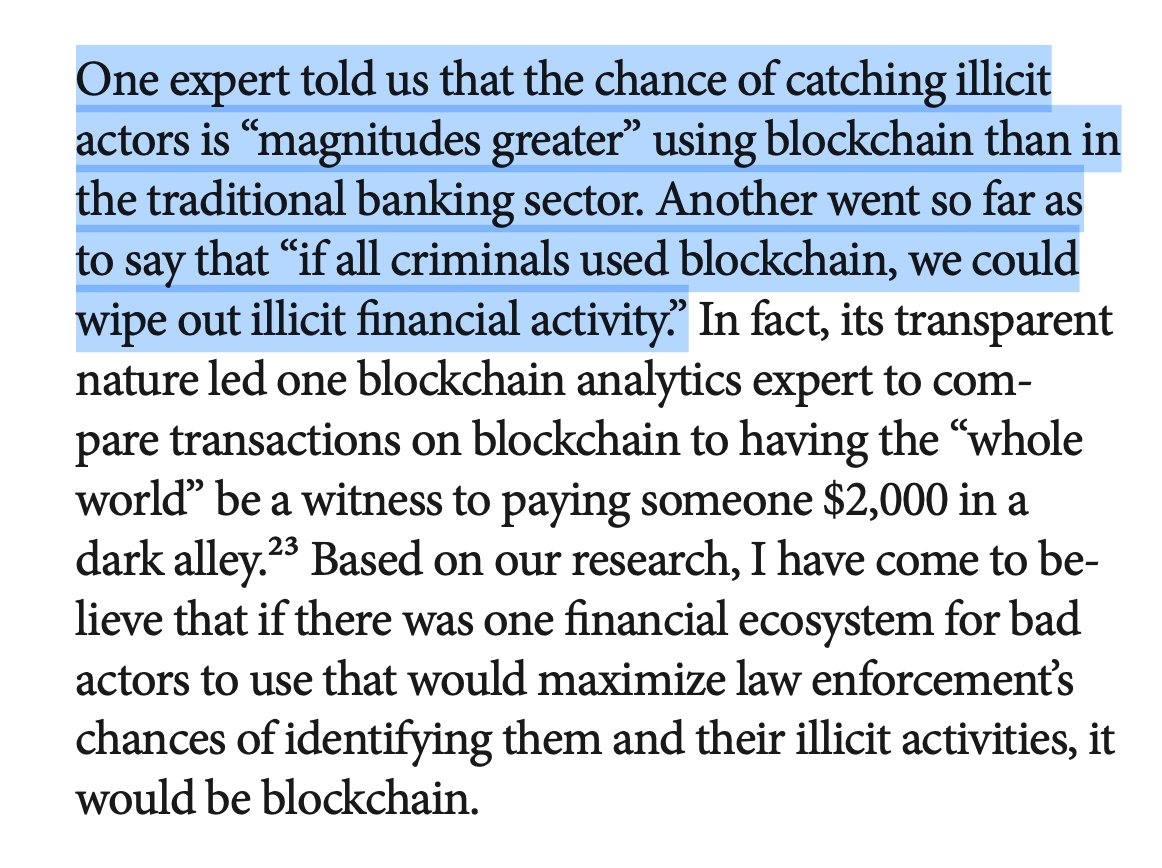
As a bonus, any party with the means and motivation to analyze Bitcoin’s public ledger would suddenly gain visibility of a vast network of black market transactions. Could a sufficiently advanced analysis of this network have yielded a rolodex of coercion and asset recruitment?
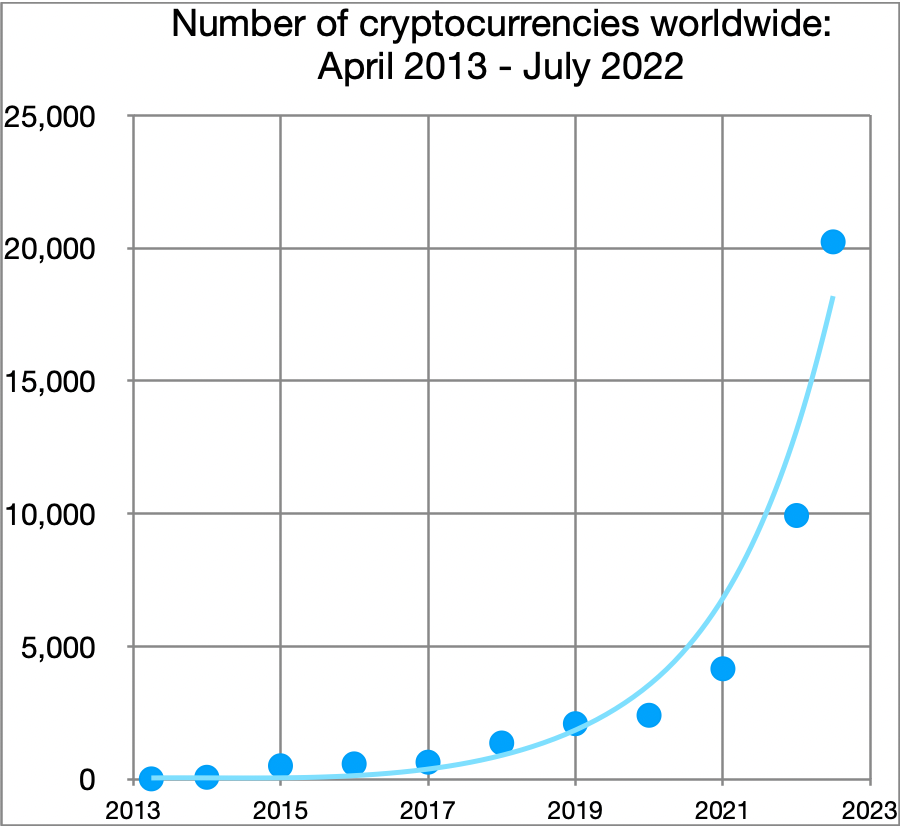
Now, 14 years after the launch of Bitcoin, thousands of subsidiary coins surge and froth in increasingly chaotic ways, their volatility only outmatched by the manic exuberance of the crypto-evangelists preaching the crypto gospel.
If you ask these cryptovangelists, Bitcoin and its galaxy of alt-coins emerged as an organic response to widespread frustrations with centrally-mediated transactions, which can be slow, costly, and subject to unwarranted scrutiny.
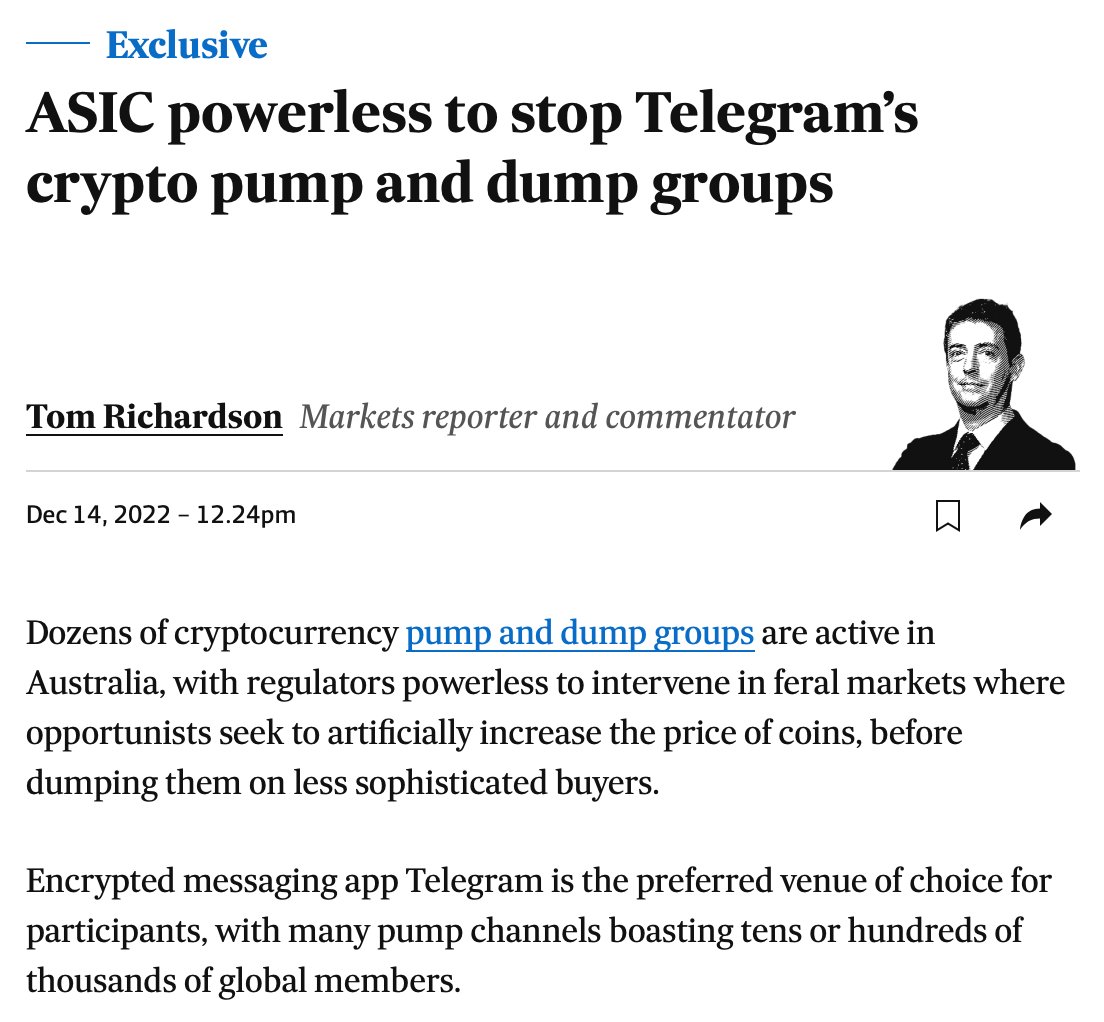
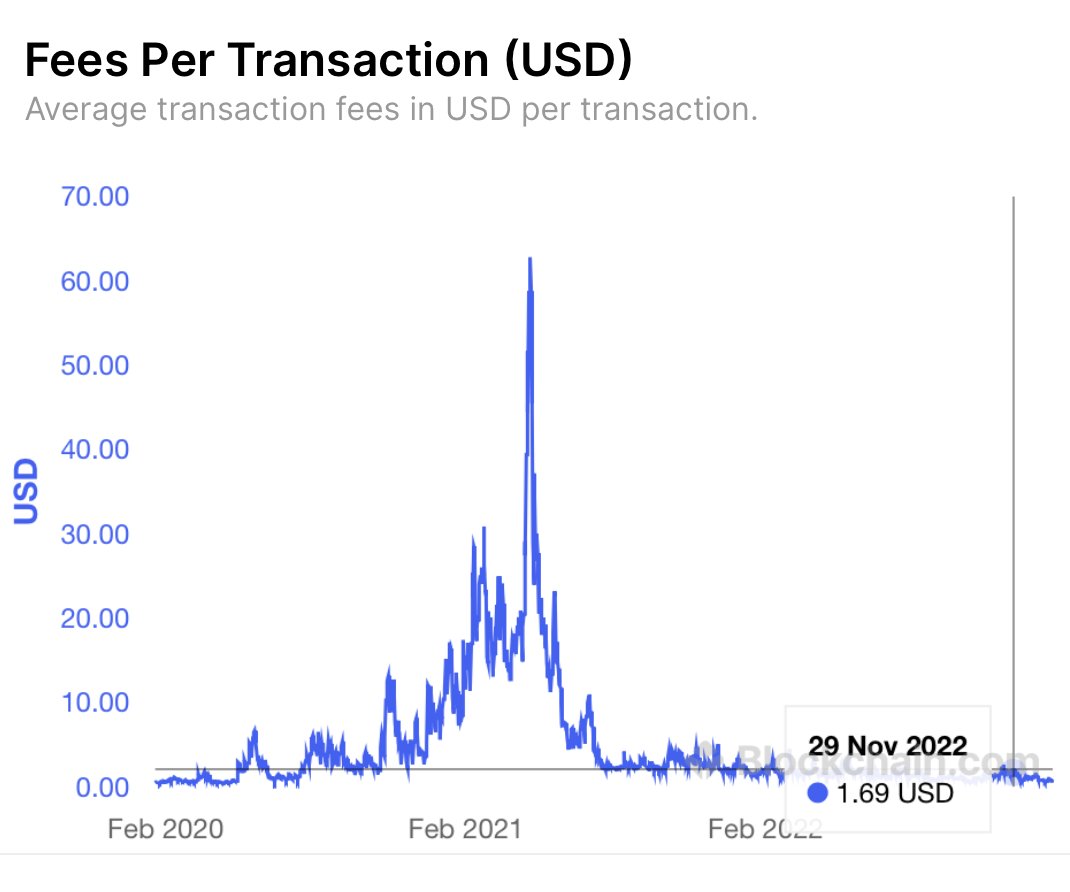
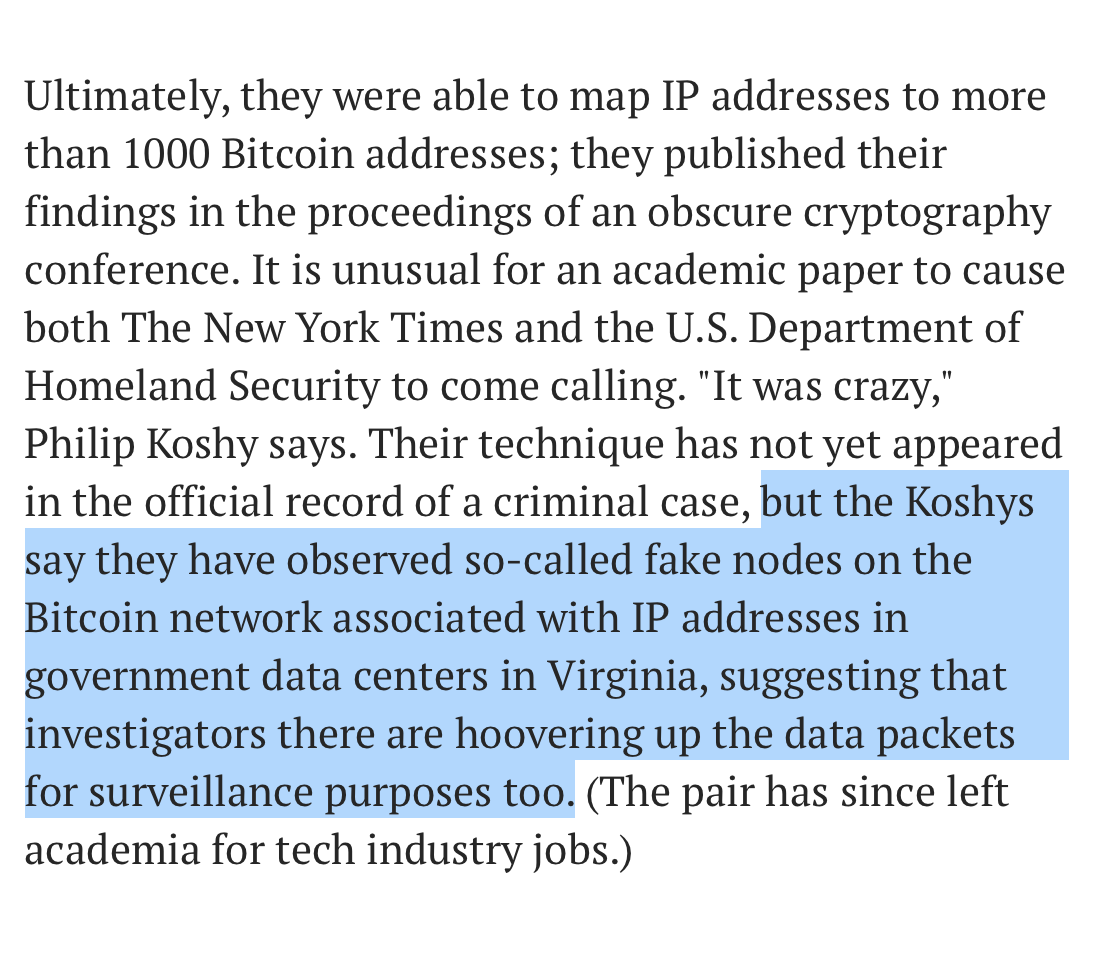
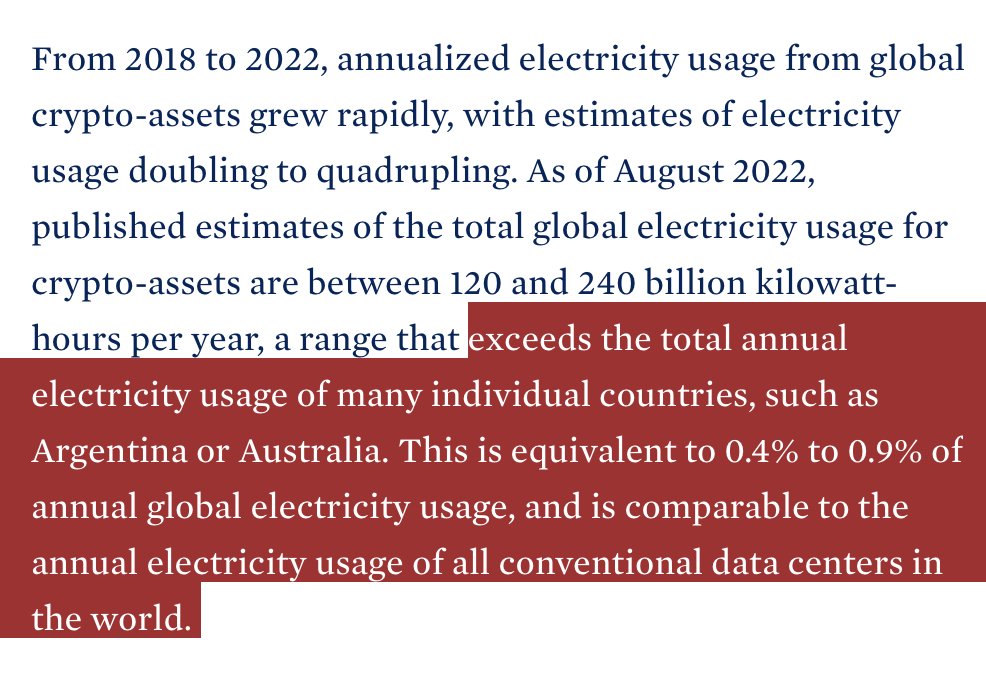
But what actually emerged are countless pump & dump schemes, volatile prices, absurd transaction times & fees, surveillance, and carbon emissions rivaling small countries, somehow reproducing the worst attributes of our current deregulated, financialized, unaccountable system.
The time at which Bitcoin appeared may provide one final clue to its origin.
Forgotten amongst the tumult of the era, the 2000s saw the debut of many digital tools across different domains in rapid succession, all leveraging their “open source” nature.
Forgotten amongst the tumult of the era, the 2000s saw the debut of many digital tools across different domains in rapid succession, all leveraging their “open source” nature.
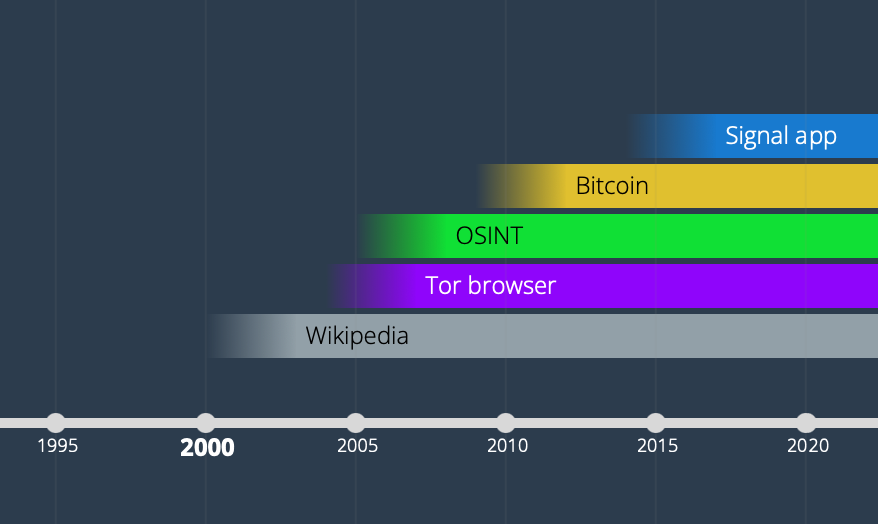
Of particular interest is how Bitcoin gained popularity nearly concurrently with the Tor browser, a darknet exploration tool vaunted at the time as being an essential digital cloak, but now known to be an explicit creation of the US Department of Defense.
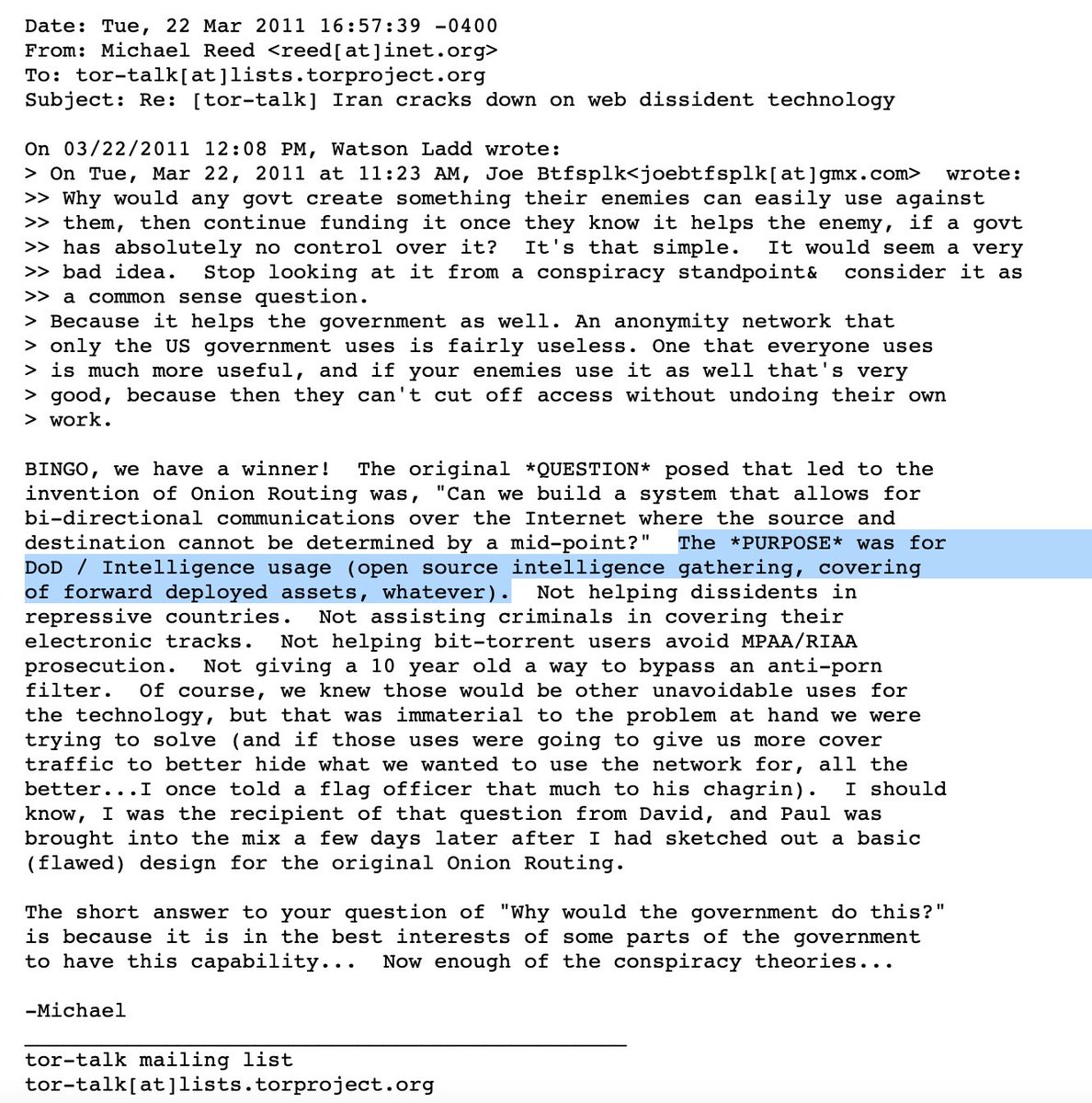
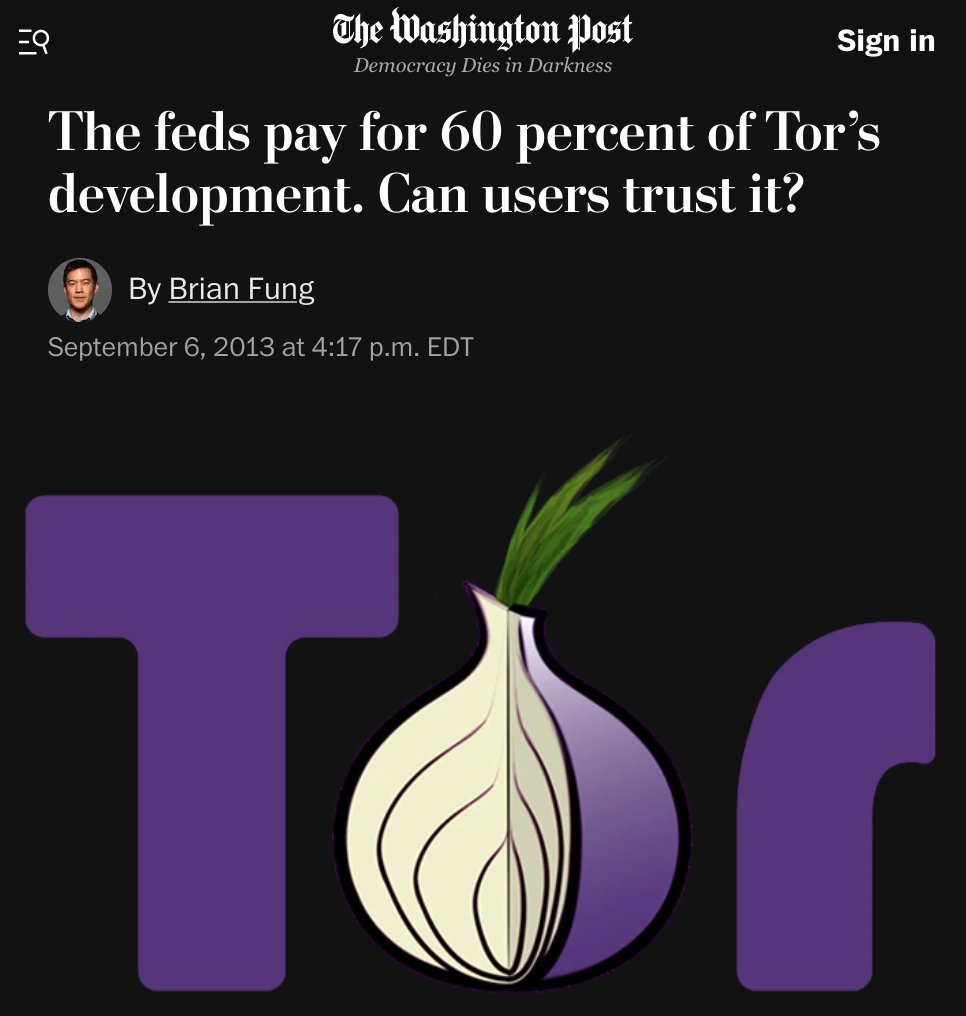
The initial tor user base was entirely DoD/CIA, making it ineffective at its core function of concealing and obscuring US intel traffic. But by opening tor to the public, intel traffic could slink beneath the din of digital cover.
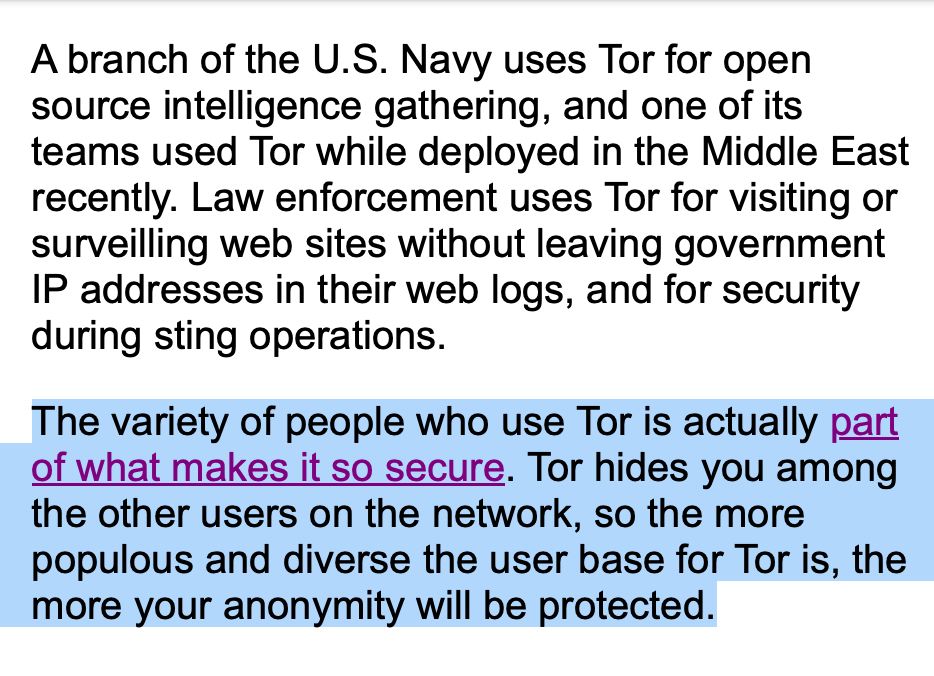
So, if Tor was created to obscure US intelligence internet traffic, could Bitcoin’s creation have been a CIA tool to both generate and conceal funding for regime change efforts around the globe?
Many of the biggest proponents of cryptocurrencies share a seemingly genuine sentiment that the system is working against us and express a desire for more democratic control over the financial realm.
forbes.com/sites/michaeld…
forbes.com/sites/michaeld…
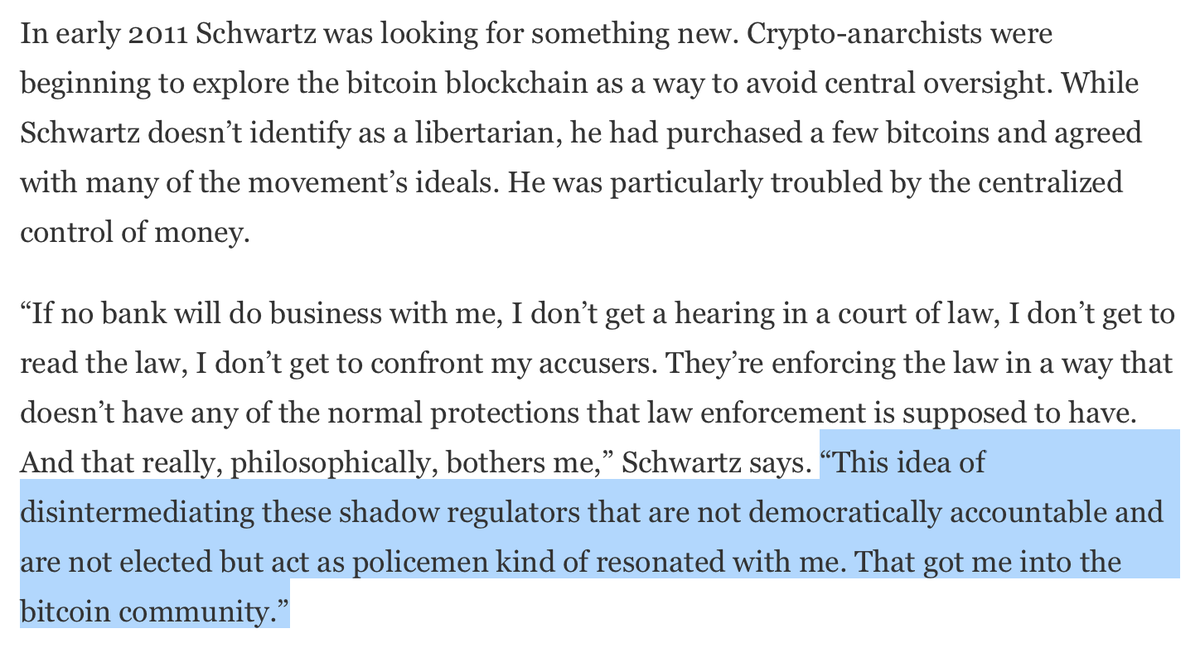
But when cyber-libertarians smear any negative depiction of Bitcoin as “FUD” (fear/uncertainty/doubt), they betray their ideological blinders, allowing them to identify the problem (co-option of our govt by monied interests) but misdiagnose the solution (stateless currency!).
This error stems from a false assumption: the principal obstacle to reaching a just financial system is the reliance on a centralized authority. In reality, it’s not the centralization itself but which social class commands authority over the centralized system.
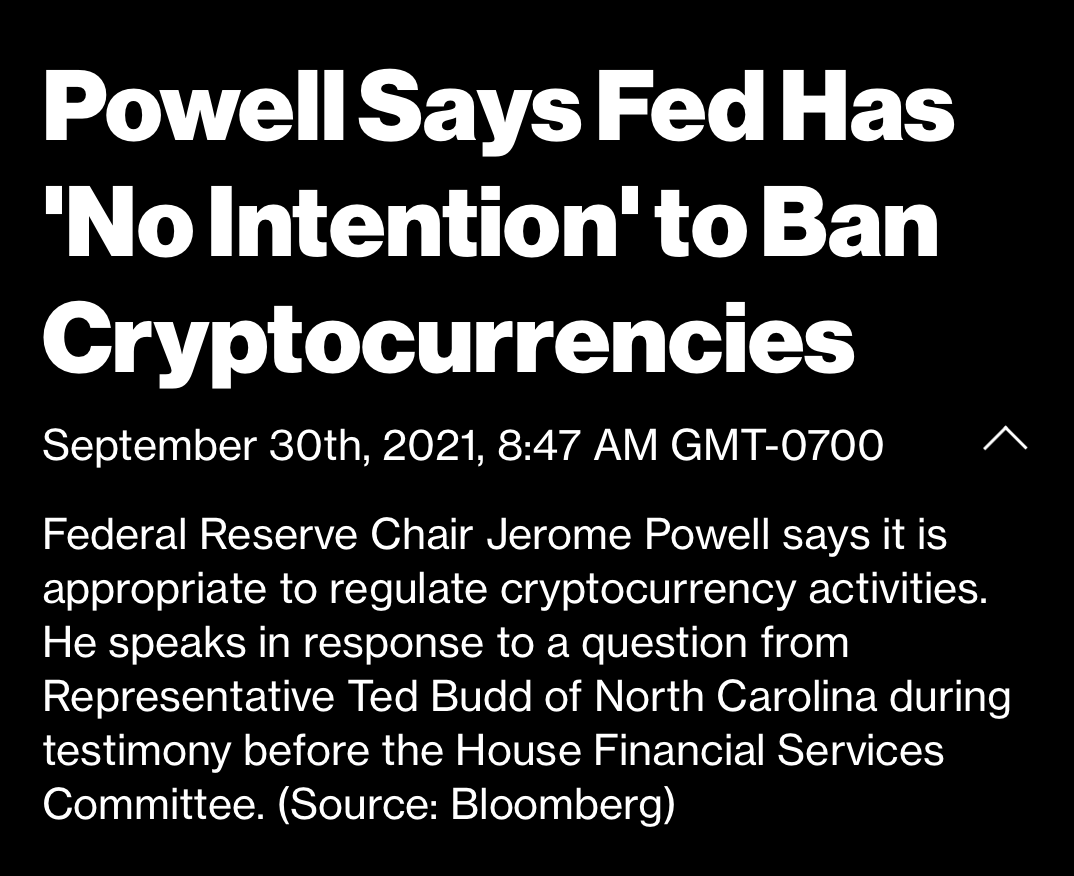
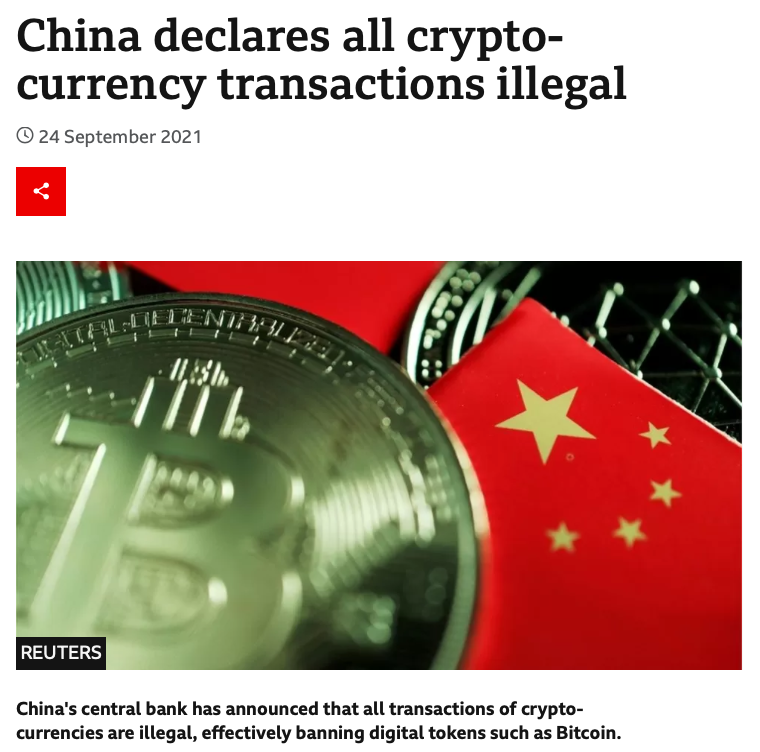
If cryptocurrency posed a real threat to the stability of the US banking system, it would be made illegal tomorrow. How can Bitcoin be a means of undermining capitalist state power when all signs point to it being a creation of the capitalist security state?

The unconditional embrace of cryptocurrencies like Bitcoin as revolutionary instruments is fundamentally a techno-utopian fantasy, one that believes objective impartiality can somehow be hard-coded into our current financial system via a one-quick-trick solution.
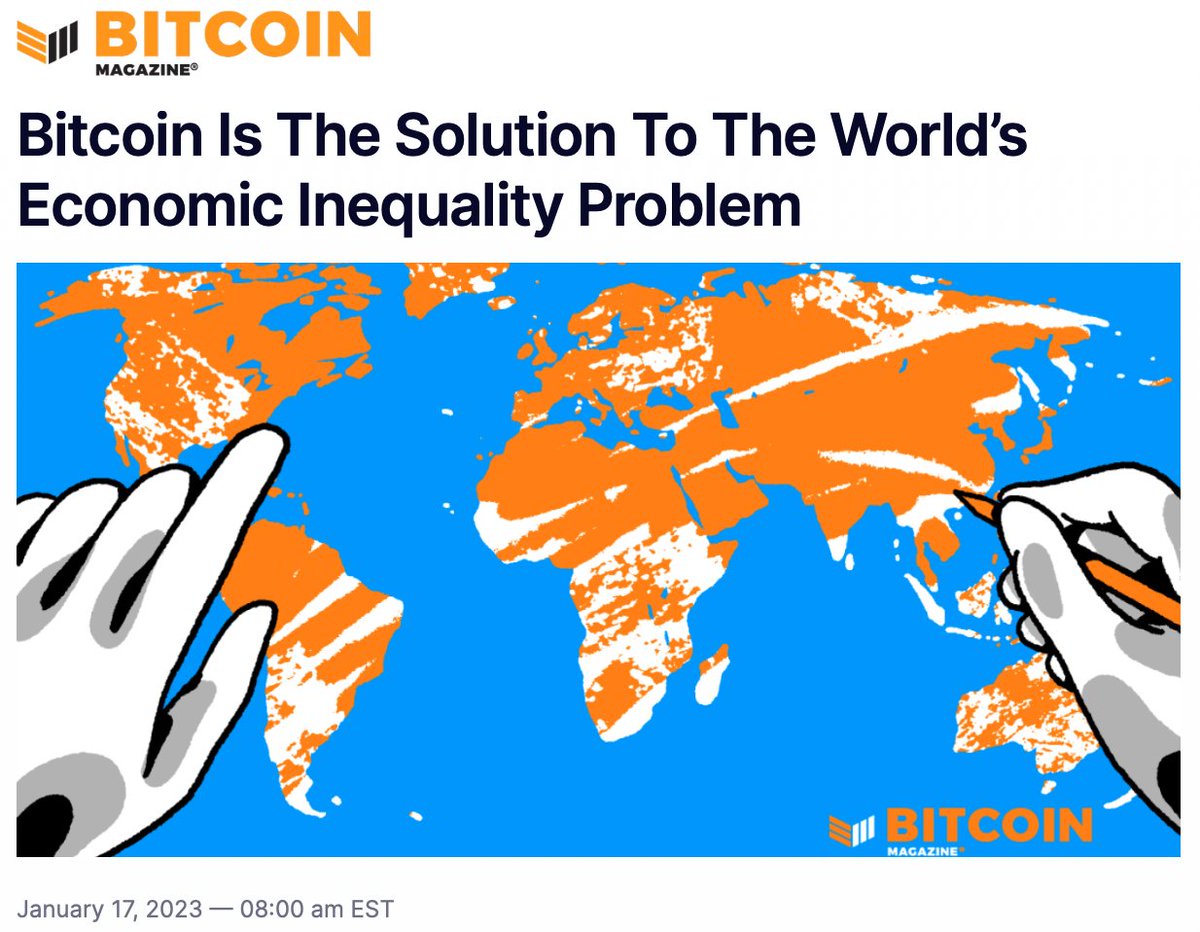

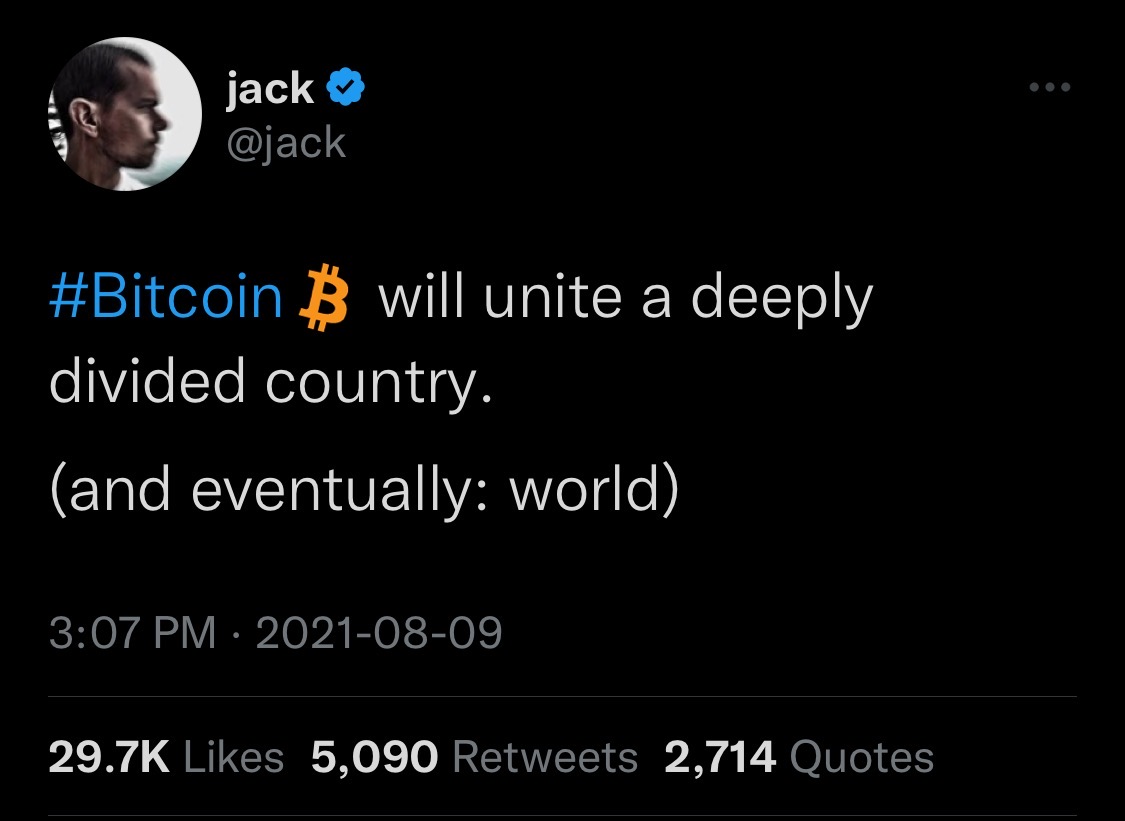
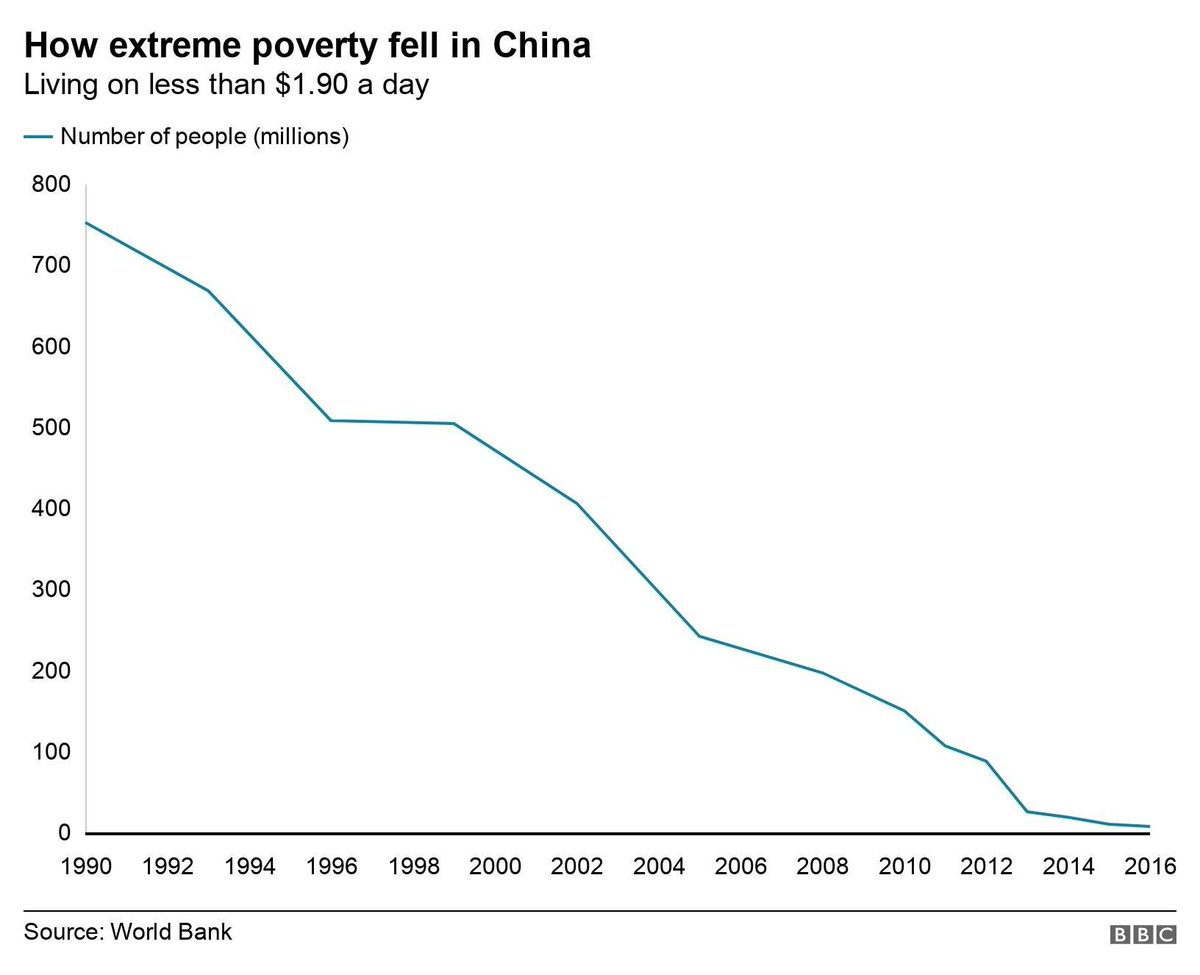
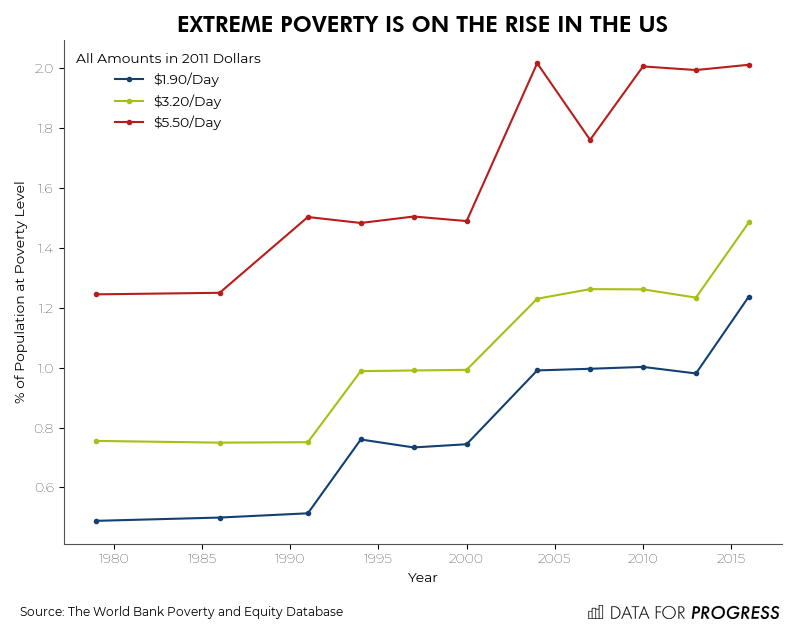
But economic democracy can never be won by pulling a crypto sleight-of-hand on the wealth-owning class that controls our governmental, financial, & regulatory systems. The only historically-tested means of bringing this about is for the working class to wrest control of the state
Link back to Part 1:
https://twitter.com/bidetmarxman/status/1618641687022129153
Another very long but very good thread worth reading that covers the same links between Crypto AG and cryptocurrency:
https://twitter.com/the_wub_/status/1423789819843522564
• • •
Missing some Tweet in this thread? You can try to
force a refresh