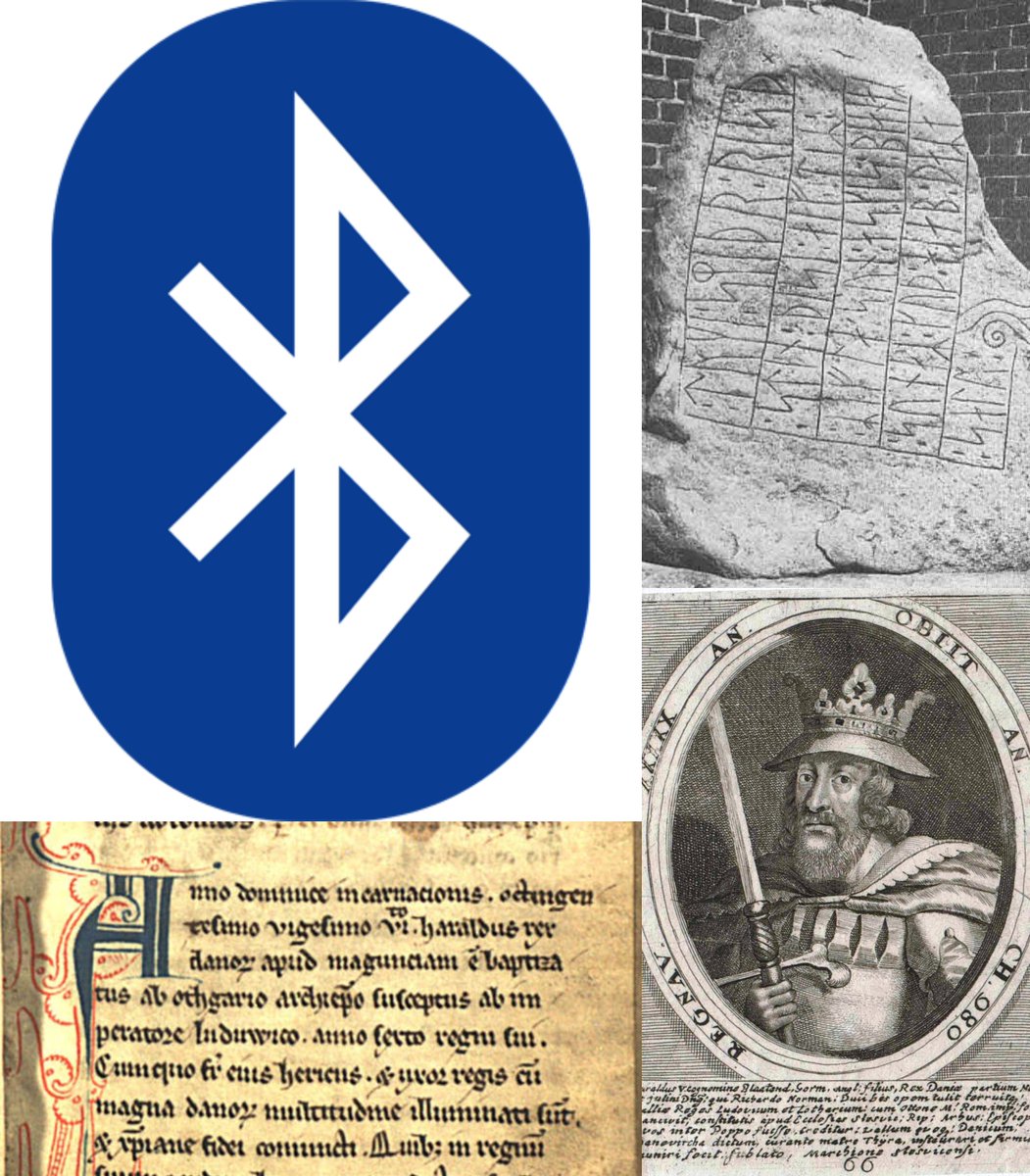
Bluetooth is named after a one thousand year old Danish king with rotten teeth, and its logo is based on the Viking runes for his initials.
But that's all an accident - it was originally supposed to be called Personal Area Networking...
But that's all an accident - it was originally supposed to be called Personal Area Networking...
The wireless technology we now call Bluetooth was invented in the 1990s.
During its emergence three major companies - Intel, Ericsson, and Nokia - met to discuss cross-product standardisation, so that mobile devices and PCs could both connect with it.
That was in 1996.
During its emergence three major companies - Intel, Ericsson, and Nokia - met to discuss cross-product standardisation, so that mobile devices and PCs could both connect with it.
That was in 1996.
A placeholder name was needed during the development of this standardised technology, and an engineer from Intel called Jim Kardach suggested Bluetooth as a temporary name.
Everybody agreed it would work until, at some point in the future, a better name could be found.
Everybody agreed it would work until, at some point in the future, a better name could be found.
Kardach had recently been reading about 10th century Vikings. And, specifically, about King Harald "Bluetooth" Gormsson of Denmark, who ruled between 958 and 986.
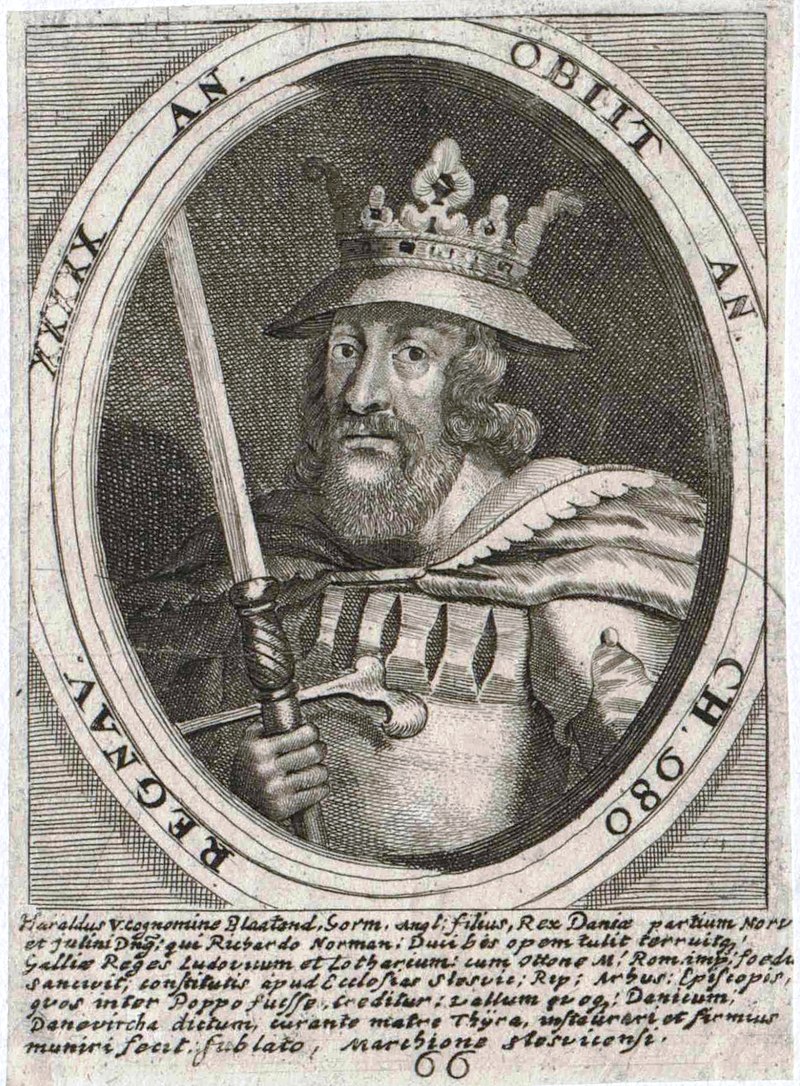
Harald's greatest success was to establish firm control over the entire Danish peninsula, even extending his rule into Norway.
As Kardach said, he "was famous for uniting Scandinavia just as we intended to unite the PC and cellular industries with a short-range wireless link."
As Kardach said, he "was famous for uniting Scandinavia just as we intended to unite the PC and cellular industries with a short-range wireless link."
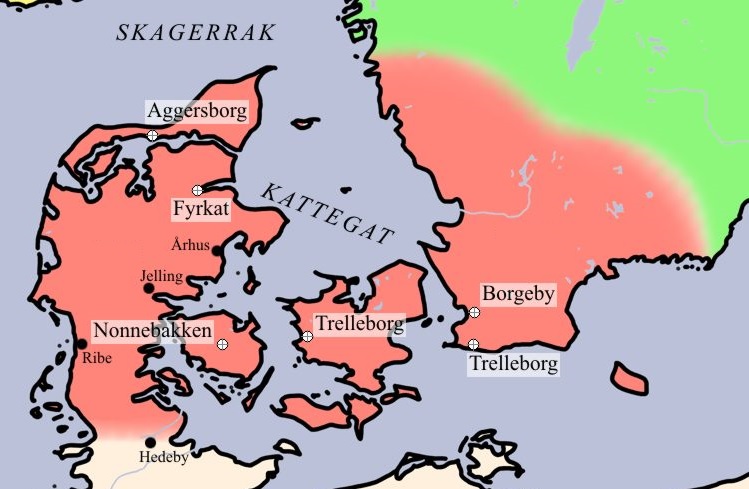
Unification may be a euphemism for conquest, but Harald certainly created a strong, interconnected Danish kingdom.
He built major castles all over the country and also introduced Christianity; the Crucifixion is here portrayed on a runestone he erected:
He built major castles all over the country and also introduced Christianity; the Crucifixion is here portrayed on a runestone he erected:
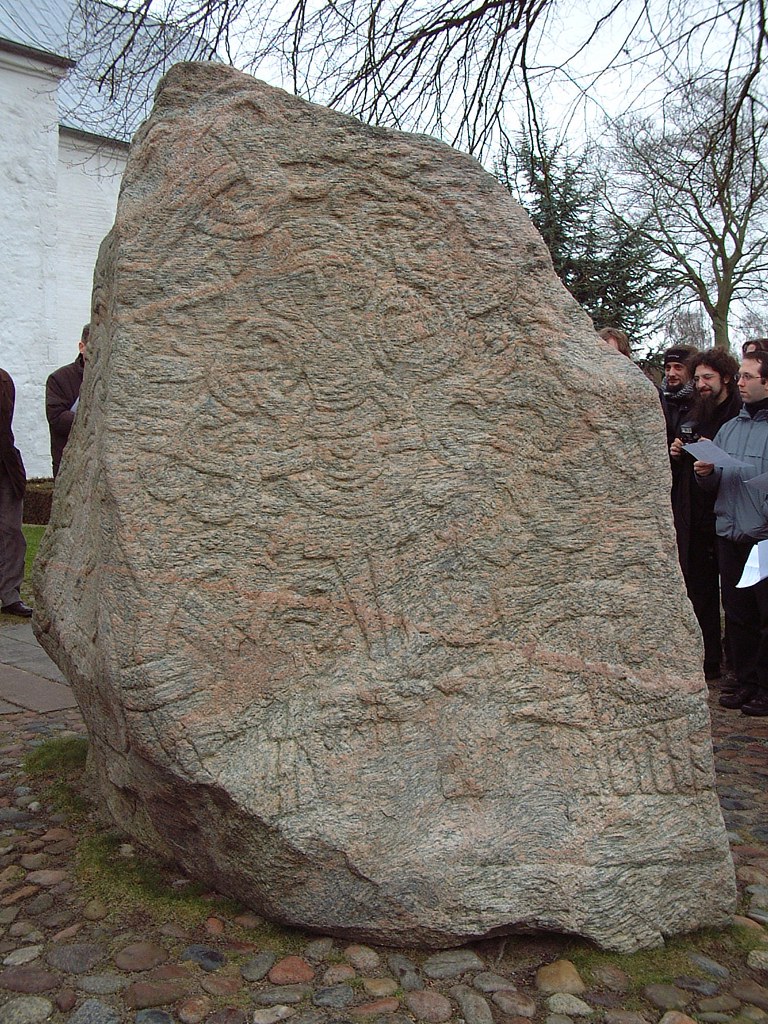
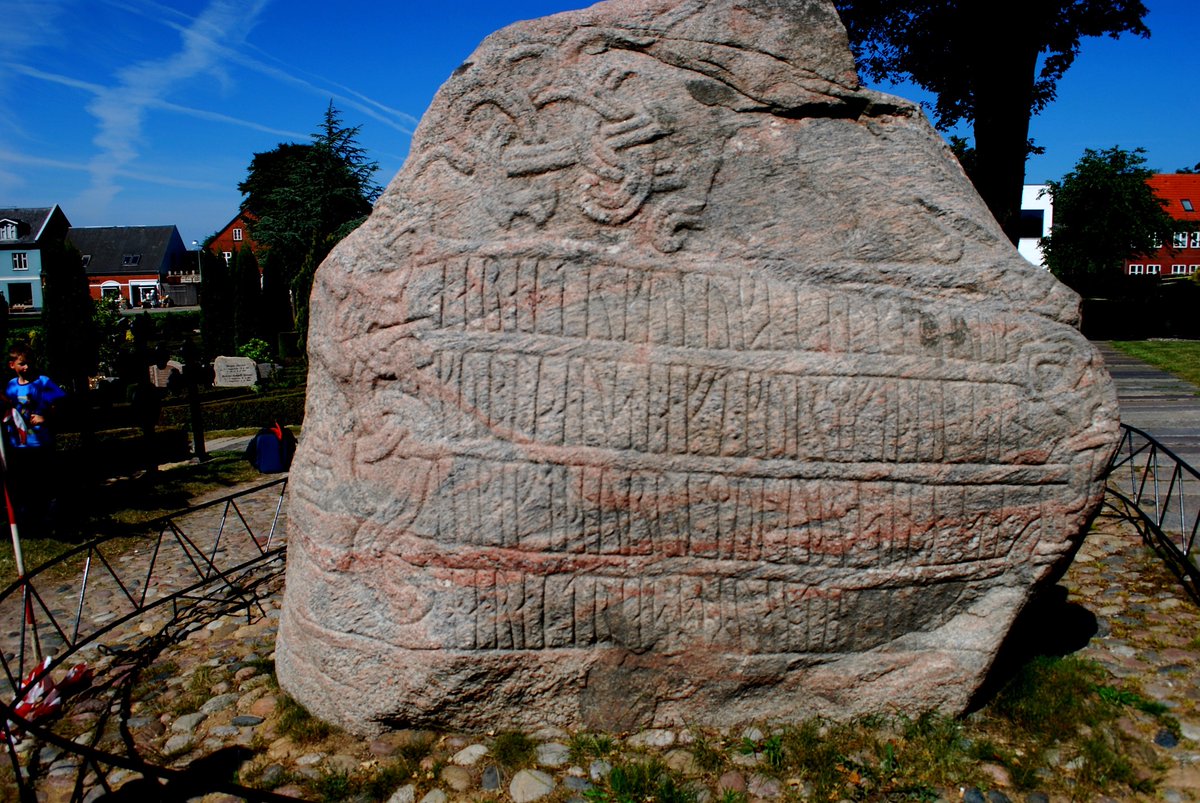
Also on this runestone he had these words engraved:
"King Haraldr ordered this monument made in memory of Gormr, his father, and in memory of Thyrvé, his mother; that Haraldr who won for himself all of Denmark and Norway and made the Danes Christian."
"King Haraldr ordered this monument made in memory of Gormr, his father, and in memory of Thyrvé, his mother; that Haraldr who won for himself all of Denmark and Norway and made the Danes Christian."
What happened to Harald in the end?
He was ousted from power in a rebellion led by his own son, Sweyn Forkbeard, who made himself King of Denmark.
Sweyn's son (and Harald's grandson) Cnut the Great would later unite England, Denmark, and Norway into the North Sea Empire.
He was ousted from power in a rebellion led by his own son, Sweyn Forkbeard, who made himself King of Denmark.
Sweyn's son (and Harald's grandson) Cnut the Great would later unite England, Denmark, and Norway into the North Sea Empire.
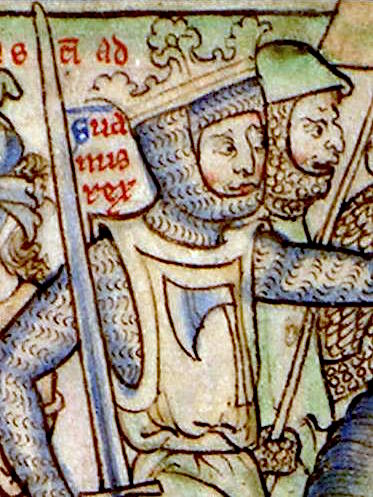
Where did his nickname come from?
Its first known appearance is in the Chronicon Roskildense, an anonymous history of Denmark written in the 12th century.
It gives his name as Harald Blatan. Which means, literally, Harald Bluetooth.
Its first known appearance is in the Chronicon Roskildense, an anonymous history of Denmark written in the 12th century.
It gives his name as Harald Blatan. Which means, literally, Harald Bluetooth.
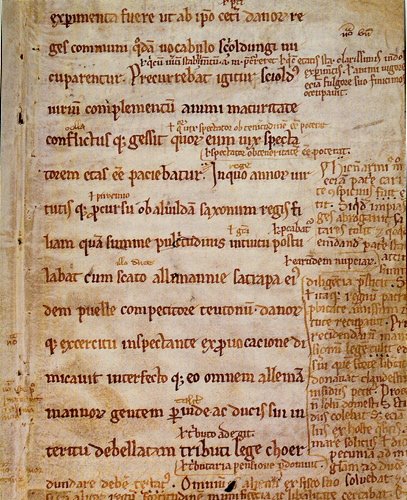
The theory goes that he had a rotten tooth which was darker than the rest.
As described in the Regum Danorum Genealogia, also 12th century, this tooth was "dark blue or black."
But, given they were written centuries after Harald's life, it's hard to know how much is true.
As described in the Regum Danorum Genealogia, also 12th century, this tooth was "dark blue or black."
But, given they were written centuries after Harald's life, it's hard to know how much is true.
In any case, when time came to officially launch the new technology, two names were in the running: PAN (Personal Area Networking) and RadioWire.
But PAN turned out to be a popular online term already and a trademark search on RadioWire couldn't be completed in time...
But PAN turned out to be a popular online term already and a trademark search on RadioWire couldn't be completed in time...
So the placeholder remained for launch, and the technology amassed such rapid popularity that any attempt to change its name would have been fruitless.
It was by accident, then, that the nickname of a thousand year old Danish king became the name of a revolutionary technology.
It was by accident, then, that the nickname of a thousand year old Danish king became the name of a revolutionary technology.
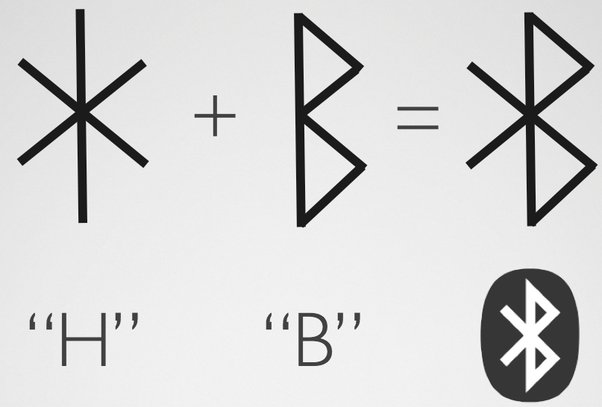
The Bluetooth logo is based on Viking runes used at the time of Harald's reign.
It combines the runes for his initials - ᚼ (H) and ᛒ (B) - into something like a stylised signature. That being said, Harald never used this symbol himself; it's an entirely modern creation.
It combines the runes for his initials - ᚼ (H) and ᛒ (B) - into something like a stylised signature. That being said, Harald never used this symbol himself; it's an entirely modern creation.
What might King Harald say if he knew that one thousand years after his death people all around the world would be using his rather derogatory nickname as a term for wireless technology?
Such are the unpredictable twists of history.
Such are the unpredictable twists of history.
Perhaps even stranger is that Viking runes, which have not been used for hundreds of years, are now present on millions of devices across the globe.
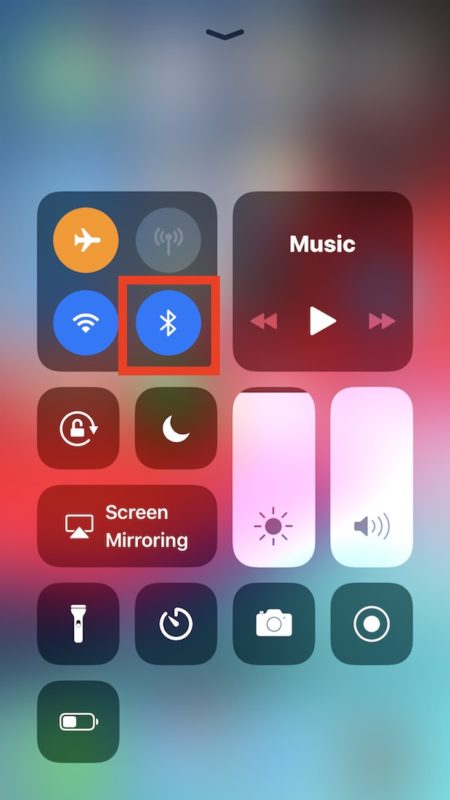
In fact, Harald's initials are probably only a swipe away from you right now...
In fact, Harald's initials are probably only a swipe away from you right now...
• • •
Missing some Tweet in this thread? You can try to
force a refresh