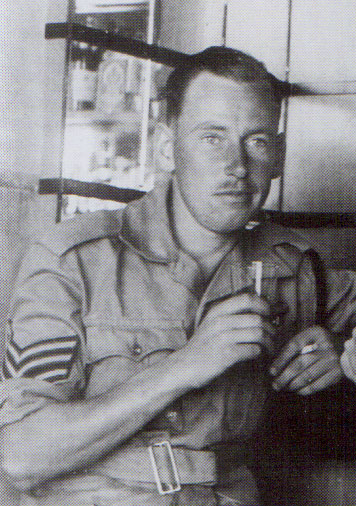
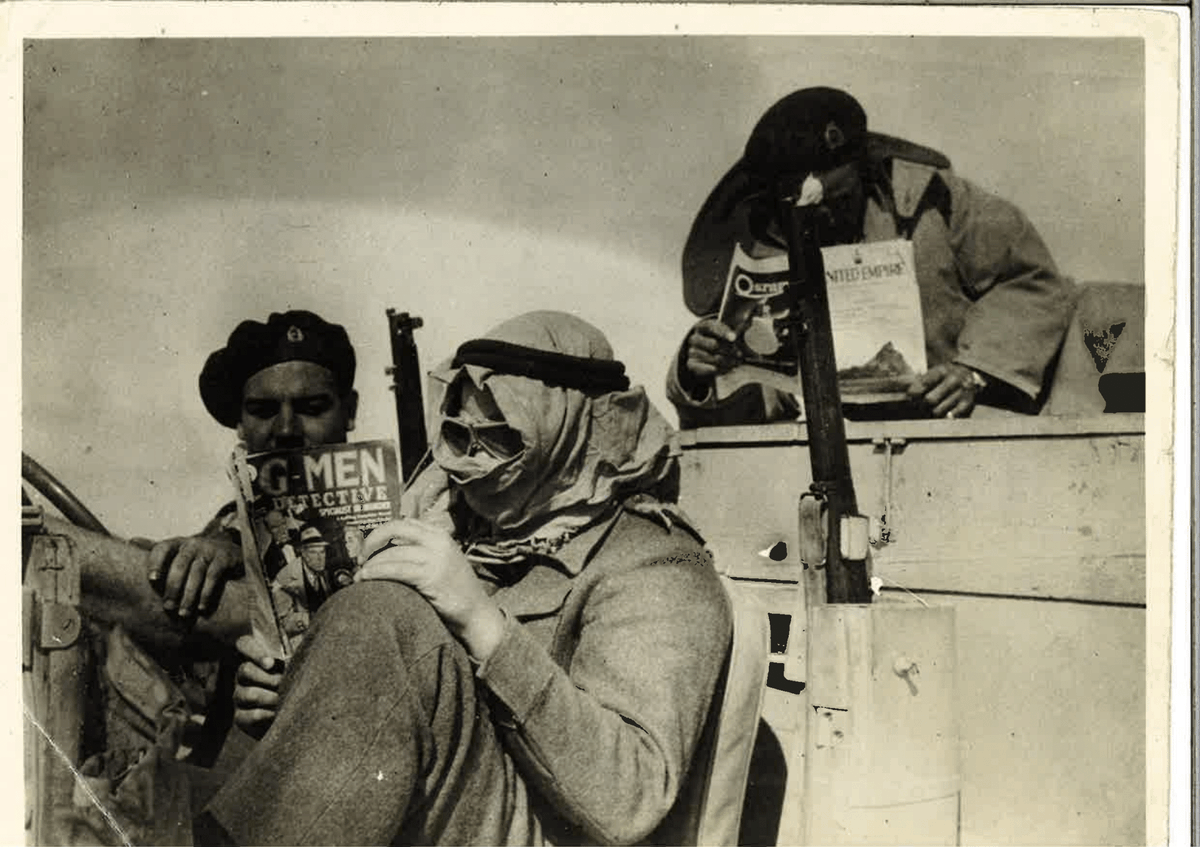
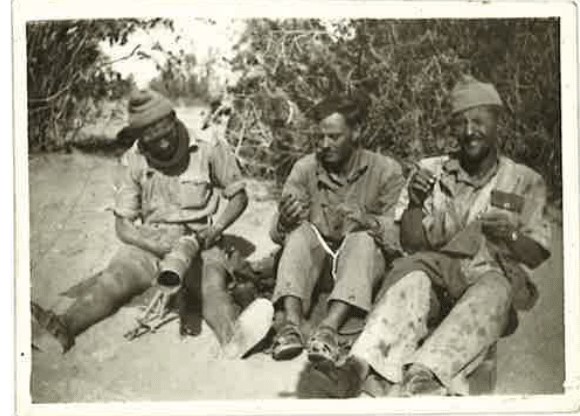
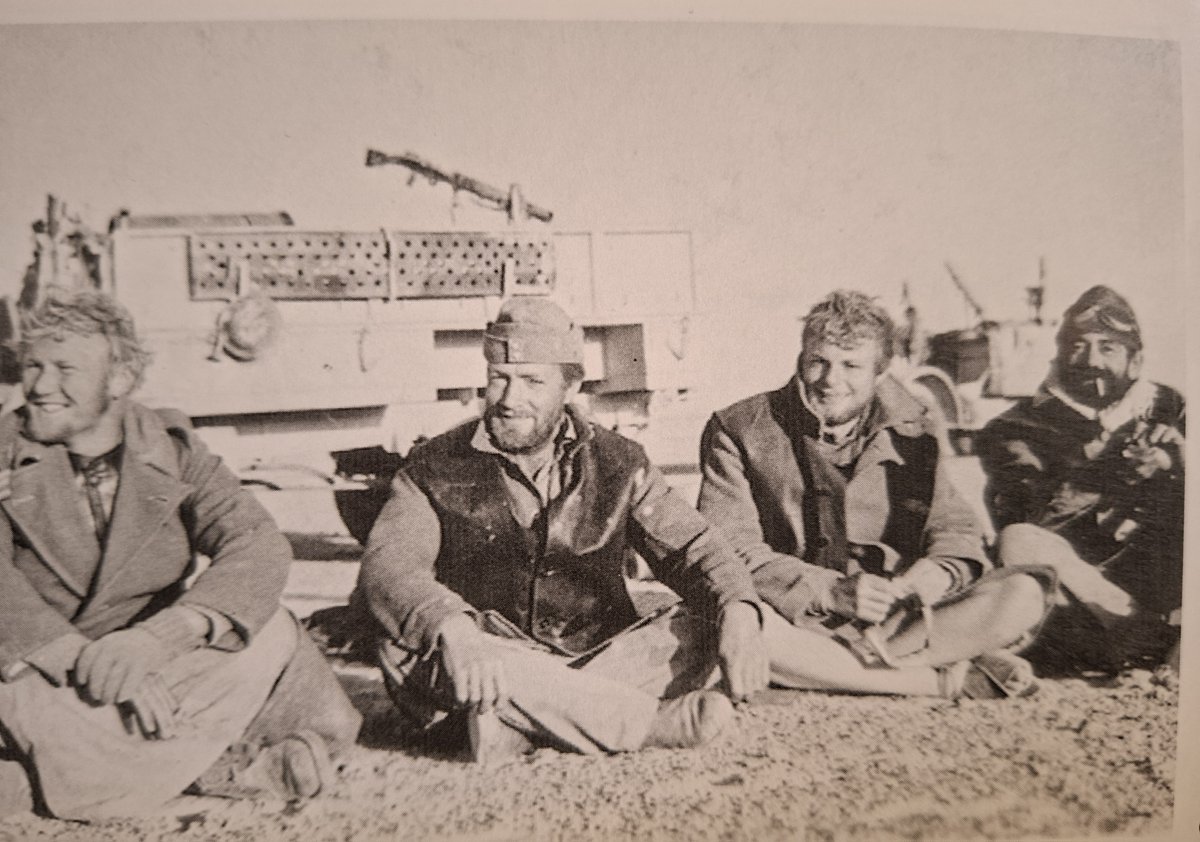
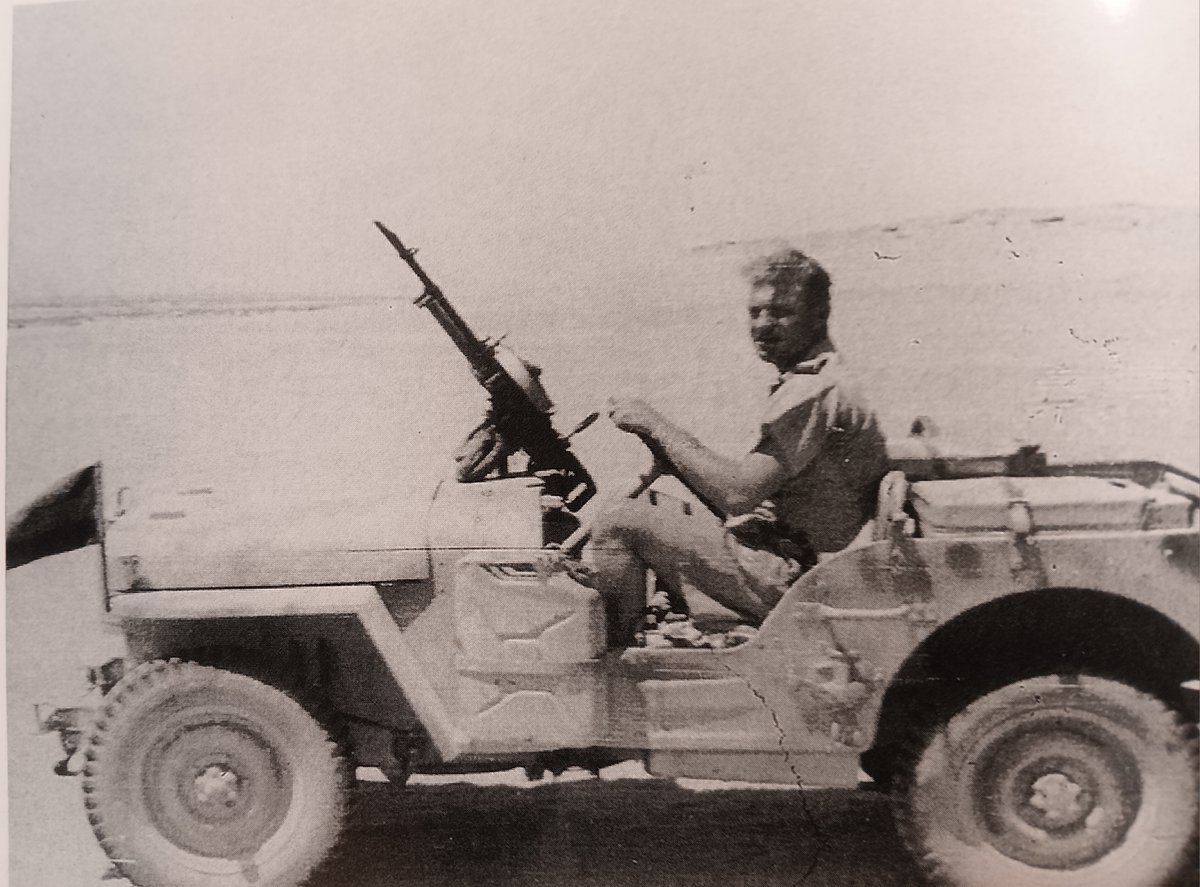
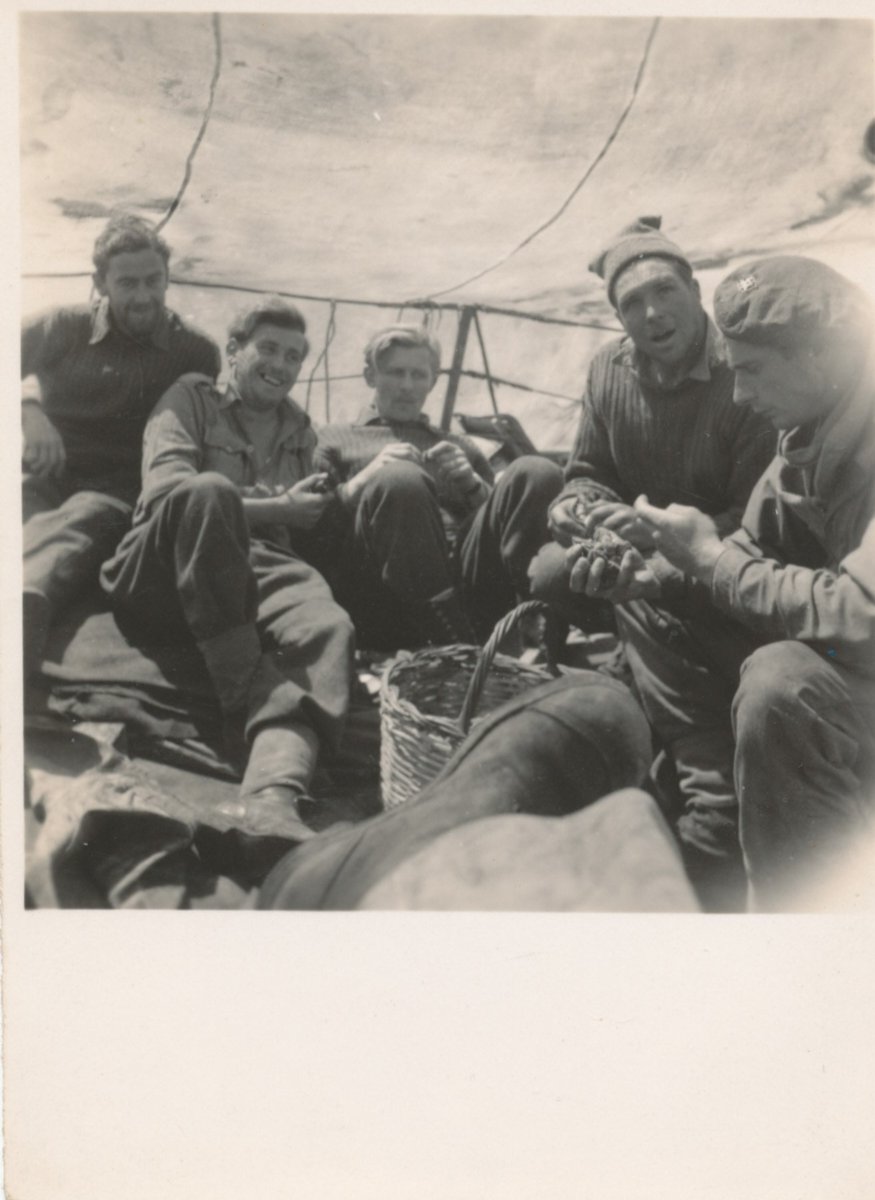
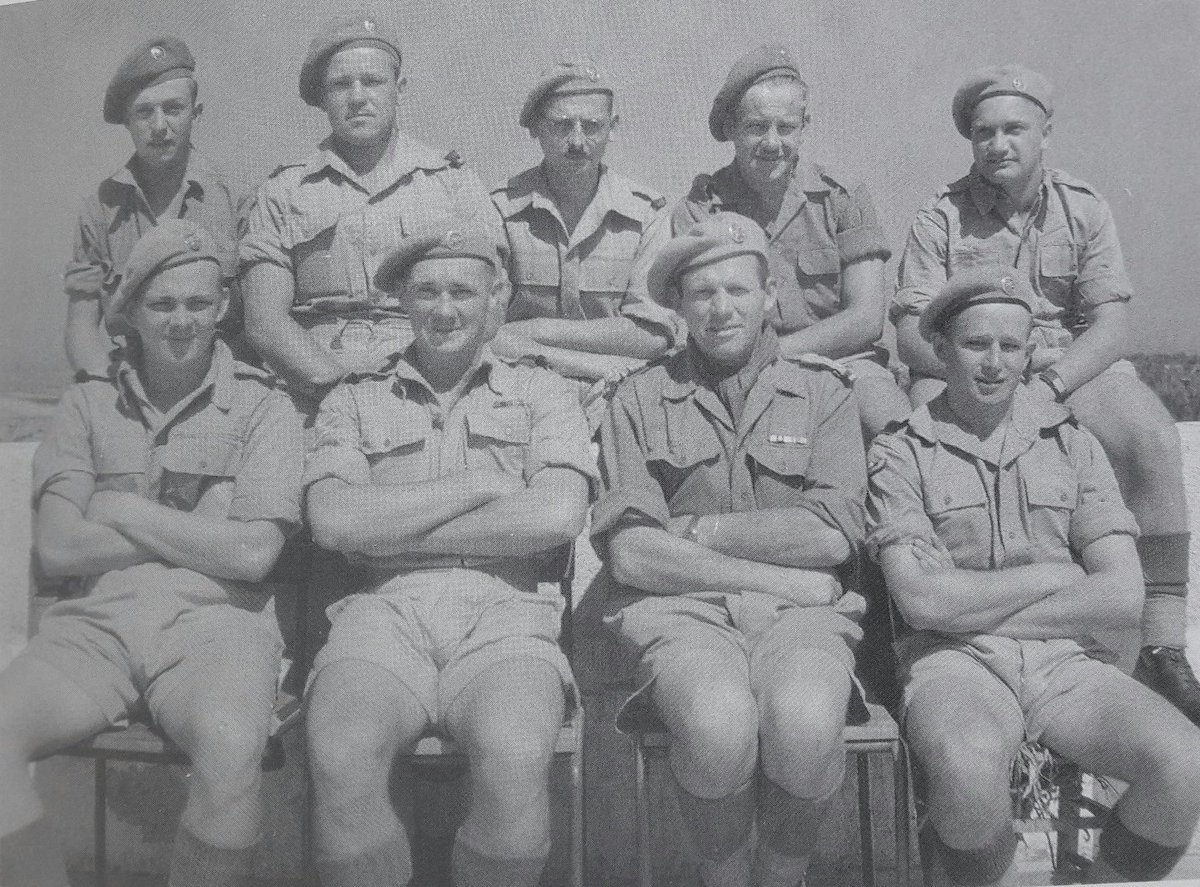
1/6 BBC Rogue Heroes inspired one gentleman to dig into his father’s special forces background. All that Terence Denman had were a few photos of his dad – John Bull Denman - from 1944/45 in his SAS beret. He dropped me a line.
(The photos that follow are of John & his pals)
2/ It was a mystery at first. John Denman, who joined from the REME, had the Africa & Italy Stars but had never seen service in France. His army paybook recorded he’d 'passed No. III Initial Parachute Course Pt. II O. No. 1732 on 31 May 1944'
In all photos was the sand beret.
3/ So unlikely he was in 1 or 2SAS because in '44 he would have worn the maroon beret.
Had he been in the SBS, who wore the sand beret throughout the war?
Terence didn’t think so.
Then he unearthed a photo on which was written on the back: 'LRS REME c/o HQ Raiding Forces'.
4/ Eureka!
'LRS' stood for Light Repair Section & they were part of Raiding Forces, established in March 1943 in the Middle East under the command of Lt-Col Harry Cator, a WW1 veteran.
It comprised the following:
5/ a) New SAS Commando Squadron
b) New SAS Small-Scale Raiding Squadron (under the command of Paddy Mayne)
c) Greek Squadron (Sacred Heart)
d) Raiding Forces Signals
e) Light Repair Section
f) Special Boat Squadron (under Jellicoe)
g) Any other forces that may be raised
6/6 The LRS did the same physical training as the SAS & SBS, including parachuting, & were entitled to wear the beret on its successful completion.
The LRS were with the SBS in Greece & the Balkans in 44/45, & some REME parachuted into France with jeeps with the SAS in 1944.
• • •
Missing some Tweet in this thread? You can try to
force a refresh

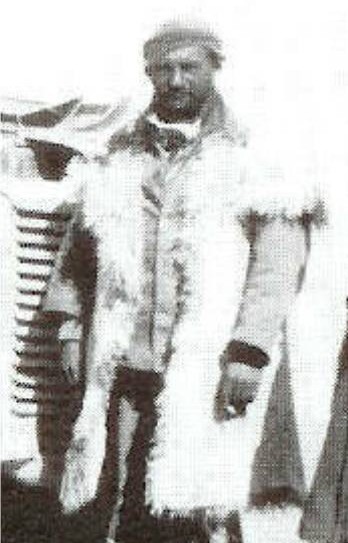
1/5 The tale of Thomas Wann is one of tragedy but also courage, love & devotion.
In November 1941 Wann (pic) was on his first mission with G Patrol, LRDG.
He was a recent recruit along with his officer from the Scots Guards, Alastair Timpson.
Tom was a gifted footballer & boxer.
2/ Wann extricated his patrol from an ambush in May 1942 with accurate fire from the Vickers.
In Sept 1942, en route to raid Barce, Timpson (pic) drove their jeep over ‘a freak col’ in the Great Sand Sea. It dropped 20 feet. Timpson fractured his skull & Wann broke his back.
3/ Thomas's life was saved by LRDG M/O Dick Lawson (pic) but he never walked again.
That he survived and thrived was due to his wife, Maisie. They lived in Edinburgh in special accommodation provided by the Thistle Foundation.
Timpson visited often & once expressed his remorse:
1/5 Among the British political class there has long been a wet self-loathing type.
In 1944 it was the Tory MP Simon Wingfield-Digby.
He was offended by the SBS in the Aegean, describing them to Churchill as "nothing short of being a band of murderous, renegade cut-throats".
2/ To which Churchill retorted: “If you do not take your seat & keep quiet I'll send you out to join them.”
I put Digby’s quote to SBS veterans. Doug Wright (rt), reputed to have despatched 9 Nazis with his bare hands, laughed. "There was a lot of killing in the Dodecanese."
3/ Norman Moran said the SBS were despised by the higher ups: “We were a bunch of uncontrollable mercenaries as far as they were concerned…one of the reasons being that we were successful & our work brought to light so many of their failings.”
1/5 One of the great figures of British wartime special forces is also, regrettably, one of the least known.
Tony Browne, MC, DCM, was born in England in 1908 & later quit Cambridge Uni to emigrate to New Zealand.
Tony (pic) dabbled in journalism pre-war & then joined up in 1939.
2/ In this week in 1941 Browne was a member of S Patrol led by John Olivey (3rd, front). They conducted an outstanding road watch in Libya, deep behind enemy lines.
During 168 hours they noted traffic, such as:
'Lorries between 3 and 10 tons - eastbound 1218, westbound 764.'
3/ They also noted that lorries going west had another lorry in tow. Based on the method of attachment, the LRDG ‘inferred that fuel was short’.
Browne received his DCM for ‘exceptional gallantry’ during the LRDG raid on Murzuk (pic) on 11 January 1941.
He was also commissioned.
1/5 I see the Anti-Semitic idiot brigade were out in force at Glastonbury at the weekend.
This thread is for those morons.
Disaster nearly befell the SAS in June 1942.
It could have ended in the death/capture of Stirling & Mayne, but for this man:
Karl Kahane, an Austrian Jew
2/ Stirling & Mayne, with Johnny Cooper & Reg Seekings (pic, l-r 2 & 4th), Jimmy Storie, Bob Lilley & Kahane, were in a truck heading to raid Benina in Libya.
I heard the story of what happened from Storie & Cooper. Johnny laughed about it 60 years later but not at the time.
3/ They came to a German roadblock, recalled Storie (2nd left): “A German sgt-major came up to the truck & took a good look at it & at us. Kahane spoke German & said we were on a special mission. But he could see we were British.”
Kahane angrily told the German to lift the block.
1/6 One of the great special forces operations of WW2 began on March 25 1945.
Eight men parachuted into an upland valley in Borneo.
They were led by the very eccentric Tom Harrisson (pic).
An anthropologist, he was summoned to a "mysterious interview" in a London hotel in 1944.
2/ Harrisson was not natural SF material. He was 33, an academic with a volatile temperament. But he had something that SOE needed: intimate knowledge of Borneo: its terrain (pic) & its people. Harrisson had acquired this during a 6-month field study trip with Oxford Uni in 1932.
3/ So on March 25 Harrison led the advance party of Operation Semut into Borneo.
They were from Z Special Unit. Mostly Aussies with a sprinkling of British and NZ officers. They were tough, well-trained men.
But in the jungle of Borneo were some seriously tough people – Dayaks
1/4 Remembering on this day two very gallant men.
Sub-Lt Grigor Riggs, a Scot, and Sgt Colin Cameron from Australia.
They were members of Z Special Unit, engaged on Operation Rimau, a raid on Singapore.
On Nov 5th the raiders were cornered by the Japanese on the island of Merapas
2/ This map of Merapas in the South China Sea was sketched by one of the raiders.
When a large enemy search party hove into view on the morning of Nov 5, Riggs & Cameron devised a plan: they would create a diversion, allowing their six comrades to escape in local fishing boats.
3/ Riggs and Cameron, both 21, engaged the Japanese as they landed on the north shore.
Cameron was shot dead & Riggs (left, in 1944) withdrew to Wild Cat Hill where he kept firing until out of ammo. He ran south, the Japanese on his tail, until he was killed on the shoreline.