Why YouTube gurus are dangerous for content creators.
(thread)
(thread)

Our brains are not wired to fathom the complexity of this world because it is mostly random.
To make sense of such a chaotic world, we have mental shortcuts and biases.
This helps us make decisions faster without constantly thinking about what to do next.
To make sense of such a chaotic world, we have mental shortcuts and biases.
This helps us make decisions faster without constantly thinking about what to do next.

While this is generally beneficial (for survival), it's destructive when looking for signal.
I've selected a non-exhaustive list of biases YT gurus are blind to, resulting in misleading content creators and making them make mistakes that can become lethal for their channels.
I've selected a non-exhaustive list of biases YT gurus are blind to, resulting in misleading content creators and making them make mistakes that can become lethal for their channels.
It will be divided into two parts:
1/ Biases when analyzing successful creators/videos
2/ Biases when analyzing analytics
(In the link in my bio, I have a whole section called "Vaccine against YouTube gurus", if you want to read more about it)
1/ Biases when analyzing successful creators/videos
2/ Biases when analyzing analytics
(In the link in my bio, I have a whole section called "Vaccine against YouTube gurus", if you want to read more about it)
----------------------
1. Biases YouTube gurus are blind to when analyzing successful creators/videos
----------------------
1. Biases YouTube gurus are blind to when analyzing successful creators/videos
----------------------
🔸 Survivorship bias:
The most classic one.
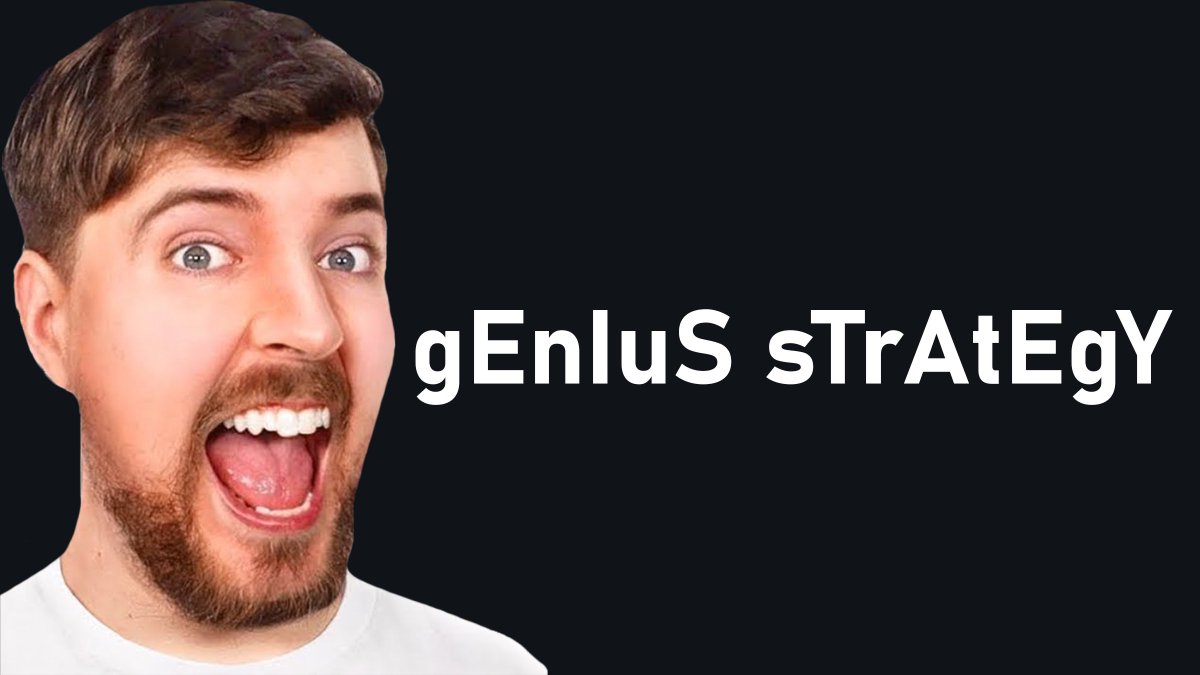
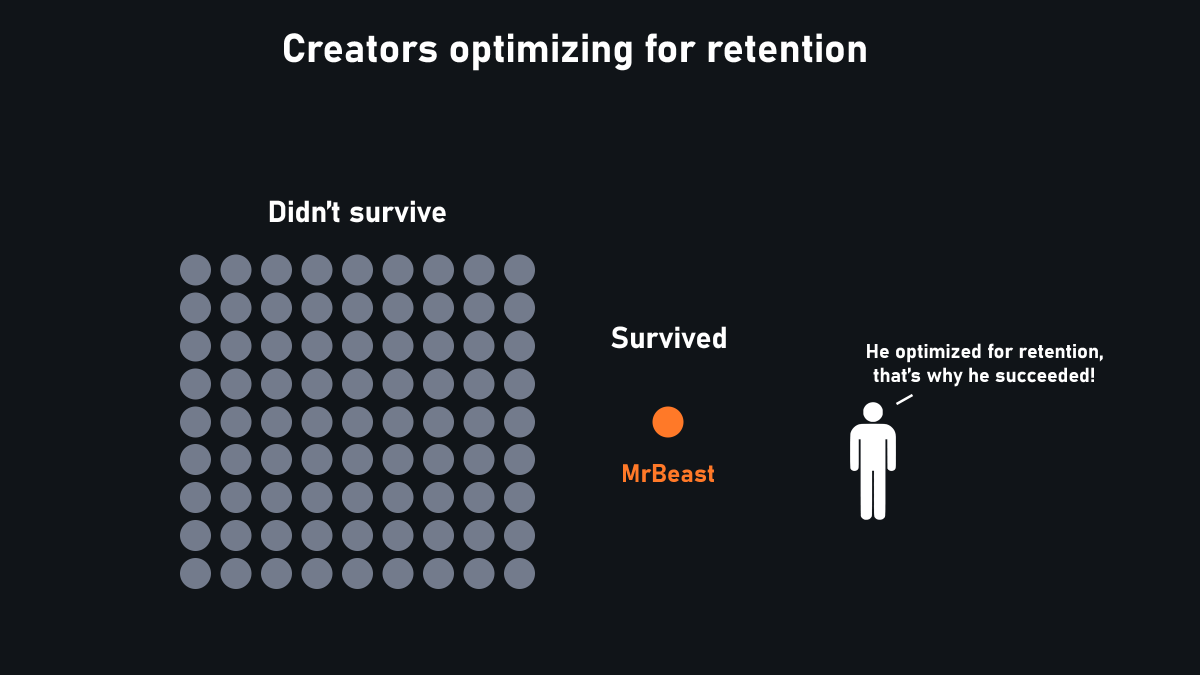
Focusing on successful creators (MrBeast, Airrack, Ryan Trahan...), while ignoring those who failed and concluding that their success was due to specific factors.
The most classic one.
Focusing on successful creators (MrBeast, Airrack, Ryan Trahan...), while ignoring those who failed and concluding that their success was due to specific factors.
Stuff like:
"Mrbeast genius strategy"
"Mrbeast retention is why he's successful"
You get the idea.
99.9% of these are pure noise, they highlight one person who succeeded at something while ignoring thousands who failed.
"Mrbeast genius strategy"
"Mrbeast retention is why he's successful"
You get the idea.
99.9% of these are pure noise, they highlight one person who succeeded at something while ignoring thousands who failed.
Here's a great (short) video on the subject:
🔸 Hindsight bias:
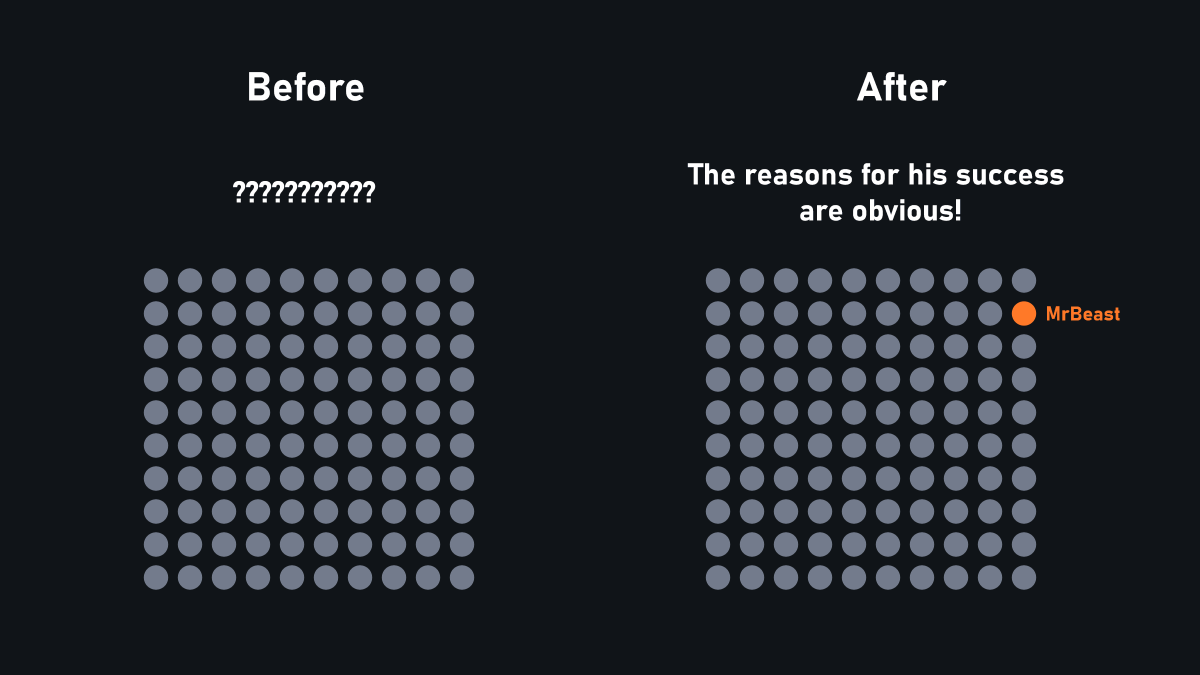
Believing that the success of a creator was predictable after it happened when in reality, it was impossible at the time.
YouTube fake gurus are great at predicting the past but horrible at predicting the future.
Believing that the success of a creator was predictable after it happened when in reality, it was impossible at the time.
YouTube fake gurus are great at predicting the past but horrible at predicting the future.
You've seen many:
"I've studied every MrBeast video/interviews.."
But have you seen anyone predict the next MrBeast with the same level of precision and be right?
That kind of content is basically explaining the lottery numbers after their release.
Bullshit.
"I've studied every MrBeast video/interviews.."
But have you seen anyone predict the next MrBeast with the same level of precision and be right?
That kind of content is basically explaining the lottery numbers after their release.
Bullshit.
🔸 Attribution bias:
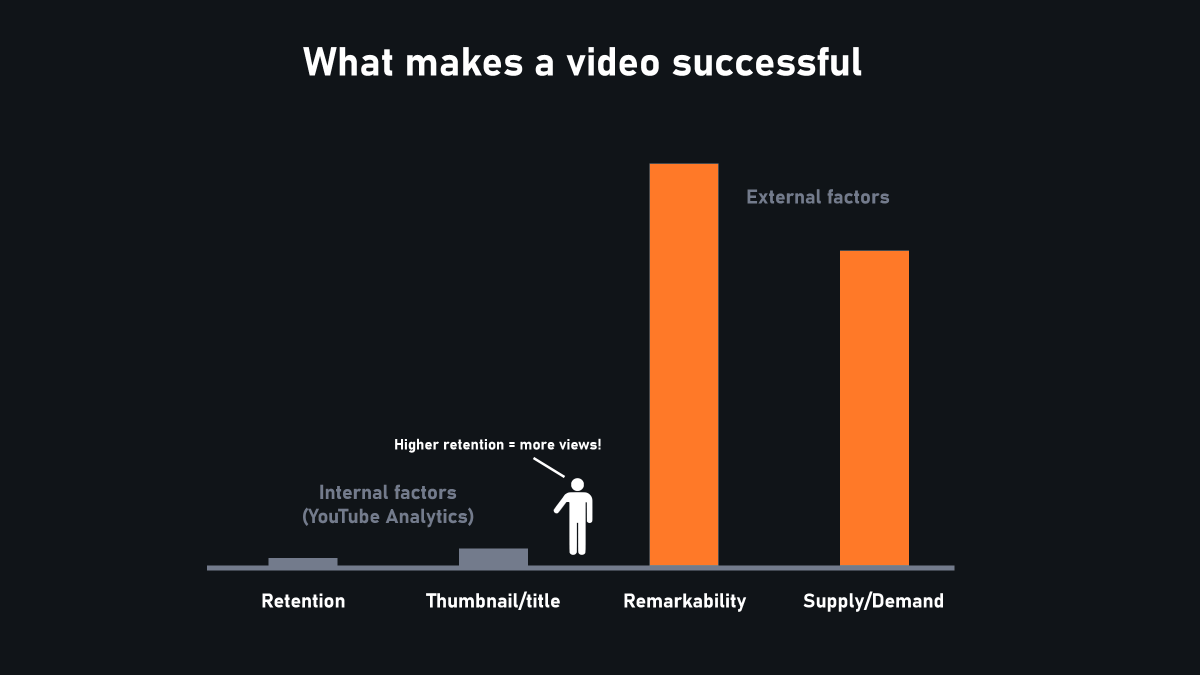
Overemphasizing internal factors, such as:
- thumbnail
- retention
And underemphasizing external factors, such as:
- "remarkability"
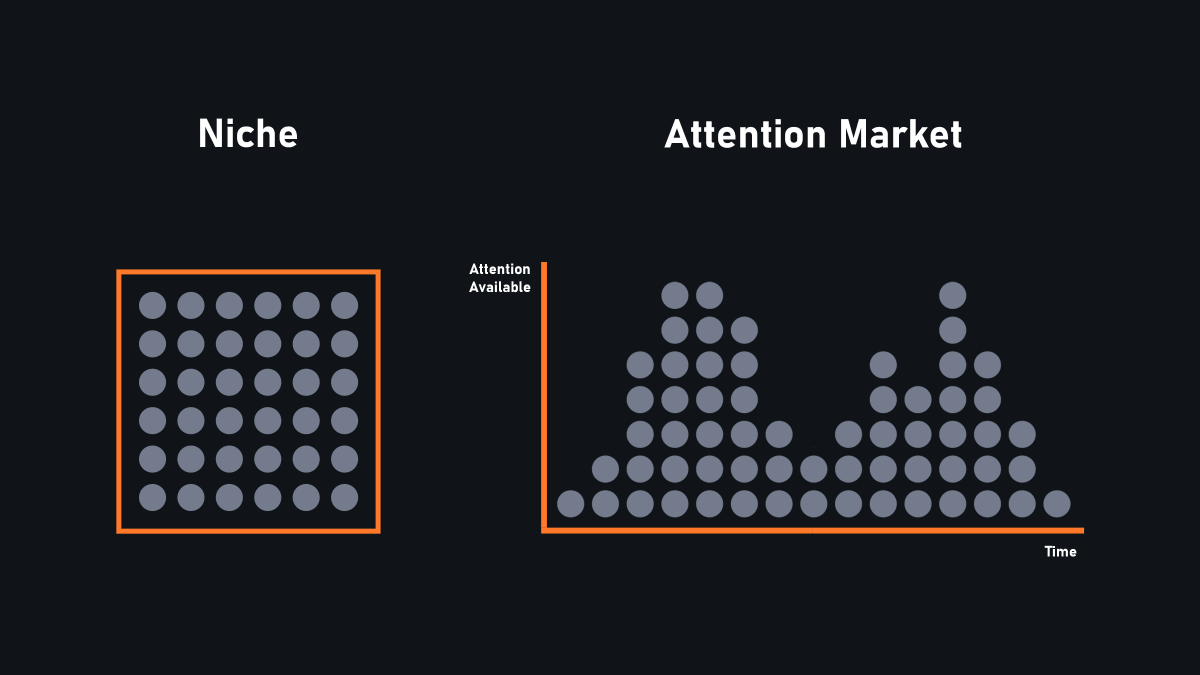
- supply/demand dynamics (attention markets)
Overemphasizing internal factors, such as:
- thumbnail
- retention
And underemphasizing external factors, such as:
- "remarkability"
- supply/demand dynamics (attention markets)
Many overanalyze to sound smart/farm credibility.
"MrBeast uses a surprised face in the thumbnail"
"Ryan Trahan color theory genius"
A video performs well because it's unique and fresh (remarkable).
Everything else is mostly nothing but overfitting concepts to flex.
"MrBeast uses a surprised face in the thumbnail"
"Ryan Trahan color theory genius"
A video performs well because it's unique and fresh (remarkable).
Everything else is mostly nothing but overfitting concepts to flex.
🔸 Selection bias:
Analyzing only successful videos and drawing conclusions that don't generalize to other videos.
You need to analyze both sides of the coin to get the big picture (studying successes AND failures).
Analyzing only successful videos and drawing conclusions that don't generalize to other videos.
You need to analyze both sides of the coin to get the big picture (studying successes AND failures).
Most of these fake gurus out here never built a youtube channel from scratch, making them even more prone to this bias.
----------------------
2. Biases YouTube gurus are blind to when analyzing analytics.
----------------------
2. Biases YouTube gurus are blind to when analyzing analytics.
----------------------

🔸 Confirmation bias:
Looking for data that confirms preconceived notions about what makes a video successful rather than considering alternative explanations.
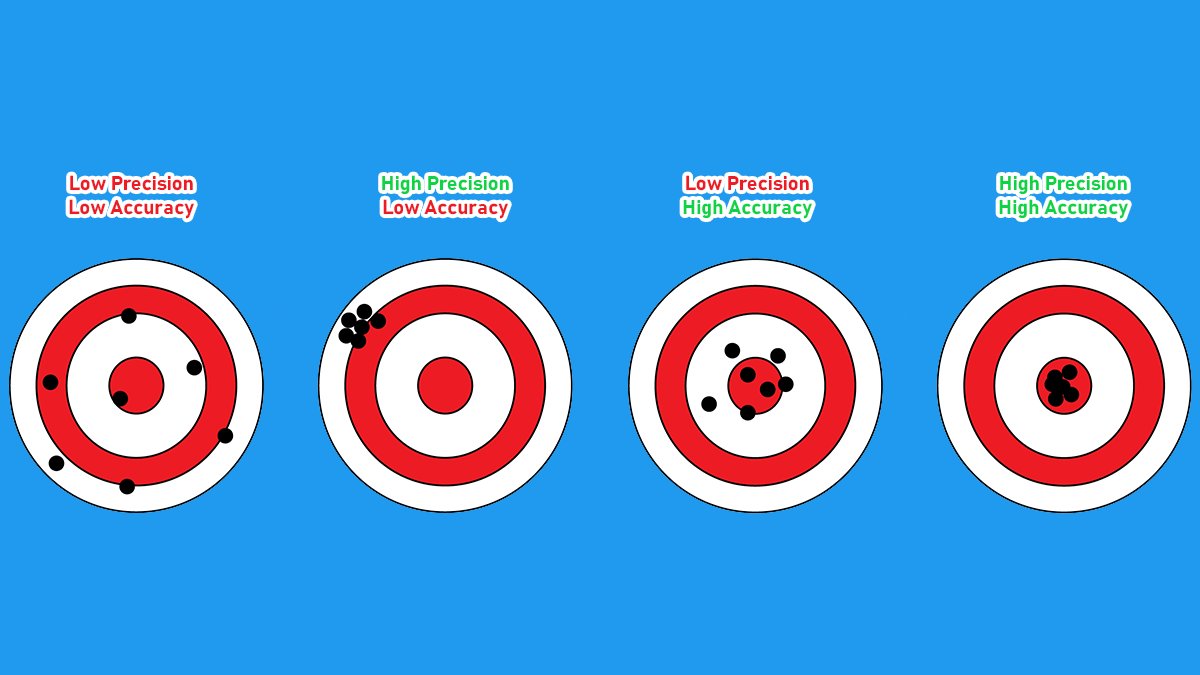
A classic one. when they try to make sense out of CTR/AVD when in reality it's mostly random.
Looking for data that confirms preconceived notions about what makes a video successful rather than considering alternative explanations.
A classic one. when they try to make sense out of CTR/AVD when in reality it's mostly random.
🔸 Availability bias:
Relying too heavily on the most easily accessible data without considering the broader context of the video's performance.
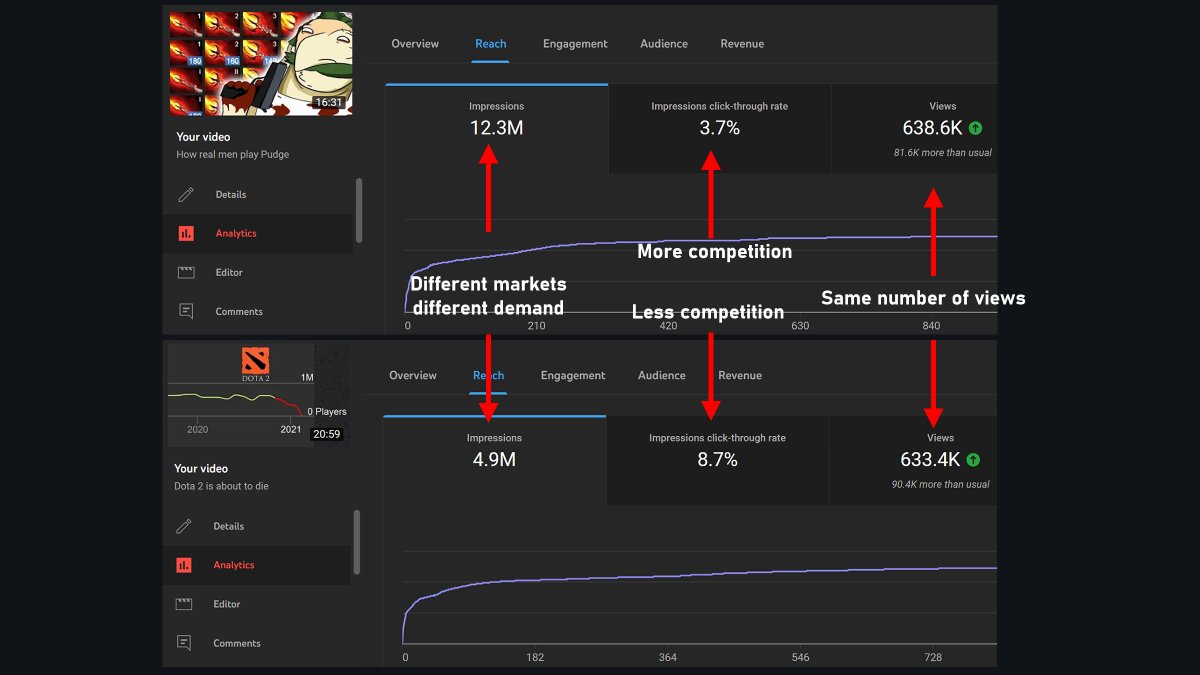
That's why they try to fit everything under CTR/AVD/Retention, when most of the time it's due to market conditions (supply/demand).
Relying too heavily on the most easily accessible data without considering the broader context of the video's performance.
That's why they try to fit everything under CTR/AVD/Retention, when most of the time it's due to market conditions (supply/demand).
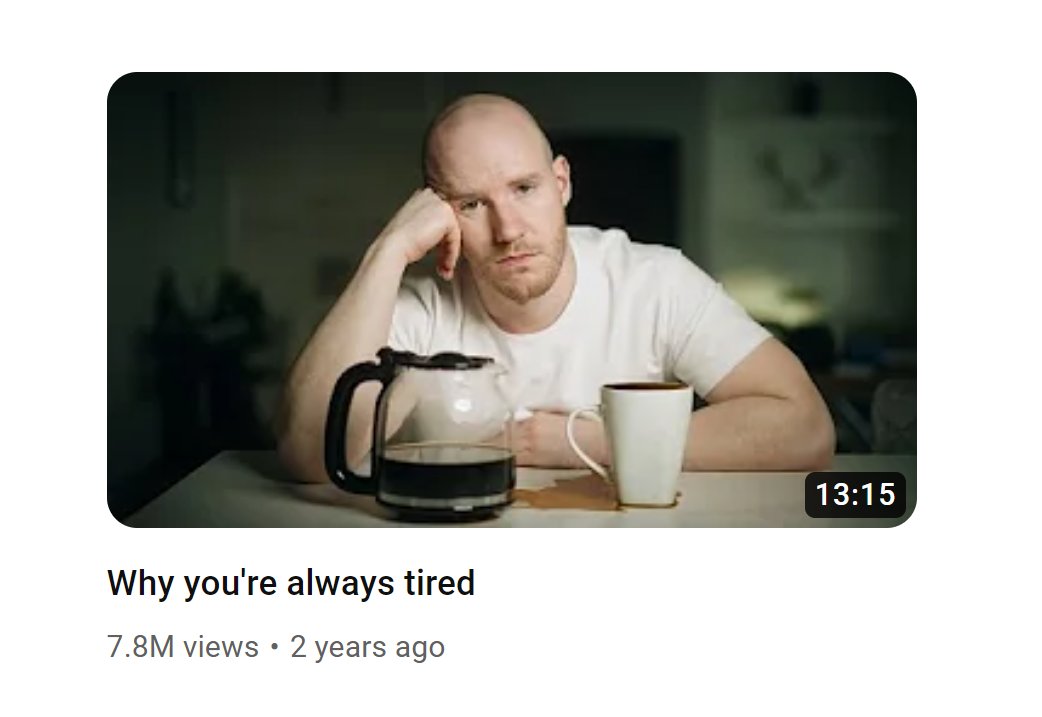
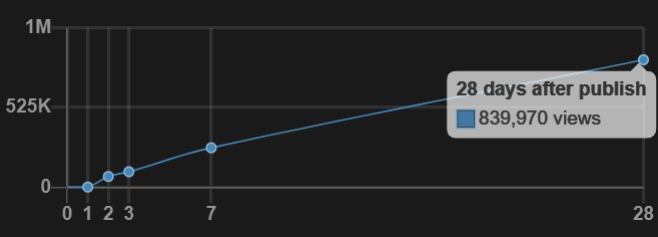
For instance, these two videos have roughly the same number of views, but they compete in two different markets (the first one is a fun gameplay, the second one a deep analysis).
Obviously, the entertainment market is larger than the "serious essay" market.
Obviously, the entertainment market is larger than the "serious essay" market.
🔸 Narrative bias:
Tendency to interpret information as being part of a larger story or pattern, regardless of whether the facts actually support the full narrative.
"CTR/AVD are bad"
"AVD is low"
This is complete nonsense for understanding a video's performance.
More here:
Tendency to interpret information as being part of a larger story or pattern, regardless of whether the facts actually support the full narrative.
"CTR/AVD are bad"
"AVD is low"
This is complete nonsense for understanding a video's performance.
More here:
https://twitter.com/wono_strategy/status/1610310208940814336
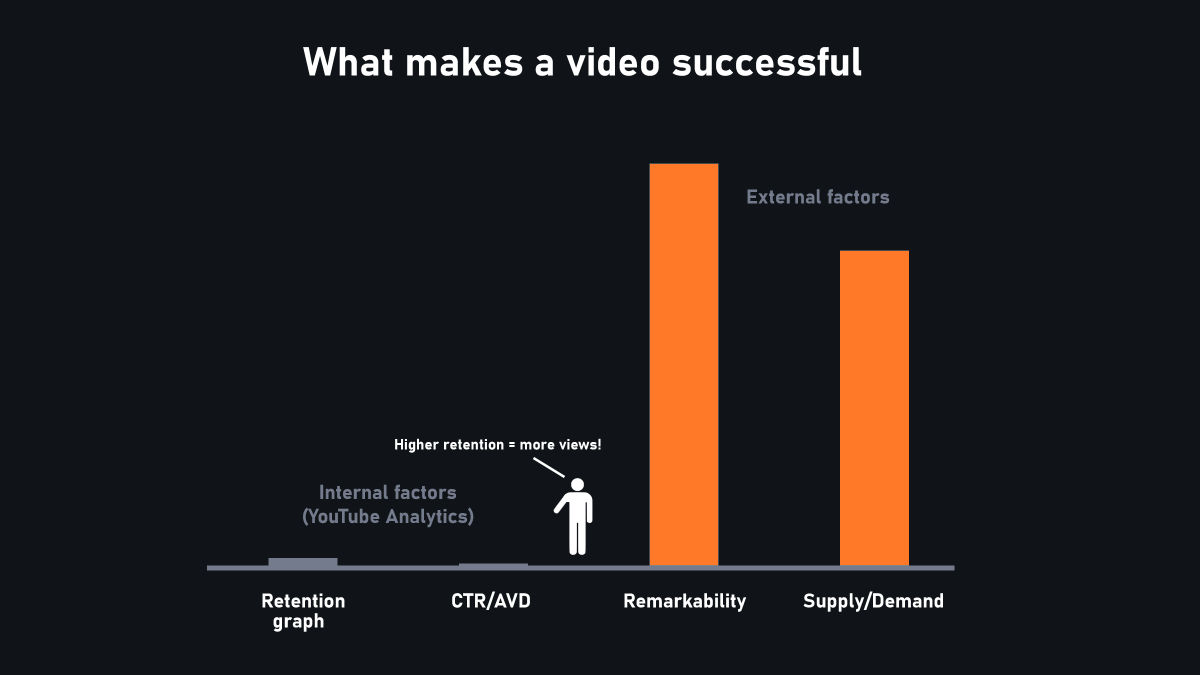
🔸 Attribution bias (again but for analytics this time):
Overemphasizing internal factors, such as:
- Retention graph
- CTR/AVD
And underemphasizing external factors, such as:
- "Remarkability"
- Supply/demand dynamics (attention market)
Overemphasizing internal factors, such as:
- Retention graph
- CTR/AVD
And underemphasizing external factors, such as:
- "Remarkability"
- Supply/demand dynamics (attention market)
🔸 Sampling bias:
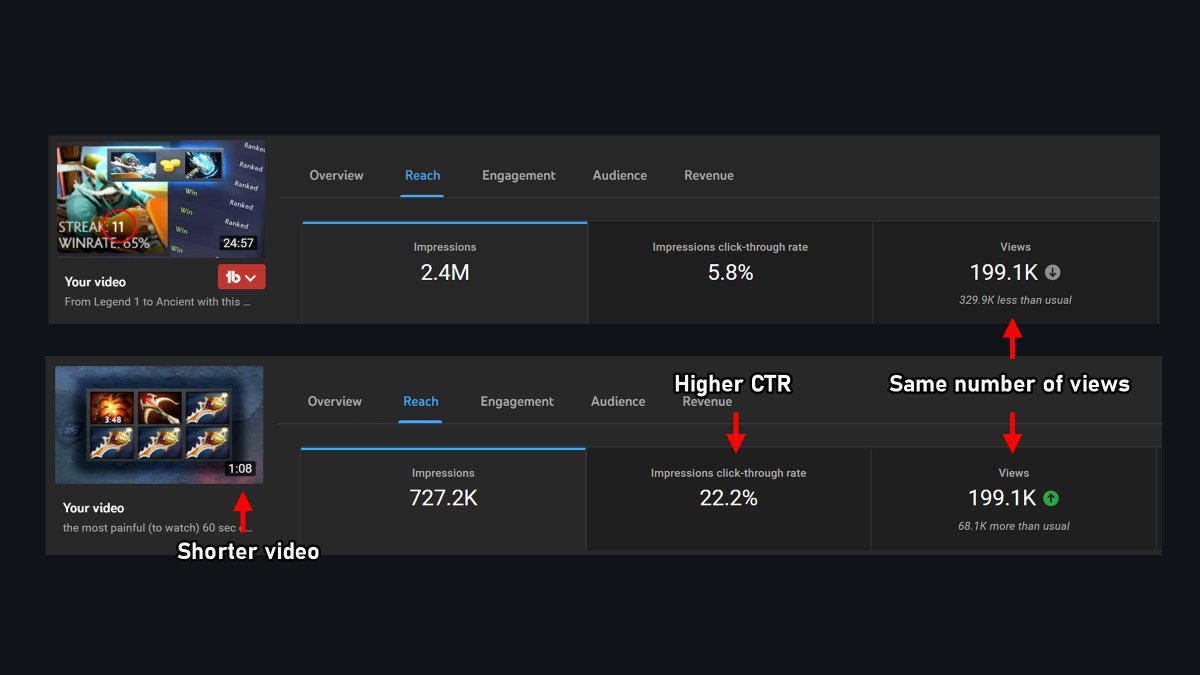
Drawing conclusions based on a non-random sample of data and overlooking other factors, such as only analyzing videos on channels that already have a large number of subs or videos of roughly the same duration.
Drawing conclusions based on a non-random sample of data and overlooking other factors, such as only analyzing videos on channels that already have a large number of subs or videos of roughly the same duration.
For example, a lower CTR can only be due to the length of the video & not to the thumbnail's performance because the shorter a video, the more likely a viewer will have the time to watch it right away (= 📈CTR).
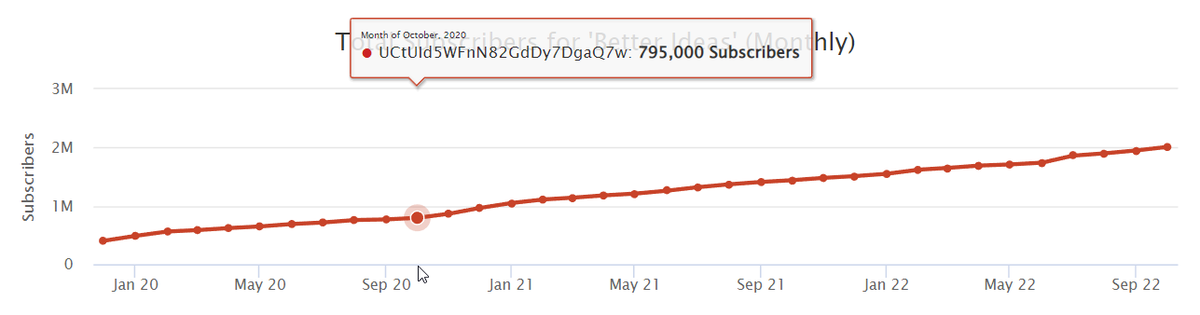
Here's an example with videos from 2 different channels of mine:
Here's an example with videos from 2 different channels of mine:
🔸 Simpson's paradox (by far the most overlooked):
A statistical phenomenon where a trend or pattern observed in a group of data is reversed or disappears when the data is divided into subgroups.
A statistical phenomenon where a trend or pattern observed in a group of data is reversed or disappears when the data is divided into subgroups.
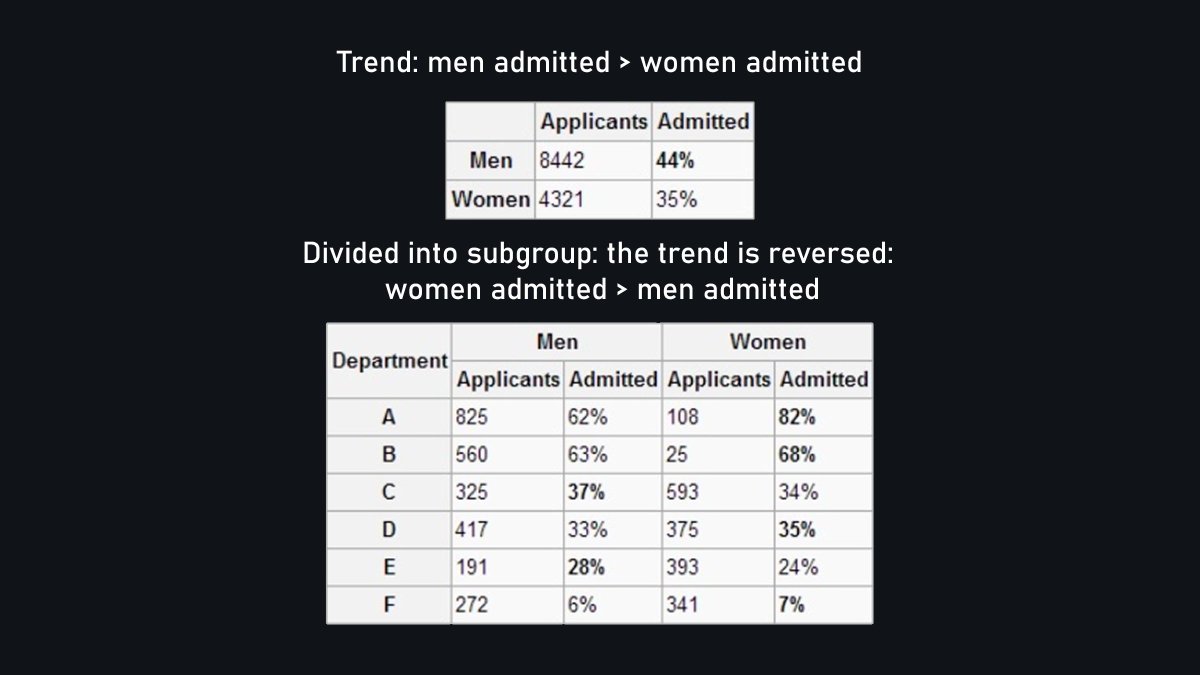
This one is a bit complex but super important.
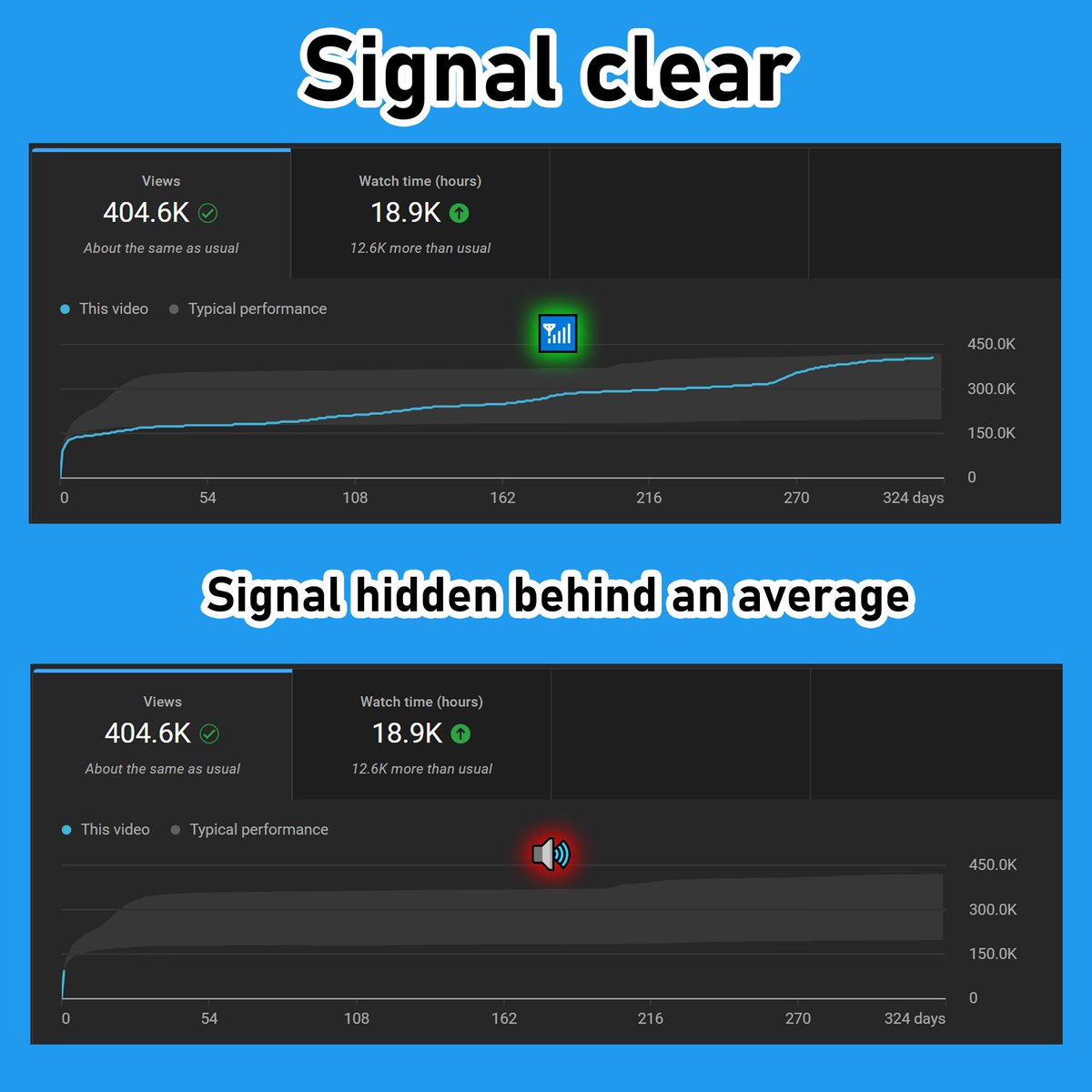
Most creators are fooled by Simpson's paradox in metrics representing an average (especially CTR, AVD & the retention graph).
I'll make a separate thread with more details to explain this soon.
Most creators are fooled by Simpson's paradox in metrics representing an average (especially CTR, AVD & the retention graph).
I'll make a separate thread with more details to explain this soon.
Fooled by randomness:
The tendency of people to mistakenly attribute significance or meaning to random events or to assume that there is a pattern or trend where none actually exists.
The tendency of people to mistakenly attribute significance or meaning to random events or to assume that there is a pattern or trend where none actually exists.
This is the surprise du chef, I see it everywhere.
For example:
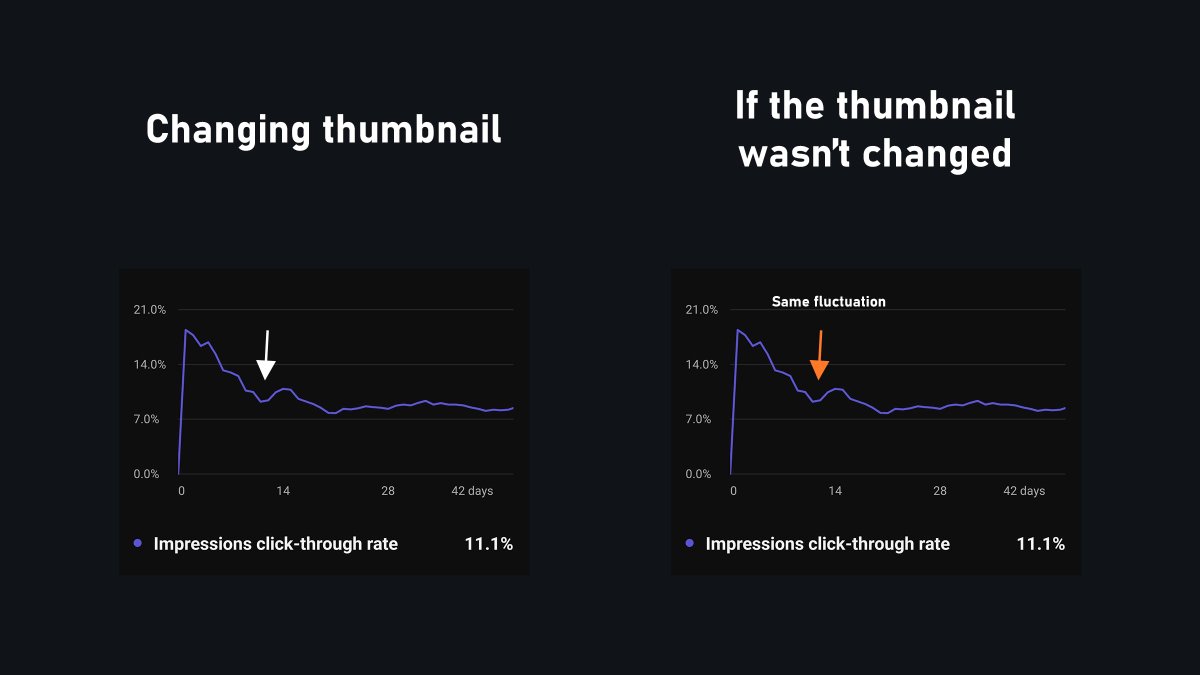
"I noticed an increase in CTR after I changed the thumbnail"
When in reality it's only due to CTR fluctuations that would've happened anyway.
For example:
"I noticed an increase in CTR after I changed the thumbnail"
When in reality it's only due to CTR fluctuations that would've happened anyway.
That's it for this one!
I could keep going like this all day because there are so many biases to talk about, but the point of this thread was to give you some tools to protect yourself from so-called experts who are completely clueless.
I could keep going like this all day because there are so many biases to talk about, but the point of this thread was to give you some tools to protect yourself from so-called experts who are completely clueless.
They are misleading many creators (small & big), and the only way to prevent this is to know these biases.
Be careful of who you take advice from because remember that in the end, this is your career that is at stake.
Be careful of who you take advice from because remember that in the end, this is your career that is at stake.
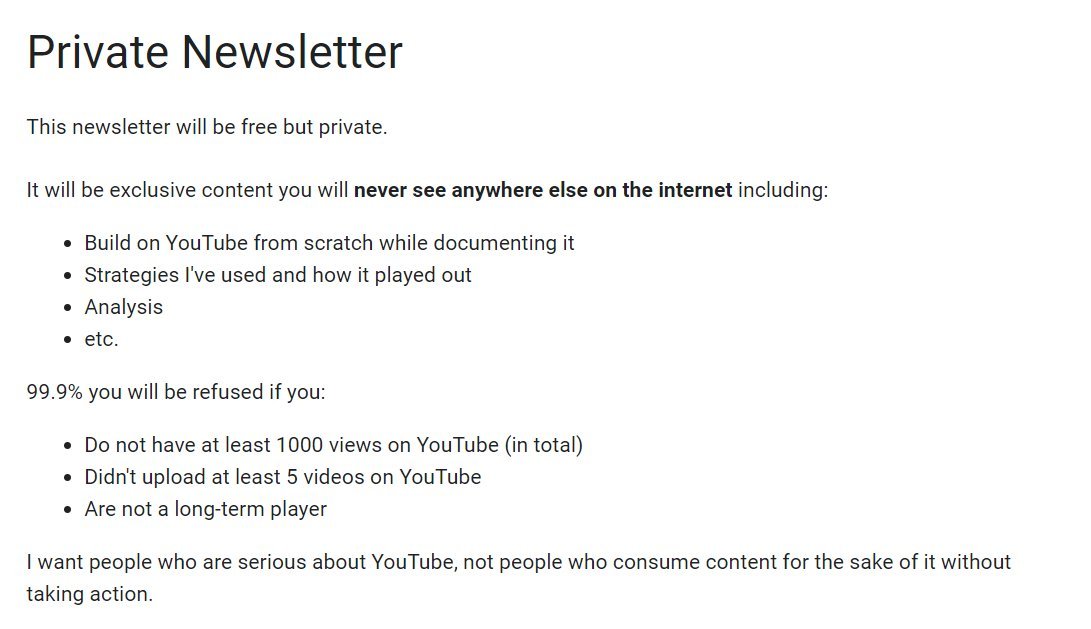
My private (but free) newsletter will launch in a few weeks, link & conditions to be whitelisted below:
👉 forms.gle/T8v6aYkwzSiNCk…
👉 forms.gle/T8v6aYkwzSiNCk…
• • •
Missing some Tweet in this thread? You can try to
force a refresh