6 pieces of timeless parenting advice from three great Stoic sages: 

1/ We don't control what happens, only how we respond
Circumstances are not up to us, but we always have the ability to control what kind of parent we are.
Parents who only focus on what they can control are much happier than those battling against what they can’t control.
Circumstances are not up to us, but we always have the ability to control what kind of parent we are.
Parents who only focus on what they can control are much happier than those battling against what they can’t control.
2/ Deeds not words
If you want to teach your kids, it’s not going to be with words. You have to show them that you live according to the rules you set and the values you tell them are important.
“Don’t talk about your philosophy,” Epictetus famously said, “embody it.”
If you want to teach your kids, it’s not going to be with words. You have to show them that you live according to the rules you set and the values you tell them are important.
“Don’t talk about your philosophy,” Epictetus famously said, “embody it.”
3/ Tame your temper
Anger is “the ugliest and most savage of all emotions,” Seneca once said.
It doesn’t matter how stressed we are or what is happening around us, our anger is our problem. Not theirs.
Anger is “the ugliest and most savage of all emotions,” Seneca once said.
It doesn’t matter how stressed we are or what is happening around us, our anger is our problem. Not theirs.
4/ Memento Mori
“Remember that you will die.”
Life is short. Be present with your kids and love them while you still can.
“Remember that you will die.”
Life is short. Be present with your kids and love them while you still can.
5/ Learn with them
Seneca famously said that the path to wisdom could be walked by finding just one thing a day.
You don’t have to conduct lectures like Epictetus to be a teacher. Seneca’s teaching came in the form of sharing what he was learning.
Seneca famously said that the path to wisdom could be walked by finding just one thing a day.
You don’t have to conduct lectures like Epictetus to be a teacher. Seneca’s teaching came in the form of sharing what he was learning.
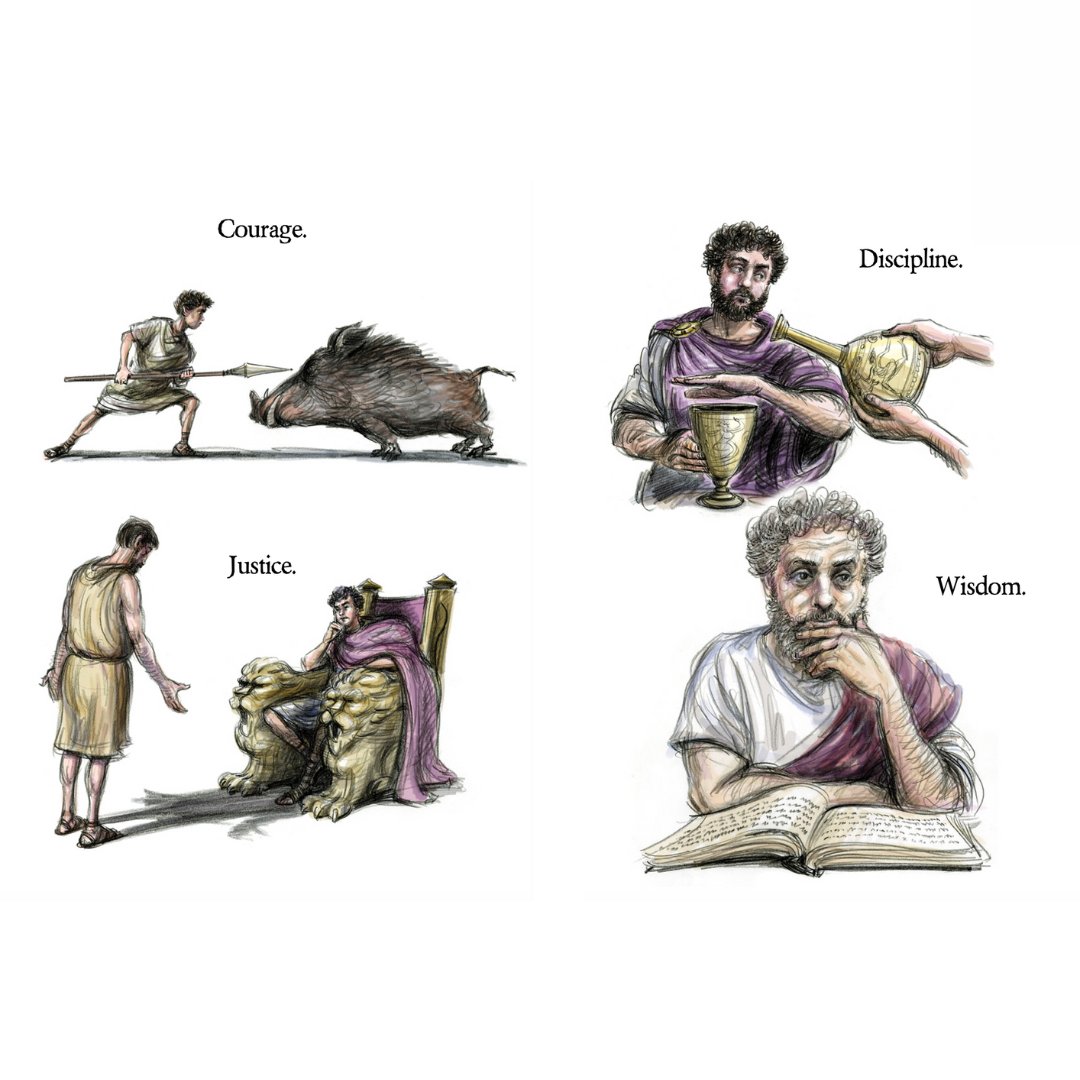
6/ Courage. Discipline. Justice. Wisdom.
If you ever find anything better in life than these four virtues, Marcus Aurelius said, it must be an extraordinary thing indeed.
As a parent, you must model these virtues and teach your kids—by example and instruction—how they can too.
If you ever find anything better in life than these four virtues, Marcus Aurelius said, it must be an extraordinary thing indeed.
As a parent, you must model these virtues and teach your kids—by example and instruction—how they can too.
That's 6 pieces of timeless parenting advice.
If you enjoyed this thread:
1. Follow @ryanholiday for more parenting and life lessons.
2. Share this thread with parents who might also enjoy it.
If you enjoyed this thread:
1. Follow @ryanholiday for more parenting and life lessons.
2. Share this thread with parents who might also enjoy it.
And if you want to receive content like this straight to your inbox...
Every morning, I send a short email for @DailyDadEmail with one piece of timeless parenting advice from history, science, literature and other ordinary parents.
Subscribe here: dailydad.com
Every morning, I send a short email for @DailyDadEmail with one piece of timeless parenting advice from history, science, literature and other ordinary parents.
Subscribe here: dailydad.com
• • •
Missing some Tweet in this thread? You can try to
force a refresh