During the Civil War, an enslaved African-American taught himself to read, commandeered a ship, rescued the enslaved crew, then sailed them all to freedom.
Then, he came back, bought his former master’s home and was elected to Congress.
Here’s how.
A #BlackHistoryMonth Thread.
Then, he came back, bought his former master’s home and was elected to Congress.
Here’s how.
A #BlackHistoryMonth Thread.

Robert Smalls was born in Charleston, South Carolina.
He grew up working on the docks, and because of his knowledge of boats, the Confederate army forced him to steer a steamship.
They didn’t know it, but Robert had other plans. He was going to sail to freedom.
He grew up working on the docks, and because of his knowledge of boats, the Confederate army forced him to steer a steamship.
They didn’t know it, but Robert had other plans. He was going to sail to freedom.

The night before his planned escape, Smalls asked the captain if he could bring his family on board.
He told them it was just for a visit.
The white captain agreed — as long as they left before curfew.
Oh, they were about to leave alright — and take the boat with them!
He told them it was just for a visit.
The white captain agreed — as long as they left before curfew.
Oh, they were about to leave alright — and take the boat with them!
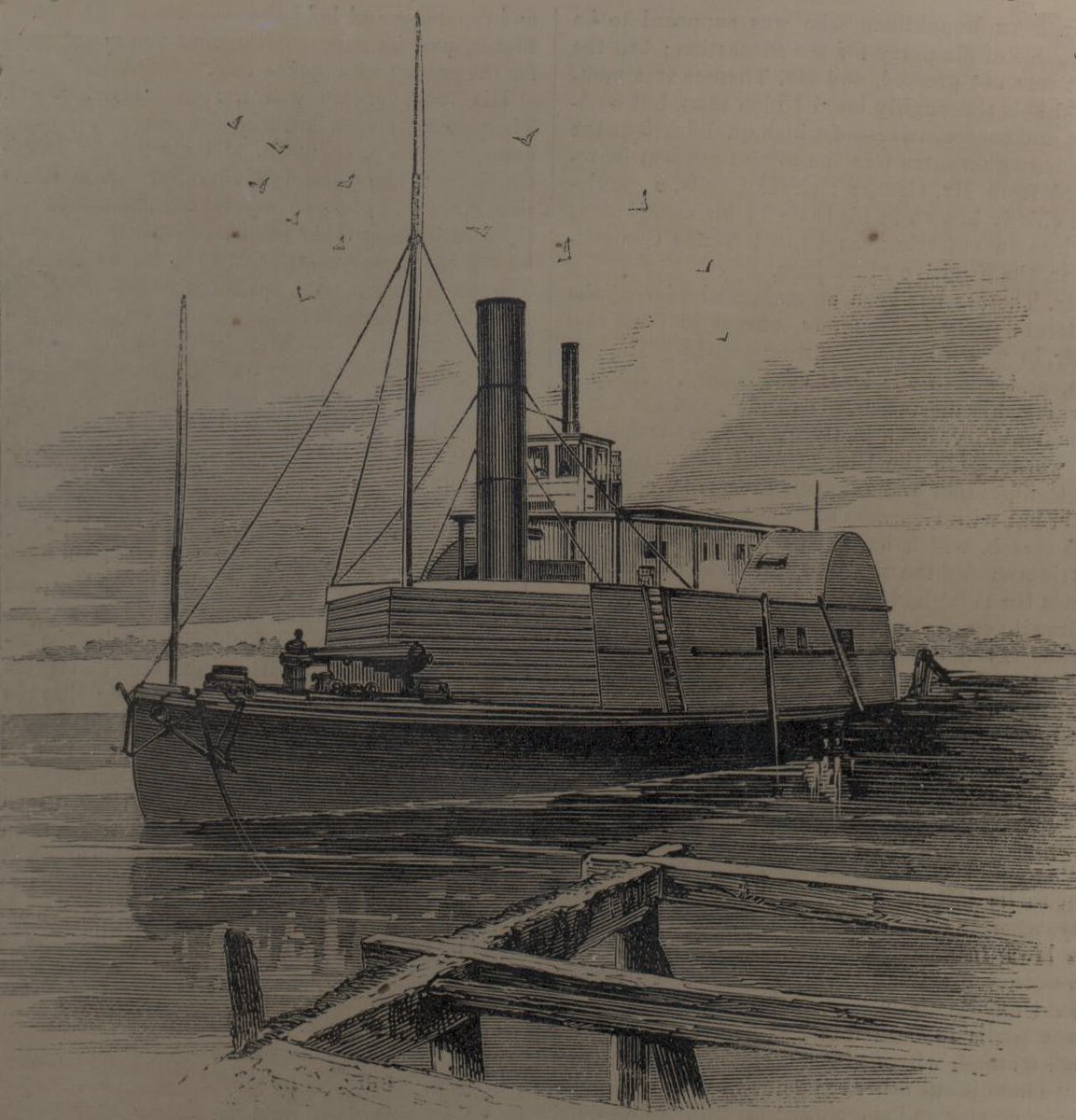
That night, Smalls hatched his plan. Not only was he going to escape, but he was going to deliver the boat to Union forces.
It meant escaping, avoiding detection, sailing through the Confederate harbor, and convincing Union forces he was on their side.
Not exactly easy.
It meant escaping, avoiding detection, sailing through the Confederate harbor, and convincing Union forces he was on their side.
Not exactly easy.
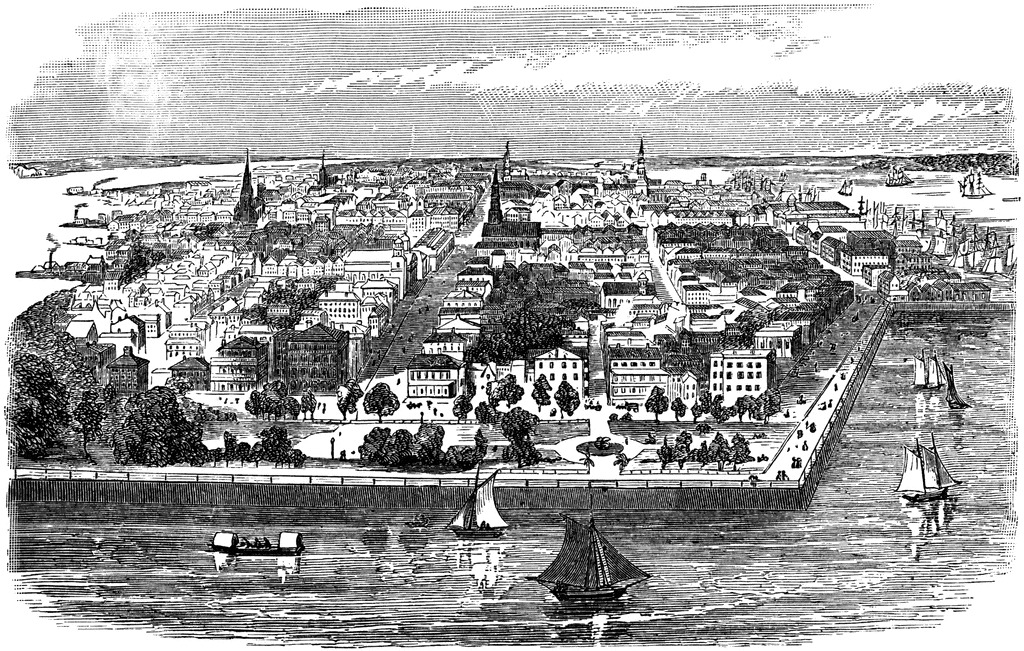
That night, other enslaved crew members had their families hide on a nearby ship.
When the white crew had gone ashore, Smalls put on the captain’s uniform, lifted anchor, picked up the other families, and set sail — right through enemy waters!
When the white crew had gone ashore, Smalls put on the captain’s uniform, lifted anchor, picked up the other families, and set sail — right through enemy waters!
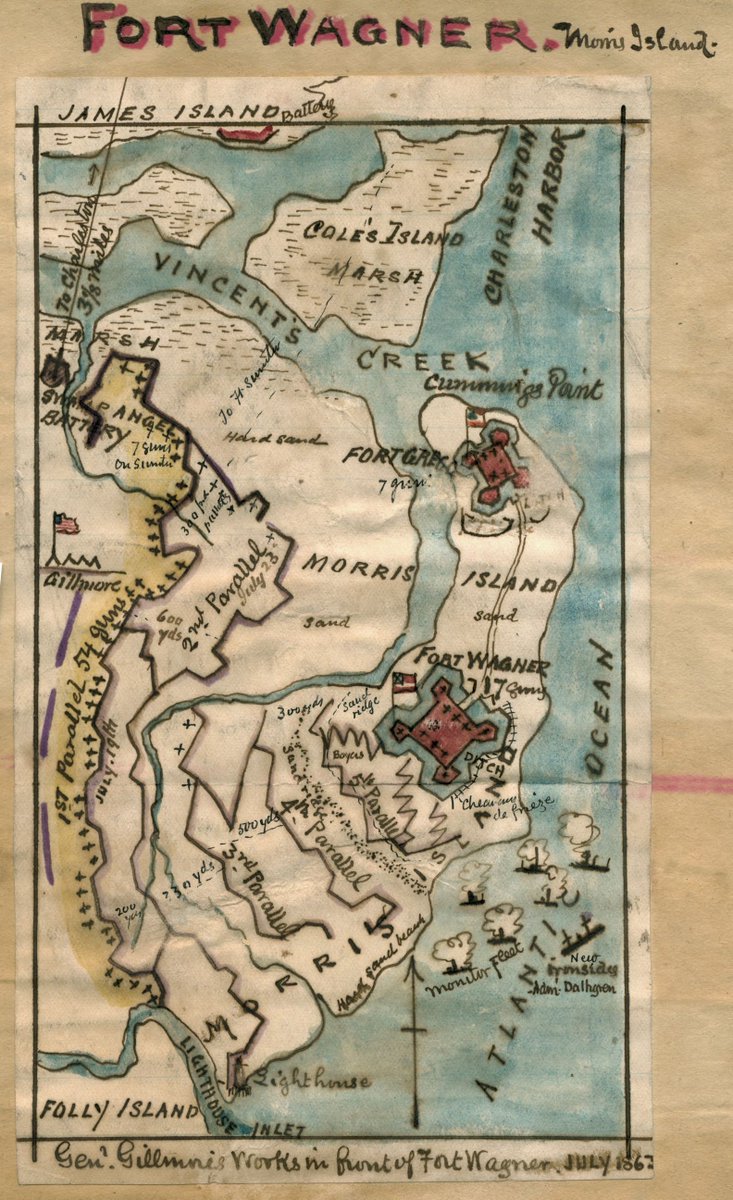
Smalls made it through all five confederate harbors. Because it was dark and Smalls was wearing the captain’s uniform, no one suspected a thing.
When he approached the Union fleet, he replaced the confederate flag with a white bed sheet, hoping they wouldn’t fire.
When he approached the Union fleet, he replaced the confederate flag with a white bed sheet, hoping they wouldn’t fire.
Miraculously, despite the thick fog, the Union Navy was able to see the white flag.
Smalls surrendered the ship along with the weapons, ammunition, confederate maps, and the captain’s code book.
He had just handed the Union army a goldmine.
Smalls surrendered the ship along with the weapons, ammunition, confederate maps, and the captain’s code book.
He had just handed the Union army a goldmine.
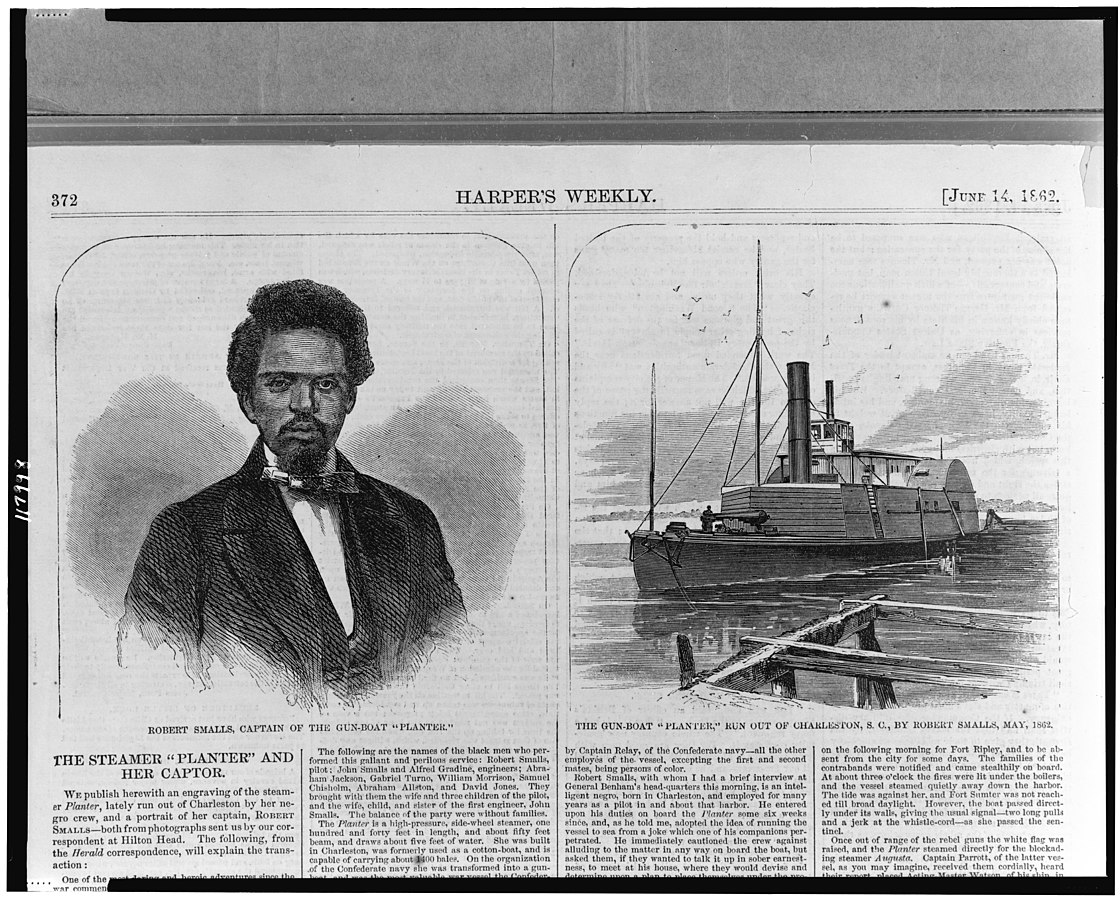
After gaining his freedom, Smalls was awarded prize money for delivering the steamship to Union Forces.
He continued to serve in the Union Navy until the end of the war.
But that’s where the story gets even more incredible.
He continued to serve in the Union Navy until the end of the war.
But that’s where the story gets even more incredible.
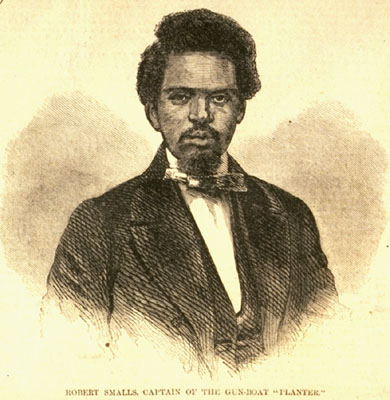
By the end of the war, Smalls had taught himself to read and write. And thanks to his prize money, he went back and bought his former master’s house.
Then, he bought another building and turned it into a school for African-American children.
And it gets better.
Then, he bought another building and turned it into a school for African-American children.
And it gets better.

After escaping from the south, rescuing several families, and becoming a war hero, Smalls decided it was time to break another barrier.
He ran for US Congress and won - not just once but five times, representing South Carolina in the House of Representatives.
He ran for US Congress and won - not just once but five times, representing South Carolina in the House of Representatives.
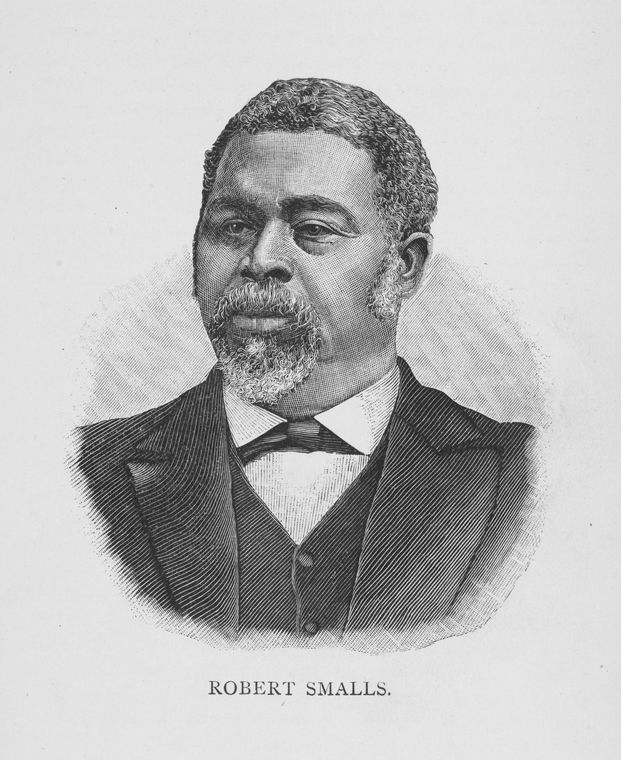
Smalls’ story is a movie waiting to happen.
At Goodable, we believe that children deserve stories that inspire them to build a better world.
If you’re an educator, consider signing up for Goodable in the Classroom, our free resource to inspire students.
goodable.co/education/
At Goodable, we believe that children deserve stories that inspire them to build a better world.
If you’re an educator, consider signing up for Goodable in the Classroom, our free resource to inspire students.
goodable.co/education/
• • •
Missing some Tweet in this thread? You can try to
force a refresh