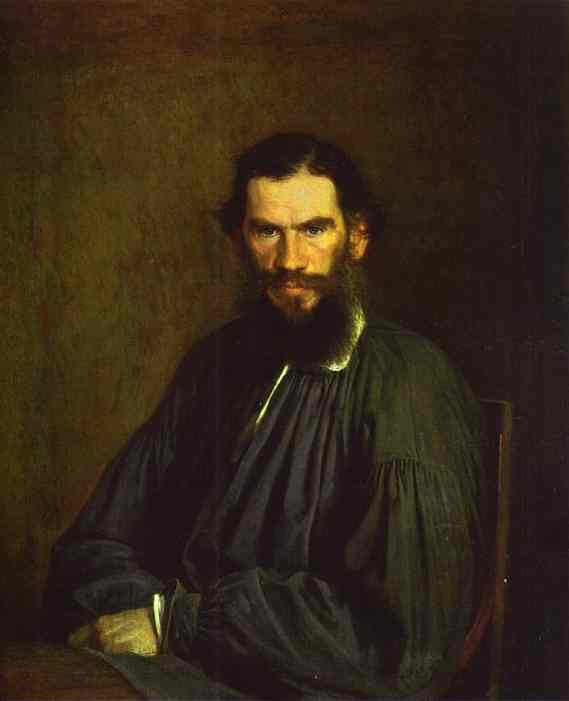
Just finished Anna Karenina, one of Tolstoy's incredible Novels. I've yet to read any formal analyses, so forgive me if I either report oft repeated themes, or am extremely off base, but I wanted to offer my personal input on some of the major messages from this work of art.
The 2 main characters in the story are Anna Karenina and Konstantin Levin. There are several other important plots/characters that surround these two protagonists, but their stories are obviously the driving narratives throughout the book
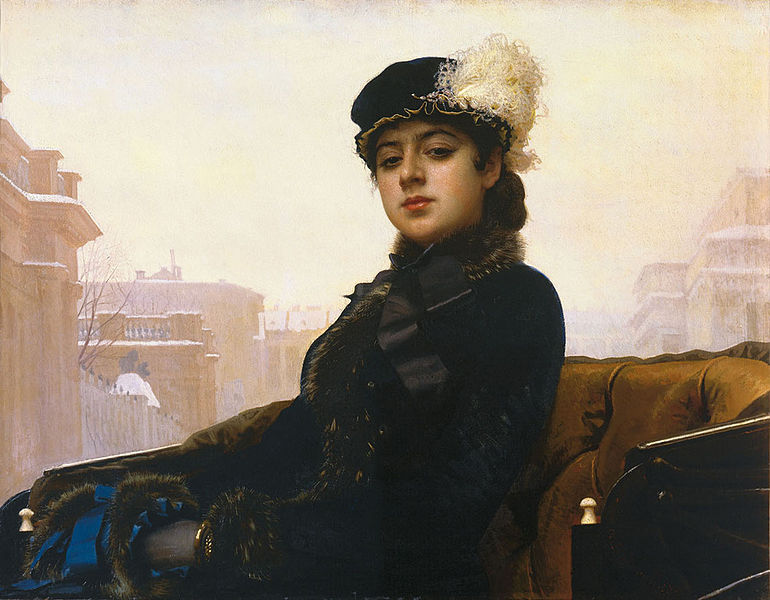
At the beginning of the book, Anna is portrayed as the the ideal female: incredibly beautiful, the paragon of fashion, married to a powerful statesman, a loving mother of a healthy child, wealthy, elegant, and at the apex of Moscow/Petersburg society.
Levin on the other hand is portrayed being at the bottom: a bachelor, rejected by the love of his life, frustrated with his dwindling estate, at odds with his peers socially/intellectually/politically, feels he's an outcast, and despondent about his listless future
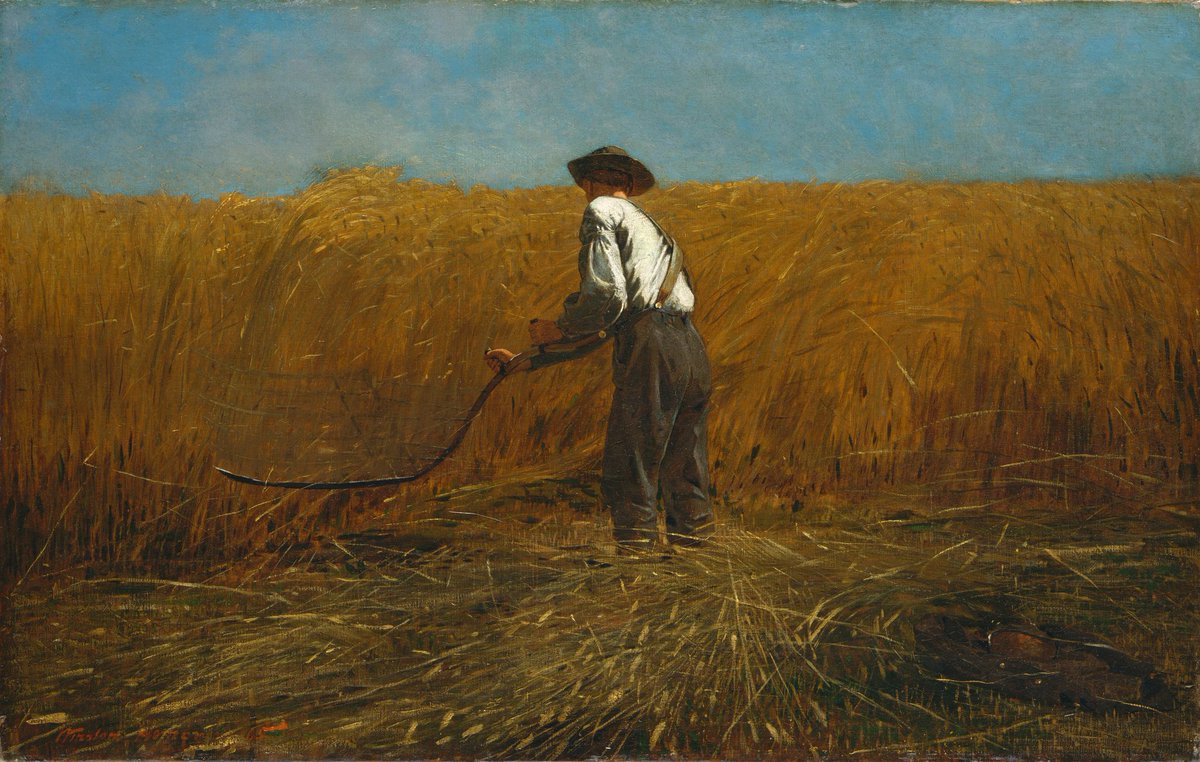
What's interesting is how these 2 characters switch positions; in the end, Levin becomes incredibly happy and at peace with his external/internal troubles, whereas Anna falls into deep existential despair, which ultimately destroys her. The questions is, why/how did they switch?
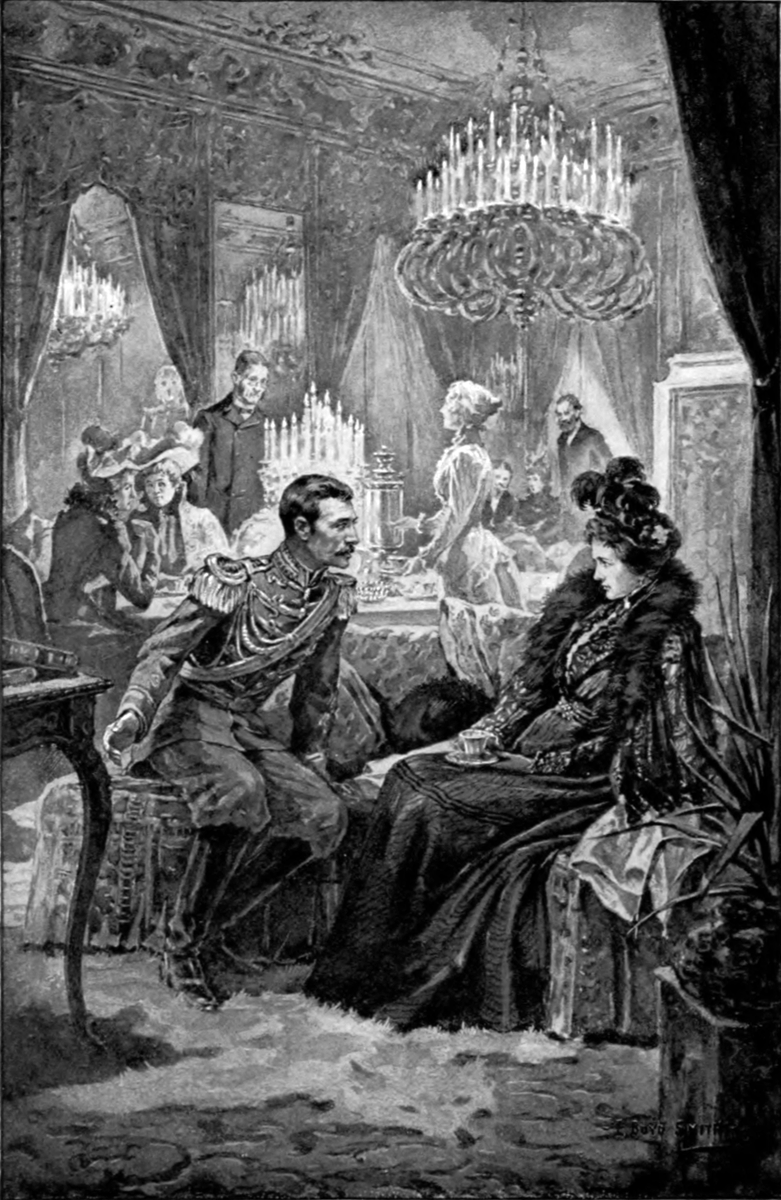
Anna's life unravels as she makes a series of selfish decisions: what starts as "innocent intrigue" develops into disloyalty, infidelity, and ultimately ruin. She loses everything: her husband, her son, her position, estate, her dignity, and, ultimately, her life.
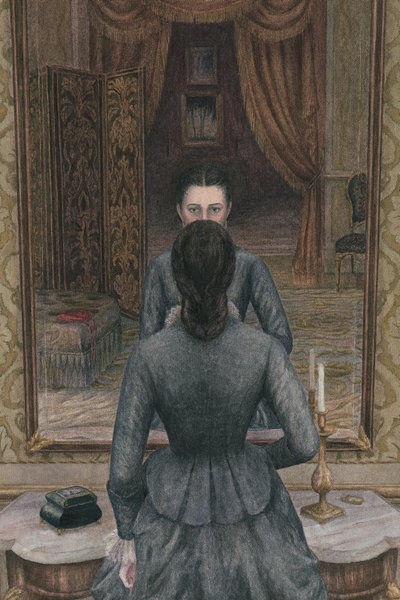
Levin's life becomes elevated as he determines to look outside of himself and to sacrifice for others. He befriends the down trodden, refuses the indulgences of the wealthy, aligns himself with the sick and the needy, and as he loses his life - he finds it.
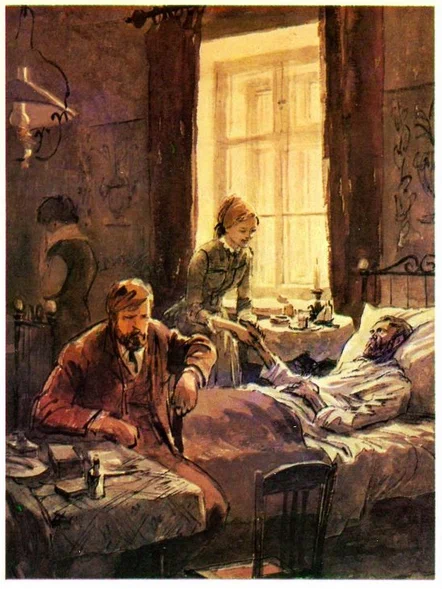
In the end, Tolstoy weaves a beautiful tale of tragedy and redemption, centered on "doing what's right". No one will force us to choose the right; but each decision, though seemingly insignificant, will lead us to redemption, or ruin. We must, like Levin, choose to do good!
• • •
Missing some Tweet in this thread? You can try to
force a refresh

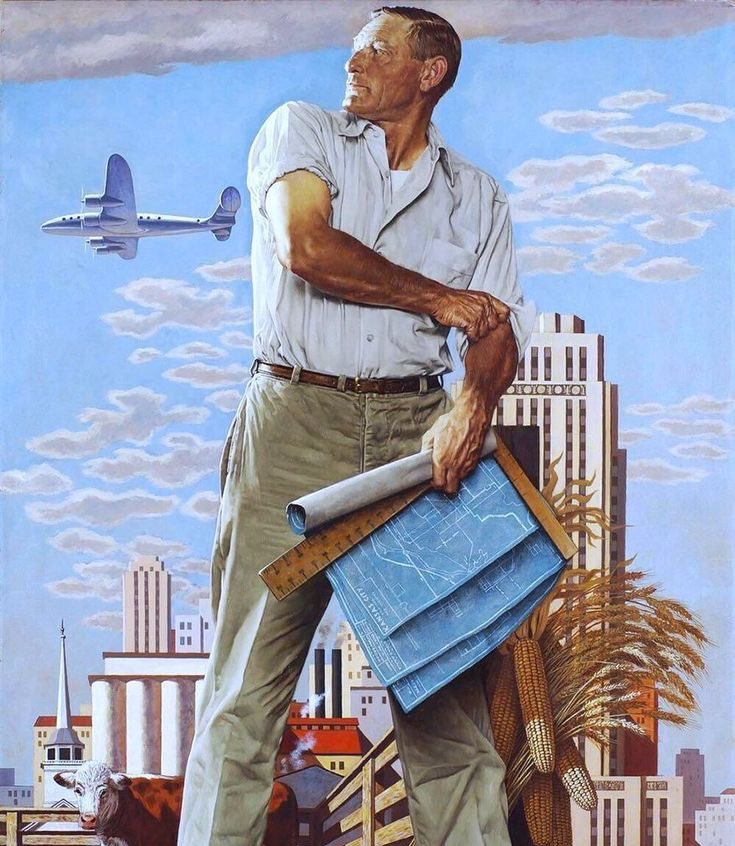
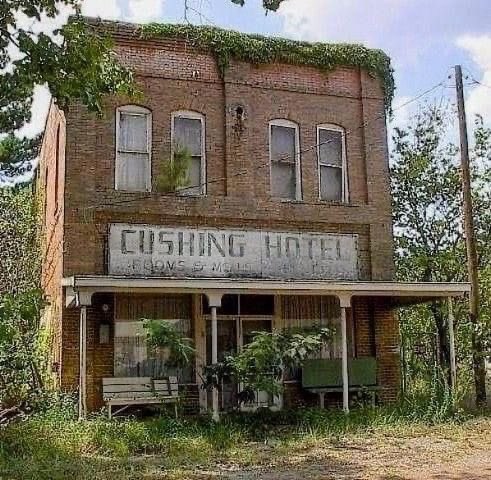
Some of my esteemed colleagues are pointing out that my recent posts regarding pro-protectionist policies, reshoring of jobs, reindustrializing the U.S., building our manufacturing base, is out of step with my usual cozy local community poasting 1/4
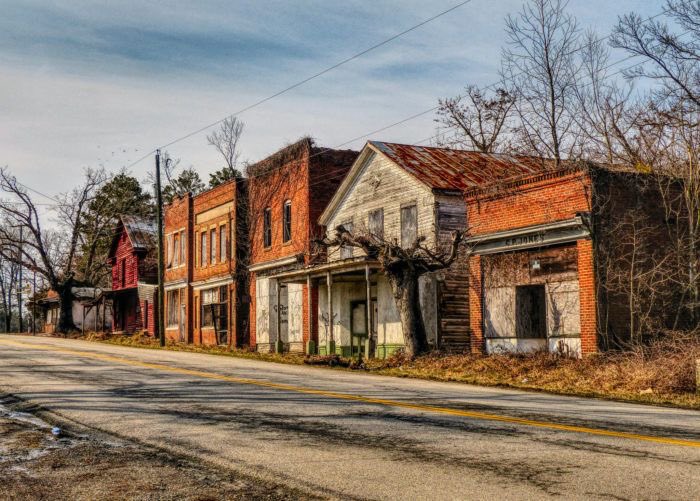
While these appear out of step, I view them as inextricably linked. The reason we saw small town America be destroyed, and rural America get gutted, is because of globalism, offshoring of jobs, and trade agreements that hurt American workers 2/4
If we want lovely local communities, people to get married & have families, meaningful work with good wages/benefits, a thriving middle class, we need good jobs. So much of why people abandoned their hometowns and leave their families is because there were no economic prospects
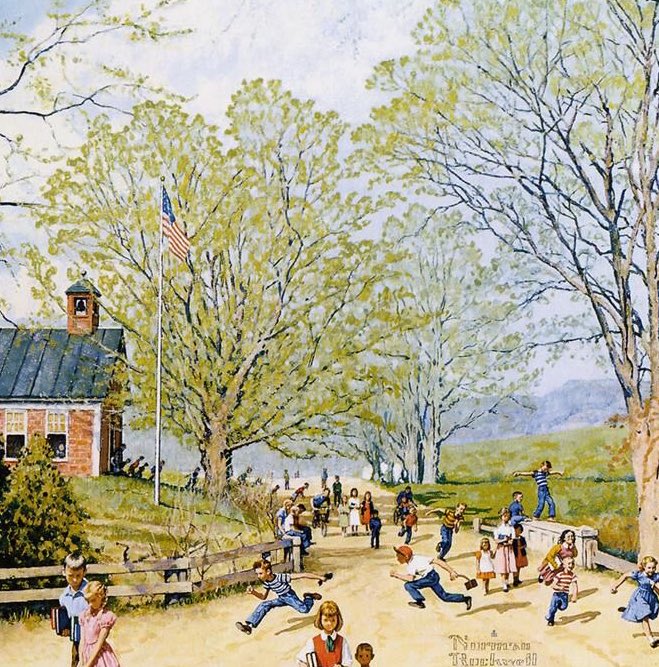
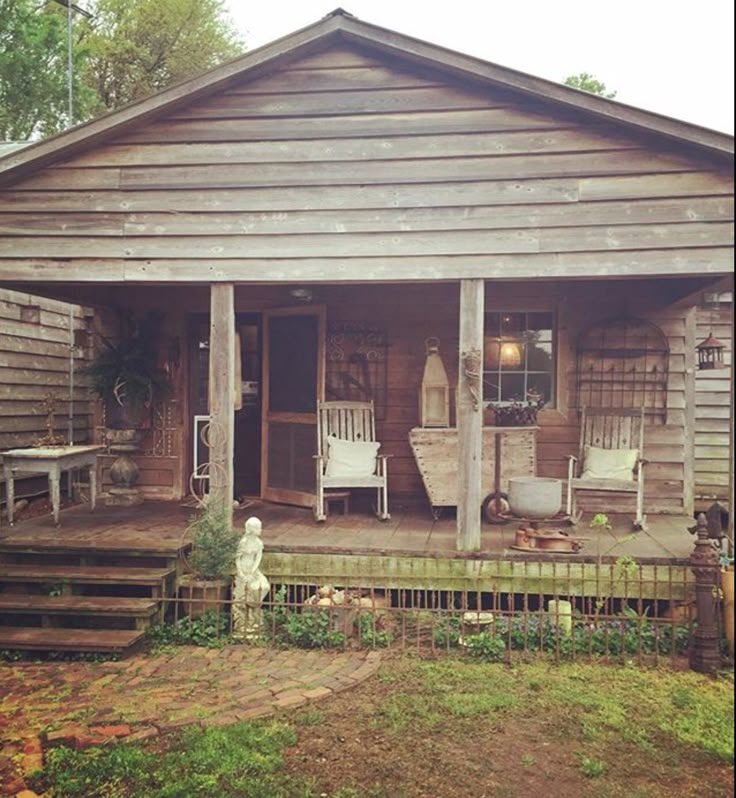
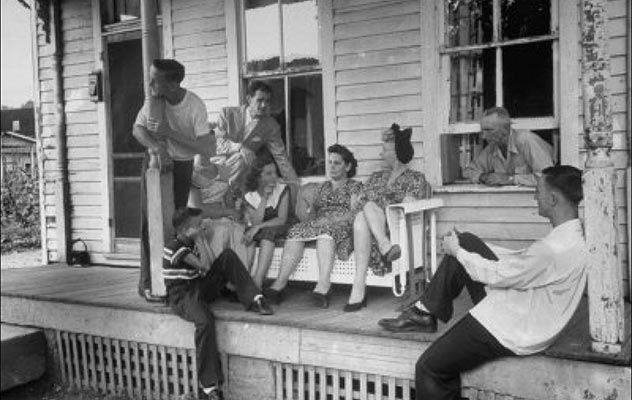
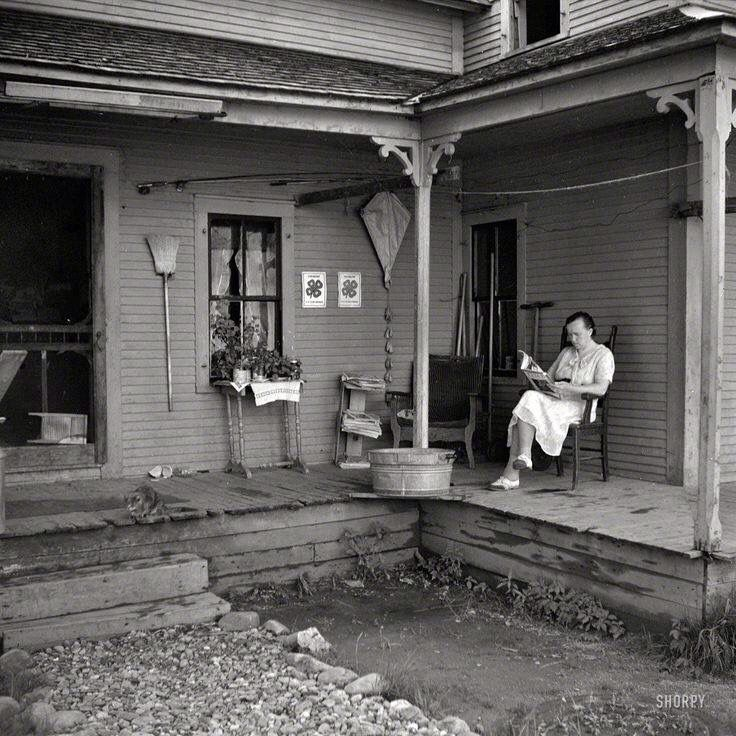
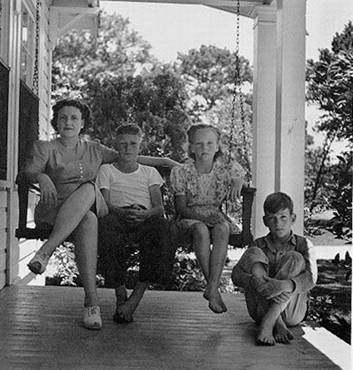
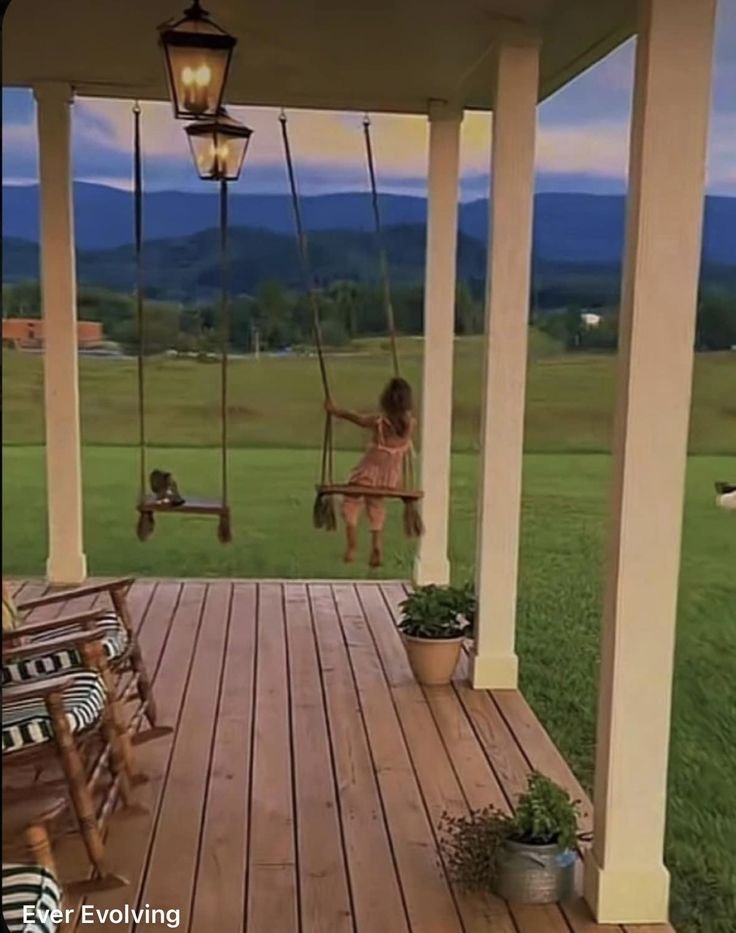
"The house should have a front porch where people can sit comfortably and watch the world go by." -CA
Christopher Alexander in A Pattern Language explains why porches once made neighborhoods thrive—and why their disappearance was a fundamental change 1/
A front porch is a soft boundary. It’s not fully public (like the street) or fully private (like the backyard). It’s an in-between space where life happens.
Without porches, houses become islands. With them, homes become part of a community.
Porches create natural social interaction. They let neighbors see each other, exchange greetings, and form relationships without forced effort.
The strongest communities aren’t built in meetings—they’re built in passing conversations.
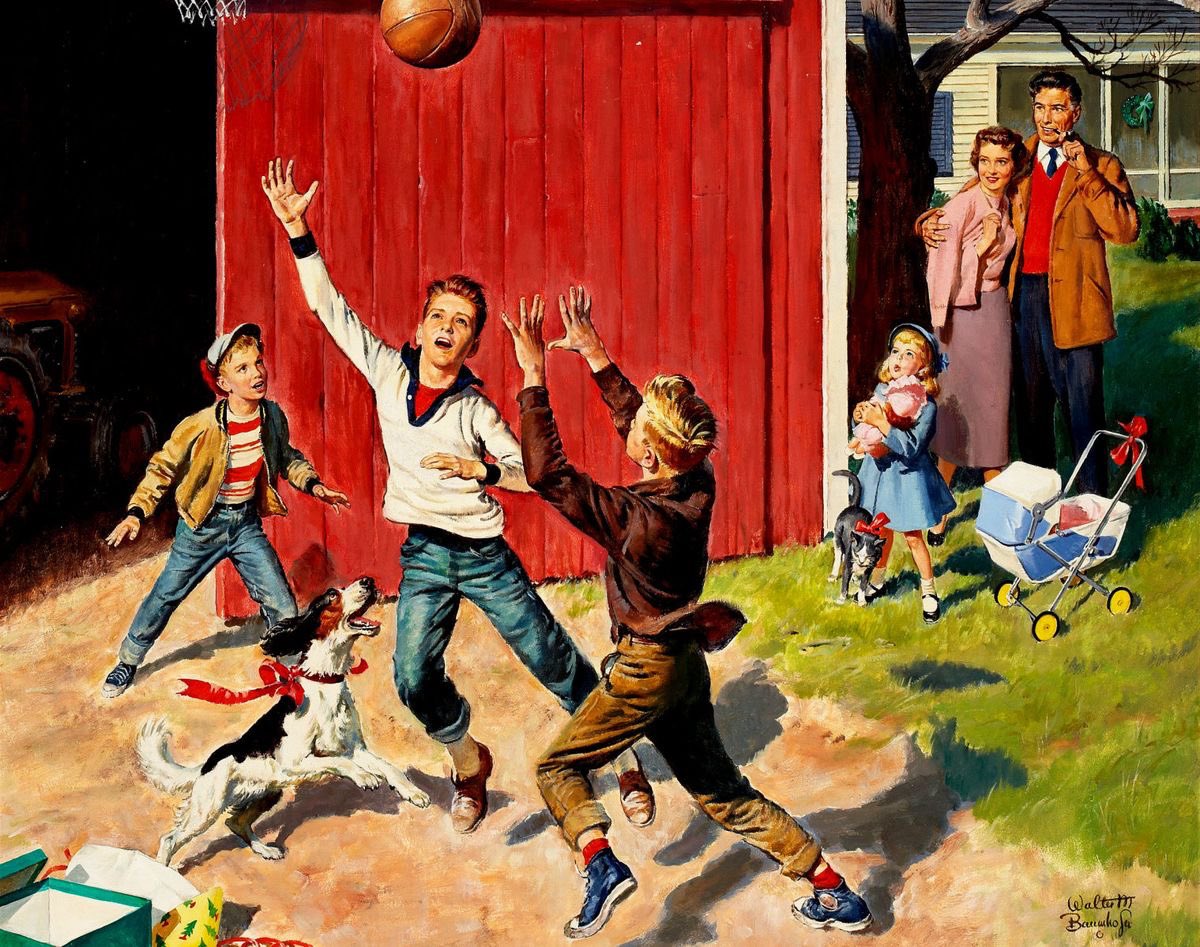
Tonight after dinner, my two older girls were playing “Little Women”, wearing aprons/dusting, I was playing the piano, my wife singing along to the hymns, toddler playing with toy horses, baby sleeping in crib. Someone knocked on the door - we all excitedly went to see who it was
Turns out it was a man delivering a package. I could tell he was surprised by the large greeting at the door. He asked if this was the right address, handed us the package, we thanked him and he left. After he’d gone, I wondered how long he stood at the door before knocking
I wondered if he paused, hearing the happy music, the singing, the laughing of children - seeing the warm lights inside - he thought “This is somewhere I want to be”. I wish instead of just thanking him, we invited him in, had a cup of hot chocolate w/ us, and we got to know him